
Following New Wave director Varda’s DV camcorder from the Beauce potato fields to a produce market at Montparnasse, the documentary records gleaners exercising an ancient right dating to 1544, picking back up what machines miss, farms discard, and supermarkets throw away.
Chengde tomatoes lost seventy to eighty per cent to powdery mildew, Shunyi watermelons split in the field under prolonged overcast and rain, and Guilin sweet potatoes lost all marketability to severe drought. After such losses, several ecological small-scale farmers are finding a way forward through diversified planting, wet-dry rotation, and soil improvement.
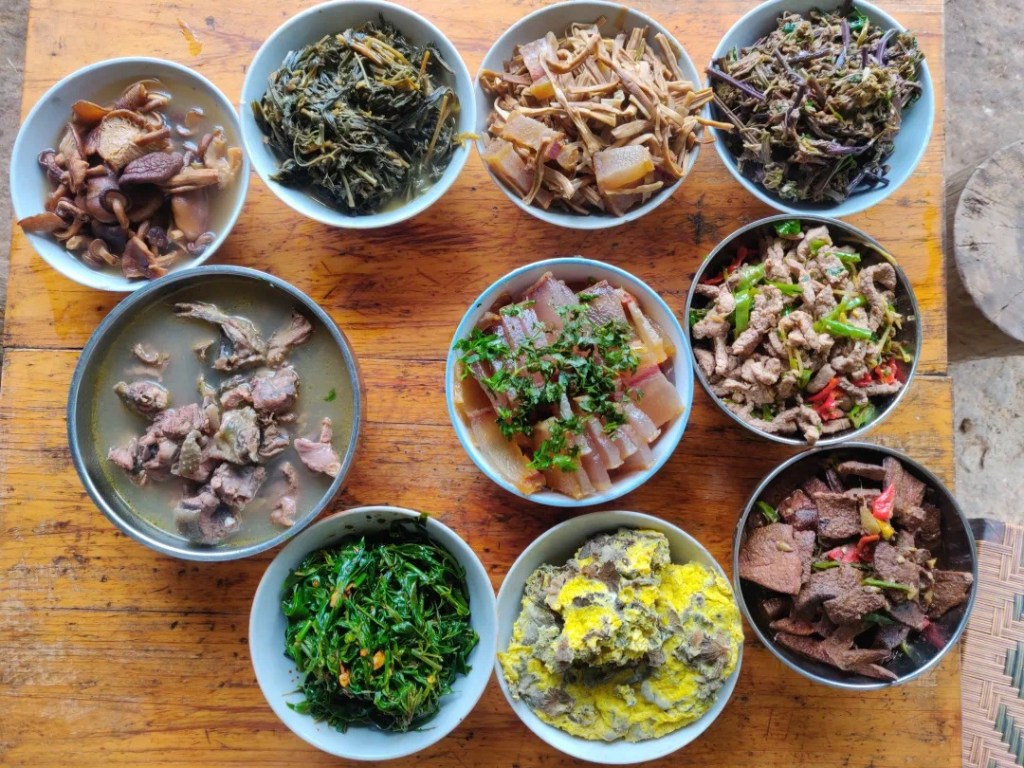
From an open-hearth dinner in walnut oil to a mountain village where heritage pigs forage on acorns, two days of Lisu cooking reveal how over a hundred wild greens serve as both nourishment and medicine.
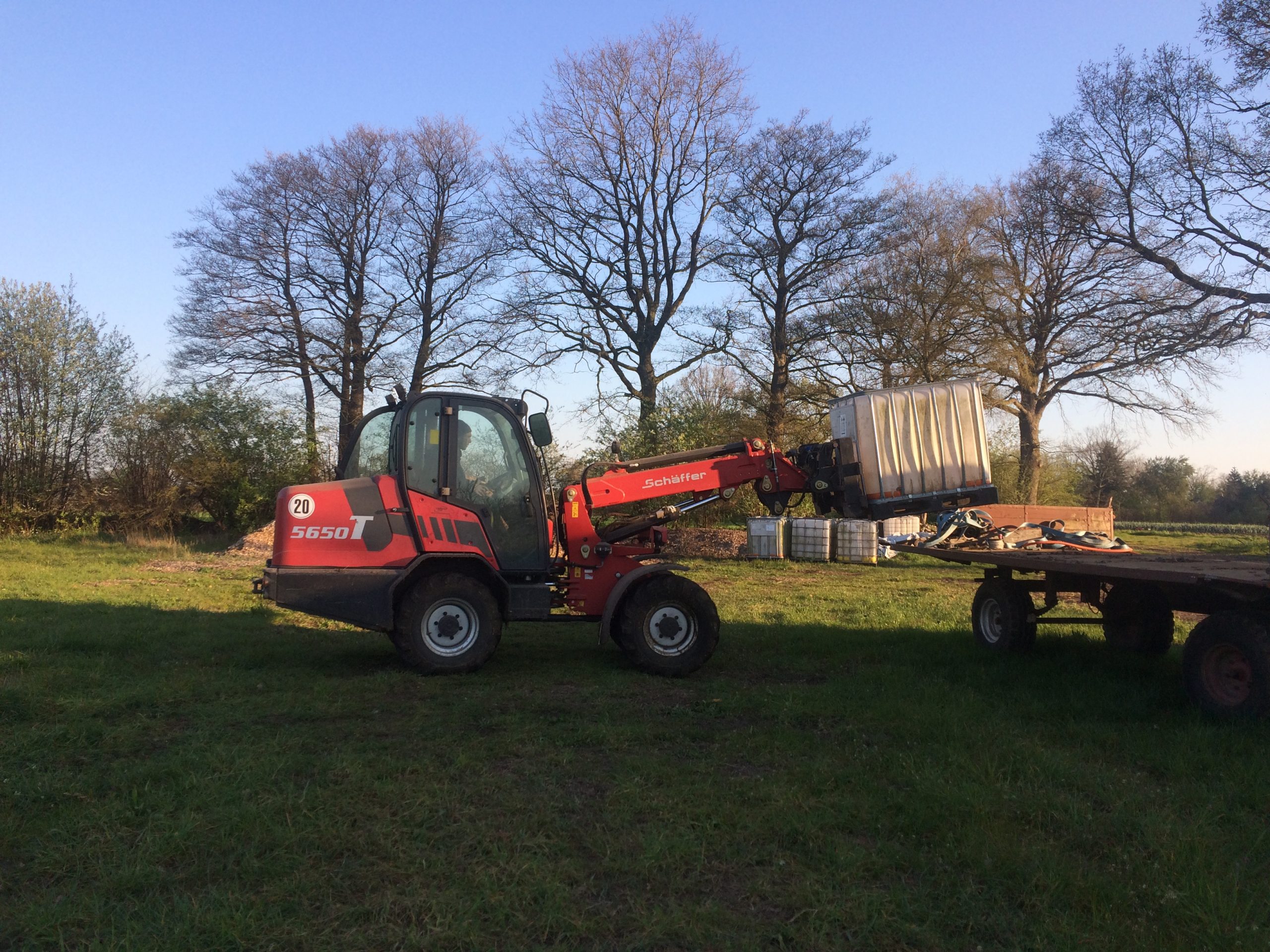
Three years on German organic farms and a month on a Chinese one inform the ergonomic habits and specific tools — ploughing forks, small hoes, row markers — that reduce strain on back and joints.
Every Sunday, more than 200 farmers and local producers sell their own produce directly at nearly 20 London markets, with a set proportion of ingredients from within 100 miles. For many Londoners, these are among the few open spaces to get outside and talk face to face with producers during the pandemic.
Foodthink records the pandemic-era routine of shared purchasing with the Beijing Organic Farmers’ Market, recounts farm visits across several provinces in the second half of the year, and shares four winter recipes from Xiao Liushu Farm.
Starting with the small grocery shop opened by 28 textile workers in Rochdale in 1844, this piece traces how the seven co-operative principles took shape in the workers’ daily operations, and why the co-operative economy has regained attention after the financial crisis.
In the karst mountains of Nandan County, Guangxi, Li Youming left years of city work to cultivate heirloom rice without chemicals, building a family seed bank he hopes will carry his people’s tradition forward.
At a farmers’ market in a small American Midwest town, a pig and cattle farmer running eight hundred mu of land single-handedly still sells meat, fixes machines and climbs trees on a still-healing hip – because farm income cannot keep a family afloat.
“One-size-fits-all” farm closures in no-farming zones and straw-burning bans leaving villagers detained: Jin Shuqin, Research Center for Rural Economy, Ministry of Agriculture and Rural Affairs, argues that “blocking without channeling” strays from rural revitalisation’s thriving industries and livable ecology — green and development are one.