In 1902, American chemist Wiley had twelve volunteers risk their bodies to prove borax and formaldehyde dangerous. A century on, borax still appears in cold noodle strips and meatballs, and cumulative effects of approved additives remain inadequately assessed. The simplest defence: avoid crispy, jelly-like, heavily flavoured foods; buy whole.

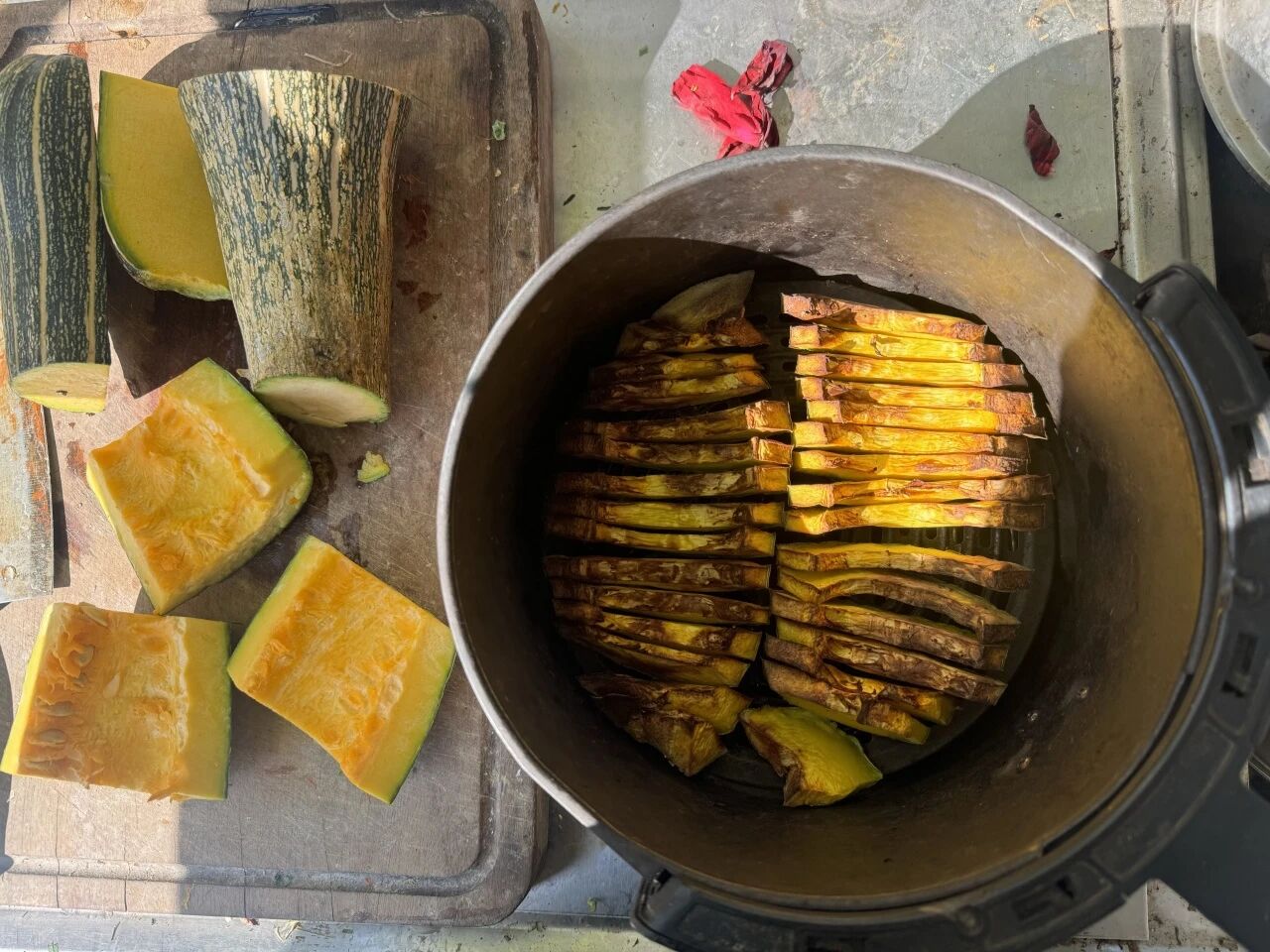
Roselle with stevia, pumpkin steamed and dried three times, maltose syrup over raw nuts — a few simple steps at the stove, and a snack’s sweet aroma need not come from free sugars and refined seed oils on the shelf.
Three mothers talk about what’s behind the “fussy eater”: from a childhood of eating only the dumpling wrapper, to a rice-ball experiment meltdown, to a teenager “eating dinner three times a day” — intergenerational memory, invisible emotional labour, and that first mouthful to feed yourself, hidden within picky eating.
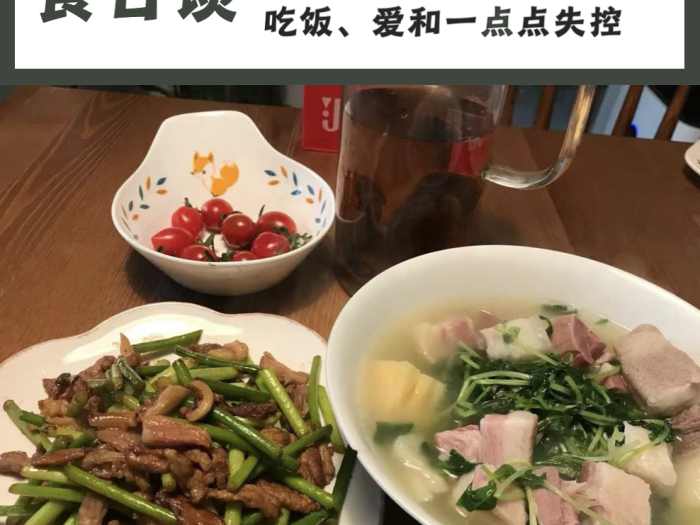
The three Food Talk hosts reveal their own mealtime viewing lists and, drawing on research showing that being absorbed in devices during meals increases calorie intake by 15%, ask whether this virtual side dish is healing loneliness or quietly eroding health.
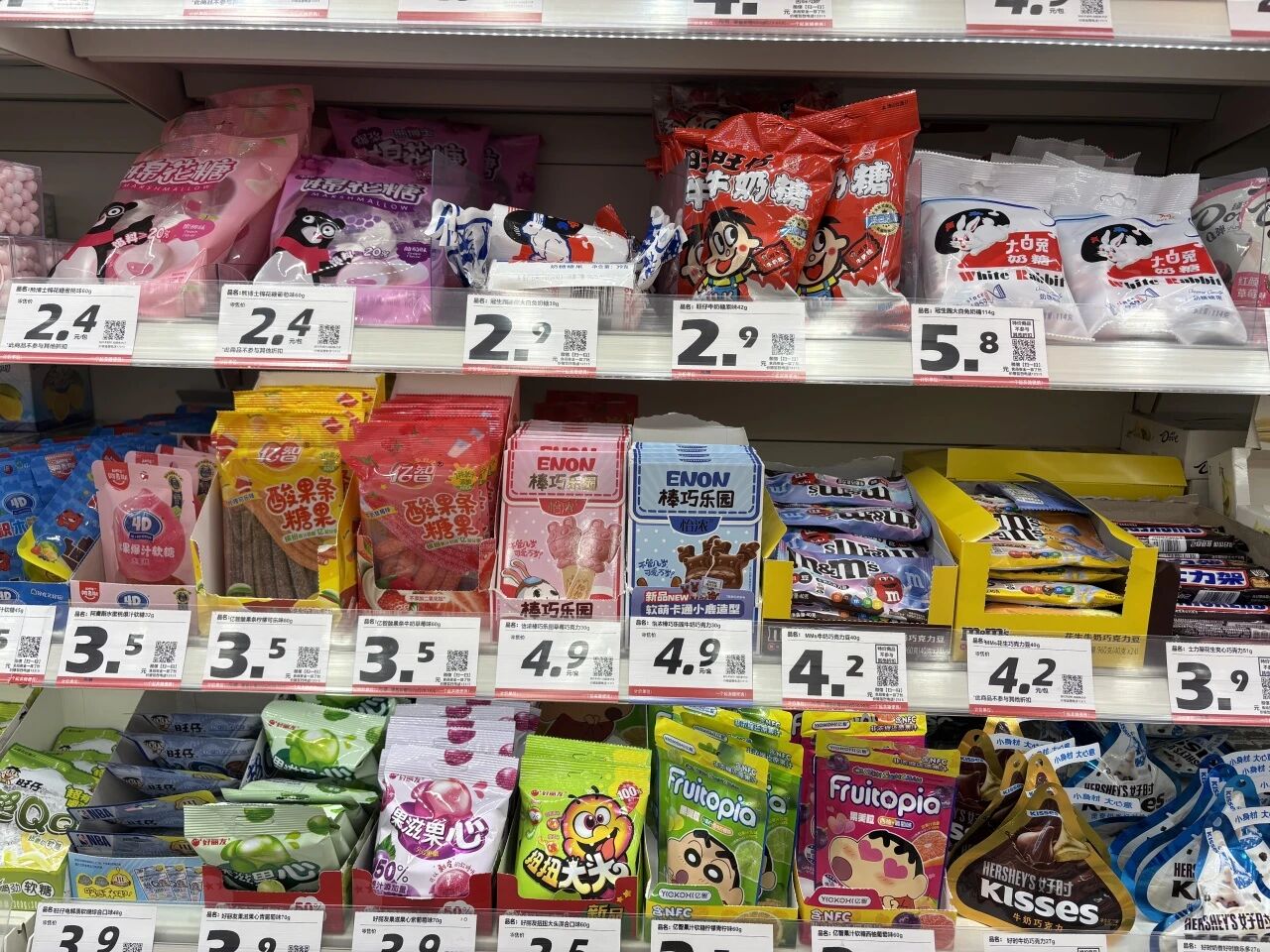
Oyster sauce, salad dressing, “No Added Sucrose” drinks—added sugar is embedded in four-fifths of supermarket products. Spot the disguises on the ingredients list, see how the Bliss Point turns sweetness into addiction, to protect yourself in a world besieged by sugar.
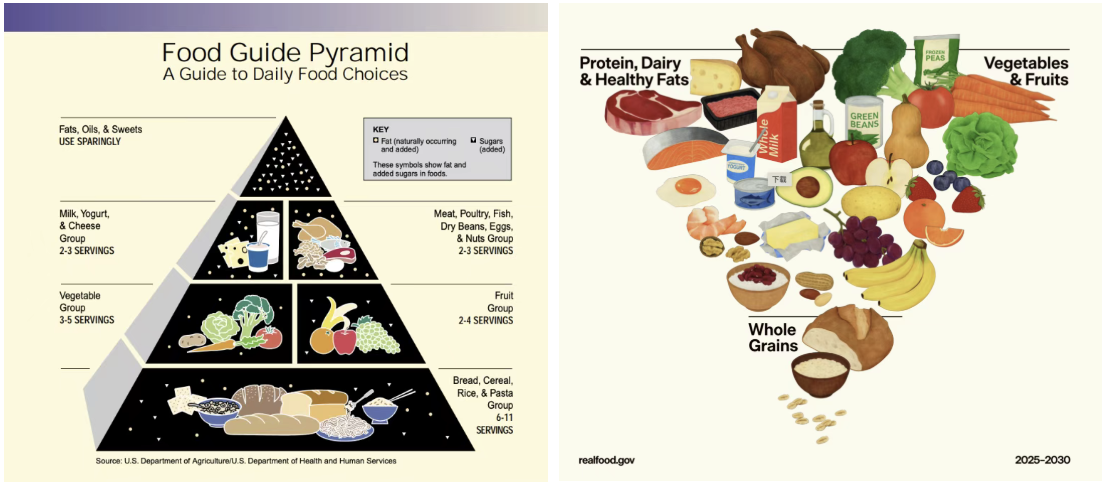
The Sugar Association bankrolled Harvard professors to publish papers claiming sugar was unrelated to heart disease, and the Seven Countries Study cherry-picked data from just 7 of 22 sampled countries. The half-century “low-fat” craze that followed left heart disease undiminished while obesity and diabetes spread.
In Èrén Gǔ, Kouzi served roasted pumpkin, maize and homemade tempeh at the table, using an air fryer and a high-speed blender to make seasonal harvests into everyday staple foods.
Milk travelled the world on Dutch merchant ships, came to the table in Shanghai, and over more than a century was shaped by advertising, scientific discourse and nationalism into a drink for strengthening the nation and the race; after the melamine incident, Chinese people with lactose intolerance still put it on their everyday table.
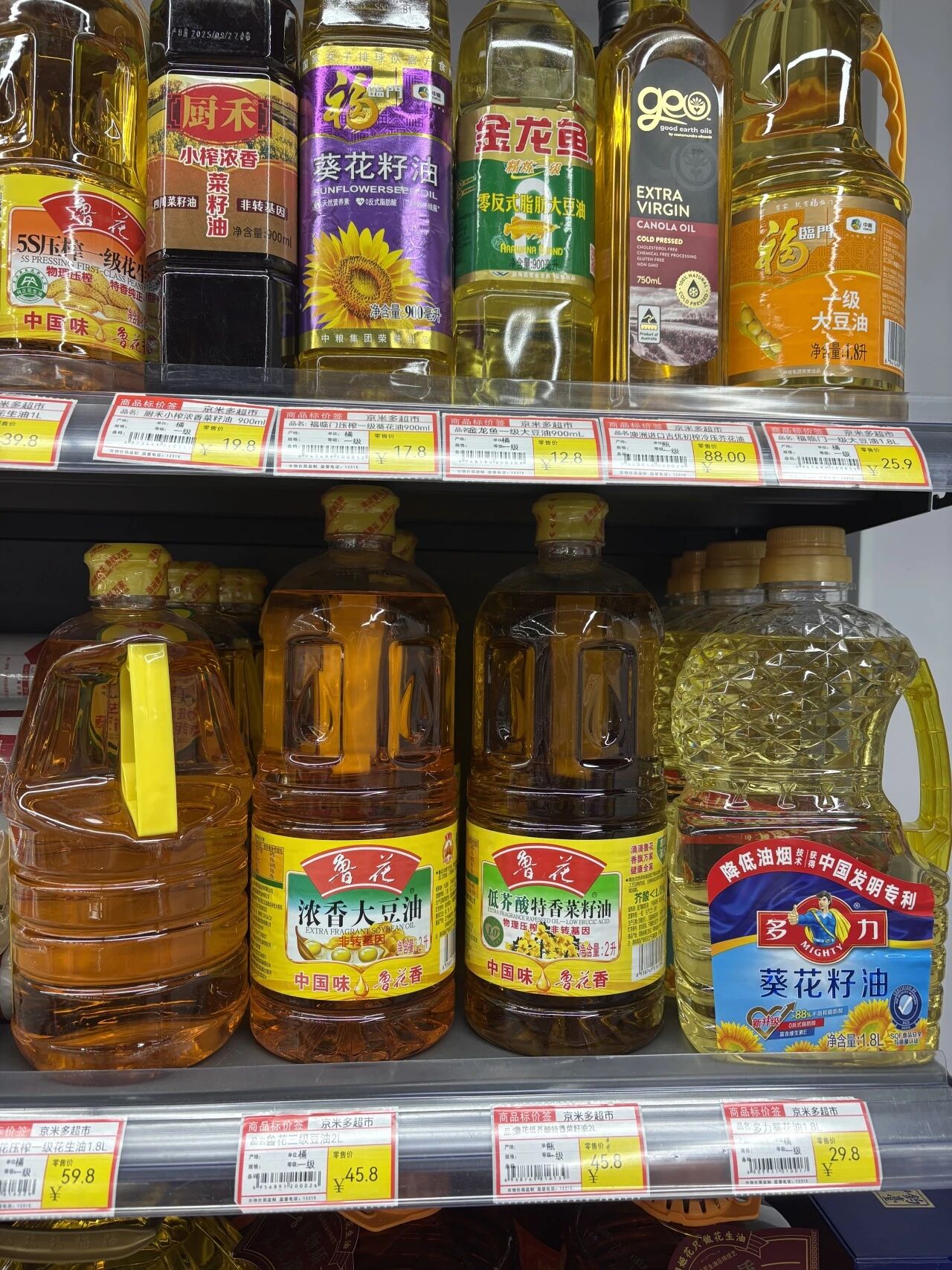
Mixed-loading in tankers is only the surface issue. Supermarket vegetable oil – n-hexane-extracted, refined through two rounds of high heat – still harbours solvent residue, trans fat and excess ω-6. Low-temperature cooking and eating nuts plain are a stupid way around them.
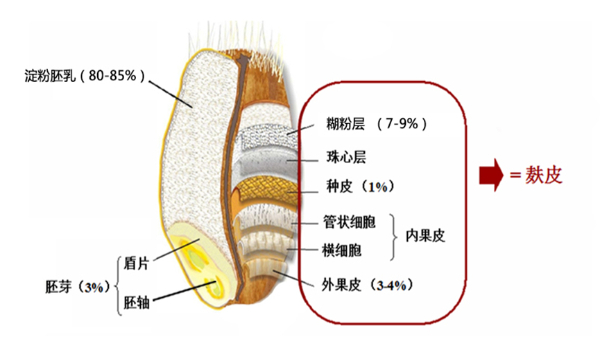
Wheat bran sifted out during milling, repackaged as “wheat germ flour”, suddenly doubles in value; today’s rice and flour, fine-milled and laced with additives, are already ultra-processed foods — yet a home grain mill and mixed-grain and bean porridge can still restore staples to their original form.