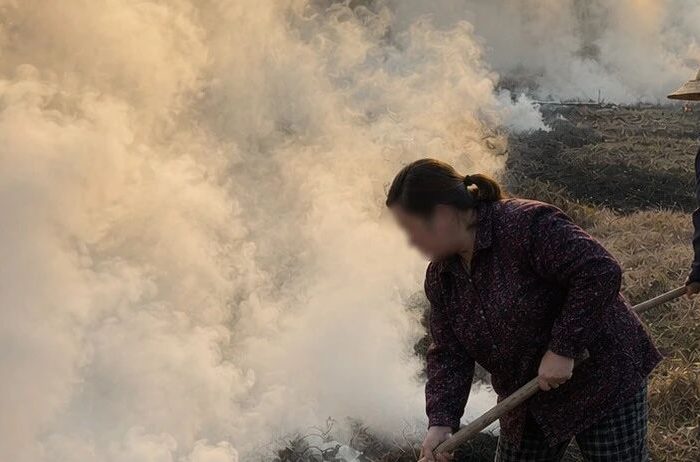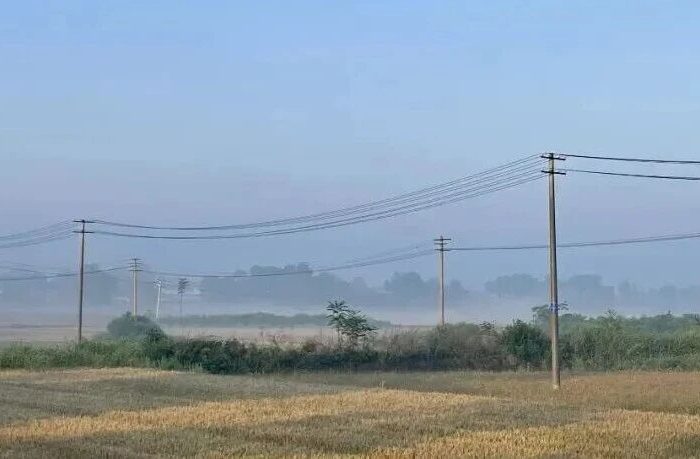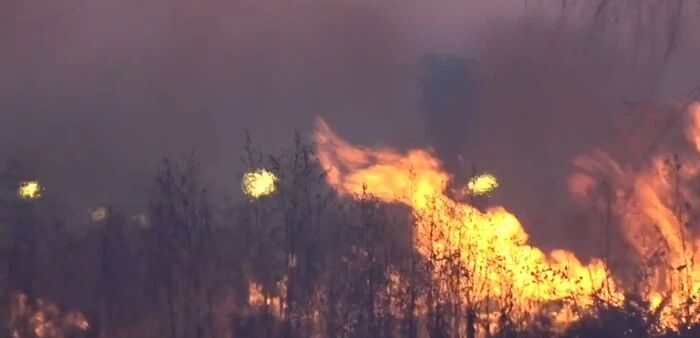
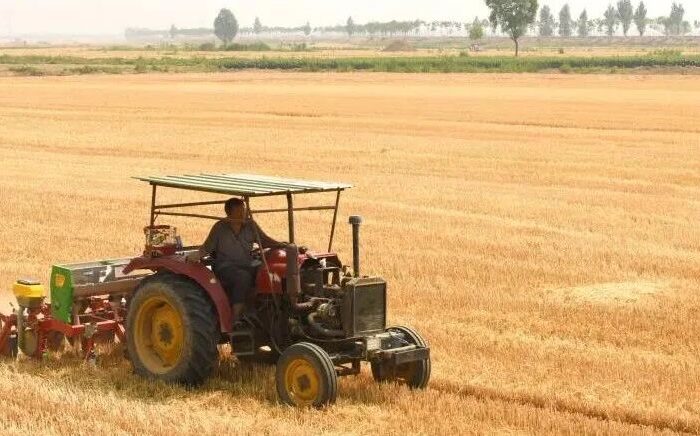
In southern Hebei’s wheat-maize rotation areas, farmers say straw incorporation makes seedling emergence harder and brings more pests and weeds. They say spraying and rotary tillage cost more, and even if they see yield losses as limited, they still want to burn the crop residue.
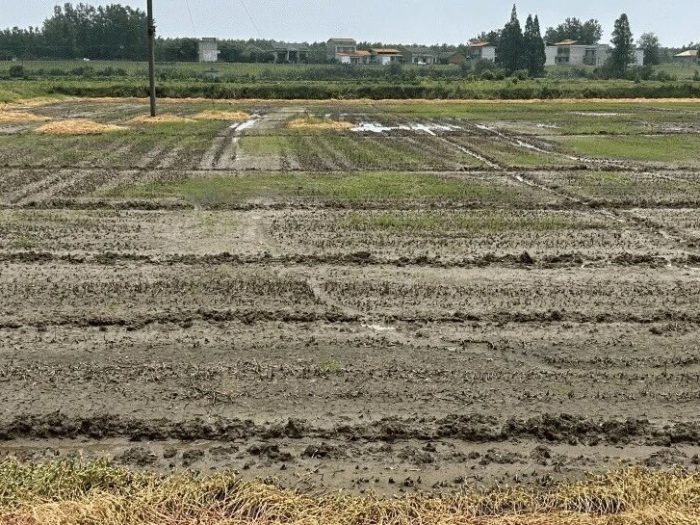
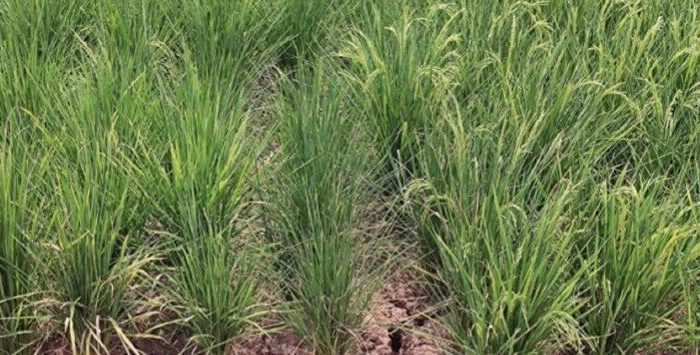
After the straw burning ban in Hunan’s Dongting Lake area, farmers pay extra for straw shredding, rotary tillage and pesticide spraying. They spend about 60 to 80 yuan more per season of rapeseed, and rice pests also raise the frequency of pesticide spraying.
A state-owned agricultural produce company in the Qingzhou Development Zone ran the Qingzhou Weidao mini programme for the district Agricultural Committee. Subsidies and inspections outweighed sales, and suppliers joined under administrative mobilisation. The project ultimately lost support; local sellers built business through WeChat groups.
Sun Weimin, longtime village secretary of Village A in Hunan’s Dongting Lake area, has experienced the strictest straw-ban season of 2025: patrols and tower surveillance are constant, baled straw still cannot be sold, and people continue to set fires at night.
Loss survey and loss assessment, random sampling, and premium refunds mean that smallholders’ agricultural insurance payouts often fail to align with expectations; during widespread disasters, the claims-paying capacity of agricultural insurance and catastrophe risk pooling still face pressure.
Yi Fujin of Zhejiang University opens with a cow, an acre of maize, and a late spring frost, explaining how agricultural insurance works and why smallholders struggle with claims settlement during extreme weather.
In the End, It Was Still Burned: What Detours Has Crop Residue Incorporation in the Northeast Taken?
After a decade of the burning ban, maize and paddy rice growers in northeast China are still troubled by ridge boundaries, costs, subsidies and the results of incorporation, and burn crop residue within a unified window during spring ploughing.
On the afternoon of 31 May, Foodthink invited Professor Lü Chensheng of Harvard University to the DT51 Bookstore in Beijing to discuss how neonicotinoid pesticides enter soil, fruit and vegetables, and the human body, and how seed companies influence agricultural policy, with in-person registration open and an online livestream available.
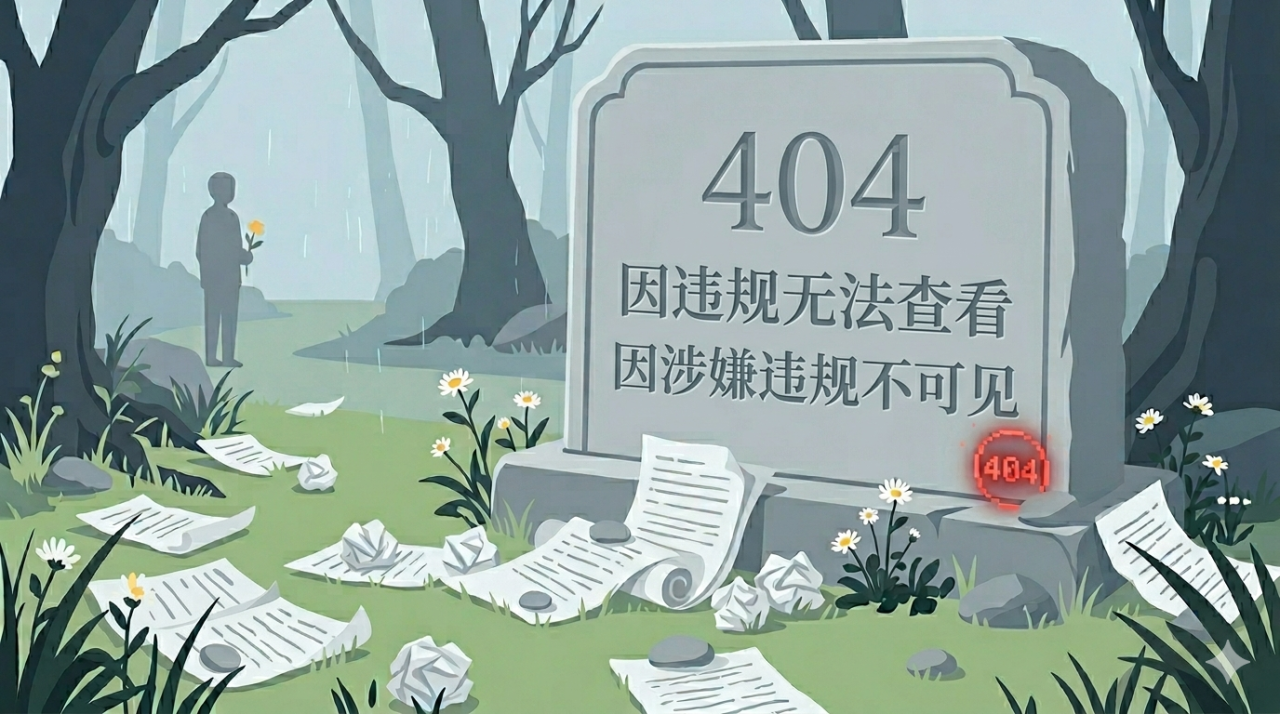
Over the past year, articles deleted from Foodthink have covered delivery riders, mouldy corn in North China, rural heating in Hebei and high-standard farmland. Reader comments have been quickly blocked, and the space for public discussion has narrowed.
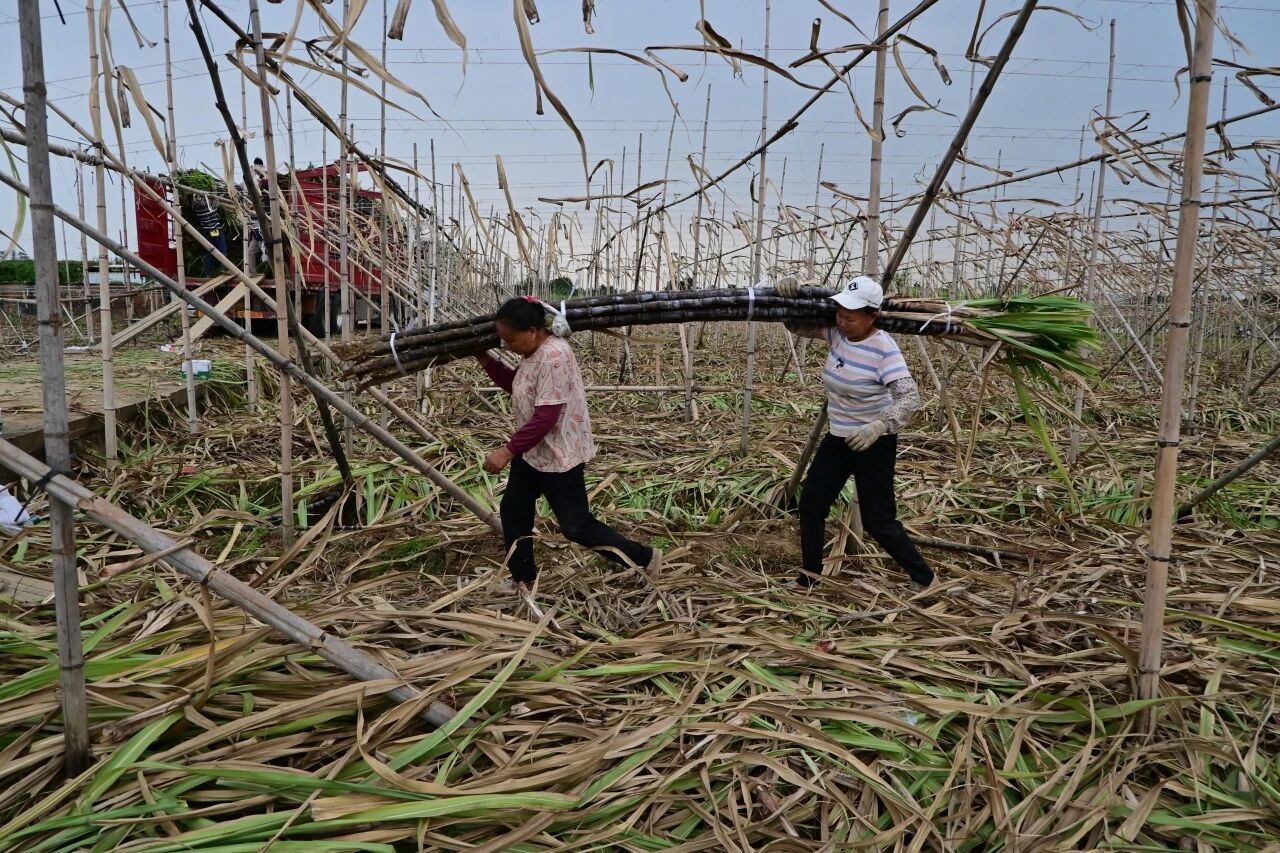
After bananas were cleared out in Nansha, Guangzhou, elderly sugarcane farmers are selling black-skin table cane for one or two yuan a stalk, relying on livestreaming, stalls and cane cutting to recover some costs, but still have to plant next season after losses.