
Agricultural Insurance Sounds Attractive, but It’s Not a Panacea

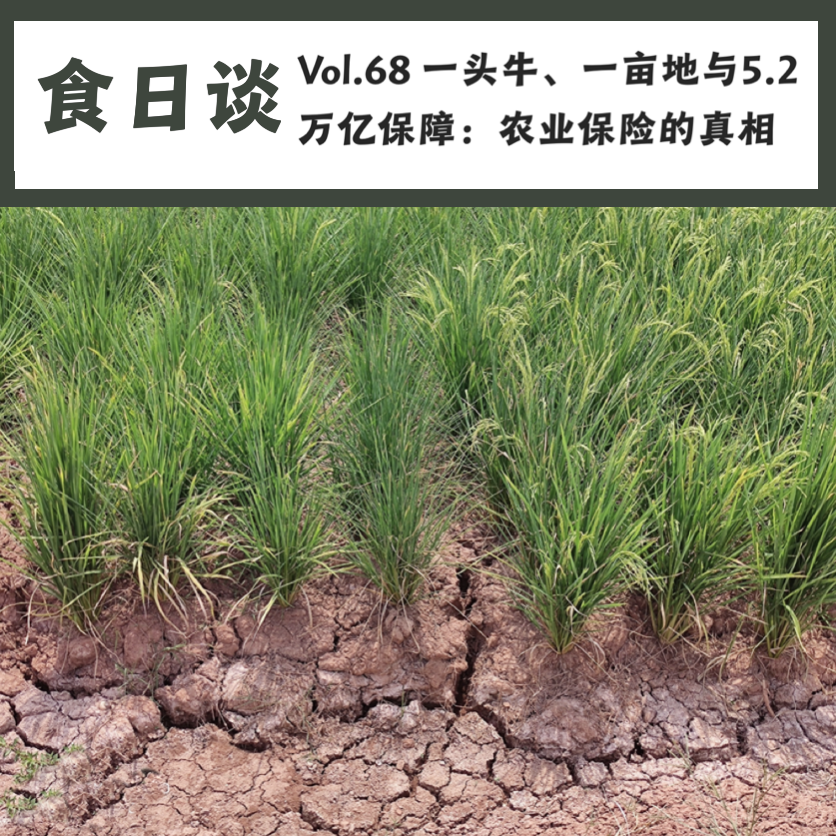
Monitoring data from the National Climate Centre of the China Meteorological Administration show that, since the start of the flood season this year, the national average rainfall has reached 110.1 millimetres, 18.6% higher than the long-term average for the same period.
The frequent rainfall in recent days has once again fallen at the critical stage when many crops are most vulnerable to delay. Faced with such abnormal weather, we cannot help worrying about farmers again. In the past, we have documented rice paddy fields that were flooded overnight, wheat that yellowed from drought, and maize that, with harvest imminent, became mouldy and sprouted due to prolonged rain…
Farmers support the supply of food, vegetables and fruit for the majority of the non-agricultural population. Agriculture has always depended on the weather. A single abnormal weather event could turn their months of hard work into nothing.
In this episode, we turn our attention to a topic that is rarely discussed but closely linked to food security, climate risk and farmers’ livelihoods—agricultural insurance. Together with Yi Fujin, Director of the Research Centre for Agricultural Risk Management and Safe Development at Zhejiang University, we begin with one cow, one mu of maize and a late spring cold snap, and chat about how agricultural insurance works and why it keeps moving forward amid controversy.
More importantly, as extreme weather becomes increasingly frequent, what exactly is agricultural insurance doing for farmers? Is it providing a safety net for them, or trapped in the predicament of “inaccurate payouts”? Why do some farmers treat insurance as a form of wealth management, while others fail to receive compensation? Can insurance companies really afford to pay out for ever-larger disasters? And as risks grow ever larger, who should ultimately bear responsibility for the future of agriculture?
Guest of This Episode
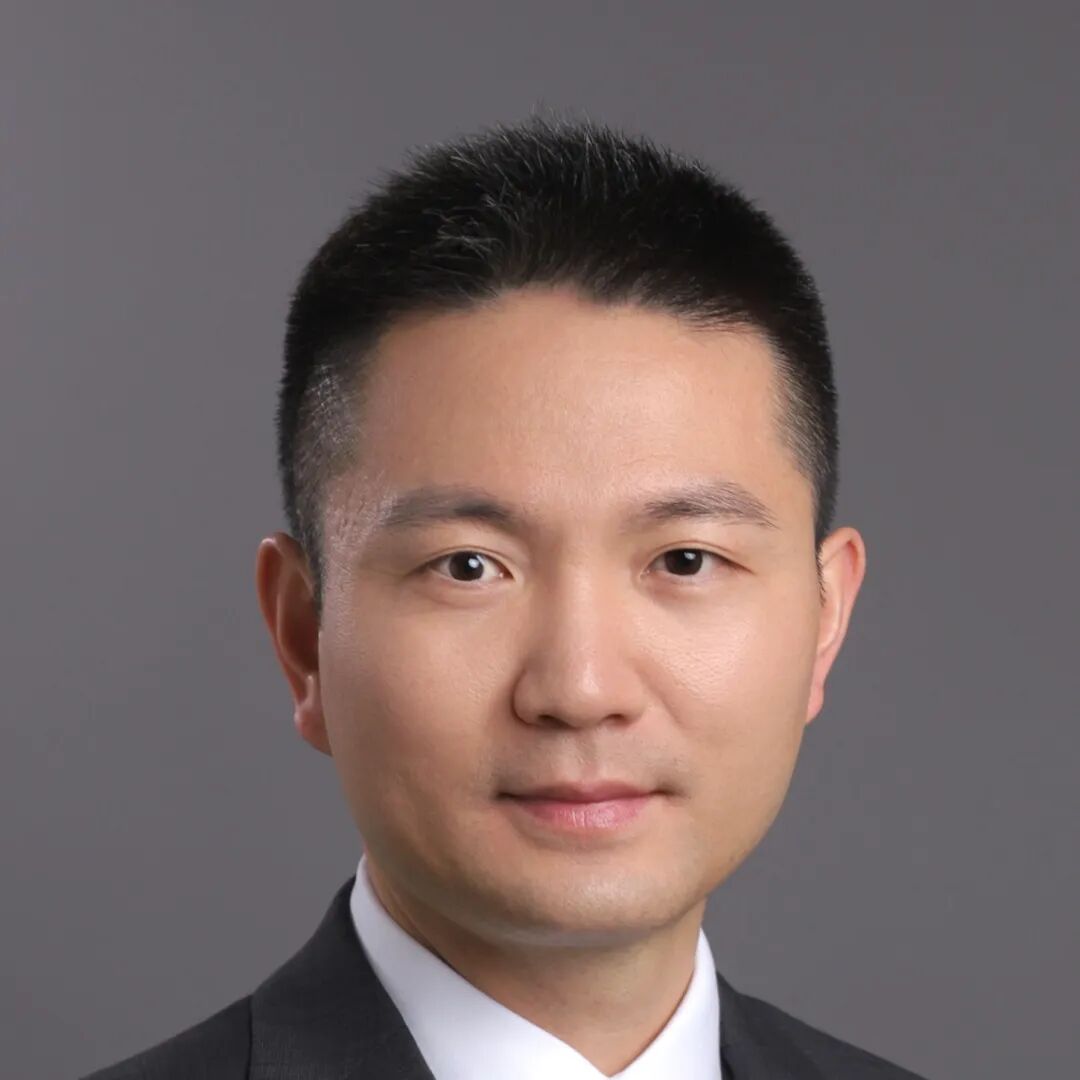
Yi Fujin | Qushi Distinguished Professor at Zhejiang University, Director of the Research Centre for Agricultural Risk Management and Safe Development at Zhejiang University, and a long-time researcher on issues of agricultural risk management and agricultural insurance policy.
Host of This Episode
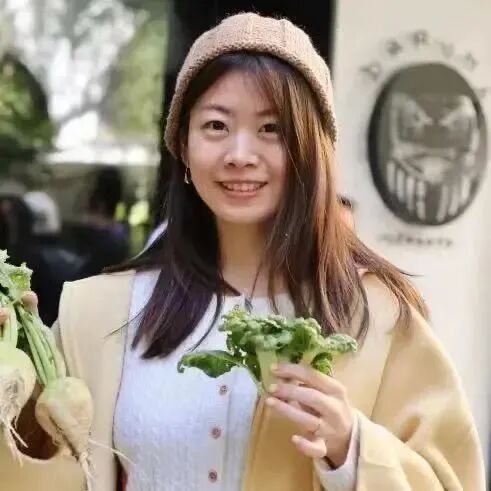
Xiaojing | Food Talk host. Focuses on agricultural, food and rural issues, and hopes to explain complex agricultural issues clearly and accessibly.
Xiaodan | Foodthink editor / Food Talk host. Has long been involved in frontline field research in agriculture and rural areas, focusing on agricultural markets and farmers’ circumstances
Timeline
01:09 A dying young calf gives us our first real understanding of the significance of agricultural insurance.
03:07 Facing the same disaster, some receive compensation while others are left with no harvest at all — where exactly is the problem?
03:38 What exactly does agricultural insurance cover? Does it pay out for weather, yield, or losses?
08:17 Apples, maize, wheat and dairy cows — why are the insurance rules completely different? What does “central government coverage of major commodities, local government coverage of specialty products” mean?
10:37 97% of China’s agricultural business entities are smallholder farmers — what does this mean?
16:33 Why is it so hard for agricultural insurance to be as precise as motor insurance?
11:58 You have to cover tens of thousands of mu of farmland within 14 days! How has the reality of a “big country with smallholder farmers” forced agricultural insurance claims into “village-wide sampling”?
17:44 How can farmers get their money back even if no disaster has occurred? Why have farmers mistakenly treated buying agricultural insurance as “wealth management”?
25:25 Is 5.2 trillion in risk coverage real? How exactly are the agricultural insurance accounts calculated?
33:59 If a province is hit by a major disaster at the same time, could insurance companies go bankrupt paying claims?
43:31 Is agricultural insurance a money-making business, or, rather, should it be one?
57:41 In the era of climate change, do we need to redesign agricultural insurance?
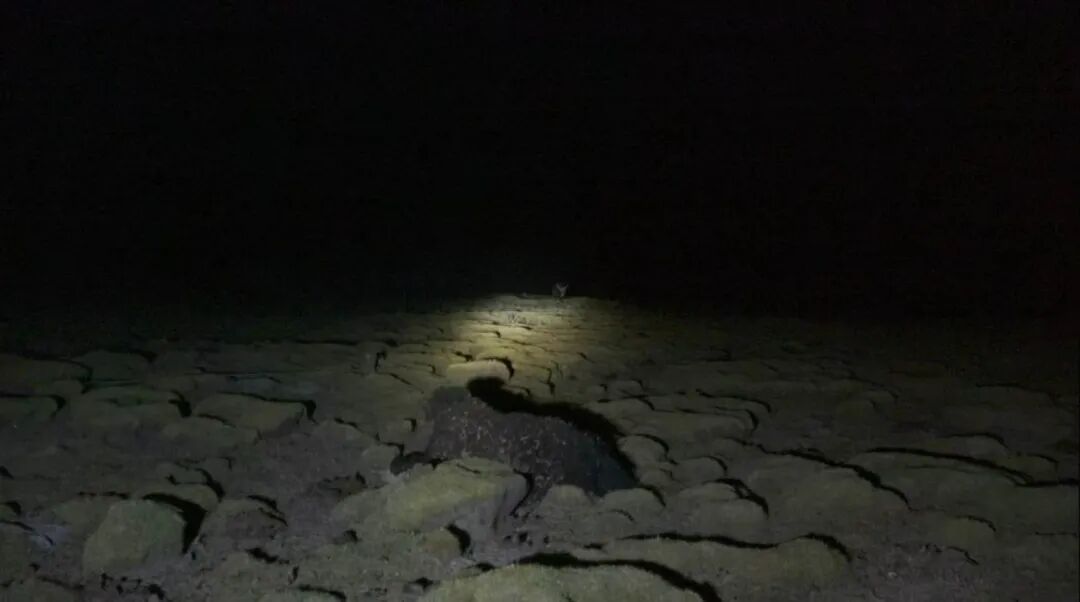
A herder’s yak calf lies dying outside the tent, its mother watching it from afar. Later, the calf did not survive; the herder took it to the winter pasture and received compensation from the insurance company. Image source: Jiao Xiaofang
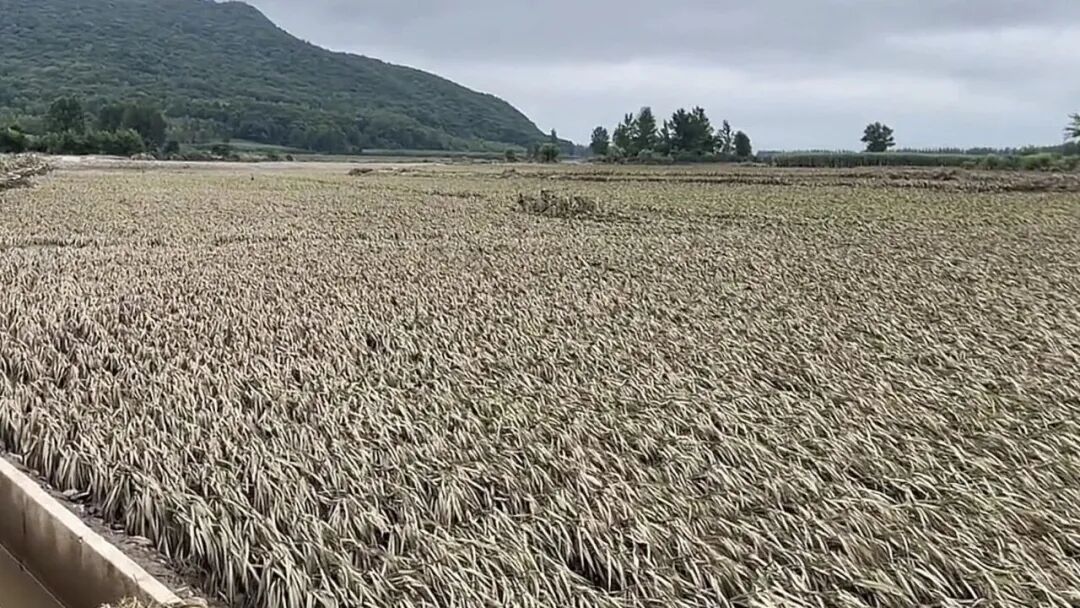
Rice paddy fields that have been soaked by floodwater show widespread lodging, with muddy water clinging to the grain heads and stalks. Image source: Yvonne
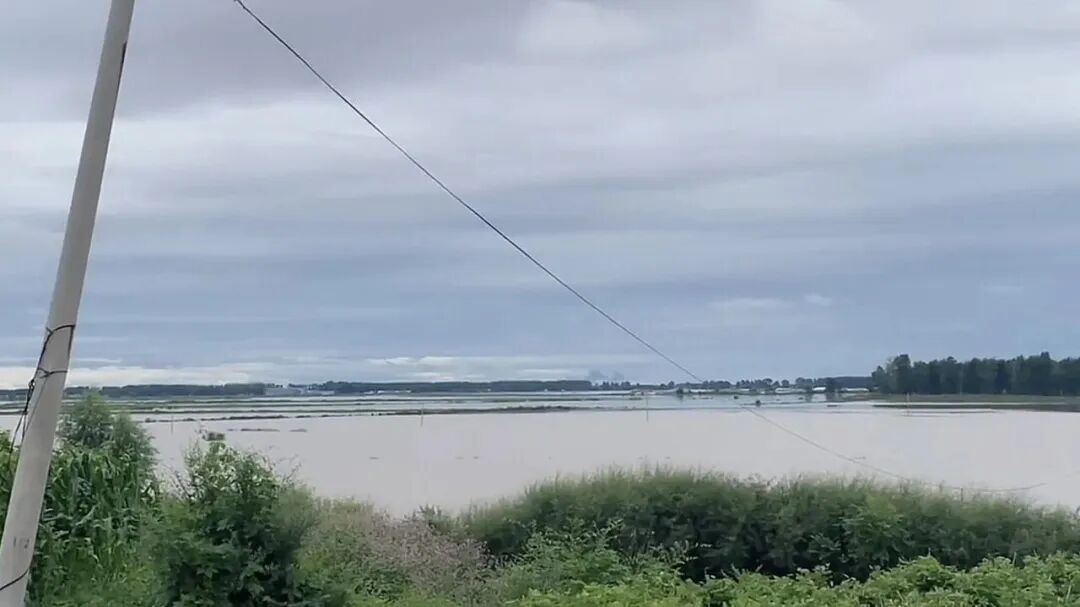
In early August 2023, Wuchang in Heilongjiang Province was hit by rare torrential rain and flooding. About 40% of the 2.5 million mu of farmland in the area was submerged. The area shown in the image was originally a rice paddy field, entirely submerged under floodwater. Image source: Yvonne
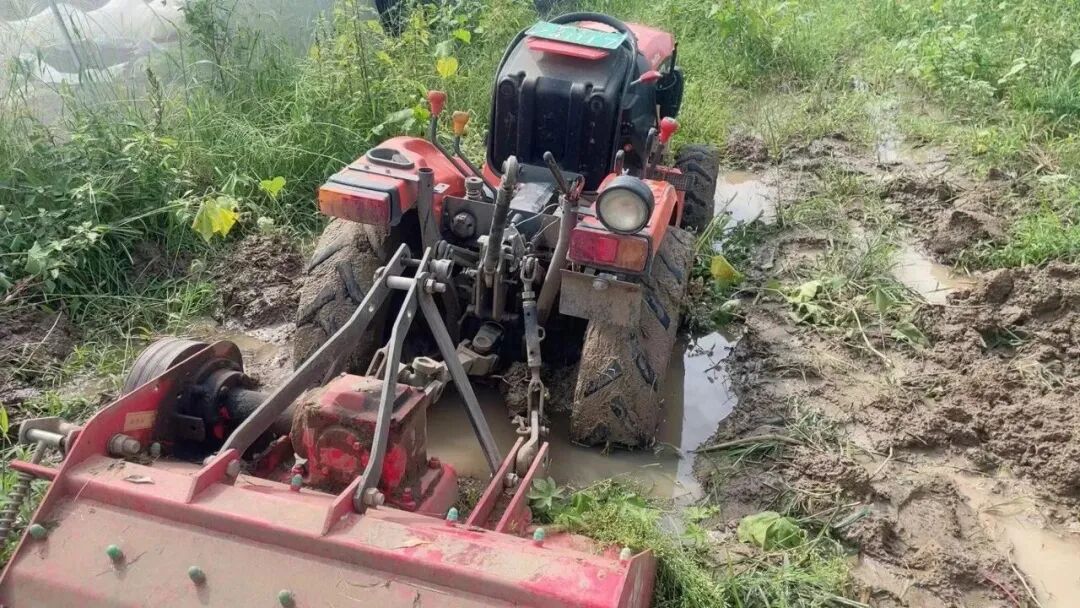
A tractor is stuck in the mud after rain, unable to move. After rain, operating heavy machinery on tilled land can also compact the soil, damaging the land. Image source: Xiaoliushu Farm
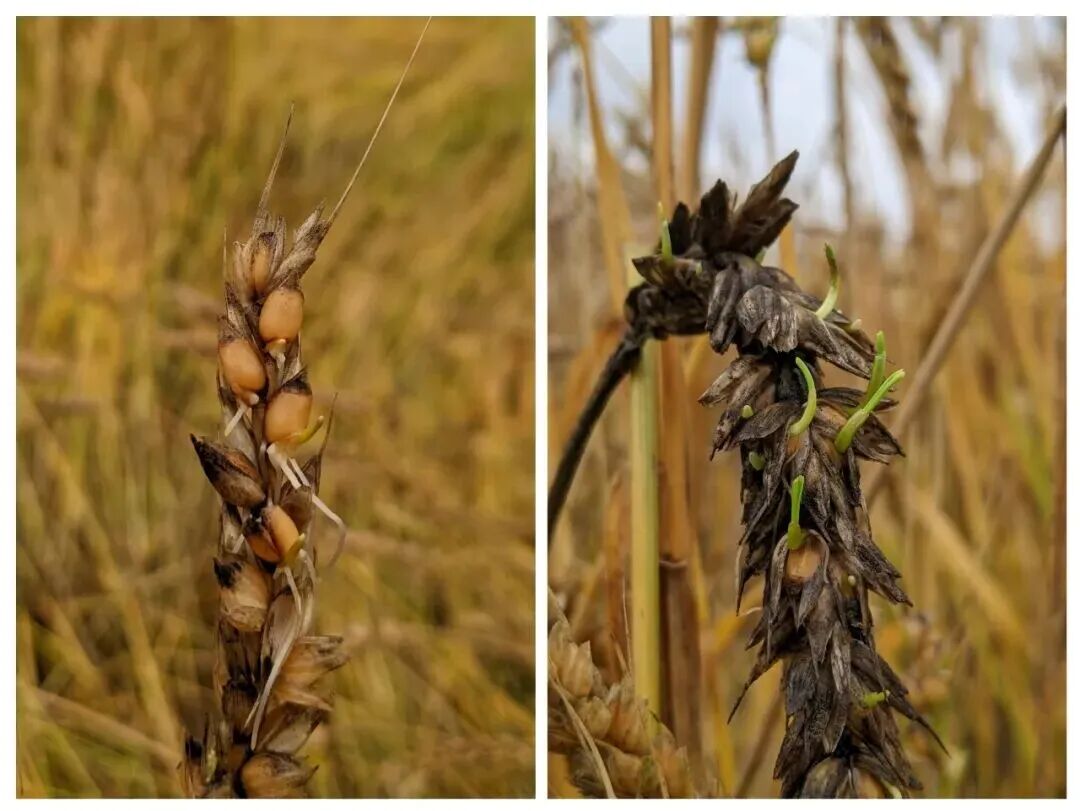
After experiencing “wet-harvest rain” (rain during the harvest), the wheat ears have sprouted. Image source: Lüwo Farm
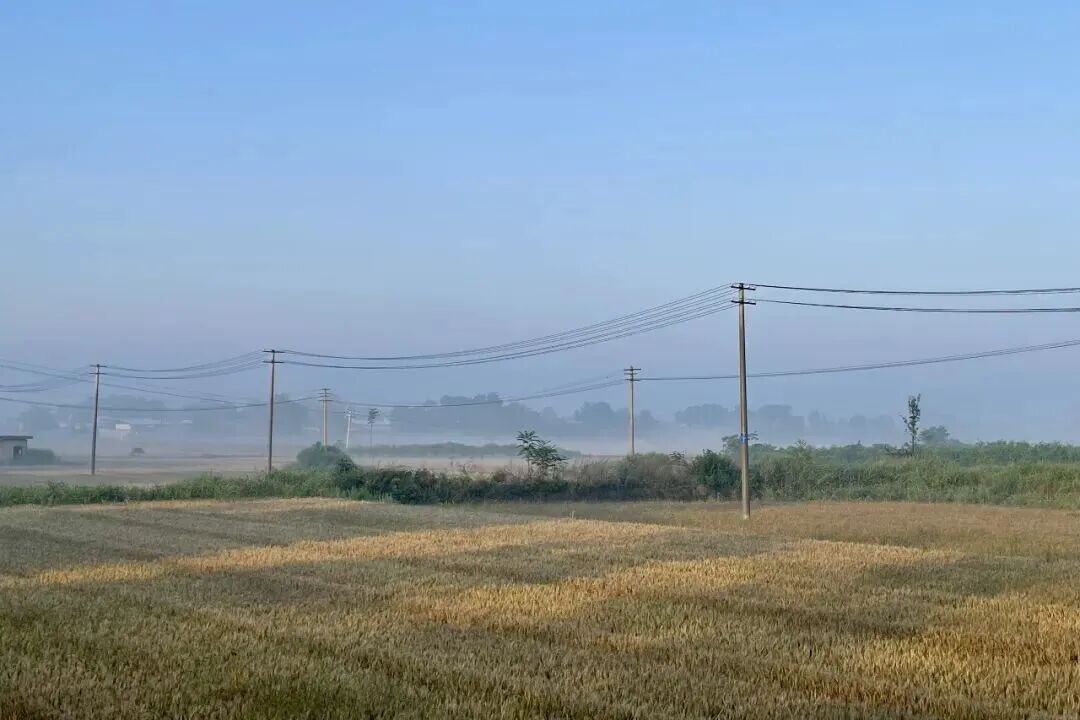
In 2023, the Guanzhong region of Shaanxi experienced ten consecutive days of “wet-harvest rain”, and some of the wheat suffered mould damage. Image source: Lüwo Farm
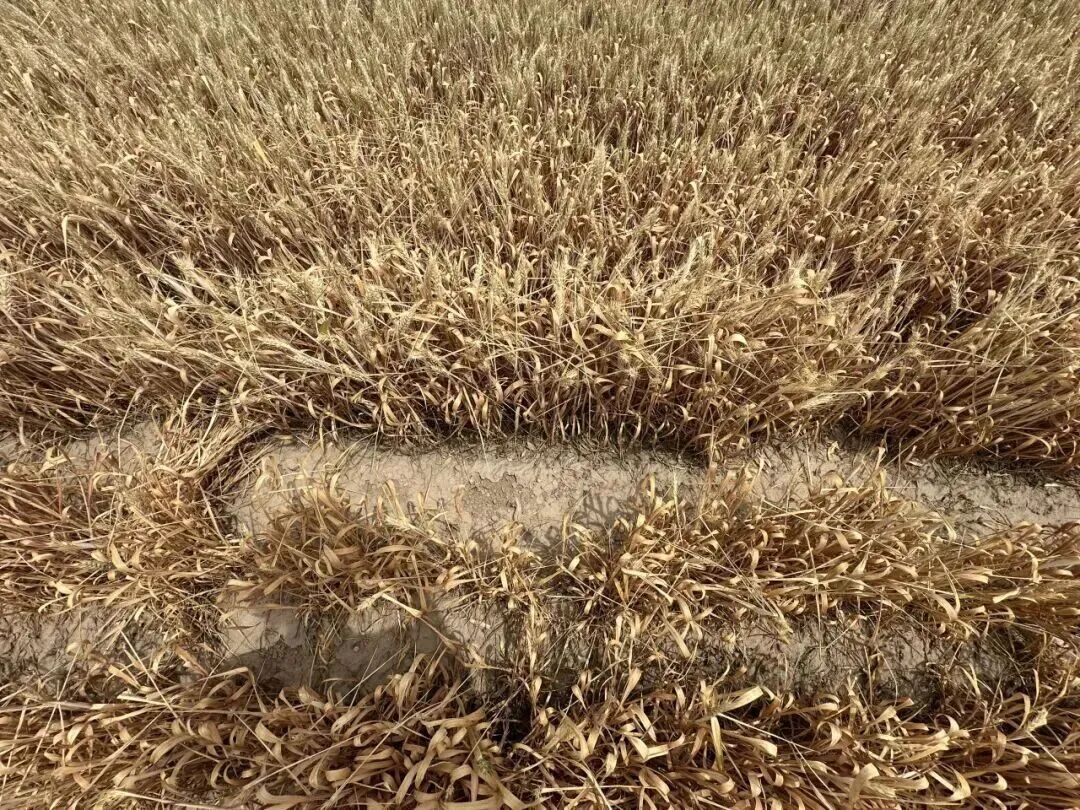
In 2025, Shaanxi was hit by a severe drought. The wheat on the river beach land south of the Wei River turned yellow and withered, and all of its flag leaves had dried out; the soil at the roots of the wheat felt scorching to the touch during the day. Image source: Kong Lingyu
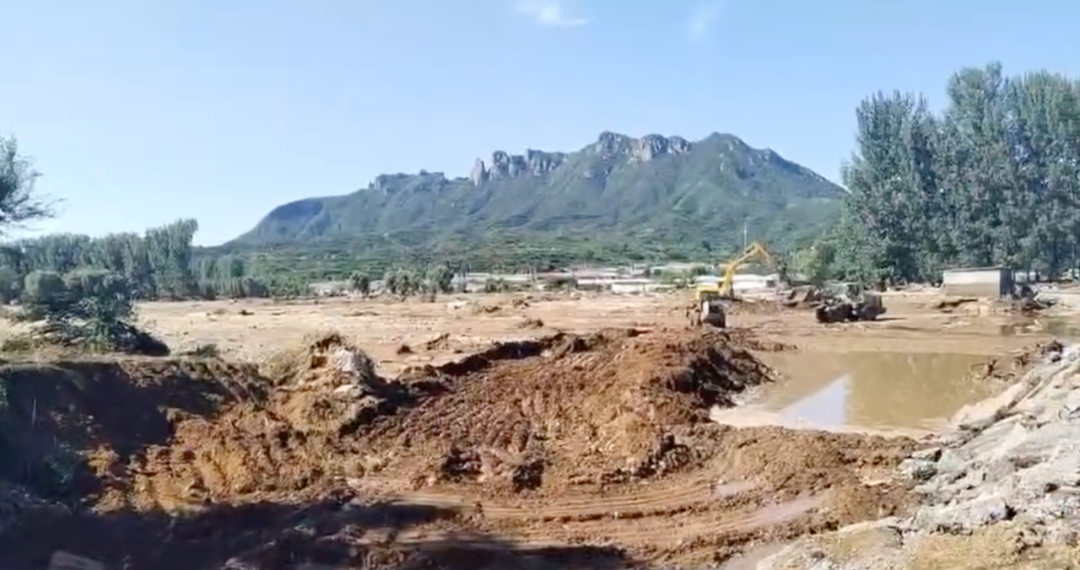
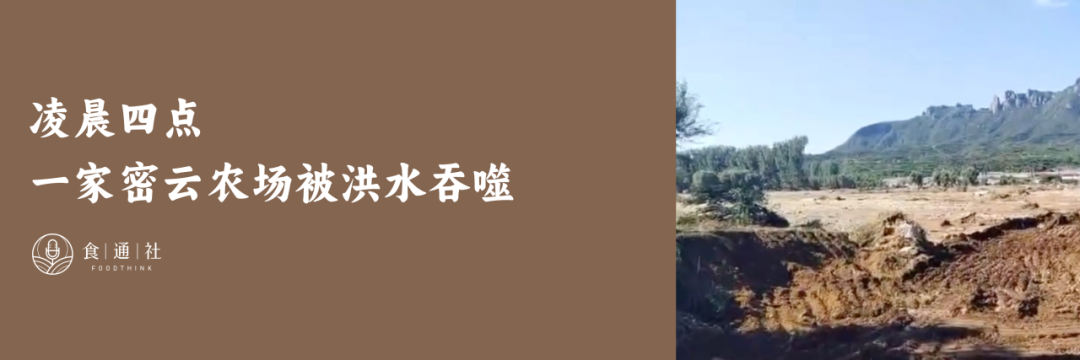
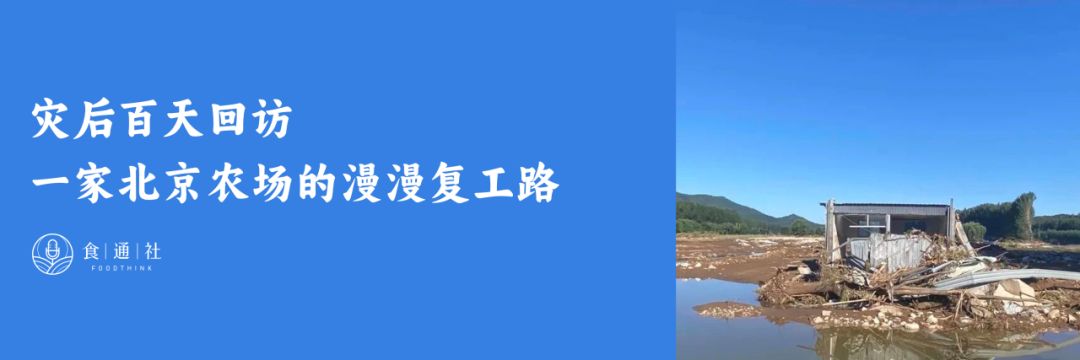
In July 2025, an extreme rainstorm struck Beijing again. At Sohu Farm by the Qingshui River in Beizhuang Town, Miyun District, all 450 mu of land was completely swallowed by floodwater. The flood almost erased every trace of the farm, leaving only a washed-out roadbed, waterlogged mud, and a small amount of construction debris. Image source: Zhen Rui
Related Reading ▼
Scan the QR code below
On Xiaoyuzhou | Ximalaya | Lizhi | Apple Podcasts
Subscribe to the “Food Talk” podcast
Feel free to leave comments in the comment sections on each podcast platform; we will reply from time to time. Scan the QR code below to add Shitongjun’s secondary WeChat account, noting “Food Talk”, to join the podcast listeners’ group chat.

Unless otherwise stated, all images are provided by the guests of this episode.
Podcast music: Ba Nong
Production: Xiaojing
Planning and editing: Xiaodan
Layout: Xiaoshu
Contact email