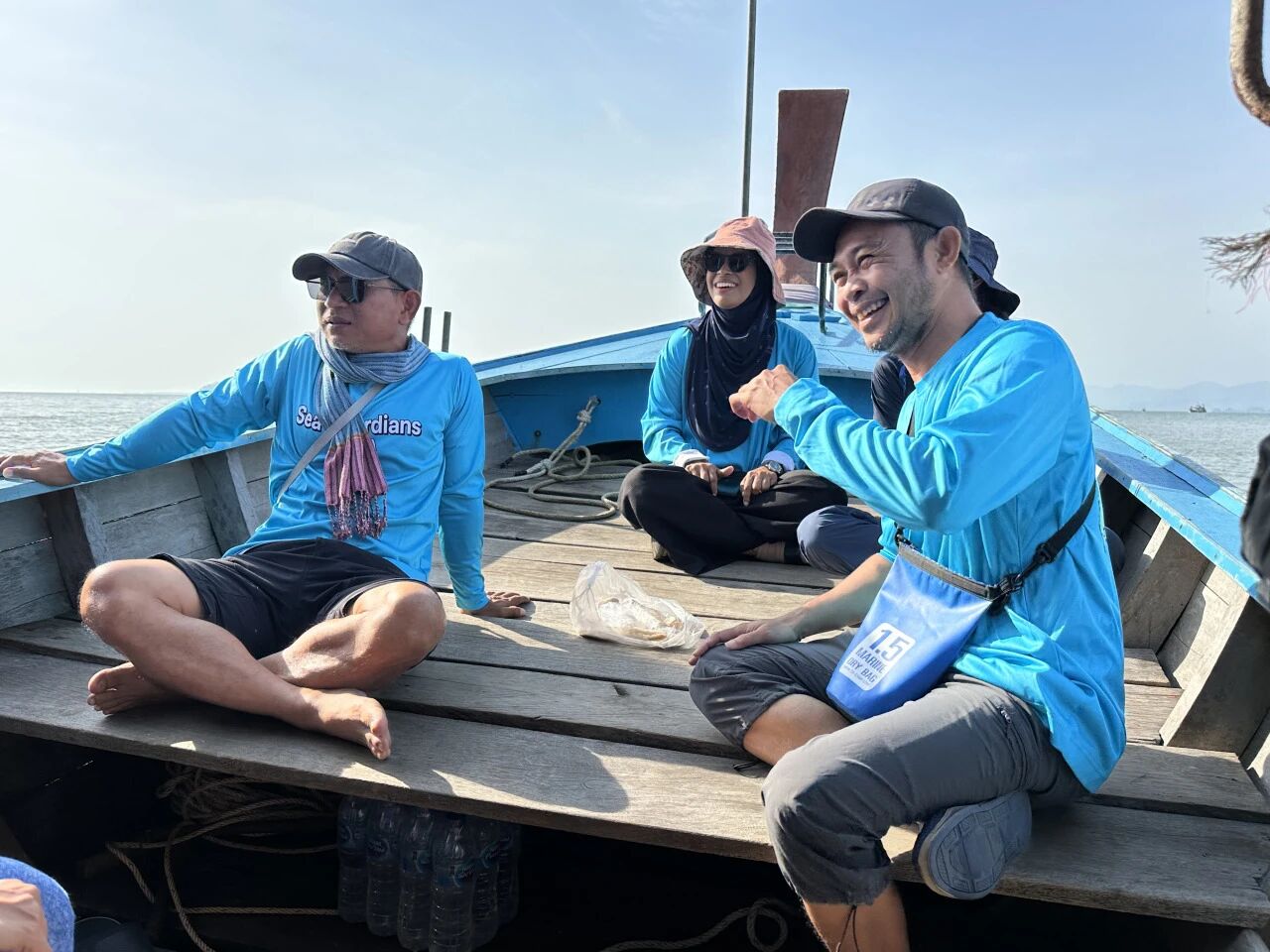
From gathering shellfish in mangroves to guiding tours in a national park, southern Thai fishers are turning resources in community conservation areas into a restaurant, a processing group and tourism income, so that protecting seagrass beds, fish havens and more can also support families.
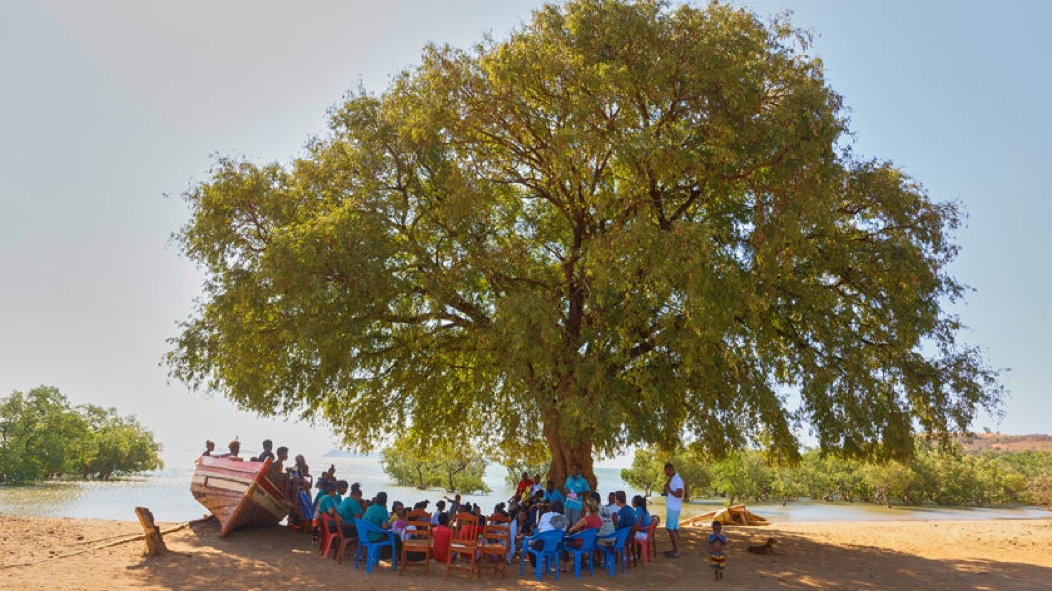
In fishing villages on Thailand’s Andaman Sea coast, fishers and environmental organisations such as the Save Andaman Network use community-managed conservation areas to protect mangroves, seagrass and blue swimming crabs, while resisting dredging works and carbon sink projects that erode resources and livelihoods.
From Trang Province to Satun Province, fishers’ associations and grassroots NGOs are working together to establish community conservation areas. They combine anti-trawling action, patrols and fisheries-legislation advocacy to balance conservation and livelihoods, and are now planning a response after the fine-mesh provision was approved.
About 400 million Atlantic salmon are held in farming net pens along Norway’s coast, outnumbering the world’s wild population. Migration success has fallen from half to 3 per cent, and sea lice and escaped fish are making wild populations more vulnerable.
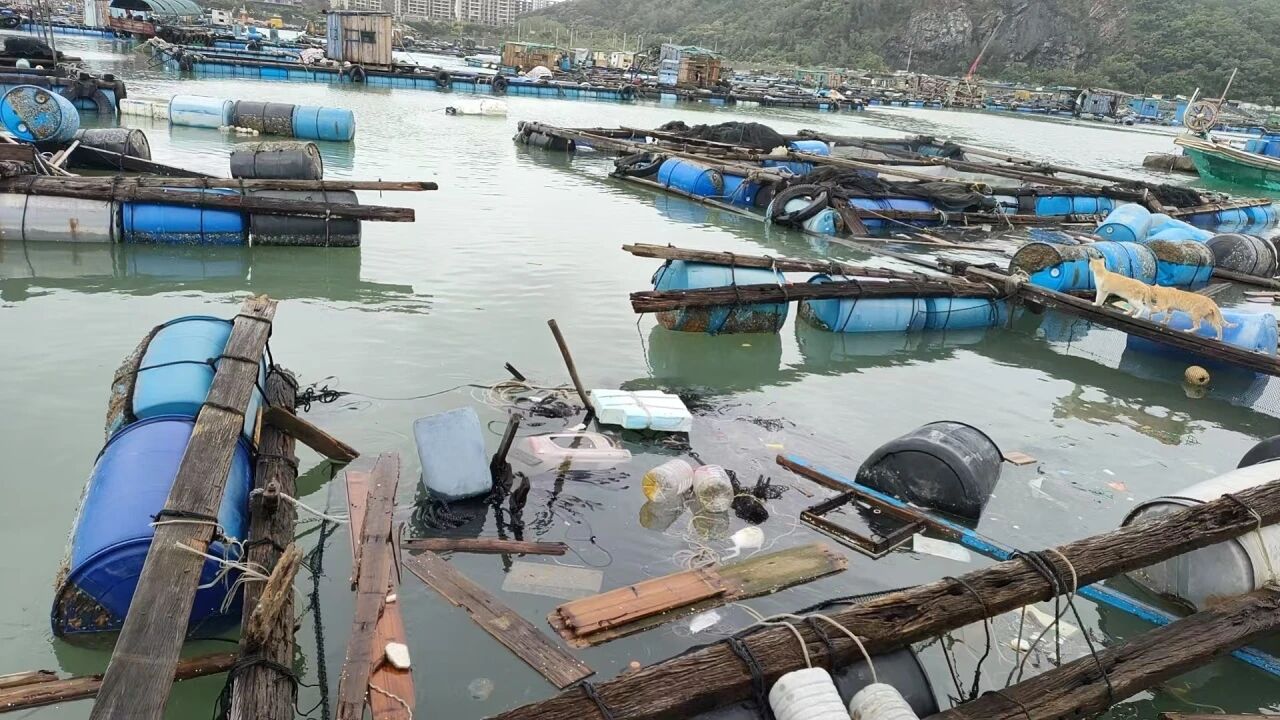
Typhoon “Kajasa” made landfall on the coast of western Guangdong, and Golden Pomfret, citrus, bananas, sugarcane and mud crabs that farmers planned to sell during Mid-Autumn Festival and National Day suffered extensive losses, while seawater inundation may salinise coastal farmland.
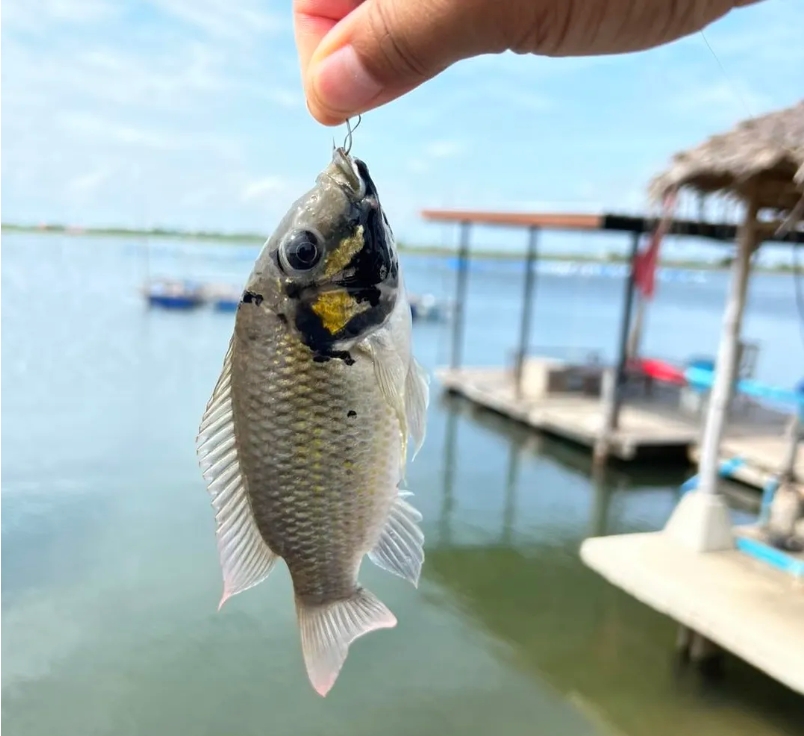
On 4 February, Thailand’s Ministry of Agriculture and Cooperatives announced the successful breeding of a genetically modified strain of Blackchin tilapia. These modified tetraploid tilapia produce sterile offspring when mated with naturally occurring diploid tilapia. The government hopes this will curb the spread of the African invasive species and reverse…
The Paris Olympics closed last week, but the dust has yet to settle on the doping controversies. The turmoil involved at least three incidents related to food safety: Ultimately, all three incidents were determined to be caused by the consumption of meat products “contaminated” with doping agents, rather than the…
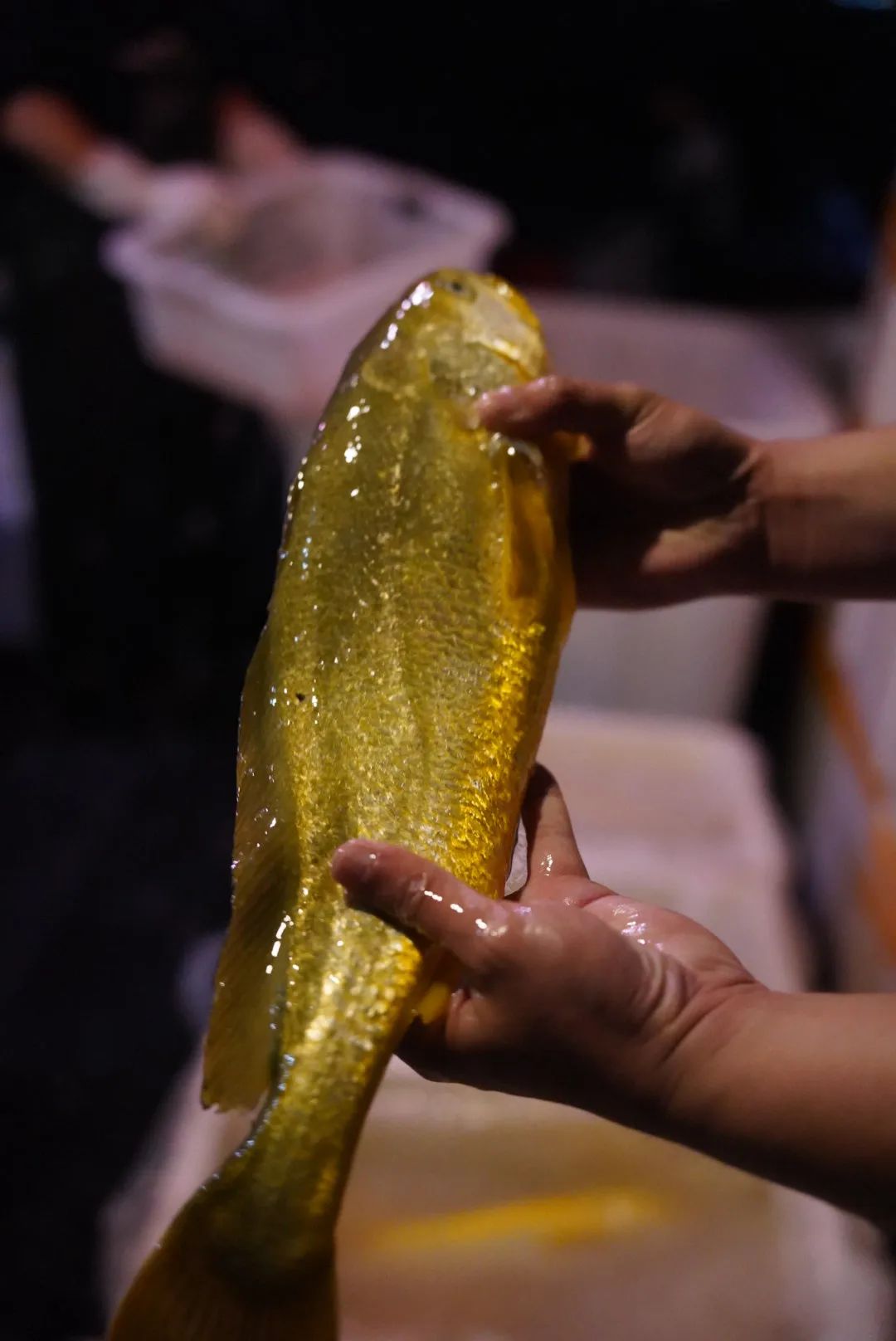
“When the yellow croaker arrives, ten thousand taels of gold follow.” Wild large yellow croakers are traditional banquet staples and auspicious dishes in Zhejiang and Shanghai. Along the Chinese coastline, perhaps no fish has experienced a more turbulent fate than the large yellow croaker. In October this year, I witnessed…