From Sichuan’s ba ba xi to Wenzhou’s chi bai jiu and Chaoshan’s nao re zhuo, seating order, red envelopes, toasts, one-upmanship, neighbourly help and pre-prepared food put young people’s sense of boundaries at grand banquets, and changes after village banquets enter cities, on the table.

After being diagnosed with autism at five, Shu’er has visited the wet market with her mother, gradually learning to push a little handcart, apologise and stay calm around dogs, while regularly buying pork belly, Chinese cabbage, zongzi and baba gan to maintain normal social functioning.
From wedding banquets and longevity banquets to banquets celebrating academic advancement and funeral meals, a banquet table holds local specialties and life milestones; you can complete the questionnaire to share your hometown’s banquet dishes, wedding and funeral experiences, experiences of hosting banquets, or your thoughts on how banquets are changing.
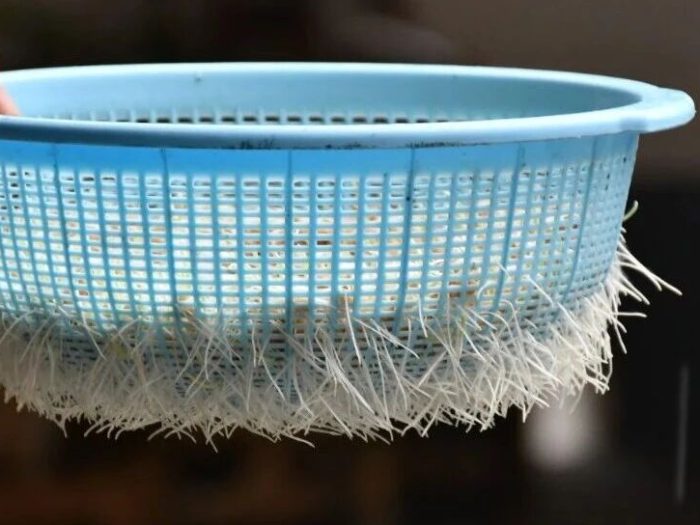
In Beijing’s shared flats, employers’ homes and the weekend kitchen at the Beijing Hongyan Social Work Service Centre, female domestic workers Suying, Huirong and Qiuhua have their meal times squeezed by work and family; growing vegetables and eating together, they restate their hunger and needs.
Cast iron pans, enamel bowls and old kitchen knives are carried into new home after new home, passed from one generation to the next; the marks of their use hold the lives and memories of many families.
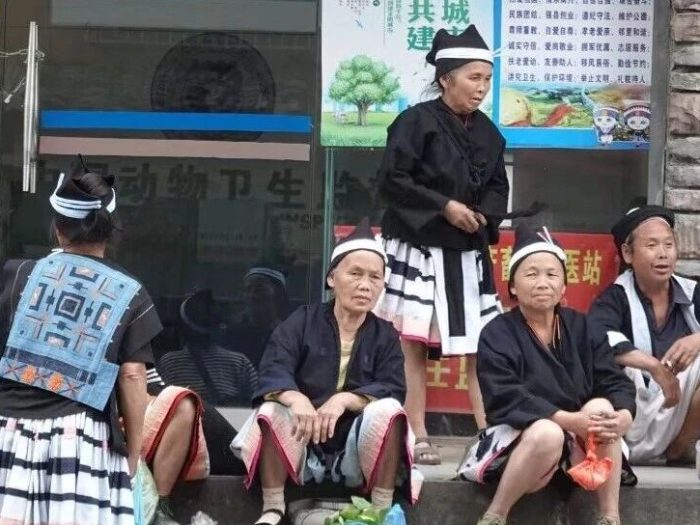
Meng Fang, a social work volunteer, takes friends to the market, buys hemp (hempseed), sour meat and home-brewed spirits, then visits the White Pants Yao Ecomuseum to see the golden silkworm, warping and cloth dyeing; traditional life carries on in these everyday moments.
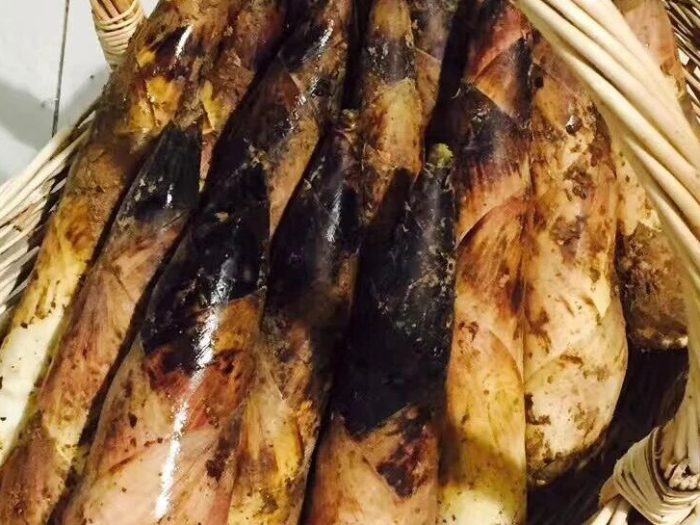
From Jiangnan yandu xian and Anji dried bamboo shoots to winter bamboo shoots in Hunan’s bamboo sea, Chinese people bring fresh bamboo shoots, dried bamboo shoots, and rural memories to the table, serving up the seasons and homesickness.
Handing out tomato pasta on the streets of Rome and campaigning for raw-milk cheese at the Bra Cheese Festival, he turned food into a political issue of land, ecology and producer pay, while also drawing elite criticism.
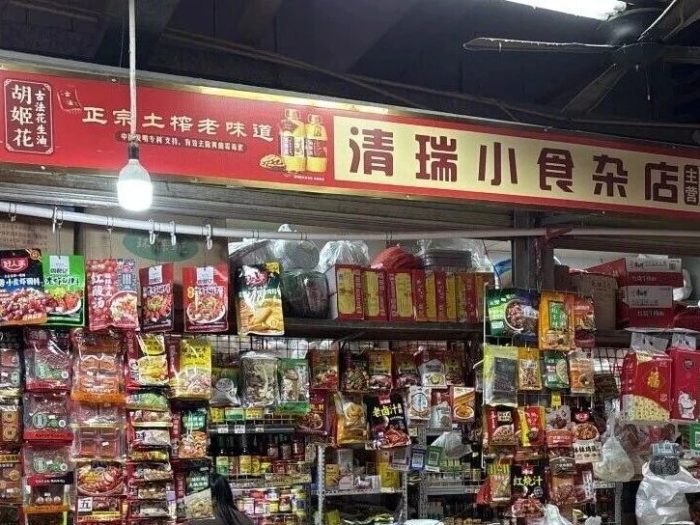
In Yijing Market, Wuzhou, Guangxi, the grandmother opened the shop in 1995. The mother later took over, and the daughter helps during the Spring Festival. The mother opens the shop early each morning and returns home in the evening to do the portioning, knowing exactly what regular customers usually buy. The little shop is unlikely to be taken over by the daughter.
From raw nuts and pure dried fruit to roselle stevia, homemade yoghurt, dried pumpkin, nut candy and jerky, these back-to-the-kitchen choices deliver both flavour and good health.