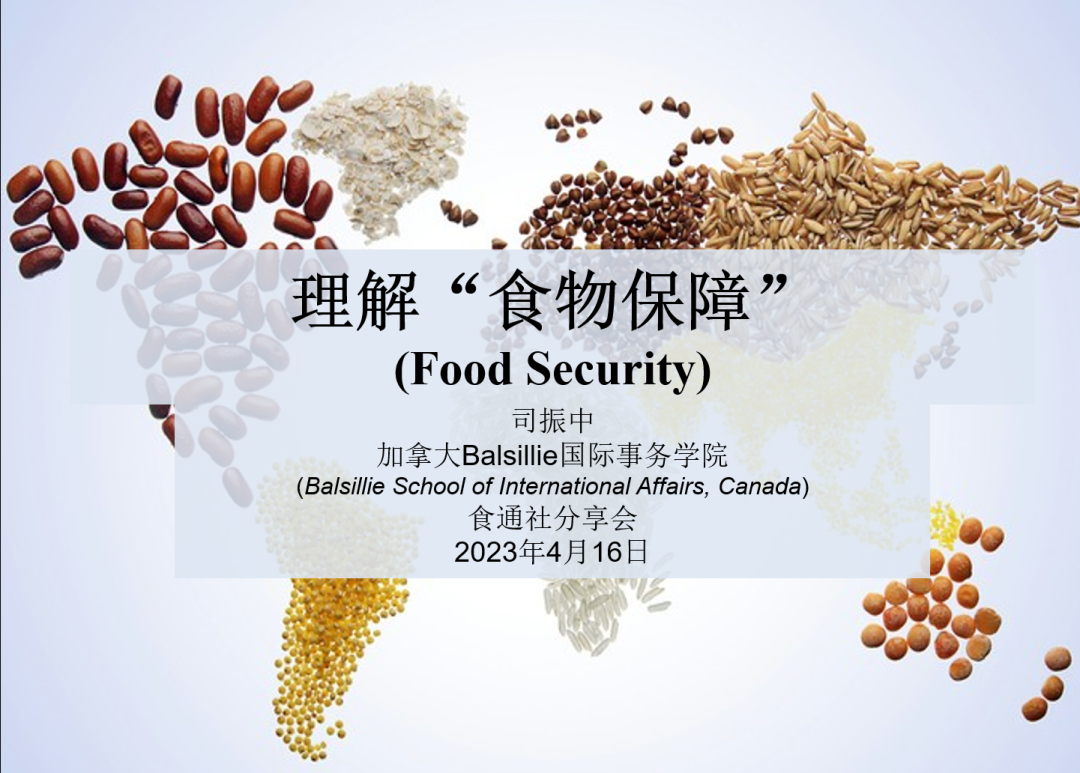
While the topic of food security may seem academic on the surface, it is fundamentally linked to the daily dietary health and nutrition of every individual. I would like to begin by exploring the concept of food security, examining how this overarching term evolved and the various stages of its…
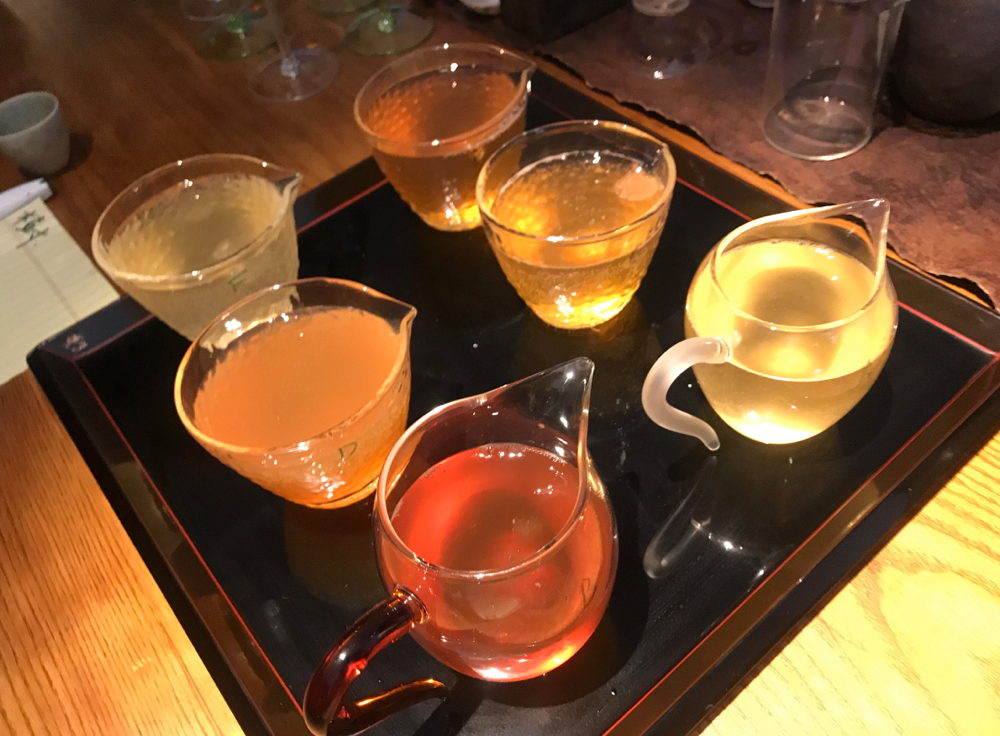
Shuyu, who keeps microbial cultures in a courtyard house in Gulou, Beijing, and Korean-American astrophysicist Kiwon re-ferment only premium Chinese tea into a sweet and sour drink; friends portion, blind-taste and post it, carrying its flavour to small towns and cities during the pandemic.
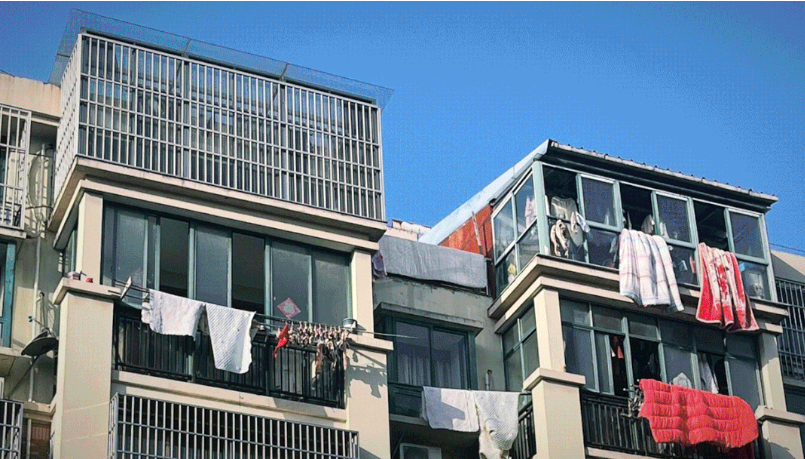
Through a winter of pandemic lockdown, sudden policy reversal, and a death in the family, a mother in a small town north of the Yangtze steadies her household with the old calendar of curing pork, frying meatballs, and airing quilts in the sun.
Five Foodthink colleagues and an office flatmate, sealed in a Chaoyang, Beijing office, spent seven days with clear-broth lamb, pumpkin buns, an online choir rehearsal and a midnight reading group — eating well, working as usual.
Foodthink’s two Beijing colleagues and two Shanghai friends chat online about life under the spring lockdowns: what to eat each day, how to steady the anxiety, and how isolation became a chance to pick up new skills in killing fish and cutting up chicken.
Every Sunday, more than 200 farmers and local producers sell their own produce directly at nearly 20 London markets, with a set proportion of ingredients from within 100 miles. For many Londoners, these are among the few open spaces to get outside and talk face to face with producers during the pandemic.
Foodthink records the pandemic-era routine of shared purchasing with the Beijing Organic Farmers’ Market, recounts farm visits across several provinces in the second half of the year, and shares four winter recipes from Xiao Liushu Farm.