
After the US military’s airstrike on a primary school in Minab, Iran, and Trump’s announcement of a second round of strikes on Iran, US suburban cars, oil-based agriculture and throwaway consumption are weaving oil dependence and war risk into everyday life.
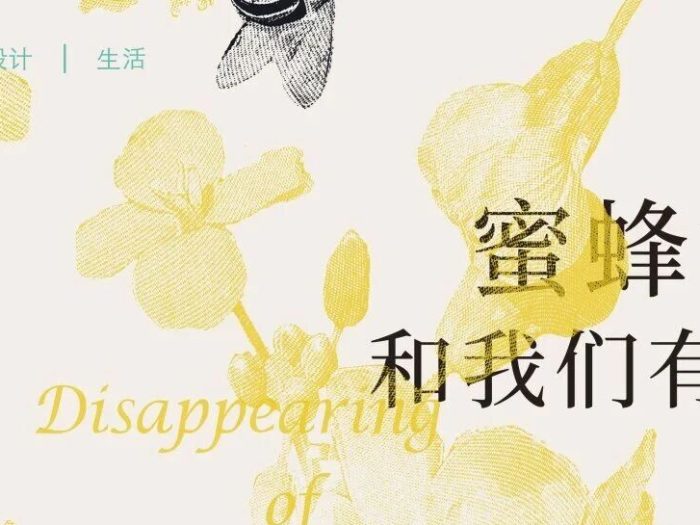
On the afternoon of 31 May, Foodthink invited Professor Lü Chensheng of Harvard University to the DT51 Bookstore in Beijing to discuss how neonicotinoid pesticides enter soil, fruit and vegetables, and the human body, and how seed companies influence agricultural policy, with in-person registration open and an online livestream available.
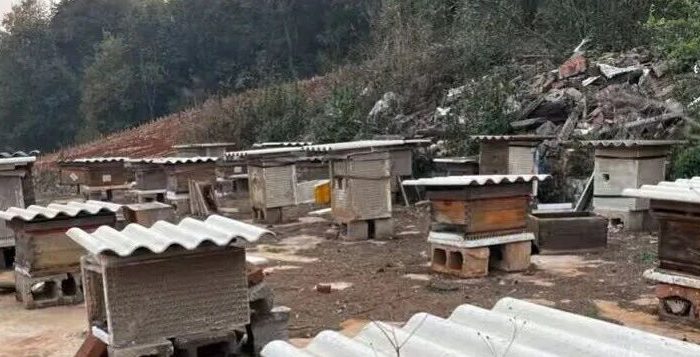
This year, during the oilseed rape flowering period, after drone spraying, nearly all honey bees died in many areas; beekeepers said they had not been notified. Without pollinating insects, average fruit crop yields in China would fall by 40%, while vegetable yields would fall by 30%.
Harvard University professor Chensheng Lu, beekeeper Kenneth Walhoer and insect toxicologist Richard Kalahan tracked empty beehives, finding that sustained ingestion of low doses of neonicotinoid insecticides damages honey bees’ mitochondria and that seed coating allows pesticides to enter the environment, ultimately triggering bee colony collapse.
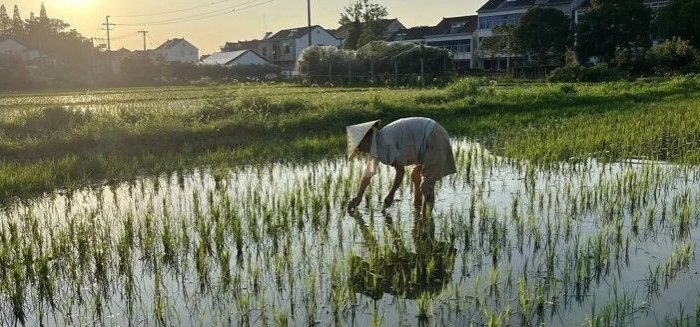
With insurance covering only a third and industrialized sericulture squeezing him, Yu Jiangang, a sericulture farmer in Tongxiang, Zhejiang Province, who has been back in his hometown for 14 years, has leased 15 mu of paddy fields to try to maintain rice-silkworm symbiosis.
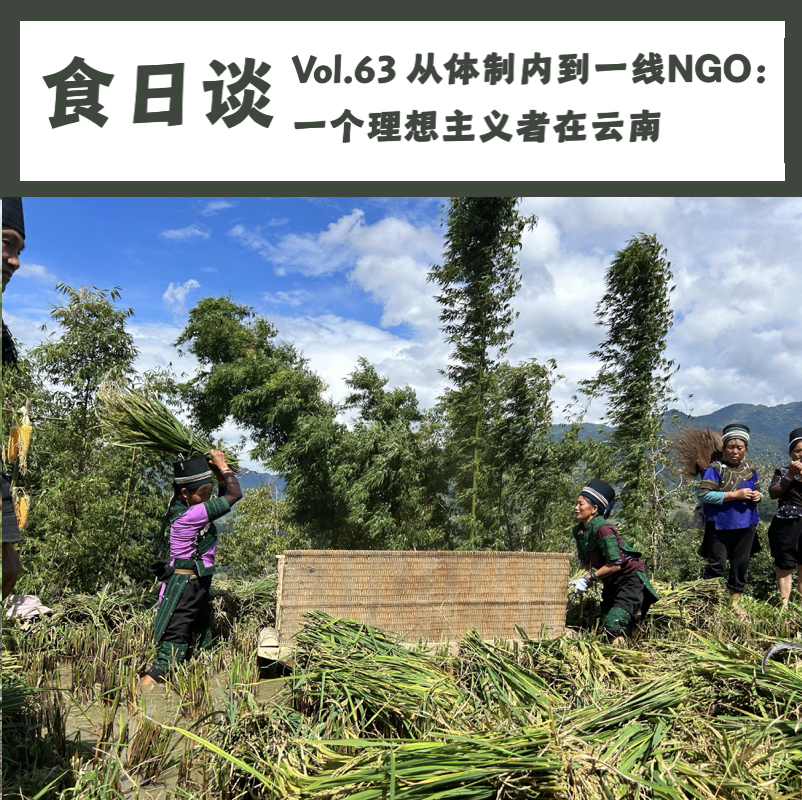
Zuo Zhi, executive director of the Yunnan Sili Centre for Ecological Alternative Technologies, teaches farmers out in the fields to use fewer pesticides and grow heritage rice varieties, building trust by ‘speaking plainly’ while promoting climate-friendly rice.
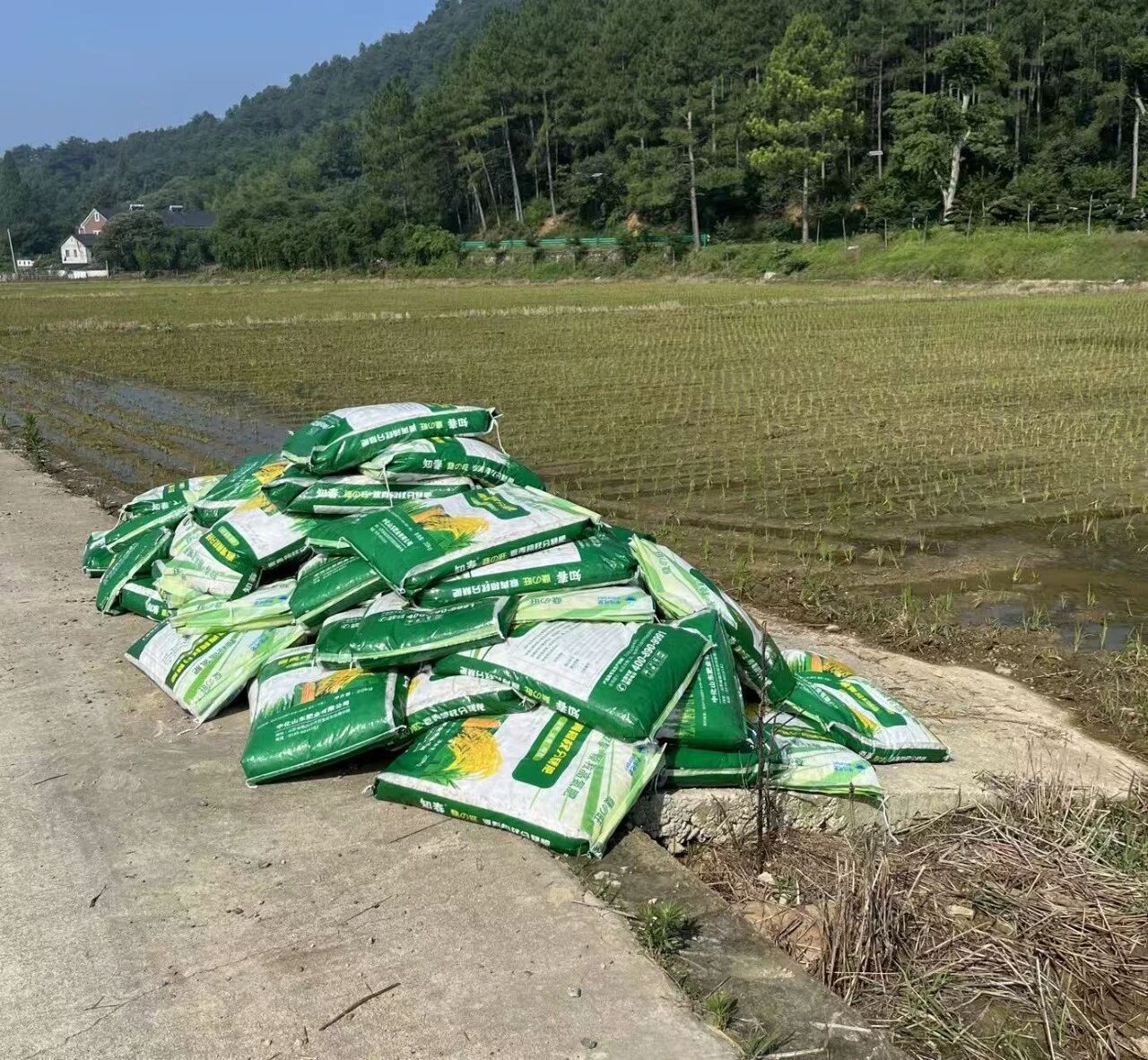
From farm nitrogen fertilisers, ultra-processed foods, plastic packaging, the cold chain and home cooking, the food system uses fossil fuels at every stage. The International Panel of Experts on Sustainable Food Systems recommends eight actions, including agroecology, local supply chains and cutting ultra-processed foods.
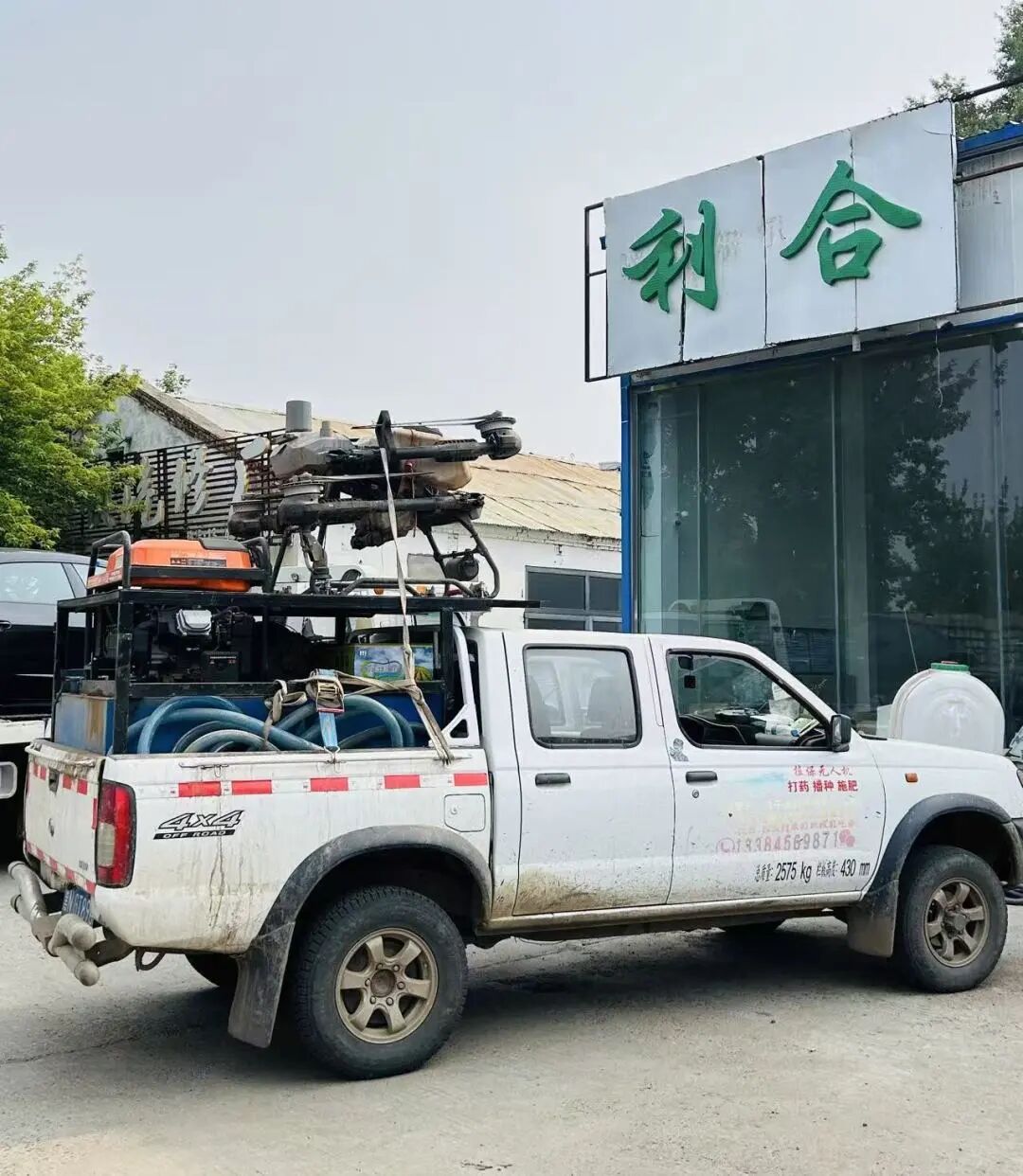
From the rice fields of the Northeast to Hainan’s orchards, cross-region drone pilot Brother Yang, drone-buying farmer Zhao Mingliang, and others are facing falling spray unit prices, pesticide damage disputes and occupational illness risks for which compensation is hard to claim.
From water-source protection to a celebrity village, Lvshui Village has turned its houses, roads and fields into an ecological landscape that can be explained, but leaves chemical fertilisers and pesticides in the rice fields, an energy-intensive lifestyle and the tourism economy outside the display.
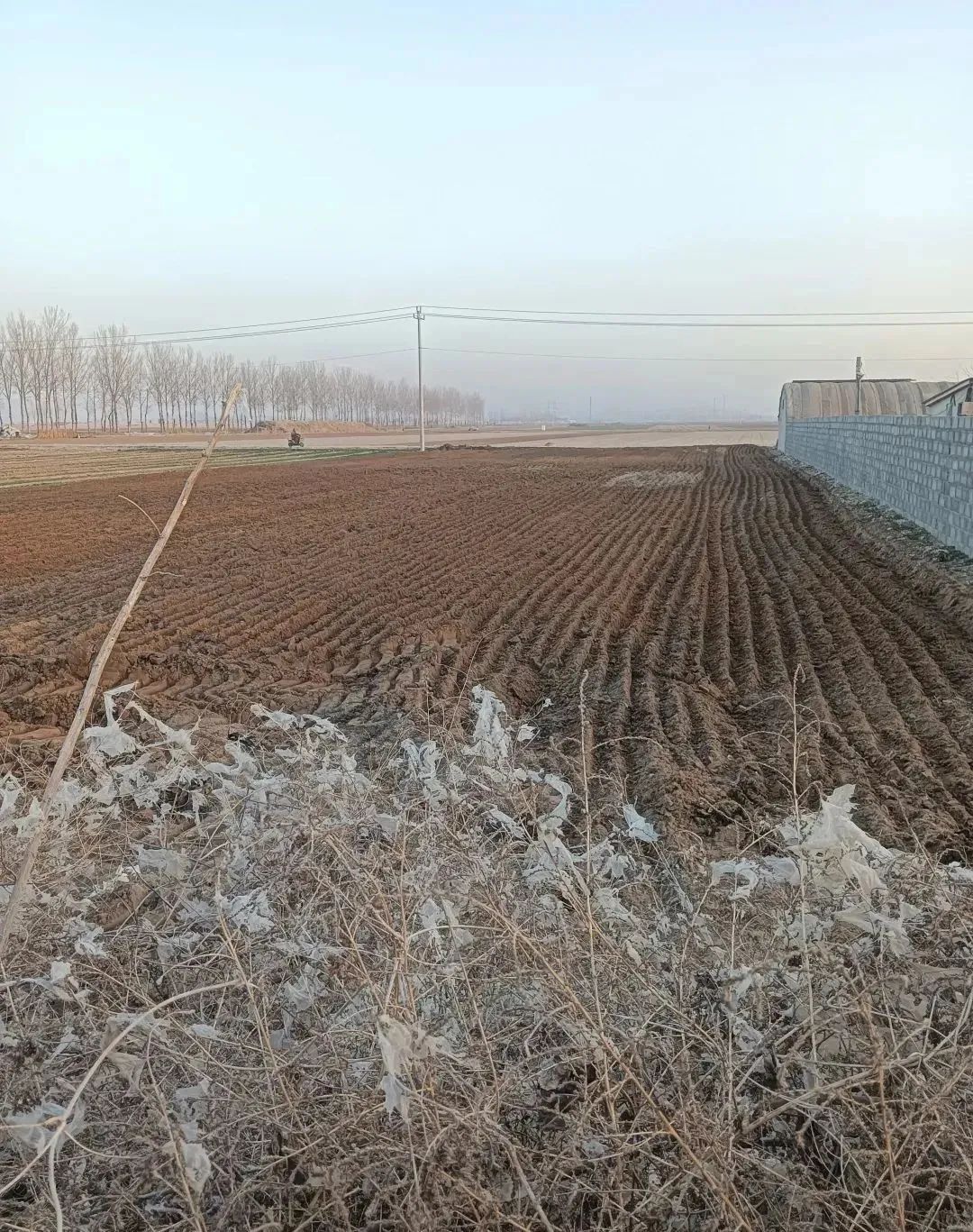
Only the soil Old Li contracted was sampled and sent for testing; restoration has not begun. After the processing plant involved moved equipment, film fragments were buried in soil; the ecological environment and agricultural and rural affairs departments have still not acted, citing unclear jurisdiction.