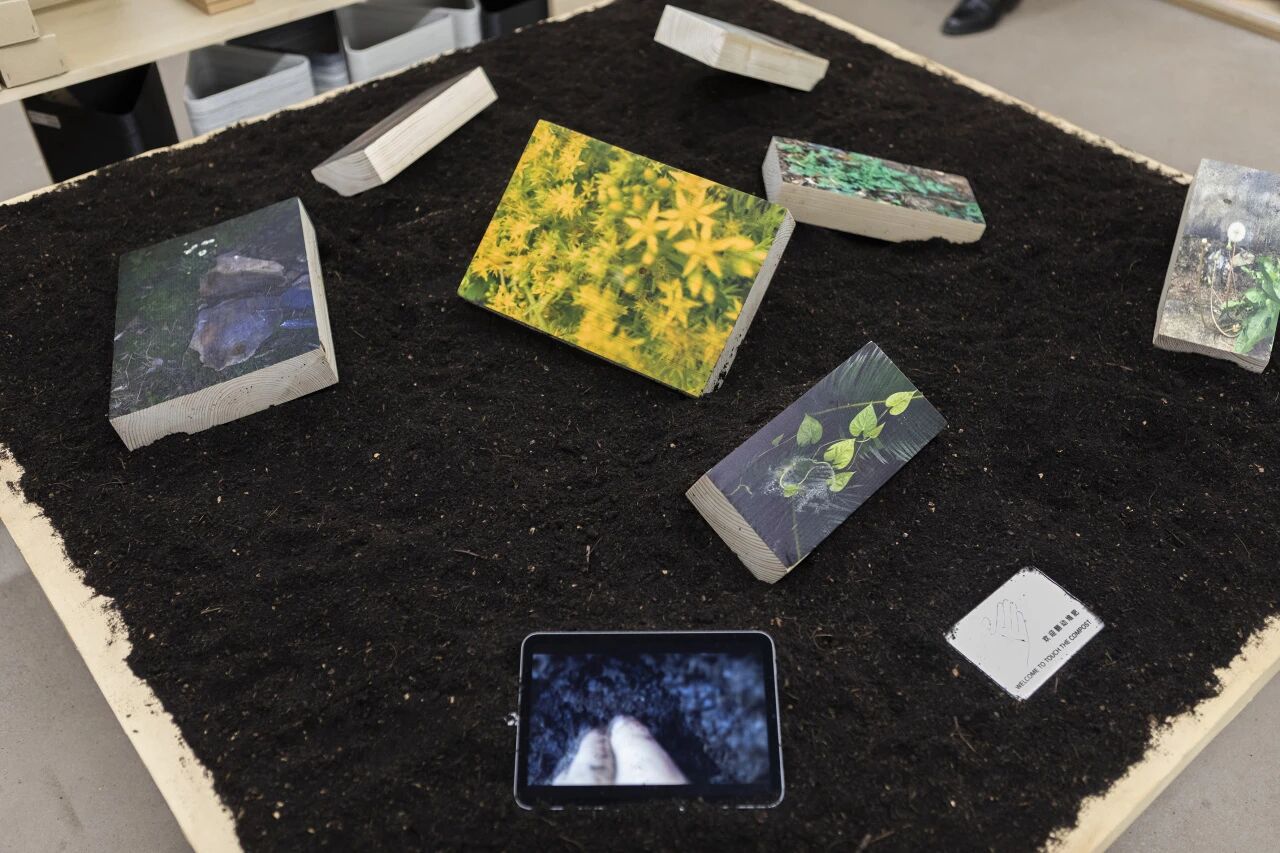
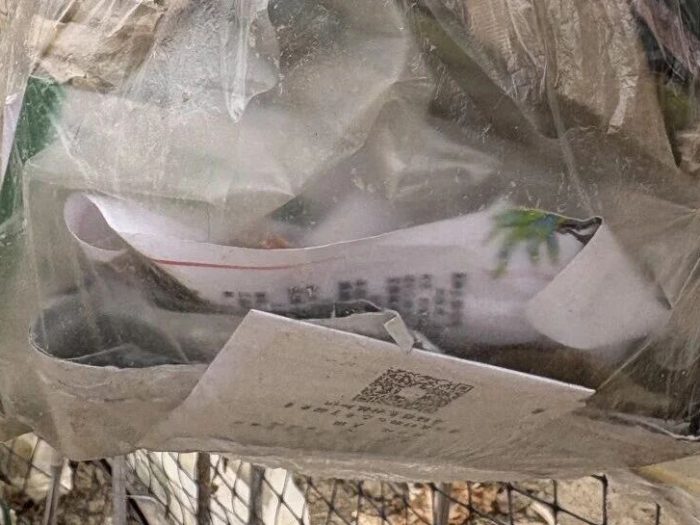
A city office worker rents a 20-square-metre vegetable plot on Beijing’s outskirts, hoping to relax by working. The more they clear, the more appears from the soil: plastic twine, mulch film, drink bottles and packaging fragments, raising problems of microplastics, sorting, recycling and consumption habits.
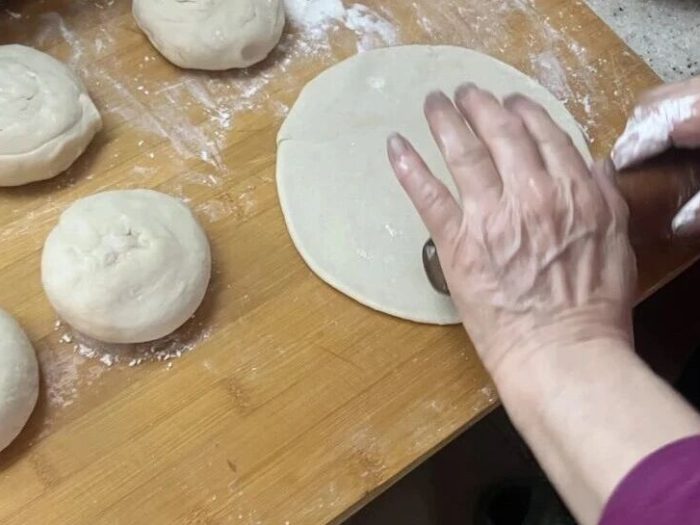
In Beijing’s shared flats, employers’ homes and the weekend kitchen at the Beijing Hongyan Social Work Service Centre, female domestic workers Suying, Huirong and Qiuhua have their meal times squeezed by work and family; growing vegetables and eating together, they restate their hunger and needs.
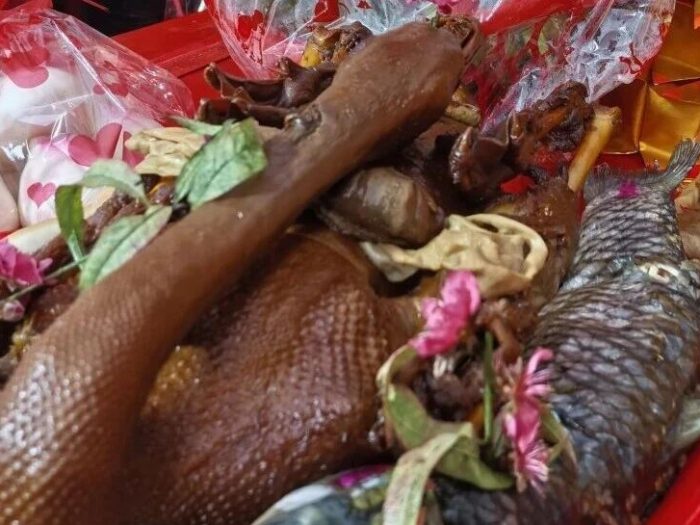
During 1946’s runaway inflation, Malaysian Chinese Shen Dongyan sent 100,000 yuan of national currency to his Chao’an mother to buy a braised goose for an ancestor’s birthday rite. The Teochew custom “No braised goose, no grandeur” persists in braised goose shops and on offering tables.
In the small courtyard of the studio in Hangzhou, Jiang Ziqi turns kitchen waste, coffee grounds, tissues and other organic residues into compost, then mixes it into the poor red-brown clay and plants sponge gourds, chillies and peas.
Inspired by Nichole, a US permaculture practitioner in Texas, Zhang Yiqing learns permaculture, stops using herbicides and chemical fertilisers, grows food on large suburban front- and back-yard lawns, and reflects on American lawn culture.
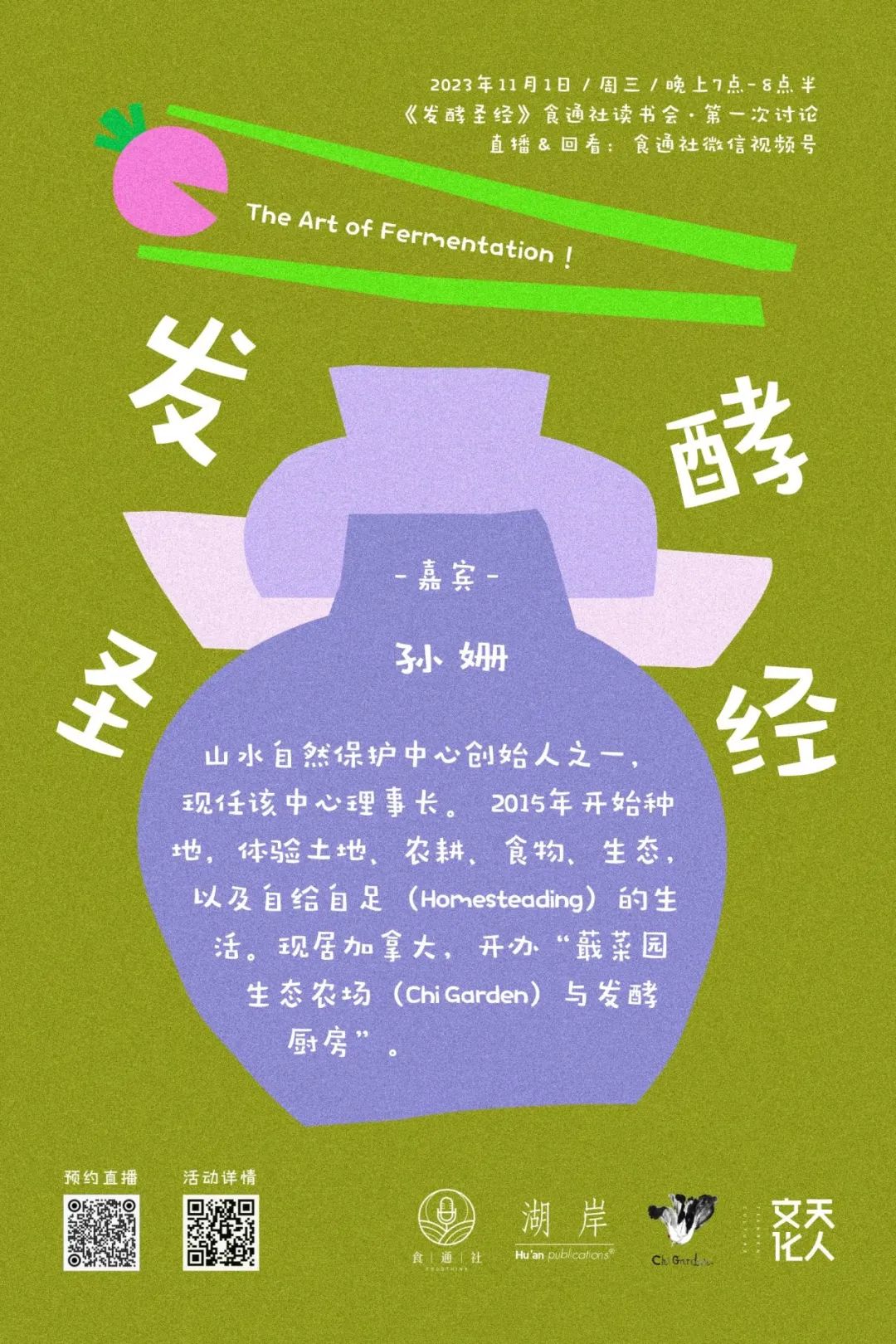
I grew up in New York City, and from a young age, I loved all kinds of pickles. Little did I imagine that those delicious, crunchy, garlicky pickles would one day lead me on a journey of discovery and exploration. In truth, besides pickles, fermented products such as bread, cheese,…
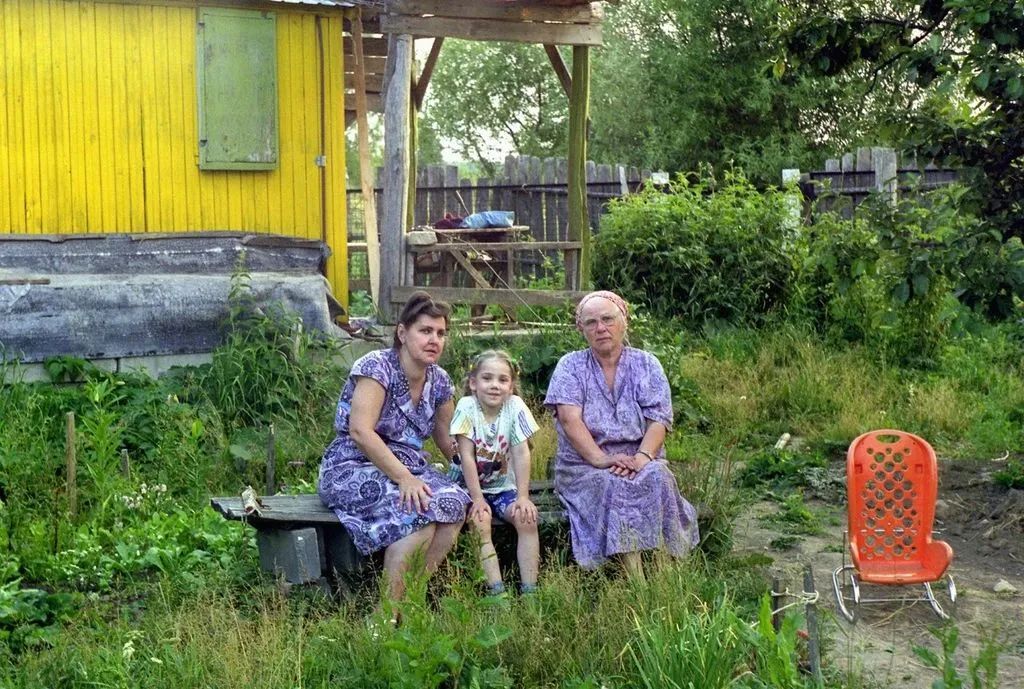
In Russian, summer is also known as the ‘dacha season’. Maxim Gorky wrote a short play, translated into Chinese as *The Summer Guest*, but originally titled *Dachniki* in Russian—which more literally translates to ‘the dacha people’. In 1995, the same story was adapted into a film titled *Summer People*. The…