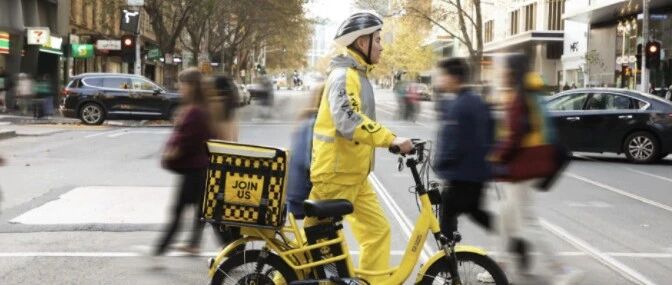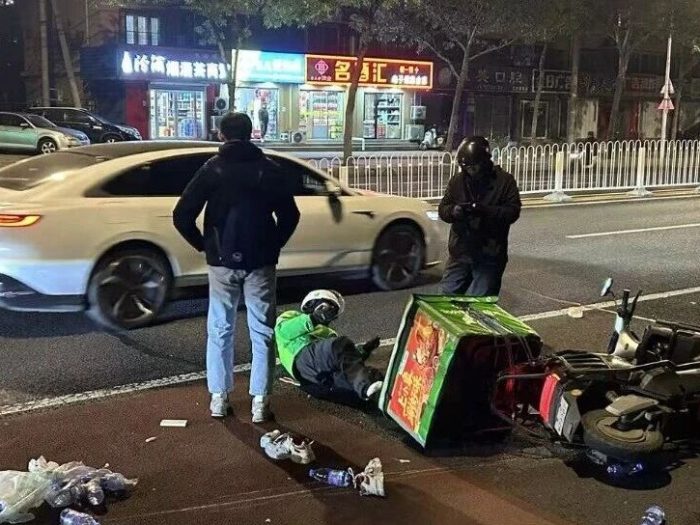

Professor Zhang Dandan at Peking University argues flexibility itself is a benefit, but food delivery riders face platform control, including peak-time online requirements and KPI appraisal, making gig work a platform employment model to cut labour costs and shift risk, not workers’ freely chosen work.

Jiang Ke, who served as a duty manager at McDonald’s for seven months, has experienced the fryer beeps, vacuum-packed shredded lettuce and order screens in its open-plan back kitchen, and seen how waiting and complaints when customers collect their food feed into the store’s rating.
A former chef who flew from Chiang Mai to Shanghai experienced negative reviews, bill waivers and shopping for ingredients alone at several pop-up dinners. Dianping’s rating weighting left the flying chef mentally and physically exhausted during an experience of freedom.
From ghost food delivery and farmer-support marketing to pickers running, changes in wet markets, and plastic waste, the issues concerning workers, merchants, farmers, and the environment that go beyond the convenience of platforms are often overlooked.
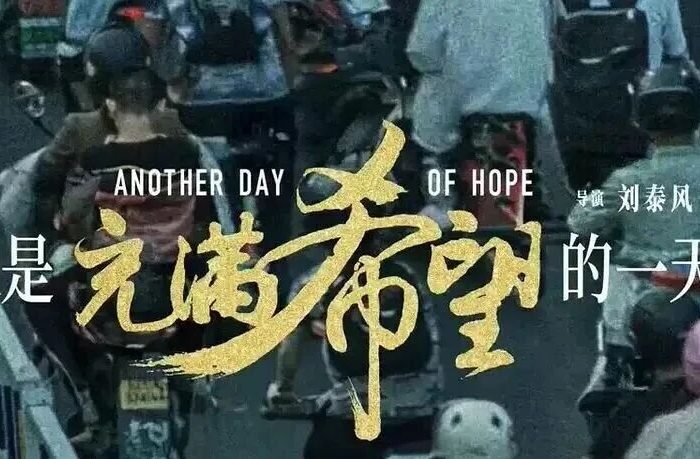
Every Tuesday evening, Foodthink hosts open-air film screenings by Tuanjie Lake in Beijing, where audiences can browse the farmers’ market and watch stories of food-delivery riders, rice farmers, herders and fermentation artisans, followed by a post-screening talk.
A food entrepreneur who runs a roujiamo shop in a small town in Exeter has found that there is no food-delivery subsidy war in the UK; restaurants keep only just over half of each order, and he believes that at his shop, those who want convenience should pay for delivery.
The 30-minute delivery of fresh food e-commerce platforms such as Alibaba Hema, Meituan Xiaoxiang, JD 7Fresh and Pupu puts the pressure of 3-minute picking and customer complaint deductions on pickers and delivery riders; consumers also discuss off-peak ordering, buying fewer heavy items and shopping offline in the comments.
Young people from different cities share their eating experiences and reflections on takeaway, dianzi zhacai, plastic packaging, wet market, and fermentation and fermented foods.
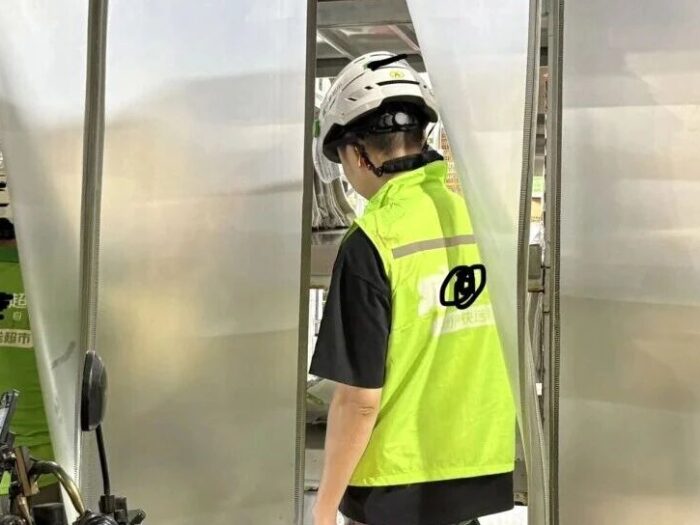
After Hema’s mistaken delivery of daffodil bulbs, Meituan’s Xiaoxiang Supermarket sorters still have to complete an order within three minutes. Cold rooms, climbing shelves and piece-rate deductions make mis-picked or omitted items a structural issue under speedism.
Over the past year, articles deleted from Foodthink have covered delivery riders, mouldy corn in North China, rural heating in Hebei and high-standard farmland. Reader comments have been quickly blocked, and the space for public discussion has narrowed.