
It’s 618 Again: Have E-commerce Platforms Made Our Lives Better?

Foodthink Says
It’s 618 again. Open the homepages of major e-commerce platforms and you are sure to see slogans such as 10 billion in subsidies, limited-time discounts and flash sale prices that tempt you to place an order immediately. Some might ask, “So what?” Platforms can meet consumer needs at lower prices; that is the reality.
The problem is whether consumption is the whole of a person’s life and existence. Over the past few years, Foodthink has tracked the impact of e-commerce platforms on society and everyday life through reporting, commentary, story submissions, translations, film reviews and other formats. We have seen the many facets of reality beyond a single act of consumption.
Who is creating “ghost takeaways”? Can e-commerce platforms really help farmers? Behind efficiency and convenience, what are workers experiencing? Who is making us speed up? Will fresh-food e-commerce make wet markets disappear? Why do some people suddenly not want to eat takeaway? How is the plastic waste behind the e-commerce boom being dealt with? How do films imagine and portray platform society? How have takeaway platforms developed abroad? These realities profoundly affect the happiness of our lives, yet their importance is always ignored or downplayed.
This article compiles Foodthink’s related articles, hoping to provide more diverse perspectives and real-world evidence for the discussion of these issues.
Have e-commerce platforms made our lives better? Feel free to leave your answer in the comments. There is an easter egg at the end of the article!
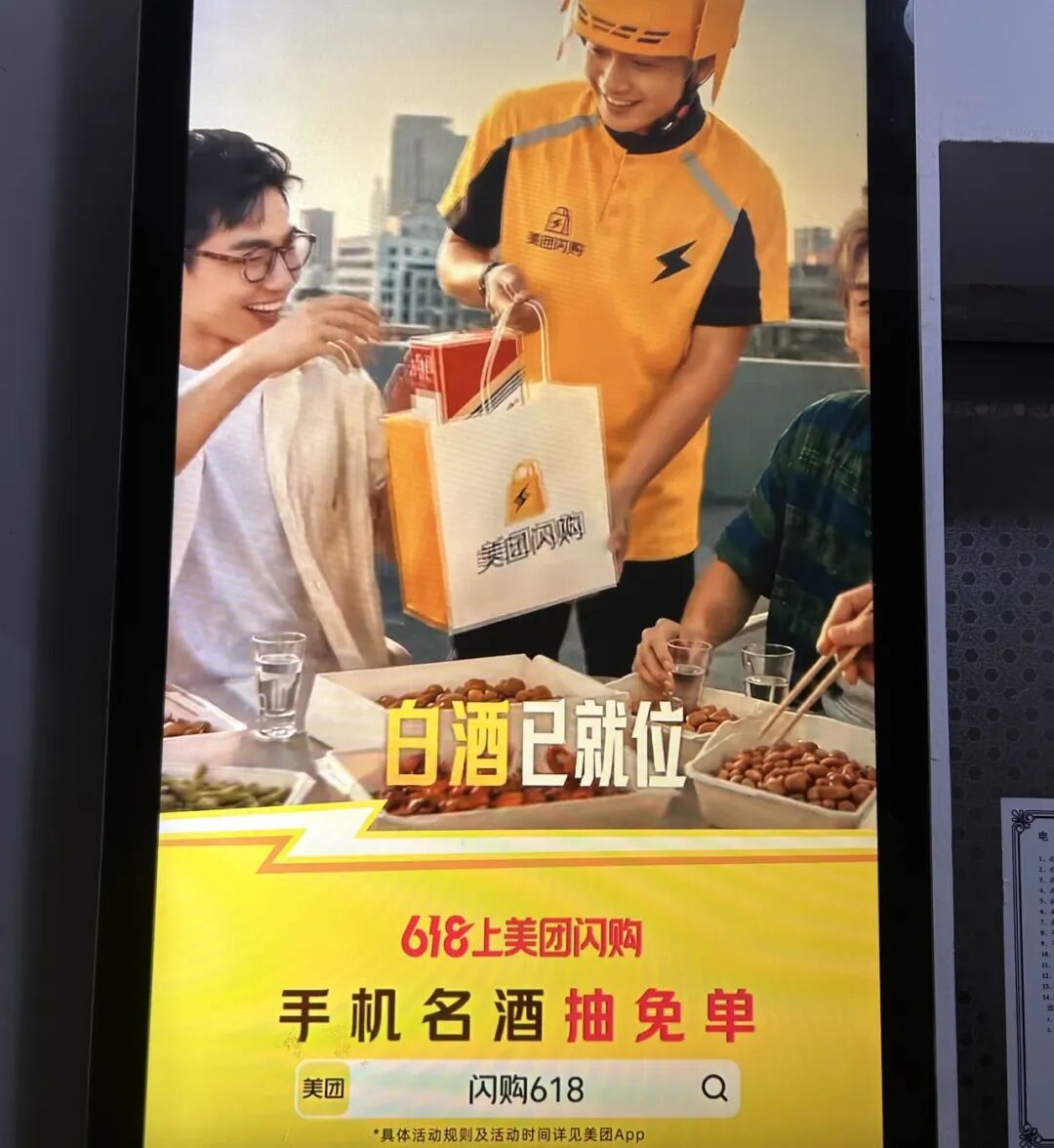
◉ A 618 ad placed by Meituan Flash Shopping in the lifts of a residential estate in Beijing; in the same location, JD and Taobao ads are also playing. Image source: Foodthink
Who Is Creating Ghost Takeaways?
I wonder whether you have noticed that, since June, every merchant’s page on takeaway platforms has added “dine-in” and “open kitchen” badges. At the same time, regulators require platforms to register takeaway merchants under real names and, through on-site inspections and other means, to conduct a substantive review of their business qualification certificates, such as food business licences. These are measures taken to curb the “ghost takeaways” phenomenon that has become increasingly rampant in recent years.
At first, people assumed that “ghost takeaways” were merely a case of platform mismanagement, but now mounting evidence shows that the platforms themselves are the ones creating the problem. The two articles below present experiences and observations from the perspective of small merchants: How do platforms use subsidies as bait to bind the food and beverage industry to them? What rhetoric and tactics do platforms use on merchants to drive down product prices? How does a platform’s practice of using “cheapness” as a weapon to chase profit and market share cause bad money to drive out good?
While we welcome the series of regulatory measures aimed at “ghost takeaways”, we still cannot ignore the underlying logic that enables them to be created and tolerated.
Related articles: click the image to read ▼
Can E-Commerce Platforms Really Help Farmers?
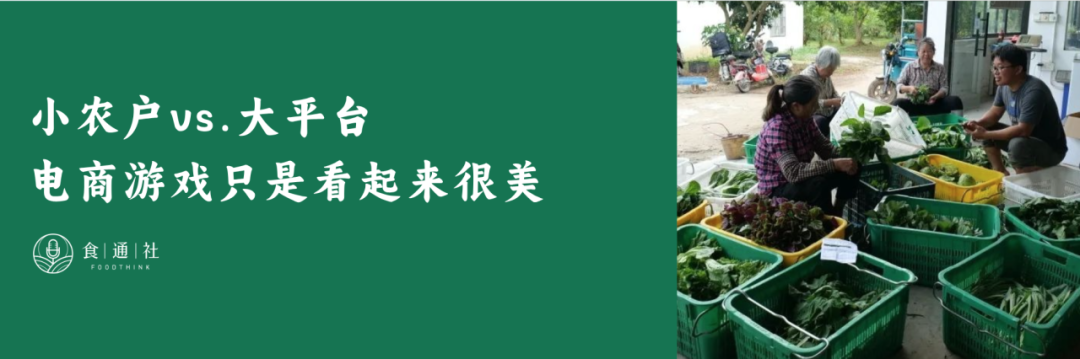
What is striking is that a platform such as Meituan, whose slogan was once to help small and medium-sized merchants connect with more consumers, has now become a force that squeezes food and beverage merchants and undermines the food and beverage industry. Similarly, in the agricultural products sector, e-commerce platforms such as Taobao and Pinduoduo also claim to help many small farmers bypass middlemen and connect directly with an ocean of consumers.
Yet, faced with all manner of fake orders, paid traffic and marketing campaigns, can small farmers really master this e-commerce game? Have platforms truly eliminated middlemen, or have they become new middlemen themselves?
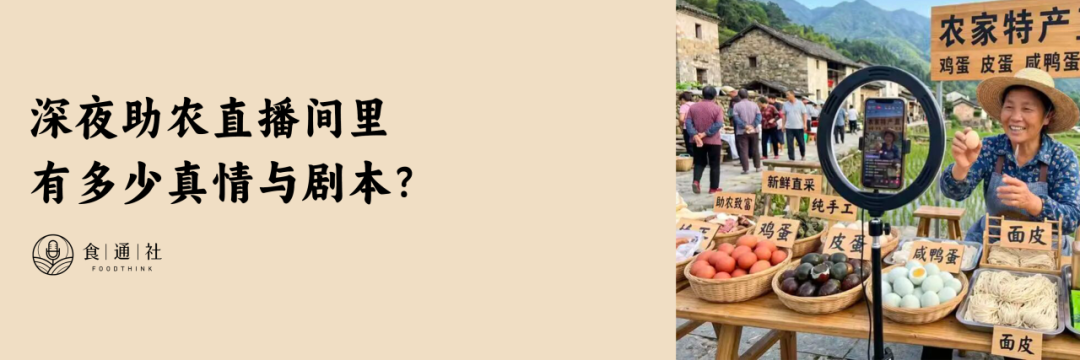
And when we happen upon an orange seller with a wrinkled face in the fields, what dynamic game are rural e-commerce entrepreneurs and workers playing with the algorithmic web behind this livestream?
Related articles: click the image to read ▼
Behind Efficiency and Convenience, What Are Workers Experiencing?
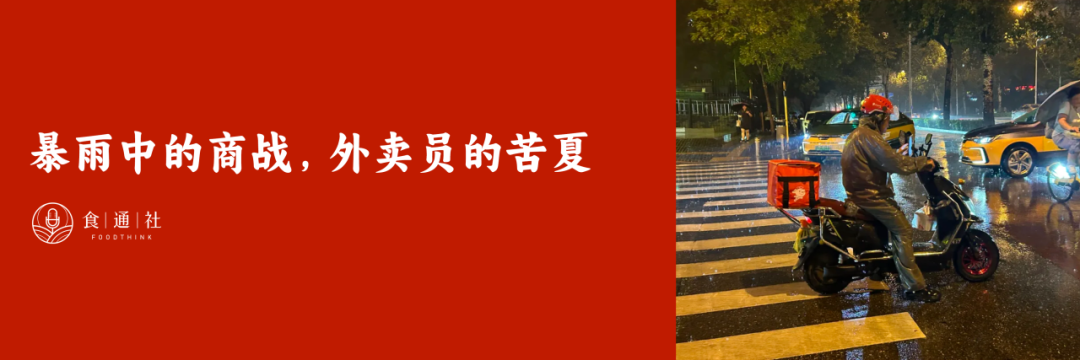
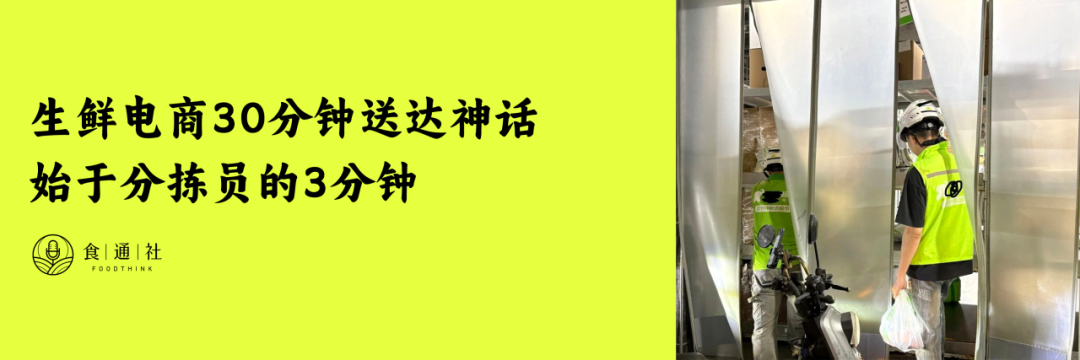
Today, on fresh-food e-commerce platforms such as Alibaba Hema, Meituan Xiaoxiang, JD Qixian and Dingdong Maicai, people can stay at home and, with just a tap, buy all the goods they need for everyday life within as little as half an hour. But what you may not know is that the convenience of “30-minute delivery” is made possible by delivery riders and pickers running a relay.
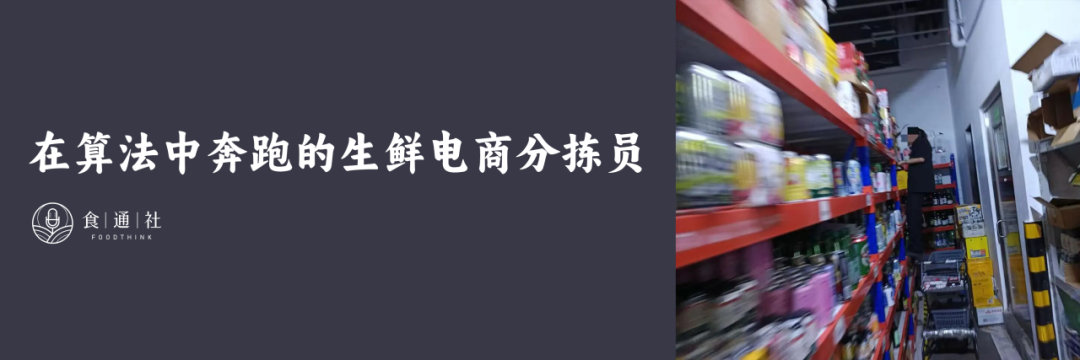
People are familiar with delivery riders, but may know less about a new type of worker who is likewise under the control of algorithms and must keep “running”—the picker—and about the brutal reality of their survival: “30,000 steps a day, 3 mao per item.” From the moment you place an order, the algorithm’s countdown and a supervisor’s verbal abuse force their feet to keep moving, as they dart and weave between cramped shelves to help customers select goods.
Precarious employment relationships, low wages, low benefits, strict attendance and penalty mechanisms, overwork, algorithmic control over people, and poor working conditions—these characteristics once associated with delivery riders have been replicated once again on pickers.
Perhaps, so long as e-commerce platforms continue to try to win consumers over with efficiency and convenience, similar jobs will keep being created.
Related articles: click the image to read ▼
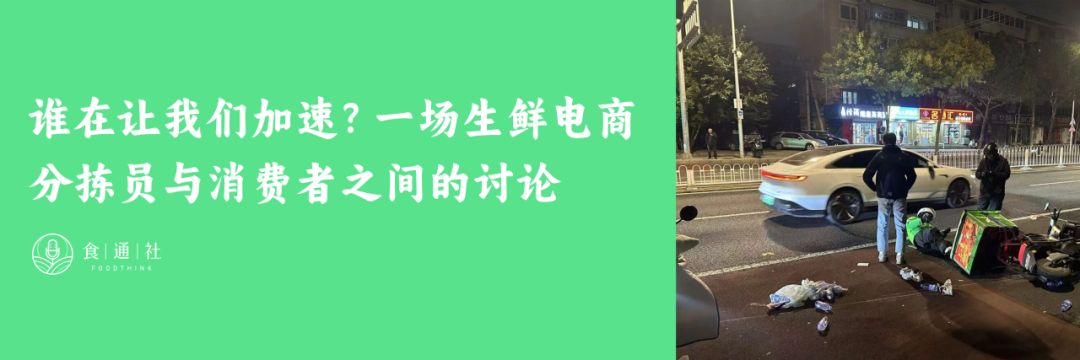
Who Is Speeding Us Up?
When workers such as delivery riders and pickers suffer exploitation and alienation, people inevitably end up wrestling with whether consumers should bear responsibility for it. In the comment sections of the articles above, the relationship between workers and consumers did indeed touch a nerve among readers.
But in what was a largely calm discussion, people gradually put forward some views that move beyond the deadlock of binary opposition, and we have collated these comments. For example, some pointed out the predicament of wage workers who, in the accelerating rhythms of work and life, are forced to rely on takeaways; others believed that the platforms themselves are the reason our lives have sped up—consumers are not necessarily that rushed, and the fact that pickers are given a three-minute limit to pick items and delivery riders deliver in heavy rain is the result of mutual competition among platforms; still others argued that consumers, who appear to be the “beneficiaries,” are in fact bearing the costs of platform-driven acceleration, such as traffic risks. Others believed that the way to bring about change lies in a coordinated boycott of platforms.
Related articles: click the image to read ▼
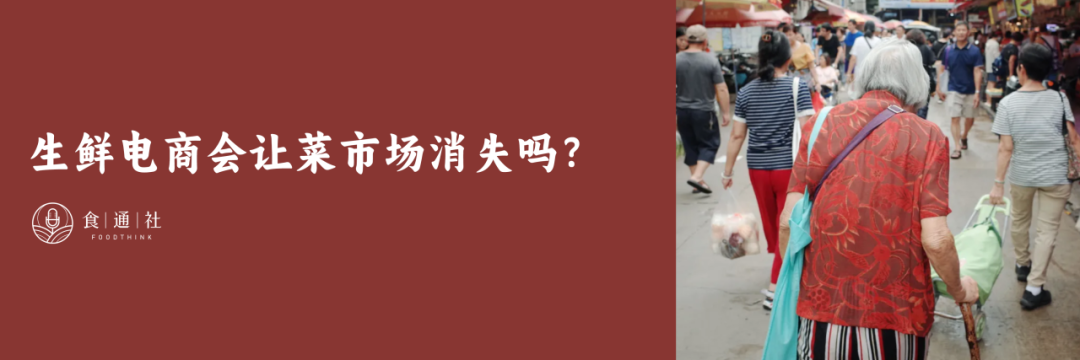
Will Fresh-Food E-Commerce Make Wet Markets Disappear?
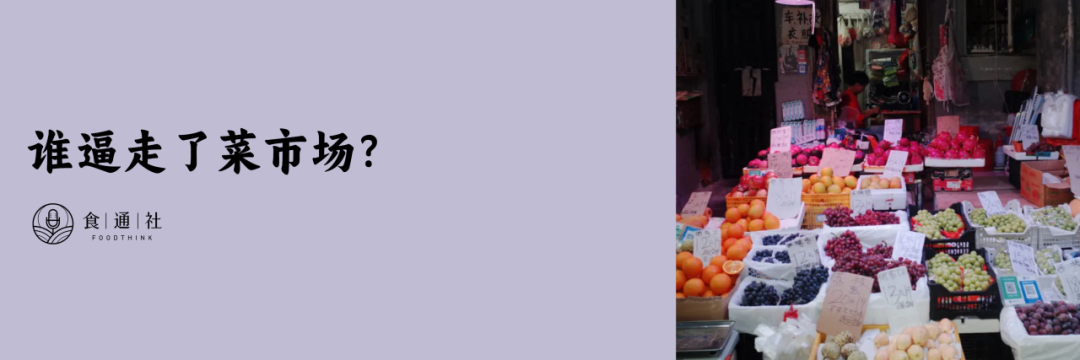
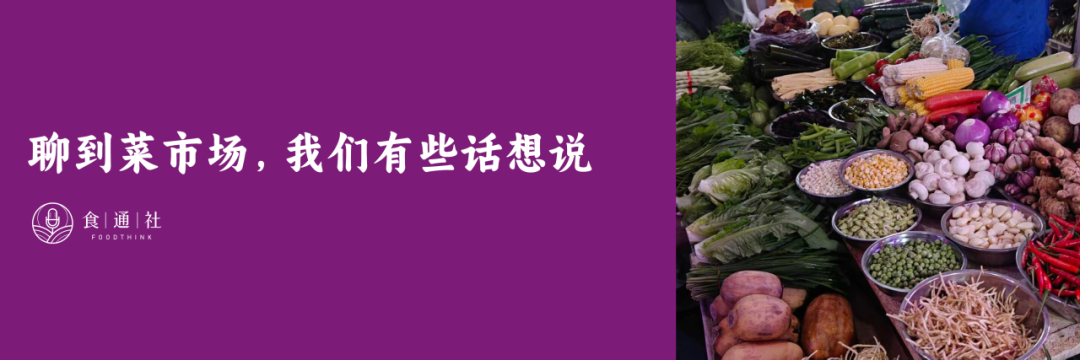
In the discussion above, one comment reads: “Platforms have killed off brick-and-mortar stores—have you not noticed that physical supermarkets are becoming fewer and fewer?” In the article “When It Comes to Wet Markets, We Have Something to Say,” someone complained: “Fresh-food e-commerce platforms such as Meituan Xiaoxiang and JD Qixian are very convenient; an order can be delivered within 20 minutes. But I’m not making excuses, either—there really are few wet markets in Beijing, and the nearest one to my home is about a four-kilometre walk.”
So, we seem to have hit a dead end: with few wet markets around, we rely on e-commerce platforms; yet the more we rely on them, the more we contribute to the decline of neighbourhood supermarkets or wet markets.
What is the actual situation? With funding from Foodthink’s Lianhe Creative Programme, the two articles first published in “FoodWine Eat Well, Drink Well” turn their focus to Guangzhou, a city renowned for its food culture and everyday street life, and examine on the ground how its wet markets are being squeezed by e-commerce.
Related articles: click the image to read ▼
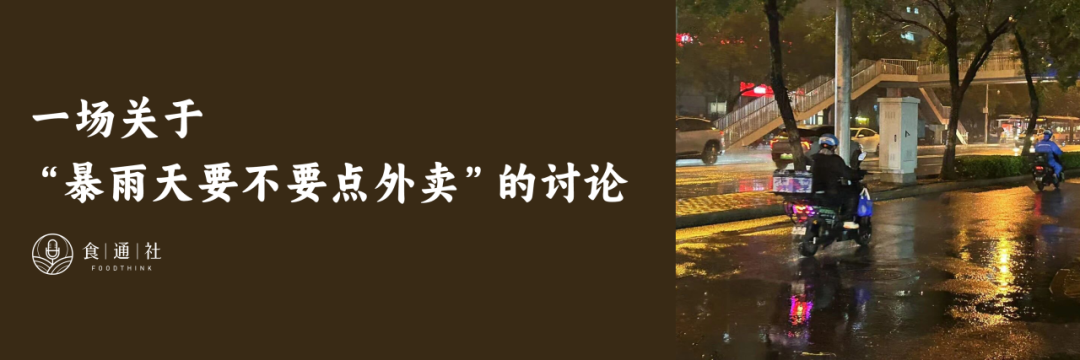
Moments When You Don’t Want Takeaway
The same dead end also appears in how we consume takeaway. Foodthink’s “Chi Dian Hao De” column once ran a call for “100 Moments When You Don’t Want Takeaway”. Many readers said they had once wanted to give up takeaway for reasons such as flavour, health, food waste, and the loneliness of eating alone. But others said that, in the end, they still ended up eating takeaway because, in such a fast-paced life, they could not think of anything to eat apart from takeaway.
Fortunately, the early internet was diverse and open, and we once again launched a call for “What to Eat Instead of Takeaway.” From lazy meals to homemade pre-prepared food, and from affordable restaurants to community canteens, another group of netizens shared their little tips for giving up takeaway and eating well,
Related articles: click the image to read ▼

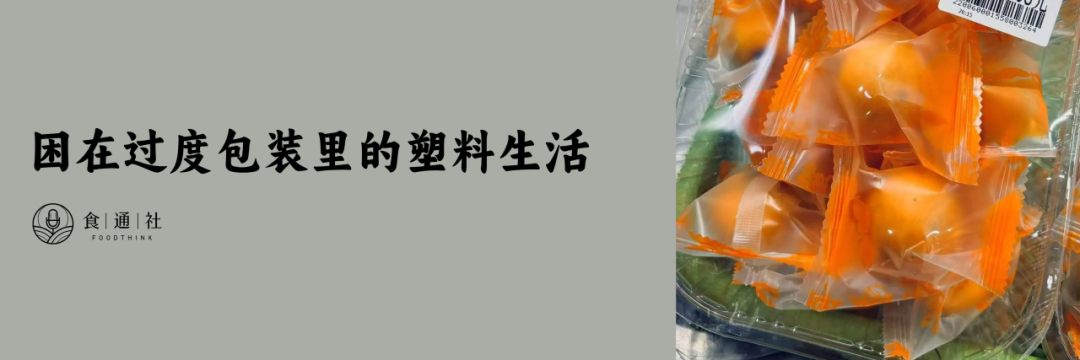
The Plastic Waste Behind the E-Commerce Boom
Among the many reasons people do not want takeaway, one is takeaway that is often wrapped in layer after layer, creating far too much plastic waste.
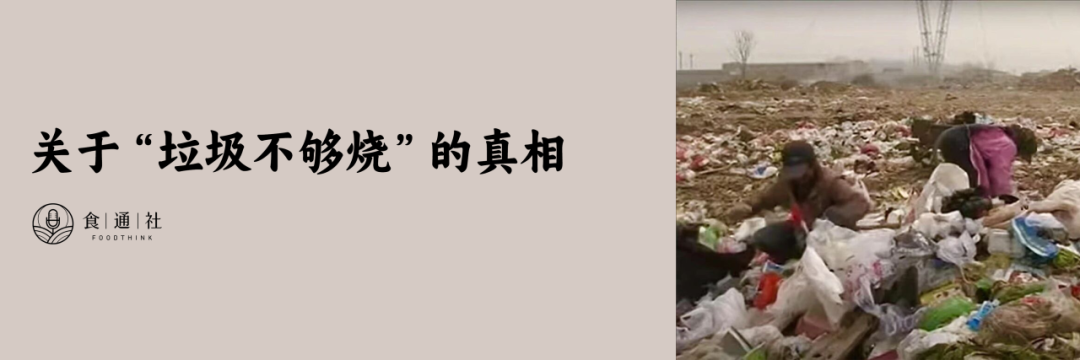
Indeed, in China, daily orders for takeaway have reached around 100 million; during the takeaway wars, this figure once reached more than 200 million. These orders generate enormous quantities of plastic packaging waste every day. Other data show that in the megacities of Beijing, Shanghai and Guangzhou, the increase in parcel packaging waste accounts for more than 93% of the increase in household waste.
The proliferation of plastic waste stems from a disposable consumption culture, a “use-and-throw-away” culture that damages natural ecosystems and which e-commerce platforms have pushed to the extreme. The various plastic bags, plastic containers and tape wrapped so excessively around food on e-commerce platforms have become unbearable for consumers.
In addition, two teachers who have long followed waste management have also pointed out that takeaway is creating a new type of waste. The composite bags now frequently used in takeaway packaging are difficult to sort and can only be processed through incineration.
Related articles: click the image to read ▼
How Do Films Imagine and Represent Platform Society?
Foodthink also examines how artistic forms such as film imagine and represent platform society. The way films understand takeaway platforms is not confined to the takeaway industry itself; starting from concrete life, they show how a takeaway platform devastates a family and several ordinary people, and how they hold on and struggle under such a fate. This representation is more layered, bringing together the platform, algorithms, programmers, delivery riders, traffic risks, family livelihoods, education and workers’ rights for examination. It also aims to allow people who are fragmented and yet locked into the same chain of pressure to see one another.
The two earlier high-profile films, “Nixing Rensheng” and “You Shi Chongman Xiwang De Yitian”, both set out from this creative concept. However, “Nixing Rensheng”, produced by Meituan, failed to resonate with audiences in its attempt to dispel contradictions through false solutions. By contrast, “You Shi Chongman Xiwang De Yitian”, which confronted real-world contradictions from beginning to end, came under pressure from takeaway platforms before and after its release, yet still allowed audiences interested in takeaway issues to see a sincere work, and won the 37th Golden Rooster Award for Best Small-to-Medium-Budget Feature Film.
Related articles: click the image to read ▼
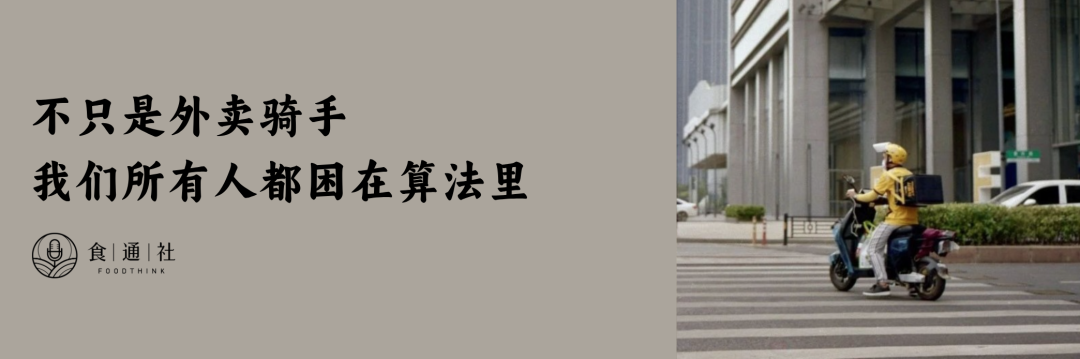
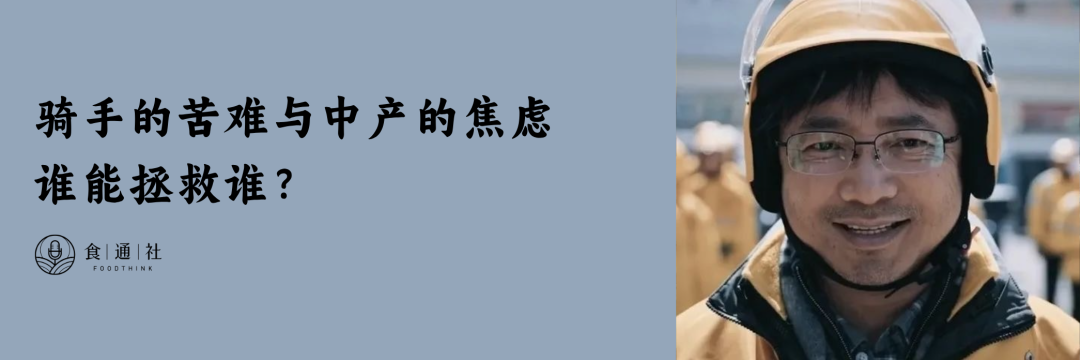
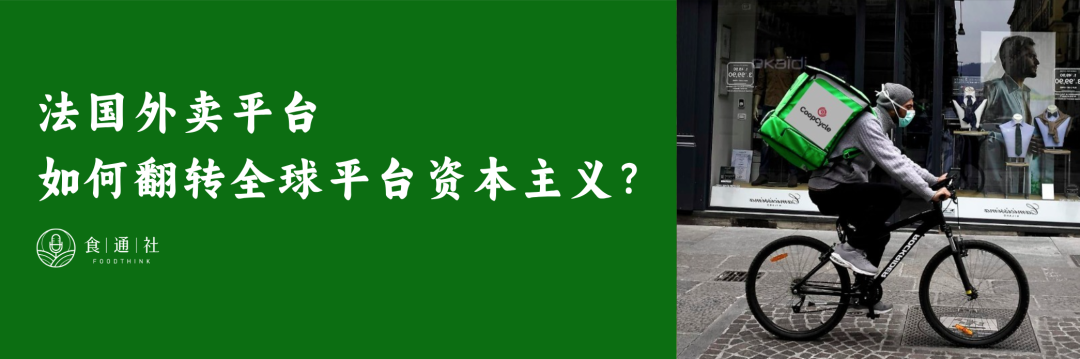
How Have Takeaway Platforms Developed Overseas?
Are platforms necessarily destructive? Or can platforms become better? Given that China’s takeaway platforms have already become so “developed” after a period of wild growth, we may need to focus on and compare takeaway platforms that have grown up under other social conditions.
One worth learning from is an experimental takeaway platform in France, CoopCycle, whose promotion of “platform cooperativism” has, to some extent, reversed the logic of “platform capitalism”. On CoopCycle, there is a clear employment relationship between delivery riders and the cooperative; pay is calculated based on hours worked, and delivery riders also enjoy benefits such as minimum wage, unemployment insurance, health insurance and paid leave.
Another experience worth learning from is Singapore’s Platform Workers Act, which aims to enable Singaporean platform workers in the takeaway, courier and ride-hailing sectors to receive more comprehensive social security in areas such as work-related injuries, retirement, healthcare and housing. After the Act was introduced, Grab, Singapore’s main ride-hailing and takeaway platform, announced that from 2025, on top of existing platform fees, it would charge an additional S$0.20 per order (roughly 1 yuan) to cover the costs of the new law.
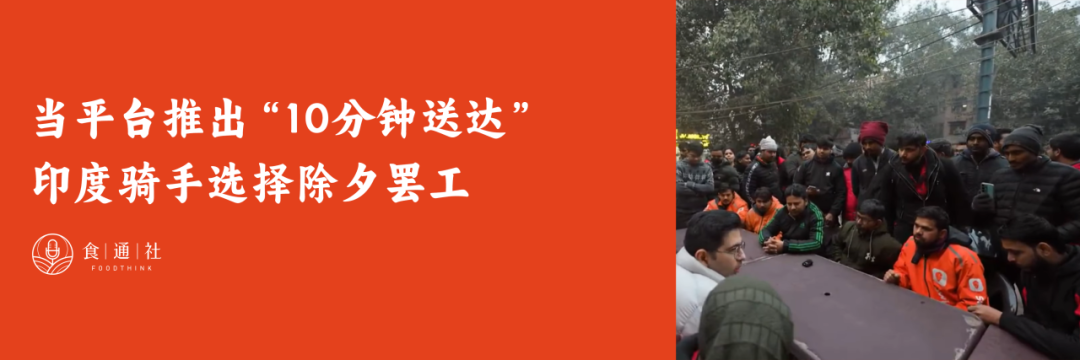
Of course, we have also observed that in India, delivery riders are likewise trapped in oppression and control, while they struggle against the platforms through forms such as strikes.
Related articles: click the image to read ▼
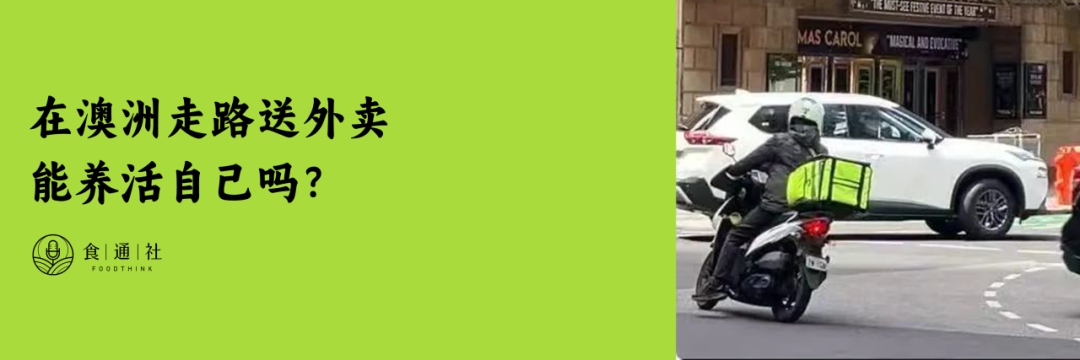
Have e-commerce platforms made our lives better? Feel free to share your answer in the comments. Aspiring writers and researchers are also welcome to join our writing community to keep following, alongside us, the labour, health and environmental issues behind the food system and e-commerce platforms.

◉ Today, from 15:00 to 16:00, Foodthink will also take part in a discussion of pesticide residues on e-commerce platforms. Pesticide residues have long been a focal point in food safety, but in the new e-commerce platform context for agricultural product consumption, they are more concealed and complex, and the issue has not yet received sufficient attention. Everyone is welcome to scan the QR code on the poster below to watch the live stream.
Compiled by Yuyang
Layout by Xiaoshu