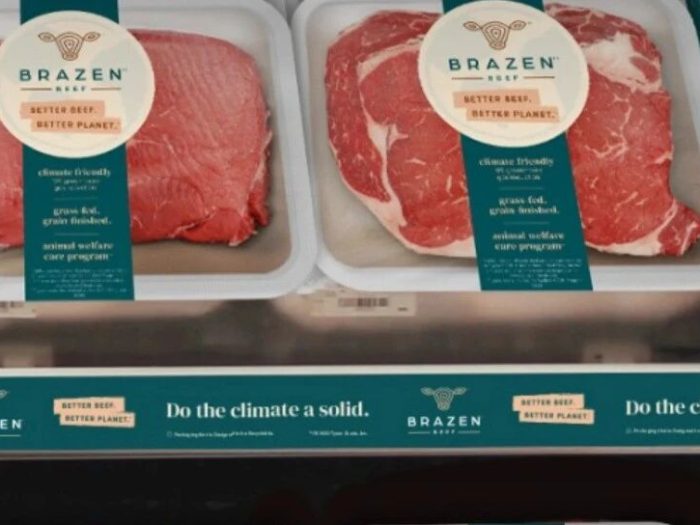
The New York State Attorney General’s office and non-profit Environmental Working Group sued Brazil’s JBS and US Tyson Food, alleging ‘climate-friendly’ industrialised beef claims misled consumers; after settling, the firms withdrew or modified net-zero statements, but environmental labels on packaging still need a verifiable basis.
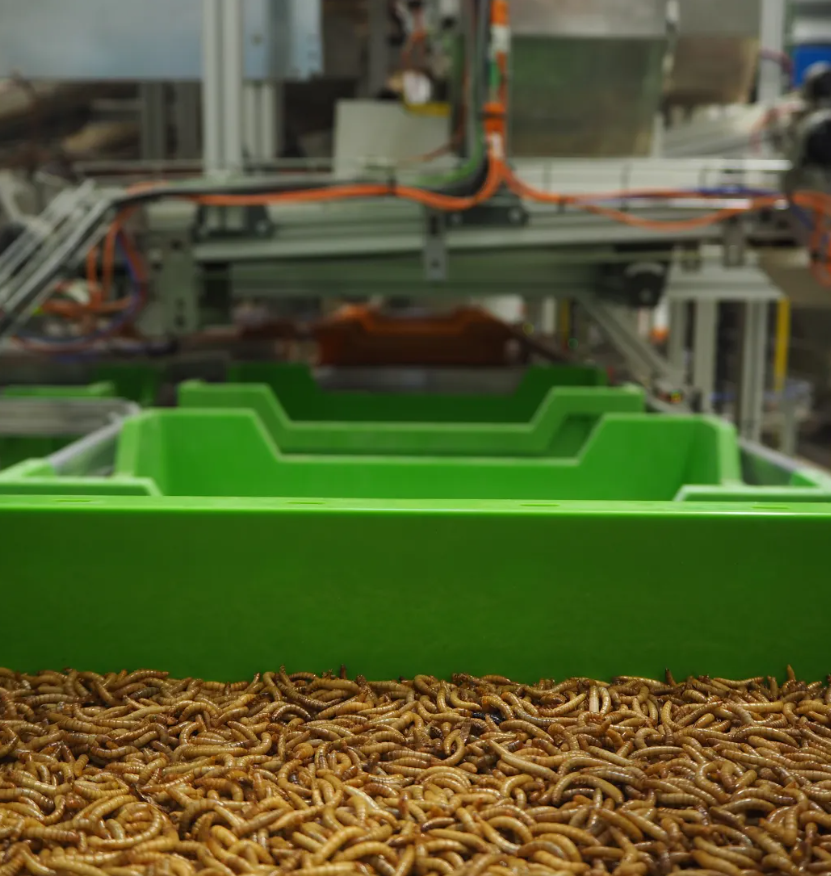
From American cockroach coffee to the bankruptcy of the European insect protein unicorn Ÿnsect, insect protein has been packaged by capital as low-carbon feed and the answer to the food crisis; the energy costs, research disputes, and regulatory easing in industrial farming are moving “eating insects” from science fiction toward the dining table.
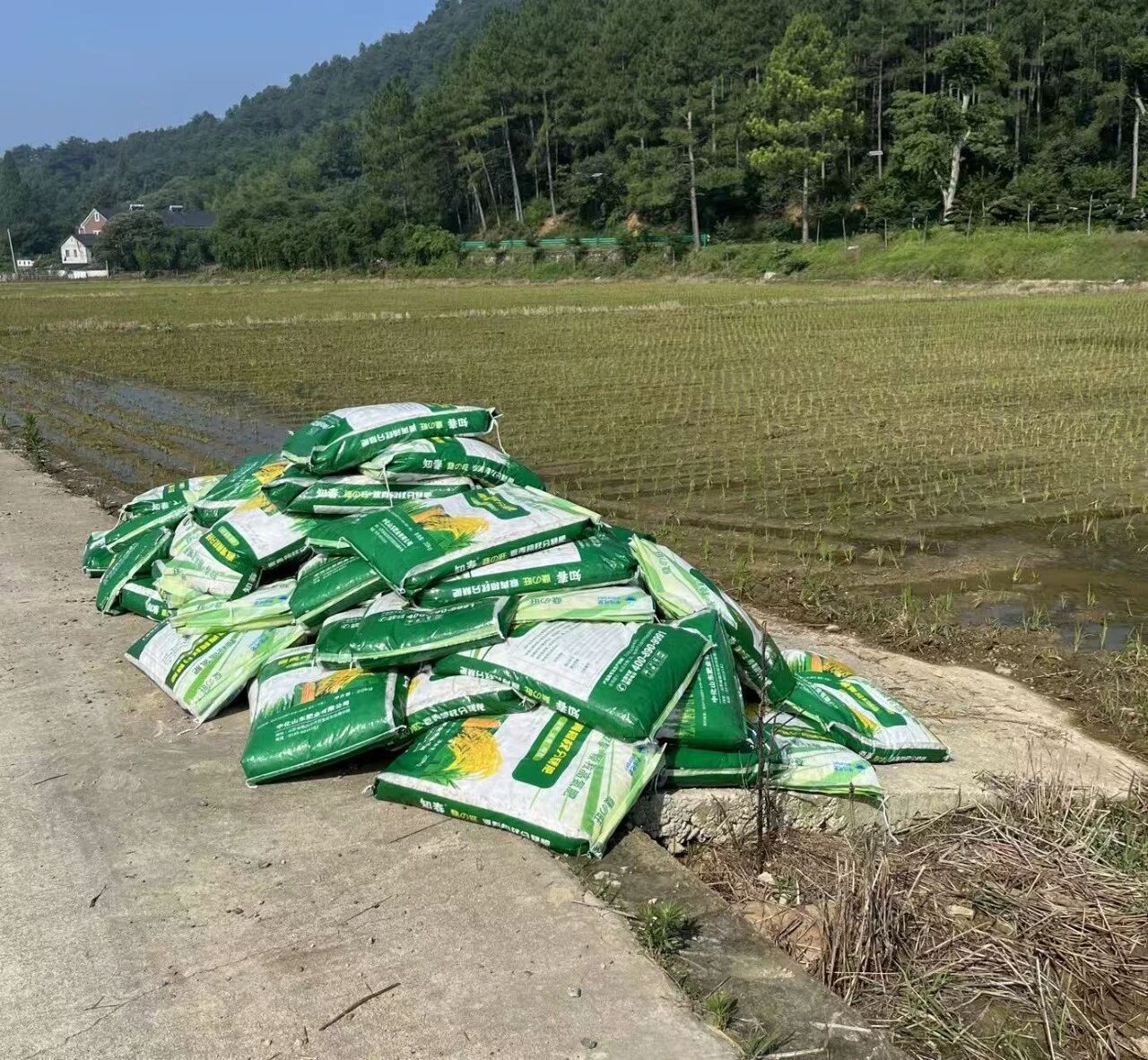
From water-source protection to a celebrity village, Lvshui Village has turned its houses, roads and fields into an ecological landscape that can be explained, but leaves chemical fertilisers and pesticides in the rice fields, an energy-intensive lifestyle and the tourism economy outside the display.
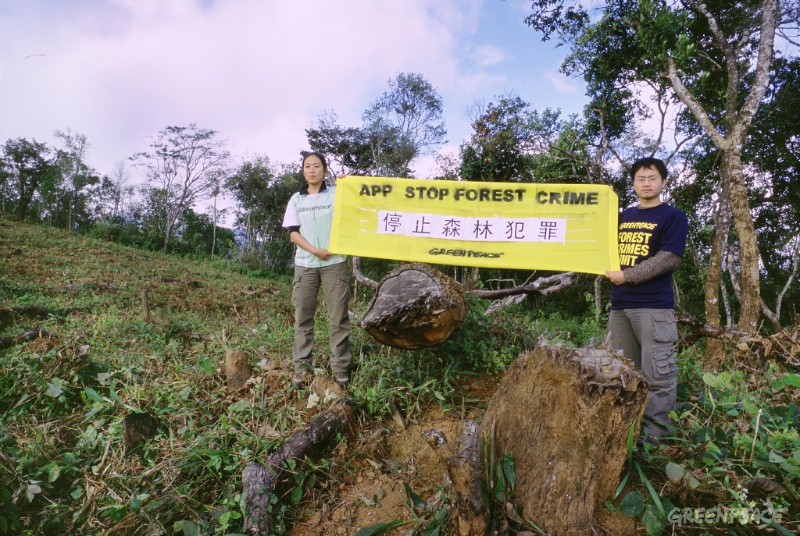
Sun Shan, Shanshui Nature Conservation Centre co-founder, and environmental advocate Ma Tianjie begin with Meituan-funded environmental organisations and the Asia Pulp & Paper deforestation scandal, discussing how companies use charitable funds, algorithms and rules to shape environmental agendas, and how non-profits can maintain oversight boundaries.
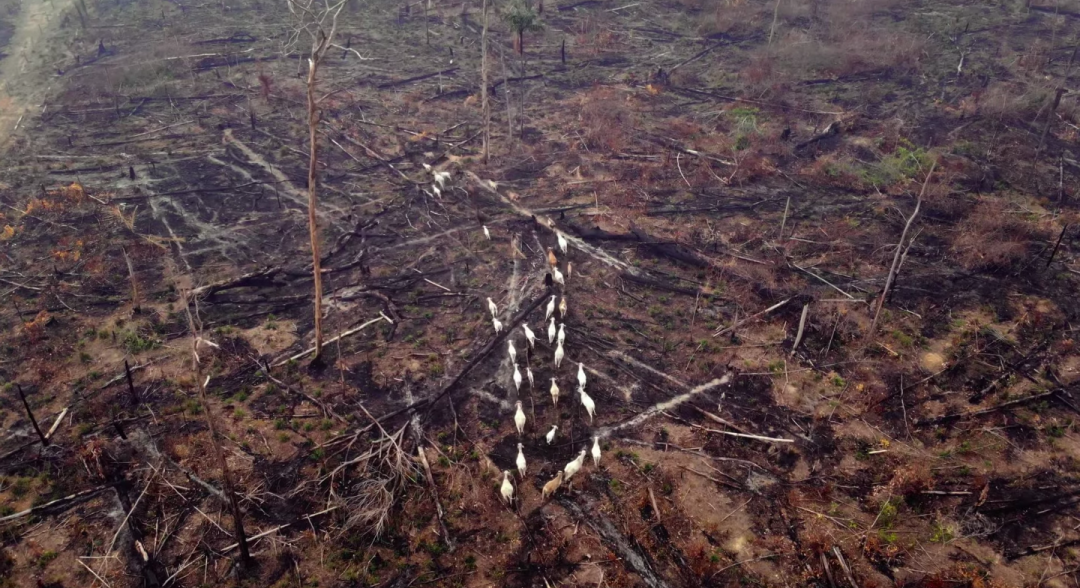
From deforested ranches in the Amazon to European supermarket shelves, Marcel Gomes of Brazil’s investigative organisation Repórter Brasil pieces together the route by which JBS and other Brazilian meat firms put illegally deforested beef into global markets.
Recently, there has been much discussion surrounding a shift in attitude from delivery platforms, which have indicated they will pay social security for delivery riders. We shall see how many riders truly benefit from this and whether it leads to a genuine improvement in their working conditions. In the latest…
As Chinese New Year draws near, not only is the festive background music returning to supermarkets, but the ‘holiday weight gain’ hashtags are once again flooding social media feeds. In the past, people often assumed that gaining weight during the holidays was due to rich, festive feasts. In recent years,…
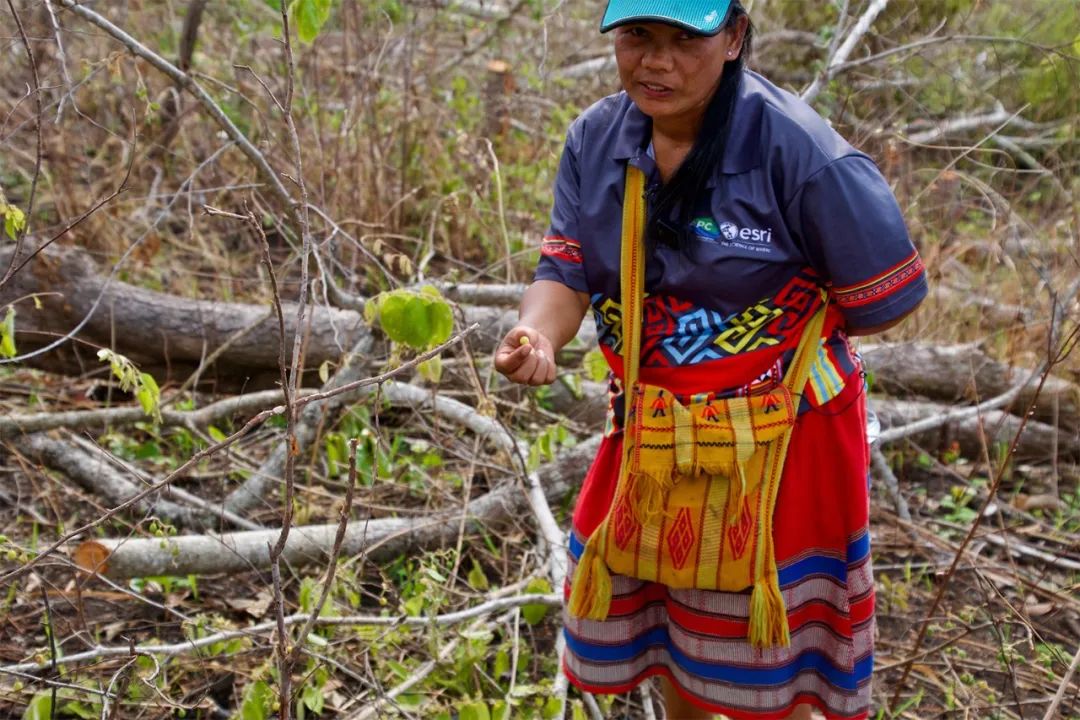
Starting with the 2,282-hectare community forest in Cambodia guarded by Bunong villager Long Heng, the report surveys global debates over REDD+, the voluntary carbon market and indigenous land rights, and asks whether emissions-reduction promises are credible.
Foodthink’s Take Double 11 is here once again. Have you joined the shopping spree this year? Paying for one’s conscience, or spending based on a set of moral principles and values, is a form of ‘ethical consumption’ that differs from traditional consumerism. It reflects the consumer’s desire to support values…
When we think of Monsanto, it is easy to associate the company with the health risks of genetically modified (GM) foods. However, “Empire of Seeds” by Bart J. Elmore, a US scholar of environmental history, shows that the influence of agricultural capital—epitomised by Monsanto—on the human food system is actually…