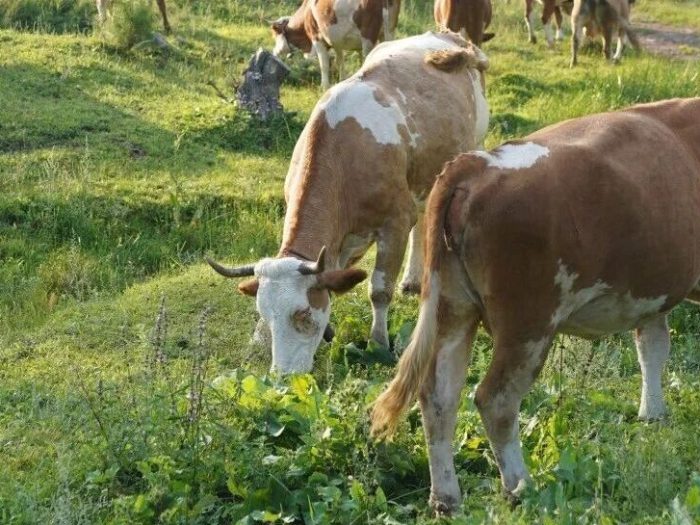
Deep in the Taihang Mountains, Leyi Village, Heshun County, Shanxi, the “leopard-eating-cattle” conflict is not pronounced. Local beef cattle farming has contracted sharply during the recent price trough — only three households still keep cattle, just over seventy head, down from a peak of over two hundred.
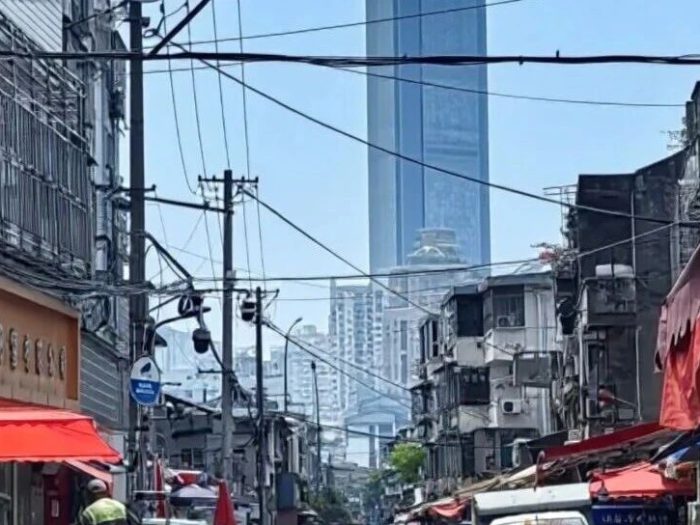
Xu Yunyian, fifty, runs a seafood and dried goods shop at Shuangjingtou wet market – no online store, no podcast. Retired elderly catching the early market and Chinese New Year stockpiling keep a family of four going; her younger son grew up right in this lane.
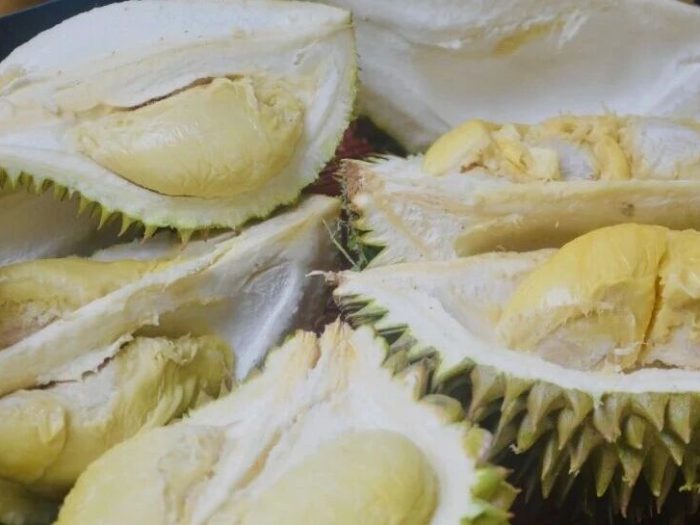
In Penang’s Batu Maung, durian tours take tourists seeking old-tree kampung flavours, while an exceptionally abundant harvest has also left orchard owners facing a price crash and a dispute over tree-ripened durian.
From orchards in Johor and Pahang to Mersing wholesale points and the LKE Group investment promotion meeting, on the eve of fresh Musang King durian’s entry into China, Chinese demand is reshaping picking, export, frozen processing and durian-tree investment.
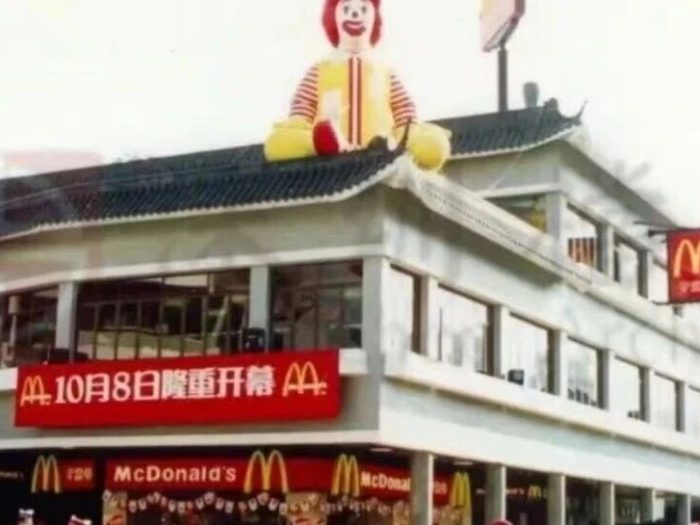
McDonald’s uses price anchoring, shrinking stores and its shared-staff system to cut costs. According to former shift manager Jiang Ke, this efficiency machine still ultimately relies on human on-the-spot judgement as its safety net.
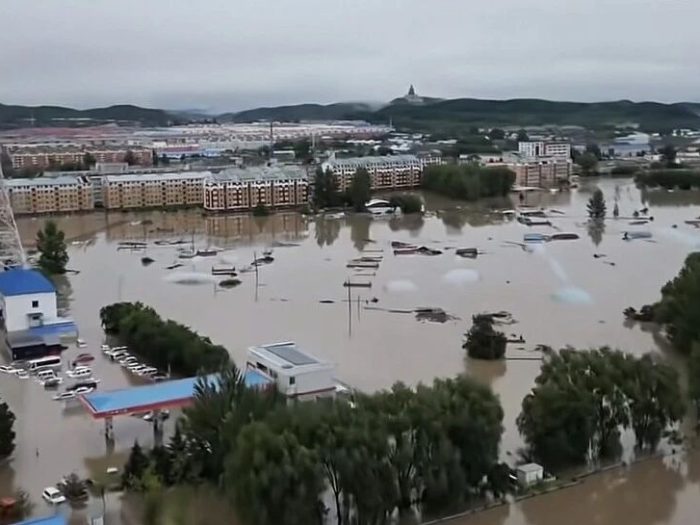
After the wholesale market, riverside villages, maize fields and ginseng fields were flooded, silt clearing and reconstruction are continuing; rain will persist in the north-east, and some areas may suffer secondary damage.
Jiang Ke, who served as a shift manager at McDonald’s for seven months, has experienced the fryer whistles, vacuum-packed shredded lettuce and order screens in the open-plan kitchen, and seen how waiting and complaints when customers collect their meals feed into the store’s score.
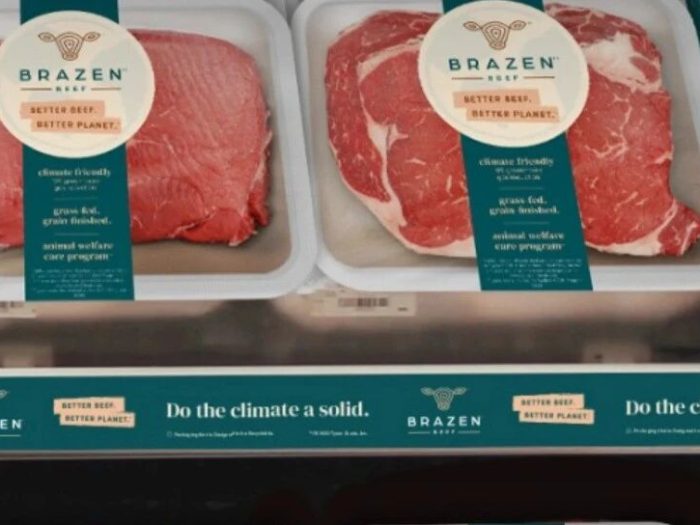
The New York State Attorney General’s Office and the non-profit Environmental Working Group sued Brazil’s JBS and Tyson Foods over misleading “climate-friendly” claims for industrialised beef; after settlements, the companies retracted or revised their net-zero pledges, but eco-labels on packaging still need verifiable evidence.
A state-owned agricultural company in a development zone on the lower Yangtze runs a mini-program for the district agricultural committee, deploying marketing calendars, brand packaging and community livestreams in turn. The one who actually moves volume, though, is a supplier selling through WeChat groups and 181 downline group leaders.
From motorways to fertilised farmland, it is a designed technological system—not personal choice—that locks modern life into oil. This system and war are two sides of the same coin, yet need not remain inseparable.