
A former chef who flew from Chiang Mai to Shanghai experienced negative reviews, bill waivers and shopping for ingredients alone at several pop-up dinners. Dianping’s rating weighting left the flying chef mentally and physically exhausted during an experience of freedom.
Loss survey and loss assessment, random sampling, and premium refunds mean that smallholders’ agricultural insurance payouts often fail to align with expectations; during widespread disasters, the claims-paying capacity of agricultural insurance and catastrophe risk pooling still face pressure.
From ghost food delivery and farmer-support marketing to pickers running, changes in wet markets, and plastic waste, the issues concerning workers, merchants, farmers, and the environment that go beyond the convenience of platforms are often overlooked.
Chinese Bayberry Scandal: Why Can I Still Eat Chinese Bayberries with Peace of Mind? | Grandma Kouzi
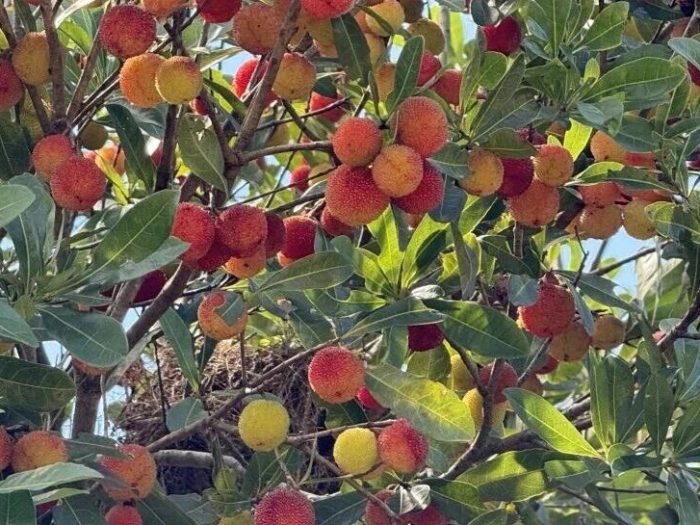
Grandma Kouzi in Fujian’s Evil People Valley quits buying fruit, eating only homegrown Dongkui Chinese bayberries caught on mesh, turned into juice, wine and compost. Her chemical-free growing shows modern shop-bought fruit largely an industrial product, shaped by selection and breeding, cold chain and marketing.
At China Agricultural University’s Science and Technology Courtyard in Quzhou, Xianzi and villagers set up an organic fertiliser plant. After more than a year, she found rebuilding the crop-livestock cycle hardest in the ledger of raw-material intake and farmers buying fertiliser, not technology.
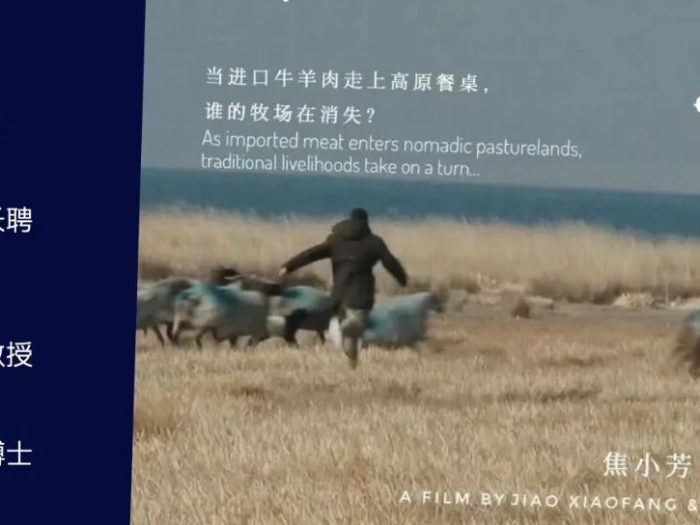
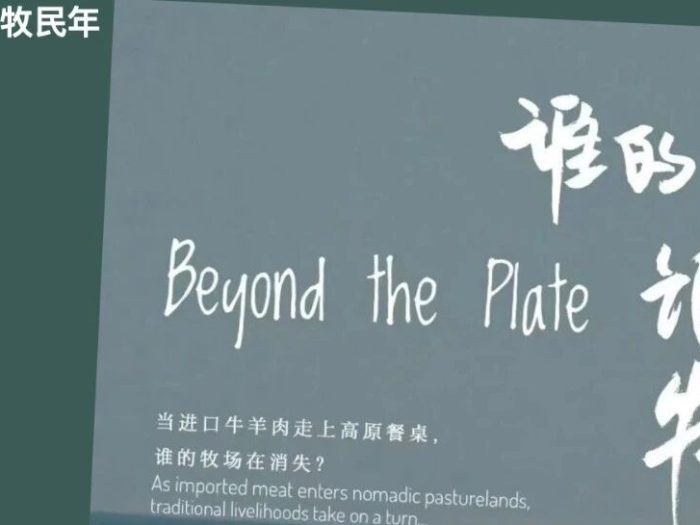
On 12 June, Foodthink will screen the award-winning documentary “Whose Table, Whose Pasture” at Zhejiang University and invite experts from Zhejiang University’s Department of Sociology to discuss the impact of imported beef and mutton on the livelihoods of pastoralists in Qinghai and on food systems. Scan the QR code to sign up for free.
In the 19th and 20th centuries, microbiology made home fermentation seem dangerous, and large corporations advertised cleanliness, convenience and safety, pushing factory-produced food onto the table and replacing homemade foods such as pickles, bread and cheese.
On 26 May 2026 at 19:00, Foodthink will screen “Whose Dining Table, Whose Rangeland” in Nanjing, a documentary tracing how imported frozen meat has driven down cattle and sheep purchase prices around Qinghai Lake and altered pastoralists’ livelihoods. Registration is free for Nanjing viewers.
Foodthink will run a three-day co-learning camp in Yangqiao Village, Lianhua County, Pingxiang, Jiangxi from 4 to 6 June, focused on hands-on practice in soil, compost and liquid fertiliser and return-to-farming case studies, helping farmers already working in or looking to move into ecological agriculture improve their techniques and make sense of yield, quality, cost and sales channels.
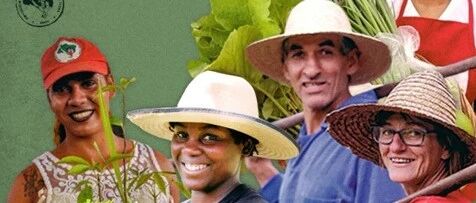
In Belo Horizonte, the Brazilian Landless Workers’ Movement has built a sales platform that centralises warehousing, order handling, certification and delivery, enabling dispersed smallholder produce to reach restaurants, shops and government food-procurement channels.