Where Does Meat Come From? Your Dining Table, and His Rangeland | Nanjing Event Invitation
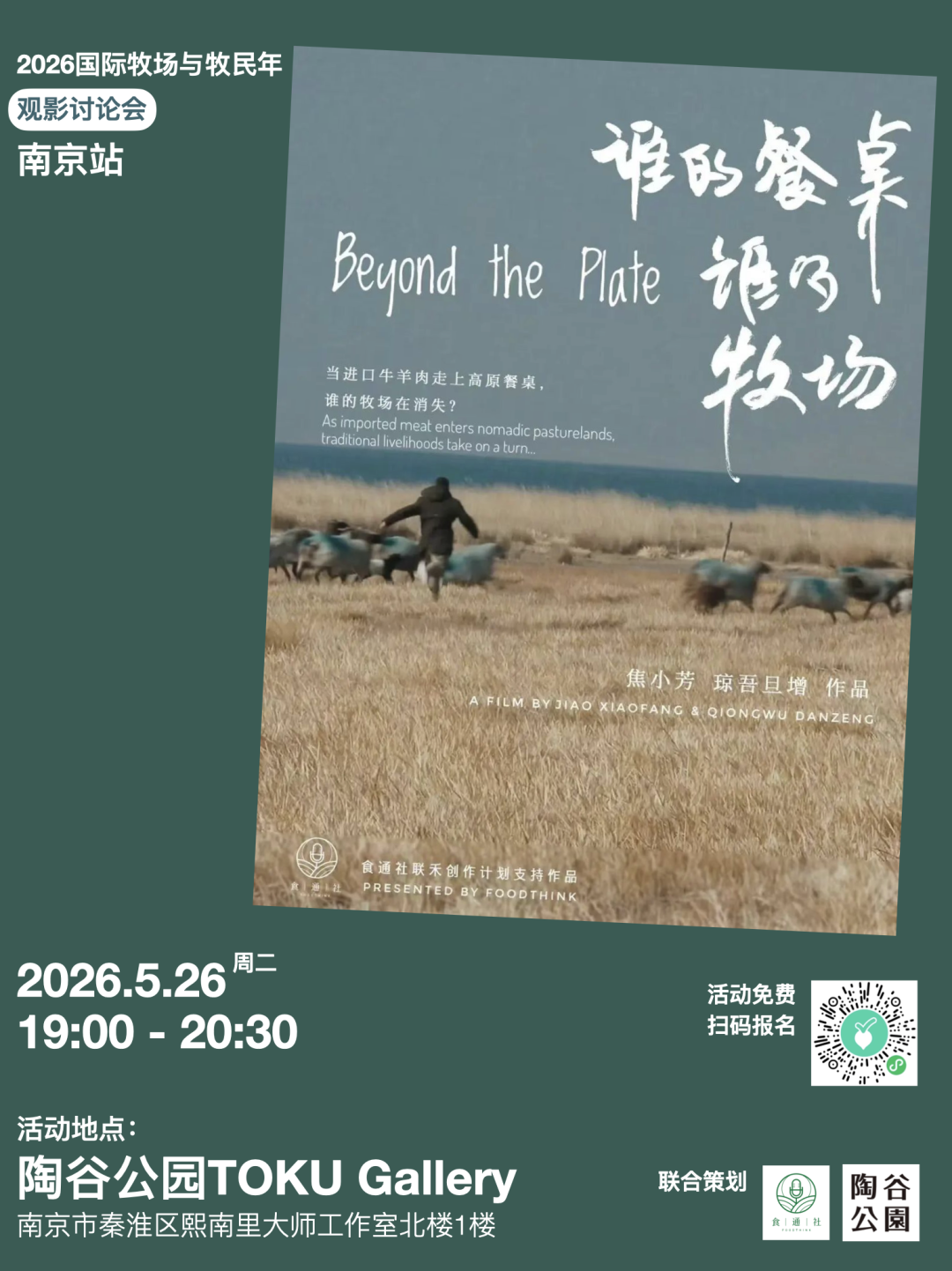
This year has been designated by the United Nations as the International Year of Rangelands and Pastoralists. To help more people learn about pastoral areas and pastoralists, the documentary “Whose Dining Table, Whose Rangeland” will be screened in Nanjing on the afternoon of 26 May. It is based on field investigation and supported by the Foodthink Lianhe Creative Programme. After the event, Tianle from Foodthink will also be on site to engage with the audience.
The documentary “Whose Dining Table, Whose Rangeland” is based on field investigation in pastoral areas around Qinghai Lake. It tells how the sustained fall in local cattle and sheep prices and the large influx of imported frozen meat into the market have affected pastoralists’ livelihoods and ways of life. We are not only “people who eat meat”; we are also meat consumers. When it comes to the beef and mutton on our dining tables, do we know where they come from and how they are raised? And in more remote pastoral areas, what are pastoralists experiencing?
Pastoral areas are not just places of grazing; they also link grassland ecosystems, local economies, and the daily lives of pastoralists. When we talk about pastoral areas and pastoralists, the difficulties facing different places may not be exactly the same, but they all deserve to be seen and discussed. Foodthink hopes to use this opportunity to draw everyone’s attention to our pastoral areas and pastoralists.
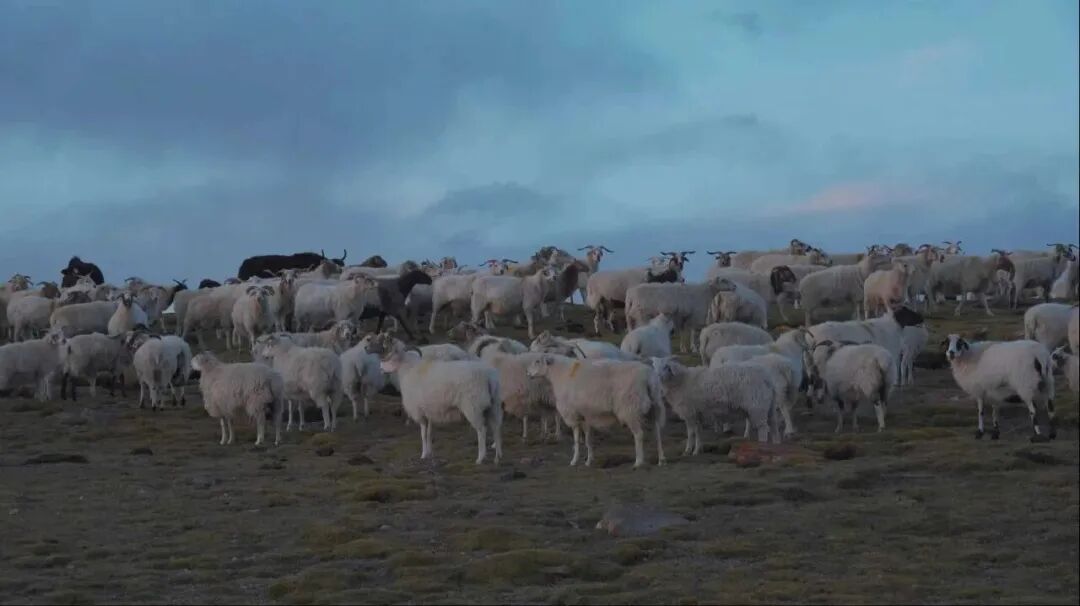
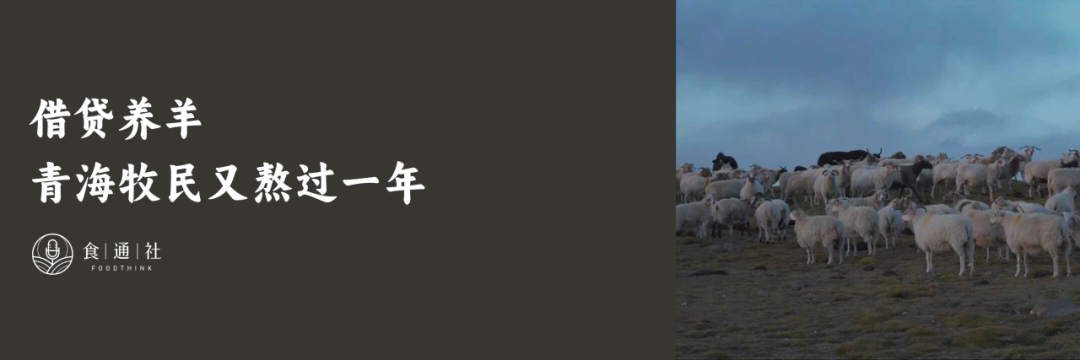
◉ The flock of sheep at the home of Niang E Jia, one of the protagonists of “Whose Dining Table, Whose Rangeland”. Photo: Jiao Xiaofang
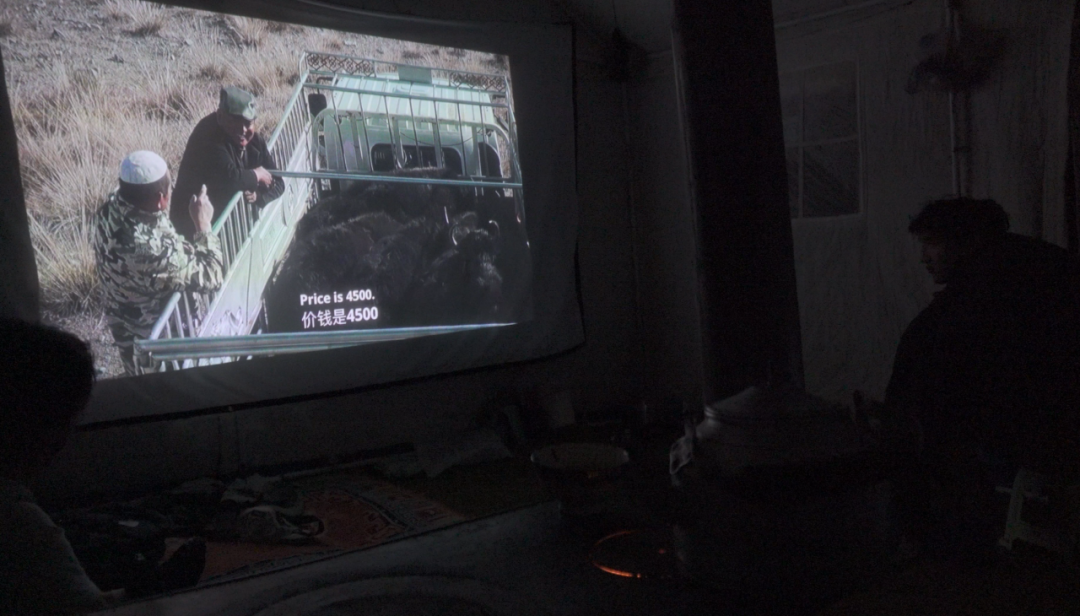
◉ Follow-up visits are an important part of community video. In 2025, Jiao Xiaofang returned to the filming location to play the documentary “Whose Dining Table, Whose Rangeland” back for the shepherd. Photo: Jiao Xiaofang
The documentary “Whose Dining Table, Whose Rangeland” does not merely ask “Where does meat come from?” or “Where does the meat you eat come from?”; it asks, when imported meat enters the market in large quantities, who is really bearing the pressure? Who is paying the price for this dining table?
On Tuesday, 26 May, at 7:00 pm, Foodthink will, at Taogu Park TOKU GALLERY, 1st Floor, North Building, Xinanli Master Studio, Qinhuai District, Nanjing, screen the documentary “Whose Dining Table, Whose Rangeland” and invite friends in Nanjing to come along and watch together.
– Synopsis –
“Whose Dining Table, Whose Rangeland” is a documentary based on field investigation. Supported by the Foodthink Lianhe Creative Programme, the director went deep into pastoral areas around Qinghai Lake to record the impact of large volumes of imported frozen beef and mutton entering the local market.
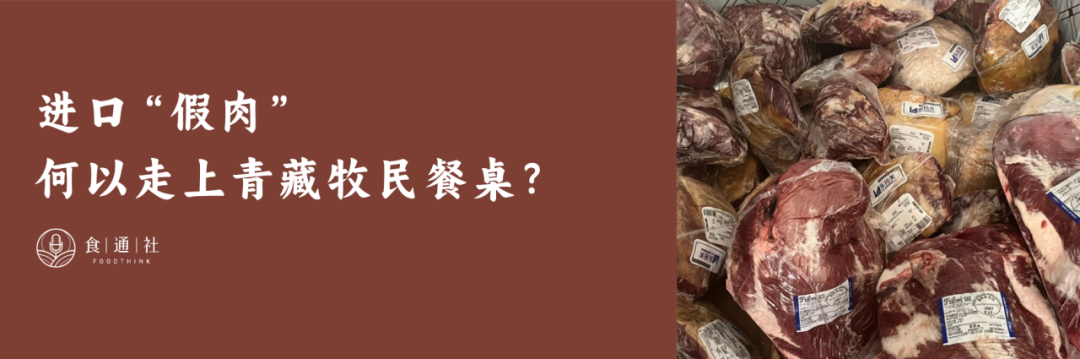
By visiting frozen meat wholesale markets and cold stores in Xining and filming local pastoralist households, meat shops and fattening farms, the film provides a realistic picture of the impact that imported meat’s low-price advantage has on local beef and mutton. This has directly led to a sharp fall in the prices paid to pastoralists for their cattle and sheep, reduced incomes, and difficulty in repaying loans, as well as thin profits and a difficult trade for local meat traders.
The camera goes deep into the imported beef and mutton market around Qinghai Lake, probing a stark reality: in the global meat supply chain, who is benefiting from the low prices, and who is bearing the cost?
– About the Directors –
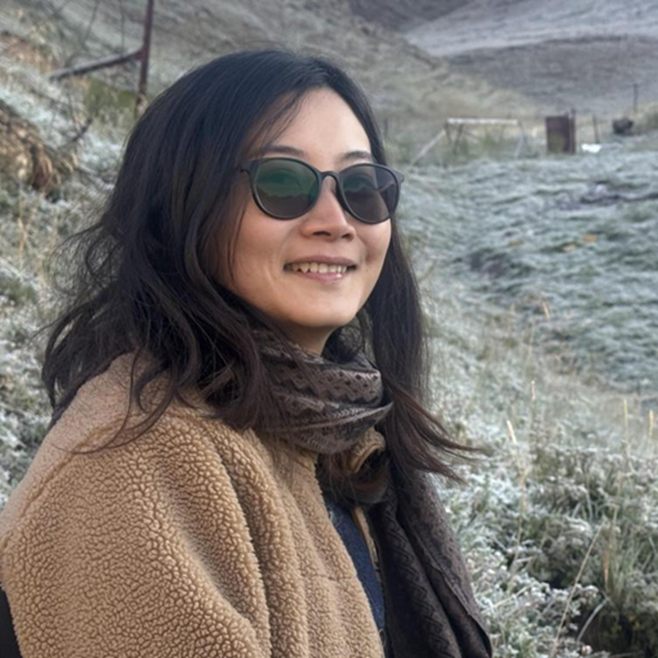
Jiao Xiaofang | Documentary director and visual anthropology researcher, with a long-standing focus on local knowledge, ecological ethics and women’s experiences in western China and coastal Southeast Asia. The work combines ethnographic observation with poetic expression, focusing on the relationship between people and nature and the emotional landscapes of everyday life. The documentary “Whose Dining Table, Whose Rangeland” (2025) was selected for the 5th World Nomad Film Festival and the 6th China Ethnographic Documentary Film Festival.
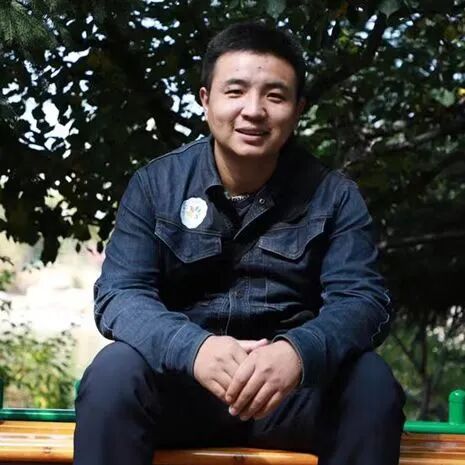
Qiong Wu Danzeng | Tibetan documentarian and community activist who has long been committed to ecological conservation and video education in the Qinghai–Tibet Plateau region. He has served as coordinator of the Yunnan “Village Eyes” Tibetan-region project and as central-region representative of the Alxa SEE Sanjiangyuan Project. He is now head of the “Human-Bear Conflict Project” at the Qinghai Province Xuejing Ecology Publicity, Education and Research Centre. Over the past ten years, he has promoted pastoralist video training and community ecology projects in Yushu, Aba and other places, supporting pastoralists in using video to document their own environments and cultures. His work spans video, ecology and public education, and is dedicated to fostering understanding and coexistence between people and nature.
– How to Join
Time
26 May 2026 (Tuesday), 19:00–20:30
Location
- 1st Floor, North Building, Xinanli Master Studio, Qinhuai District, Nanjing
- Taogu Park TOKU GALLERY
Registration
The event is free. Scan the QR code on the poster to register.
▼
Click the image to read the related article.