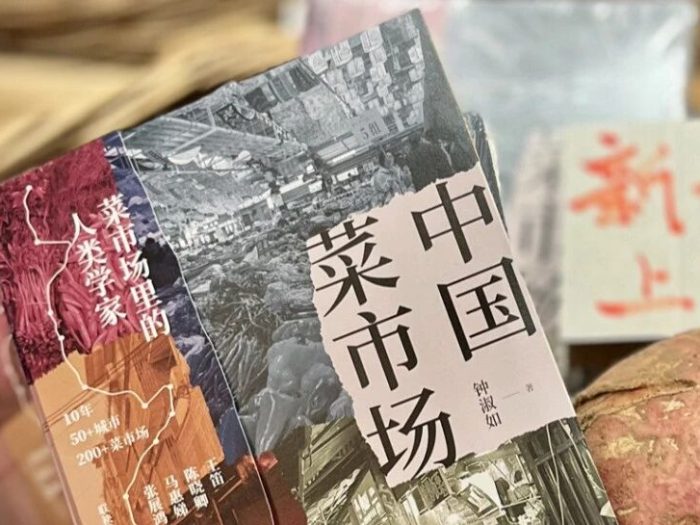
Anthropologist Zhong Shuru turns ten years of wet market research into “China’s Wet Markets”, trying to understand China’s sprawling food system through the market doorway. She has visited more than 200 wet markets in cities nationwide, recording how food flows and how the people in the markets live and change.
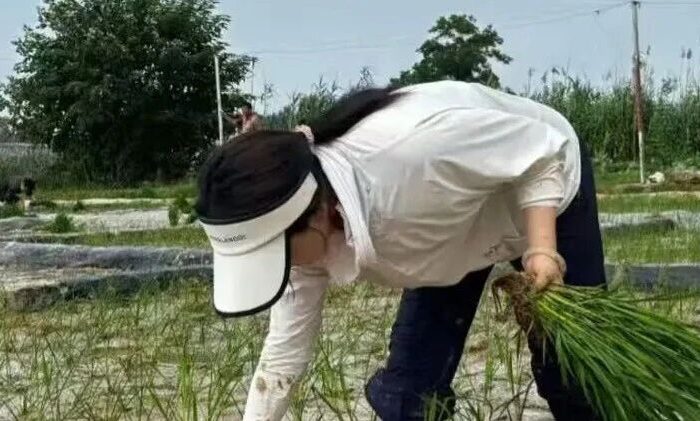
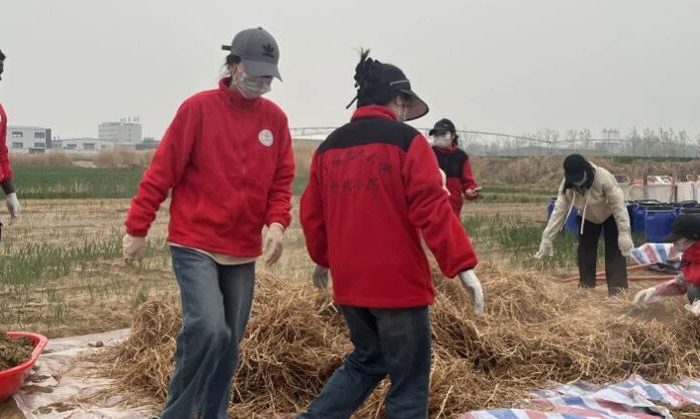
Xiaoxiong, a master’s graduate in agronomy from Huazhong Agricultural University, uses short videos to document breaking up straw, taking samples and experiments in low-carbon agriculture. As she looks for work, she faces a difficult agronomy job market and the application anxieties of gaokao parents.
McDonald’s ties forecast turnover to labour hours for each time slot, letting a rostering specialist build rotas using system tags and shared store managers run several stores at once, while store staff still use experience to make up for gaps in serving and wastage.
Jiang Ke, who served as a duty manager at McDonald’s for seven months, has experienced the fryer beeps, vacuum-packed shredded lettuce and order screens in its open-plan back kitchen, and seen how waiting and complaints when customers collect their food feed into the store’s rating.
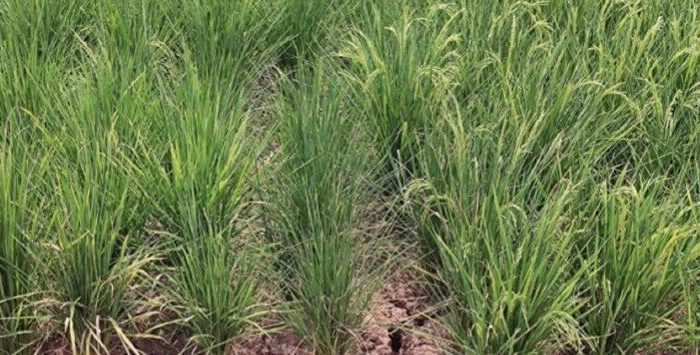
After living in the United States for eleven years, Chen Xi returned to Beijing and later put down roots in Yangdong Village, Liping County, in Guizhou’s Qiandongnan region. Over seven years, Chen Xi built a wooden house, planted old rice varieties, and established the first library for the village children.
Li Yangyang, a teacher at China Agricultural University, and Yang Ruoxianzi, a postgraduate student at Quzhou Science and Technology Courtyard, show that agronomy students’ everyday lives are more than just working the land, from composting and field experiments to career paths.
Yi Fujin of Zhejiang University opens with a cow, an acre of maize, and a late spring frost, explaining how agricultural insurance works and why smallholders struggle with claims settlement during extreme weather.
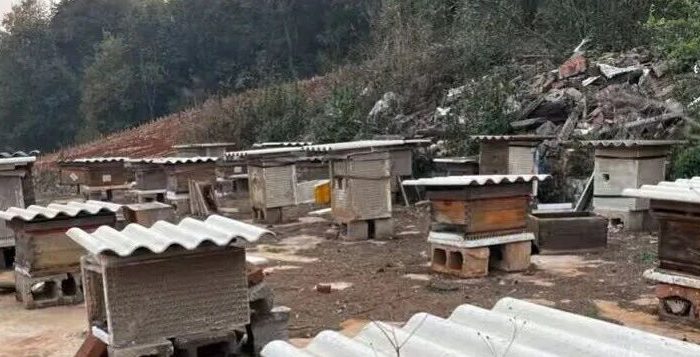
This year, during the oilseed rape flowering period, after drone spraying, nearly all honey bees died in many areas; beekeepers said they had not been notified. Without pollinating insects, average fruit crop yields in China would fall by 40%, while vegetable yields would fall by 30%.
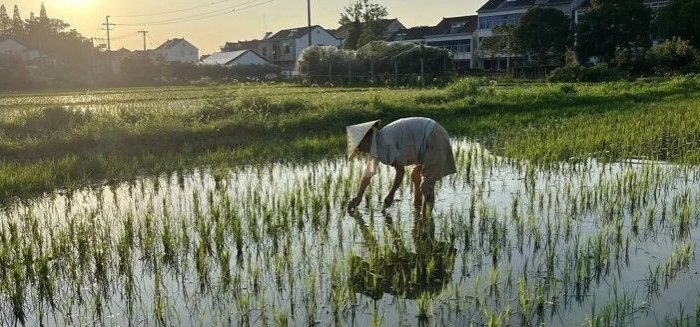
With insurance covering only a third and industrialized sericulture squeezing him, Yu Jiangang, a sericulture farmer in Tongxiang, Zhejiang Province, who has been back in his hometown for 14 years, has leased 15 mu of paddy fields to try to maintain rice-silkworm symbiosis.
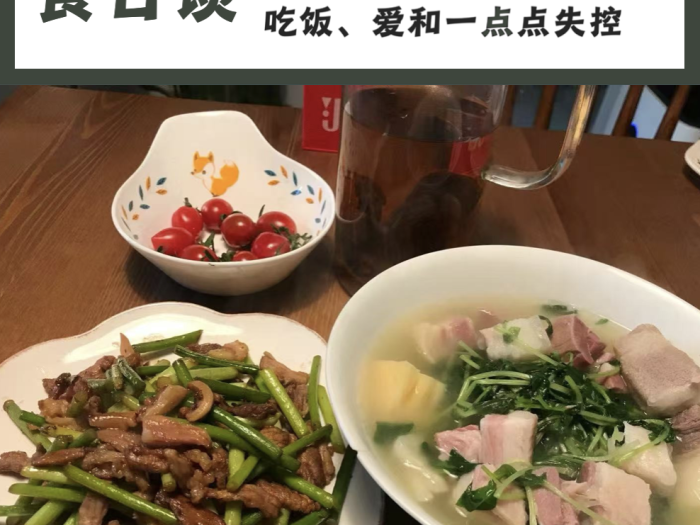
The family tables of the three mothers, Xiaoyunsheng, Lingyu and Xiaojing, stretch from a childhood spent eating only dumpling wrappers to teenage “extra meals” and a rice-ball meltdown, tying together the pressures of motherhood, women’s labour and self-identity.