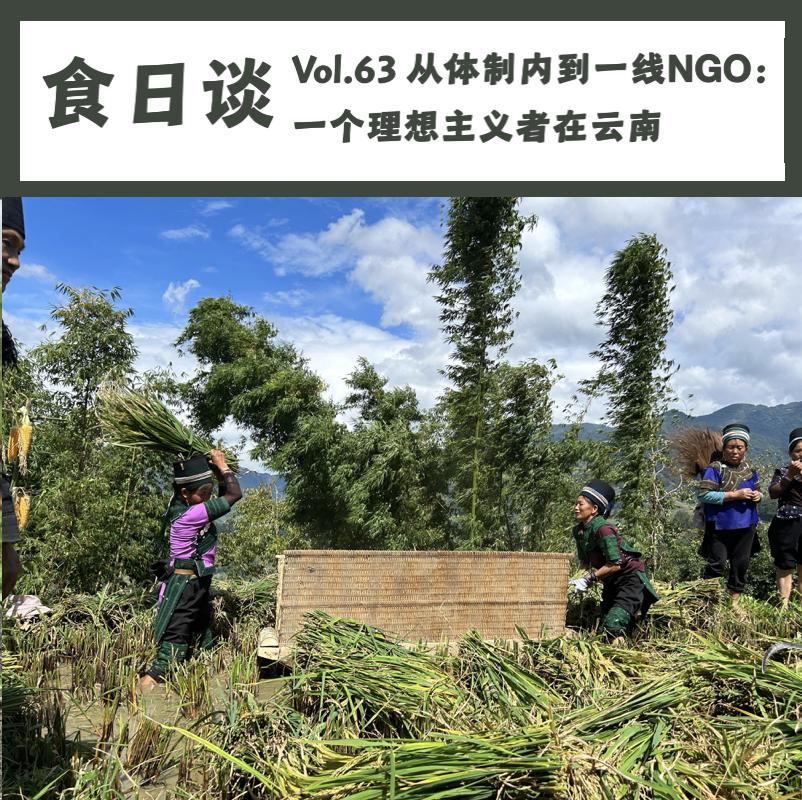
Zuo Zhi, Executive Director of the Yunnan Sili Ecological Substitution Technology Center, works in the fields teaching farmers to use fewer pesticides and grow landrace rice, building trust by “speaking in plain terms” and advancing climate-friendly rice.

The three Food Talk hosts reveal their own mealtime viewing lists and, drawing on research showing that being absorbed in devices during meals increases calorie intake by 15%, ask whether this virtual side dish is healing loneliness or quietly eroding health.
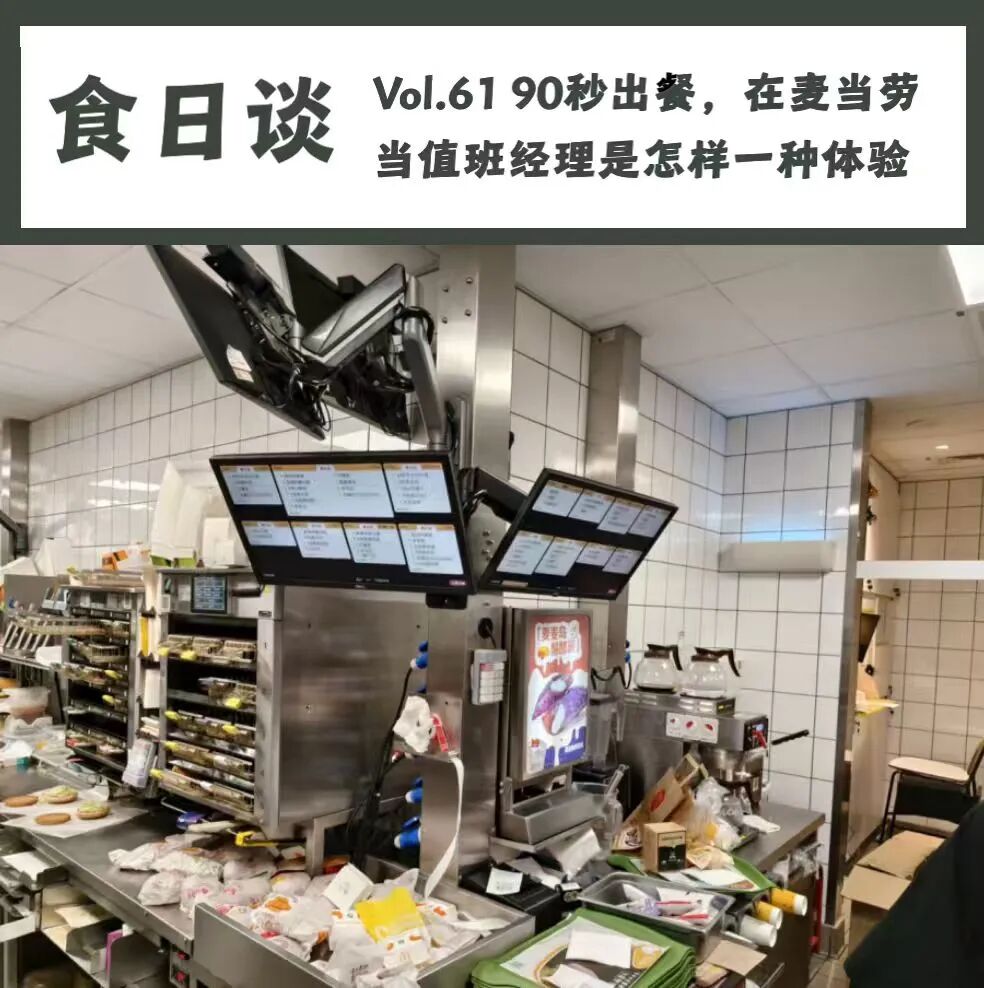
Former McDonald’s shift manager Jiang Ke recounts seven months of kitchen daily life: the beeping of constant-temperature fryers, a scheduling system that slices every movement into fragments, and the repeated tug-of-war between efficiency and human feeling in an open kitchen.
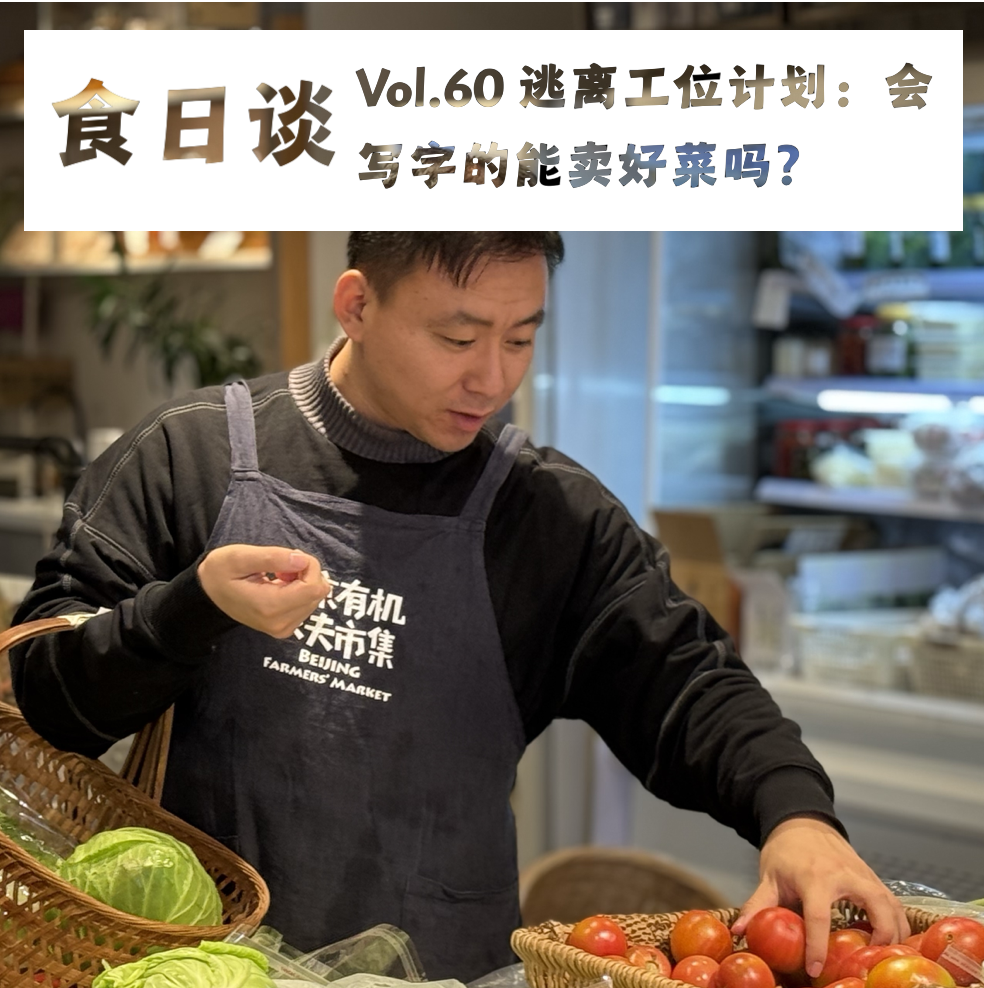
Former Caixin assistant editor-in-chief Huang Chen and two Foodthink colleagues stock shelves, sort produce, and serve customers at the Jishi grocery, discussing how food spaces reknit scattered city-dwellers after shifting from data narratives to concrete labour.
Chen Jingjing, a China Agricultural University graduate with 20 years in rural construction, grew a full season of rice in Qingshan Village, Hangzhou—opening every cost from raising seedlings to milling and packaging, asking why “without chemical fertilisers or pesticides” is impossible in real farm division of labour.
Milk travelled the world on Dutch merchant ships, came to the table in Shanghai, and over more than a century was shaped by advertising, scientific discourse and nationalism into a drink for strengthening the nation and the race; after the melamine incident, Chinese people with lactose intolerance still put it on their everyday table.
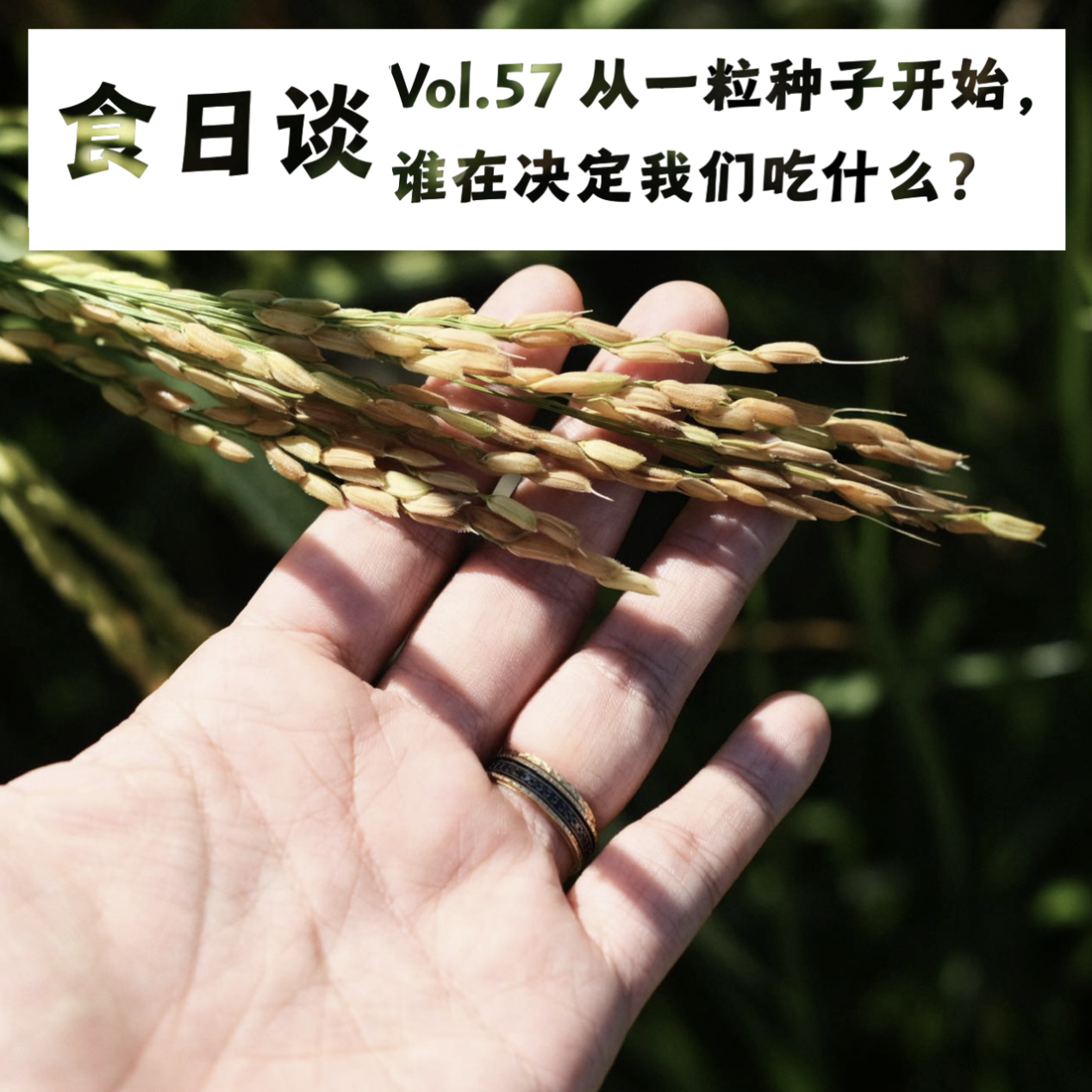
An ecological farmer from Yangdong Village, Qiandongnan, the owner of Wocuiyuan Family Farm in Baoding, and the Farmer Seed Network’s Eastern Office head discuss vanishing old varieties, seed saving difficulties, and the Philippines’ “Golden Rice” lawsuit, asking who decides what we grow and eat.
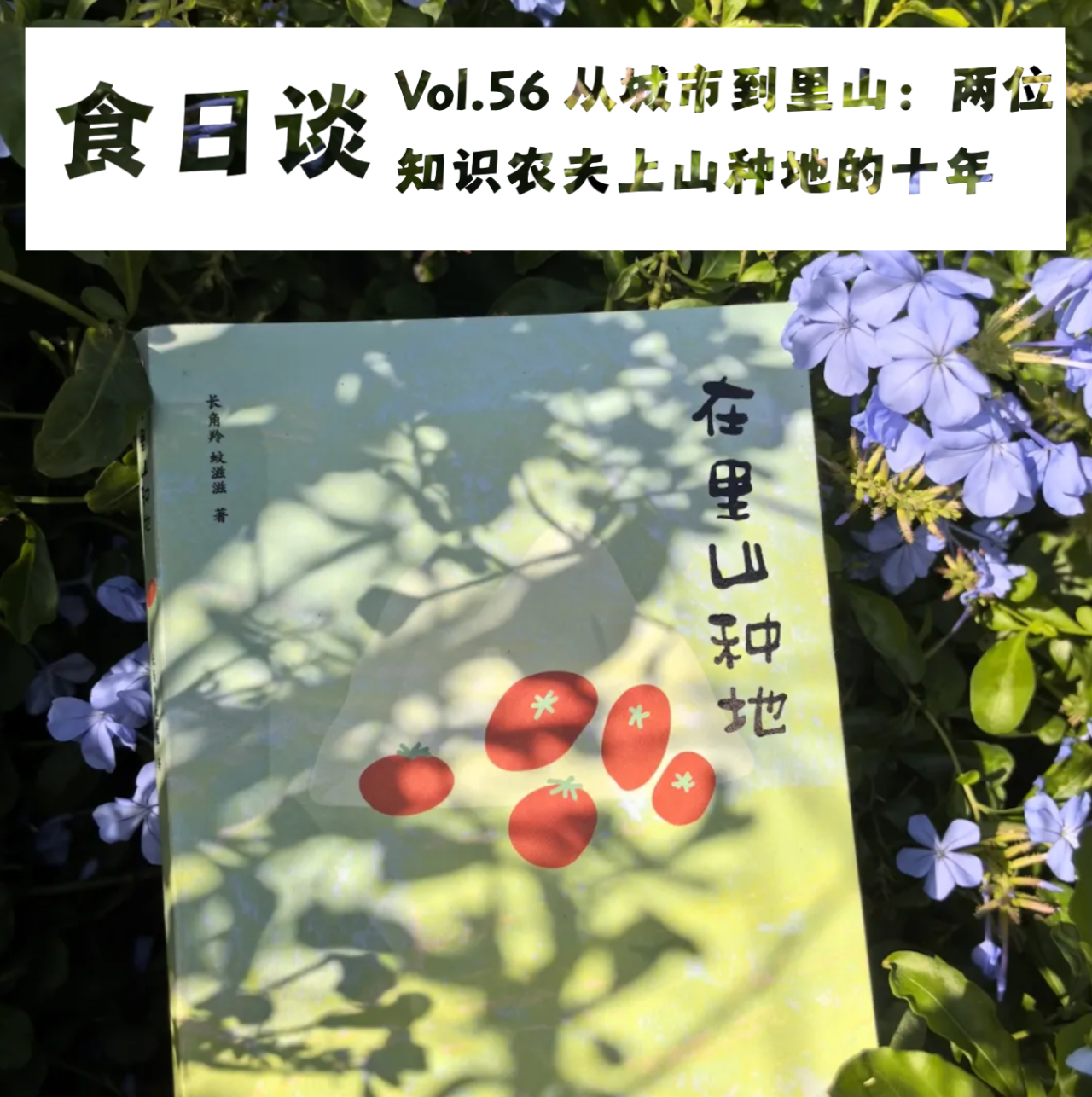
Wenzizi and Changjiaoling, graduates of the Norwegian University of Life Sciences, created a satoyama on 30 mu of shallow hills in Beijing’s suburbs, coexisting with hailstorms, rainy seasons, and insects and birds. This year they have turned their farming experience into a new book, Farming in the Satoyama.
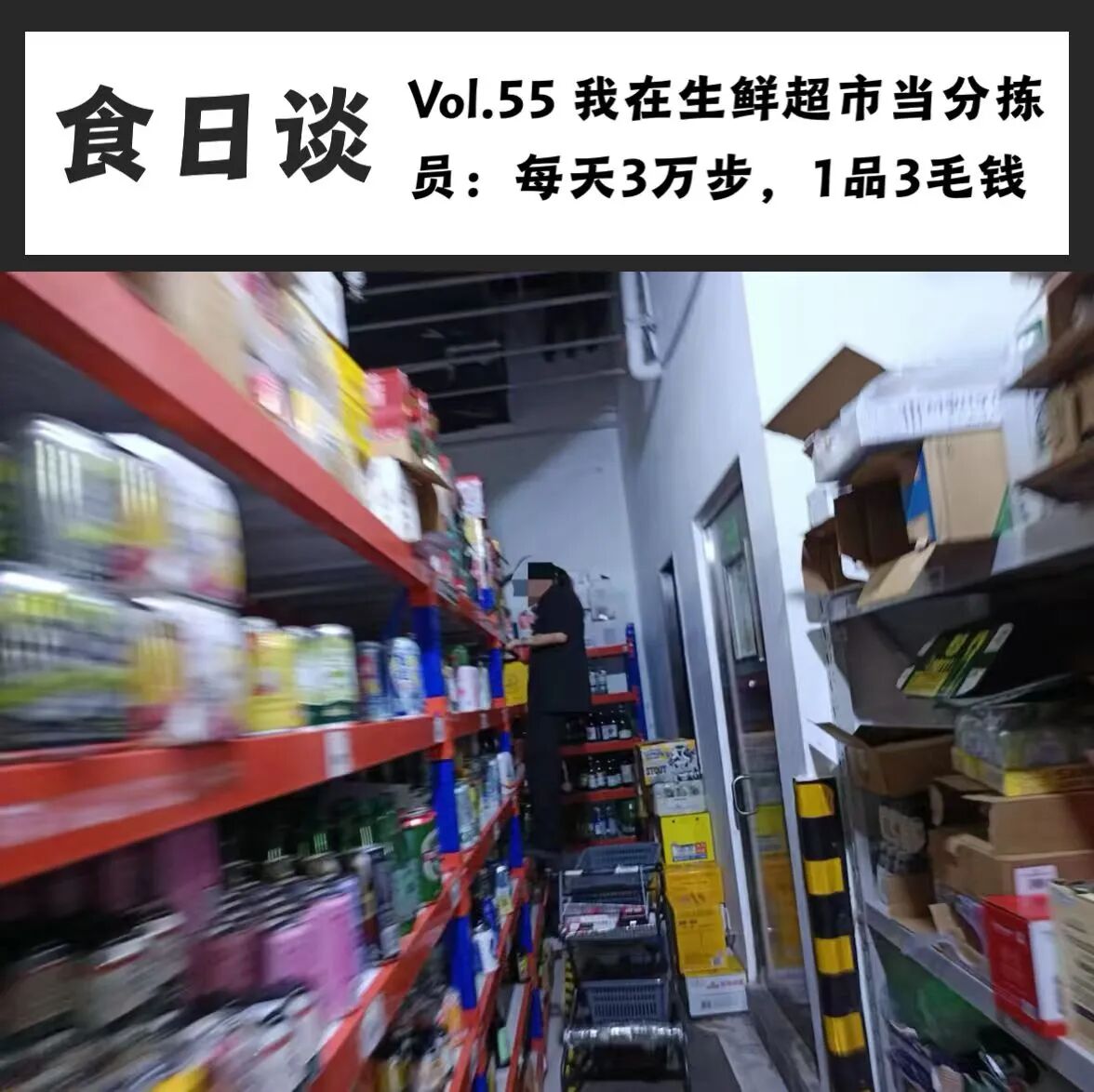
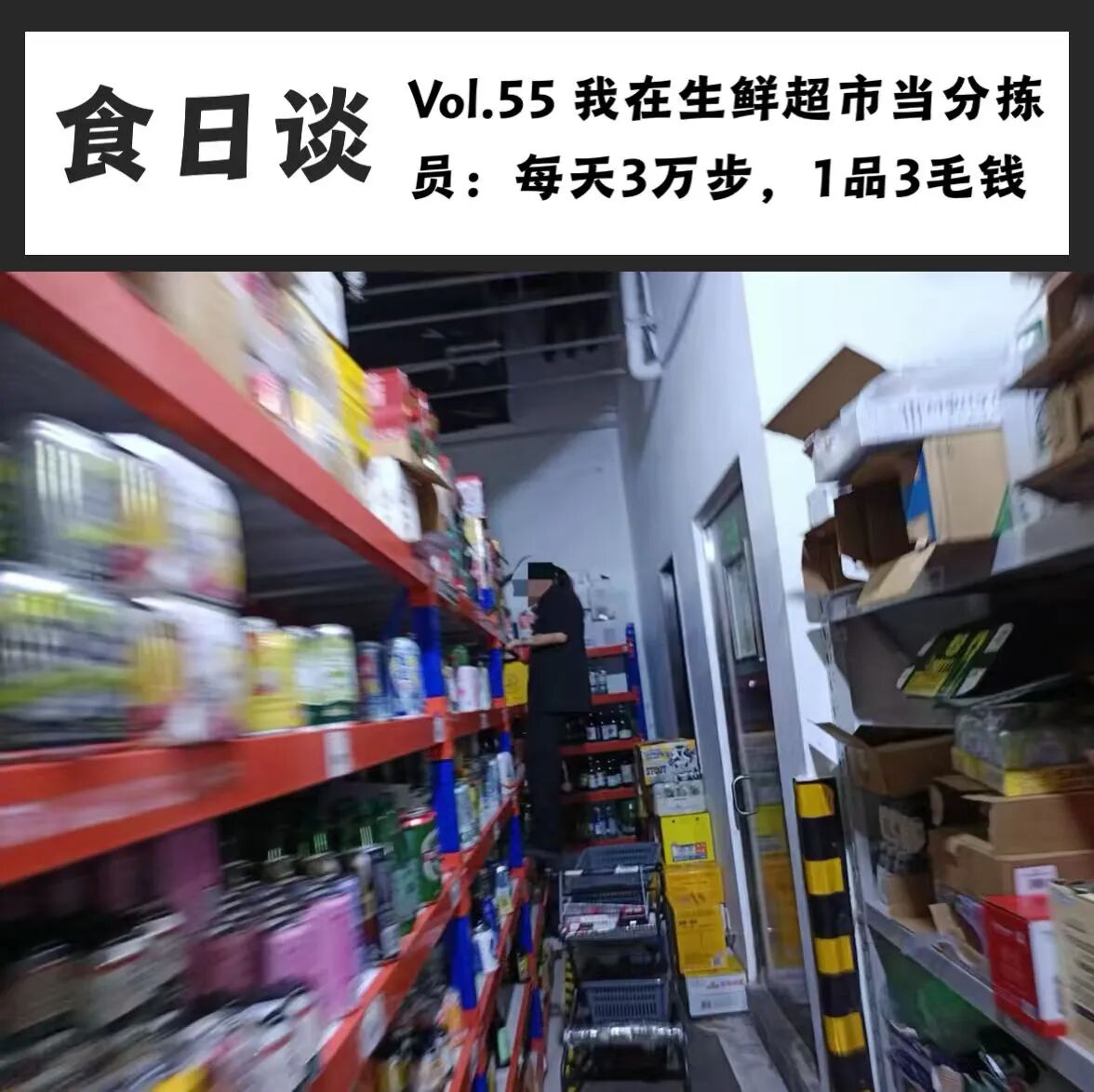
Behind 30-minute delivery, former JD 7Fresh picker He Siqi worked 31 days. He ran 30,000 steps daily, earned just 30 paise per item, had nine minutes per order, faced scolding and fines when late, and sometimes paid his own delivery fee for a supplementary delivery.
Social worker He Siqi spent a month as a picker at JD Qixian—real-time PDA countdowns, monitoring-screen pressure, fines for mistakes. Behind “30-minute delivery” are bodies sprinting without rest between shelves.