
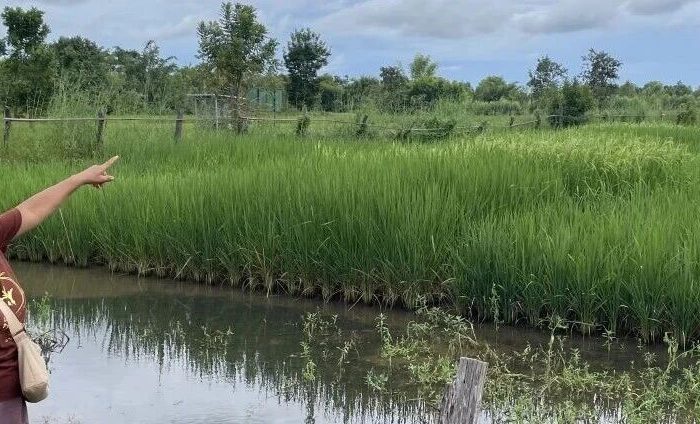
K Village in north-eastern Thailand does not chase export fragrant rice; instead, it conserves old rice landraces, practises low-input farming, and uses a credit union and direct online sales to keep earnings in the village.
Seed sovereignty, heirloom variety preservation, and traditional breeding systems.
K Village in north-eastern Thailand does not chase export fragrant rice; instead, it conserves old rice landraces, practises low-input farming, and uses a credit union and direct online sales to keep earnings in the village.
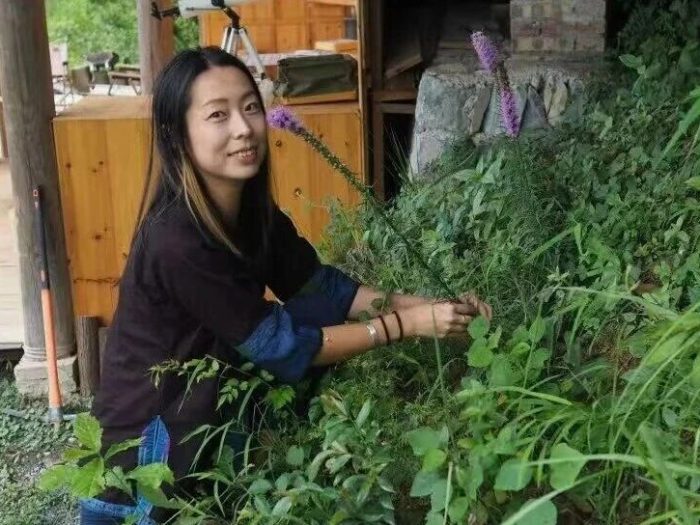
Former consultant Chen Xi now organises clan members in Yangdong Village, Qiandongnan, to grow rice on terraced fields, preserving over 20 local varieties of rice and coarse grains, and has built a children’s library through charity sales of purple rice.
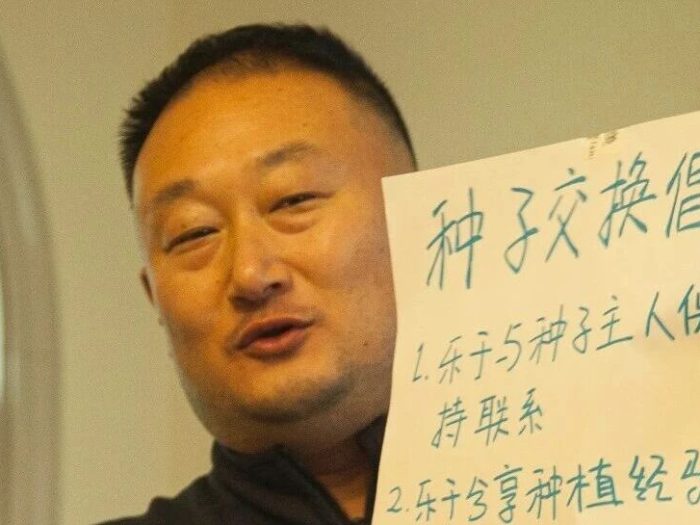
Foodthink and Farmer Seed Network partners remember Guan Qi, who led the formation of the Eastern Farmer Seed Network and died unexpectedly while on a business trip to Qinghai in March, with memories of good food, documents and community seed banks.
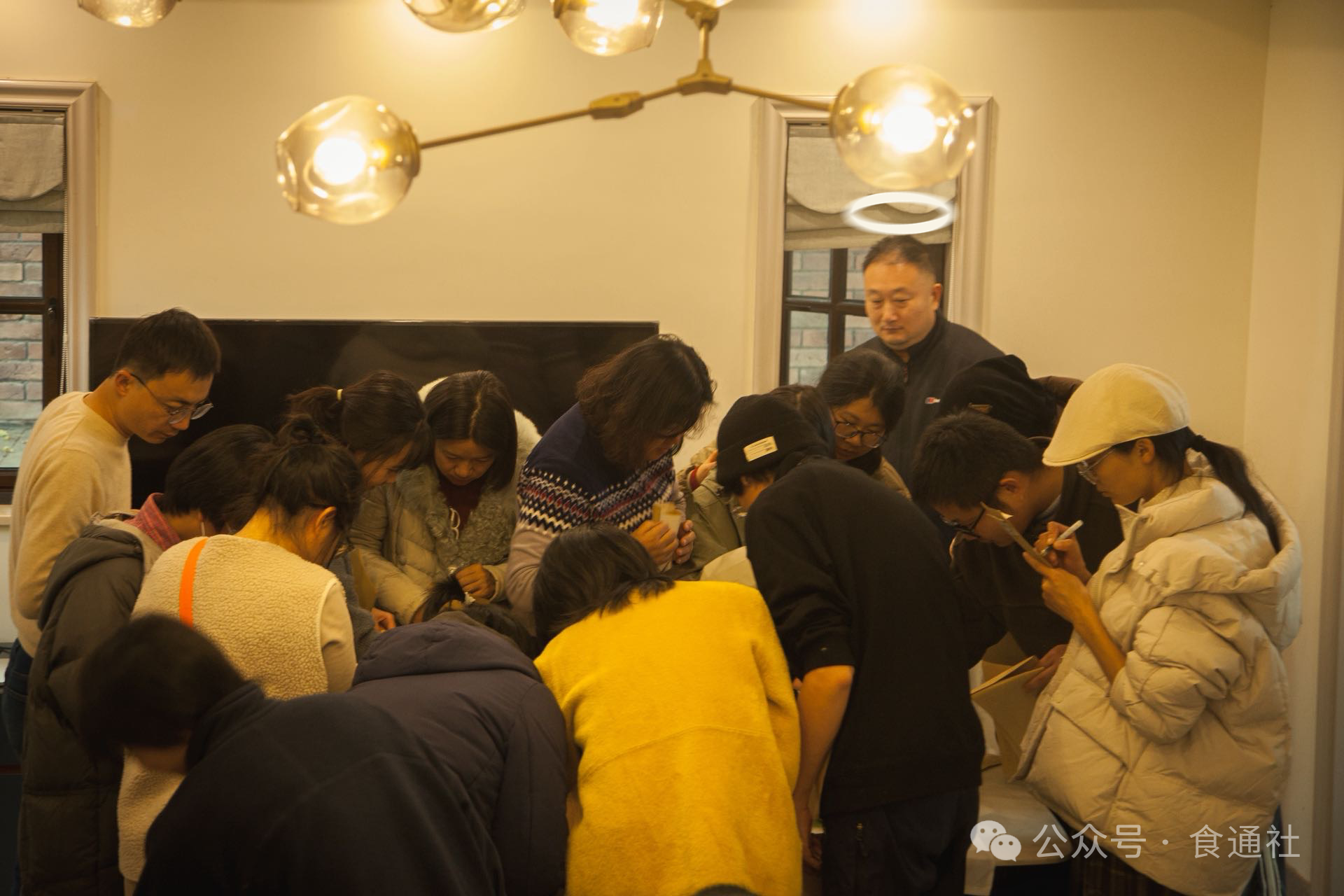
After Guan Qi’s unexpected passing on a business trip in Qinghai, several friends and colleagues recall this core figure in the Farmers’ Seed Network. Their memories span traditional seed conservation, document sharing, craft beer and local specialities, and show why he is deeply missed.
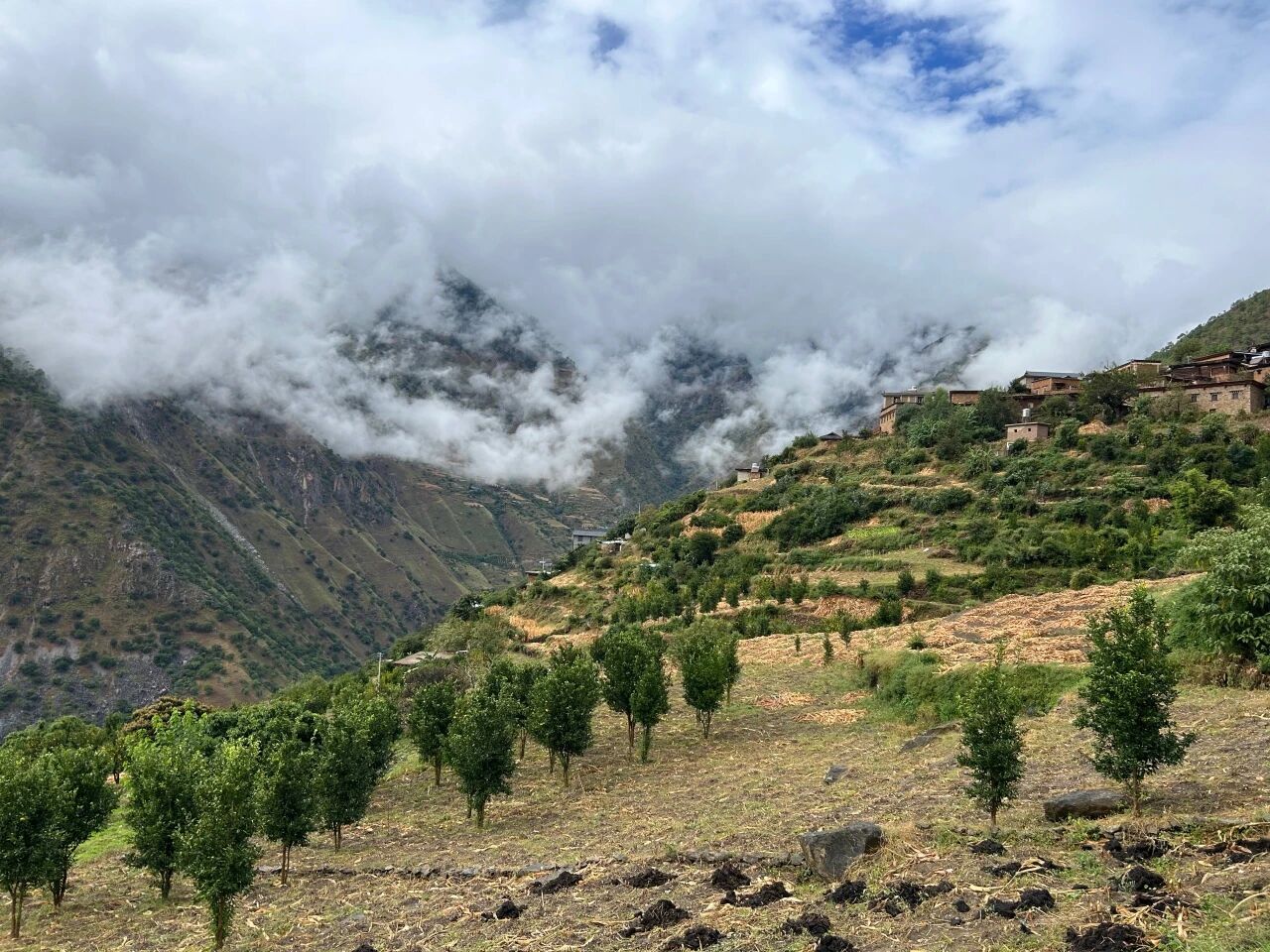
In Youmi Village, north-west Yunnan, left-behind women, including Yuting and Ga Tu, are trialling water-saving upland rice. The NGO Farmers’ Seed Network, through Jinghong-based restaurant owner Haimei, found an old Jino variety, Sickler Rice, from Xishuangbanna, leaving a spark for staple food and rice-growing culture.
Two bundles of Chinese leeks casually bought at the open-air market began Uncle Li’s twenty-plus years of continuous seed saving, selection and breeding, yielding longer, whiter white parts and leeks more resistant to suburban Beijing’s downpours and floods.
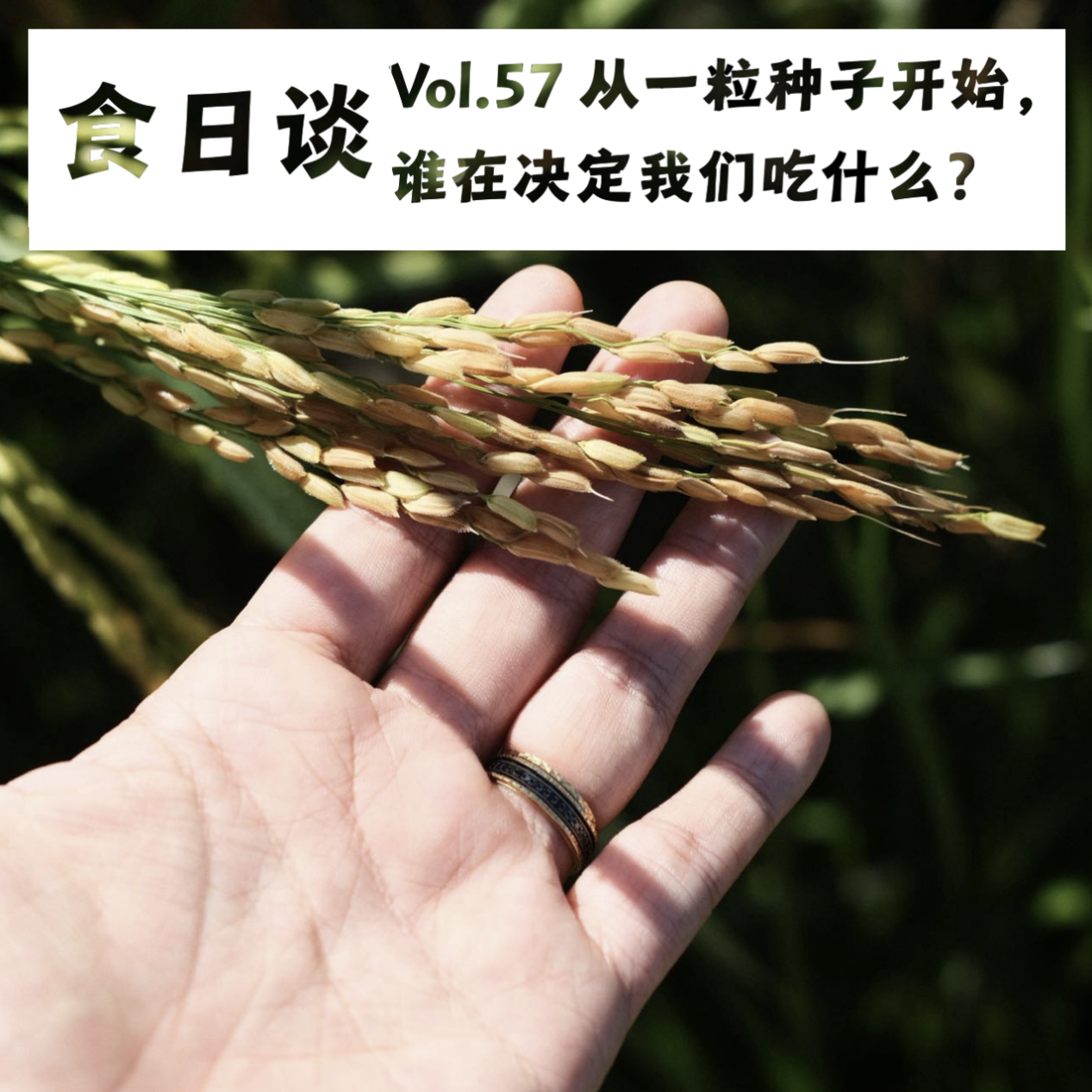
An ecological farmer from Yangdong Village, Qiandongnan, the owner of Wocuiyuan Family Farm in Baoding, and the Farmer Seed Network’s Eastern Office head discuss vanishing old varieties, seed saving difficulties, and the Philippines’ “Golden Rice” lawsuit, asking who decides what we grow and eat.
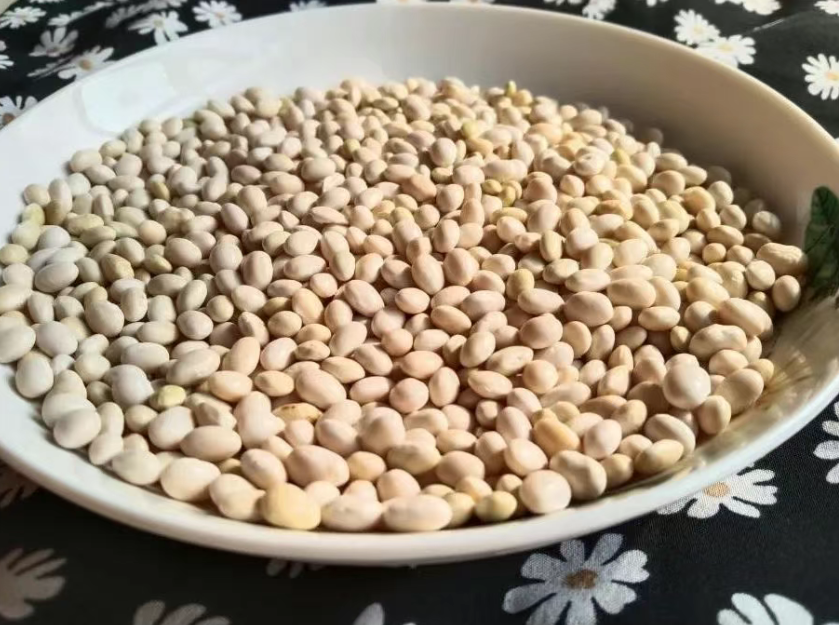
Liu Yurong, a farmer from Wangjinzhuang, She County, Hebei, saves, trials and revives dozens of old bean varieties on the dryland terraces in the Taihang Mountains, keeping local varieties alive in food and local customs.
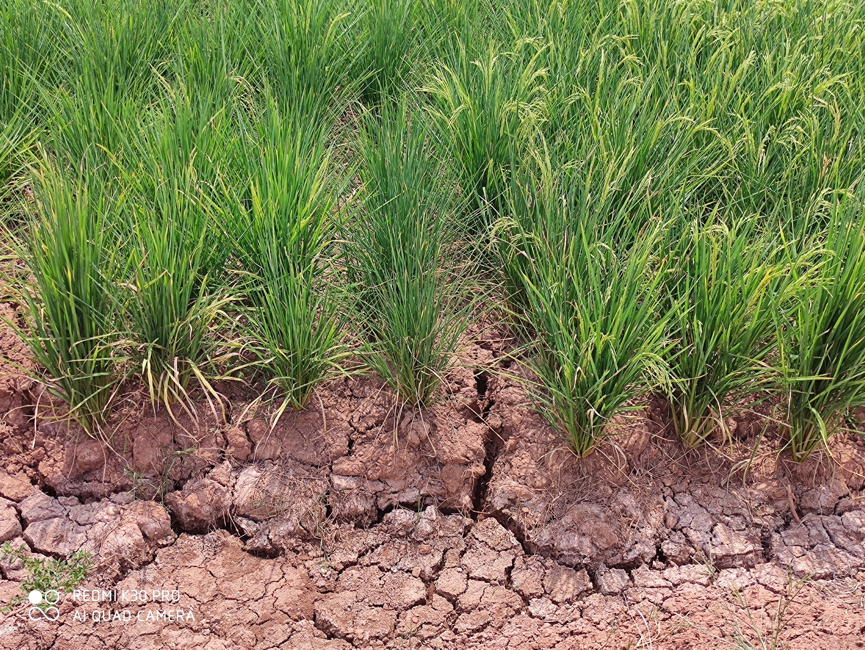
In some villages in Sichuan, farmers and the public-interest organisation Home Action are trialling low-input, low-pesticide methods that retain local heirloom varieties, helping families eat healthily first and keeping seeds for the community to cope with heat and drought.
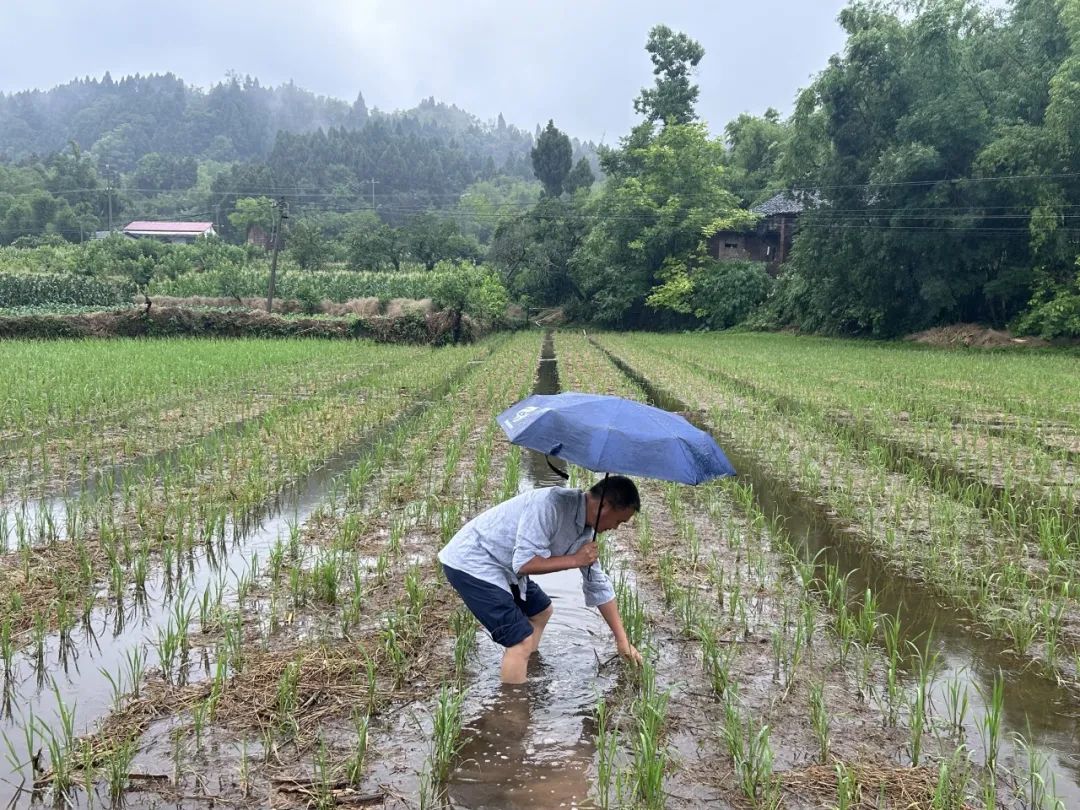
In Jianyang, Ya’an and other places in Sichuan, farmers including Yang Xiuyou and non-profit organisation Home Action use no-till cover, heirloom varieties and experience in storing grain to cope with harvest risk in persistent drought, while also sustaining village life for the left-behind elderly.