
From the United States to a Dong Village in Guizhou: A Beijing Woman’s Career and Life Choices

A Word from Foodthink
Is it possible for urban professionals to rebuild their lives and careers in the countryside? Chen Xi, a former consultant who grew up in Beijing and spent ten years living and working in the United States, first came to a Dong village in Guizhou on a water-quality survey. A bowl of steaming purple rice and a few late-night conversations by the fire gave her the idea of “building a house and staying”. Since then, she has started a family here and, last year, became a proud mother.
Over the past six years, Chen Xi and her husband Bang Rong have organised members of the local clan to grow rice in the terraced fields, preserving more than twenty varieties of local paddy rice and grains. They launched the brand Zhaoxi She, helping more people discover and taste the village’s heritage rice varieties, and also raised funds through purple rice charity sales to build a library, initiating public events and educational programmes in Yangdong Village.
Yangdong Village is changing, and she continues to move between the multiple roles of farmer, mother, community builder, and cultural communicator. How does she view and understand rural life, and what does “staying” mean to her?
What follows is her own account. The content was compiled from a women’s career-sharing session held on 18 March, co-hosted by Foodthink and Pushpull Bar&Space.
This year is the United Nations’ International Year of Women in Agriculture. Foodthink has launched a content series, “She and the Land”, focusing on women in agriculture and food systems and telling their stories. This article is part of the “She and the Land” series.
From Beijing to the United States, and Then to Guizhou
I am someone who was born and raised in Beijing.
In my second year of high school, I was quite rebellious. I really disliked my homeroom teacher and always felt he was putting us down. One winter break, I told my mother I didn’t want to do any more homework – I wanted to go out and see the world. It happened that I came across a winter camp in the United States, so I signed up. I wasn’t thinking too hard at the time; I just felt that wherever it was, I should at least get out first.
Later, I found an opportunity to go to the United States as an exchange student. After that, I simply stayed – studying, graduating, working – and ended up staying eleven years in all. The political climate was different then from what it is now. As a Chinese national, I was still able to do consulting work for the US government after graduation, and I did so for five years. Our project’s celebration was even held in the White House.
In 2018, I took a double hit – at work and in my personal life. I was caught up in serious internal strife at my company, and my own health broke down, requiring treatment. It happened to be around this time that Anthony Bourdain, a chef and food writer I deeply admired, took his own life. To me, it felt as though a food dream I had long cherished was shattering. So I began to seriously consider whether I should stop and take a rest.
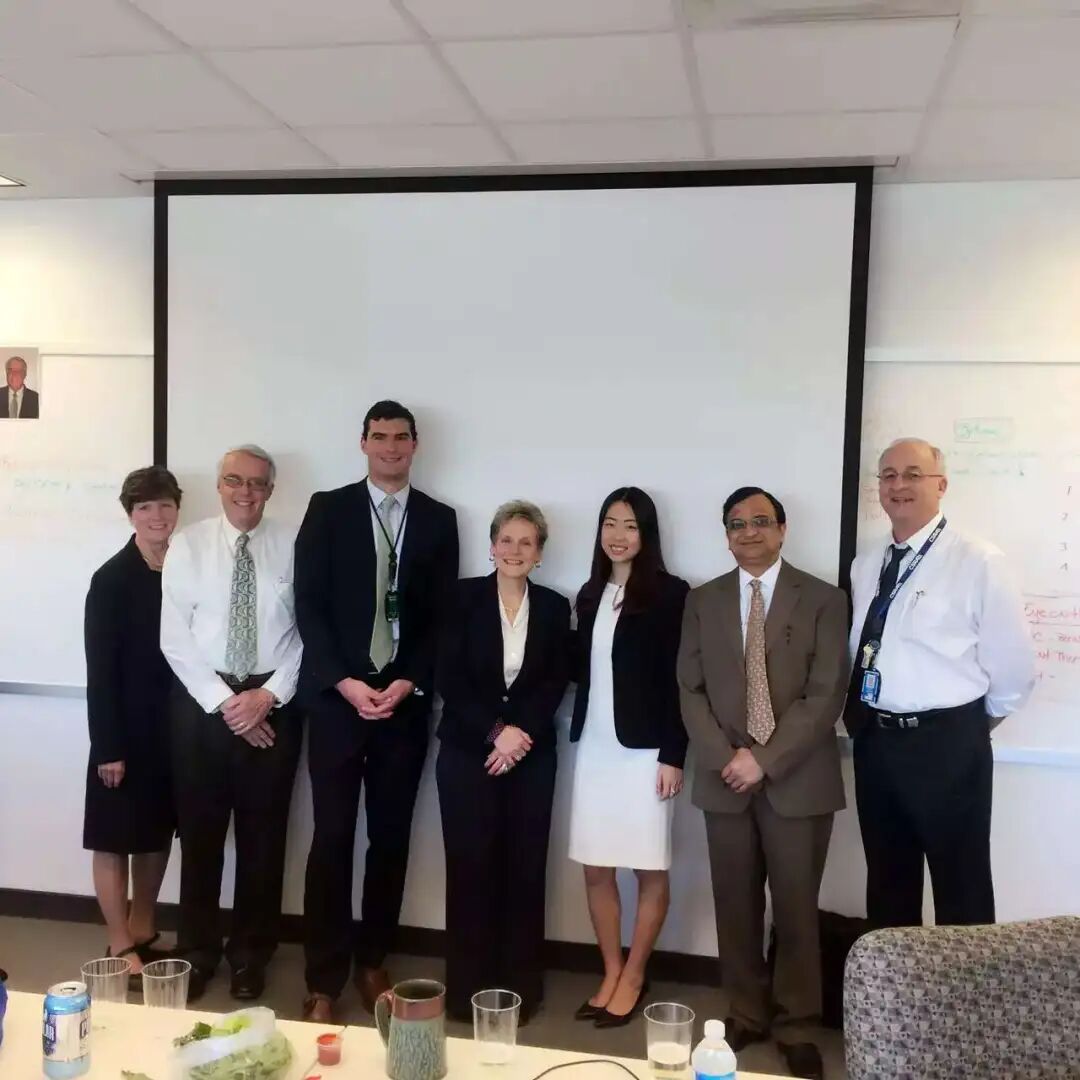
◉ Chen Xi, a core team member on a project representing the US federal government, posing with her team after a 14-day residential training and roadshow. Photo: Chen Xi
Looking back over the previous thirty-odd years, I had never truly rested, never truly lived. I had been chasing goal after goal, as if ticking off KPIs. When I decided to take a break, the first thing I thought of was coming home to China.
I left home at seventeen, and by the time I looked back, I realised I had missed the most dynamic phase of China’s development and had never truly come to know this land. So after returning to China, I joined Wushui Information Platform, a non-profit organisation. Through running projects in rural areas, I hoped to understand the local context better. One of those project sites was Yangdong Village in Qiandongnan, Guizhou. And it was from there that the rest of my story truly began.
In the winter of January 2019, I came to Yangdong Village for the first time as a project mentor.
I had never been to Guizhou before, and the first thing I noticed was how long the journey was. The high-speed rail line to the village had not been built yet. Getting there required transfers across several modes of transport: first a flight to Guizhou or Guilin, then the high-speed rail to Rongjiang County, and finally a bus from Rongjiang into the village. The road had not been properly built at the time – the last stretch into the village was muddy and bumpy. When I got off the bus, my suitcase had turned grey.
But what impressed me most about that trip was actually the rice. The first time I took a bite of rice in Yangdong Village, I thought it was the best rice I had ever eaten. At the time, I wondered whether it was just because we were so tired and worn out that day. But then we kept eating the same rice at every meal, and it still tasted wonderful – even the student from Guangxi on our team felt the same way.
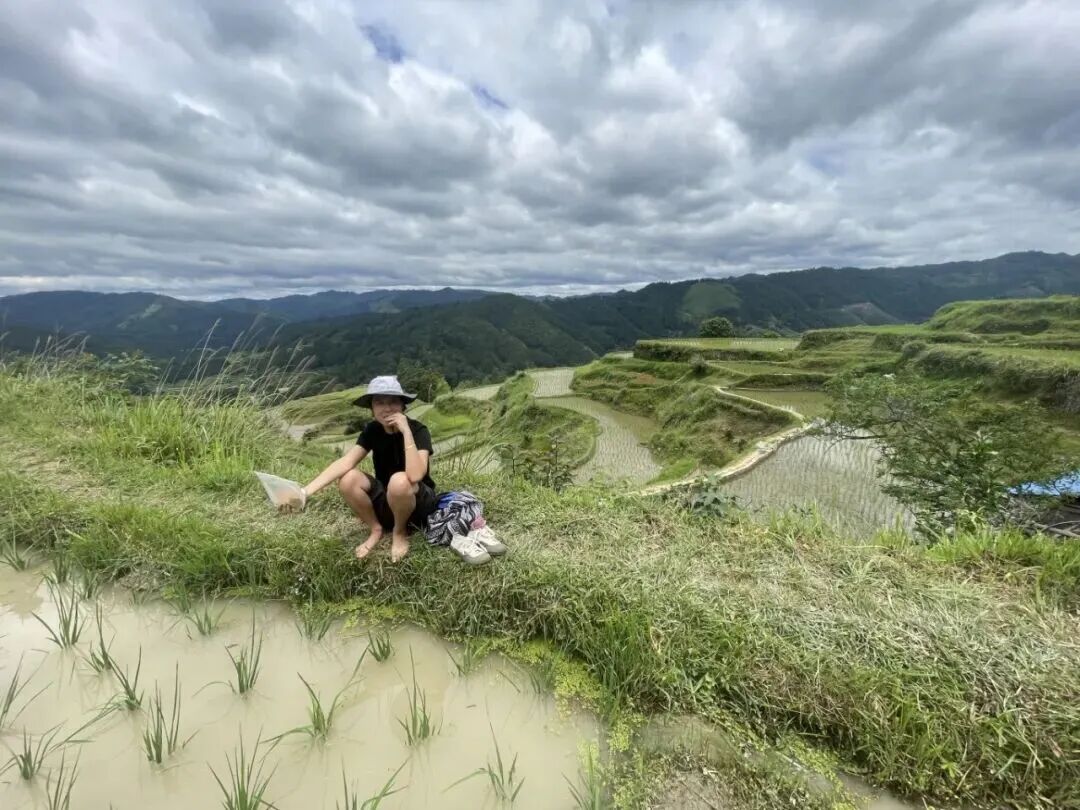
◉ Chen Xi by the rice paddy. Photo: Zhaoxi She
I grew up eating noodles, so I had not much of a concept of rice. The most we ate at home was rice from the northeast, and knowing about rice in Guizhou was even further beyond that. So looking back now, my story with Guizhou, in a way, began with that first bite of rice.
By the following year, the pandemic had hit. I was working from home, and for the first time in over thirty years I was living with my parents again. Trapped inside for so long, weeds grew in my mind.
It was around that time that I received a package – sent by the man who is now my husband. The outside was caked in dirt. I opened it to find a box of spring bamboo shoots sent all the way from Qiandongnan. The fragrance was incredible, and I was deeply moved. It was also around then that I felt, very strongly, that I had to get out. I had not left the house in so long. One morning I climbed up Xishan, but the smog in Beijing was terrible that day. Just then, a friend sent me a WeChat photo – the morning mist on the hilltops above Yangdong Village.
On one side, the smog over Beijing; on the other, the mist in the Qiandongnan mountains.
Because of those two things, I flew to Guizhou and spent an unforgettable summer there – what I call “the happiest summer holiday of my life”.
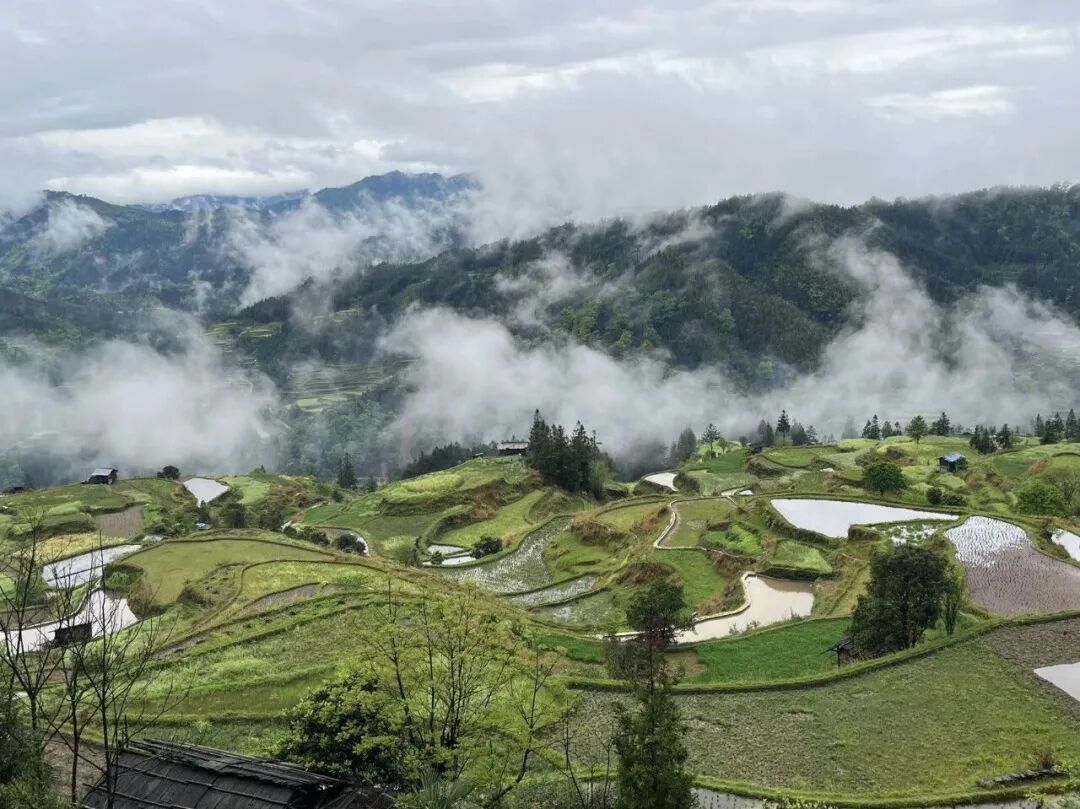
◉ The mountain view in Yangdong Village. Photo: Chen Xi
It was a feeling I had not had in a long time – like truly being on a summer break back in my student days. I spent every day exploring the mountains and rivers, soaking in the water daily, cooking and eating with local friends. My wooden cabin was under construction. My original plan had been that once the pandemic was over, I would probably go back to Beijing for work, and come back to Guizhou on my holidays.
But while the cabin was being built, my husband and I came together. We met in the terraced fields. He is a young person who returned to his hometown, working as the manager of the cooperative’s rice-processing plant. We met through the “rouge purple rice,” and later everyone joked that it was “love purple rice”.
In April 2021, the cabin was finished, and from then on we have lived here without ever leaving.
Building a Library with Rouge Purple Rice
During my summer in Yangdong Village, I got to know some of the children there. I noticed they had very few options for after-school activities. Their parents were away working in other places, and they all lived with their grandparents, spending much of their time watching short videos. So I wanted to build a library – a place where the children could come during their winter and summer holidays to read and take part in activities, giving them another option.
But where would the money come from? I thought about the local rouge purple rice – its quality was excellent, but the farmers were not selling it well. So I had the idea of raising funds by selling the rice.
The entire fundraising effort was completed over the winter. Many local high school students and villagers came to help us pack and ship the orders. It was also my first time truly getting involved in selling agricultural produce. It was through this process that I really came to understand the rouge purple rice. I researched its history, told its story, filmed videos, and showed people how to cook with it. After that, I received a great deal of feedback – some people wanted to keep buying the rice. In fact, when we later started growing rice ourselves, this experience had a lot to do with it.
Even as we raised funds, we were looking for a location for the library. We found an abandoned granary by the river in Yangdong – the position was ideal, and it was close to the primary school too. But it was in such a dilapidated state that everyone locally assumed it could never be turned into a library. We, however, loved the timber structure and wanted to preserve it.
In June 2021, the library opened. It was the first community library in Qiandongnan, and it gradually grew into a space that serves the wider community. I am deeply grateful for the role this library has played in my life.
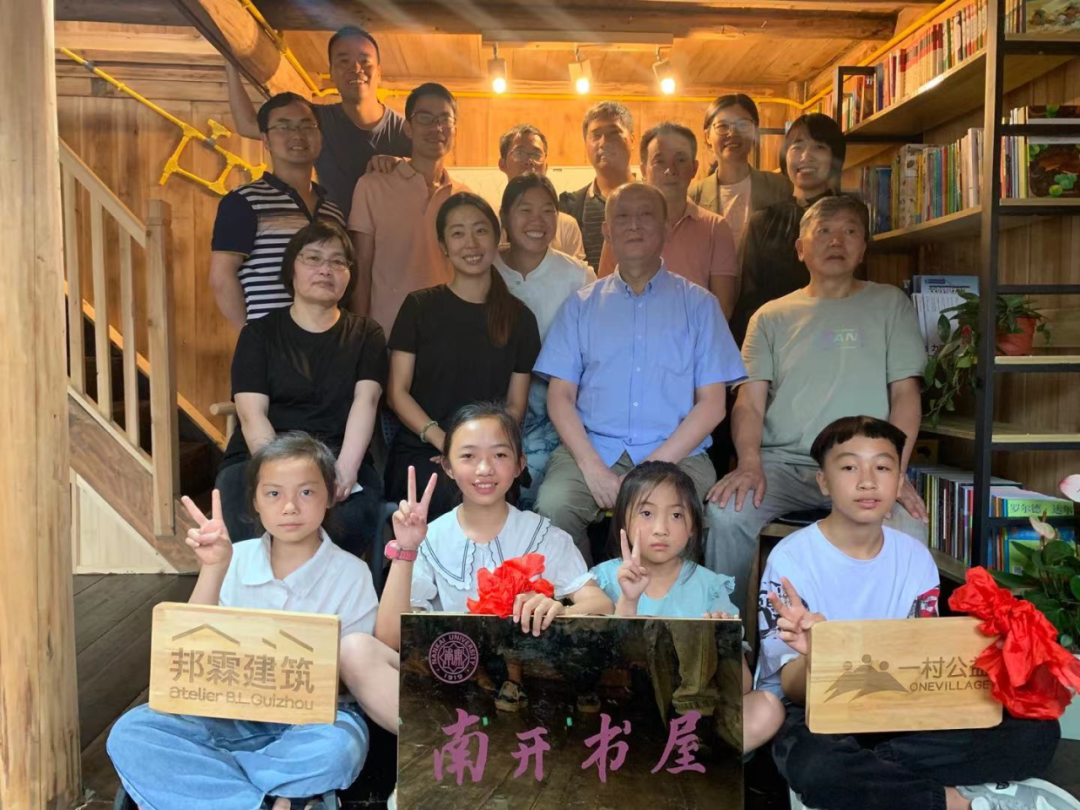
◉ On 3 July 2021, the Liping County Yangdong Children’s Library officially opened. Photo: Liping County Yangdong Children’s Library Official Account
I usually teach English and do yoga at the library. A lot of volunteers from different places also come here to run classes – children’s emotional well-being courses, flower arrangement, nature education, craft workshops. The most popular of all is the poetry class. I have found that every child is a born creator. They just need a space where they are welcomed, and, like a seed, they will sprout.
To help keep the library going, we have been compiling the poems the children write into collections and taking them to sharing events and exhibitions in Shanghai, Beijing, and other cities. This has also helped us raise some funds.
At the same time, I have started designing courses based on the actual needs of the village. Sex education and waste management, for example – these are gaps I noticed in everyday life, and I then invited teachers from non-profit organisations to come and run the sessions.
Because we are working on the preservation of heirloom seeds, we want to start with the children. So the library is also preparing a programme called the Seed Classroom, where children can learn about local plants and seeds.
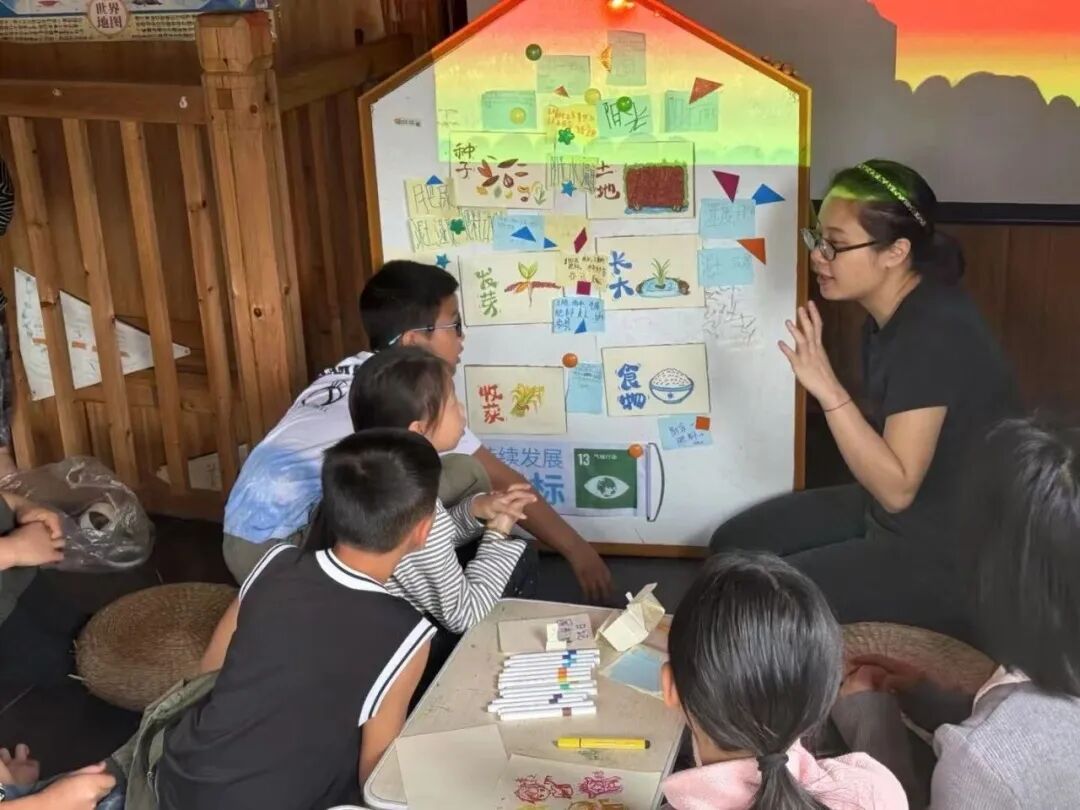
◉ In April this year, the children’s library invited Teacher Yihan to give a seed class. Photo: Liping County Yangdong Children’s Library Official Account
We have run into all sorts of problems along the way. The biggest one recently is that the library needs to move.
The landlord insists on keeping water buffalo on the land. I have spoken with the government about it, but because the Dong people have a tradition of buffalo fighting, which is part of local culture, the government has made it clear they cannot stop the landlord from keeping his buffalo here. So the most important thing this year is to move the library to a new location.
Then there are cultural collisions as well – around a sense of contractual obligation and efficiency, whether it is building a house or organising the farmers to plant. At first I expected there would be a contract or agreement, whether verbal or written, and everyone would follow it. But in practice, it has been very difficult. People might not show up because of a festival, a family matter, or bad weather. Over time, I have come to understand that this is not about targeting anyone – it is simply that life moves at a different rhythm. So I have adjusted my expectations. I have come to realise that efficiency does not have to come first. In farming and in nature, there is a great deal of unpredictability – unlike office output, which can be precisely planned. I have started to accept that things will happen in their own time, a month early, a month late, and I no longer wrestle with myself over it.
Yangdong Village’s Old-School Way of Growing Rice
Over the years I have lived in Yangdong, I have moved from initial involvement to getting much deeper into farming itself. On the one hand, my husband has a real interest in cultivation and farm tools; on the other, I have a particular concern for heirloom seeds. We have become more involved in the growing process, and, based on our observations of local practices, we have gradually developed our own approach – to preserve the Dong people’s own farming traditions as much as possible.
Growing rice in Yangdong relies primarily on the rice-fish-duck symbiotic system.
We keep “rice paddy fish” in every paddy field. In spring, when we transplant the rice seedlings, we put in the fingerlings. By the time of the autumn harvest, we can collect both the rice and the fish. Around this process, we also have our own festivals: the Guanyang Festival, which celebrates rice transplanting, and the Chixin Festival, which celebrates the harvest of new rice. Before the celebration, we open the field gates to drain the water and catch the fish, then invite friends and relatives to share a meal together.
Fish serve many functions in the paddy. Their droppings act as natural fertiliser, and their movement through the water stirs it up, suppressing weed growth. At the same time, the fields are home not only to the fingerlings we put in, but also to wild paddy clams, small shrimp, tiny fish, and rice paddy snails. What is fascinating is that in the Dong language, every single small creature has its own name, and a distinction is made between farmed fingerlings and wild fish. This really reflects the local people’s love for these creatures and the water environment. For example, when my husband is ploughing the field, his ten-year-old nephew will wade in and start catching fish in the muddy water. Whatever fish he pulls up, we just boil them for lunch – they are incredibly fresh and delicious.
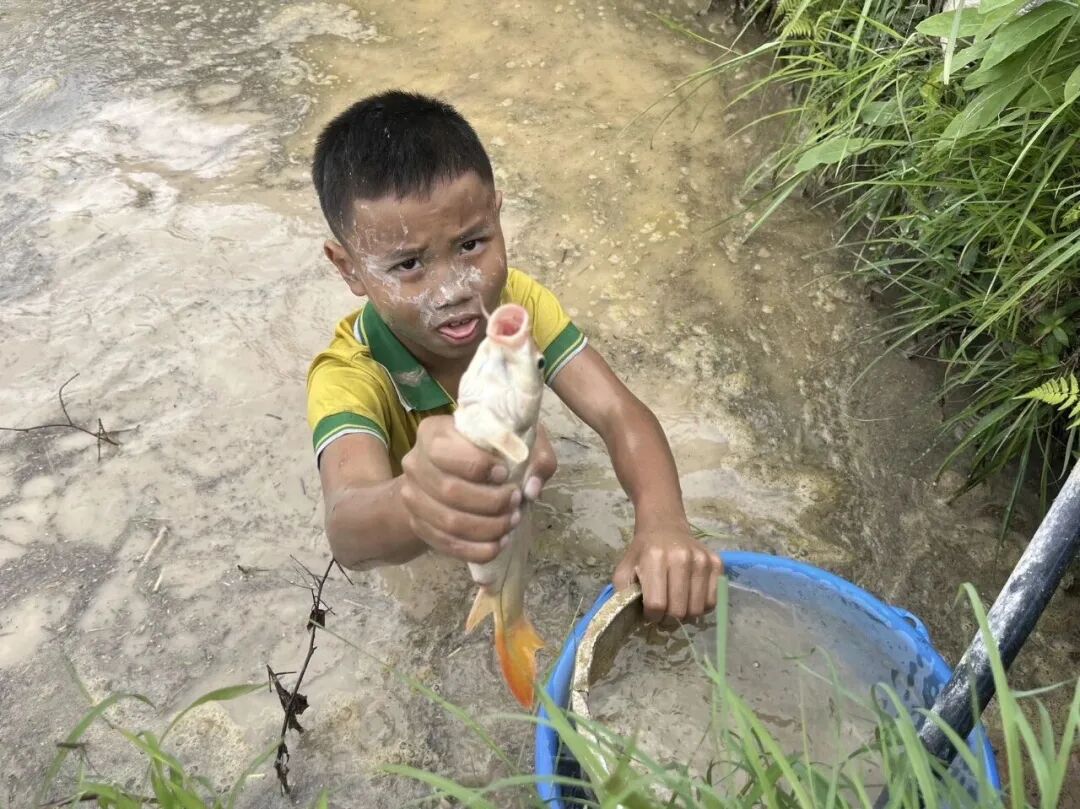
◉ Ploughing and catching fish at the same time – what you usually pull up is carp. Photo: Zhaoxi She
The division of labour in the fields is also quite natural: the men plough, while the women wade in to scoop up fish when the water is stirred up and muddy. What they pull up is mostly small wild fish – carp, crucian carp, and some that have only Dong names, ones I cannot even say in Chinese.
We also use our own cow manure and wood-ash compost in place of chemical fertiliser. Weeding is equally natural: the cattle eat the grass on the paddy bunds, while the ducks and fish eat the weeds in the water. Where the grass on the bunds threatens the growth of the rice beside it, we weed by hand.
The growing conditions in Yangdong Village are on terraced fields at altitudes ranging from 500 to 1,200 metres. Rice is grown one crop a year, with a growing period of over 150 days, irrigated year-round with fresh mountain spring water.
Thanks to the natural conditions here, there are a great many heirloom rice varieties in the area. At present, we preserve about nine rice varieties and over a dozen other grains, stable at around twenty each year. The heirloom rice varieties currently for sale at Zhaoxi She are all essentially farmer-saved seed, including: Green Fragrant Pearl Rice, rouge purple rice, Xiaoma Red Rice, Five-Colour Banquet Rice, Clean Water Fragrance, Fragrant Glutinous, Mangling Japonica Rice, and others.
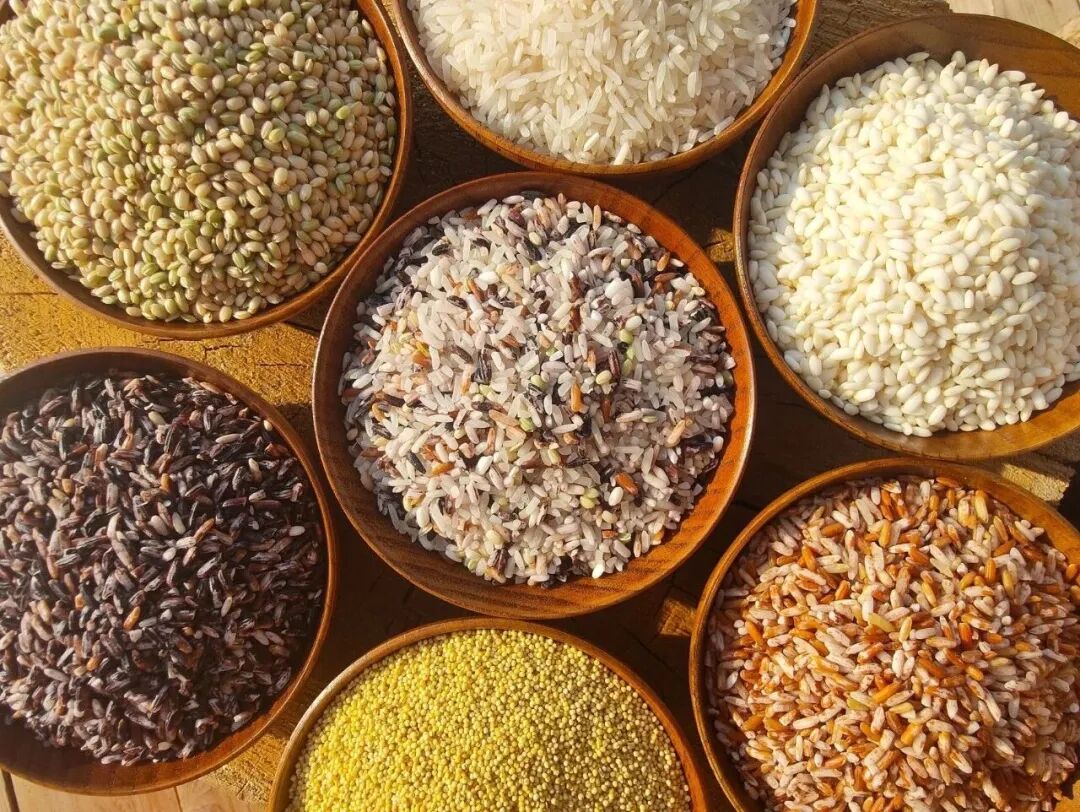
◉ Zhaoxi She’s “the household’s main rice,” which is also a local heirloom rice variety from Yangdong Village. Source: Zhaoxi She
Because the Dong people have no written script, only a spoken language, most of the historical records we can find come from county gazetteers dating from after the Ming dynasty. So we usually say these seeds have a history of at least four hundred years.
Every rice variety has its own characteristics. For example, rouge purple rice is used in winter to make ciba (glutinous rice cakes), zongzi, and rice wine. Green Fragrant Pearl Rice has a very low yield – under 300 jin (150 kg) per mu – and is our most precious variety. It is also one that Michelin-starred chefs tend to favour. Five-Colour Banquet Rice is a blend of five rice varieties, originating from the Dong tradition of wedding and funeral feasts – each household brings a handful of rice, they are boiled together, and all kinds of colours appear. Mangling Japonica Rice is a variety we found in Mangling Village. Xianghe Glutinous Rice, by contrast, has very different habits from the other varieties – it prefers shade and cold water, and needs to be grown where there is little sunlight, close to a water source.
From Heirloom Varieties to New Roles
Through preserving local heirloom varieties, I have also entered the world of ecological agriculture. Starting last year, I have been getting out more. In October, I travelled to Thailand with Foodthink colleagues to visit local farming communities, and I also attended farmers’ markets and events in Beijing and Guangzhou. In January this year, I went to Germany to take part in their agriculture and food forum.
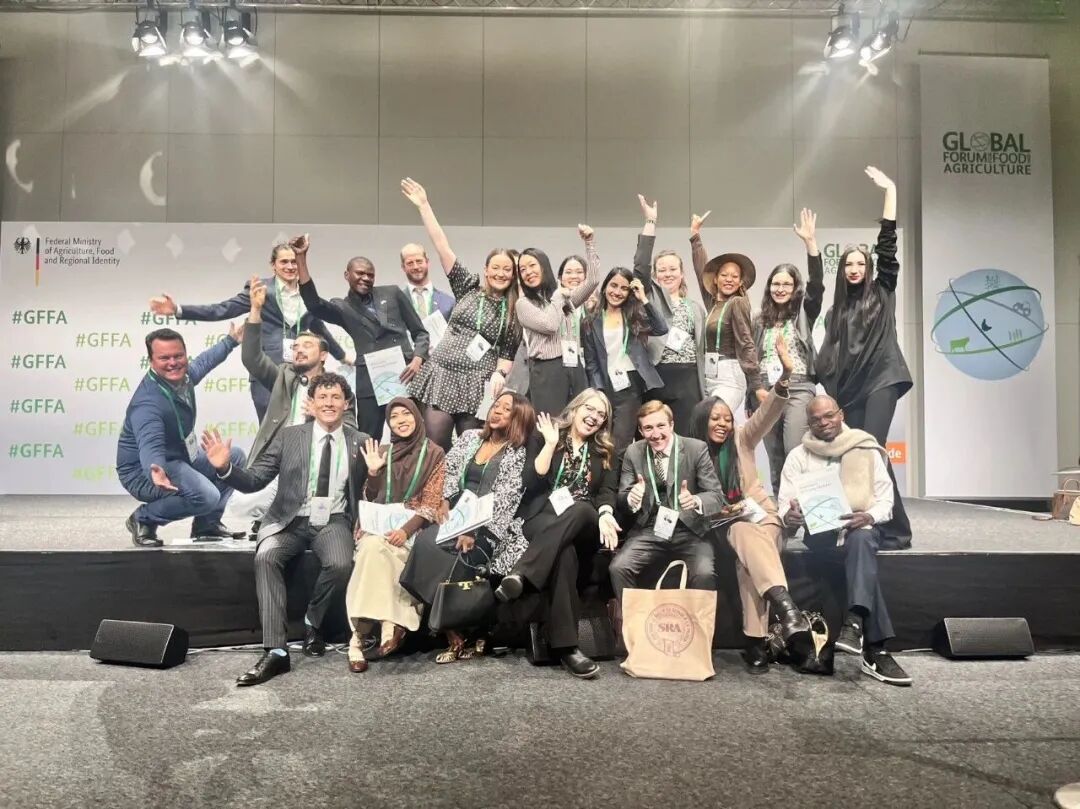
◉ In January 2026, invited by the German Ministry of Agriculture, Chen Xi travelled to Berlin as a young farmer representative to participate in the 2026 Global Agriculture and Food Forum (GFFA). In these exchanges, she will introduce Guizhou’s heirloom rice varieties, giving more people the chance to truly taste and learn about them. Photo: Zhaoxi She
In fact, a lot of people have asked us: why don’t you do livestreaming? You’d be great at it, and you have a perfect setting. But that is not how we see it.
From what I have observed and understood, some farms, while growing things ecologically and organically, have become highly corporatised in their operations, pursuing output, sales, and growth. The founders are very anxious, constantly livestreaming, telling stories, answering questions – it is incredibly draining.
And “Zhaoxi She” as a brand – that has always been my original intention. It needs to be woven into the way we live. That is the unspoken understanding between my husband and me. Once we start livestreaming, we would step away from the kind of ecological life we are actually pursuing, and I would slip back into my old working state – constantly checking data, caught in data anxiety, and my original intent would be affected too.
So even though we have received many invitations – to expand our planting area, to take on bigger orders, to get certified – we have been quite cautious. Because once we make a commitment, it becomes very hard to maintain the way we are currently growing things, which would mean switching varieties or finding other ways to meet production targets and orders.
Now in my sixth year of living in Guizhou, I have come to see that rural areas are truly shouldering some of the consequences of an era of rapid development. For example, over the past few years, transport has become much more convenient, and all sorts of snack foods have become easier to get into the village. With that come packaging, plastic, and styrofoam waste. When I first arrived in Yangdong Village, this was virtually non-existent. Now the rubbish in the mountains seems to grow year on year, so we have no choice but to go and pick it up every week. Through the simple act of picking up litter ourselves and taking the children with us to do the same, we are making a small difference.
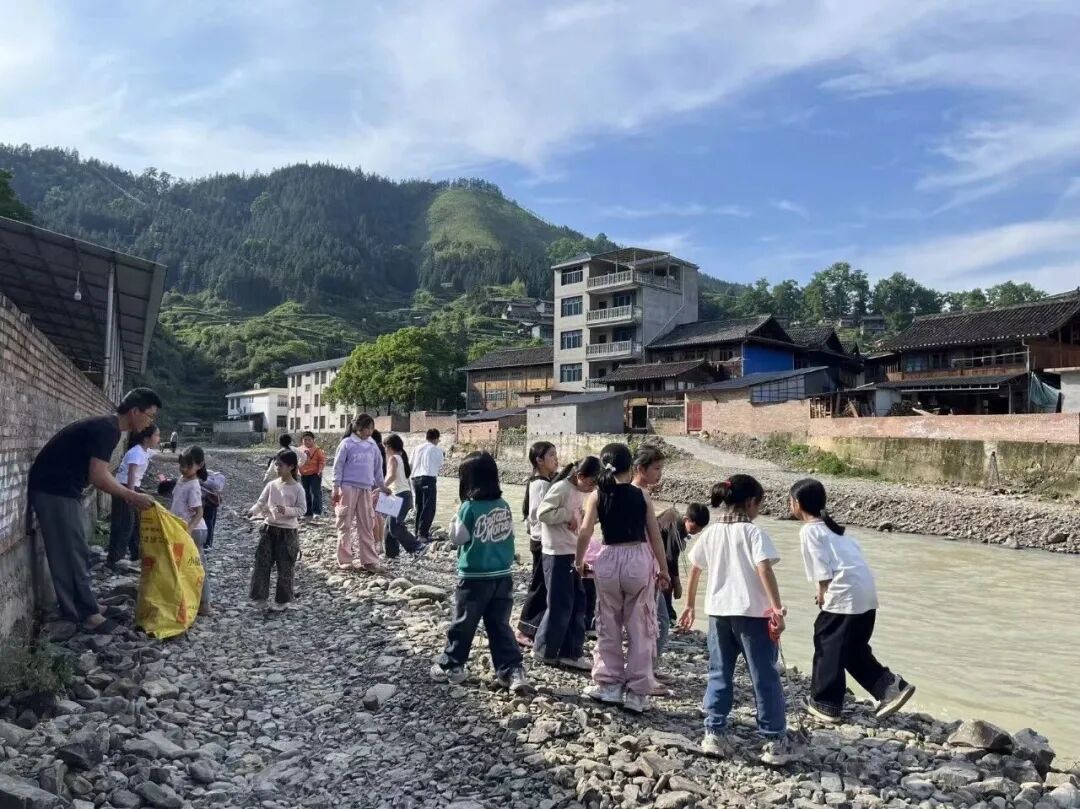
◉ A volunteer at the children’s library taking the children out to pick up litter together. Photo: Liping County Yangdong Children’s Library Official Account
The promotion of chemical fertiliser has also started reaching into the villages. Now there are mobile vans driving through with loudhailers, selling fertiliser door to door – something that was unheard of before.
The ageing of the farming workforce is also very noticeable. Most of the people still farming in the village now are over sixty.
Over the past few years, we have been trying to get more young villagers involved in the growing. At the moment, my husband’s older brother has come back from Guangdong to join us, but I am not sure how long he will stay. He seems to find it hard to see the value in the land, the seeds, and the natural resources here – the value I see. I have also asked a lot of the people who have left to work away, and their wages sound reasonable enough, but the cost of living in the city is high too. Farming is not a glamorous thing, and when you talk about it, it never quite sounds as good a story as heading out to make your fortune. But very often, people go away to work for the sake of face. They think they will earn a lot of money, but in the end, there is not actually that much they can bring home.
The gender balance is also an issue. There are quite a lot of single men in the village and relatively few women. When problems arise in a family, the woman tends to leave, and the children are raised by their father. If the father then has to go out to work, the children are left living with their grandparents.
Many of the primary schools in towns and villages are being merged, and some are disappearing altogether. A lot of people ask me how long the library will last. Honestly, I don’t know. As long as Yangdong Primary School is still there, I want the library to be there too. If Yangdong Primary School disappears, the library loses its reason for being. Fortunately, Yangdong is a relatively large village, and when some of the Miao village schools nearby have closed, the children from there come here to attend school, which has actually increased our “enrolment”.
In 2025, I took on another new role – becoming a mother.
Friends have asked me whether I feel anxious about my child’s future education. Having a baby has certainly made me think more, but I do not feel anxious because of that.
I believe there will certainly be a way of educating him that is right for him. I just do not know what it is yet, but when the time comes, I will naturally find my answer.
Looking back, my decision to go to the United States was also a very coincidental one. In a way, it is similar to how I later ended up in Guizhou – it was not a choice made after rationally comparing options and picking the one that best fitted my criteria. It was following a wild idea of mine, to see if I could make it a reality. Even if it does not work out, I am content for having striven for it.
So I have never really felt that I am someone who fled the city for the countryside. Rural life is now a very good fit for me and my nine-month-old baby. In the mountains, his days end with the setting sun, and he sleeps much more soundly. Although everyone faces different difficulties and finds different ways of overcoming them, what matters is that no matter where you live, you can stay true to your own heart.
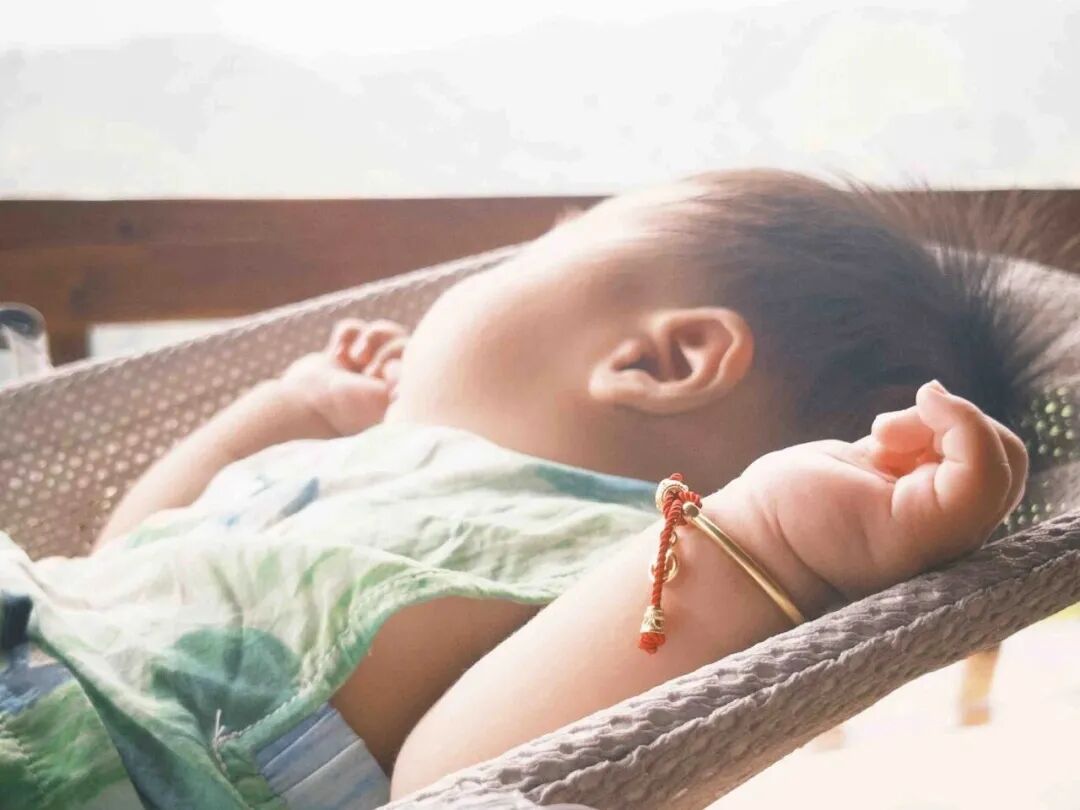
◉ Chen Xi’s baby, Croissant, was able to sleep through the night in his little cot on his very first day back in the mountains, even with temperatures reaching 36 degrees. This is the magic of nature. Photo: Zhaoxi She
About the “She and the Land” Column
This year is the United Nations’ International Year of Women in Agriculture, and Foodthink has launched the “She and the Land” content column, focusing on women in agriculture and food systems. We will venture into fields, markets, fishing ports, ranches, kitchens, laboratories, and city streets and alleyways, to see the women who are often overlooked yet always present – those who participate in production, research, cooking, distribution, and care, supporting our daily lives with their labour and wisdom. They are both the tillers of the land and important builders of rural and food systems. Through interviews, writing, and workshops, we hope to tell their stories, to understand how women’s participation shapes our food systems, and to invite everyone to explore together: for women who work in food and farming, how does a fairer, more dignified future come about?
Editor: Kerry