

Foodthink’s sixth-round Lianhe Plan has selected 12 climate action projects from 58 applications, covering ecological restoration, community composting, low-cost risk reduction for smallholders and women’s empowerment.
Introductions, activities, progress updates, participant records, and reviews related to the Lianhe Programme.
Foodthink’s sixth-round Lianhe Plan has selected 12 climate action projects from 58 applications, covering ecological restoration, community composting, low-cost risk reduction for smallholders and women’s empowerment.
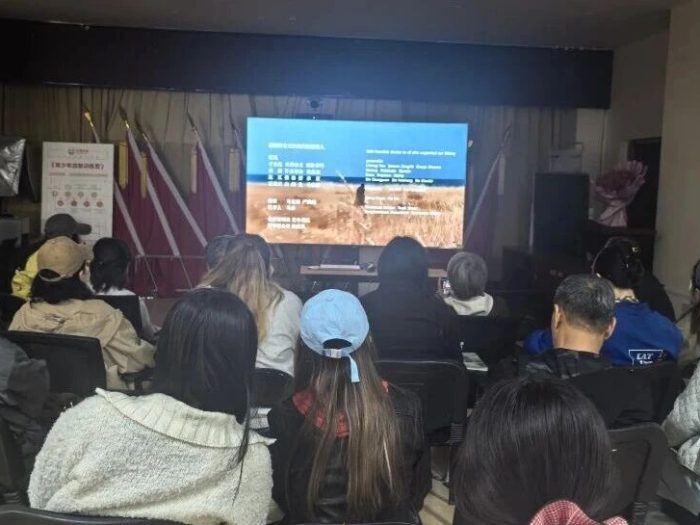
Following the Urumqi screening of the documentary “Whose Table, Whose Pasture”, Xinjiang universities, ecological organisations and animal husbandry experts discussed the impact of imported frozen meat on pastoralists’ livelihoods, grassland carrying capacity and food systems.
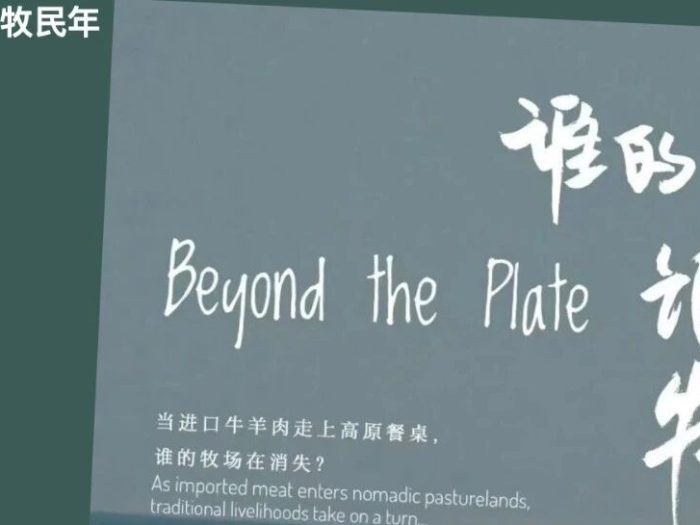
On 26 May 2026 at 19:00, Foodthink will screen “Whose Dining Table, Whose Rangeland” in Nanjing, a documentary tracing how imported frozen meat has driven down cattle and sheep purchase prices around Qinghai Lake and altered pastoralists’ livelihoods. Registration is free for Nanjing viewers.
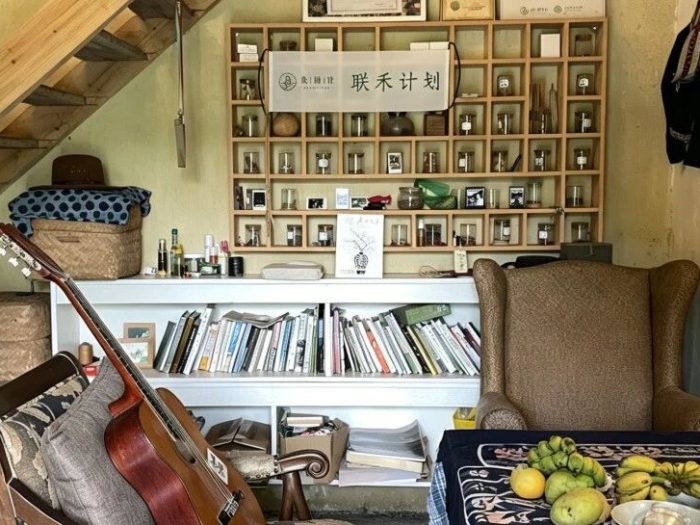
Foodthink’s sixth round of small-scale grants under the Lianhe Plan provides funding of 5,000–30,000 yuan, along with communications and professional resource support, to help farmers, communities and social organisations implement food and agriculture transition projects amid climate change. First-round applications close on 17 May.
Sustainable food and agriculture content platform Foodthink resumes at Grain Rain, documenting smallholders’ livelihoods, field workers, climate change, biodiversity and policy changes. It clarifies this year’s focus: the International Year of Women in Agriculture, the International Year of Rangelands and Pastoralists and climate resilience action.
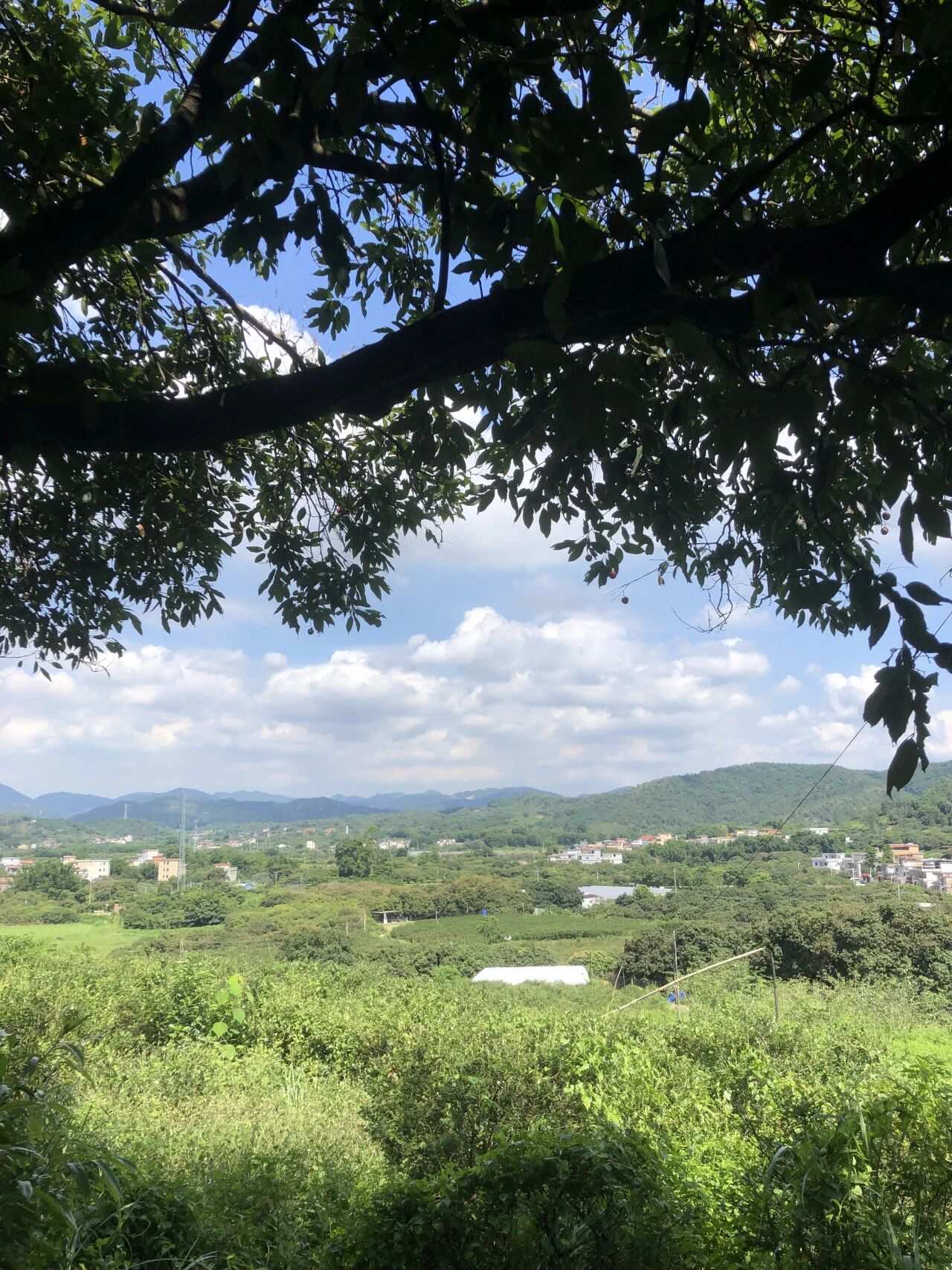
Jianing takes part in Foodthink’s Ecological Agriculture Internship Programme at Yinlin Farm in Conghua, Guangzhou, picking blueberries, corn and lychees, observing chickens, birds, black goats and villagers at work, and feeling the living connection between food and land.
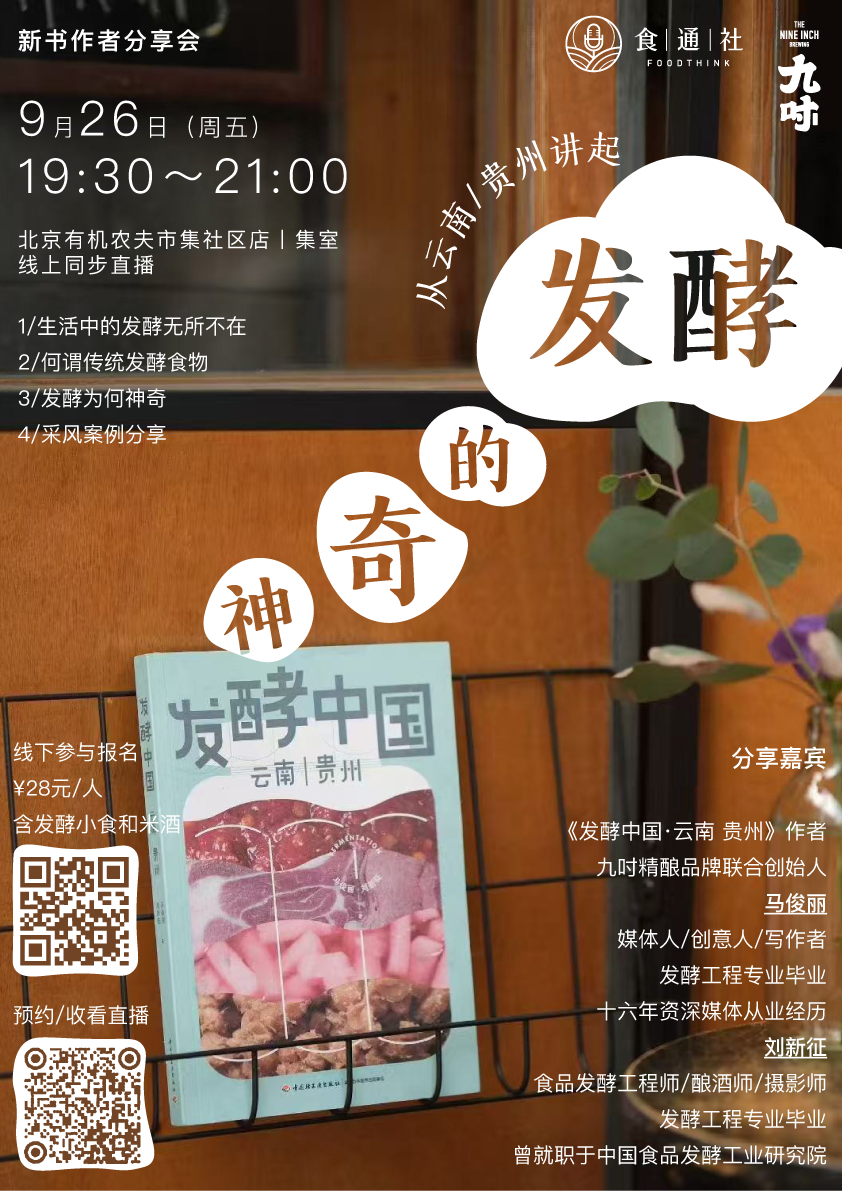
From rice-water fermentation to tomatoes and chillies in the jar, Guizhou sour soup carries the Miao people’s migration memory amid salt scarcity and a humid climate. It becomes the everyday flavour on festival tables and for people away from home.
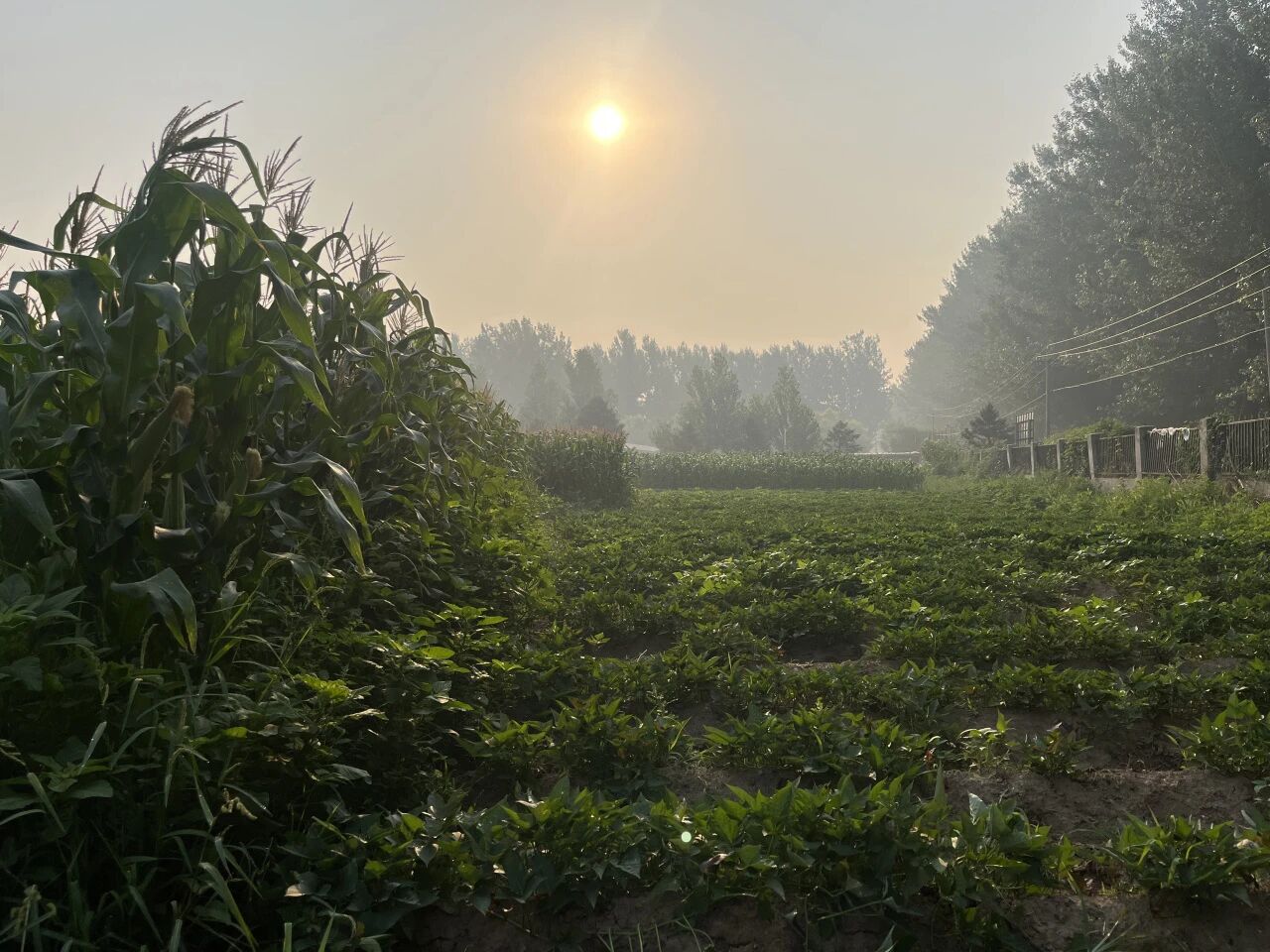
At Xiqing Farm in Changziying Town, Daxing, Beijing, a three-month ecological farming internship shows, through repeated weeding, watering and catching bugs, how the land, weeds, insects and crops work together.
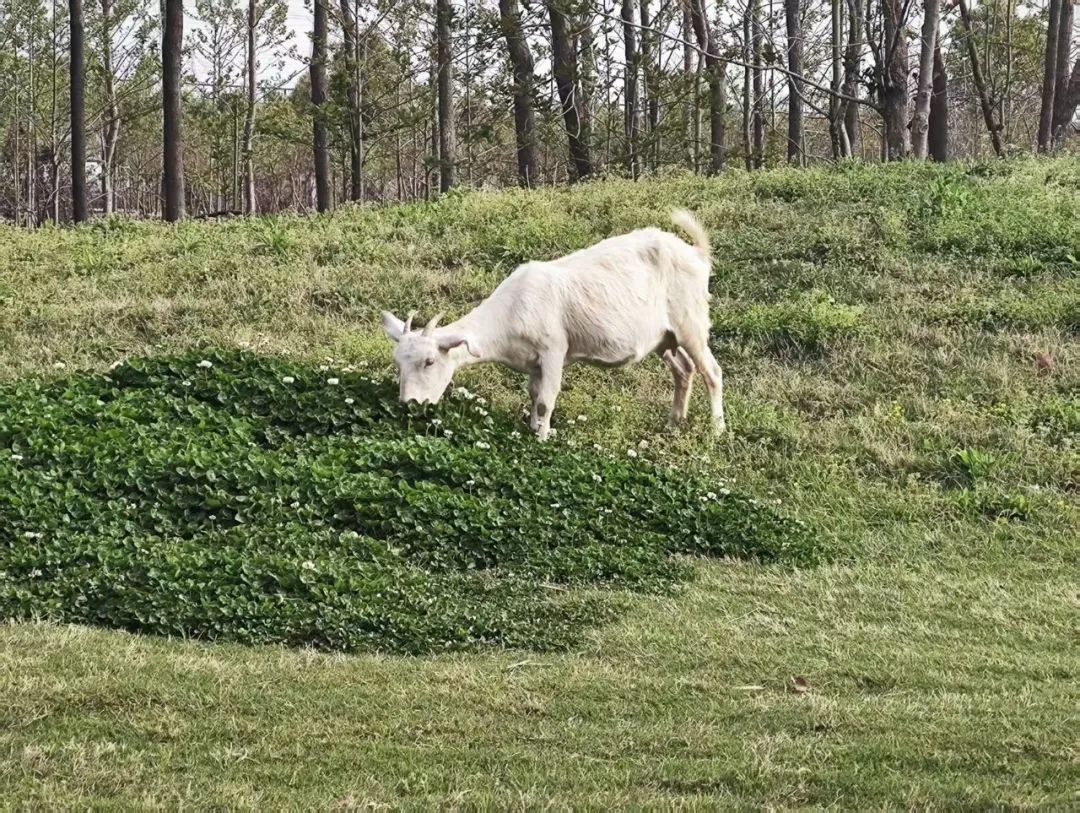
Through Foodthink’s Eco-Agricultural Internship Programme, this Gen Z intern spent three months at Lexiangu Community Farm in Shanghai’s Fengxian District, raising seedlings, weeding, repairing a roof, tending sheep and dogs, working at market stalls, and gaining the courage to explore the future.
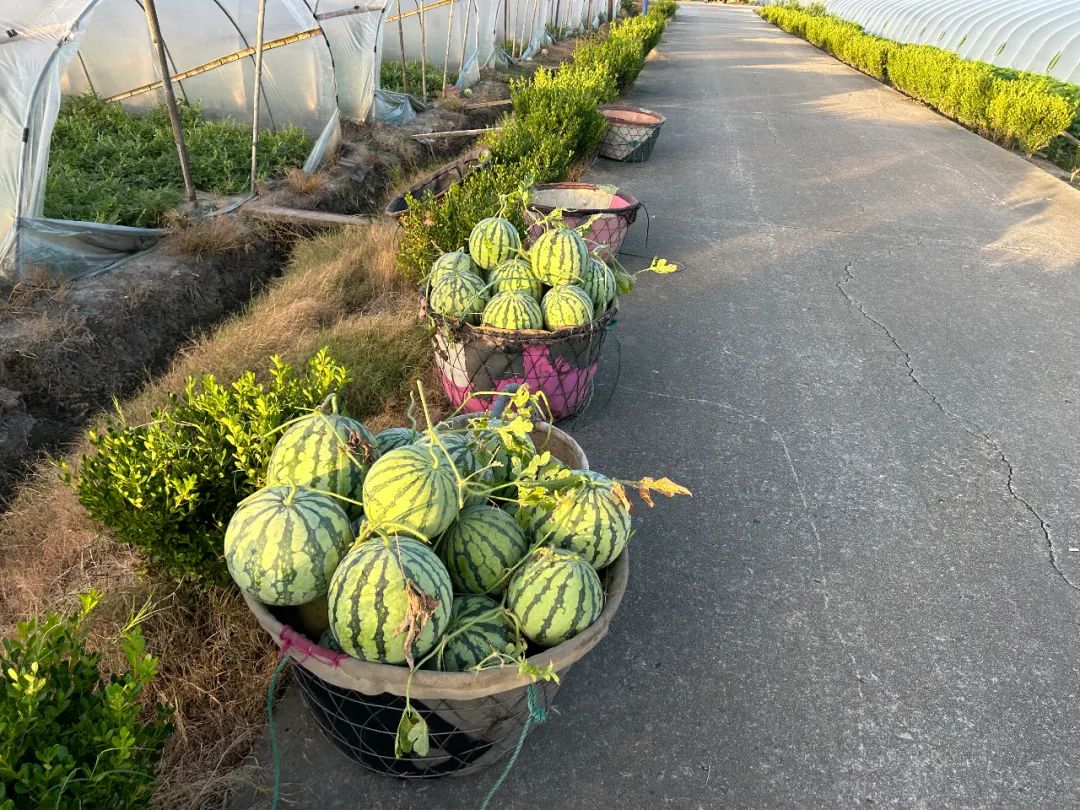
Summer arrives, and with it, another season for watermelon. Watermelons are inseparable from summer, just as the farmers behind the fruit evolve alongside their crop. Wherever there is land, you will find the watermelon farmers of Taizhou. Their history of enterprise dates back to the 1980s, forming another chapter in…