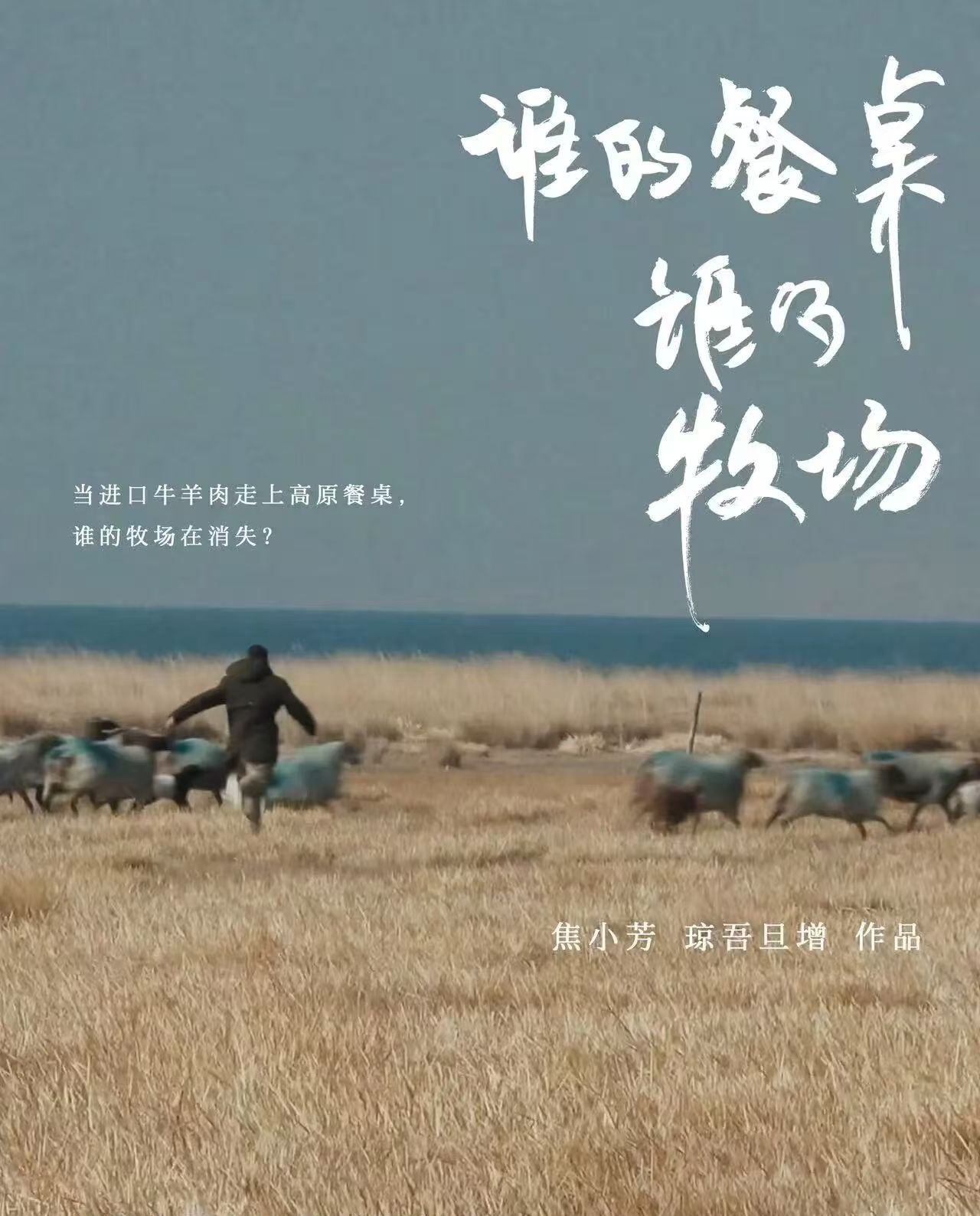
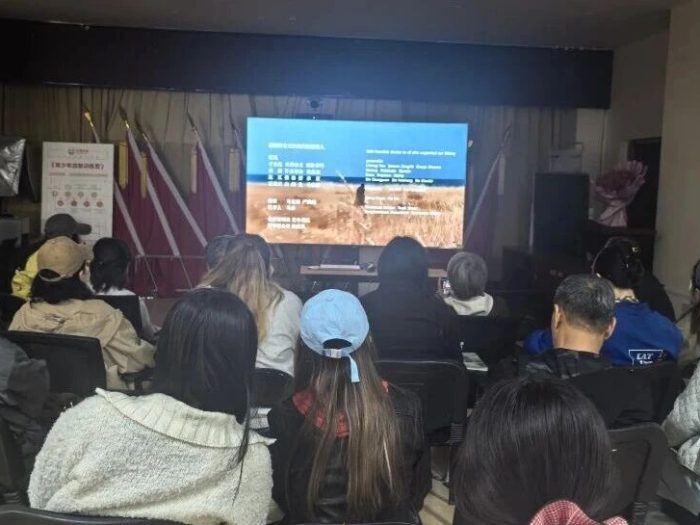
Following the Urumqi screening of the documentary “Whose Table, Whose Pasture”, Xinjiang universities, ecological organisations and animal husbandry experts discussed the impact of imported frozen meat on pastoralists’ livelihoods, grassland carrying capacity and food systems.
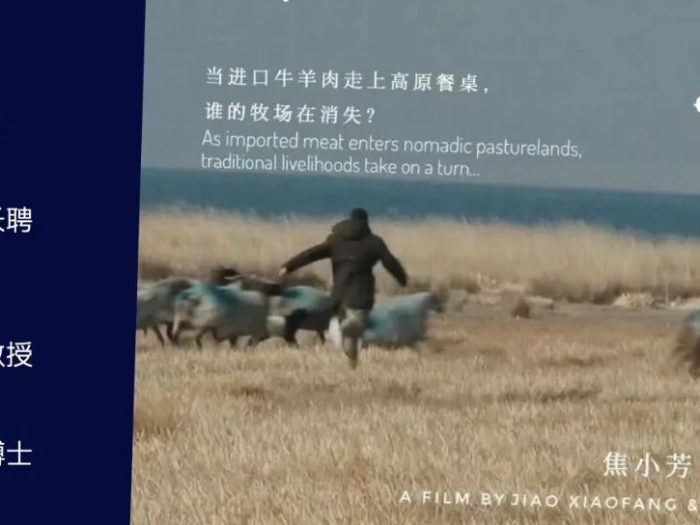
On 12 June, Foodthink will screen the award-winning documentary “Whose Table, Whose Pasture” at Zhejiang University and invite experts from Zhejiang University’s Department of Sociology to discuss the impact of imported beef and mutton on the livelihoods of pastoralists in Qinghai and on food systems. Scan the QR code to sign up for free.
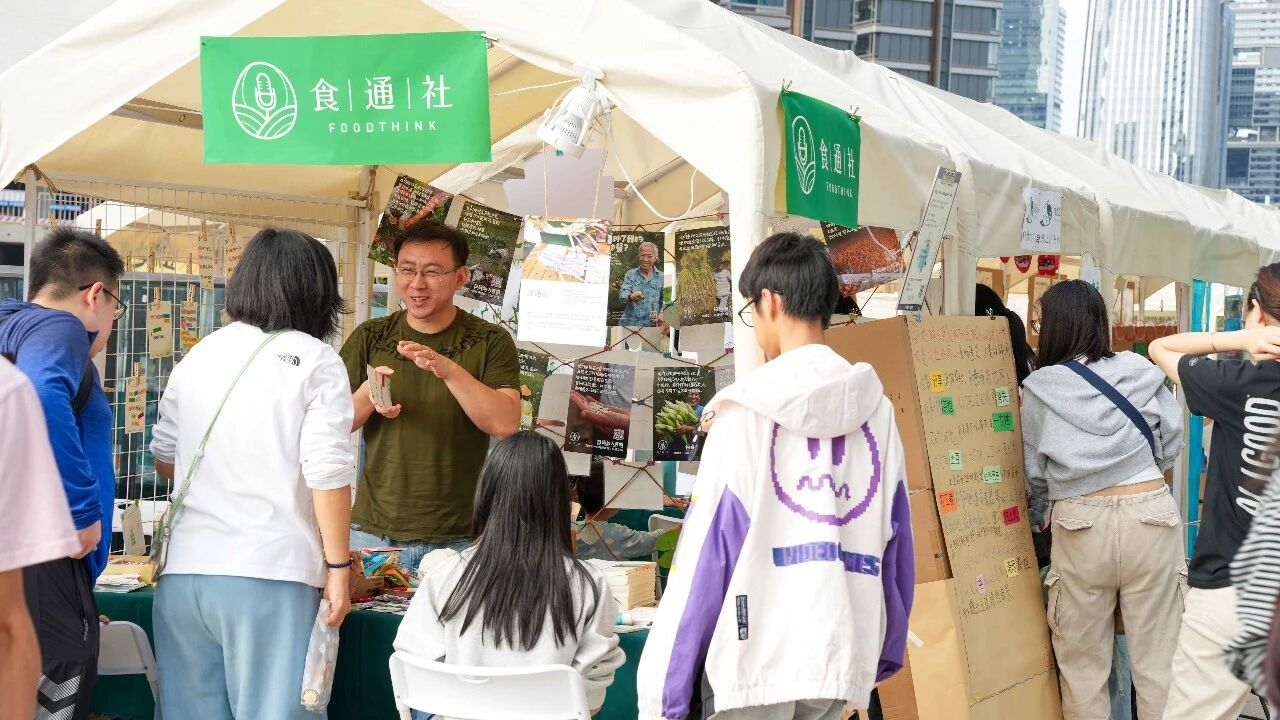
Every Tuesday evening, Foodthink hosts open-air film screenings by Tuanjie Lake in Beijing, where audiences can browse the farmers’ market and watch stories of food-delivery riders, rice farmers, herders and fermentation artisans, followed by a post-screening talk.
On 26 May 2026 at 19:00, Foodthink will screen “Whose Dining Table, Whose Rangeland” in Nanjing, a documentary tracing how imported frozen meat has driven down cattle and sheep purchase prices around Qinghai Lake and altered pastoralists’ livelihoods. Registration is free for Nanjing viewers.
On 23 May at 16:00, Foodthink will screen the documentary “Whose Table, Whose Rangeland” at Yonghexiang Community, Tianshan District, Urumqi, with local organisations, institutions and guests in Xinjiang invited to share and discuss afterwards.
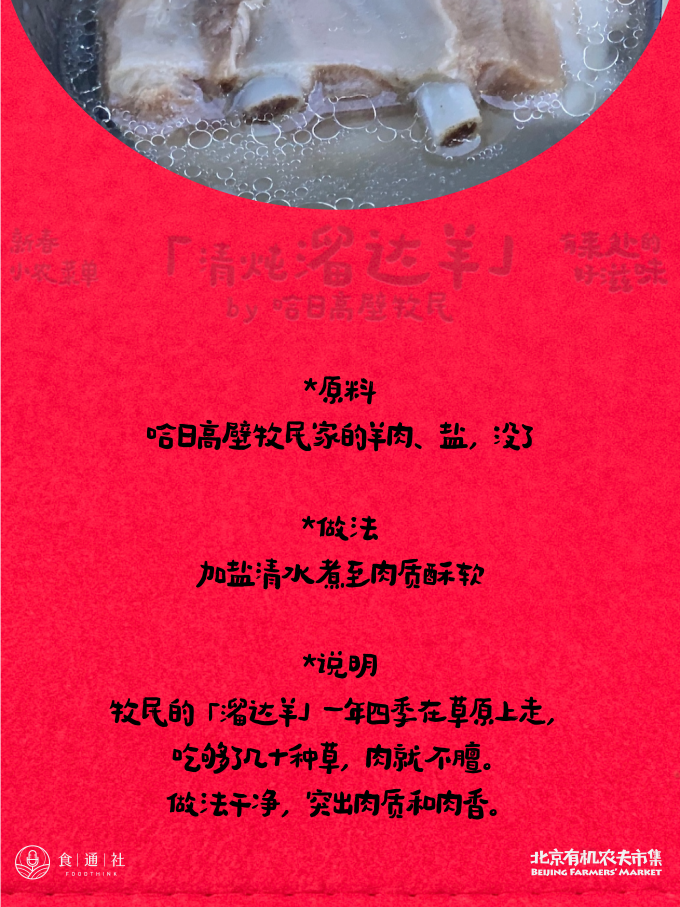
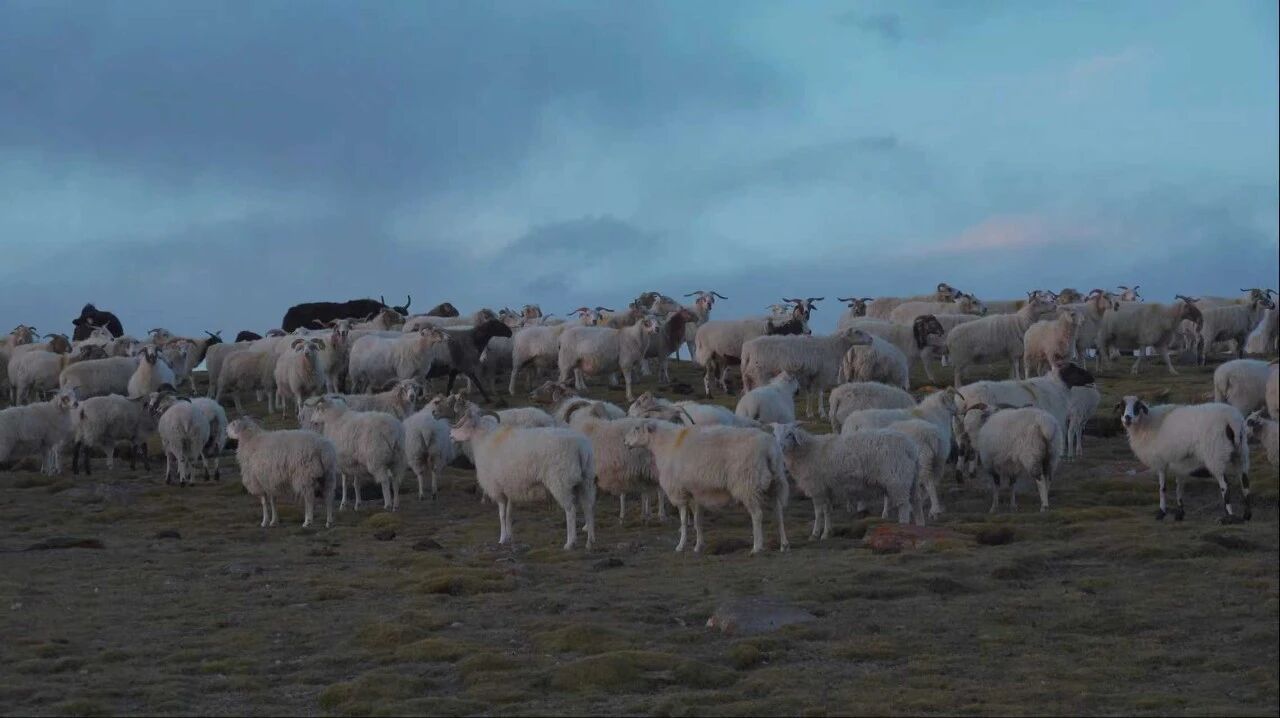
The Ujimqin sheep from Dulan’s herder family in Harigaobi, East Ujimqin Banner, graze nomadically through all four seasons. Boiled with only water and salt until soft and yielding, they are lightly gamy, fresh and tender — the true flavour of the grassland.
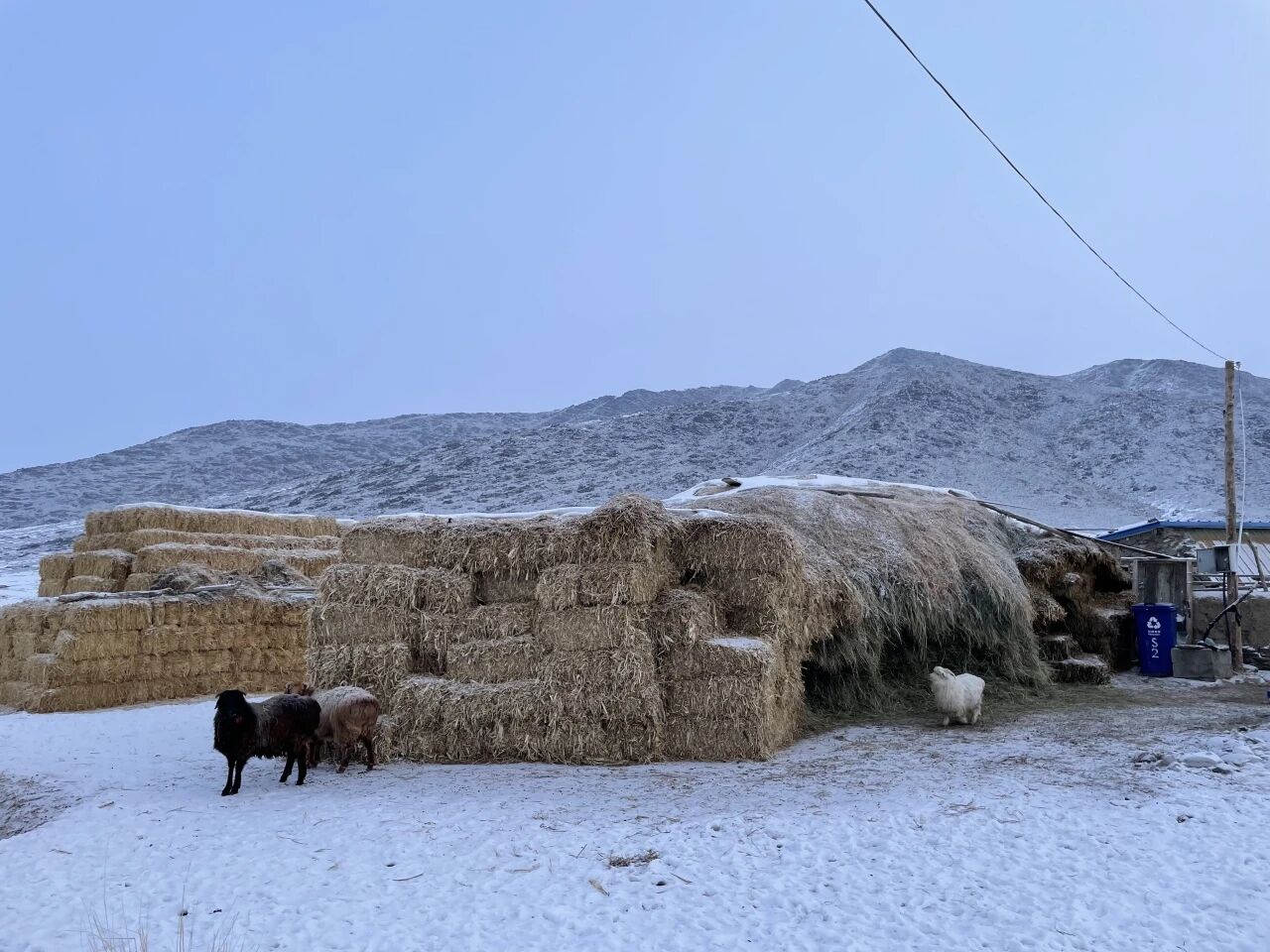
Grassland contraction means Kazakh herders’ cattle and sheep can no longer rely on haymaking in hayfields alone to get through winter; watering, harvesting, planting and market purchases all push up winter costs.
Nearly a hundred participants in Guangzhou chained article titles and Cantonese cuisine in a relay, creating eight climate science-fiction stories; the documentary “Whose Table, Whose Pasture” and sharing from rural visits probe imported frozen meat, rural disasters and Guangzhou’s extra-long summer.
On the summer pasture by Qinghai Lake and the live-sheep trading route, Tibetan herders including Danzeng Zongzhi face the rebound in Tibetan sheep prices and the impact of imported meat: some borrow to keep herding going, while others go to Gonghe County to make a living as food-delivery drivers.
This year’s World Nomadic Film Festival was held in Jagdaqi in the Greater Khingan Mountains, and young directors from Qinghai, Inner Mongolia and elsewhere use films to show how fences, imported beef and mutton, and urban-rural movement affect herders’ livestock, livelihoods and identity.