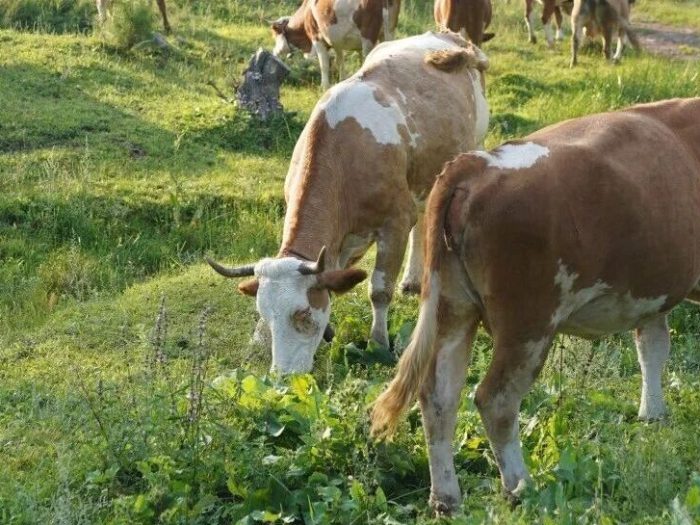
Deep in the Taihang Mountains, in Leyi Village, Heshun County, Shanxi, the “leopard-eating-cattle” conflict between North China leopards and cattle is not pronounced. During the recent cattle-price slump, local beef cattle farming has contracted markedly overall, leaving just three households and over 70 cattle, down from 200-plus.
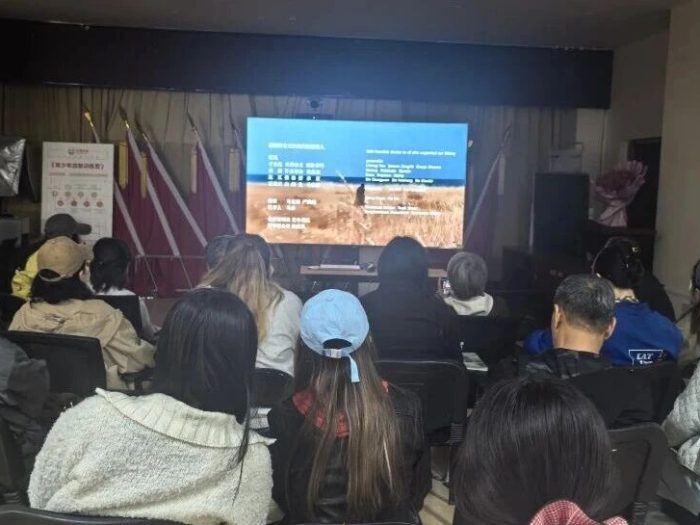
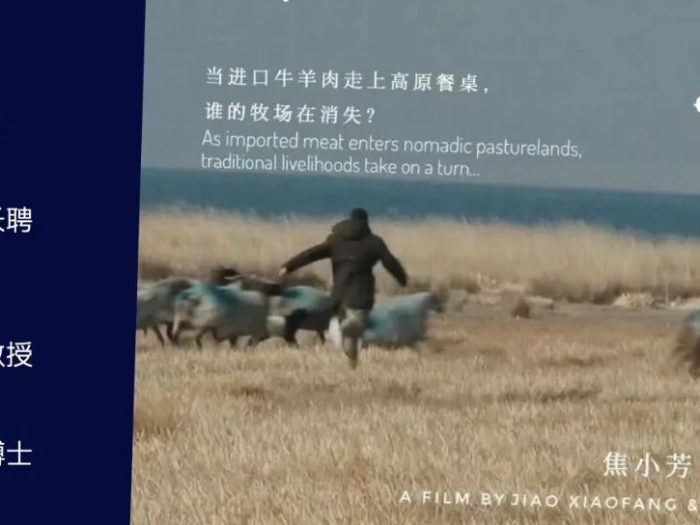
Following the Urumqi screening of the documentary “Whose Table, Whose Pasture”, Xinjiang universities, ecological organisations and animal husbandry experts discussed the impact of imported frozen meat on pastoralists’ livelihoods, grassland carrying capacity and food systems.
On 12 June, Foodthink will screen the award-winning documentary “Whose Table, Whose Pasture” at Zhejiang University and invite experts from Zhejiang University’s Department of Sociology to discuss the impact of imported beef and mutton on the livelihoods of pastoralists in Qinghai and on food systems. Scan the QR code to sign up for free.
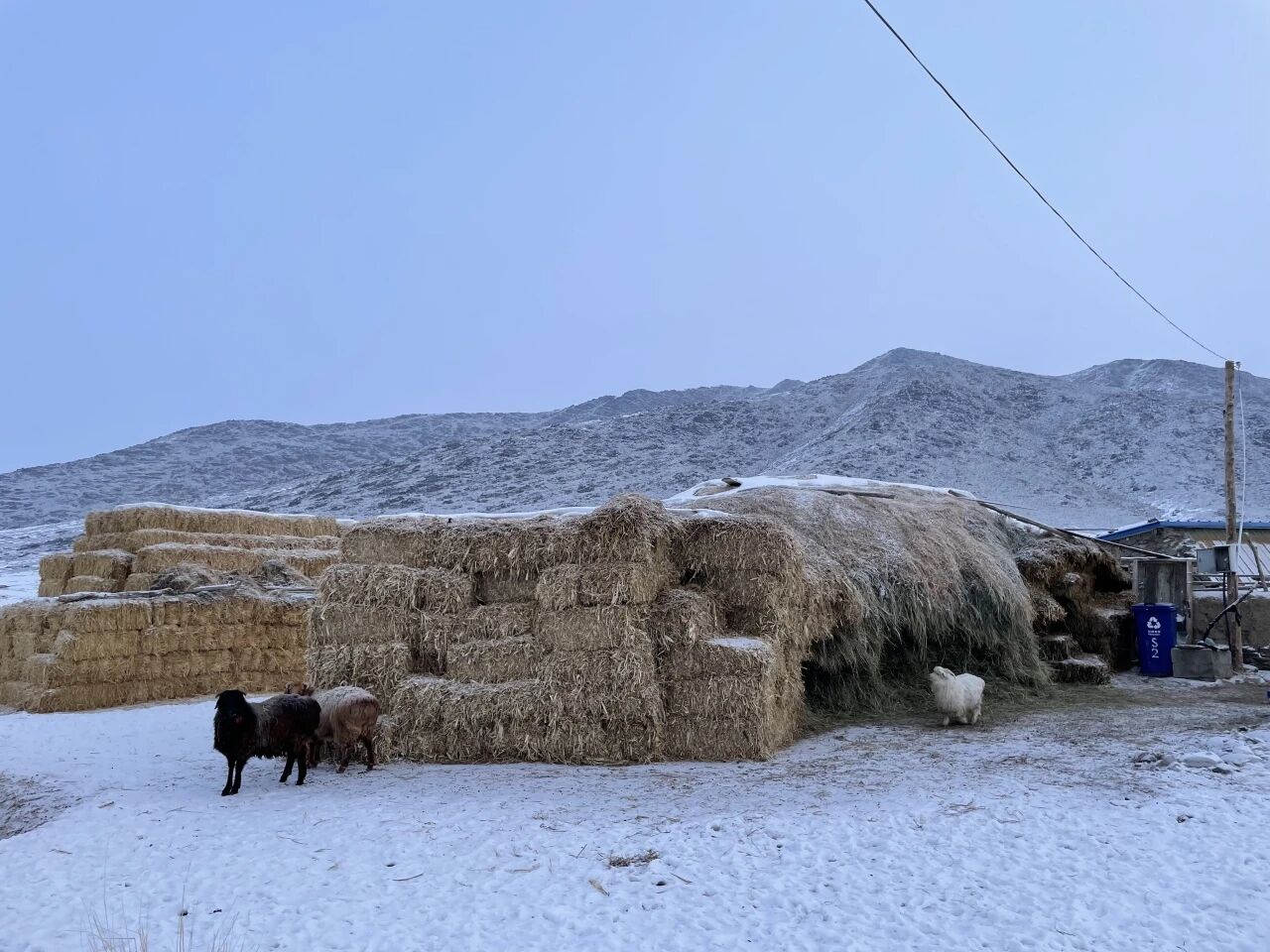
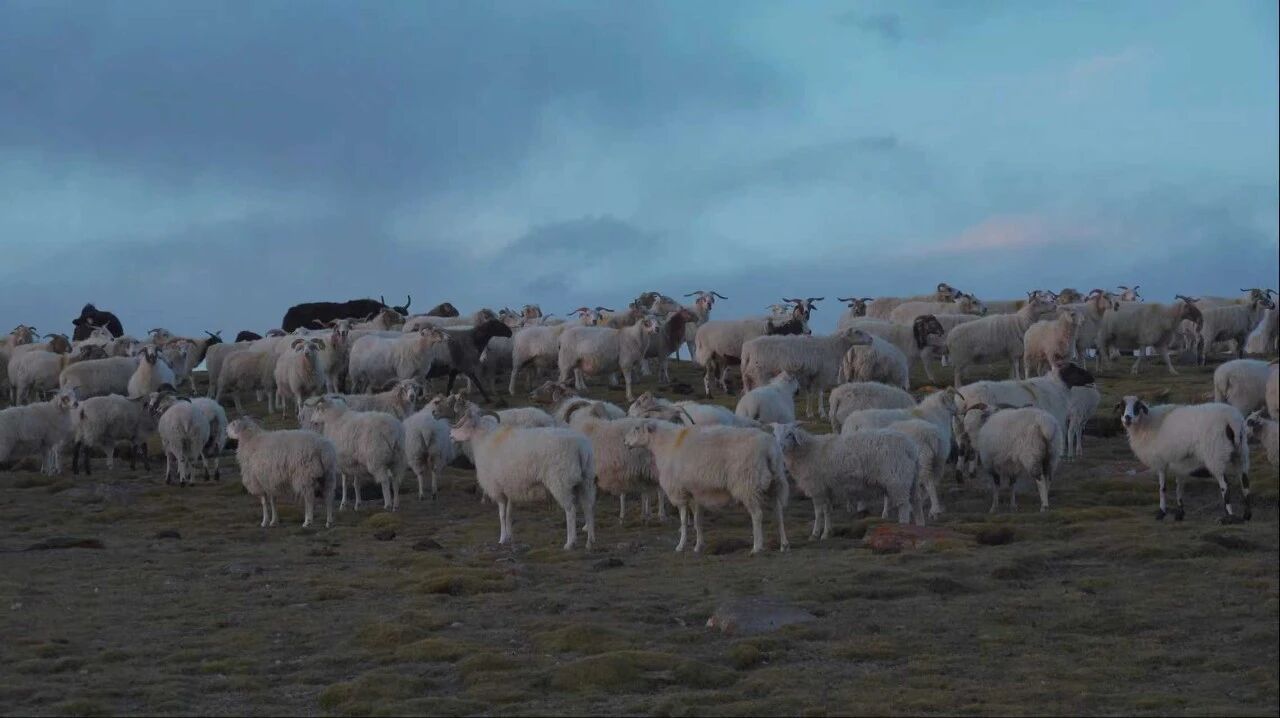
Grassland contraction means Kazakh herders’ cattle and sheep can no longer rely on haymaking in hayfields alone to get through winter; watering, harvesting, planting and market purchases all push up winter costs.
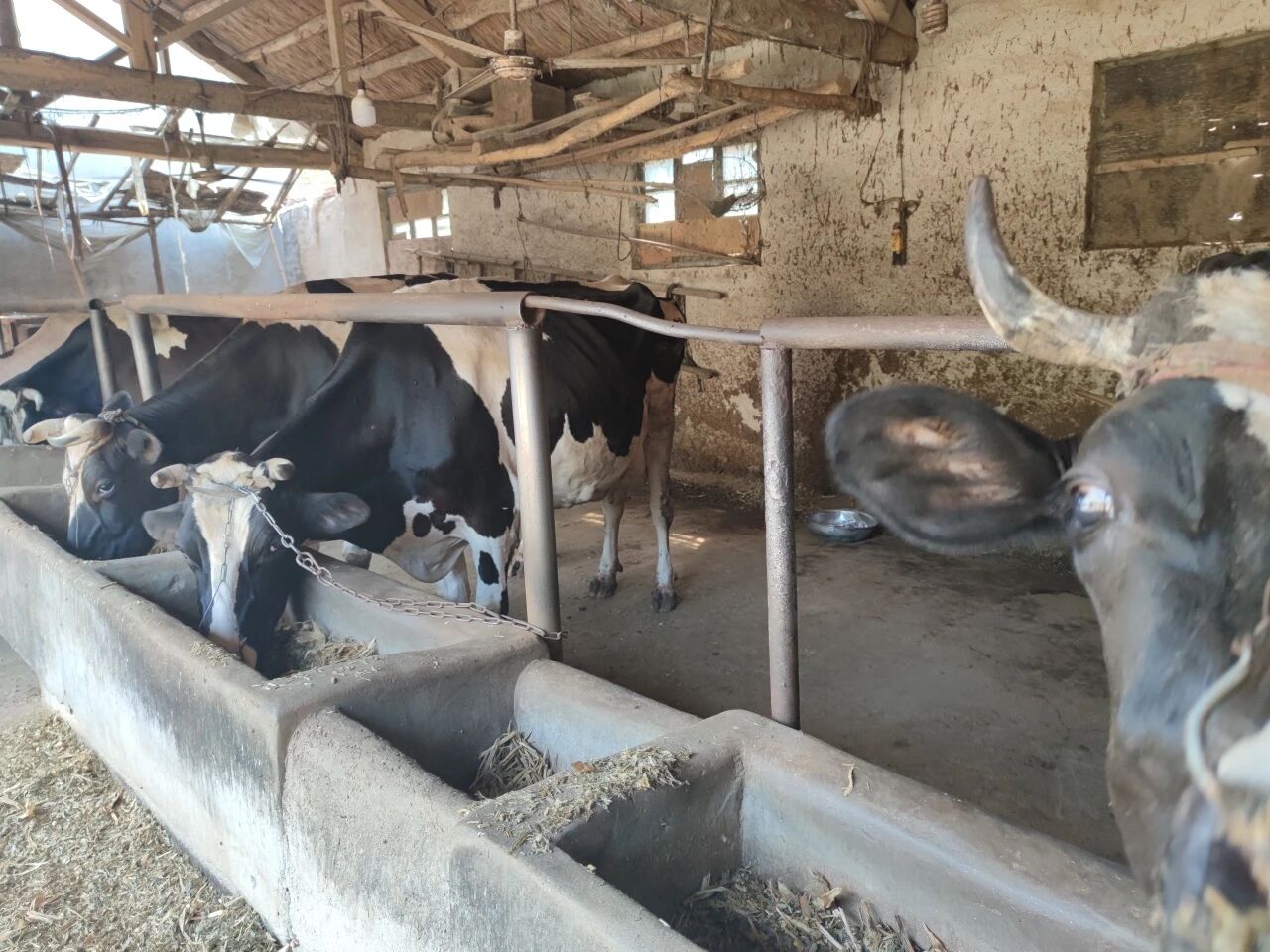
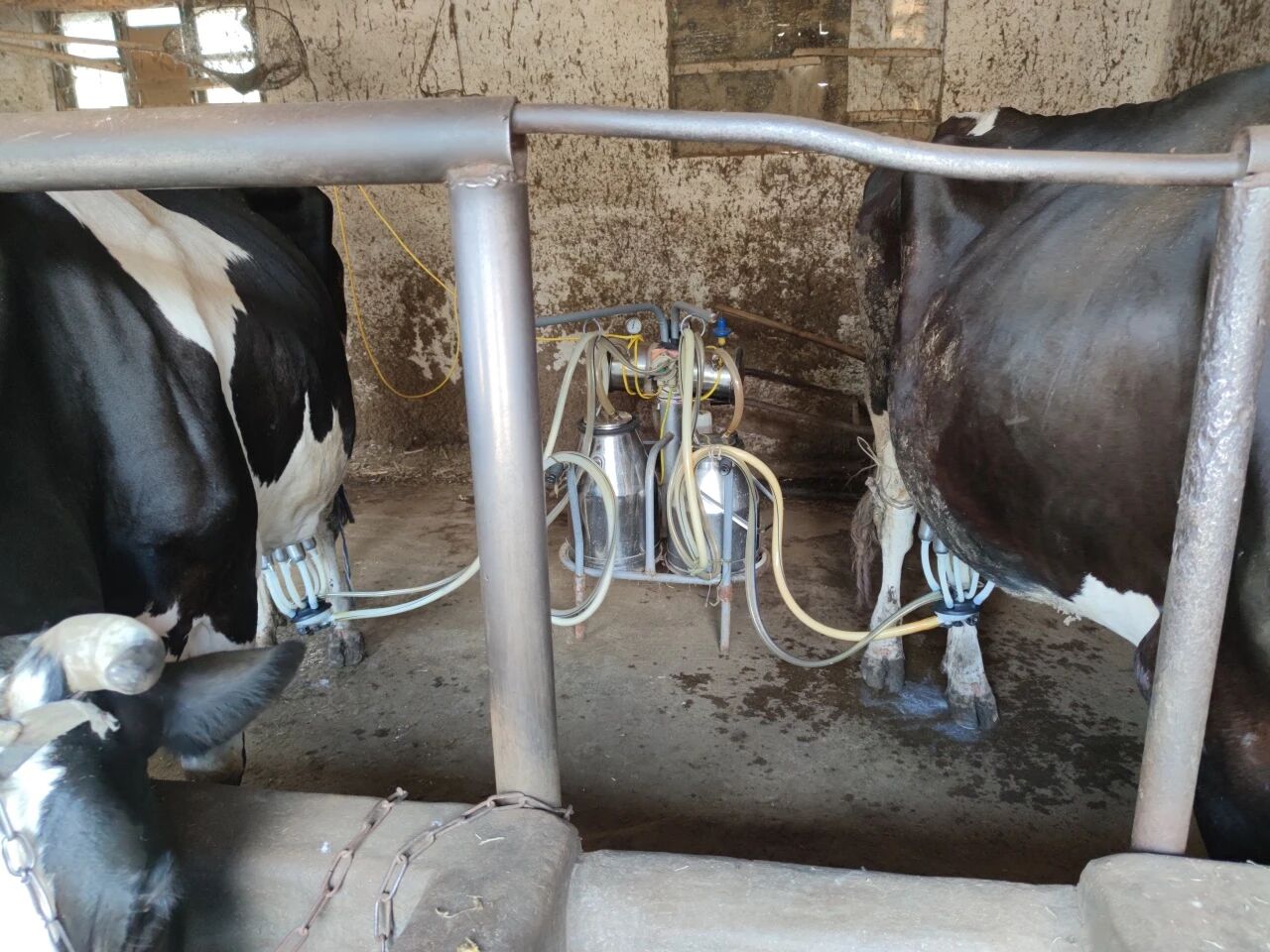
After surveying a major dairy cow farming county in Shandong, Feng Xiaojun’s team at China Agricultural University believes smallholder family dairy farms should be supported as a priority, and that the disadvantaged position of small dairy farmers can be changed by regulating dairy companies’ purchasing and supporting dairy farmers to jointly establish processing operations.
Large dairy farms have more advanced equipment and technology yet do not guarantee safer raw milk production, distribution and processing; milk from smallholder dairy farms has slightly lower protein and milk fat, but meets the national standard, and Chinese residents’ protein intake is already adequate.
On the summer pasture by Qinghai Lake and the live-sheep trading route, Tibetan herders including Danzeng Zongzhi face the rebound in Tibetan sheep prices and the impact of imported meat: some borrow to keep herding going, while others go to Gonghe County to make a living as food-delivery drivers.
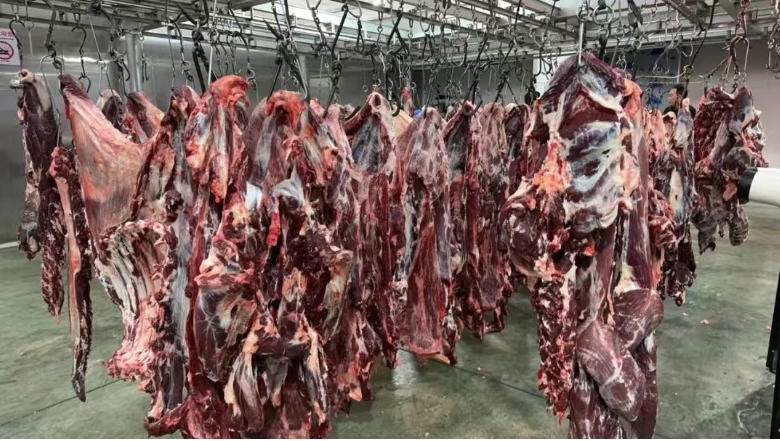
In a small town in eastern Sichuan, at a modern slaughterhouse park invested in by the author’s aunt, cattle and sheep orders, retail cuts and pre-dawn deliveries make up daily life; customer complaints and workshop smells expose how industrialised slaughter is hidden from everyday life.
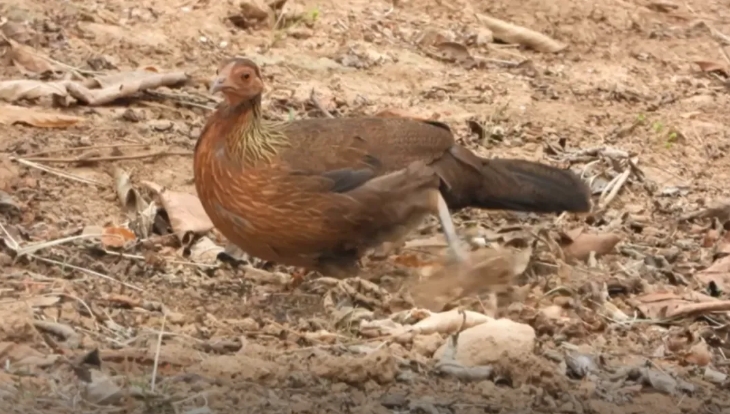
From Yunnan’s Red Junglefowl, Guizhou’s high-legged chicken and Little Liangshan Yi chickens, Zou Lei, a PhD student at Minzu University of China, sees that local chicken breeds are fading as industrialised farming, urbanisation and foreign varieties arrive, and food, language and ritual change accordingly.
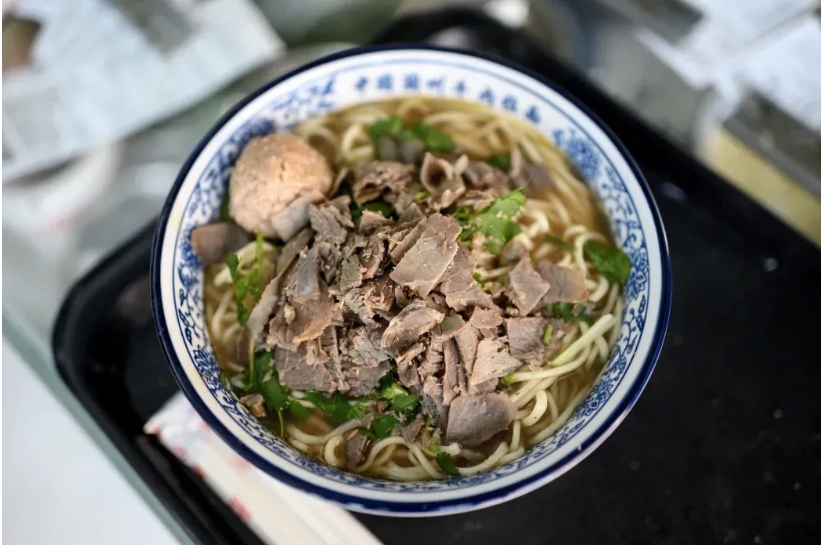
Supply chain data show four Hong Kong companies bought tripe and omasum from slaughterhouse “163 Beef”, which made repeated purchases from the family farms of Brazilian rancher Heller, who is accused of illegal deforestation in the Amazon. Supermarkets including Wellcome still sell Brazilian beef.