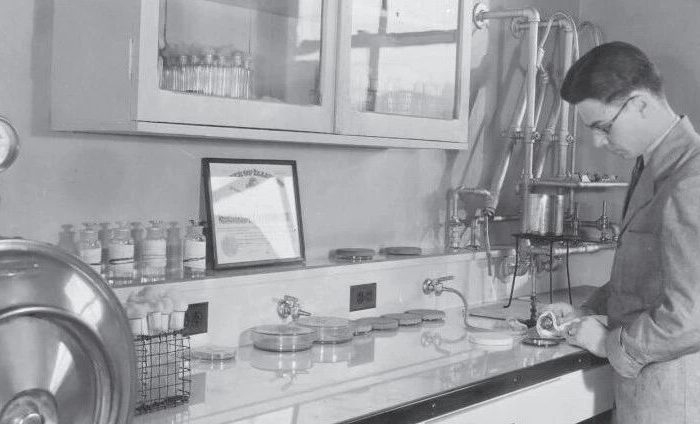
In 1902, United States Department of Agriculture official Wiley had young people test poisons. Today, borax remains in meatballs, formaldehyde is still used on frozen seafood; multiple legal additives in ultra-processed food may add up. Choose whole foods, avoid the “crisp-and-gummy taste” to cut additives.
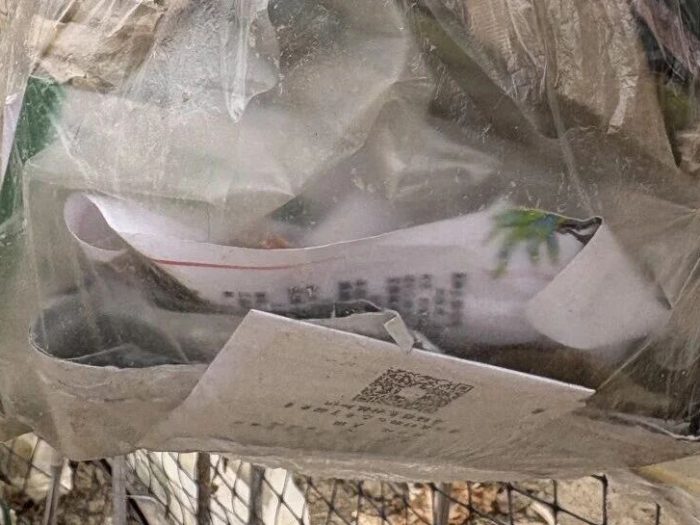
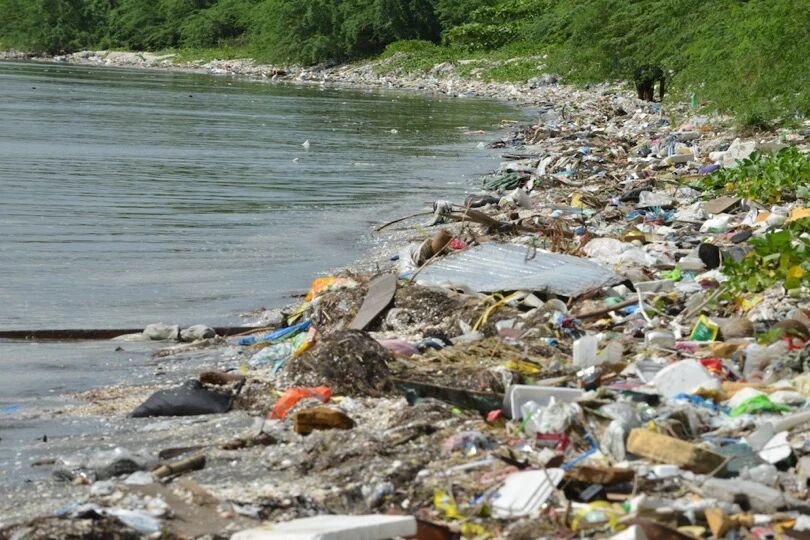
A city office worker rents a 20-square-metre vegetable plot on Beijing’s outskirts, hoping to relax by working. The more they clear, the more appears from the soil: plastic twine, mulch film, drink bottles and packaging fragments, raising problems of microplastics, sorting, recycling and consumption habits.
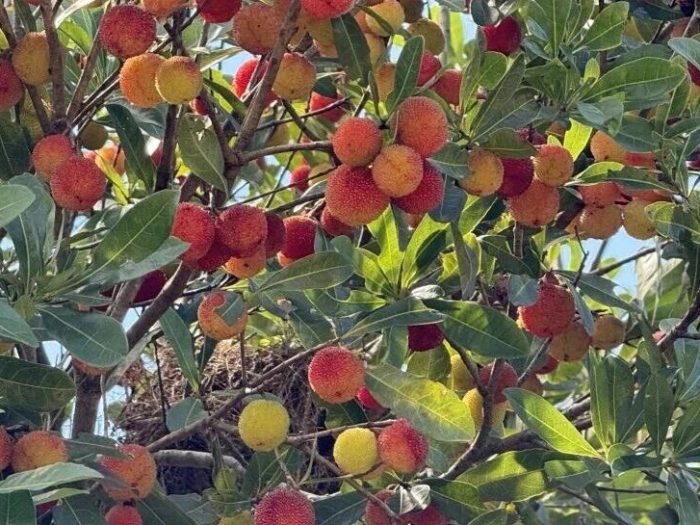
Chinese Bayberry Scandal: Why Can I Still Eat Chinese Bayberries with Peace of Mind? | Grandma Kouzi
Grandma Kouzi in Fujian’s Evil People Valley quits buying fruit, eating only homegrown Dongkui Chinese bayberries caught on mesh, turned into juice, wine and compost. Her chemical-free growing shows modern shop-bought fruit largely an industrial product, shaped by selection and breeding, cold chain and marketing.
In the 19th and 20th centuries, microbiology made home fermentation seem dangerous, and large corporations advertised cleanliness, convenience and safety, pushing factory-produced food onto the table and replacing homemade foods such as pickles, bread and cheese.
Milk travelled the world on Dutch merchant ships, came to the table in Shanghai, and over more than a century was shaped by advertising, scientific discourse and nationalism into a drink for strengthening the nation and the race; after the melamine incident, Chinese people with lactose intolerance still put it on their everyday table.
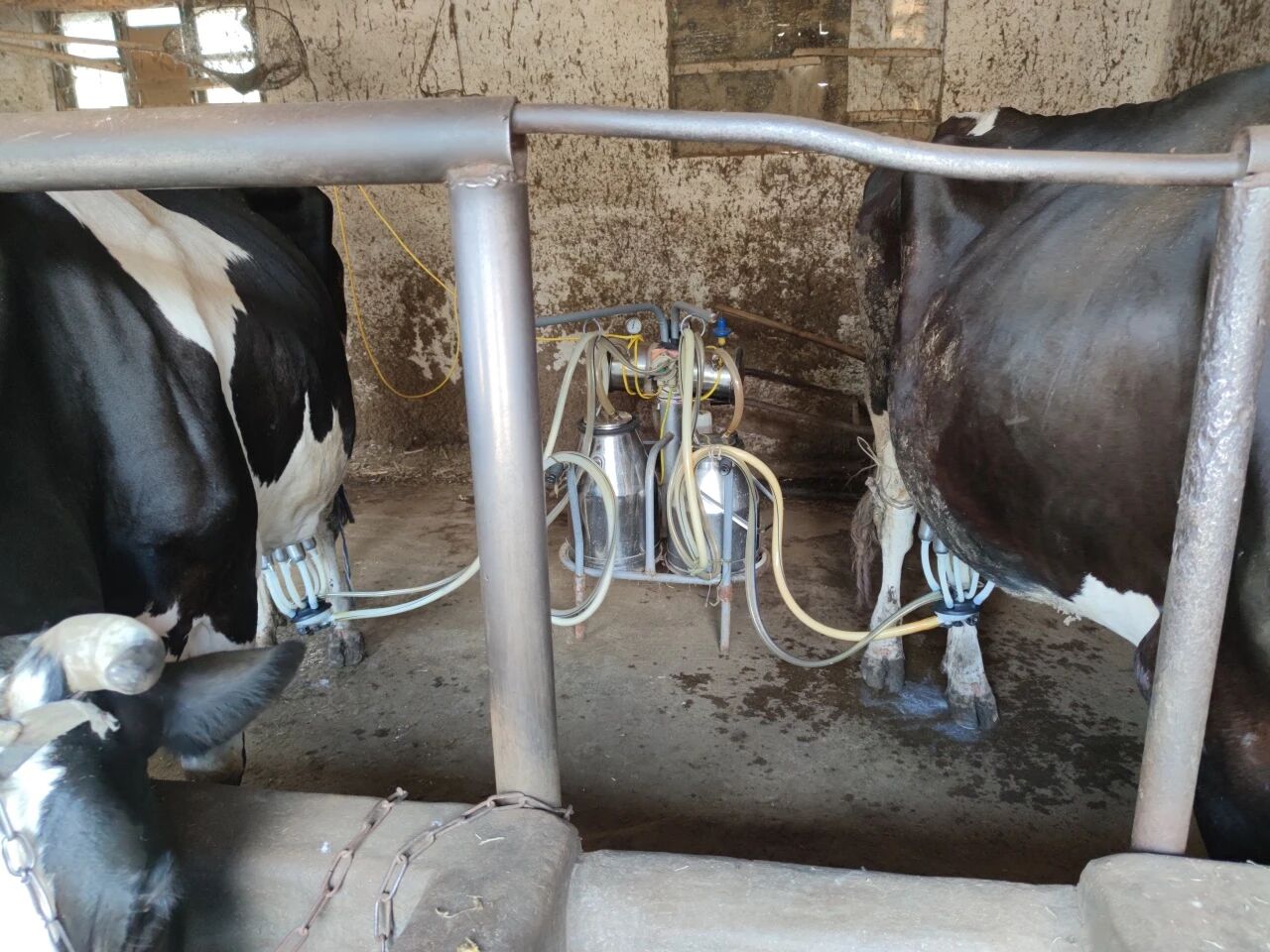
Large dairy farms have more advanced equipment and technology yet do not guarantee safer raw milk production, distribution and processing; milk from smallholder dairy farms has slightly lower protein and milk fat, but meets the national standard, and Chinese residents’ protein intake is already adequate.
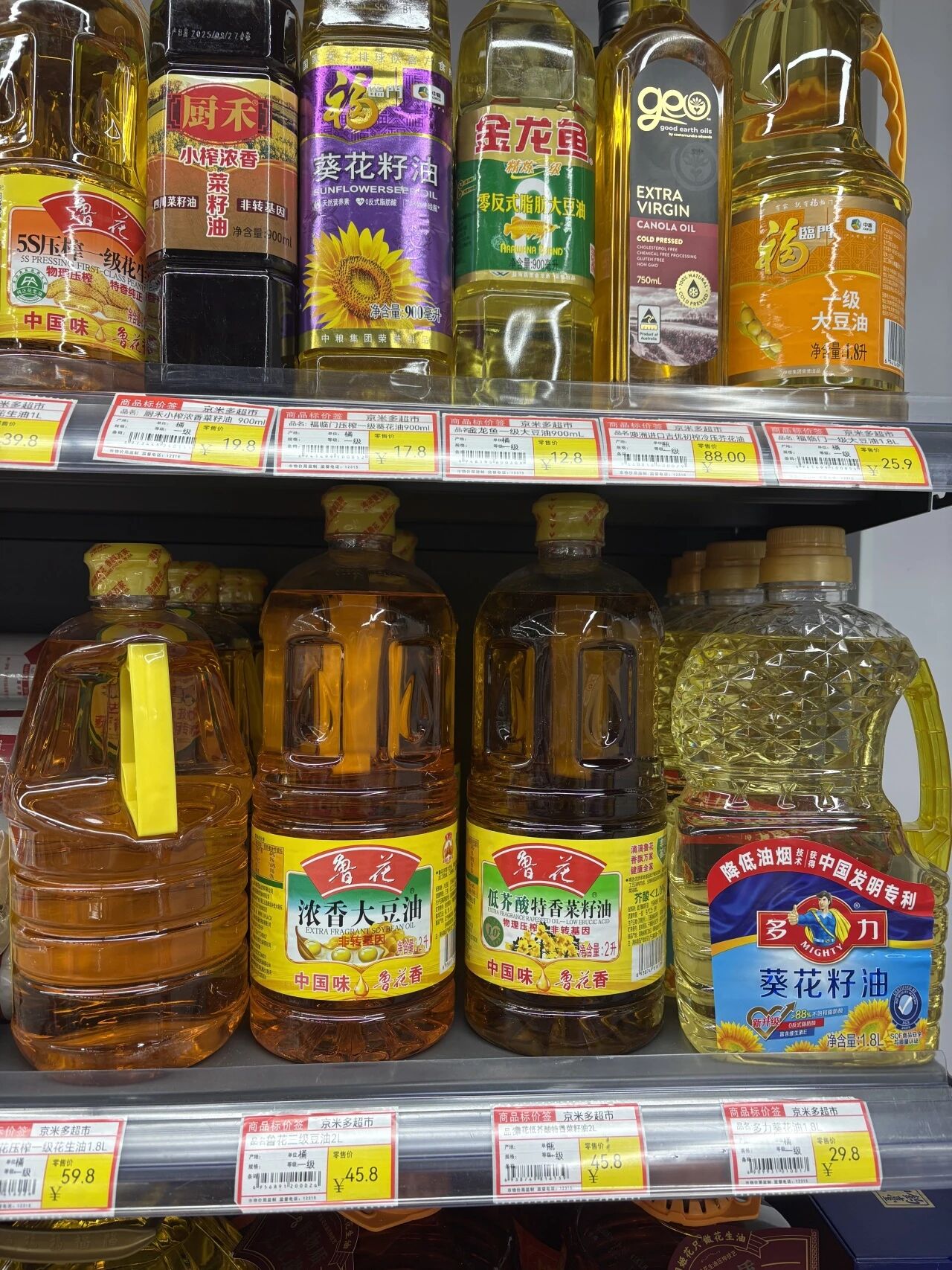
After oils are extracted with n-hexane and treated twice at high temperatures, refined vegetable oils in supermarkets may have solvent residues and trans fats. A farmer who grows rapeseed and peanuts therefore does not stir-fry and uses walnut oil, nuts and peanuts as substitutes.
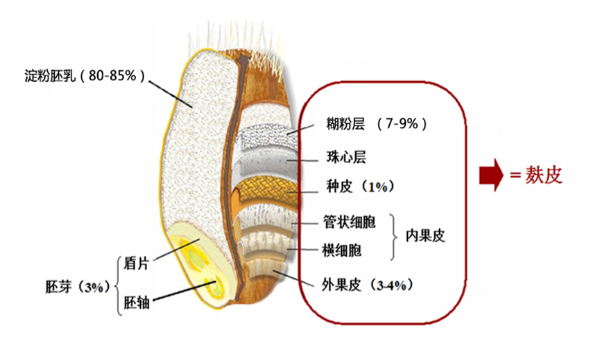
Today’s rice and flour often undergo deep industrial processing, stripped of germ and bran before bleaching agents, preservatives and other additives are added, becoming ultra-processed foods; those who want to eat knowingly can try home milling, sourdough fermentation or simple-ingredient original grains they can name.
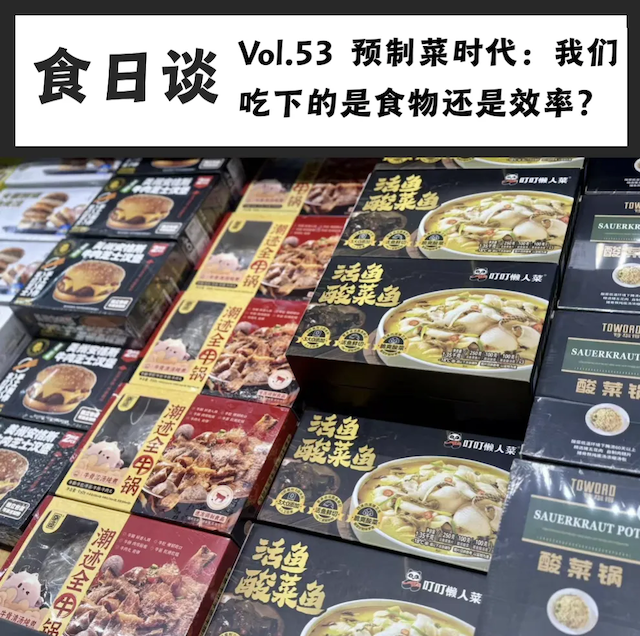
After Xibei’s chain-restaurant incident, takeaway, supermarket and freezer ready meals have put the breath of the wok, prices and the feeling of being deceived back on the table. Small eateries’ fresh stir-frying, international students’ dinners and homemade meals offer another path between convenience and freshness.
A video claiming China has “not enough rubbish to burn” sparks excitement. Mao Da, environmental history PhD, and Sun Jinghua, director of Friends of Nature’s Waste Reduction Project, believe waste hasn’t shrunk, incinerators have excess capacity, dioxin monitoring is limited, and reduction, reuse and recycling matter more.