
Why Do Chinese People with Lactose Intolerance Still Drink Milk?

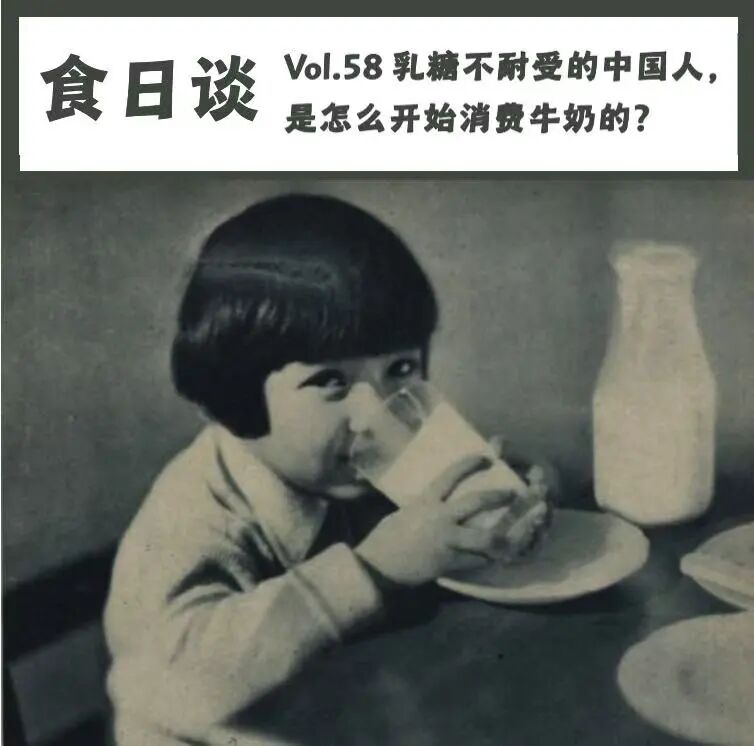
“A glass of milk a day, to make the Chinese strong” — this advertising slogan is no doubt familiar to most people.
Most Chinese people actually have lactose intolerance; drinking milk can cause diarrhoea, bloating and so on, yet on the table today, milk seems to have become the most ordinary of all foods.
Food-safety incidents involving milk have even been etched into the collective memory of a generation. After the 2008 melamine incident, China’s “milk craze” did not abate; instead, it sparked a boom in purchasing overseas milk powder through personal shoppers.
Two earlier articles from Foodthink also explored small farms and large farms, asking which of the two produces safer, more nutritious milk, and considered the predicament of small farms being shut out of the dairy-cow farming industry.
Related reading ▼
Small farms vs. large farms: Whose milk is safer and more nutritious?
Small farms vs. large farms: Whom should we support? How should we support them?
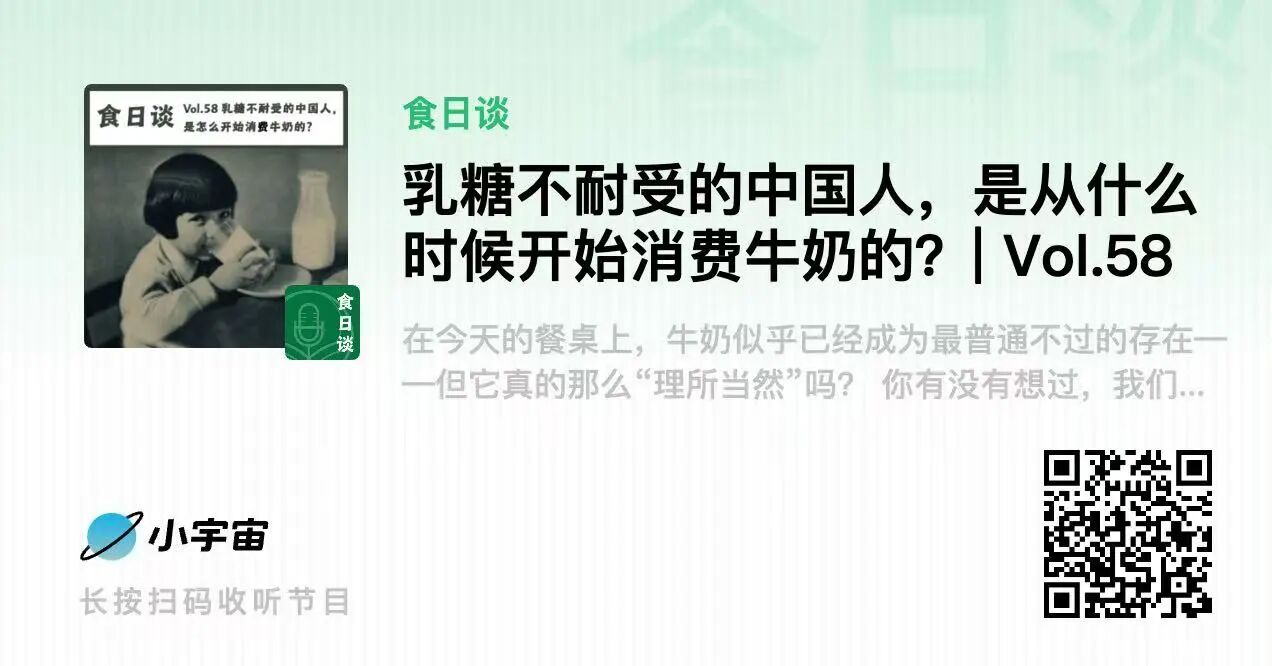
In fact, given its tendency to spoil and go off so easily, milk inevitably faced all kinds of safety risks on its way to becoming a modern commodity that could be stored long-term and transported over long distances. So why do people all over the world still need milk so much today? Chinese people have only been treating milk as an everyday drink for a little over a century; how did this shift happen?
When you habitually pick up a glass of milk, perhaps you have, without quite realizing it, felt puzzled by these fundamental questions. In this episode of “Food Talk”, we sit with Zhang Sirui, a history editor at Shanghai Academy of Social Sciences Press and a food-history researcher, to re-examine this seemingly simple white liquid.
- How did milk go from being “despised” to being “deified”?
- Why is India today the world’s top milk producer?
- What modernisation code lies behind the Shanghai habit of drinking milk?
- From New York’s “swill milk” to the earlier melamine problem, why has the road to milk safety been so long?
- Why do we say that milk is more than nutrition—it is a story co-written by science, politics and global trade?
We also go beyond milk and talk about how to understand the world through food—from “Canned” to “Foie Gras” to “Ice Cream”, every bite carries the taste of history.
Whether or not you like drinking milk, after listening to this episode, you will probably find yourself looking at the cup in your hand and thinking of the long, complex, ever-changing story of humanity and food behind it.
This Episode’s Guest
 Zhang Sirui
A foodie and food-history researcher who has never succeeded in any diet, and a history editor at Shanghai Academy of Social Sciences Press and book planner for the Shikeyu brand
This Episode’s Host
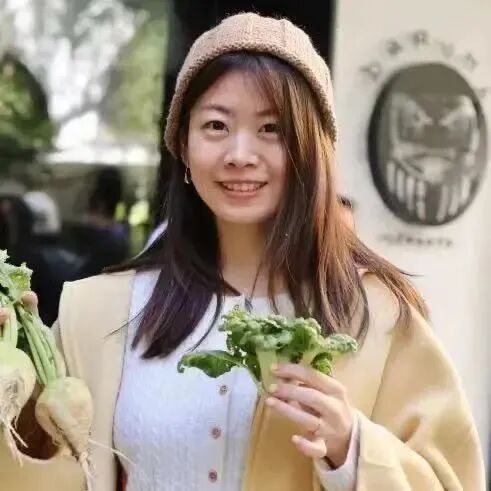 Xiaojing
Food Talk host, a patient with lactose intolerance who has been having a glass of milk every day, though they don’t know when the habit started
Timeline
04:21 How Teacher Zhang “fell down the rabbit hole of milk research”: starting with involvement in the production of a documentary about the 2008 melamine incident.
11:17 Milk was originally a local food rather than a naturally globalised commodity; in ancient Greece, Rome and medieval Europe, it was even at one time regarded as an “uncivilised” drink.
13:17 How did dairy cows, cheese and trade networks drive milk’s global spread?
21:45 A typical case of globalisation: why is India, rather than a European or American country, today’s top milk producer? How did India’s “White Revolution” and cooperative model forge a path different from Western industrial dairy farming?
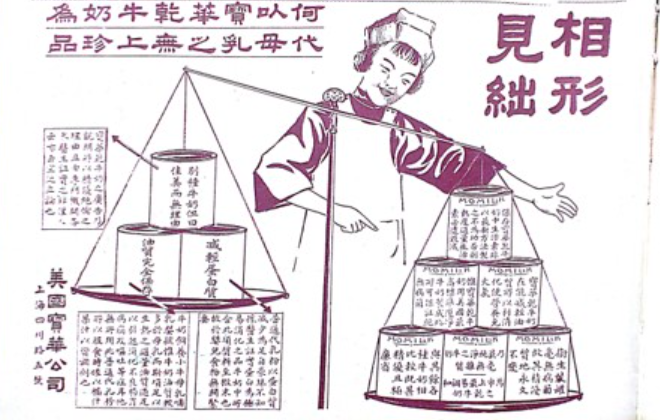
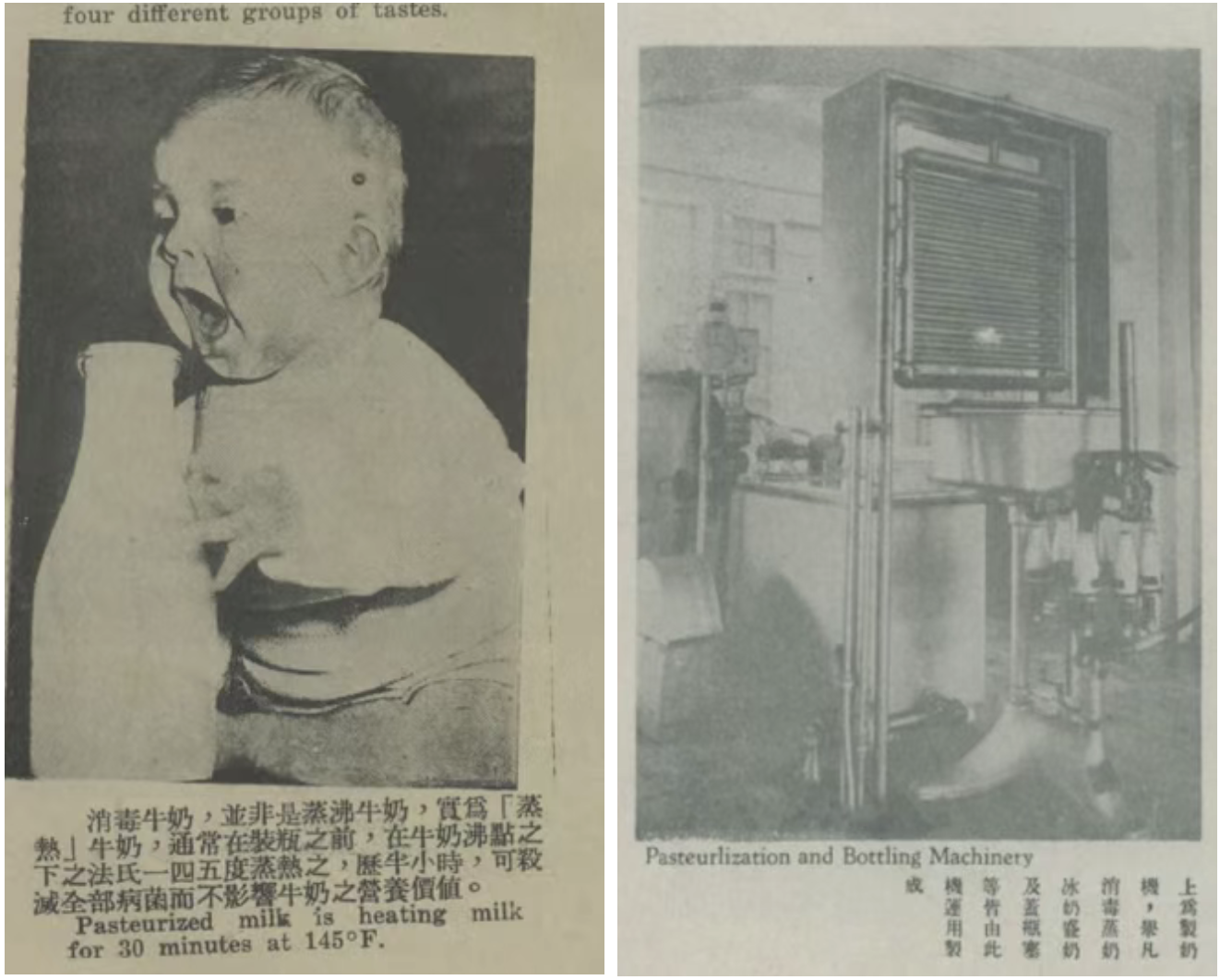
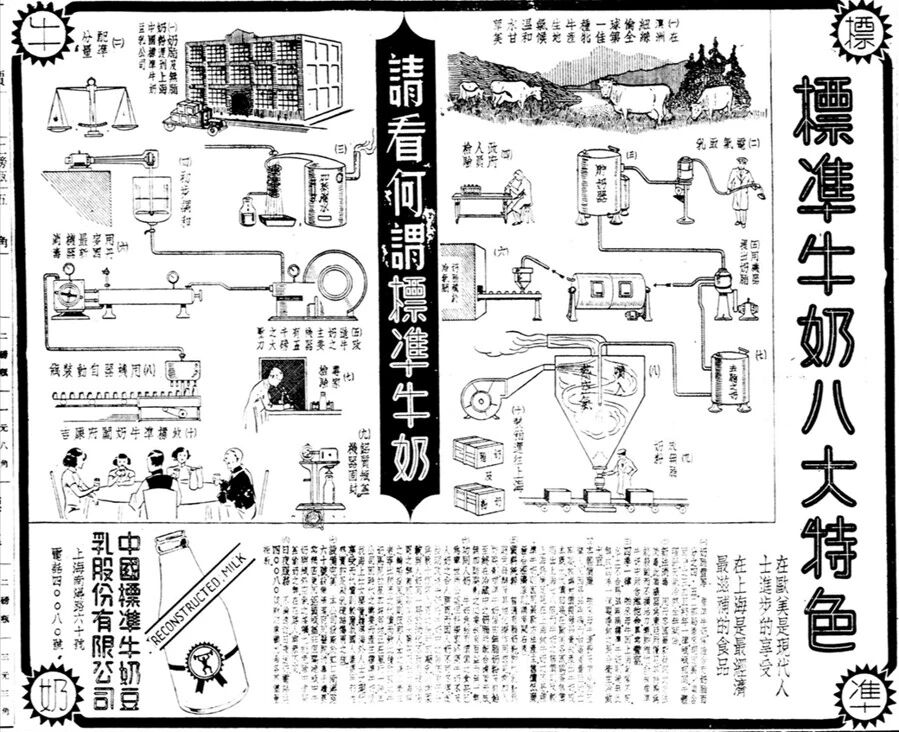
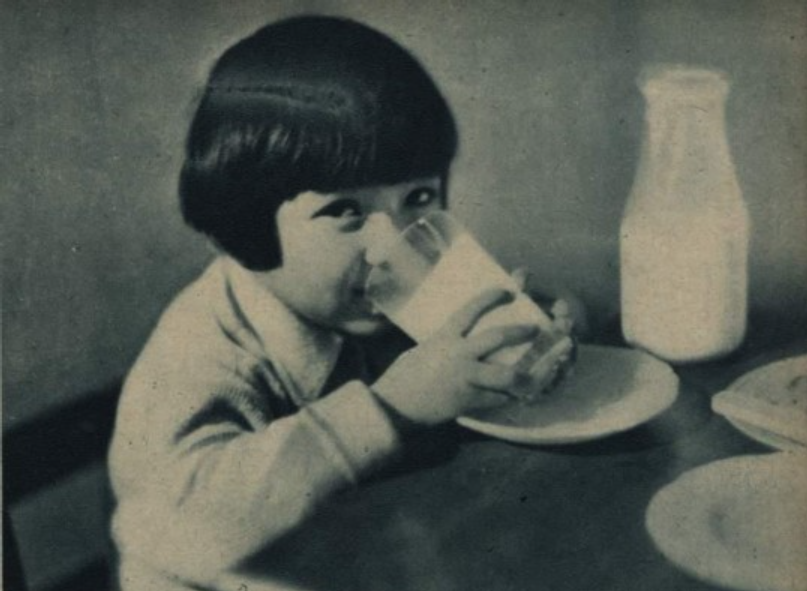
25:15 Turning to China, Chinese people have only treated milk as an everyday drink for a little over a century; how did this shift happen? Taking Shanghai as an example, how did milk in a modern city first achieve commercialisation and become part of daily life, turning into a modern consumer good?
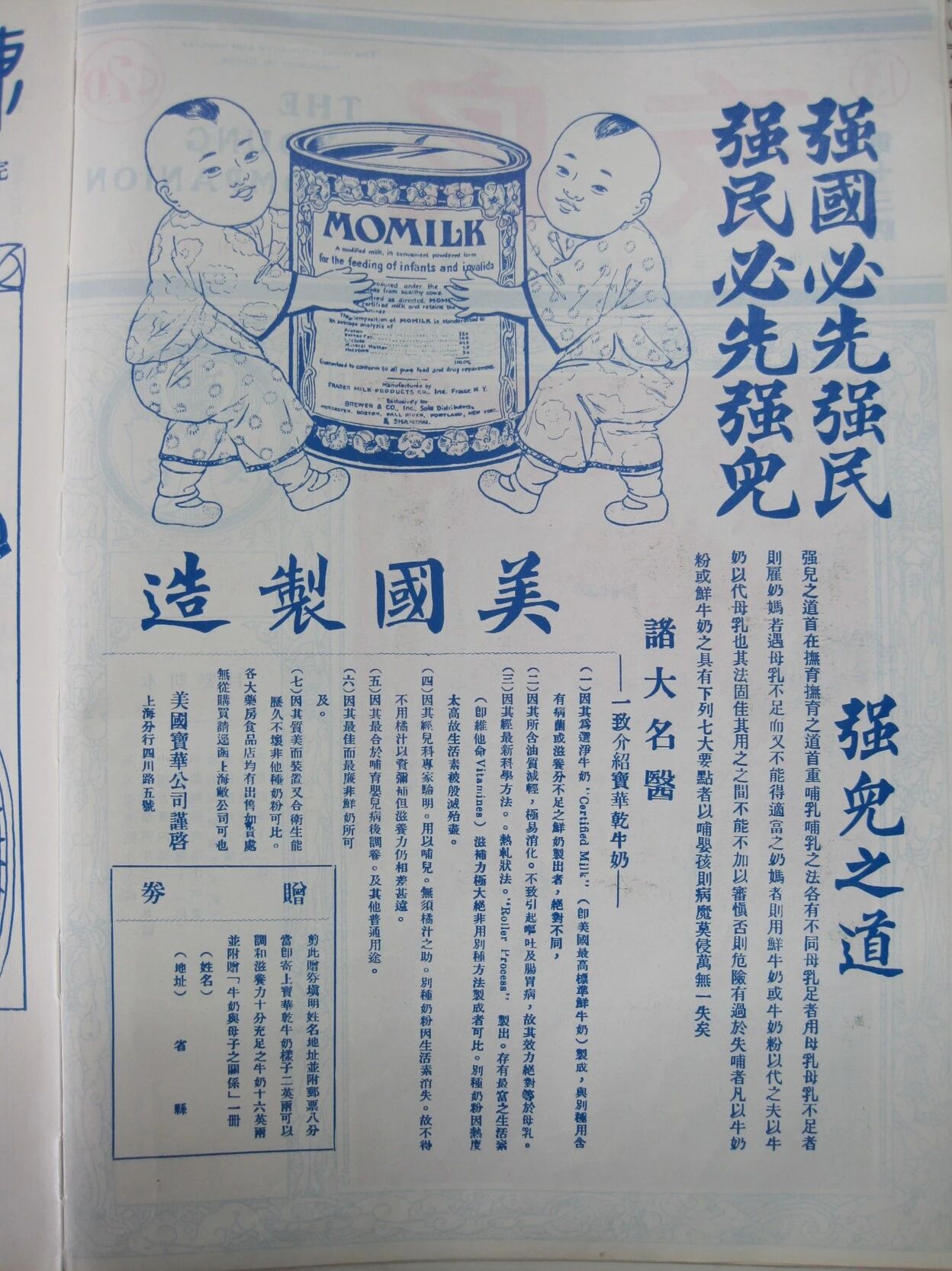
29:23 How did milk go from a “winter tonic” to a mass-market food? What roles did nationalism, scientific discourse, nutritional science and advertising play?
34:29 At the same time, safety issues have always accompanied milk’s development: from New York’s “swill milk” incident to melamine in China.
39:22 Today, milk is not only a drink but also a modern way of life that is written, edited and continually constructed.
49:45 Faced with widespread lactose intolerance, how has milk in China gone through a not-so-smooth process of “localisation”?
54:29 Starting from “milk”, how the “Shikeyu” series came into being: why make books about food such as “A History of Japanese Coffee Culture”, “Foie Gras” and “Eating Sweet and Bitter Together”?
62:05 Finally, returning to a seemingly simple question: why do we turn to food to understand the world?
Recommended Reading
“Shikeyu” book series: https://book.douban.com/series/65717
“A History of Japanese Coffee Culture” https://m.douban.com/book/subject/36197118/
“Foie Gras” https://book.douban.com/subject/37002847/
“Eating Sweet and Bitter Together” https://book.douban.com/subject/36950137/
“Canned” https://book.douban.com/subject/35431389/
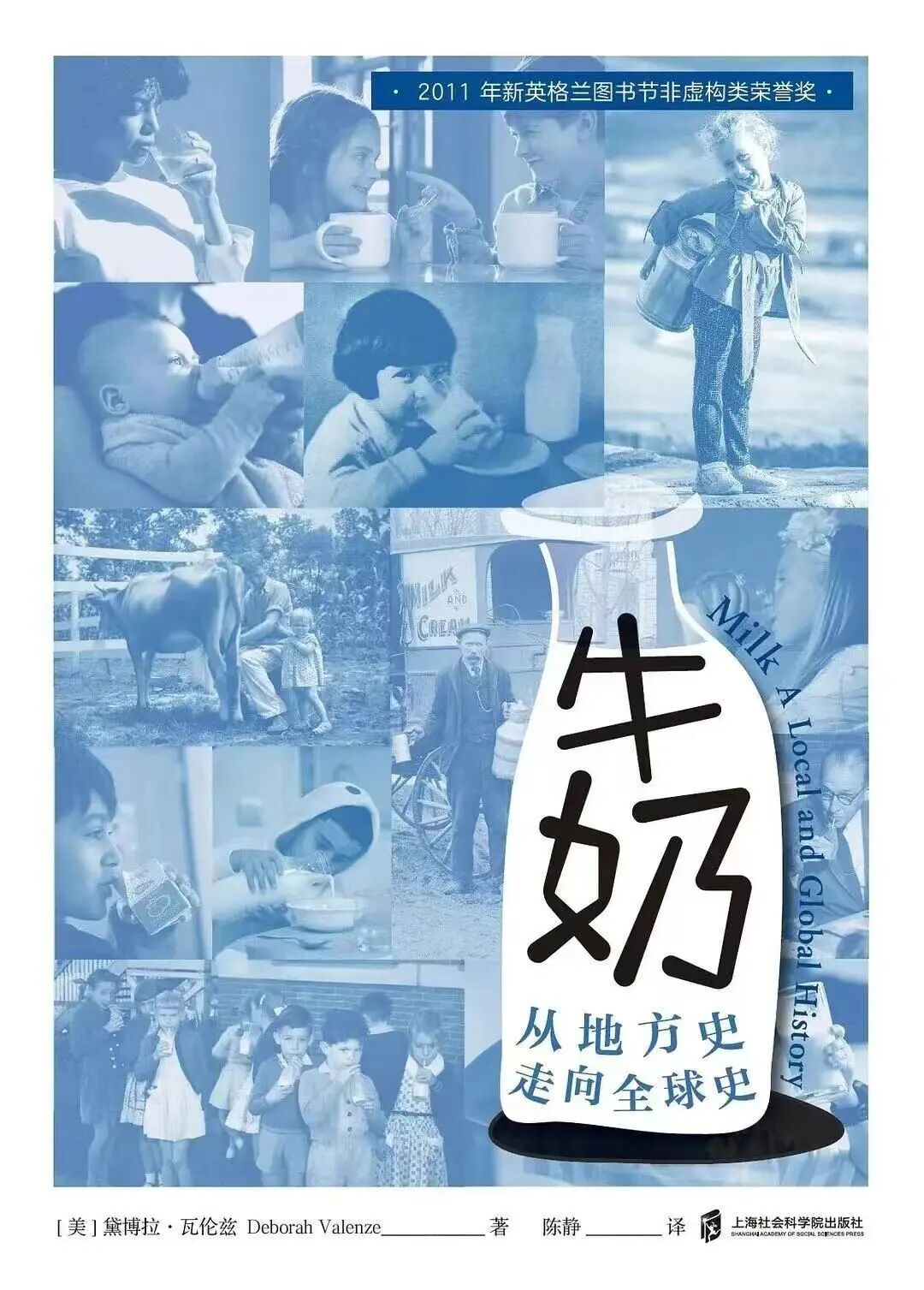
“Milk: From Local History to Global History”
https://book.douban.com/subject/37233347/
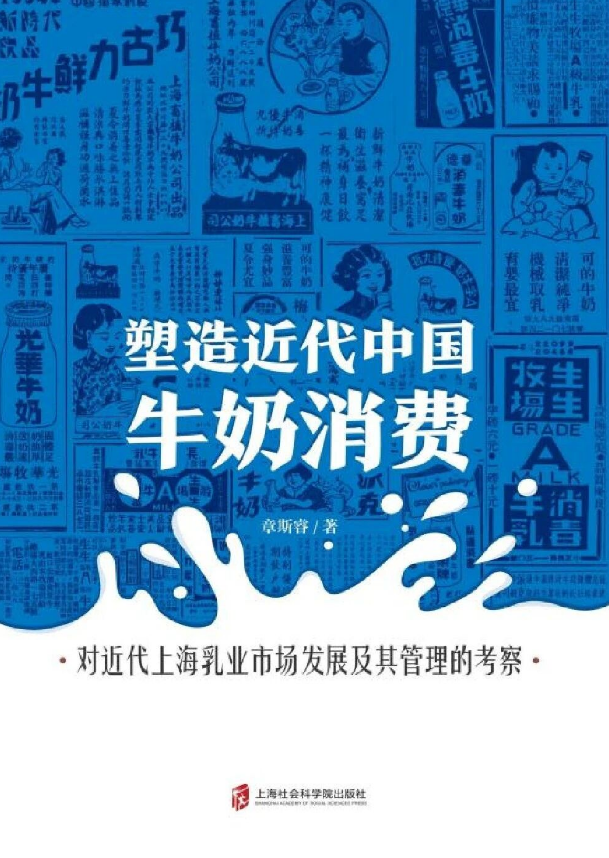
“Shaping Milk Consumption in Modern China”
https://book.douban.com/subject/35024850/
Zhang Sirui’s Personal Book Recommendations:
“Nostalgia for Food” https://book.douban.com/subject/37045747/
“The Gourmet” https://book.douban.com/subject/1415311/
“Shi Nan Zhi Tu” https://book.douban.com/subject/36710597/
Related reading ▼
Behind China’s dairy industry crisis: who is squeezing dairy farmers out of the market?
Scan the QR code below
On Xiaoyuzhou | Ximalaya | Lizhi | Apple Podcasts
Subscribe to the “Food Talk” podcast
Feel free to leave a comment in the comment sections of podcast platforms; we will reply from time to time. Scan the QR code below to add Foodthink’s secondary WeChat account, with “Food Talk” as the note, and join the podcast listeners’ group.

Unless otherwise stated, all images are provided by this episode’s guest.
Podcast music: Banong
Production: Xiaojing
Editing: Yuyang
Contact email: [email protected]