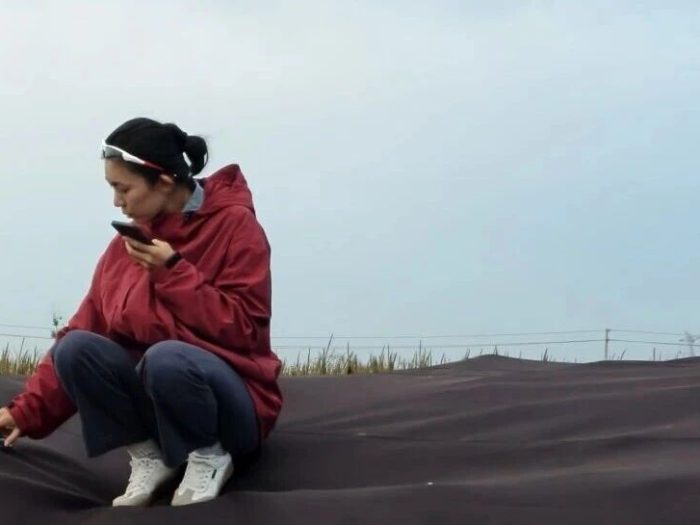
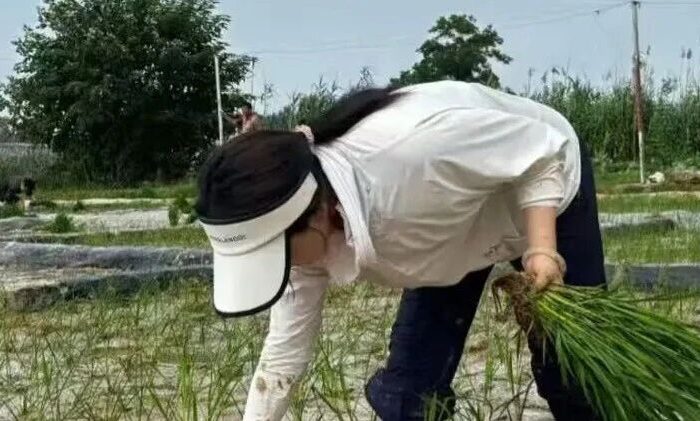
Xiaoxiong, a master’s graduate in agronomy from Huazhong Agricultural University, uses short videos to document breaking up straw, taking samples and experiments in low-carbon agriculture. As she looks for work, she faces a difficult agronomy job market and the application anxieties of gaokao parents.
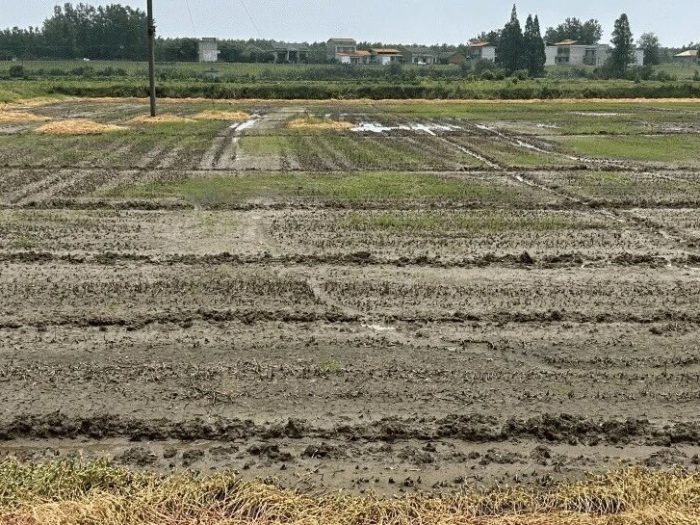
After the straw burning ban in Hunan’s Dongting Lake area, farmers pay extra for straw shredding, rotary tillage and pesticide spraying. They spend about 60 to 80 yuan more per season of rapeseed, and rice pests also raise the frequency of pesticide spraying.
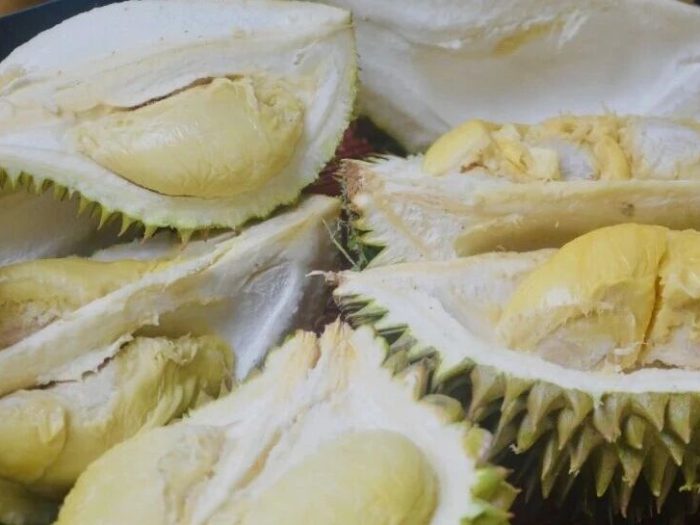
In Fulu Shanbei, Penang, durian tours take visitors in search of old-tree kampung flavours, while an exceptional harvest leaves orchard owners facing a price crash and the tree-ripened debate.
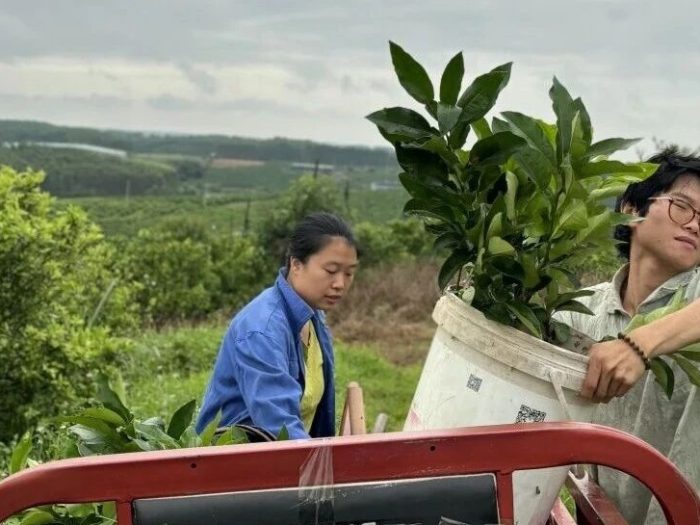
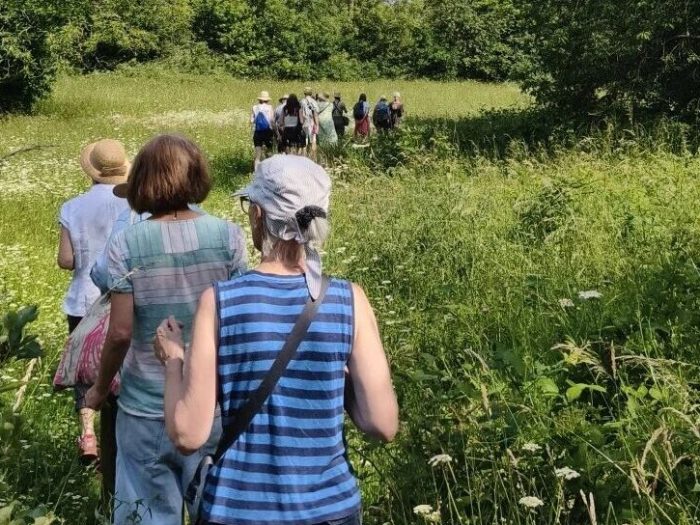
At Baicaoyuan in Guigang, Guangxi, a graduate with a bachelor’s degree on Foodthink’s ecological agriculture internship spent a month hoeing, picking up waste, carrying water and sheltering from downpours, re-experiencing work in nature and admitting they still cannot do without air conditioning and the city.
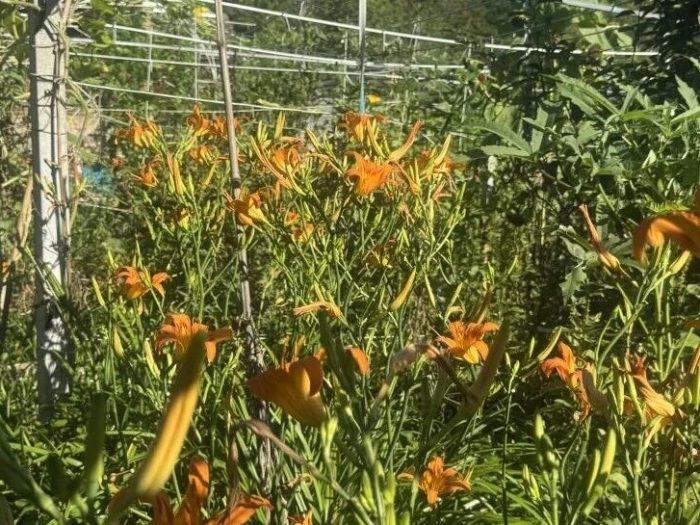
Over five years, Grandma Kouzi has turned barren land into a self-sufficient one-person farm, improved her health indicators, and filed a lawsuit against Baidu AI over its rumour-mongering.
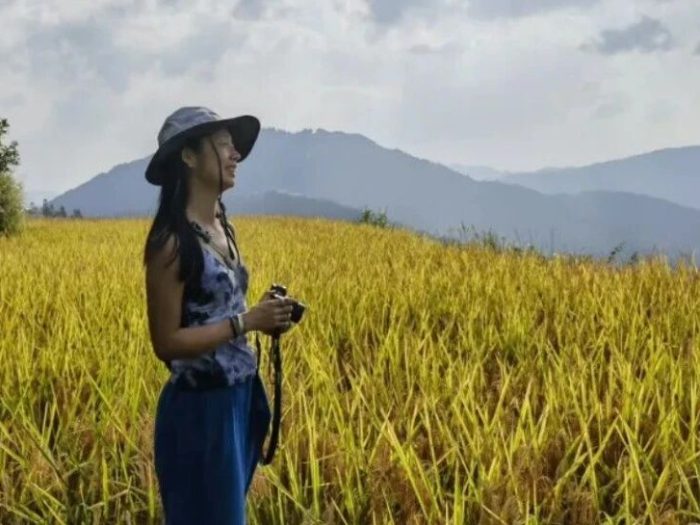
After living in the United States for eleven years, Chen Xi returned to Beijing and later put down roots in Yangdong Village, Liping County, in Guizhou’s Qiandongnan region. Over seven years, Chen Xi built a wooden house, planted old rice varieties, and established the first library for the village children.
Metske, a Dutch farmer, has come from the squatting movement and a vegetarian restaurant to a 40-acre organic vegetable farm at Bore Place in Kent, and now sells lettuce and tomatoes at north London’s Growing Communities market, sustaining the business through personal networks and sales channels without applying for subsidies.
Chinese Bayberry Scandal: Why Can I Still Eat Chinese Bayberries with Peace of Mind? | Grandma Kouzi
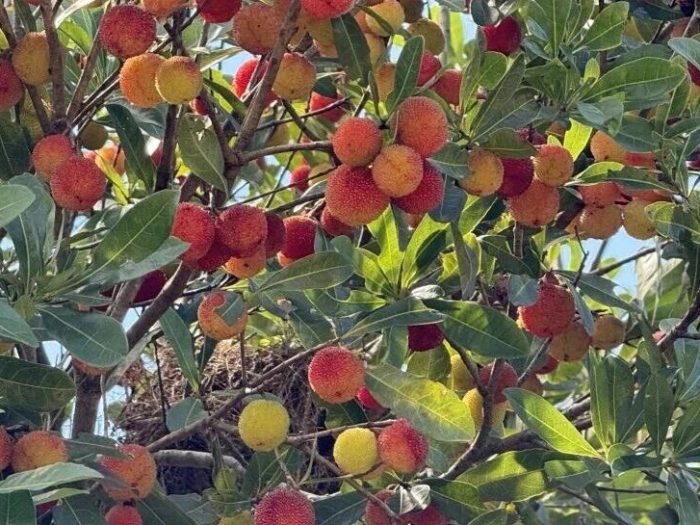
Grandma Kouzi in Fujian’s Evil People Valley quits buying fruit, eating only homegrown Dongkui Chinese bayberries caught on mesh, turned into juice, wine and compost. Her chemical-free growing shows modern shop-bought fruit largely an industrial product, shaped by selection and breeding, cold chain and marketing.
At China Agricultural University’s Science and Technology Courtyard in Quzhou, Xianzi and villagers set up an organic fertiliser plant. After more than a year, she found rebuilding the crop-livestock cycle hardest in the ledger of raw-material intake and farmers buying fertiliser, not technology.
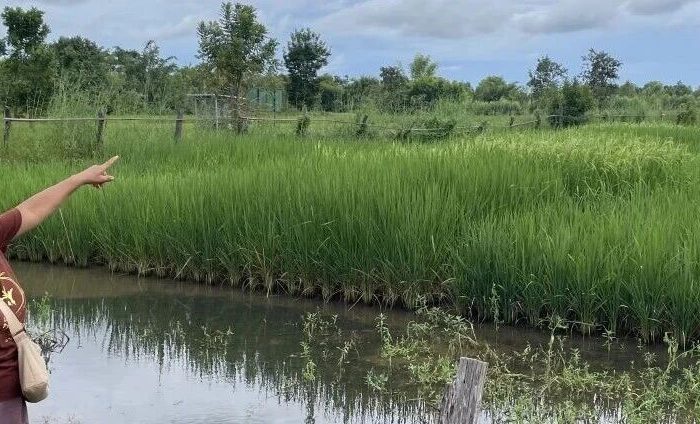
K Village in north-eastern Thailand does not chase export fragrant rice; instead, it conserves old rice landraces, practises low-input farming, and uses a credit union and direct online sales to keep earnings in the village.