From farm nitrogen fertilisers, ultra-processed foods, plastic packaging, the cold chain and home cooking, the food system uses fossil fuels at every stage. The International Panel of Experts on Sustainable Food Systems recommends eight actions, including agroecology, local supply chains and cutting ultra-processed foods.
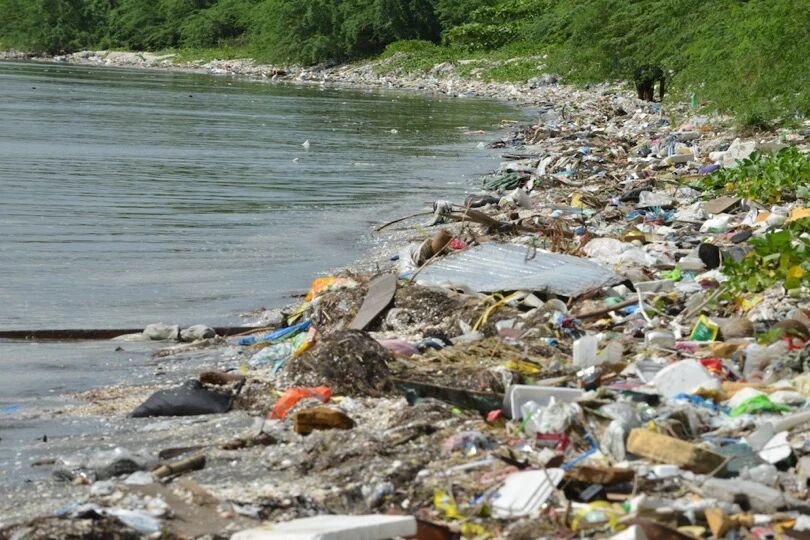
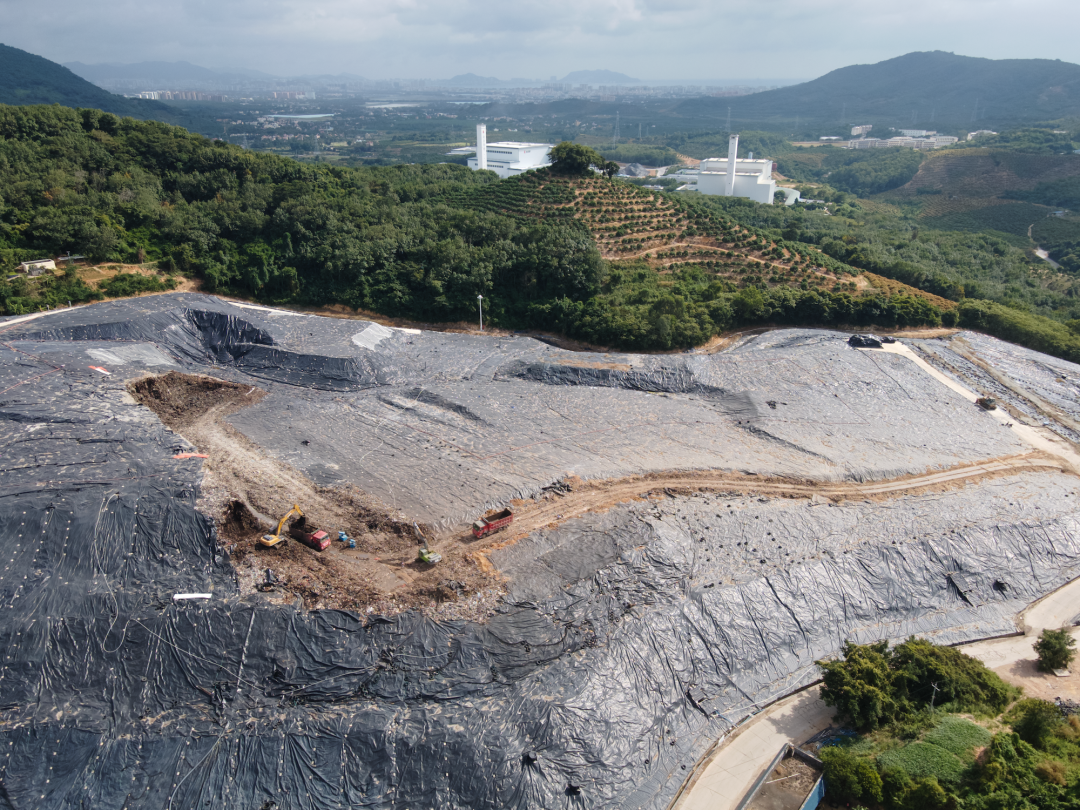
A video claiming China has “not enough rubbish to burn” sparks excitement. Mao Da, environmental history PhD, and Sun Jinghua, director of Friends of Nature’s Waste Reduction Project, believe waste hasn’t shrunk, incinerators have excess capacity, dioxin monitoring is limited, and reduction, reuse and recycling matter more.
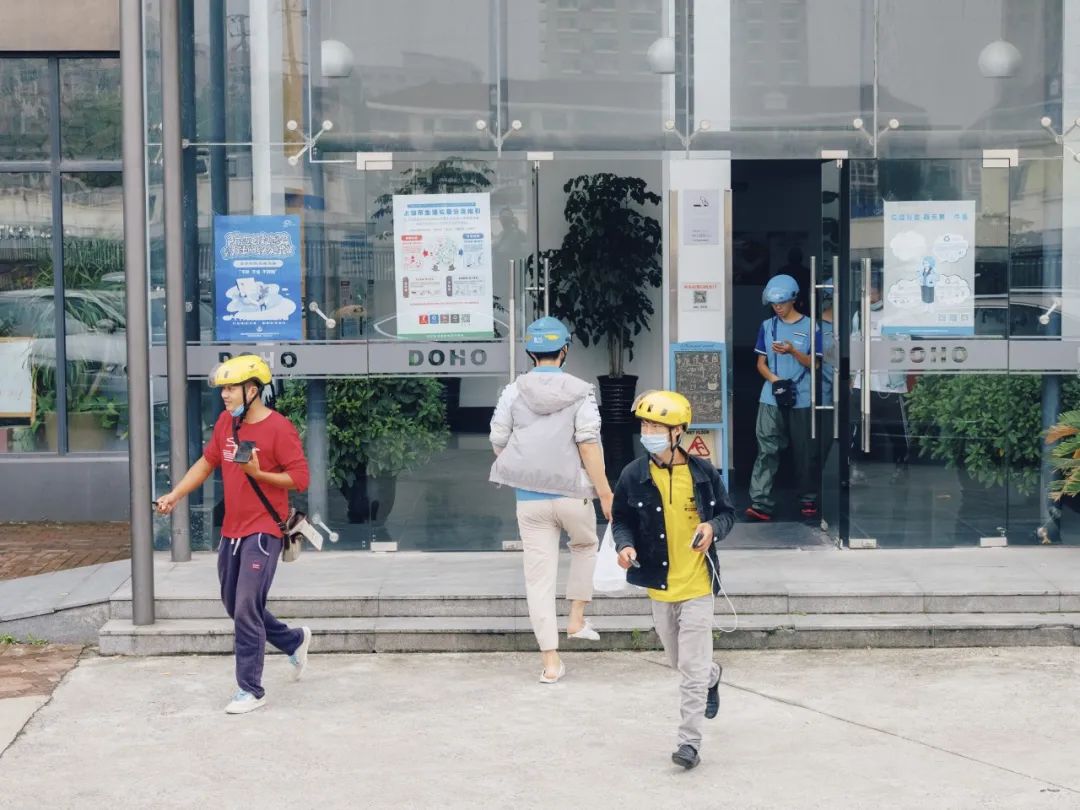
Foodthink Says Was there ever a moment when you suddenly just didn’t want to order takeaway anymore? On 1st March, Foodthink’s new column, “Eat Something Good”, launched a call for submissions: 「100 Moments I Didn’t Want Takeaway」, and we received many letters from our readers. As an editorial team that…
In this episode, Food Talk host Tianle joins Sijia from “100 Ways of Living” for a special crossover conversation. This marks the first time Tianle discusses her journey on the podcast—how she transitioned from a media professional with a degree in international journalism to a public interest worker dedicated to…
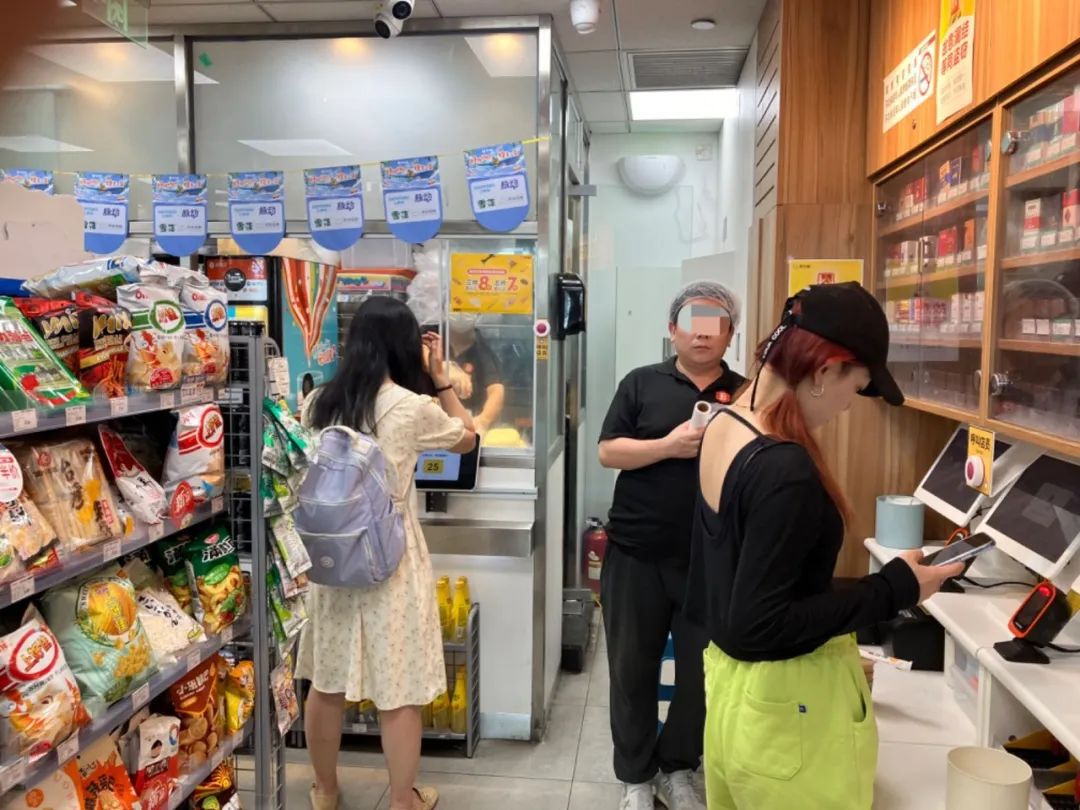
I.“You have been penalised and demoted to shop assistant” “You have been penalised and demoted to store clerk.” A few months ago, Ms L, a store manager at a Convenience Bee branch in Beijing, suddenly received this message on her handheld terminal. In her daily routine, she had to keep…
Environmental activists Mao Da and Li Jiacheng compare Chinese and Japanese waste management, noting that by end-2022 incineration capacity in at least 10 Chinese provinces/regions exceeded waste collected. Mao Da says Japan is not the best model; China needs more source reduction and local autonomy.