
I Eat What I Glean, and I Feel No Shame | A Review of The Gleaners and I
In this post-pandemic era, in the aftermath of the new coronavirus wreaking havoc, more and more people are practising zero-waste living. More than twenty years ago in France, there was also a group of people who, driven by a similar philosophy, chose a more marginal way of life. French New Wave director Agnès Varda captured this in a richly poetic documentary, The Gleaners and I (Les glaneurs et la glaneuse).
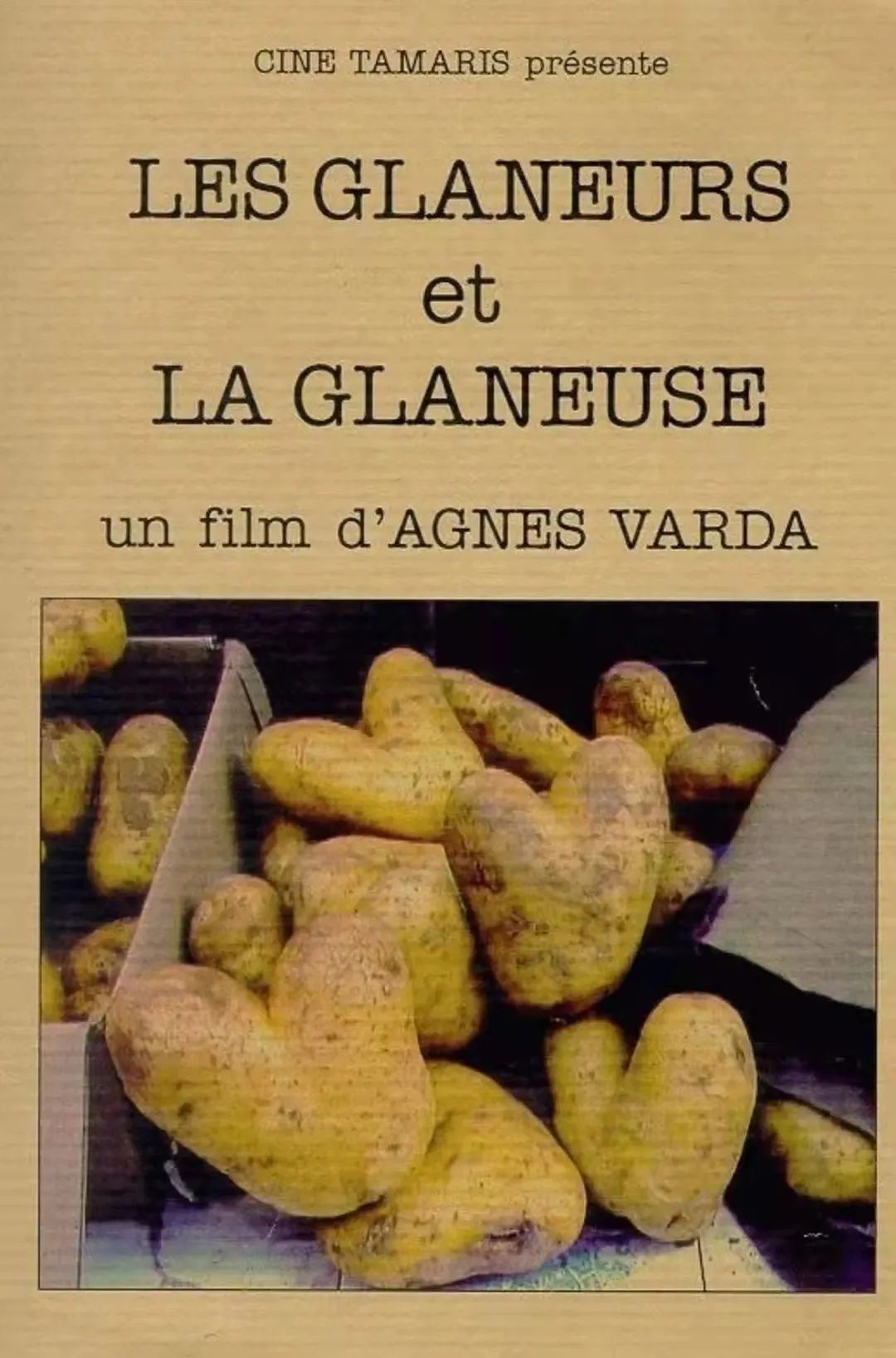
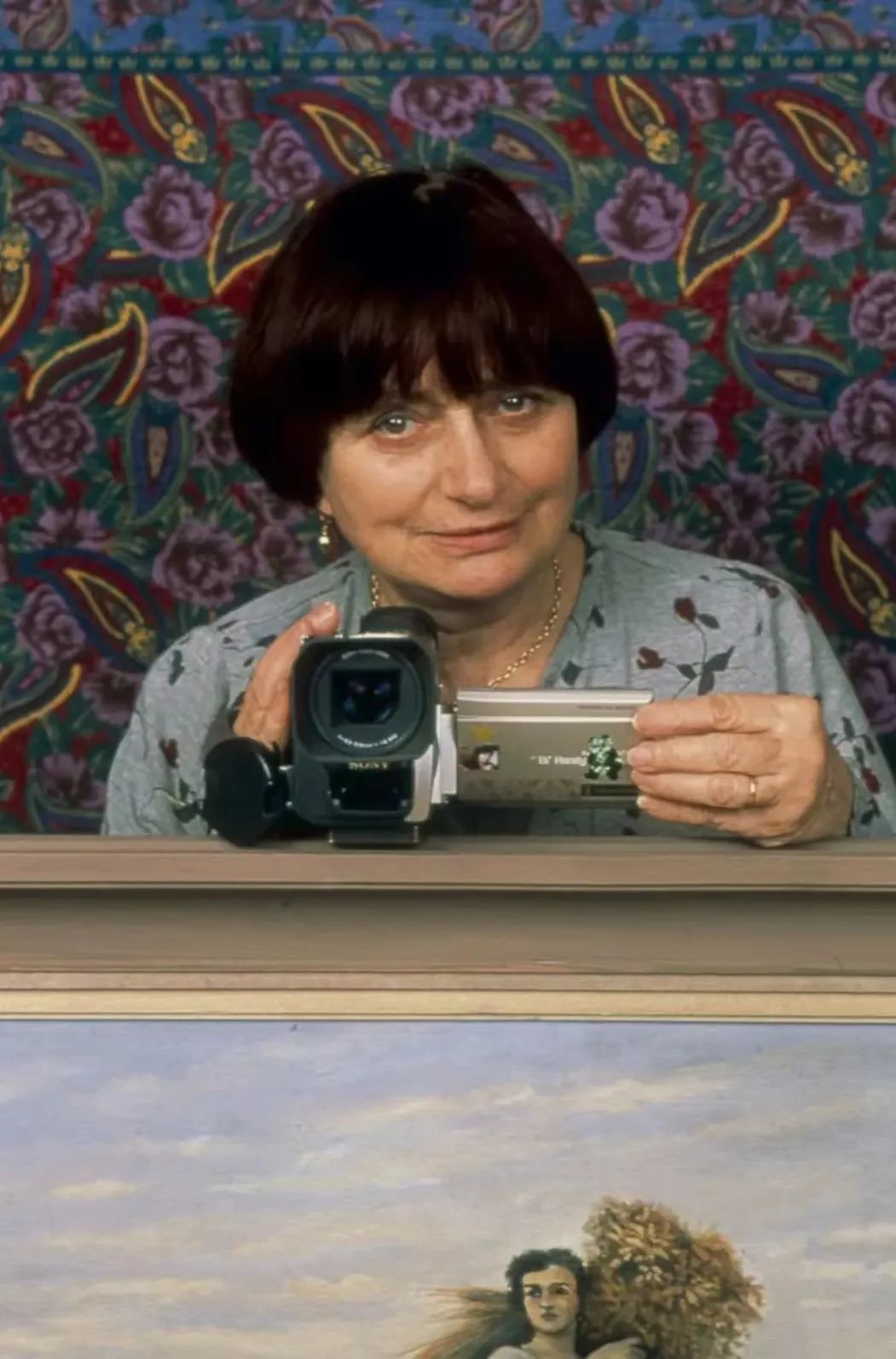
Varda likened herself to someone who gathers scenery. With a small DV camcorder, she set out unsteadily to film in rural France, turning the lens on this particular group—gleaners, or, more broadly: gatherers of what is left.
I. I. “Gather Up Whatever Is Left!”
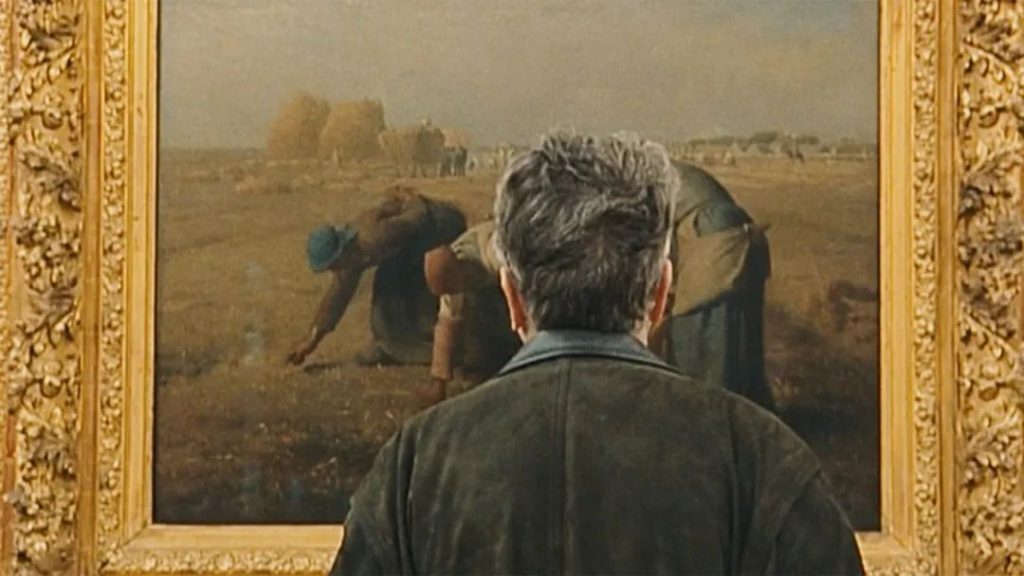
Translating les glaneurs as “gleaners” in the sense of gathering wheat ears was probably influenced by Millet’s painting The Gleaners. But this rendering is not quite accurate, because glaner encompasses more than picking up wheat ears—once the harvest season has passed, any crops left in the field may be gathered. This is an ancient tradition in French society, traceable to a decree of 1544, and a natural right protected under France’s Code Pénal.
Until the previous century, gleaning was still common in rural France. While filming in a restaurant, Varda met an elderly person who recalled the war years, when people had to gather wheat ears just to fill their stomachs. A rural farm woman, Josiane, said: “From a young age, mother told us never to waste—gather up whatever is left! After the harvest, I would go out with my parents and the neighbours to pick up whatever remained in the fields. Sometimes it was very hot, and there were mosquitoes in the fields. We bent over, picking without stop—it was far from a comfortable job.”
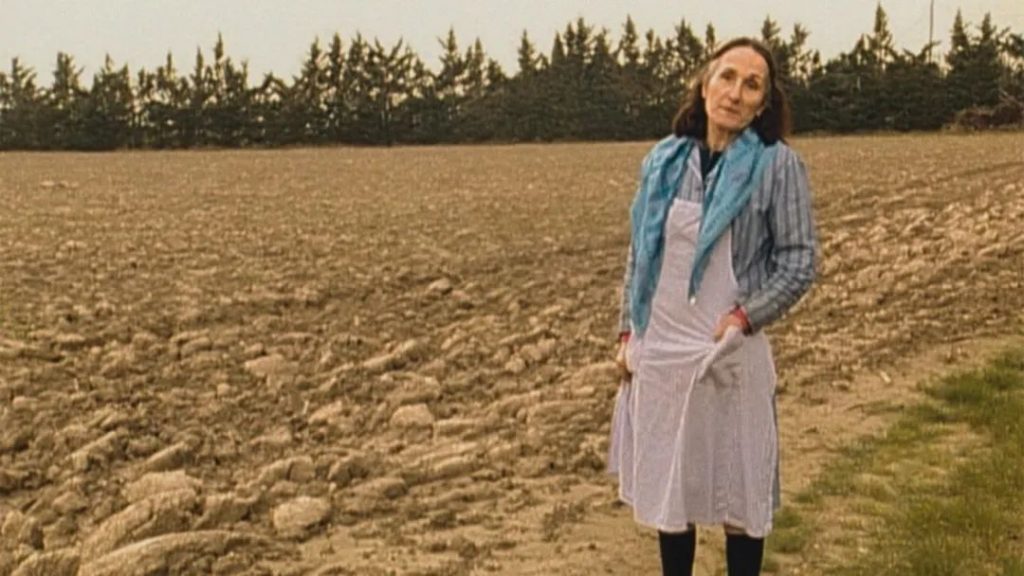
If in the past what people gathered was the land’s “surplus”—and even then, it took great effort to barely fill their stomachs—then what modern gleaners face is “excess” food.
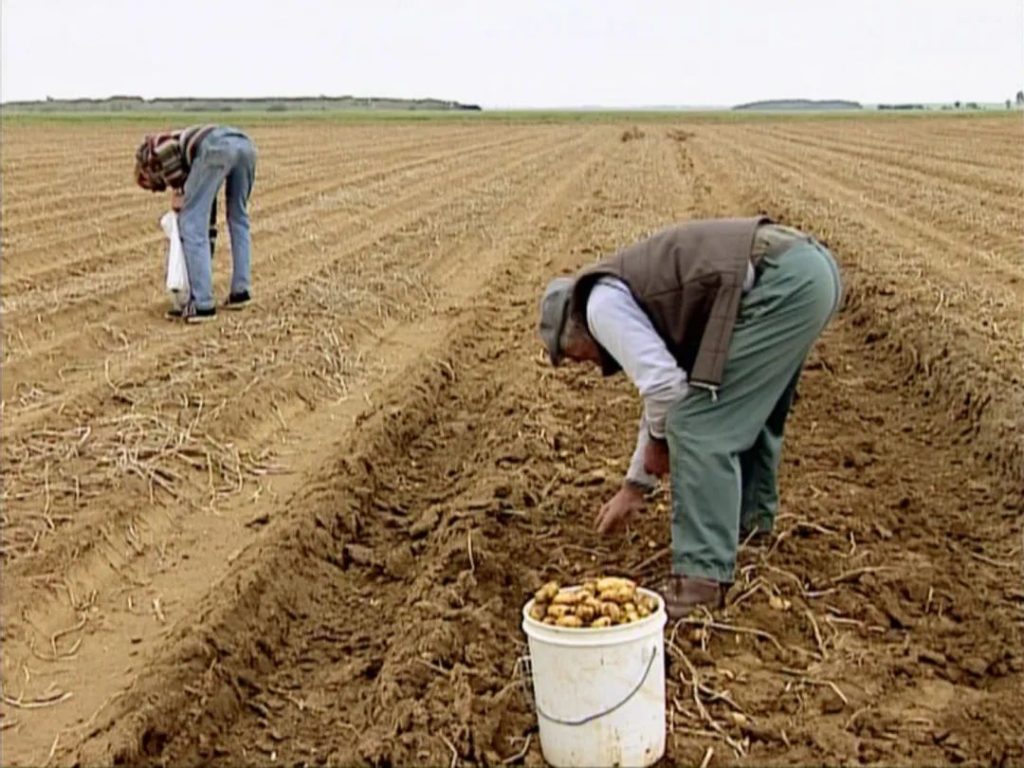
Following Varda’s camera, we arrive at an industrialised potato farm in the Beauce region. The moment the machine harvest is over, the first gleaners appear. Machine harvesting is efficient, to be sure, but it misses plenty of small potatoes and now and then breaks down, which gives the gleaners their chance to shine. A man, carrying a bucket to gather potatoes, says cheerfully that he has already collected 120 kg in a single morning!
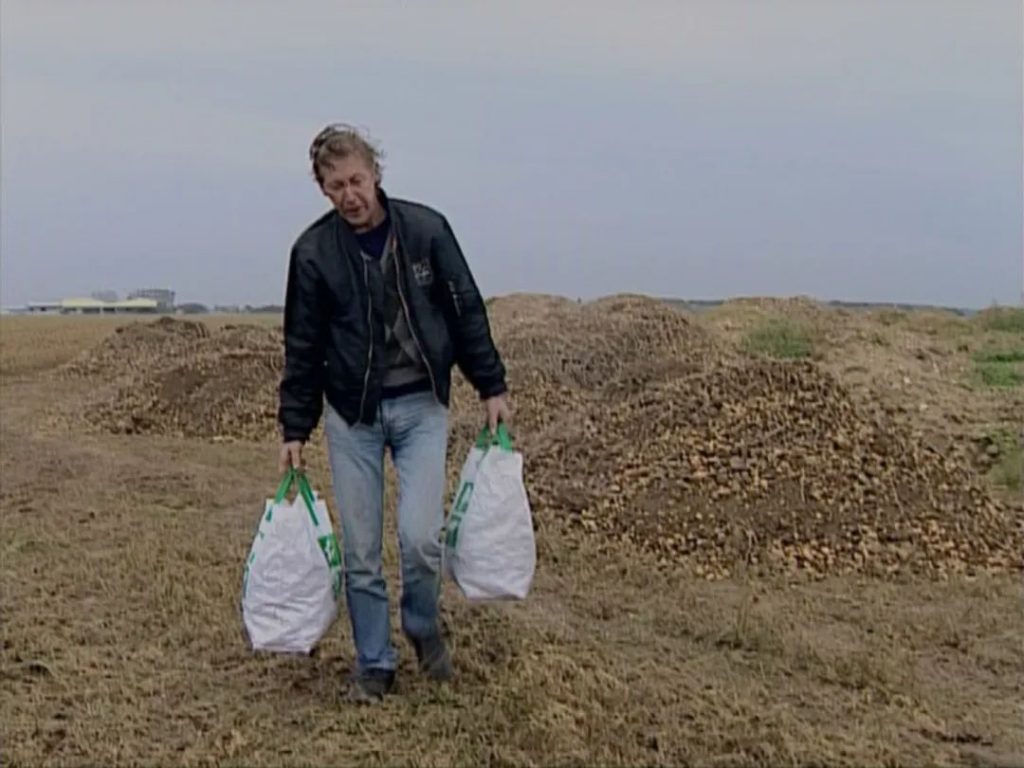
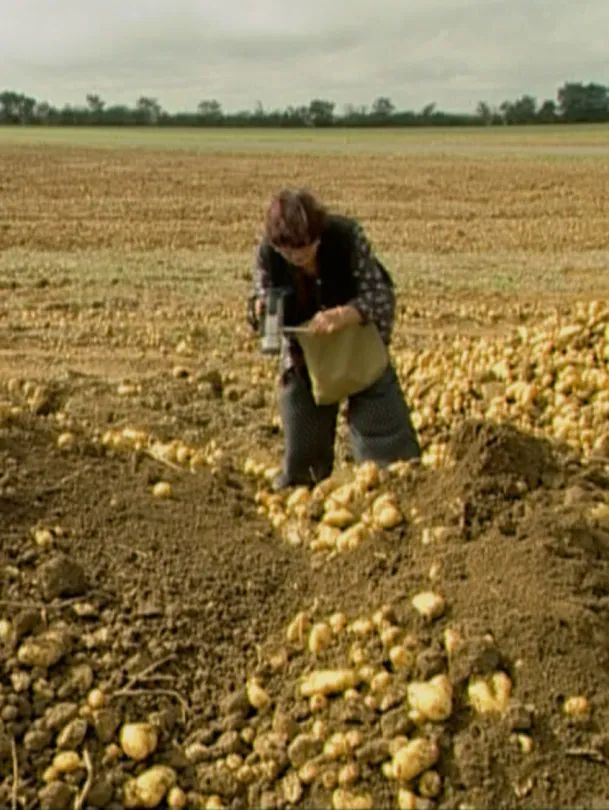
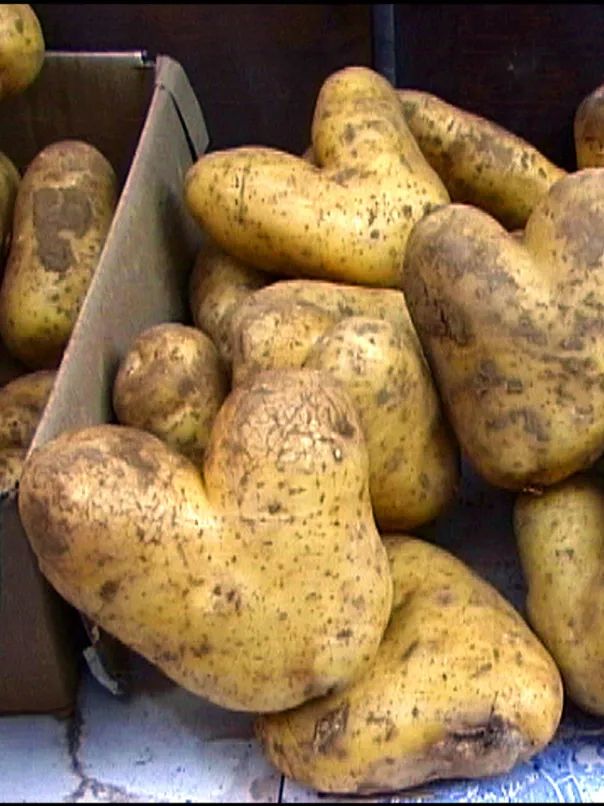
But compared with the potatoes the farm discards, 120 kg is a mere fraction. As the farm owner explains, of the 4,500 tonnes of potatoes harvested each potato season, 25 tonnes are thrown away because they are too large, misshapen, or carry some other blemish. Meanwhile, the potatoes on sale in supermarkets are all roughly the same size, with diameters of around 2–4 inches.
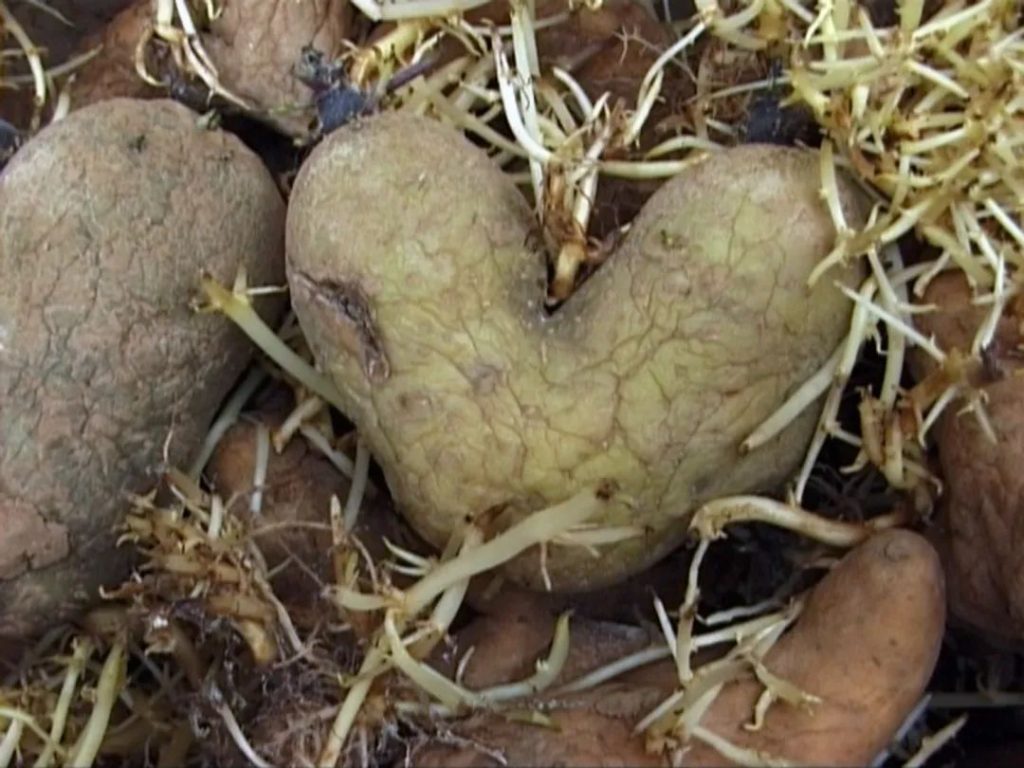
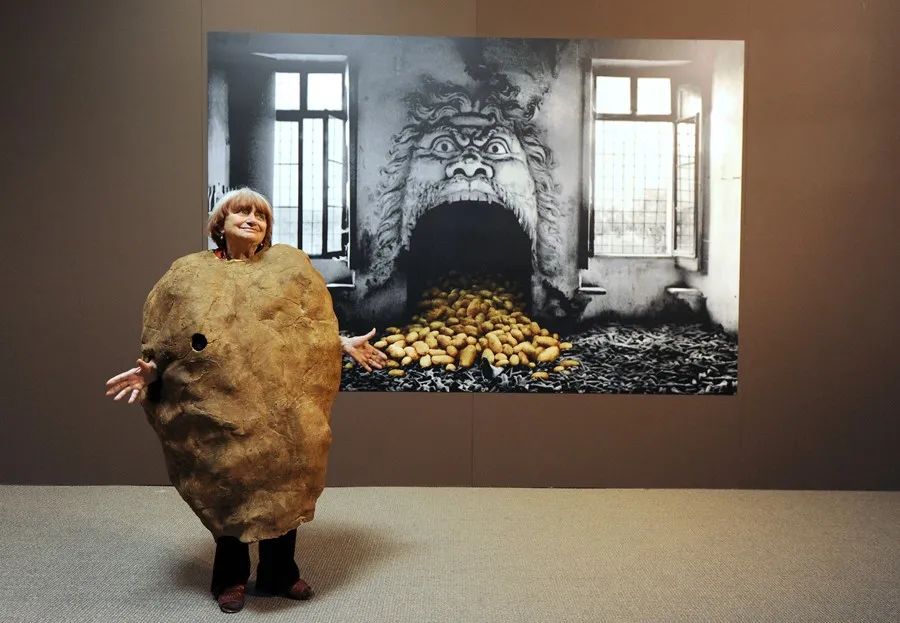
Although the potatoes that fail to meet the standard do not taste any worse, they are unsellable and can only be tipped out in the open like rubbish. Despite drawing a fair number of gleaners, these potatoes, heaped up into little hills, still end up wasted. I am reminded of what Claude said: “When I see all of this being thrown away while there are people who have nothing to eat, it is truly a disgrace.”
II. “Gleaners: No Entry”
Even with such staggering food waste, many farms still refuse gleaners entry. A château owner in a wine-producing region feels this is to prevent gleaners from profiting from large-scale picking.
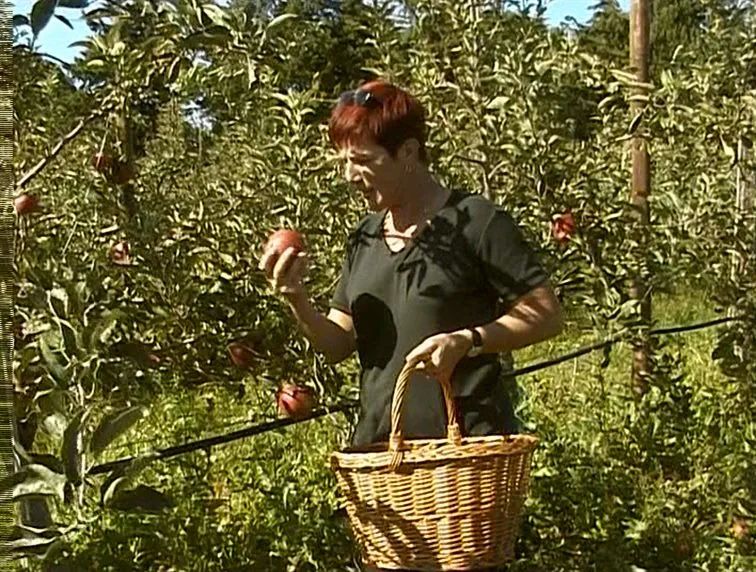
Also running an orchard, the apple orchard manager who appears in the latter half of the film sees things differently. By his estimate, once the official harvest period ends, at least 10 tonnes of apples are still left on the trees—what reason is there not to welcome gleaners?
So every year they launch a public call for applicants, and registered gleaners can enter the orchard to pick. Each person may take home up to 100 kg of apples, provided no tools are used and they must keep 10 metres’ distance from the apple-picking farm workers.
After leaving the orchard, Varda follows the gleaner Robert to a greenhouse. With a bit of careful searching, you can still find a few small tomatoes tucked among the vines. From his account, the farm is well aware of the value gleaners bring: “Because there are too few tomatoes left to justify hiring people specifically to collect them, they would rather have us come and do the clearing.”
On the island of Noirmoutier, those who gather oysters play a similar role. During the Christmas season, when there is a shortage of hands and the hired workers cannot keep up, the gleaners show up with their buckets. If a storm or high tide comes along, the oysters on the farming beds are swept up by the waves and spread across a wide stretch of beach, and the gleaners, hearing the news, come rushing over. Of course, they must gather within the designated area, and the oysters they take cannot exceed the weight limit.
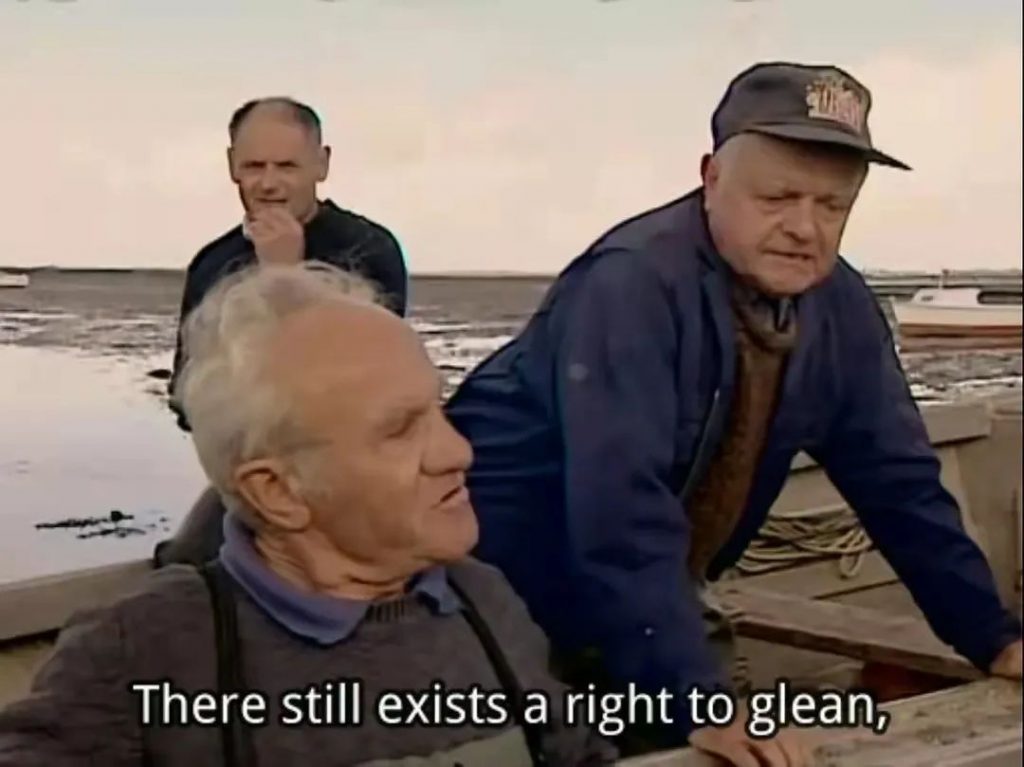
As the documentary shows, the oyster farmers and gleaners on the island harbour mutual dissatisfaction, for there are always “rule-breaking” gleaners who cross the boundary to gather oysters. But who, after all, draws that boundary? On a commons beach, how can a balance be struck between complex property rights and the right to glean?
III. Gleaners in the City
If gleaning is a last resort for the destitute, then what of those who lack nothing and yet take pleasure in gleaning? Varda poses this question in the film. She makes her way into the city and begins filming gleaners who roam between rubbish bins and open-air markets.
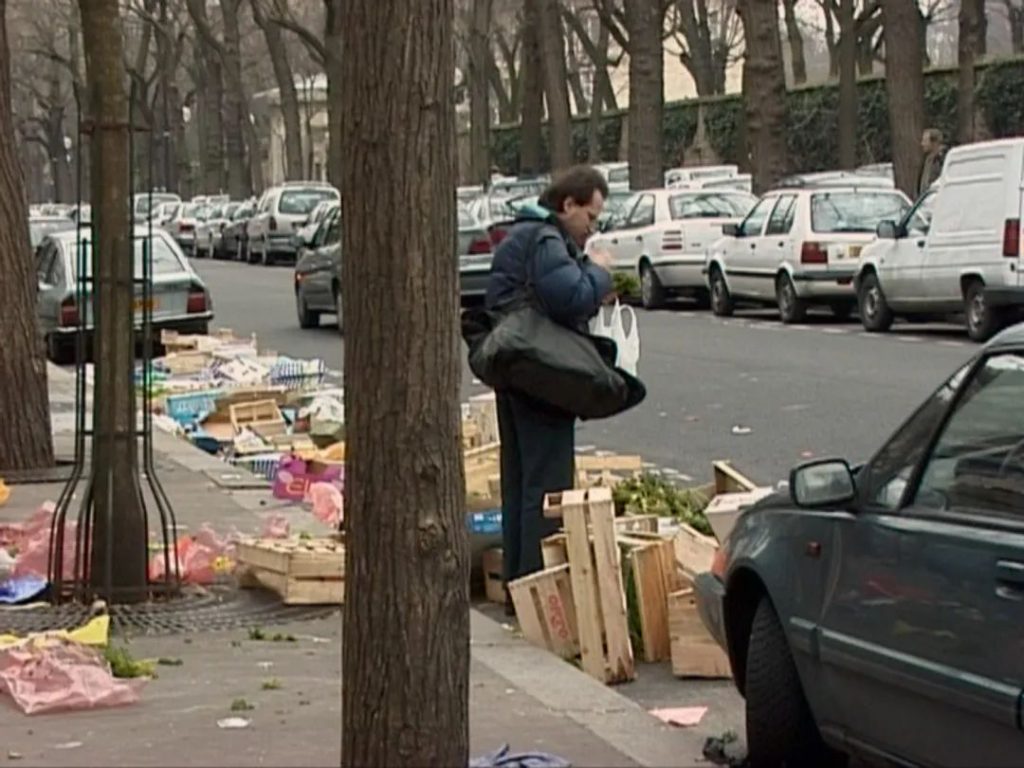
The gleaner Alan, right at the entrance to Montparnasse station, makes a striking impression. When Varda finds him, he is rummaging through the crates of a market stall: he picks up a piece of bread and eats it, finds a celery stalk among the rotting leaves, breaks off a fresh, tender leaf, and pops it into his mouth, as though this were his own vegetable garden.
Alan is no idle loafer. He holds a master’s degree, and in the evenings he teaches French to immigrants for free. Eating food picked up from the market both saves money and reduces waste—he is not ashamed of it.
Francois, the gleaner who loves his rubber boots, has a steady job and receives social benefits. Unable to bear food waste, he has spent over a decade rummaging through rubbish bins, street by street. He tells Varda which supermarket bins hold the best finds: “People these days have gone dumb. They only know how to judge food by its expiry date—their noses are useless. I use my nose to sniff, and they’re perfectly fine!”
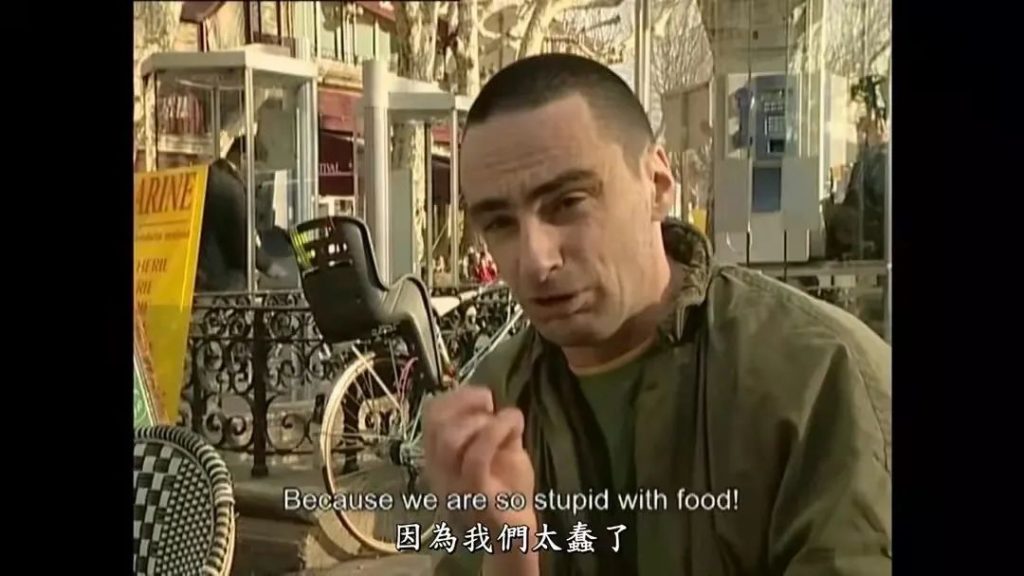
Surely there is nothing to be ashamed of in eating food you have picked up. What deserves more reflection is: why is our food system producing excess food? Why do we prefer to trust expiry dates, having lost the sense of judgment we once had?
IV. Rubbish Is Beautiful Too
In our contemporary age, with the consumerist machine spinning at full tilt, the waste of overproduction is not confined to food alone. If you do not believe it, just look at all the furniture and electrical appliances being carelessly discarded.
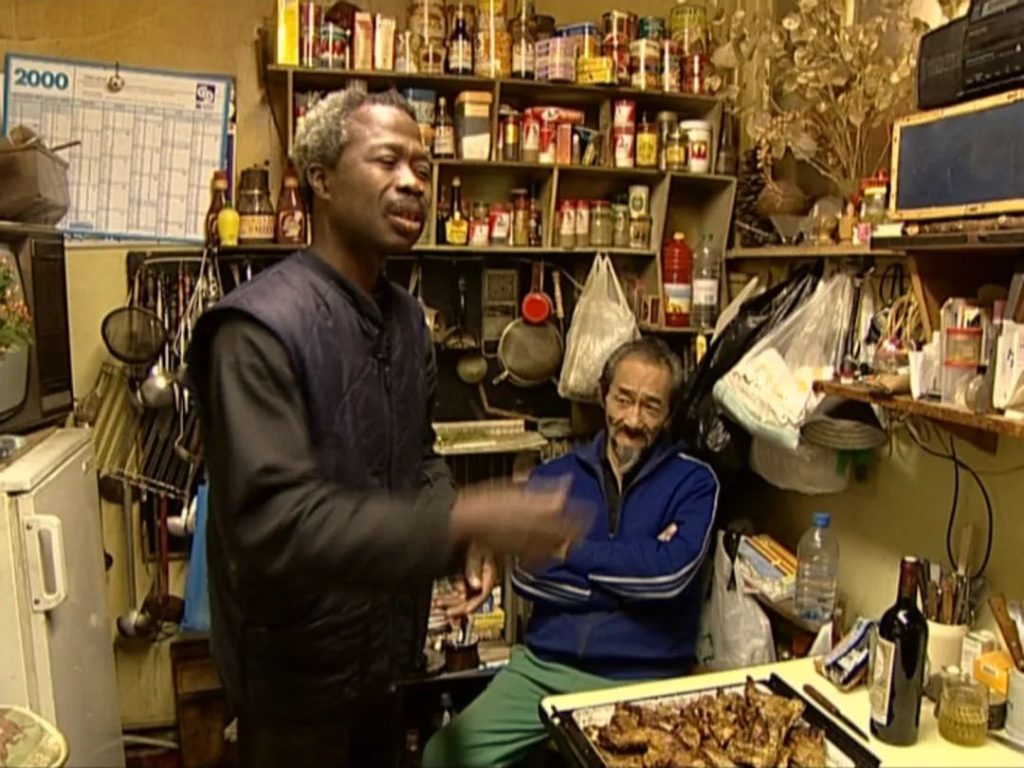
On an optimistic note, more and more people are beginning to reflect on this way of life. Take, for instance, the man who likes to go out at night searching for second-hand items, and the artist Louis Pons, who creates art from rubbish. The film also documents an exhibition called “Rubbish Is Beautiful Too,” where children learn to sort rubbish through hands-on practice. They can also take part in workshops, turning rubbish into creative crafts.
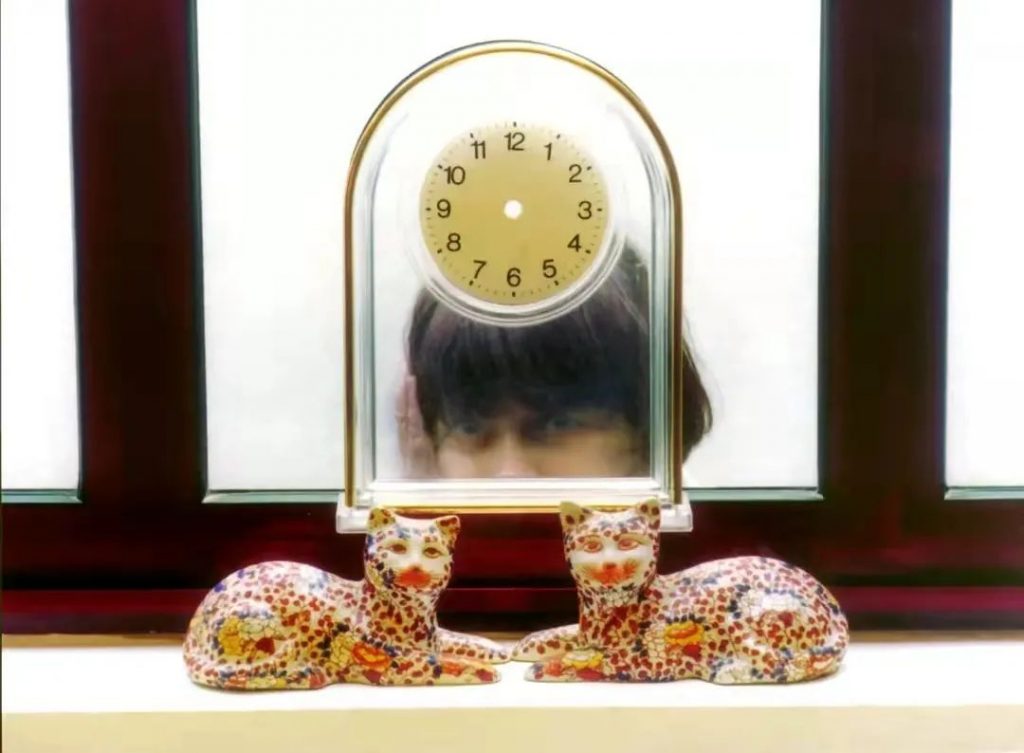
Varda herself developed a keen interest in picking up rubbish. While filming, she follows the gleaners rummaging through heaps of waste, hunting for hidden treasures. She brought home a clock with no hands—useless, yet full of poetry.
In 2015—the fifteenth year since Varda filmed I and the Gleaners—the French consultancy ObSoCo conducted a consumer behaviour survey. They found that 20% of French people had engaged in gleaning. Opposing waste has truly become a creed and a way of life.
V. V. Varda, the Scenery Gleaner
The film’s Chinese title is rendered as Agnès, the Scenery Gleaner or I and the Gleaners, but the most complete translation would be A Group of Gleaners and a Woman Who Gleans Scenery. Varda is a scenery-gleaner in her own right: carrying a portable DV camera, she wandered the countryside of northern France, chatting with people in little taverns, foraging among the fields, being a guest in a homeless person’s home, and dancing in the vineyards.
Her approach to filming was thoroughly “at will.” No focus? We will do it by hand. Forgot to switch off the camera and left the lens cap off? Then just add in those wobbly shots from the dancing! These are the very clips that ought to have been cut in the edit, yet Varda gleefully gleaned them back.
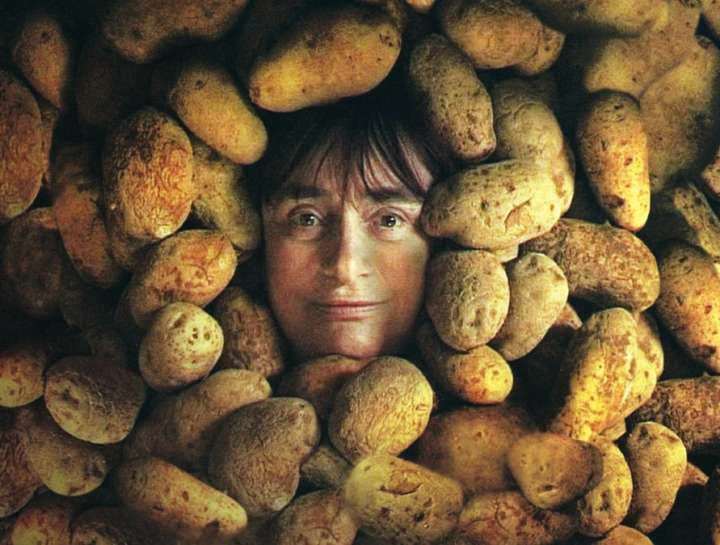
These gleaned fragments of footage are the meaningless snippets we have forgotten—like potatoes tipped out in the wild, yet far from vanished. If, like Varda, you have picked up a few useless potatoes, they will surely begin to sprout once you return from your travels.

References
https://zeitgeistfilms.com/media/films/44/presskit.pdf

Foodthink Author | Yang Ying
Film producer, film festival curator, and journalist. A graduate of the Department of Drama at the University of Paris VIII, with a long commitment to promoting Chinese films overseas. Previously served as Executive President of KanDianYing International and as Operations Director of the China Film Foundation – Wu Tianming Youth Film Special Fund. Has been based in Paris since the pandemic and began writing the WeChat public account “Little Joys in Paris” in 2022.
Author: Yang Ying and Zain
Editor: Zain