
Drought in the South, Flooding in the North: How Did Ecological Small-Scale Farmers Fare Last Year?
Of all the world’s hardships, farming is the most grueling.
One prays for enough rain to fill the plough furrow, hoping for a bountiful year.
Wang Yan, Southern Song Dynasty
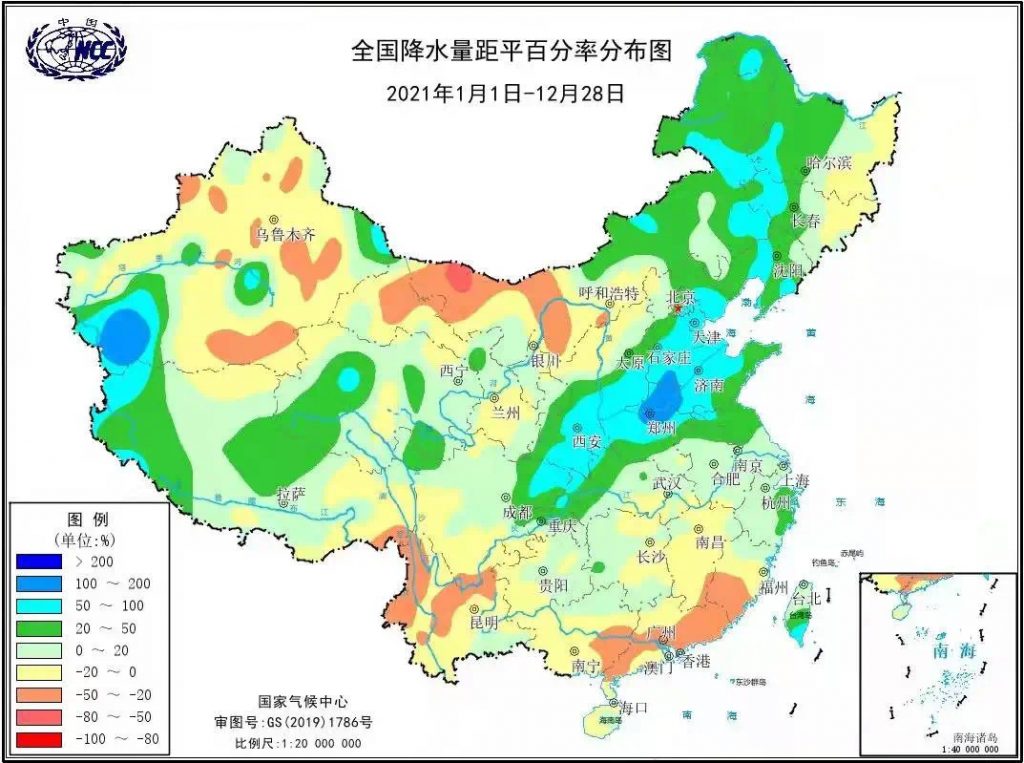
For farmers, 2021, with its widespread and frequent extreme weather, was undeniably an exceptionally gruelling year. Data from the China Meteorological Administration shows that the national average temperature last year reached the highest since 1961, and the north’s average precipitation reached 697.9 mm, 40.3 per cent above the long-term average – the second highest on record, behind only 1964. In the Beijing-Tianjin-Hebei region specifically, precipitation was the highest for that period since 1961.
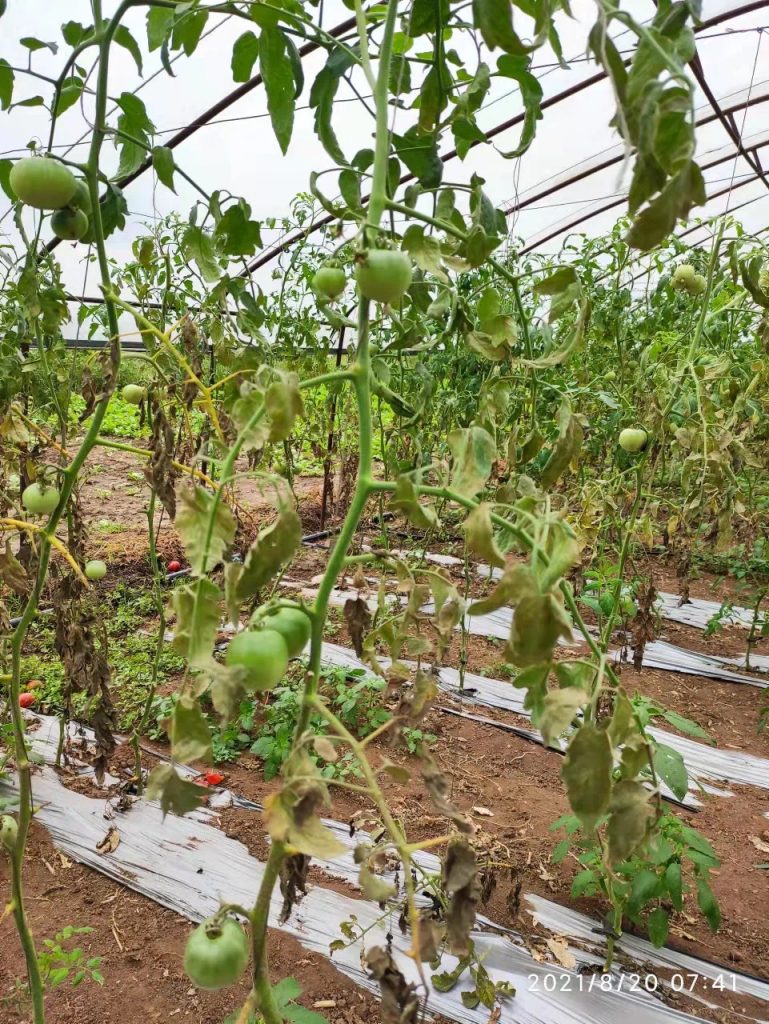
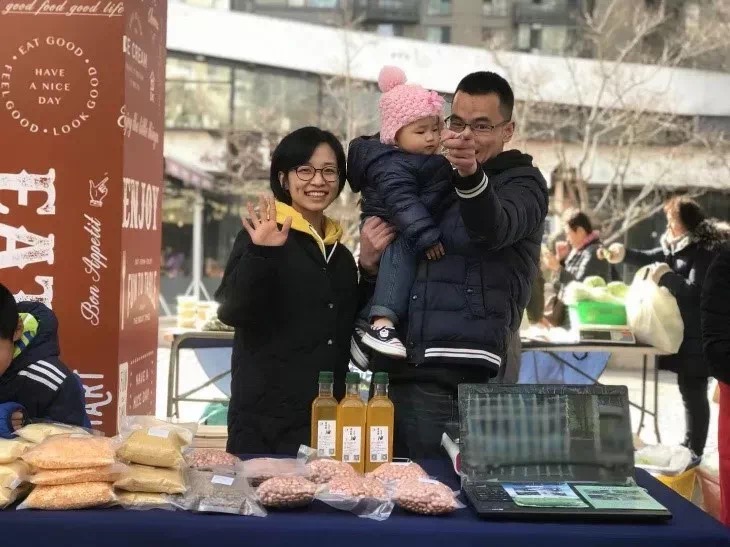
Rainfall of a magnitude unseen in decades hit Lianxiang Farm in Chengde, Hebei, and the farm suffered a significant drop in its tomato yield. In recent years, their tomatoes have been a sought-after item at the Beijing Organic Farmer’s Market. During tomato harvest season, at every Saturday market, the more than 150 kg of tomatoes they brought would sell out before long after the stall opened.
Last year, however, was the exception. Several heavy downpours in July and August, coupled with prolonged rain and overcast, brought severe powdery mildew to the summer-crop tomatoes. The conditions then directly caused soil moisture in the autumn crop to remain far too high, leading to stem base rot. Plant loss was severe, and overall yield was significantly affected. Each week, they could barely harvest 30 kg of tomatoes – just enough to distribute to the regular customers who had pre-ordered through WeChat groups well in advance.
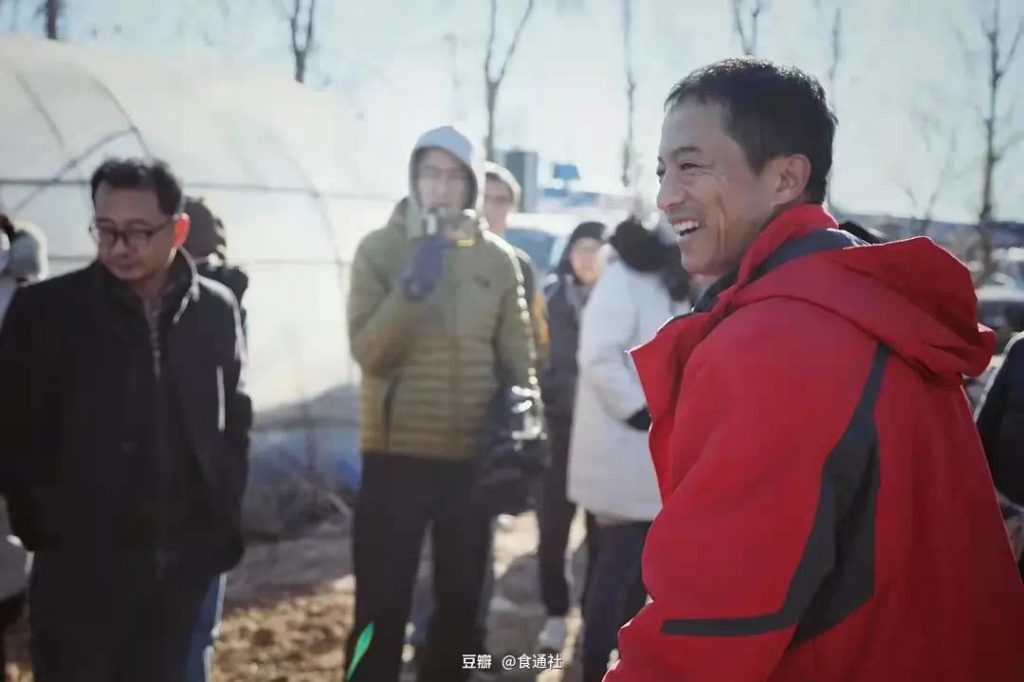
After carefully going over last year’s harvest, Wen Zhiqiang – the farmer at Lianxiang Farm, a young man from the 1990s generation who had returned to the countryside – immediately furrowed his brow: “I reckon our tomato losses must have been as much as seventy or eighty per cent.” His wife, Ren Yingying, added: “As it turns out, quite a few of the neighbouring farms that grow tomatoes using conventional methods had a fairly good harvest. But I’ve also heard them complaining that if it rains more, they can’t even afford the spraying anymore.”
It was not only the tomatoes. The sustained rainfall also cost Lianxiang Farm the better part of its peanut crop. The excess water drove the seedling emergence rate so low that only a small patch of peanuts up on the hillside – spared by its higher ground – managed to come through.
Drought in the South, Flooding in the North: Small-Scale Farmers Felt It Keenly
Wuboyuan Eco-Farm in Zhangzhen, Shunyi District, Beijing, also suffered badly from waterlogging last summer. Under the prolonged overcast and rain, the larger watermelons burst open in the field before reaching maturity – split one, tossed one – and not a single melon was harvested from the two mu of watermelon plots. When it came to gathering the purple sweet potatoes and sweet potatoes in October, heavy rain in Beijing struck again. In previous years, the three mu of purple sweet potato fields would yield over 3,000 kg, but this year produced just over 1,000 kg. The regular sweet potato harvest was also cut by half, with most of it rotting in the ground. Fortunately, Wuboyuan’s main business is eco-friendly chicken farming, so they simply cut away the spoiled parts of the purple and regular sweet potatoes and fed the rest to the chickens.
She, too, grows sweet potatoes, but for Li Fenzhen of Guilin, Guangxi, it was drought – not flooding – that brought the harvest down. A drought unseen for years drove sweet potato weevil damage to an exceptionally severe level. “It’s not just our family. Sweet potatoes on quite a few plots in the village lost all marketability – they were unsellable, and the owners didn’t even bother digging them up. We just went out and collected what was left to feed the chickens and rabbits,” Li Fenzhen said. Beyond the sweet potatoes, the persimmons growing wild in their village last year were also small and scarce; by eye, the crop had shrunk by some sixty or seventy per cent compared with 2020.
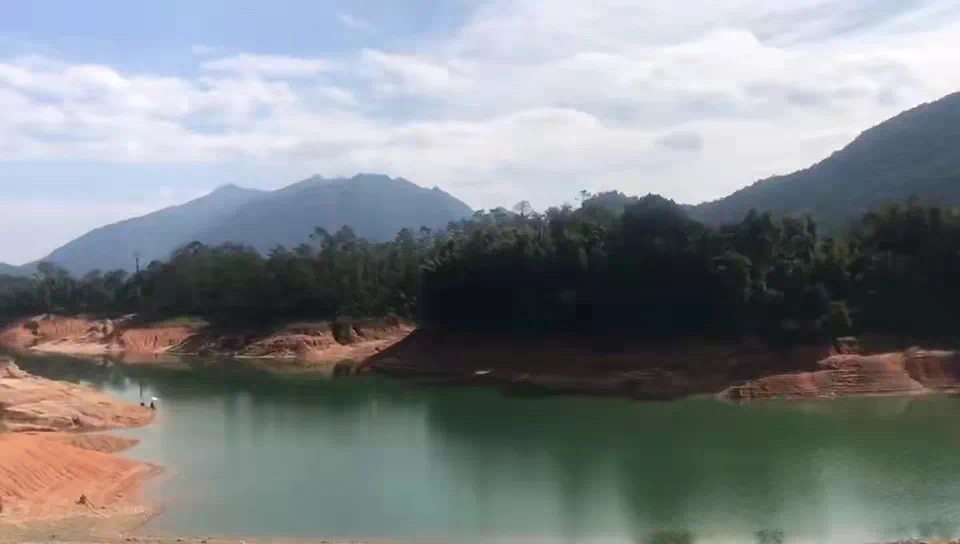
The farmers’ observations also broadly corroborate the data from the China Meteorological Administration. The figures show that precipitation in South China fell by 17 per cent last year – the lowest since 2004. Frequent droughts drove soil moisture conditions across the region to low levels, river and lake water levels dropped, and mountain ponds and reservoirs ran dry.
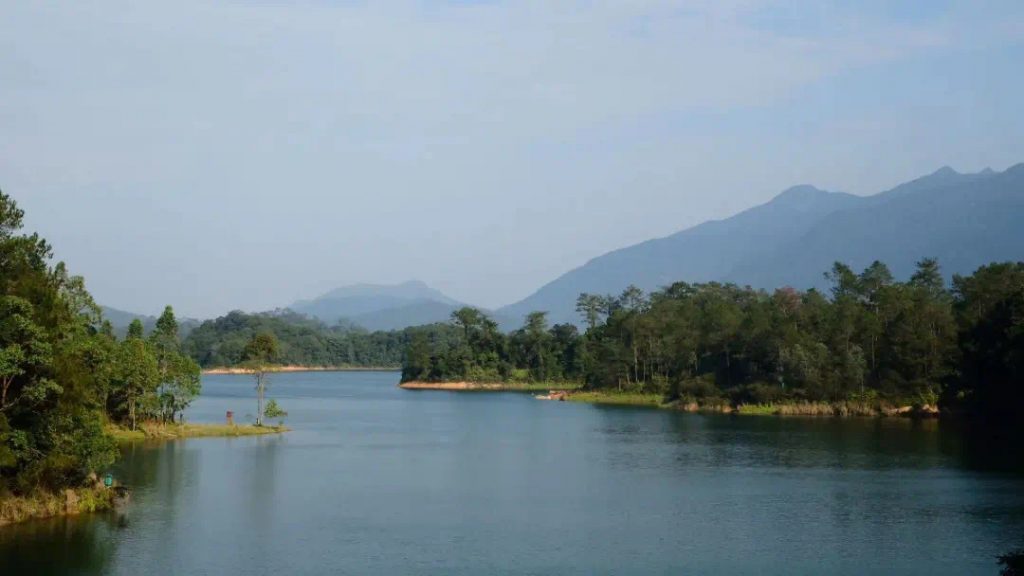
Yang Guiqing from Xianniangxi Village in Conghua District, Guangzhou, recalls that in past wet years, the village’s Dashan Power Station once generated as much as 900,000 kWh. Last year, however, it produced just 270,000 kWh – the least in recent years. The marked drop in rainfall also meant the mountain streams carried far less water than in previous years, and even the villagers’ drinking water supply was affected.
Facing Climate Change: Ecological Small-Scale Farmers in Action
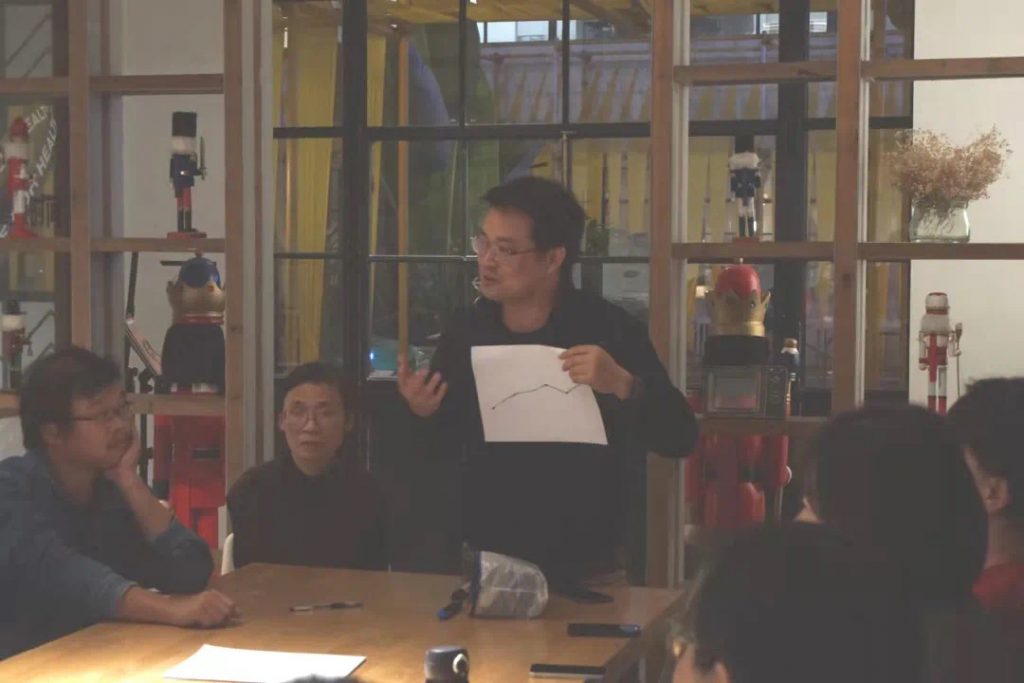
I met Li Fenzhen at a farmers’ roundtable during the Fengnianqing (Bountiful Year Festival) in Guangzhou last November. More than a dozen farmers from South China also attended. As designed by the moderator, Huang Yajun, each farmer drew a curve chart on a sheet of A4 paper showing their harvest over the past five years. Depending on differences in growing experience, seed selection, and the grain and vegetable varieties cultivated, harvests varied considerably from one farm to the next. Yet over the past few years, the farmers have felt the impact of extreme weather truly and tangibly, especially when it strikes at key stages of crop growth and harvest, when the effect on yield is even more pronounced.
As the effects of extreme weather become more pronounced, farmers’ awareness of climate change is gradually deepening, and they are beginning to explore ways to adapt. Yang Guoxing, a farmer practising ecological cultivation in Xianniangxi Village, Conghua District, Guangzhou, is a case in point. Last year, drought took a heavy toll on his early sweet potato crop: plots that normally yield 650–750 kg per mu produced just 150 kg. Yet the late sweet potato yield unexpectedly surpassed 1,000 kg per mu, a record high. In his view, this was due partly to his choice of different sweet potato seedling varieties and partly to wet-dry rotation. The late sweet potatoes were planted in August, after the rice harvest was complete, which just happened to dodge the drought. Rain fell only a few days after planting, so the sweet potatoes grew vigorously.
But for farmers whose livelihood depends on the weather, events like “just dodging the drought” will only become increasingly rare. To cope with extreme weather, agricultural production needs better soil, more solid growing techniques, and a more refined and flexible approach to farm management. This is also a point made by Chen Yi of Sanwu Garden Eco-Farm in Huizhou, Guangdong, at the roundtable. Chen Yi, who has been running the farm since 2017, has observed that climate change does affect the yield of individual vegetables, but because the farm practises diversified planting, total vegetable output has not suffered major losses. Moreover, as the farm’s ecology continues to improve, both soil quality and the number of species present are on the rise, so he is very confident about future production.
Soil Quality and Diversified Planting Are the Key
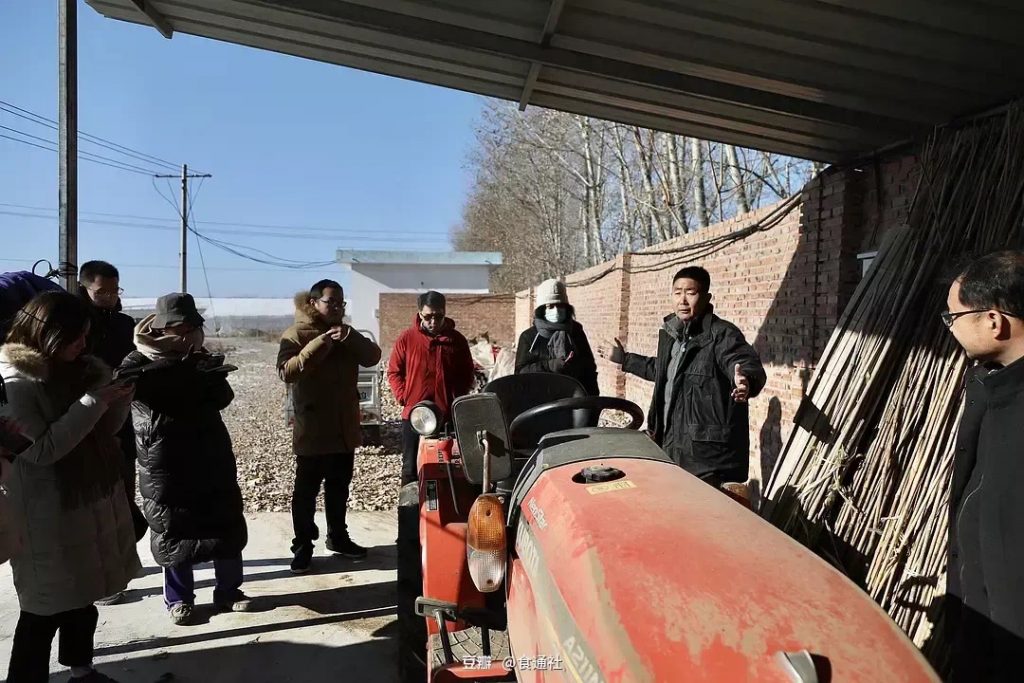
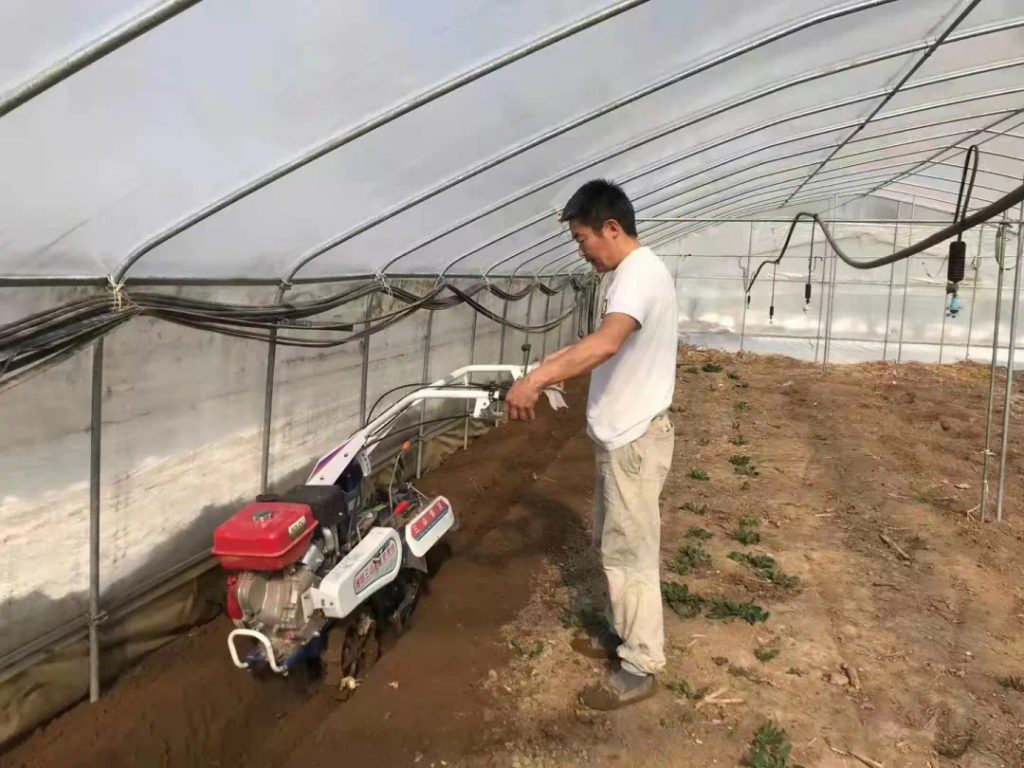
Farmers in the north have also borne out Chen Yi’s point. Liu Gang, a Beijing-born man from the post-1960s generation who came to farming later in life, has been running Xiaoliushu Farm in Shunyi for nearly a decade and has accumulated a wealth of experience in helping farmland and crops better withstand extreme weather. For instance, by using small machinery such as subsoilers, he has improved the physical structure and water permeability of the soil, enabling plant roots to breathe more freely. During last year’s heavy rainstorms in the north, although the sweet potatoes that came out of the ground were soaked and yields of some vegetables did drop, the farm did not suffer any serious waterlogging. In addition, by using organic fertiliser he ferments himself, he has boosted the biological activity of the soil, making the crops healthier and better able to resist pest damage.
In fact, over the past nine years, Liu Gang has invested over 1 million yuan in various agricultural infrastructure – machinery, irrigation systems, and more: a small tractor fitted with a plough for turning the soil, a subsoiler, an unpowered seeder, a ridger, a furrower, and a tipper for spreading base fertiliser, along with a range of complementary attachments he built by learning from videos online. Together, this equipment allows the 70-plus-mu organic farm to be run by just five or six people. Locally adapted mechanisation and meticulous management have not only strengthened the farm’s ability to cope with extreme weather but also lowered its operating costs, giving it greater composure in the face of the uncertainties of both climate and market.
Sister Lin, the woman at the helm of Wuboyuan, has begun to think about diversifying the farm’s crops. She says the farm started preparing last year to expand its asparagus planting, and they also want to grow some grapes, which are still in the propagation stage. On top of that, she plans to do away with large watermelons entirely and grow only small watermelons in unheated greenhouses, because when rainfall is heavy, they can put up support frames to keep the fruit off the ground.
When it comes to what the future holds, Sister Lin is confident and optimistic: “Ecological cultivation demands more effort, but for a family farm like ours, where the whole family is deeply attentive to the crops and manages everything with great care, there is still a real advantage.“
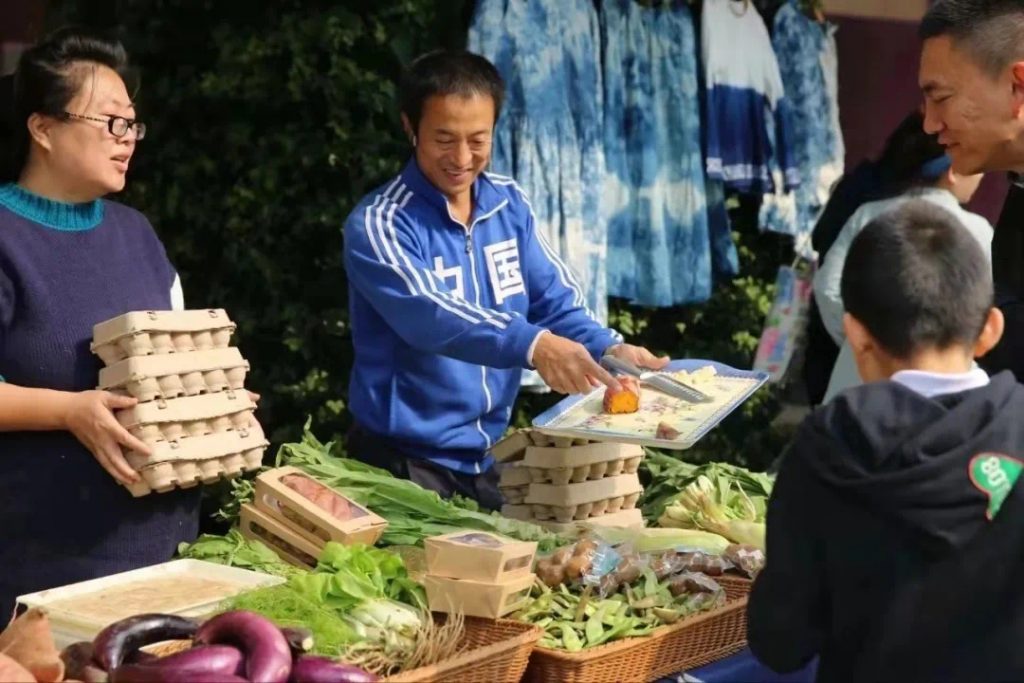
Although last year’s heavy rains gave the impression that the north was becoming wetter, Lianxiang Farm has no plans at present to make major changes to its crop varieties, as they believe Chengde’s climate will remain predominantly arid. The devastating tomato losses, a deeply painful blow, have not made them lose heart.
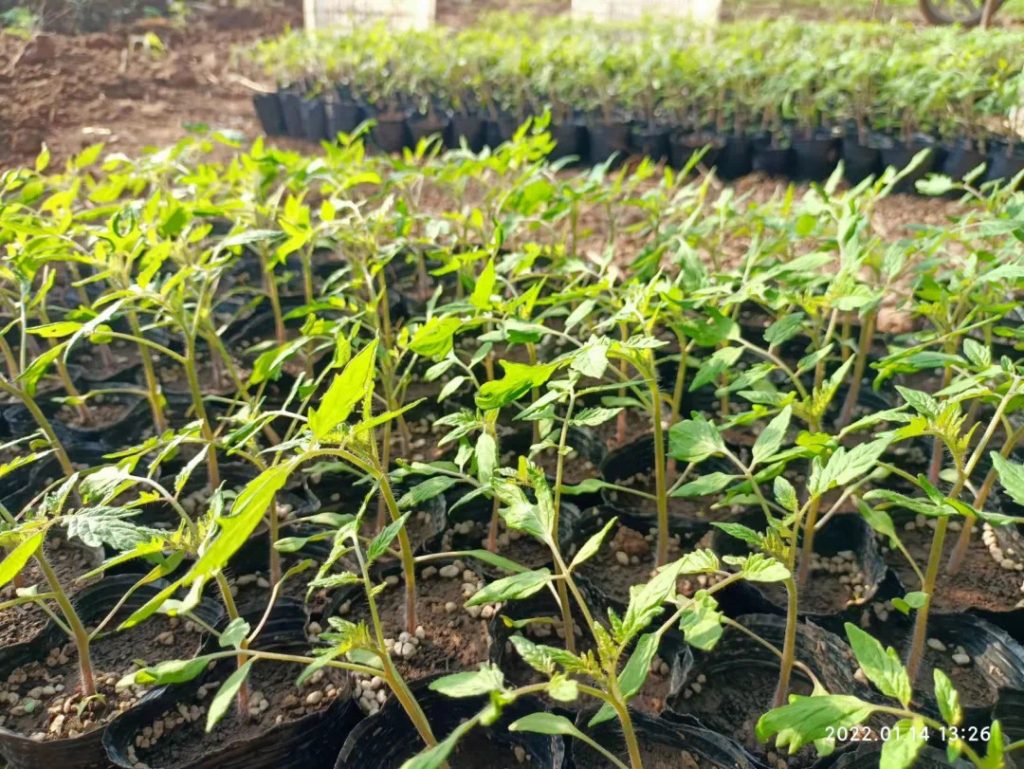
Last week, Ren Yingying, the woman at Lianxiang Farm, posted a video on WeChat Moments showing the farm’s first early-spring tomato crop of the year. The joy in her voice is audible even through the screen: “The early-spring tomatoes have been transplanted for 15 days now. Just look at how they’re growing – quite a sight! They’ve grown very sturdy and thick, and the seedlings are looking wonderful. No leggy growth, no disease, and they’ve already started forming flower buds. Flowering is just around the corner – let’s look forward to the spring tomatoes!”
A Note from Foodthink
Have you, too, felt the impact of climate change and extreme weather on agricultural production? Feel free to leave a comment and share your experience with Foodthink’s readers.
Foodthink is also in the process of establishing a network for ecological small-scale farmers in China to discuss climate change, helping farmers better understand the impact of climate change on agriculture, share experiences, and take effective adaptive measures. If you are interested in joining, please click here to complete the application form.
Author: Feng Qihua
Foodthink project consultant. Formerly a journalist, with over a decade of experience in the investment sector of financial institutions. MSc in Finance, London Business School; Chartered Financial Analyst (CFA). Currently pursuing an MSc in Natural Resources at Virginia Tech, USA. Focuses on climate change, ecological agriculture, and sustainable development.
Mumu of Xianniangxi Village, Conghua, Guangzhou, also contributed to the interviews for this article.
Featured image © Guangdong Fengnianqing
Editors: Ze’en, Tianle