
In Shangri-La, We Went Up the Mountain and Shared Two Meals with Our Lisu Neighbours
I. I. Mother’s Open Hearth
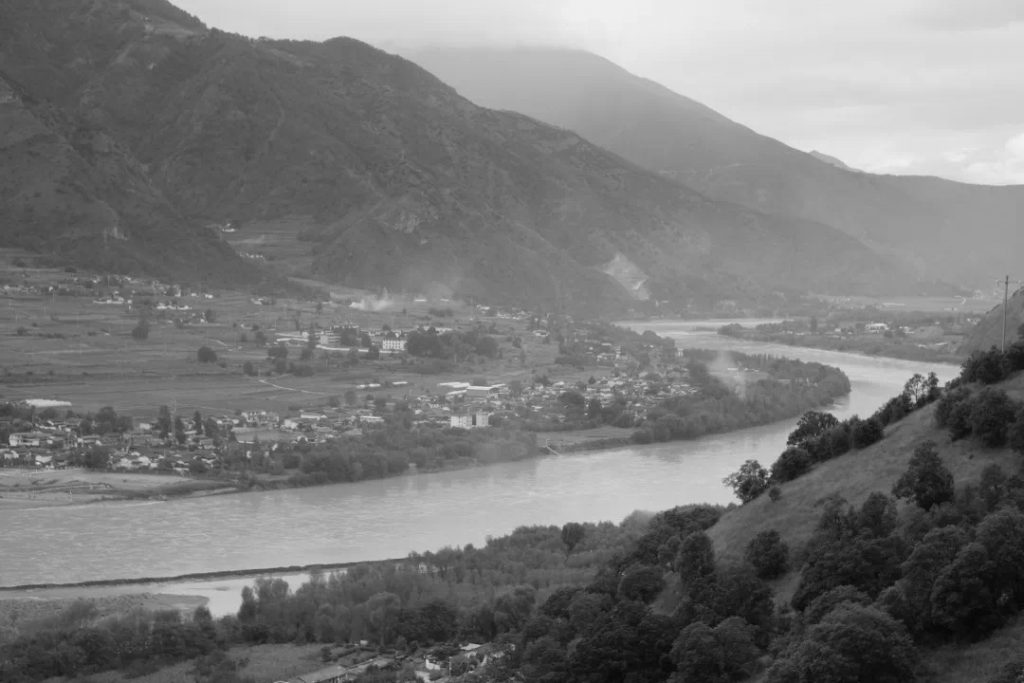
Heading northwest out of Lijiang Old Town and past Lashi Lake, the silver-white peaks of Yulong and Haba gleam in the distance as the road winds through the high mountain valleys along the Jinsha River.
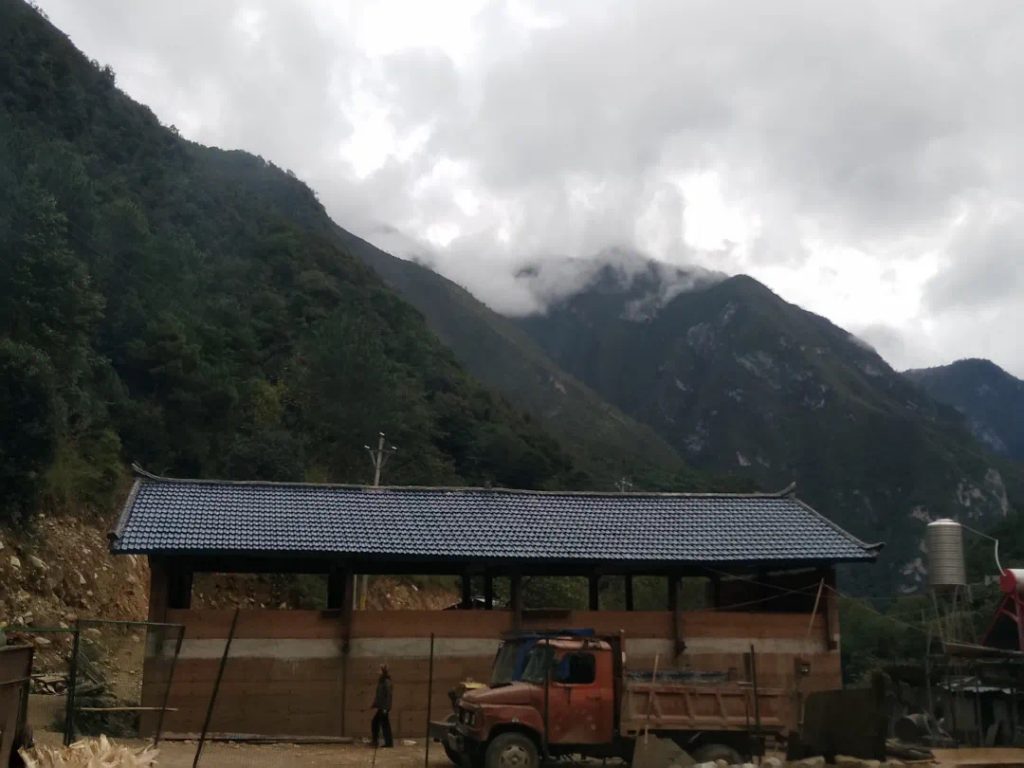
Mid-October marks the cusp between the autumn harvest and winter sowing in this region. The land on either bank is not vast but strikingly level, with tractors chugging and small figures dotted across the fields in the busy rhythm of the season. It is only when the road bends into the deep mountains and the treetops outside the window gradually tower higher that, another ten or so kilometres on, we reach our destination for this journey: a Lisu village, and the hometown of Jianwen, who organised this trip.
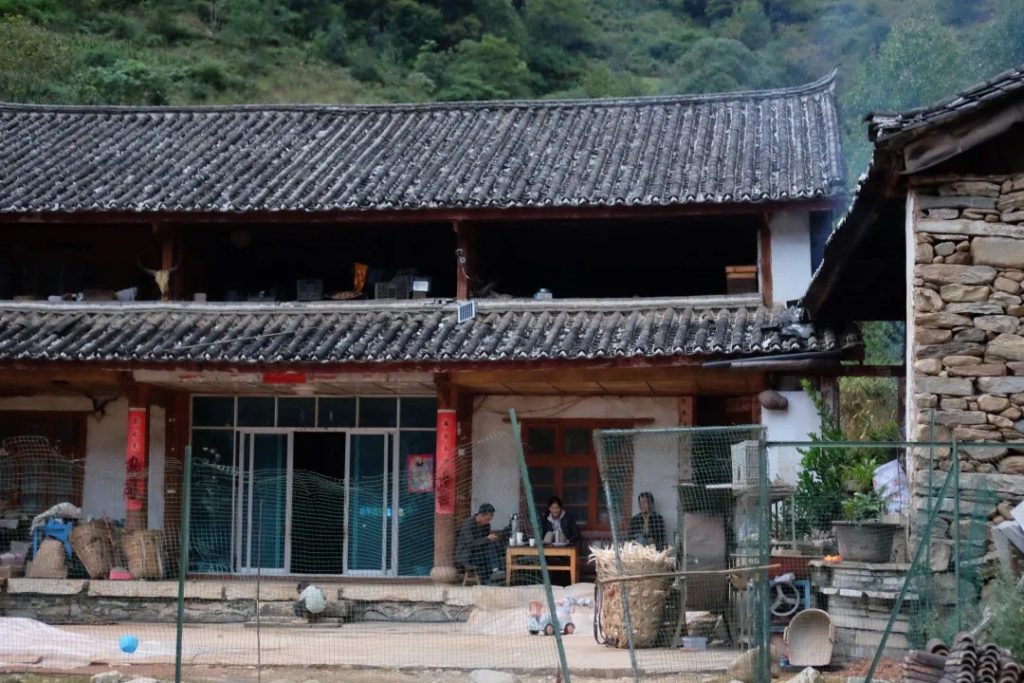
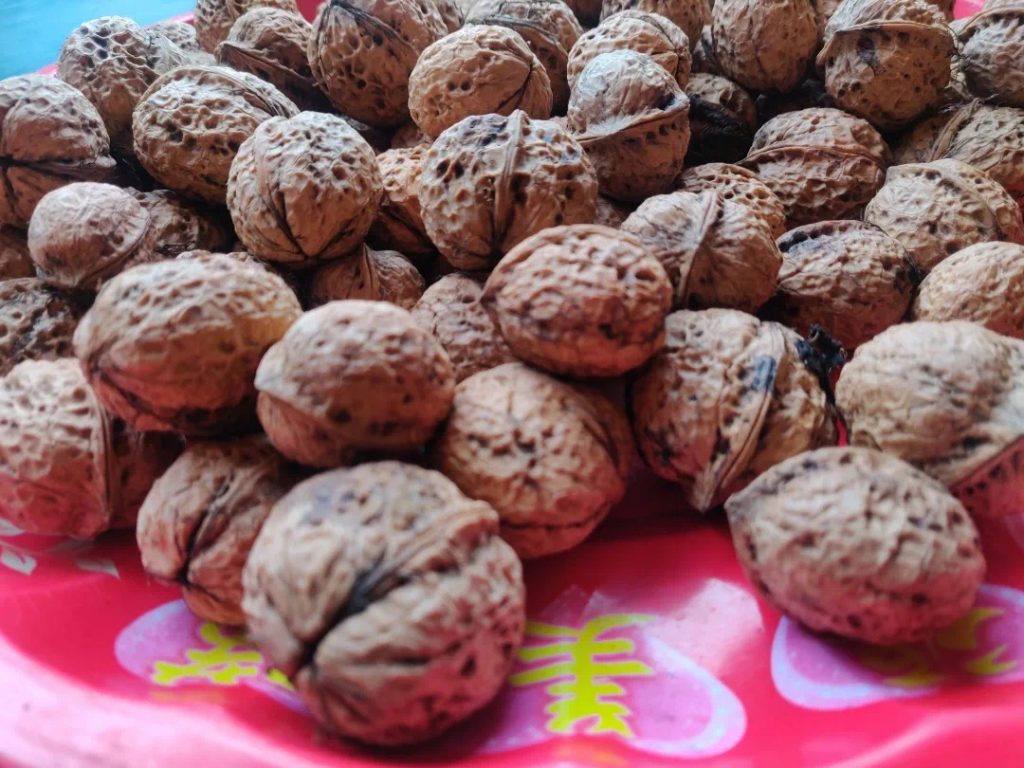
It was a quiet courtyard beside a stream in the mountains. Sitting on the porch of the main house, you could look up and see clouds and mist slowly drifting between the peaks. It happened to be chestnut and walnut season, and Jianwen’s family had prepared two full plates, crisp to the bite. Xiaochao, who was with us, said they were the best she had ever had. We wandered casually outside the courtyard and picked a few apples, juicy and sweet.
Living in the city makes it seem as though you can buy anything, yet the finest flavours rarely cost a fortune. They keep to a quiet corner of the world, waiting for those willing to till the soil with their own hands or make the journey to the source — for nothing is fresher, sweeter than food just harvested.
Wherever I go, what draws me in most is slipping into the host family’s kitchen to learn about local ways of cooking and the native ingredients they use. The food life of northwestern Yunnan is also shifting with the times. Among the Naxi people I have visited, for example, cooking used to happen over the open hearth in the grandmother’s room — the very centre of the home, a place for warding off the cold, heating food, and driving away insects and wild beasts, but also for socialising, settling family matters, and performing all manner of sacrificial and life-cycle ceremonies. Now, though, everyday cooking at home has largely moved to Han-style stoves, and induction hobs are becoming increasingly common. Still, I always feel that cooking over an open flame carries a charm that is hard to replace.
Stepping into Jianwen’s mother’s kitchen, I was delighted to find that she still used the open hearth, the roaring flames flushing everyone’s faces a deep red. On the long bench to one side, a few young men sat warming themselves by the fire and chatting. I couldn’t resist and went over to sit among them.
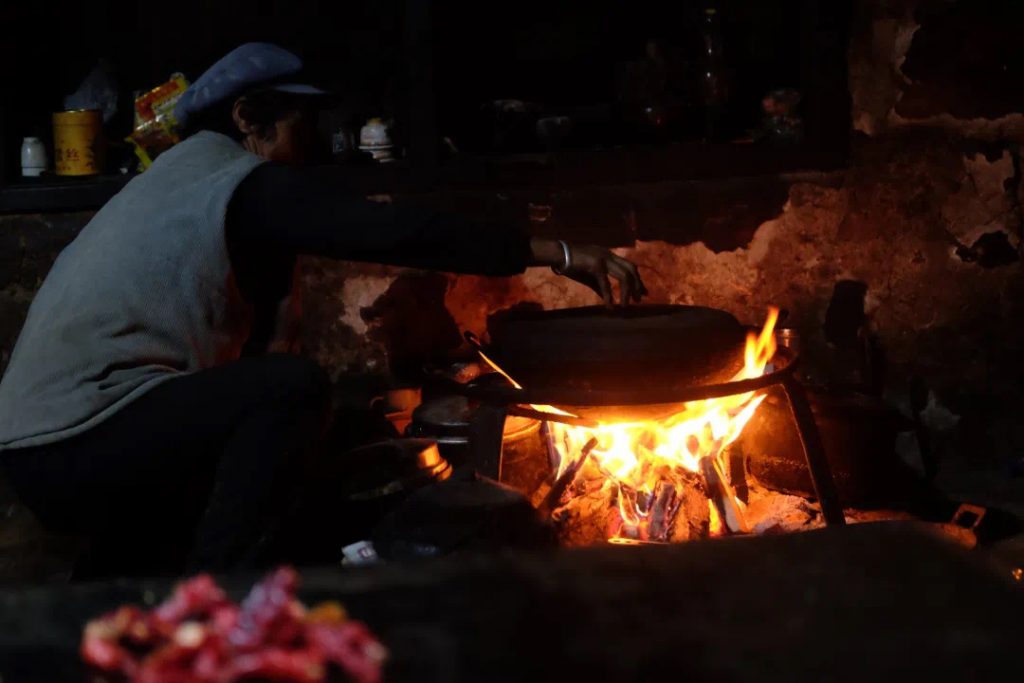
Just then, the broth in the large iron pot was boiling over, hot bubbles popping up one after another, when Jianwen’s mother dropped in a plant still carrying its roots.
“What is this?” I asked, curious.
“Plantain,” she replied gently.
I had seen elderly people dig it up to brew as a medicinal decoction, said to clear heart-fire, and that it could also be cooked as a vegetable. But I had an instinctive resistance to it, as its taste is genuinely sour and astringent. It was only later that I learned: when plantain (Plantago) is braised with rich, fatty meat until falling-apart tender, the astringency is mellowed out, and it also helps clear heat and soothe inflammation.
The stir-fried pork large intestine that followed was equally straightforward, with barely any seasonings to speak of: a splash of oil in the wok, some dried chillies, a few cloves of garlic, then in went the sliced intestine — a deft toss over the heat, and the dish was done. The stir-fried lean pork slices worked the same way, yet the sizzling, bubbling aroma of hot oil and searing meat rising from the wok was absolutely wonderful.
“What kind of oil is this?” I asked offhandedly.
“Walnut oil,” she answered simply.
I was so taken aback that I kept exclaiming how luxurious it was, but she found the whole thing amusing: “It’s all from our own place — we grow it ourselves, we eat it ourselves.” In the mountains, there are not many other oilseed crops to be found, but walnut trees are planted in abundance, so what is a rarity in the outside world is perfectly ordinary here.
I noticed that the stir-fried dishes weren’t being plated and served. Where did they go? It turned out that Auntie was quickly pouring them into small round iron pots, putting on the lids, and setting them back on the open hearth. Keeping the food warm this way — continuously, without burning through fuel — is the wisdom of living in symbiosis with the open hearth. Looking more closely, I saw there were already seven or eight such pots sitting around the hearth. I recalled what she had just said: “These past few days are the busiest — we need to harvest the crops, cut fodder for the cattle, and then still find time to sow some early-spring broad beans.” And yet she had prepared all this for us.
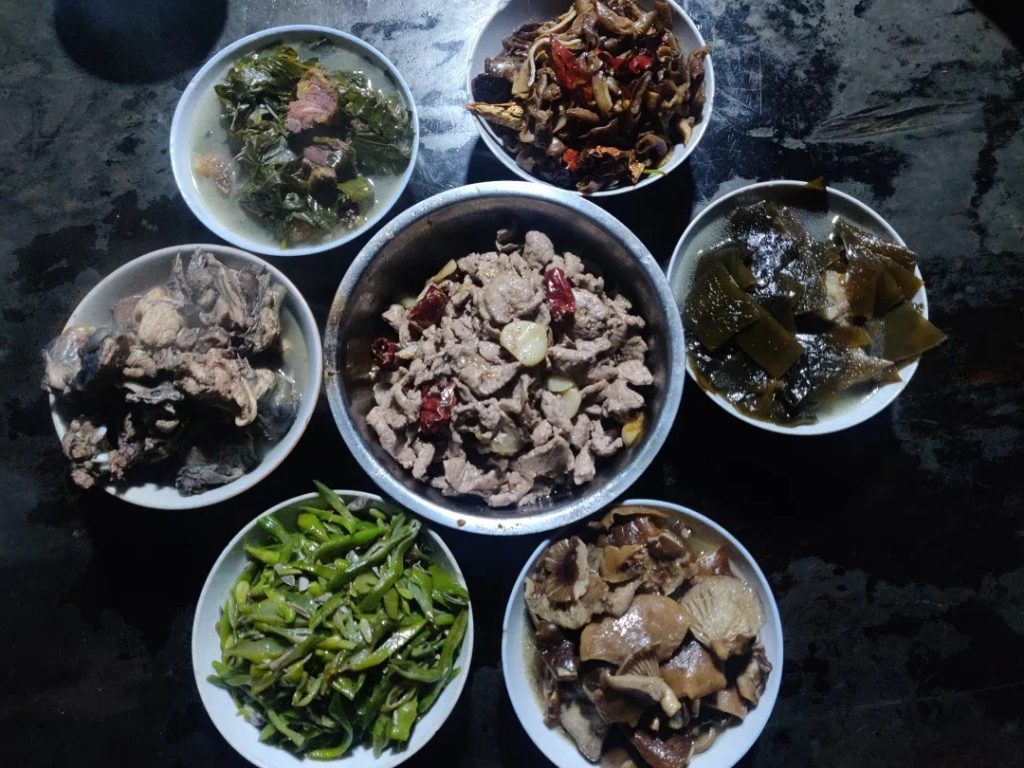
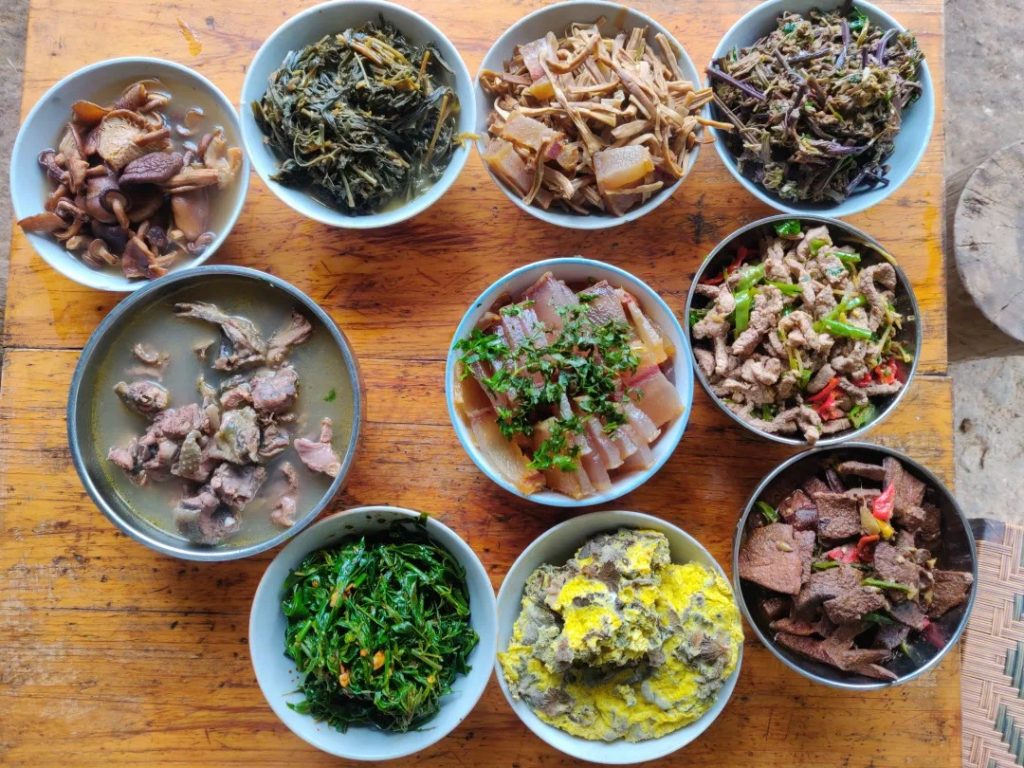
By the time every dish had been spread across the table, I picked up my chopsticks, and all but every single plate made me let out a little gasp.
The pork slices were astonishingly soft and silky on the tongue, dissolving at the first bite — yet I knew for certain there was no cornflour in them, let alone meat tenderiser. The pork intestine, once its fat had been rendered out, had a satisfying chew along with a dry, toasty richness that only deepened with every bite. An assortment of wild mushrooms, simmered together in one pot with nothing added at all, were savoury beyond belief. Green beans, cut on the diagonal into short lengths and stir-fried, were full of flavour yet delicately sweet. The free-range chicken cooked in the copper pot was fragrant and tender. And there was a green vegetable soup so good you wanted to drink bowl after bowl.
By far the best meal I had in months! Fresh ingredients, a mastery of heat and timing honed over years, and the simplest of cooking methods yielding extraordinary flavour. Tianle agreed — the dishes did not look particularly refined, but they were better than anything she had just eaten at those old-established restaurants in Kunming.
That evening we ate clip after clip, the bowls being topped up again and again with warm generosity, until everyone was perfectly content. I even fancied I might sprout an extra stomach.
What thrilled me most was that the next day we would head up to a Lisu village at an even higher altitude, to see for ourselves where these ingredients grow.
II. My Uncle’s Free-Range Pigs and Medicinal Herbs
“If only I’d known, I would never have worn leather shoes to climb a mountain,” I muttered, rueing my poor judgement with every step of the climb.
“But Jianhua’s wearing leather shoes, too,” Tianle pointed out.
I immediately shut my mouth. Jianhua, Jianwen’s cousin, was a young Lisu man with skin tanned deep by the sun, and he was leading us up the trail. The mountainside loomed vast and immense; I was already panting, my face flushed red, while he strode ahead with perfect composure.
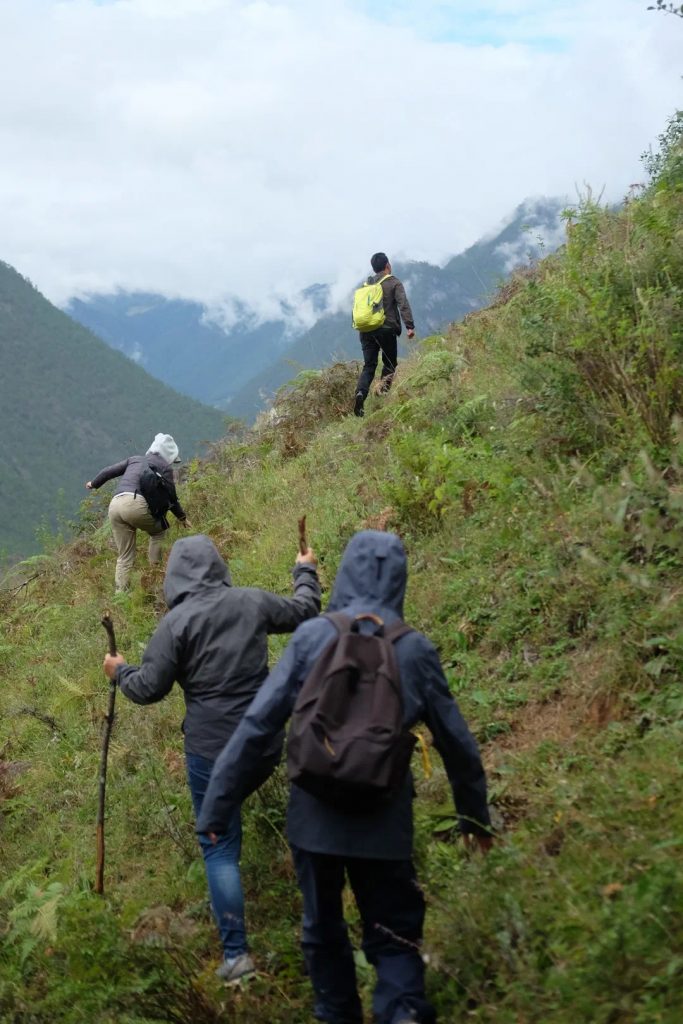
At last, after an hour and a half on the mountain trail, with almost no preparation for what lay ahead, wide tracts of meadow and farmland opened up before us, a few rooster crows drifting in from a distance. A little further on, through a stand of walnut trees, and there they were — several log houses, their doorways ringed by great clusters of red dahlias. Under an old tree, its boughs heavy with leaves, a few elderly people were washing vegetables as mountain spring water gurgled out along the pipes.
This is the house up in the mountains that belongs to Jianwen’s uncle, a man who knows Lisu culture inside out. It is usually home to his mother, now in her eighties, who grows vegetables, spins thread, and makes wool cardigans. “She’s grown used to it up here, but down below she can’t last two or three days and has to come back up. Until forty or fifty years ago, all of us Lisu people lived up on the high mountain. Only later did we move down, but there’s no farmland down there — we just go down to put up houses; for farming, we still have to come up.””
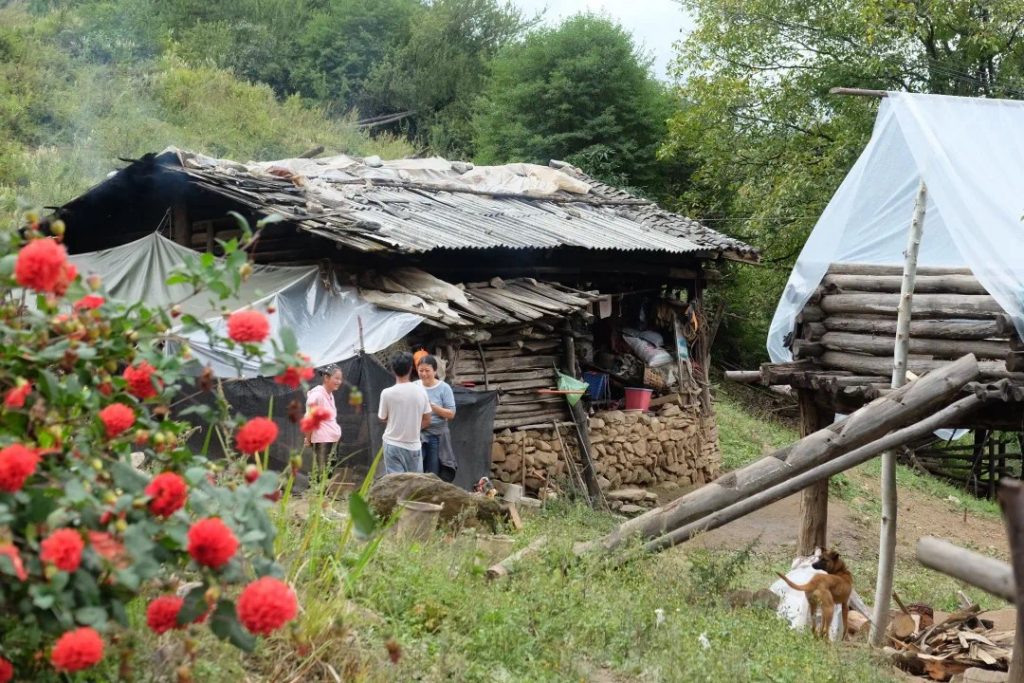
But this is still not the whole of this Lisu village. From the mid-slope where we stood, at over 2,000 metres, a further three hours on foot takes you up past 3,000 metres, to their pastures. “Over a hundred cattle and several dozen horses are kept there. They graze on their own up on the mountain. The herders go up to check on them once every month or two — in winter they’re given salt licks, and in July and August they’re milked and butter tea is made,” my uncle said. “Once the Dragon Boat Festival comes round, there are flowers everywhere — a sea of flowers.”
The Lisu were once a frequently migrating people. Historical records describe them thus: “They favour dwelling on the very summits of cliffs, clearing mountain slopes to plant their crops; when the soil grows barren, they abandon the land and move on, with no fixed abode… Wielding powerful crossbows and poisoned arrows, they hunt on precipitous peaks and sheer rock faces, swift as a nimble hare.” Long years of mountain living — slash-and-burn farming, foraging, and hunting — have accumulated a wealth of knowledge and experience. Although they have now settled, living mainly by herding cattle, horses, and other livestock, supplemented by growing maize and other crops, they still live close to nature. The plants they grow and animals they raise are essentially native varieties, modern pesticides, chemical fertilisers, and commercial feed are rarely used, and most of what they eat day to day is various wild greens.
The full table of midday dishes revealed yet more intricacies as we ate.
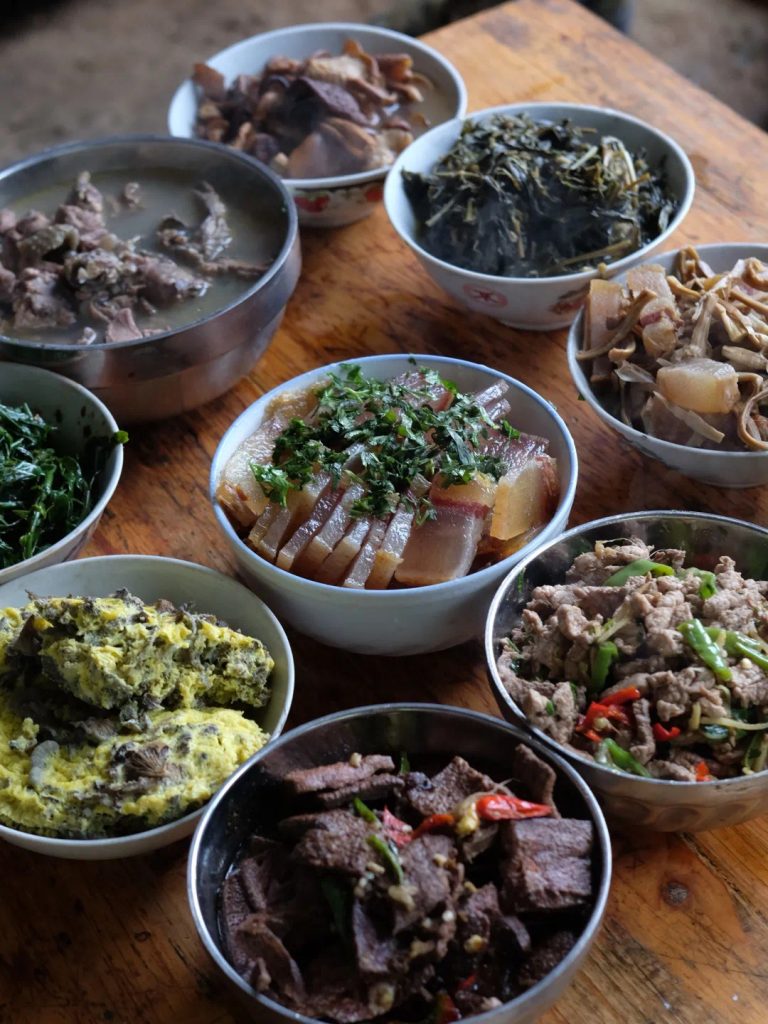
Girls usually don’t fancy fatty meat, and the cured pork here is so lusciously fat it looks almost translucent, the lean reduced to a mere line — but one taste and I couldn’t put my chopsticks down. The texture is astonishingly springy and crisp, and on closer tasting there is a rich, buttery depth to it.
“This is a heritage pig — two full years before it’s ready. You just can’t boil a farm-raised pig slaughtered at four months and get this kind of crispiness,” my uncle added. “Up on the mountain, everything grows a little slower.” The pigs forage on local wild greens and all manner of insects, and during the two months each year when the oaks come into fruit, they get to feast on delicious acorns as well. Wait — is there anything special about acorns? Yuanbo, travelling with us, pointed out that even the world’s finest Iberian black pigs enjoy no better fare. The whole mountain feeds these pigs, and the flavour that naturally comes of it is simply irresistible.
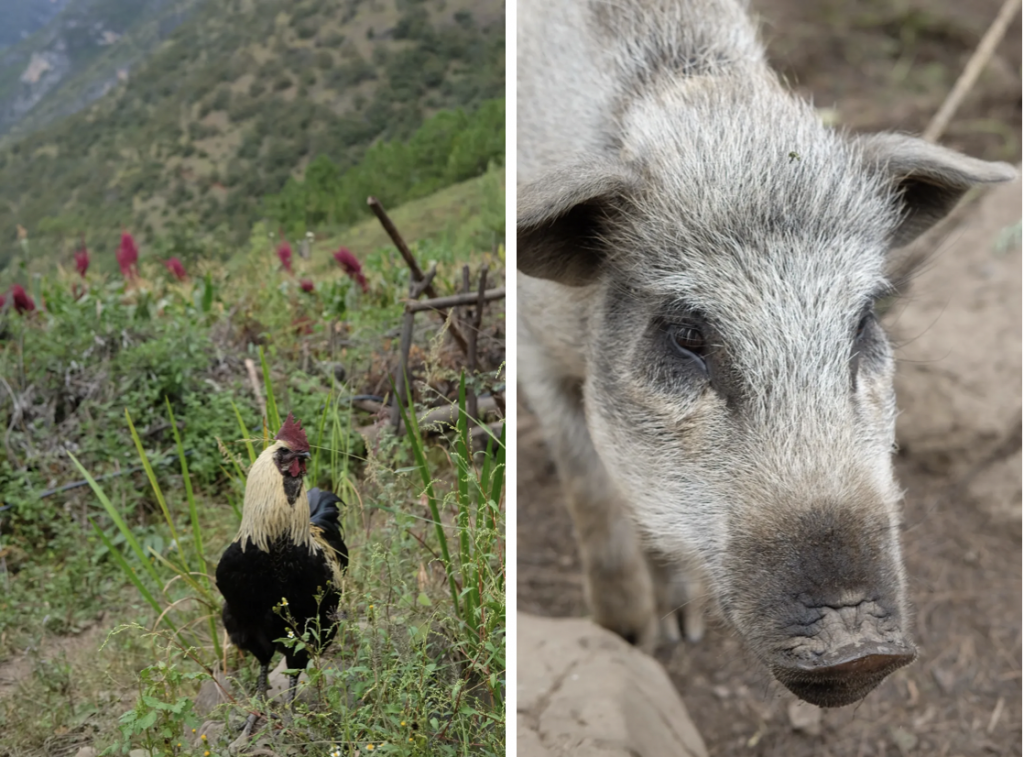
The Lisu tend to live to a great age. In the village, “there are many in their eighties and nineties, and those over a hundred are no rarity.” In my uncle’s view, it comes down to two things: the clean natural environment, and the care they take with what they eat. You are what you eat — they not only eat well, but they also know how to eat in a way that keeps them healthy. Every household here has its own recipes for food-based tonics, and each family knows something, more or less, about medicinal properties. When they feel unwell, the first thing they think of is not to see a doctor but to use food to ease and restore the body; they understand, too, how to ward off illness before it takes hold.
On the mountain there are over a hundred kinds of edible wild greens alone. The bamboo-leaf greens we had were gathered from bamboo groves above 3,200 metres; the elders say they can “cut through the grease.” The tree fungus steamed with eggs, chewed slowly, carries away the grime that settles in the stomach — the Lisu always have two or three such meals in a year. The rare green thorn-fruit buds and mint leaves, stewed with cured pork, have a cool, refreshing quality tinged with a mixed bitterness.
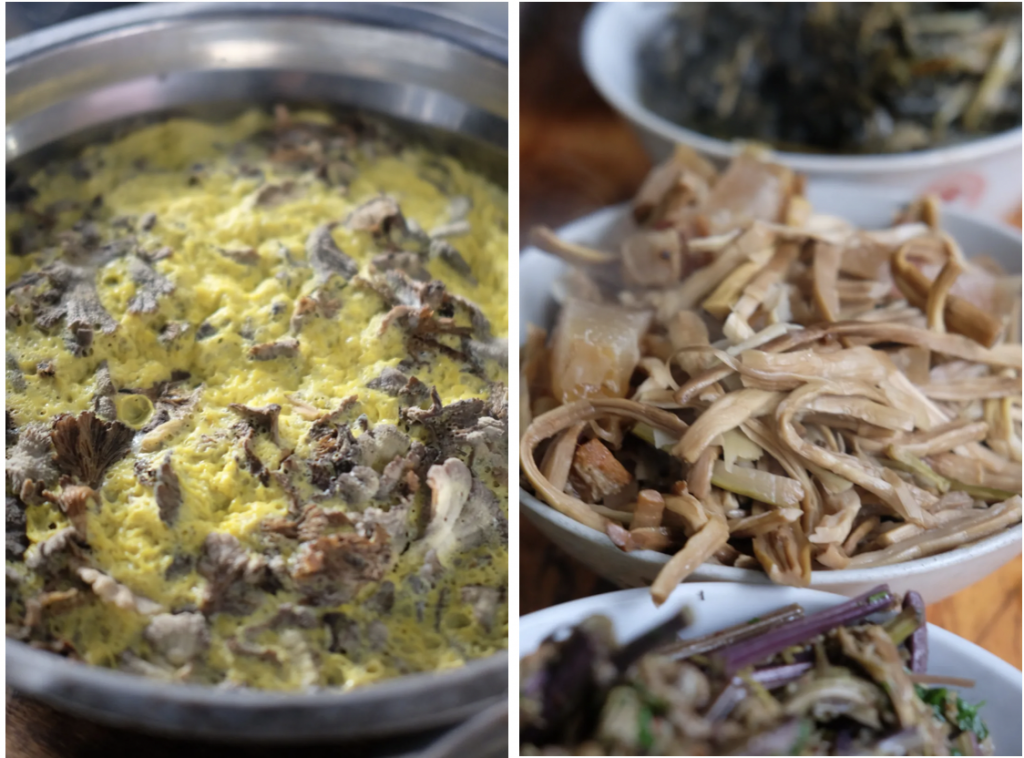
I noticed that the Lisu diet features a great many wild greens with a cooling, heat-clearing quality, including the plantain (Plantago) we had earlier. My uncle said it is because they eat cured pork so regularly that they are prone to toothache and internal heat. At its core, it is a philosophy of balance.
Just as they like to add pungent, warming herbs — Chuanxiong (Ligusticum chuanxiong), Qianghuo (Notopterygium), and others — when stewing chicken soup: years of walking and living in the mountains, of being repeatedly drenched by rain and soaked by dew, leave one vulnerable to rheumatic pain and joint stiffness. And after a long day of hauling up and down the slopes, a glass of homemade Schisandra wine replenishes the qi and helps shake off the fatigue.
Once we had finished eating, my uncle took us for a stroll around the house, front and back. Weeds that struck us as utterly useless were, in his telling, fine remedies for all manner of ailments — and he spoke of them with great relish. It turned out he is the herbalist of the community. After finishing high school, he had taught for two years, but as the only son in the family, he had no choice but to give up his post and come home to farm. Still, he has a deep love of medicinal herbs, and over the past forty years he has truly immersed himself in their study.
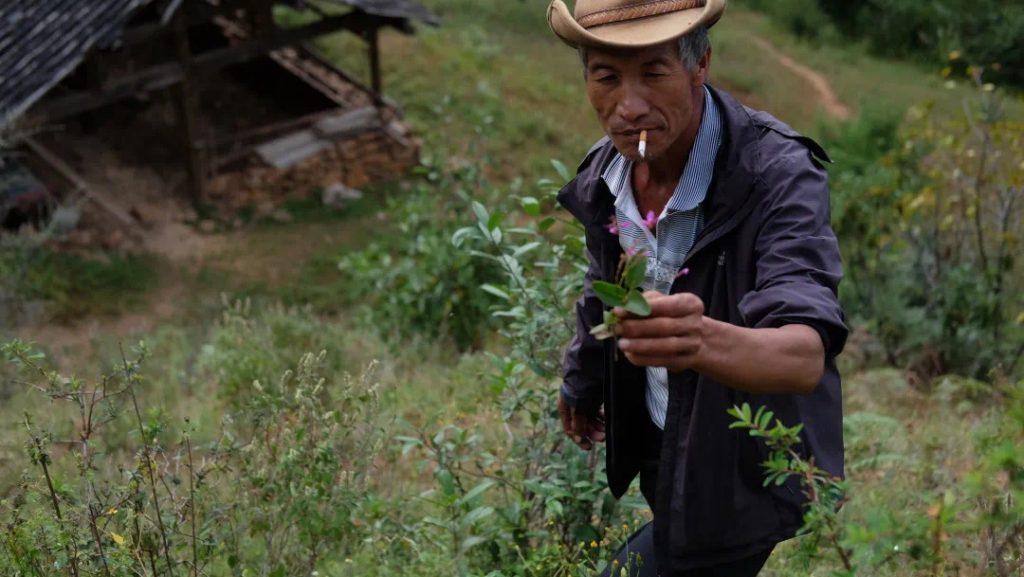
He gave several interesting examples of Lisu herbal wisdom: for pain in the tendons, you look to vine plants; for gynaecological problems, you use flowers (the female reproductive system is, after all, like an upside-down flower); and a ginseng-like herb that is blood-red all over helps clear the redness in the eyes. In my uncle’s words, this is choosing medicine by its “form.” Yuanbo, who is well versed in traditional Chinese medicine, pointed out that this is the same as the TCM principle of “taking the image and drawing analogy”: they do not use instruments to analyse a plant’s chemical composition but observe its form, find the human organ it resembles, and boldly put it to medicinal use. Over the generations, this is how a body of local herbal knowledge was built up.
Though we harboured some doubts about all this, my uncle has truly and undeniably cured many patients with his methods.
“Many ailments that the big hospitals cannot cure come fully right here with just a pinch or two of herbs,” my uncle said. “But it is such a pity — my knowledge is not enough. I simply do not know which component in the preparation is actually doing the work.” Because of this, he has been influencing and encouraging the younger generation, Jianwen among them, to study medicine or botany, to seek the assistance of science, and to verify this ancient wisdom.
III. The Younger Generation’s Choice
“There are many things about our highland people worth introducing to the world,” Jianwen said, gently but firmly, as we finally met him in the evening, fresh from a long, dusty journey back from Kunming.
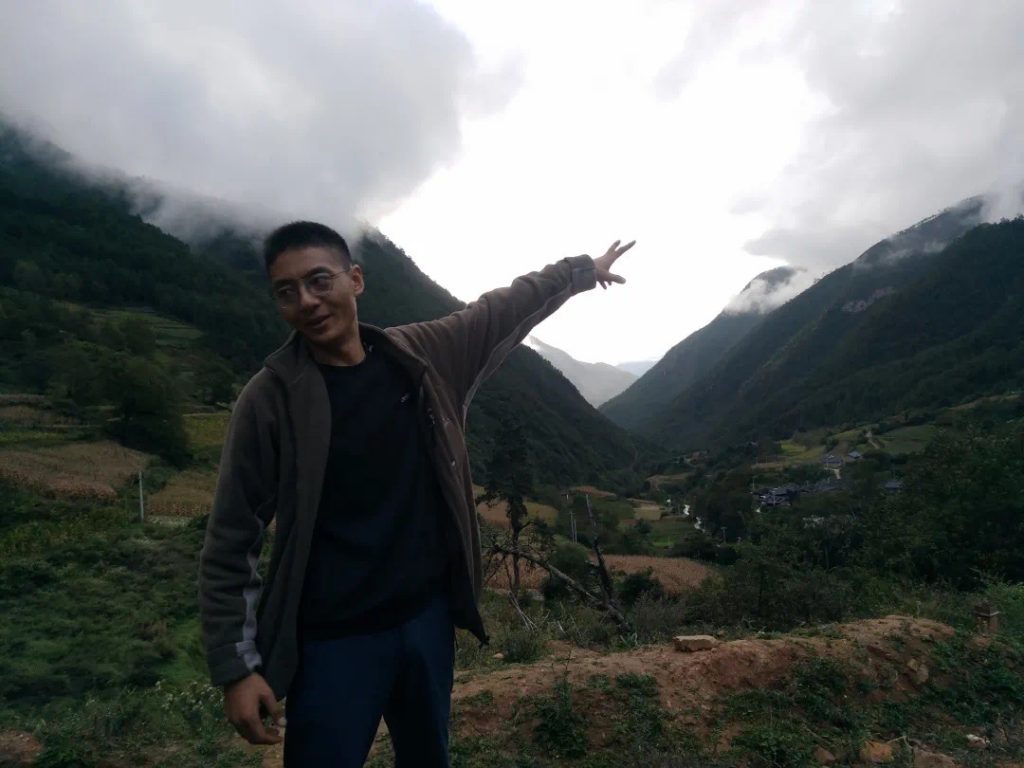
He grew up in the mountains, completed a master’s degree in Chinese medicine through a joint programme between Yunnan University of Chinese Medicine and the Kunming Institute of Botany, Chinese Academy of Sciences, and is now reading for a PhD in the Department of Microbiology, School of Life Sciences, Yunnan University. He has long been engaged in research in ethnobotany and mycology across Yunnan and various parts of Southeast Asia. This time, returning to his hometown to carry out fieldwork on traditional food culture, the motivation behind it was a very small one.
“Every time I come home for the New Year, that dish I want to eat is always somewhere I can’t find,” he said. “The elders in the village are getting old too, and the brothers and sisters at home are gradually losing that awareness. But this is the knowledge my people spent hundreds of years building up.”
As we experienced over these two days, the diet of the riverbank Lisu is built on a rich knowledge of wild greens and ecologically raised livestock, with a strong tradition of using food as medicine. A representative highlight is the “Lisu Eight Great Bowls.” “By my father’s generation, many important ceremonies and festivals called for the Eight Great Bowls,” Jianwen said.
The so-called “Eight Great Bowls” is, in fact, a term that only came into use once living conditions had gradually improved over the past few decades. When Jianwen’s maternal grandmother was a child, the family’s diet was still very simple: “One chicken for the New Year, and a little foraged mountain delicacy brought home — that was all you needed.”
The “Eight Great Bowls” as it exists now is considerably more complex, with rich combinations that vary greatly from household to household and shift with the seasons. Typically there are four meat dishes and four vegetable dishes. The vegetable dishes characteristically include bamboo-leaf greens, turnip greens, wild mushrooms, and mountain bamboo shoots, while the meat dishes centre on the Lisu black pig, free-range chicken, Jiangbian La, and stuffed pig’s stomach. The last two are made in rather distinctive ways: Jiangbian La is a stew of pig’s stomach, heart, liver, and large intestine, combined with chillies — appetising and dispelling dampness in equal measure. Stuffed pig’s stomach involves taking various cuts of pork, curing them with spices, packing them into the pig’s smaller stomach, stitching it shut, and hanging it for a while until it becomes truly delicious. “Mountain pepper, Asarum, camphor tree seeds …” Jianwen listed several of the native spices for me, all of which serve to release the exterior and disperse cold.
Although it originated under the influence of Han Chinese culture, after decades of adapting to local custom it has become a concentrated expression of Lisu food culture. In June and August this year, Jianwen led the “Riverbank Lisu Eight Great Bowls” research group on fieldwork visits, documenting more than a dozen distinctive wild ingredients, their preparation methods, and the stories behind them. Through the “Eight Great Bowls,” he wants to explore: why the Lisu as a people prefer to live in the mountains, how they use food to regulate and restore the body, and how, through ingredients, they understand and express the relationship between people and nature. As a scholar, he also hopes that through this research the scientific classification of ethnobotany can be woven together with local food culture, encouraging the villagers to gather, treasure, and pass on these culinary traditions.
In the evening, Jianwen invited the elders and young people of the community to come and chat with us, telling stories of Lisu history, culture, and daily life. Everyone supplemented and corroborated one another’s memories. As the mood reached its peak, the musicians struck up the lusheng and led the young men into the dab tiao, a traditional circle dance, in the middle of the courtyard, and the whole space was instantly filled with laughter and song.
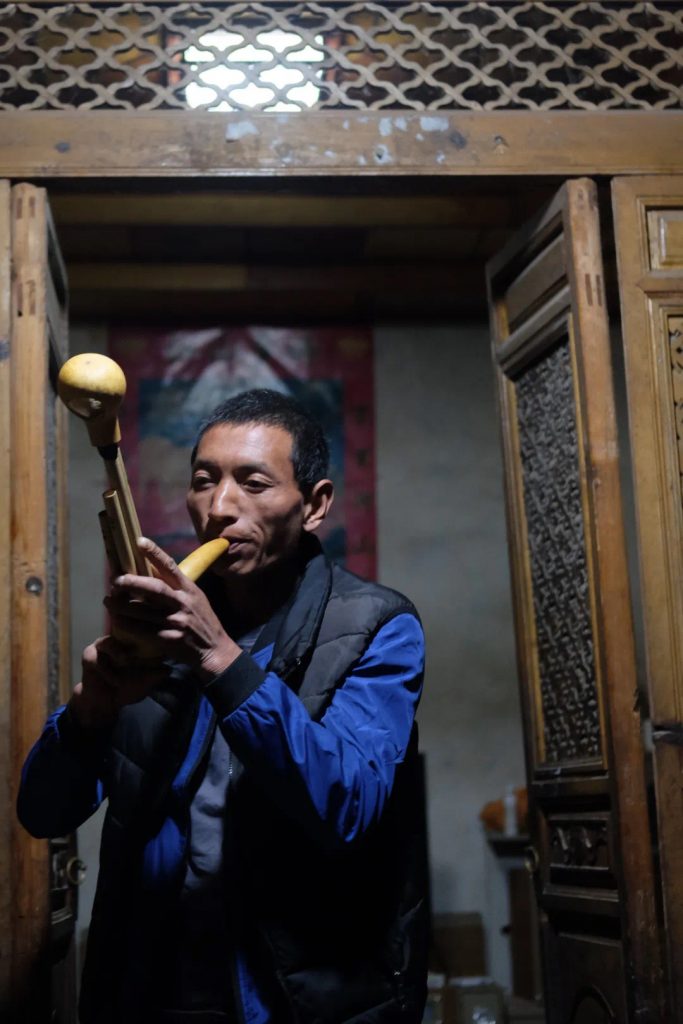
I asked Jianwen, out of curiosity, why the village had so many young people. He said the Lisu have always been a people who prefer to withdraw from the world and live in seclusion — just as in their singing, where they express their feelings the way a poet might.
Like poets! That description struck me instantly.
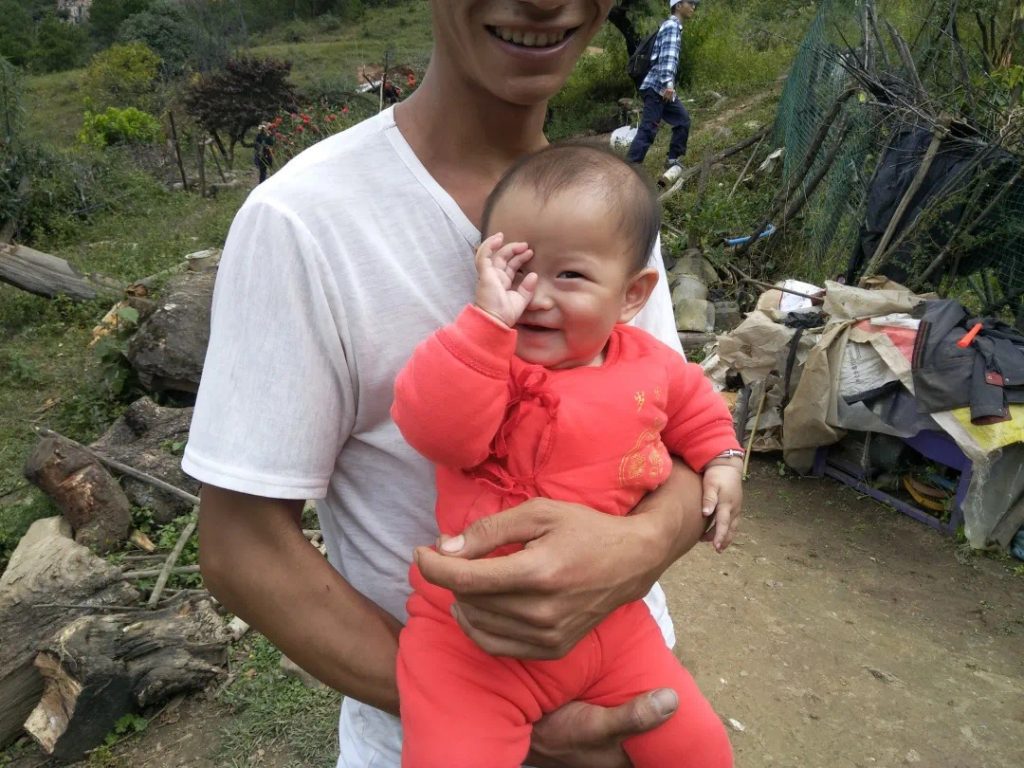
I thought back to a Lisu uncle I had met in the mountain village that afternoon. While we were eating and talking, he was on the other side of the curtain, holding a baby in his arms, humming an old song in a quiet corner where no one was. His voice was gentle and unhurried, utterly enchanting. Once we spotted him, he stopped, bashful, but after a while the singing drifted back again — full of a free, natural poetry that seemed to well up from temperament itself.
The young people are reluctant to leave. On the one hand, modern city life feels foreign to them, hard to fit into; on the other, they are naturally at ease and expansive by temperament, with little attachment to material things, and they would not compromise themselves into a job just to earn a living. Among Jianwen’s cousins, not a few are “smart people” with university degrees, yet they still chose to come back. ‘Rather than jostling with each other for scraps, it is better to tend the herds up on the mountain, clean and simple.’
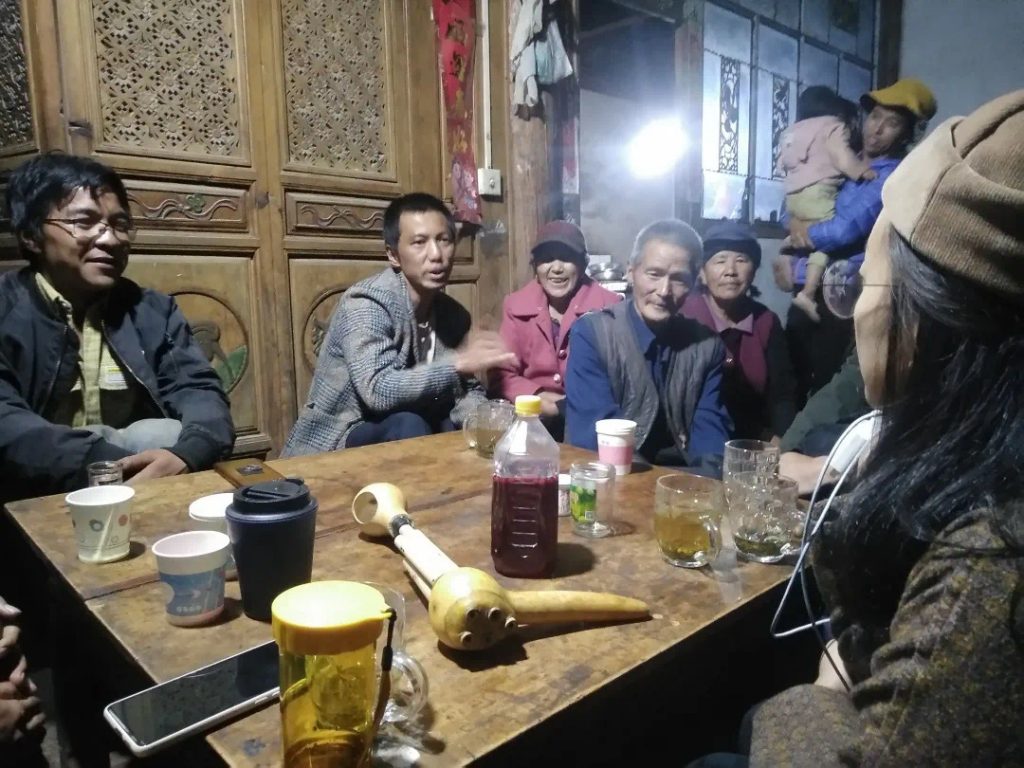
I laughed and asked Jianwen, who had already settled in Kunming, “Do you envy them?”
“I do. They live such a good life — eating the most pristine food, breathing the best air.”
“And do they envy you?”
“No,” he answered, with absolute finality.
“Do you regret choosing the city?”
“No, I have my place,” he answered. On one side, a rapidly developing economy; on the other, the wisdom the ancestors left behind — and he has chosen to be the bridge between them.
Foodthink says
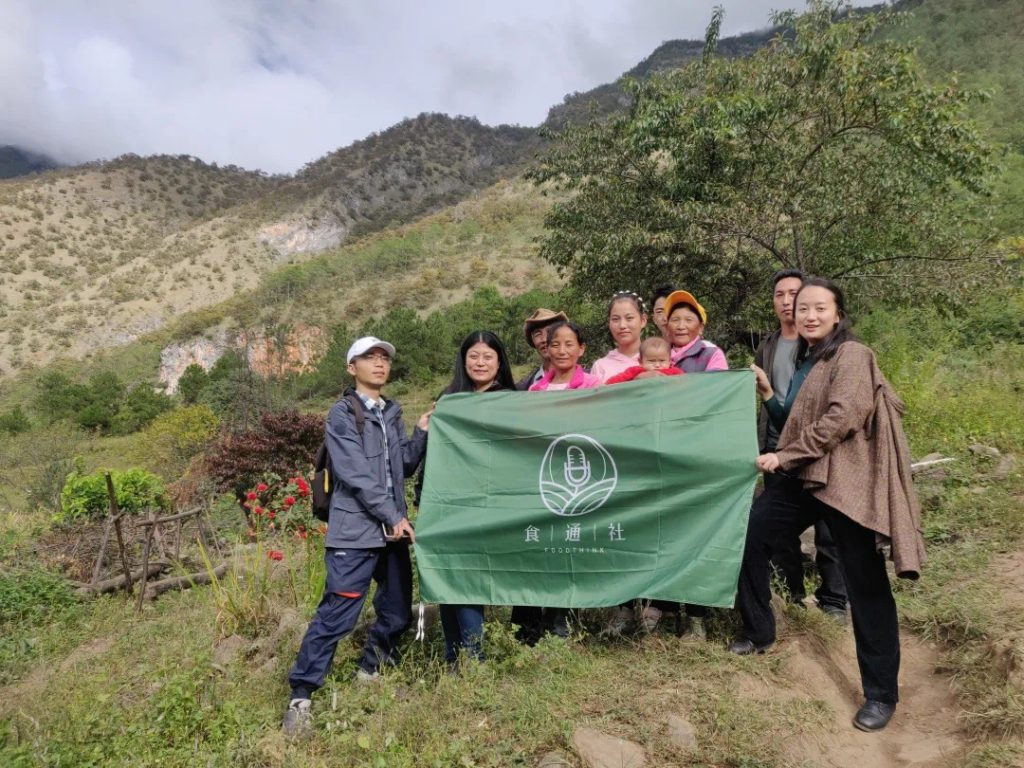
Jianwen in this article is a Phase 2 partner of the Foodthink Lianhe Programme small-grant fund. In October this year, we travelled with the author to a Lisu village in Shangri-La to visit Jianwen and his family, as well as their ongoing work documenting and passing on the Riverbank Lisu Eight Great Bowls.
Foodthink publishes one or two rounds of Lianhe Programme small grants each year, encouraging partners in communities across the country to carry out sustainable food and agriculture work. Three rounds of grants have been completed so far. If you would also like to join the Lianhe Programme, keep an eye on the call for Round 4, which Foodthink will be publishing this spring.
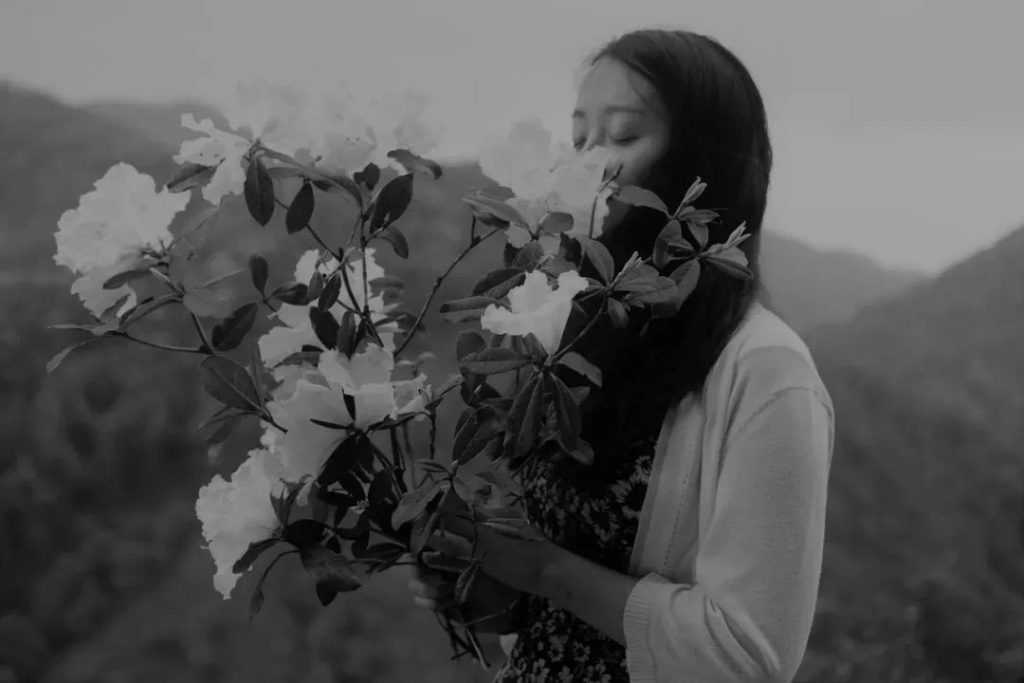
Author: Wu Jiao
Freelance writer. Her work centres on sustainable agriculture and indigenous culture; she travels year-round among mountain tribal communities, in search of ancient wisdom and the light of humanity. WeChat Official Account: Landofrice
Editor: Tianle