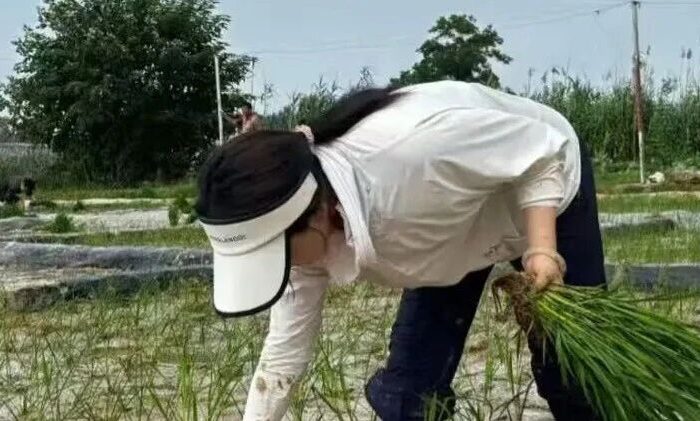
Xiaoxiong, a master’s graduate in agronomy from Huazhong Agricultural University, uses short videos to document breaking up straw, taking samples and experiments in low-carbon agriculture. As she looks for work, she faces a difficult agronomy job market and the application anxieties of gaokao parents.
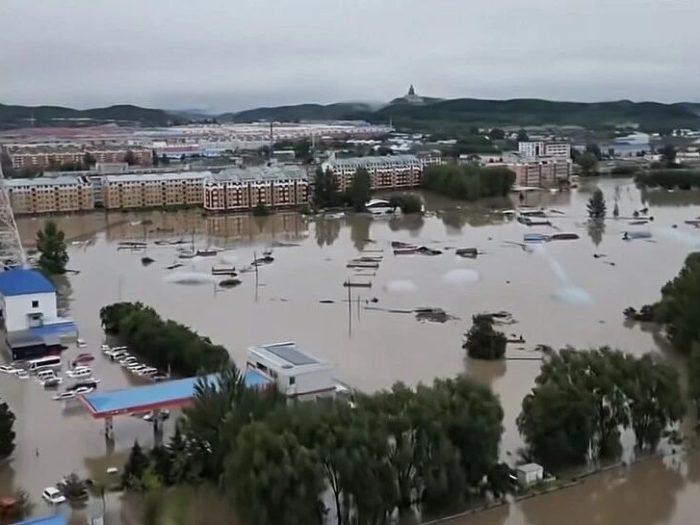
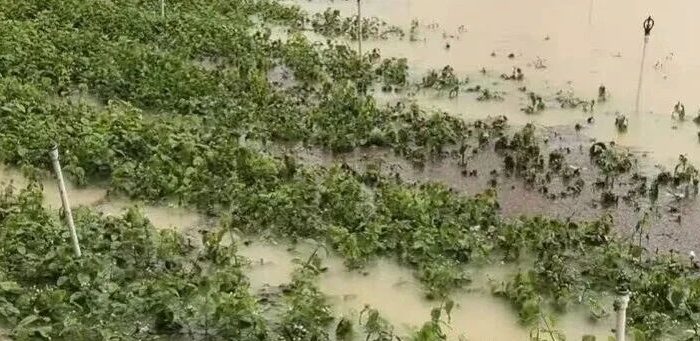
After wholesale markets, riverside villages, maize fields and ginseng fields were flooded, silt clearance and rebuilding continue; rain will persist across the northeast, and some places may suffer a second disaster.
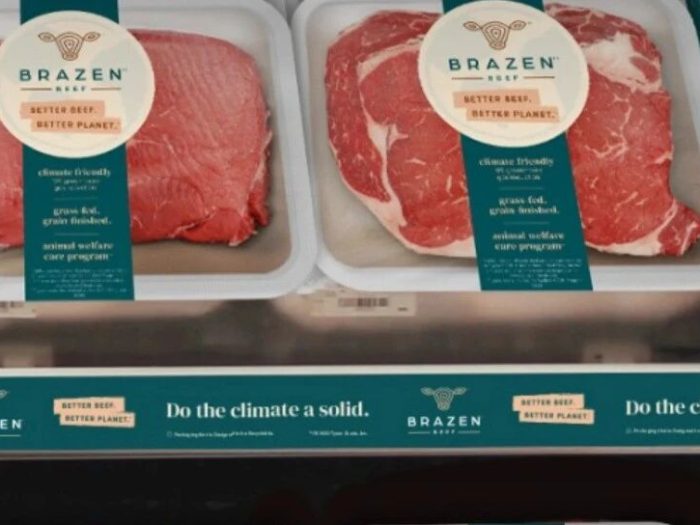
The New York State Attorney General’s office and non-profit Environmental Working Group sued Brazil’s JBS and US Tyson Food, alleging ‘climate-friendly’ industrialised beef claims misled consumers; after settling, the firms withdrew or modified net-zero statements, but environmental labels on packaging still need a verifiable basis.
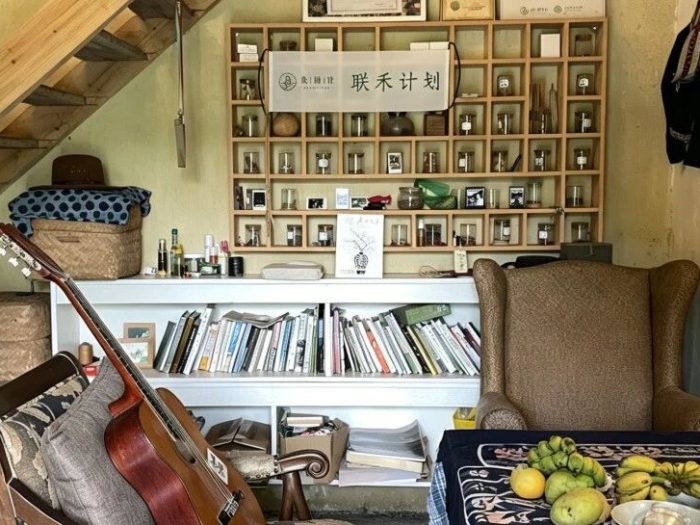
Foodthink’s sixth-round Lianhe Plan has selected 12 climate action projects from 58 applications, covering ecological restoration, community composting, low-cost risk reduction for smallholders and women’s empowerment.
Typhoon Maysak brought sustained heavy rain, and Liulan Reservoir in Hengzhou, Guangxi, breached, flooding jasmine fields, rice fields and fish ponds. Tens of thousands of residents were relocated, and agricultural insurance and flood resilience issues under extreme weather were highlighted.
Loss survey and loss assessment, random sampling, and premium refunds mean that smallholders’ agricultural insurance payouts often fail to align with expectations; during widespread disasters, the claims-paying capacity of agricultural insurance and catastrophe risk pooling still face pressure.
Yi Fujin of Zhejiang University opens with a cow, an acre of maize, and a late spring frost, explaining how agricultural insurance works and why smallholders struggle with claims settlement during extreme weather.
Foodthink’s sixth round of small-scale grants under the Lianhe Plan provides funding of 5,000–30,000 yuan, along with communications and professional resource support, to help farmers, communities and social organisations implement food and agriculture transition projects amid climate change. First-round applications close on 17 May.
Over the past year, articles deleted from Foodthink have covered delivery riders, mouldy corn in North China, rural heating in Hebei and high-standard farmland. Reader comments have been quickly blocked, and the space for public discussion has narrowed.
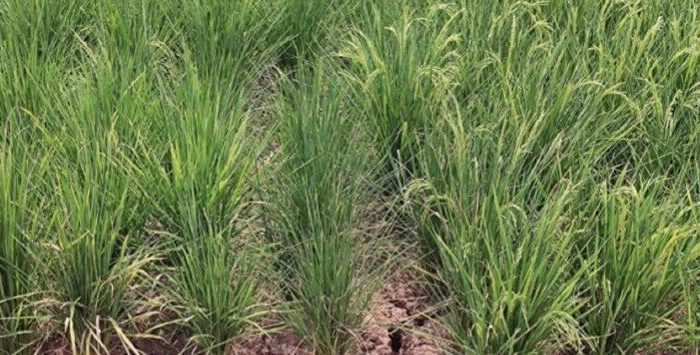
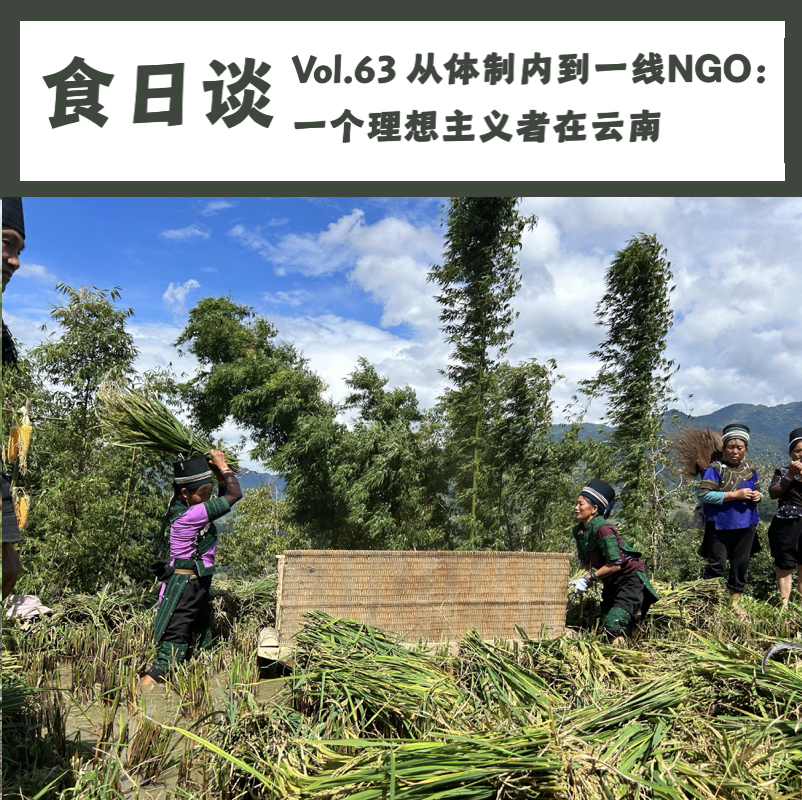
Zuo Zhi, executive director of the Yunnan Sili Centre for Ecological Alternative Technologies, teaches farmers out in the fields to use fewer pesticides and grow heritage rice varieties, building trust by ‘speaking plainly’ while promoting climate-friendly rice.