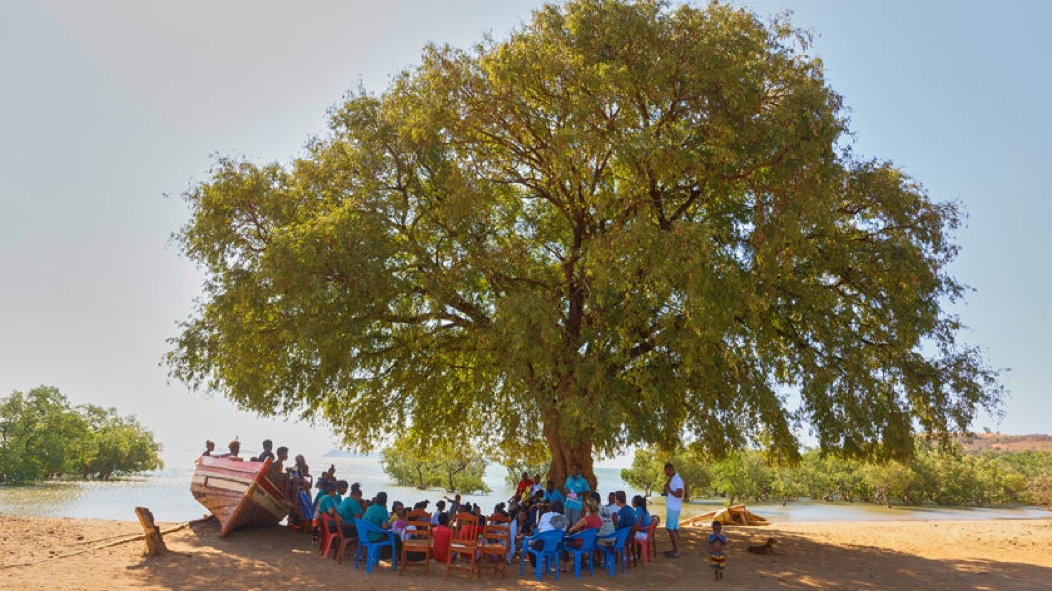
In fishing villages on Thailand’s Andaman Sea coast, fishers and environmental organisations such as the Save Andaman Network use community-managed conservation areas to protect mangroves, seagrass and blue swimming crabs, while resisting dredging works and carbon sink projects that erode resources and livelihoods.
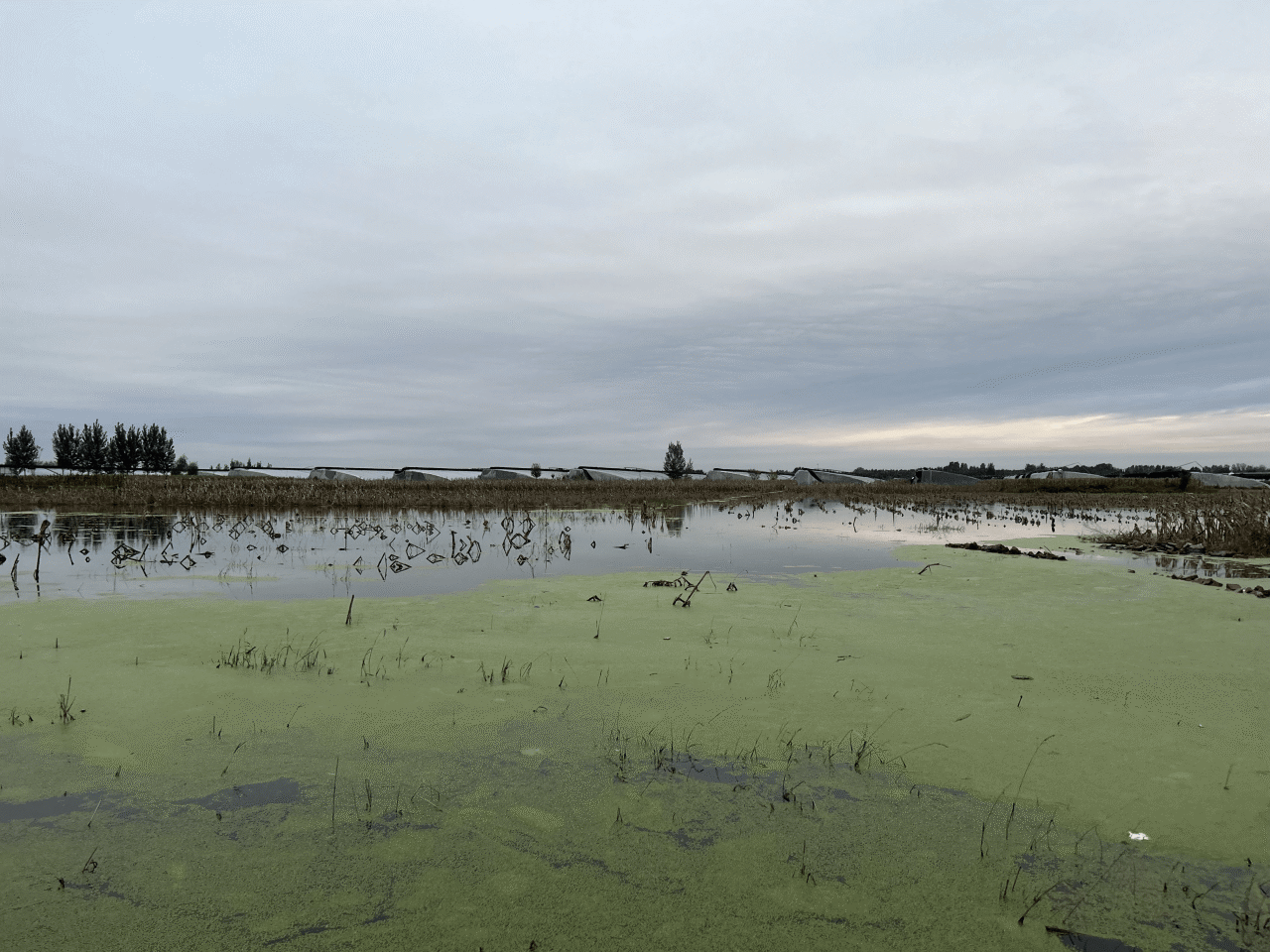
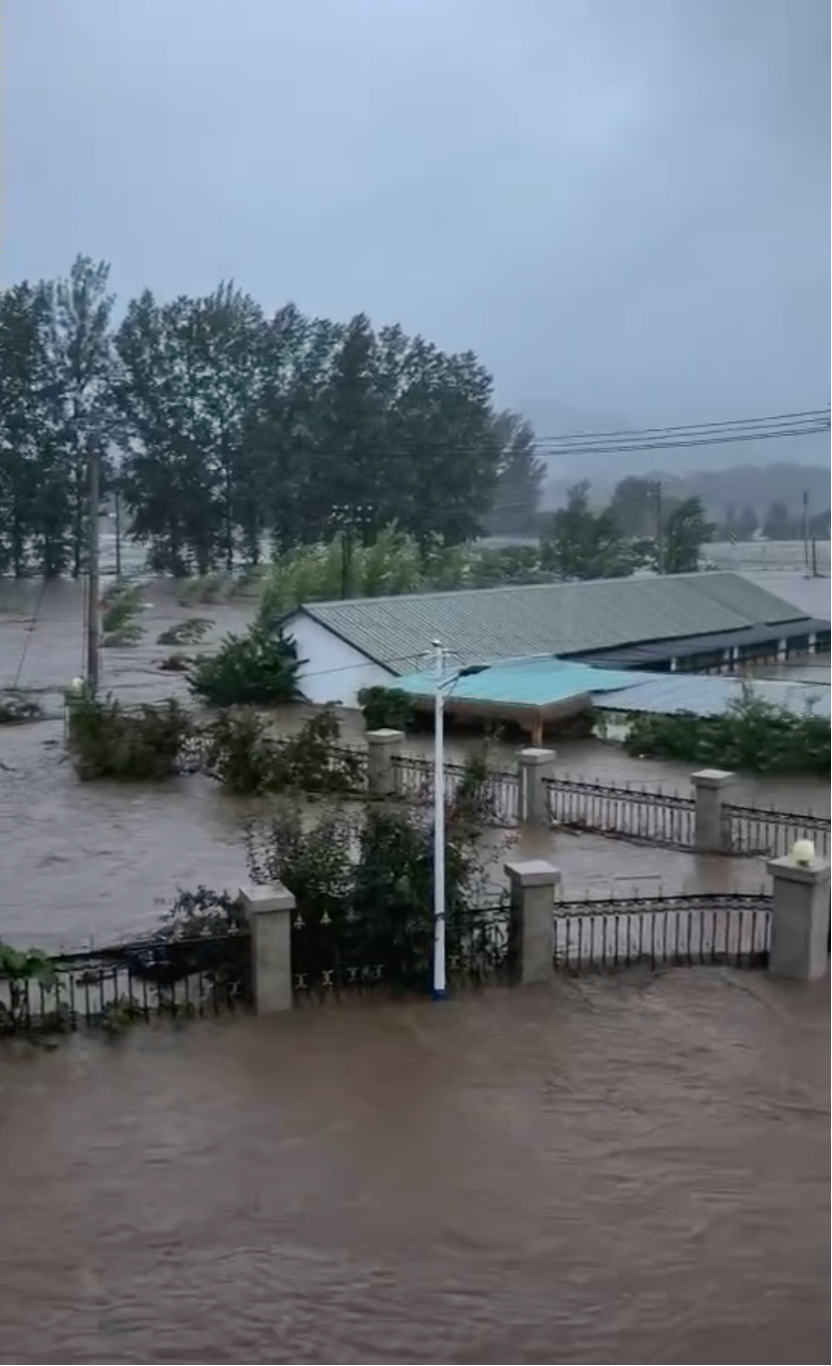
Extreme weather in the north, including flooding and successive droughts, has pushed the No. 1 Document to strengthen disaster prevention. The first appearance of low-carbon agriculture moves the climate agenda from adapting to risks to emissions reduction; the key remains involving small farmers and ensuring they benefit.
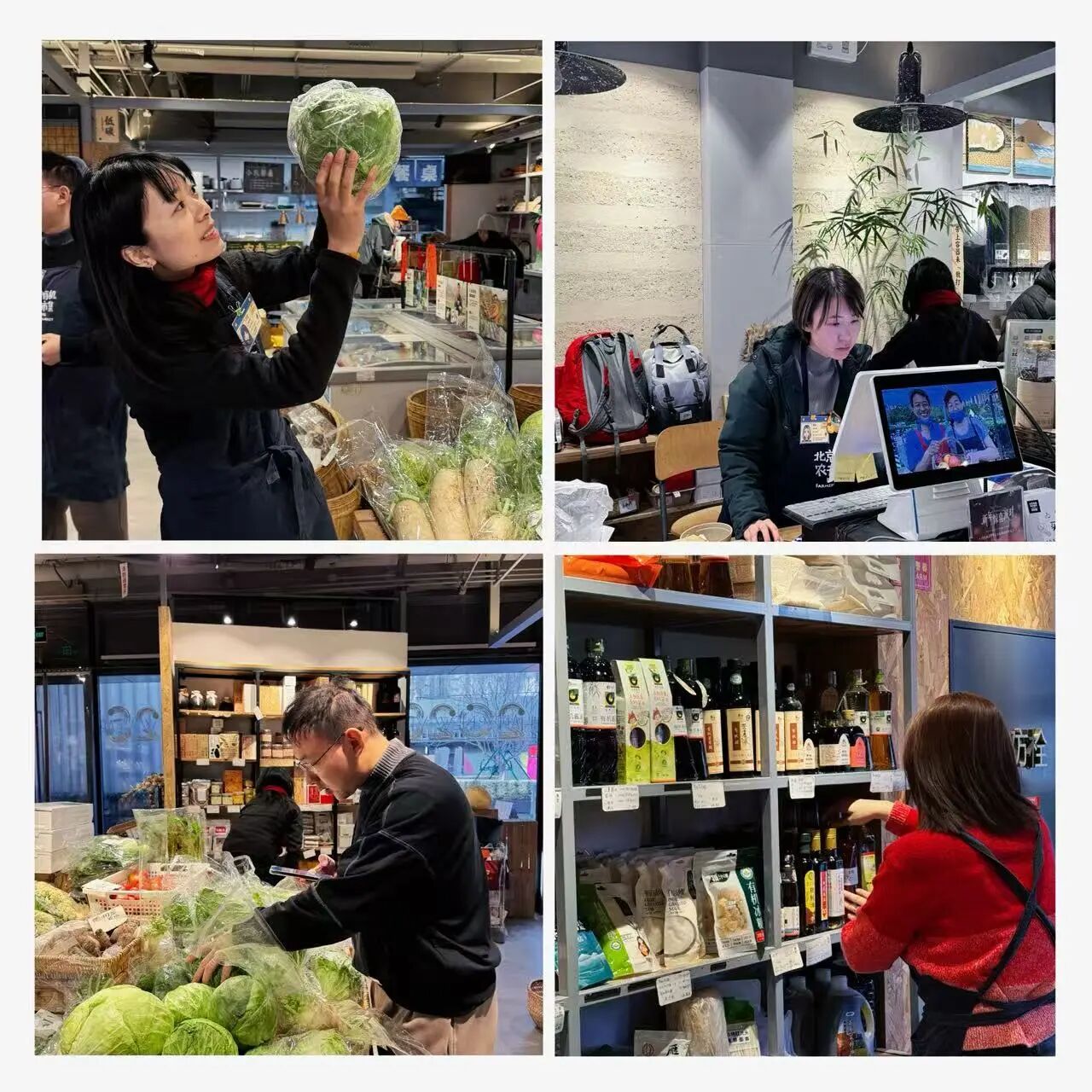
From consumers to shop assistants, eight Foodthink members worked nonstop for 12 hours at Jishi, an ecological organic vegetable shop in Beijing. Identifying produce, packing, live streaming and washing lamb soup bowls, they saw how selling vegetables links in-store service, supply chains and domestic labour.
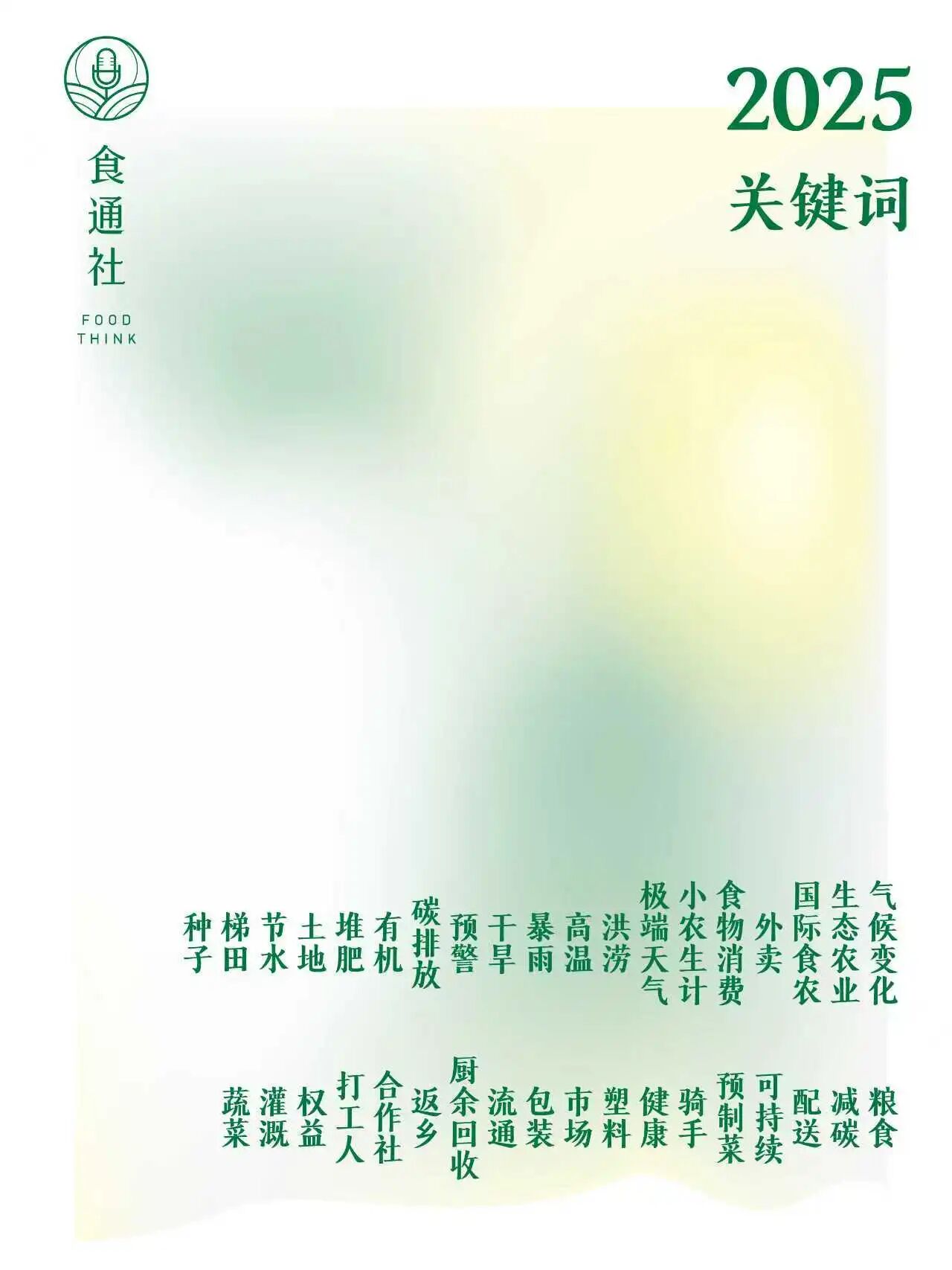
Food and farming media outlet Foodthink’s 2025 hot topics cover climate disasters, the food-delivery wars, imported meat, smallholders’ plight, returning home to farm, ecological agriculture and the pre-prepared food controversy.
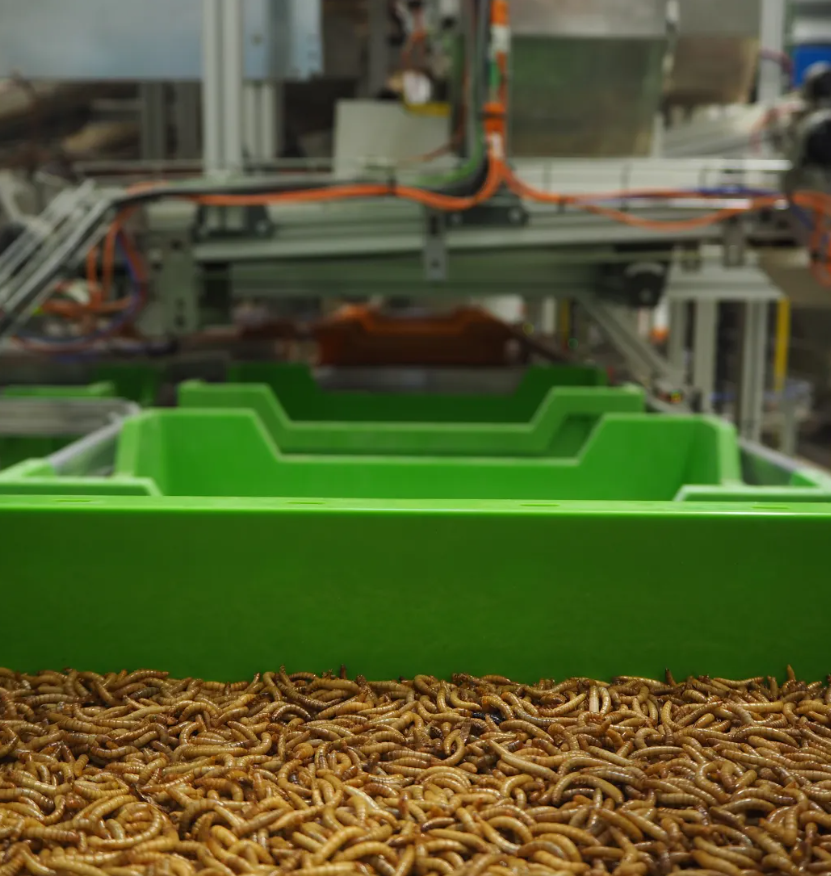
From American cockroach coffee to the bankruptcy of the European insect protein unicorn Ÿnsect, insect protein has been packaged by capital as low-carbon feed and the answer to the food crisis; the energy costs, research disputes, and regulatory easing in industrial farming are moving “eating insects” from science fiction toward the dining table.
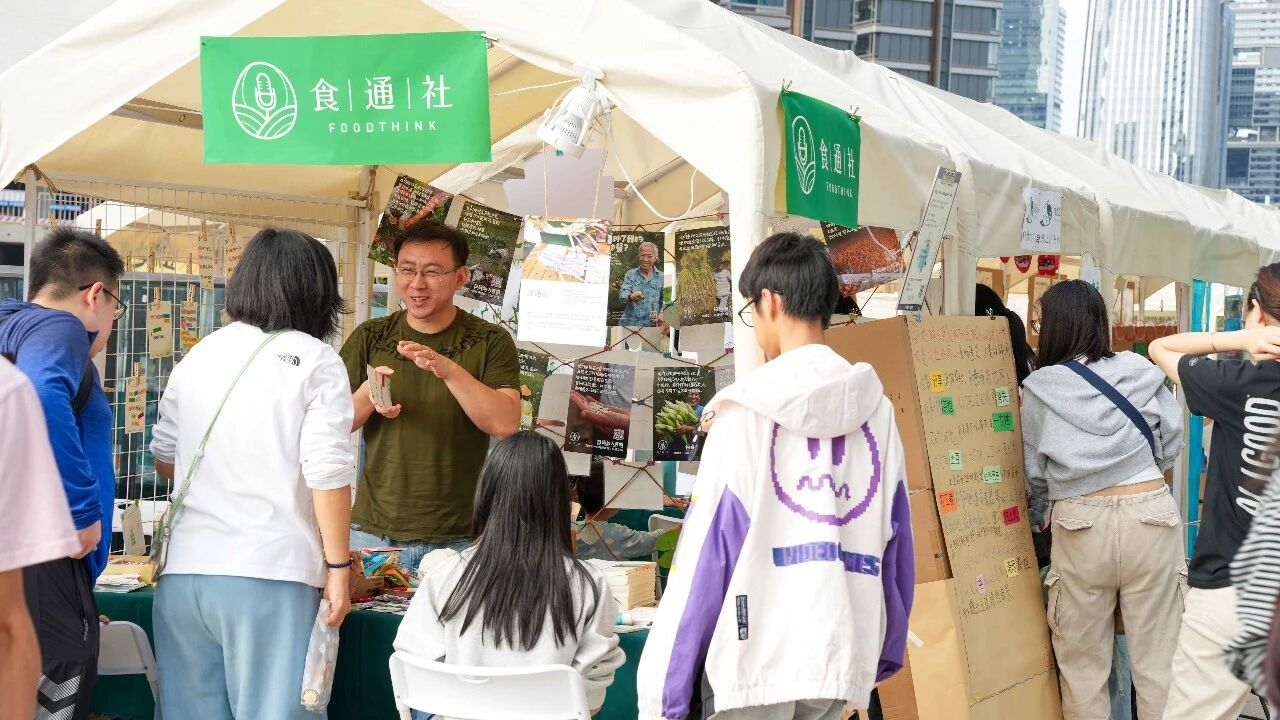
Nearly a hundred participants in Guangzhou chained article titles and Cantonese cuisine in a relay, creating eight climate science-fiction stories; the documentary “Whose Table, Whose Pasture” and sharing from rural visits probe imported frozen meat, rural disasters and Guangzhou’s extra-long summer.
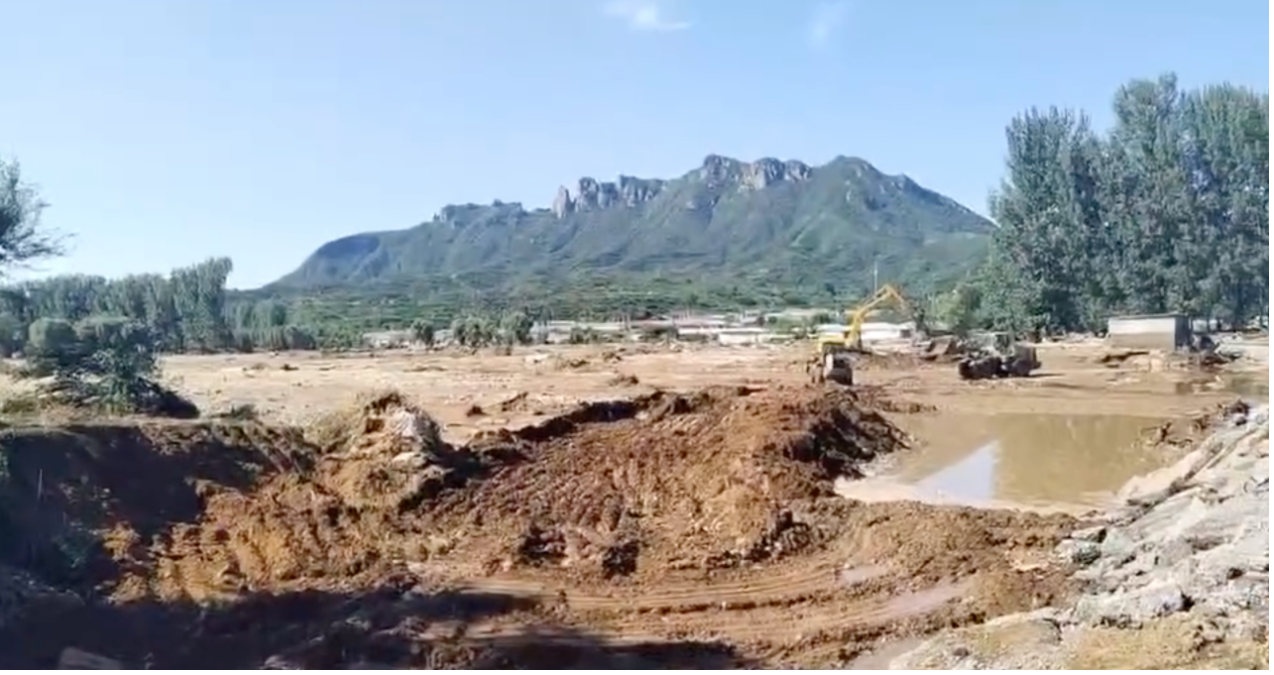
After flash floods left Sohu Farm in Miyun in ruins, Zhen Rui abandoned recultivating the original site, borrowed neighbouring land to replant sweet corn, and pressed the farmers’ climate-adaptation question as funding, insurance and land planning remain unsettled.
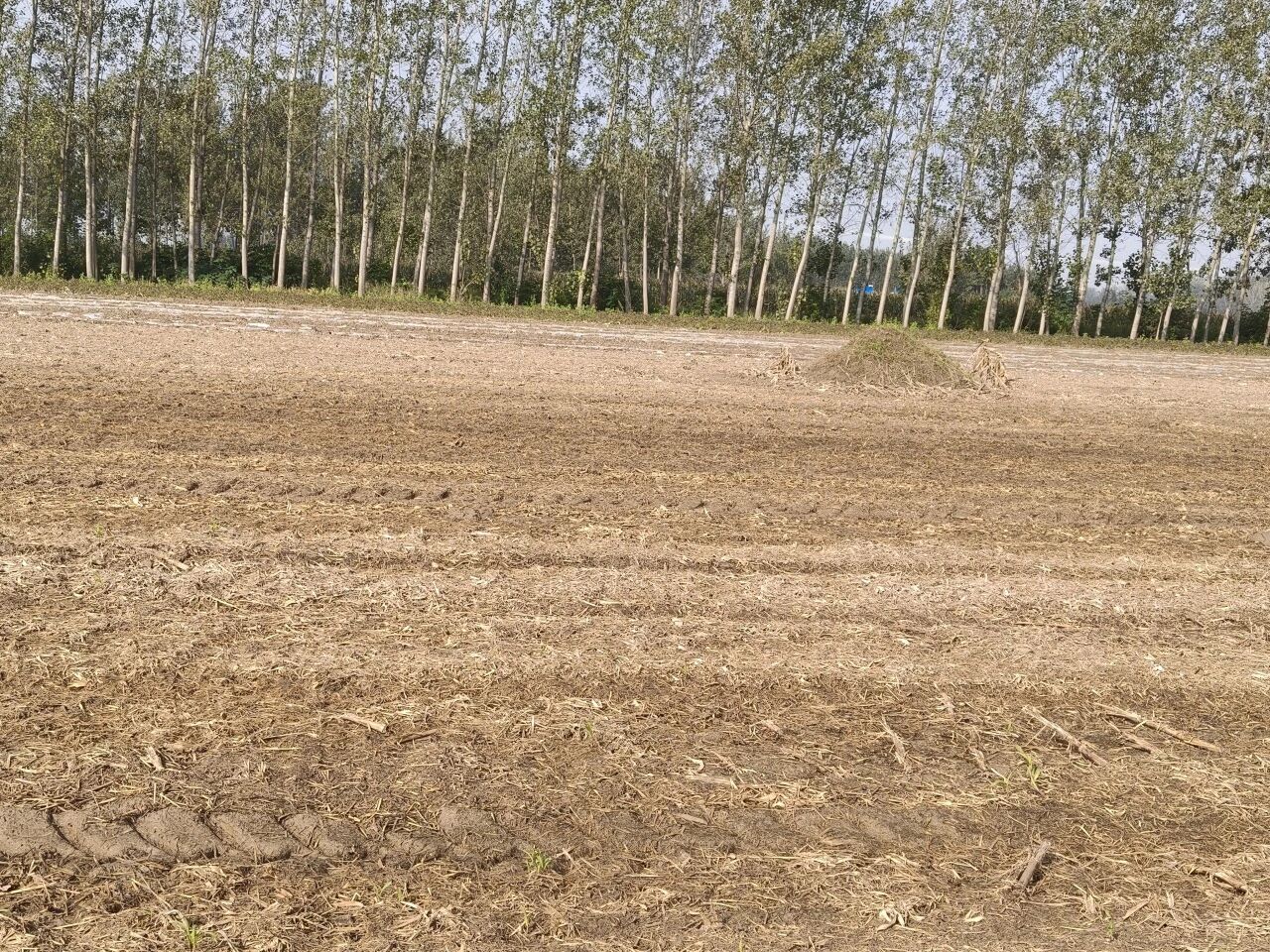
From Henan’s Shangqiu to Hebei’s Handan, persistent rain has repeatedly hindered maize harvesting, drying and kiln-drying. Harvesters have bogged down, maize cobs have moulded and sprouted; even with tracked harvesters and drying towers deployed, most growers still struggle to avoid reduced yields and low prices.
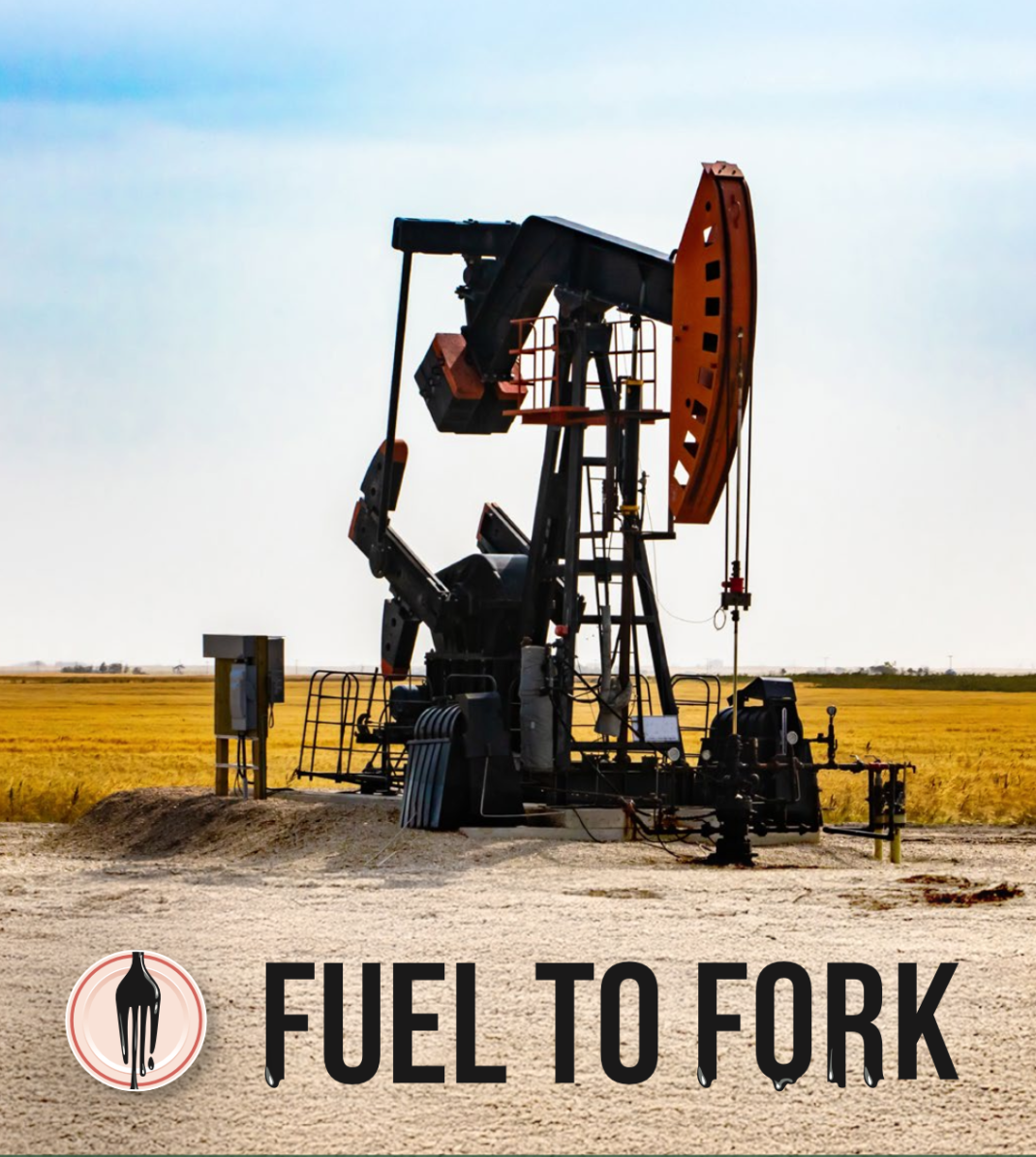
From farm nitrogen fertilisers, ultra-processed foods, plastic packaging, the cold chain and home cooking, the food system uses fossil fuels at every stage. The International Panel of Experts on Sustainable Food Systems recommends eight actions, including agroecology, local supply chains and cutting ultra-processed foods.
Disaster relief worker Hao Nan led disaster relief organisation Zhuoming’s team back to the Miyun and Xinglong disaster areas to reconstruct how abnormal mountain floods formed and how the grassroots judged evacuation timing. Grassroots disaster prevention and reduction still lack funding, staff and technical calculations.