Twenty hours later, I finally set foot on the thick blankets of snow in Lapland, northern Sweden. It was seven o’clock in the morning, and the dawn had not yet fully broken over Jokkmokk; however, the light reflecting off the brilliant white snow was enough to reveal the silhouettes of…
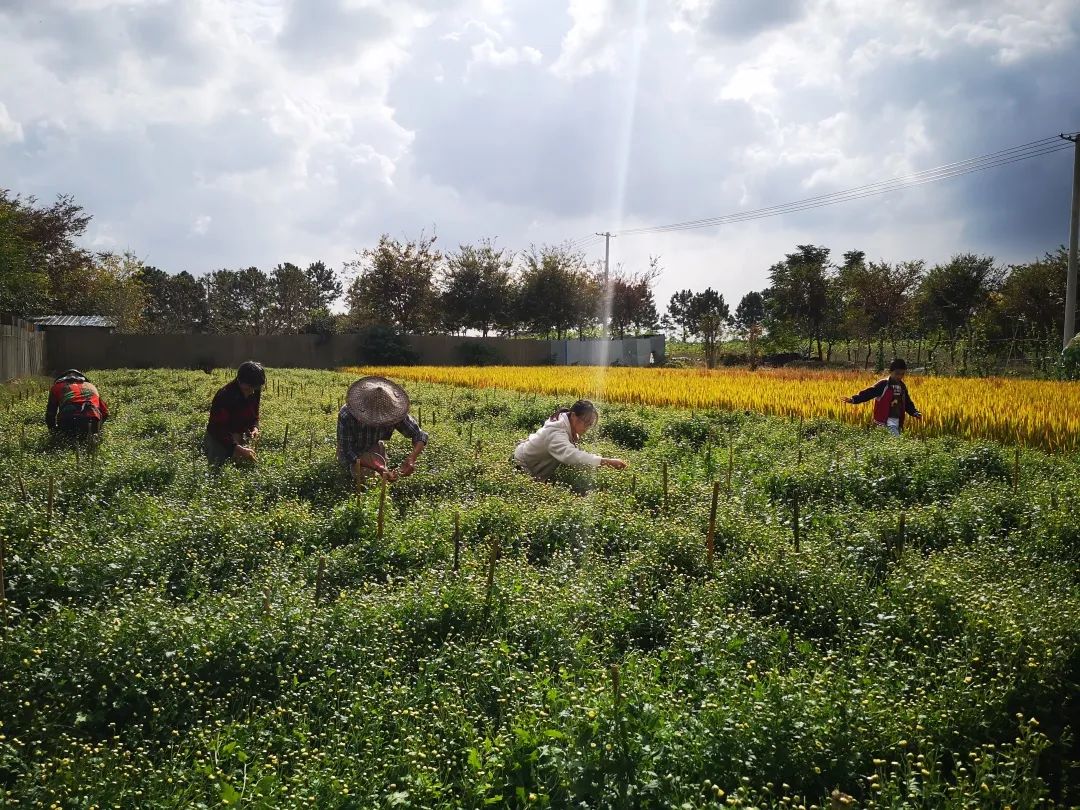
“I have an idea—though I don’t know if it will be of any use?” Her mother-in-law and the former housekeeper both stared at her. She said, “We are at our busiest in spring, but the autumn is quiet. Why not take this time to trade in Hangbai chrysanthemums? They are…
During the summer and autumn of 2021, Beijing experienced an exceptionally long flood season lasting 122 days, while precipitation across six northern provinces and municipalities—including Beijing, Tianjin, Hebei, Shanxi, Henan and Shaanxi—reached its highest level since 1961. That same autumn, I began an online master’s programme in natural resources and…
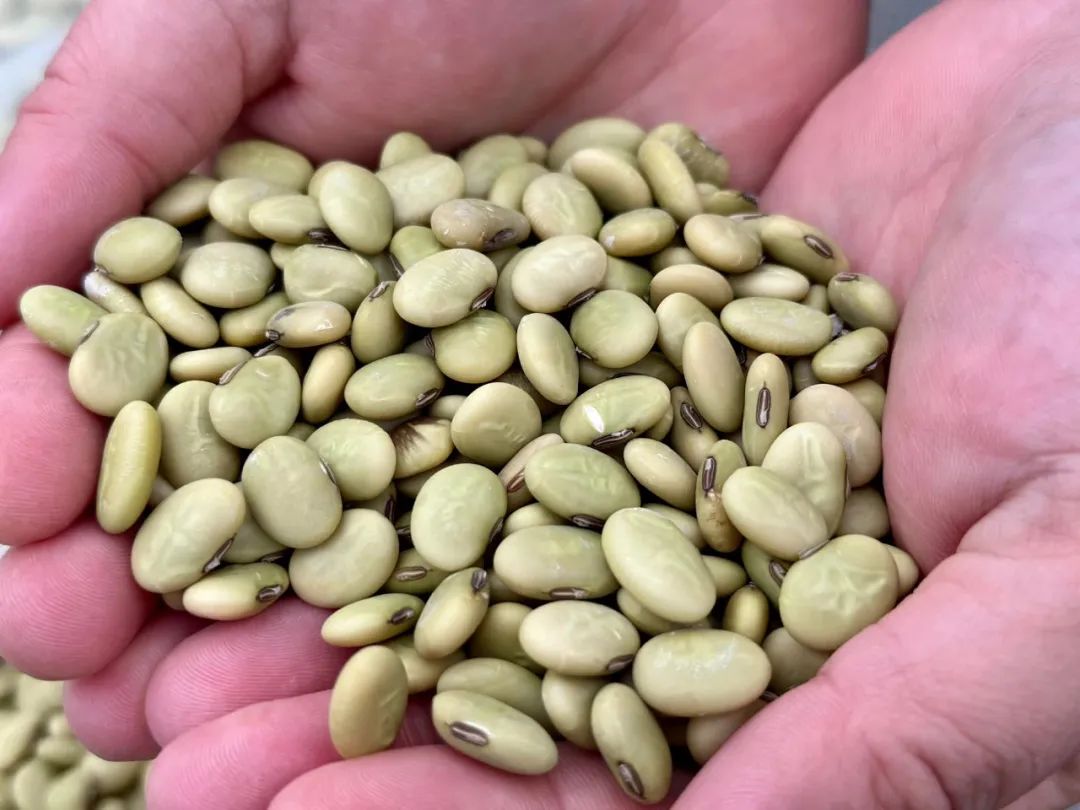
Foodthink’s Perspective As the commercial seed industry continues to grow, heirloom seeds and ancestral varieties are becoming increasingly marginalised. Their disappearance is not only a loss of biodiversity but also signals the gradual decay of diverse local culinary traditions and cultures. However, a growing number of seed savers are now…
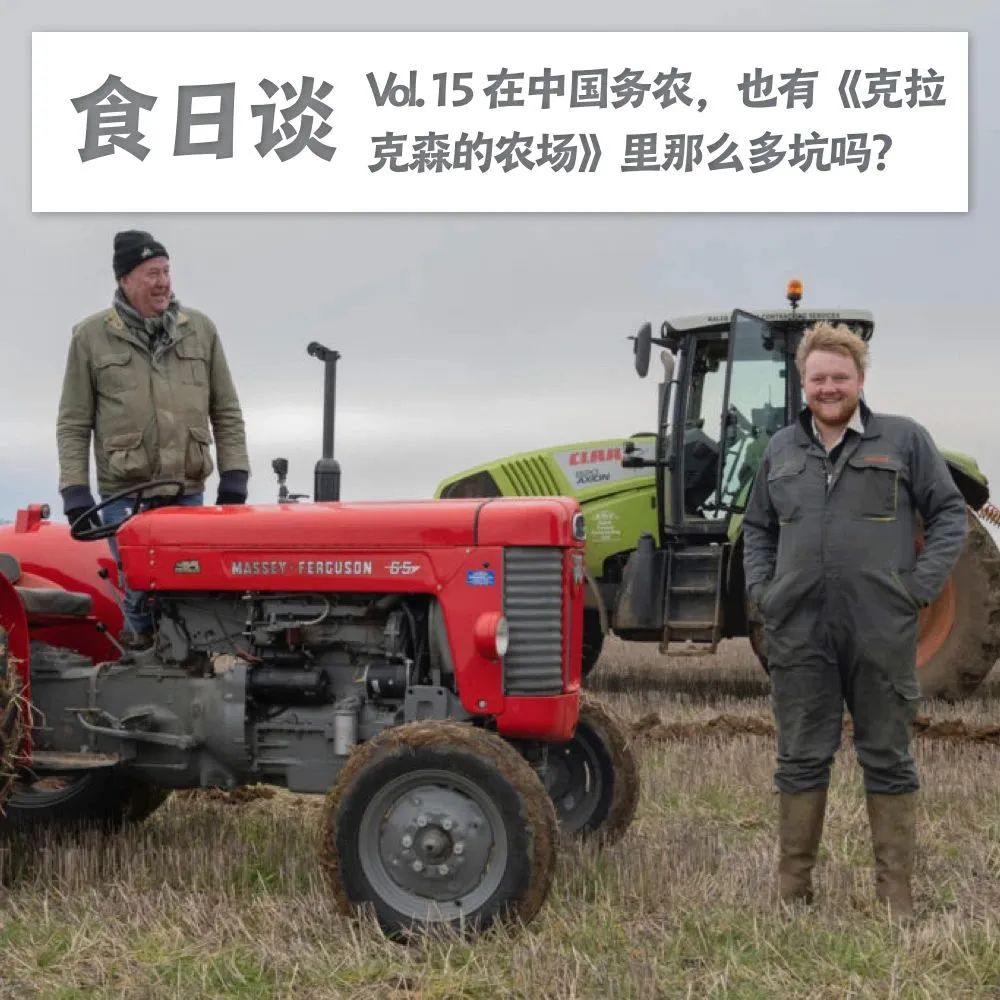
In 2021, the first season of the reality documentary *Clarkson’s Farm*, featuring a grumpy old man trying his hand at farming, earned a high score of 9.6 on Douban. This February 10th, the second season is set to premiere. Why has Jeremy Clarkson—the wealthy old man and former host of…
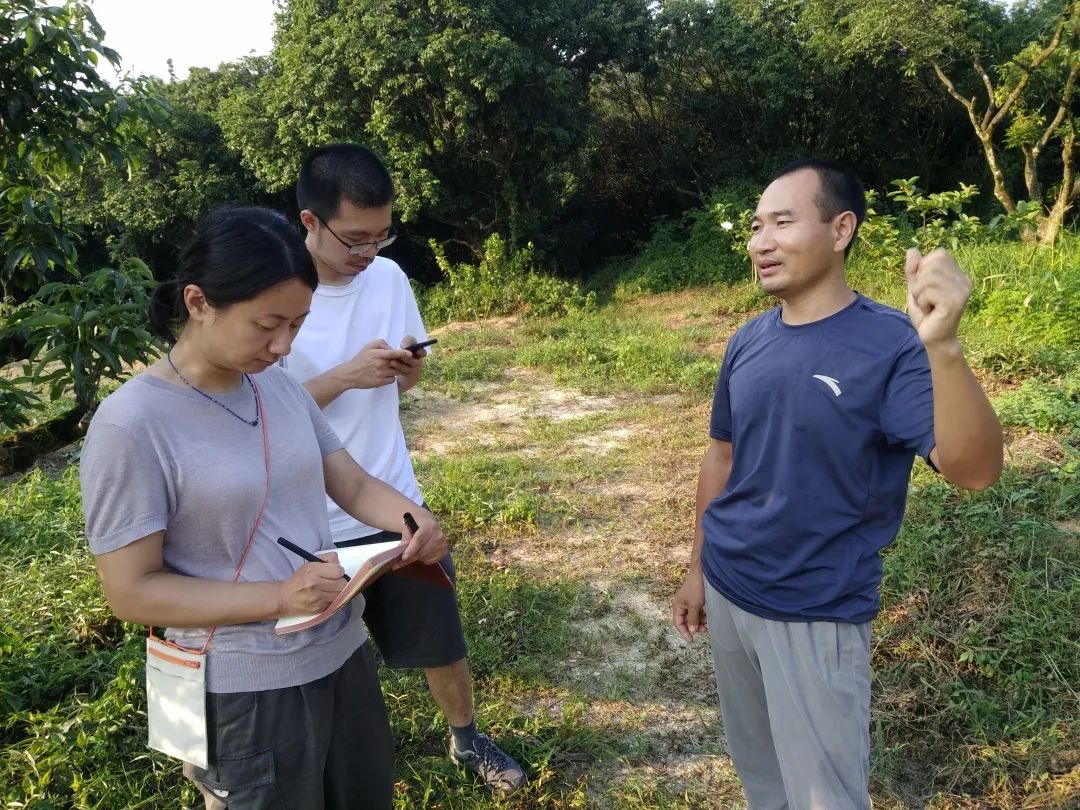
Foodthink’s Take How exactly is agriculture being affected by climate change? Foodthink has published a series of articles on this topic. Today, we share the insights of a grower on the front line. Zhao Fei graduated from the College of Agriculture at China Agricultural University, after which he joined Pingren…
A turbulent year of lockdowns, extreme heat, and disrupted food systems in China, seen through Foodthink’s nearly 100 articles, 40 events, and 13 podcast episodes — from Shanghai’s vegetable scrambles to a climate survey of ecological smallholders.
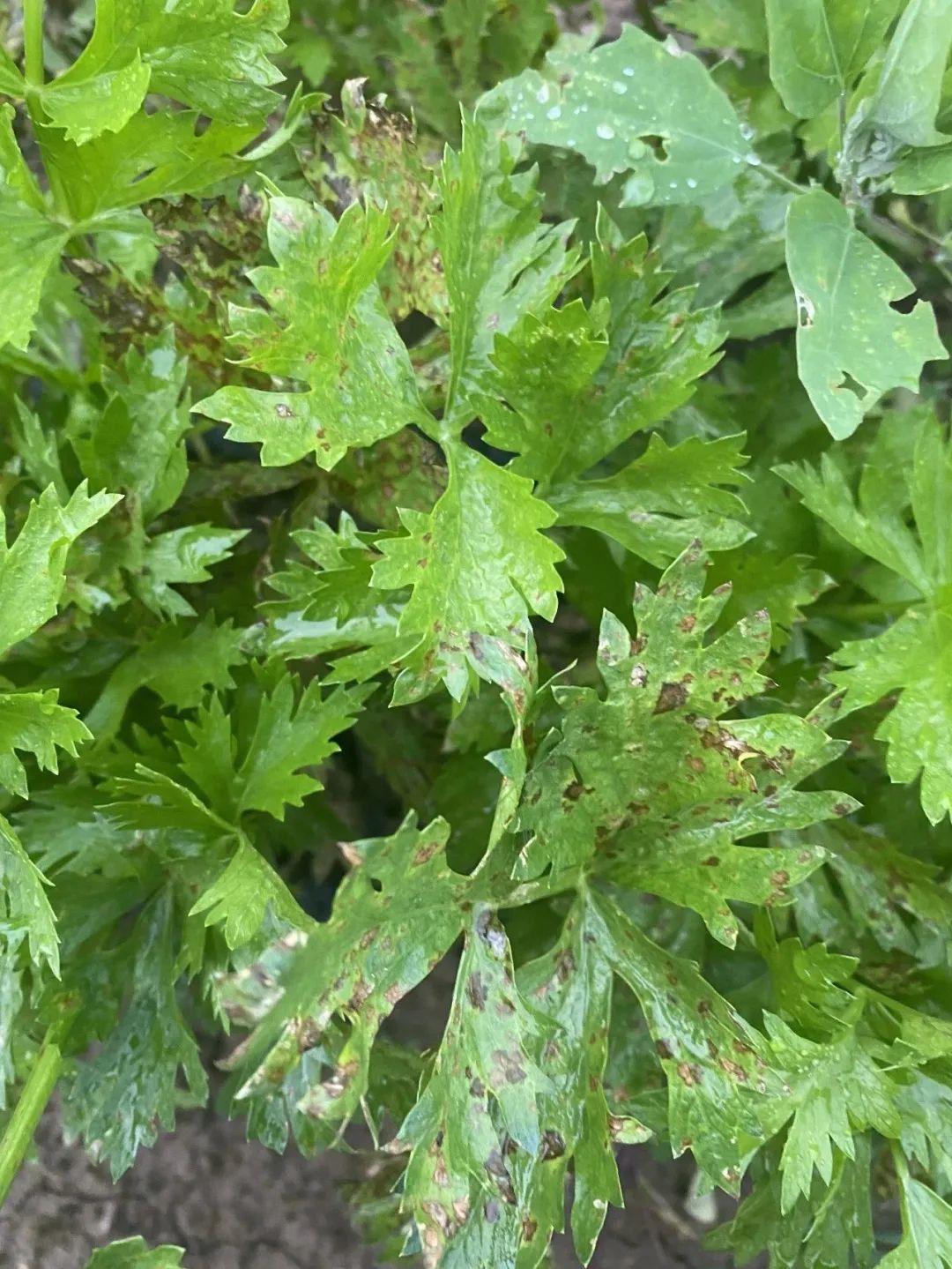
Chengde tomatoes lost seventy to eighty per cent to powdery mildew, Shunyi watermelons split in the field under prolonged overcast and rain, and Guilin sweet potatoes lost all marketability to severe drought. After such losses, several ecological small-scale farmers are finding a way forward through diversified planting, wet-dry rotation, and soil improvement.
Seventeen families, including an Australian and an Italian household, run a vegetable sprint, throw potatoes, pull weeds and identify ten wild plants on Time Farm’s duck-rice paddy in Jiangning District, Nanjing.