
A Tiger’s Head, No Snake’s Tail! | Foodthink’s 2022
For most people, 2022 felt like a roller coaster, full of ups and downs.
Foodthink’s colleagues felt much the same. Work plans that in 2021 carried the grand ambition of “scaling mountains and diving into the sea” had given way to a constant state of anxious apprehension.
Previous Articles ▼
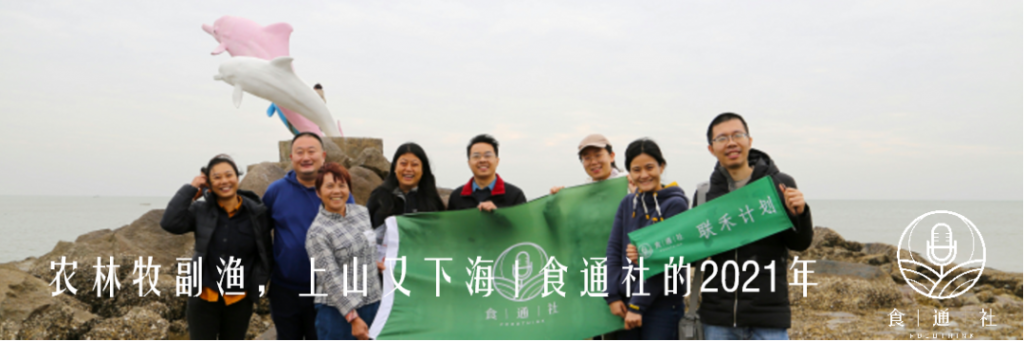
Fortunately, last year’s work also brought its fair share of rewards. Owing to the dedication of our good friends, Foodthink produced nearly 100 original articles, over 40 public events, 13 podcast episodes, and a host of other project outputs that defy easy counting in 2022 — for which we extend our heartfelt thanks!
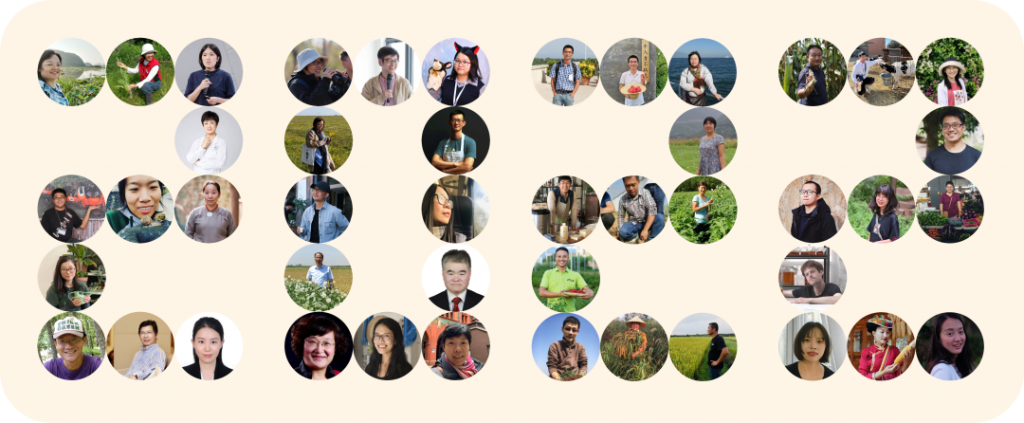
As the new working year gets under way, we use this article to look back together with our readers on 2022, the year as recorded by Foodthink. Pick it up, then set it down, and welcome a year newly born.
Uncertainty
Foodthink 2022
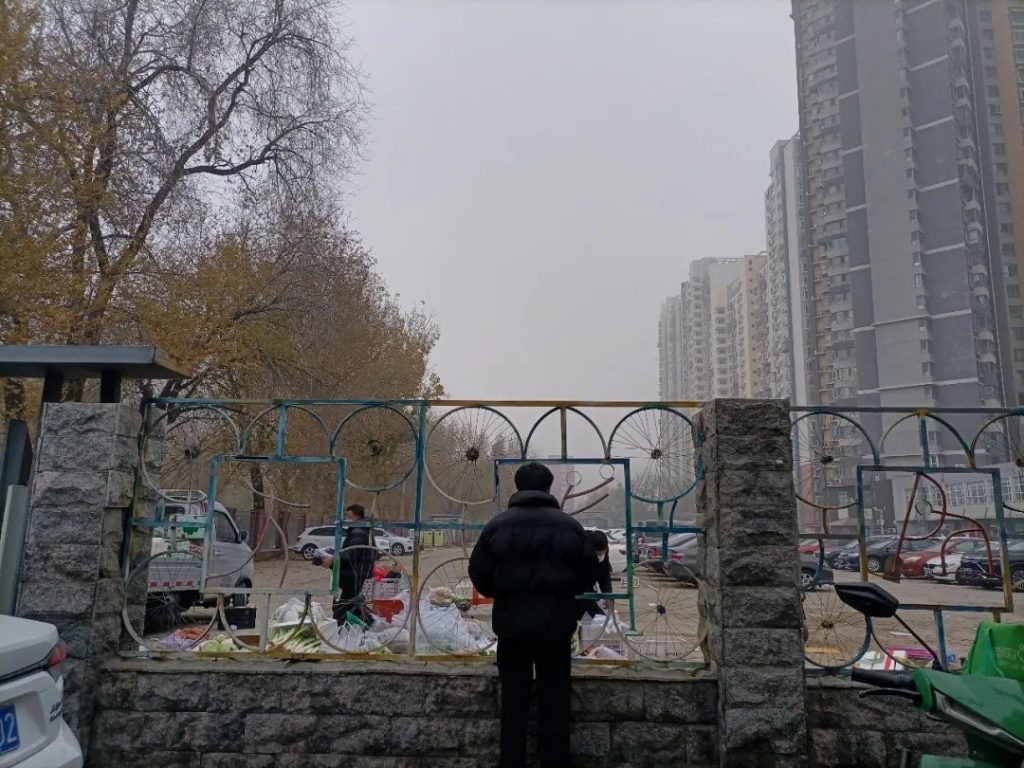
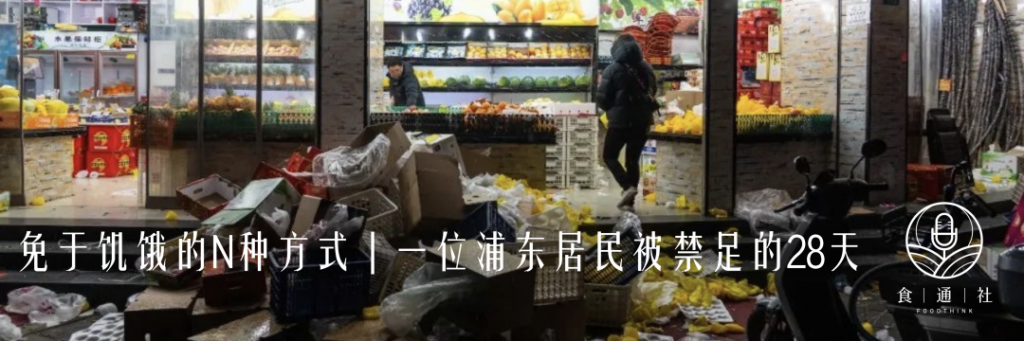
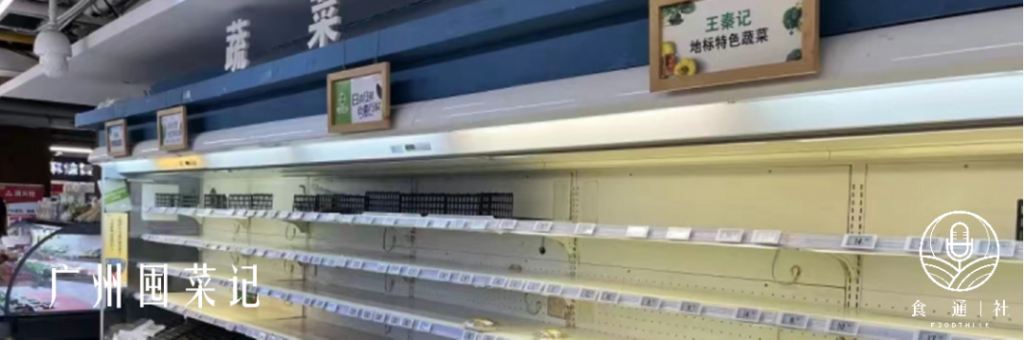
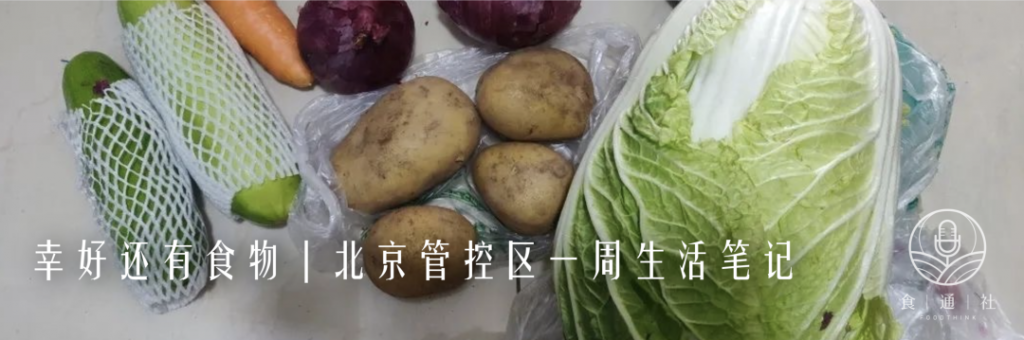
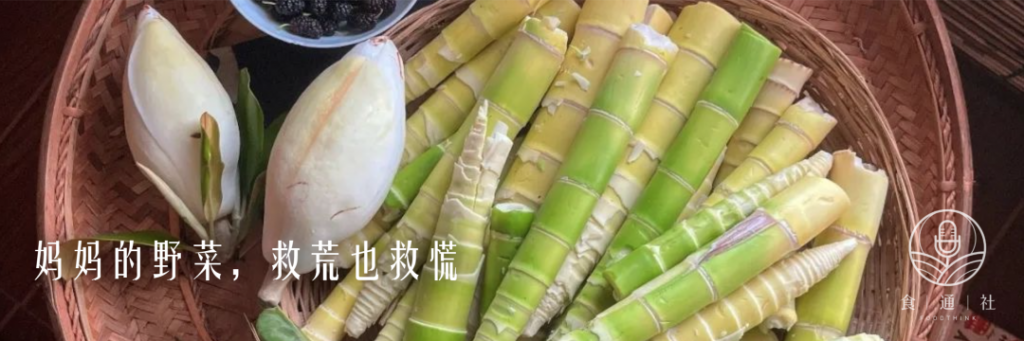
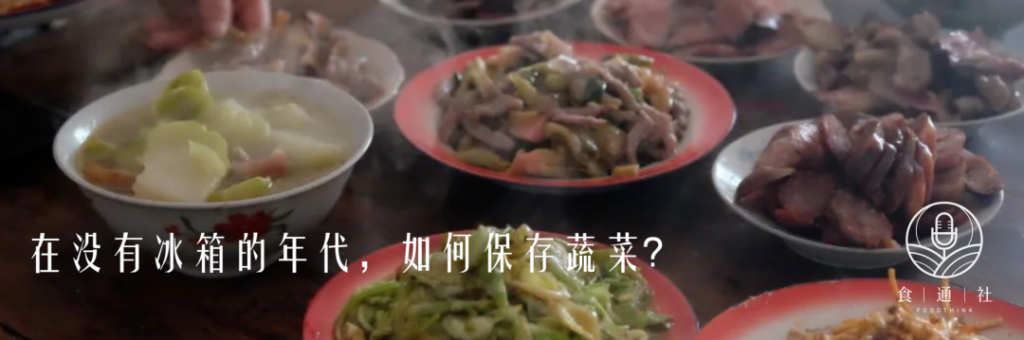
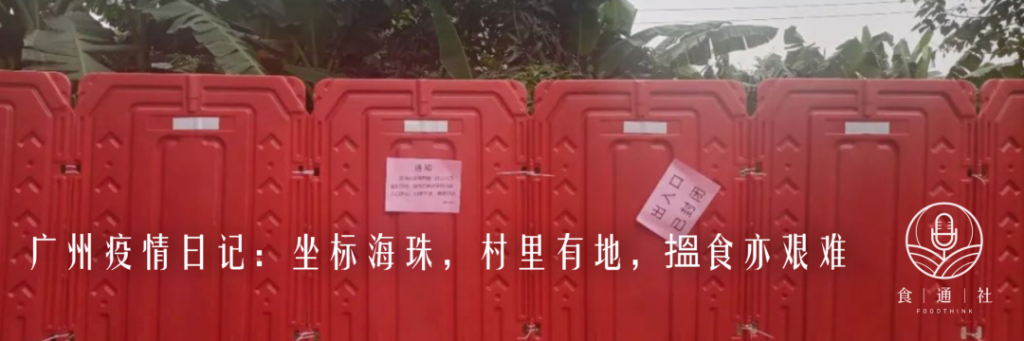
After the last two months, the 2022 lockdowns felt as though they belonged to another lifetime. Throughout the various city lockdowns and controls, Foodthink had been reporting on the stories of ordinary people and food during the pandemic: How did Shanghai residents, unable to leave their homes, desperately scramble for vegetables? If a lockdown was imminent, what food should you stockpile? If supermarkets and online grocery services ran out of stock, where could you buy food? What clever tricks were there for storing food? Could the wild greens growing in the compound be eaten safely? What to do if you were trapped in the office? Was it still in time to start growing vegetables from scratch?
Previous Articles ▼

Previous Articles ▼
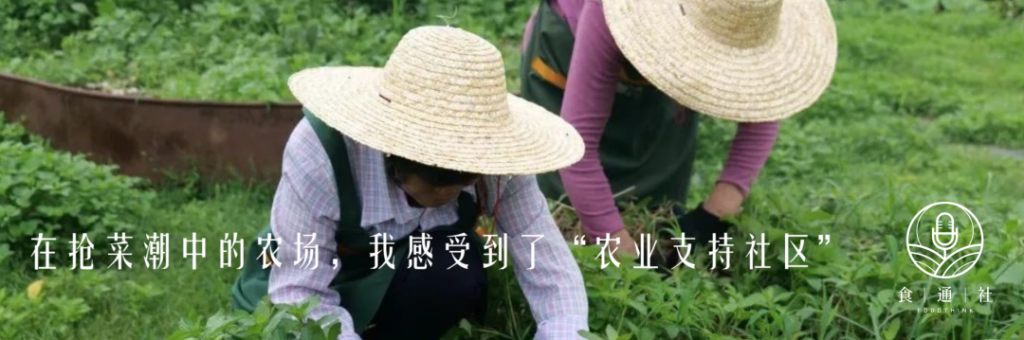
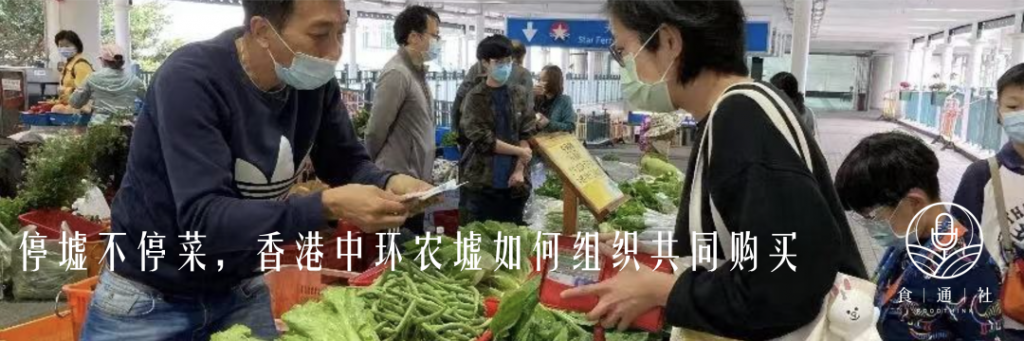
In December last year, Foodthink’s “Pandemic and Food” series was officially brought to a close, yet the pandemic’s impact continued to ripple outward. This Chinese New Year, many people returned to hometowns they had not seen in a long time — some witnessing a family member’s passing, others keeping vigil at a bedside… 2022, we will not forget.
Previous Articles ▼
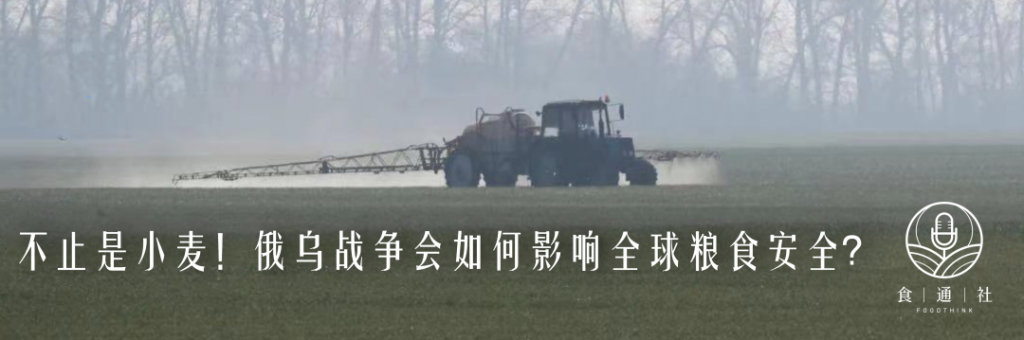
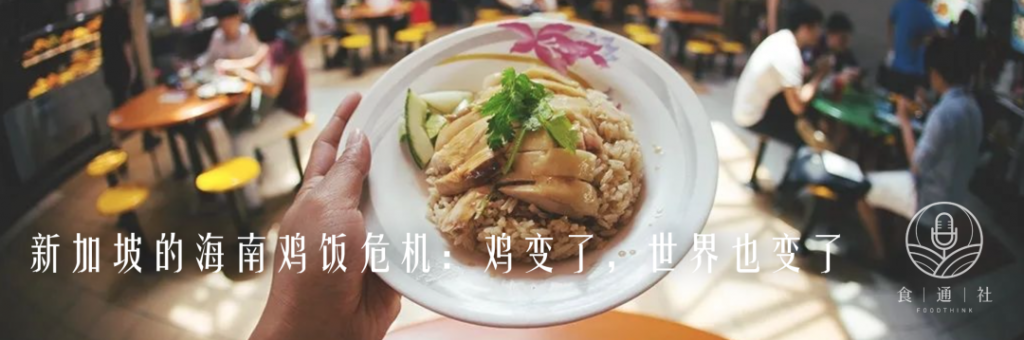
The international food system, too, faced its share of volatility. Food exports from war-torn Ukraine were disrupted, affecting not only grain supplies in developing countries — the “butterfly effect” even rippled out to Singapore’s signature dish, Hainanese chicken rice.
Previous Articles ▼
Resilience
Foodthink 2022
The pain and anxiety of the past year have also prompted us to rethink urban life and the consumption patterns we had taken for granted. Is clinging to ever-larger yet increasingly uncertain systems the only option? Can we imagine a more sustainable, more resilient future?
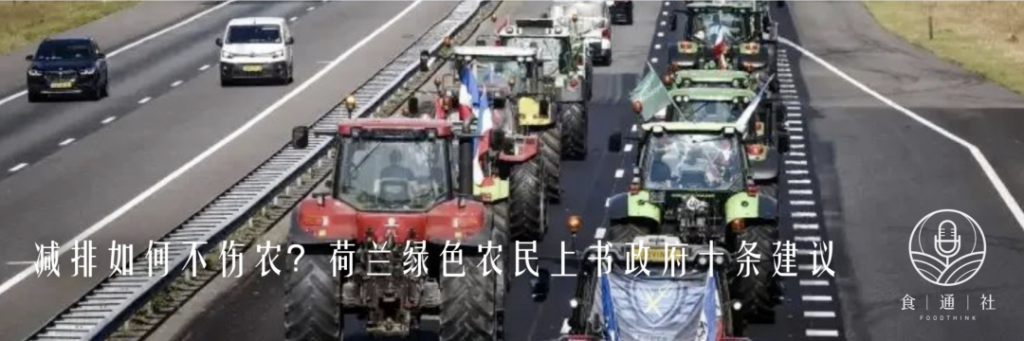
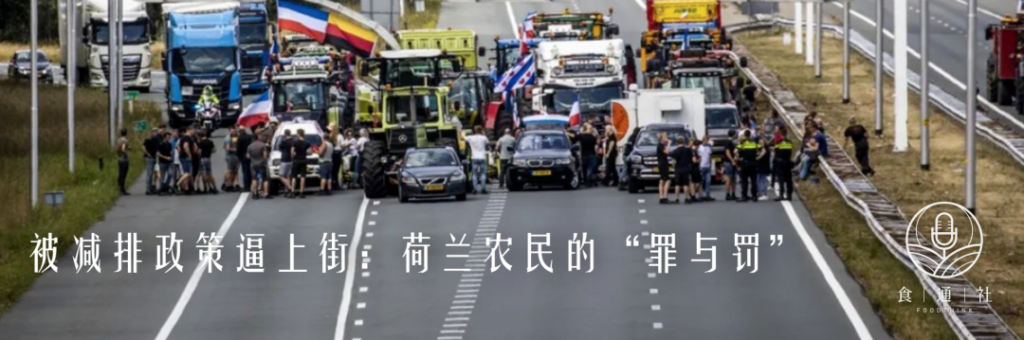
Many people pin their hopes on top-down solutions: take the Dutch government’s agricultural nitrogen reduction plan, unveiled in June 2022, for example — but unrealistic targets and the absence of supporting transition policies sparked large-scale protests by Dutch farmers.
Previous Articles ▼
Is third-party-led organic certification the way to address food safety and environmental issues? Then how do we make sense of the largest fraud case in the history of America’s organic industry? Why were regulators unable to spot farmers passing off substandard produce as premium, let alone break down the barriers between producers and consumers?
Previous Articles ▼

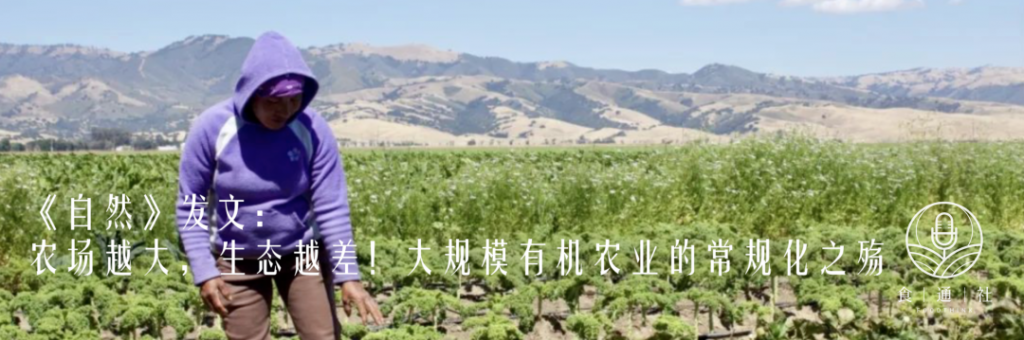
Moreover, farms that can afford organic certification fees tend to operate at considerable scale. Research has shown that among organically certified farms, the larger the operation, the less likely its managers are to adopt ecologically beneficial measures — and large organic farms, in turn, squeeze the livelihood space of smaller holdings.
Previous Articles ▼
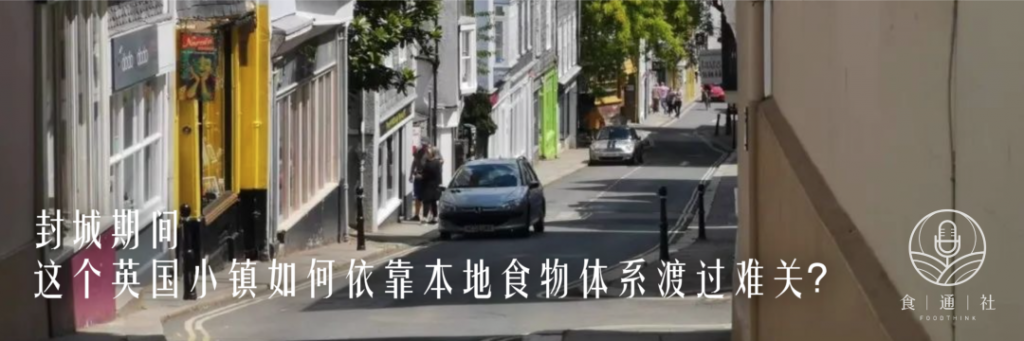
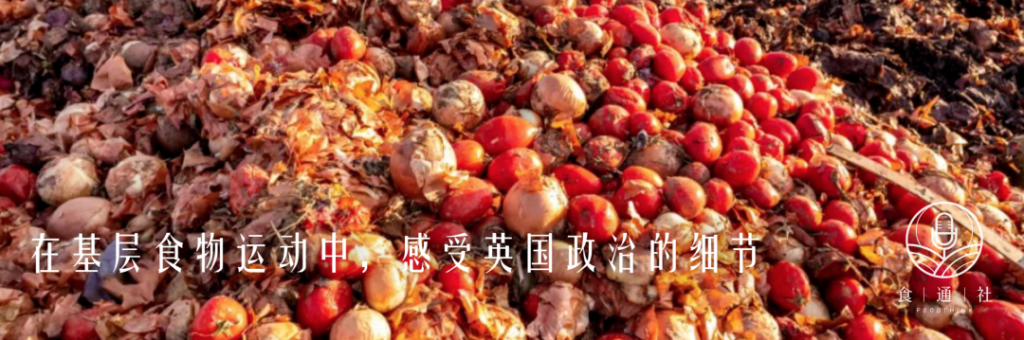
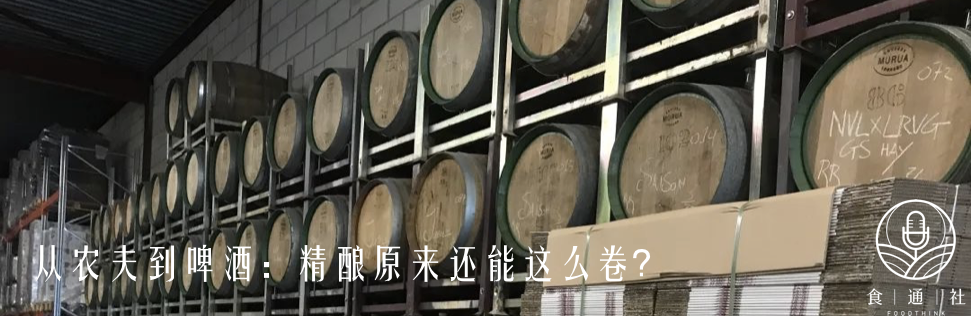
What we hope to advance is change from the ground up. Looking beyond our borders, other places offer useful examples: the Transition Town of Totnes in the United Kingdom relies on a local food system to weather risks; writer Wang Bang, based in the UK, engages in grassroots politics through the local food movement; young people in the Netherlands brew distinctive craft beer to support local ecological smallholders…
Previous Articles ▼
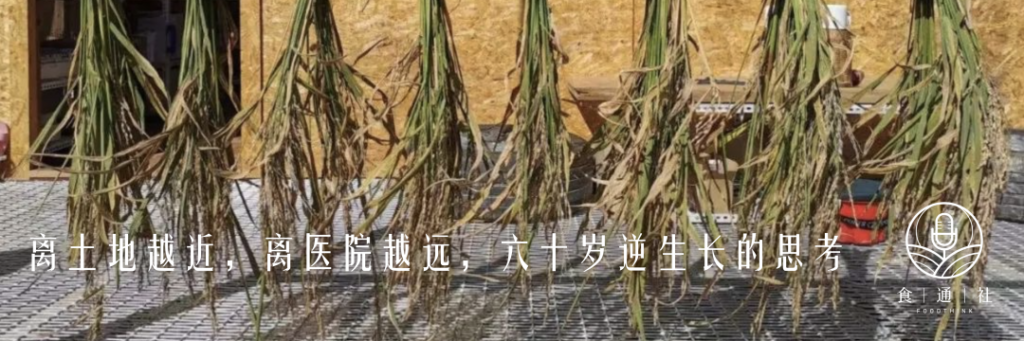
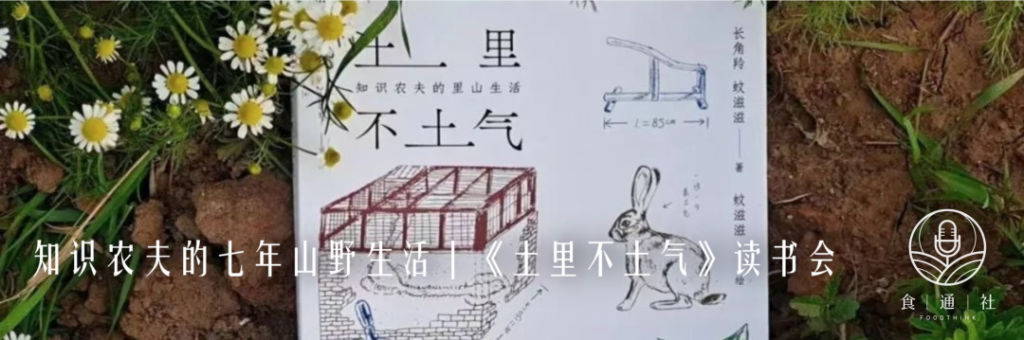
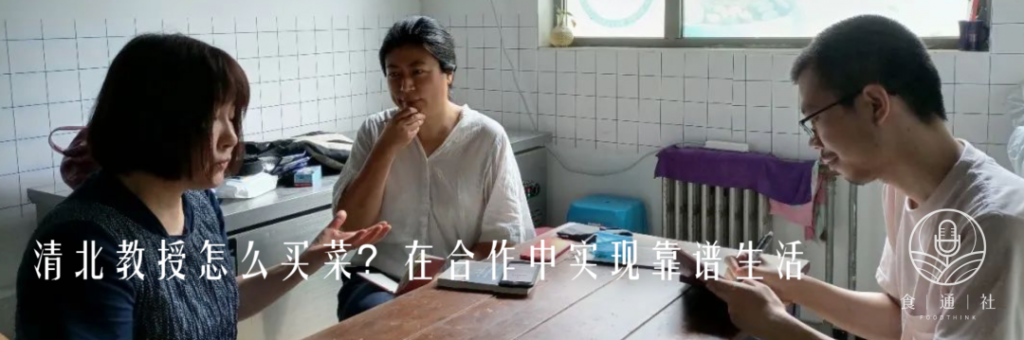
Closer to home, there are actions and practices within China: Grandma Kouzi, living self-sufficiently in Eren Gu; Wen Zizi and Changjiao Ling, knowledge farmers living on the satoyama in Beijing’s suburbs; the community vegetable shops at the Beijing Organic Farmers’ Market; the Tsinghua–Peking Consumer Cooperative, which connects directly with producers; and Fengnianqing, the food-and-farming festival that bridges urban and rural communities…
Previous Articles ▼
Technology
Foodthink 2022
In recent years, the concept of the metaverse has swept the internet, but do we really need this digital utopia crafted by tech experts? Everyone says technology is the primary productive force, but can it solve the fundamental problems of agriculture?
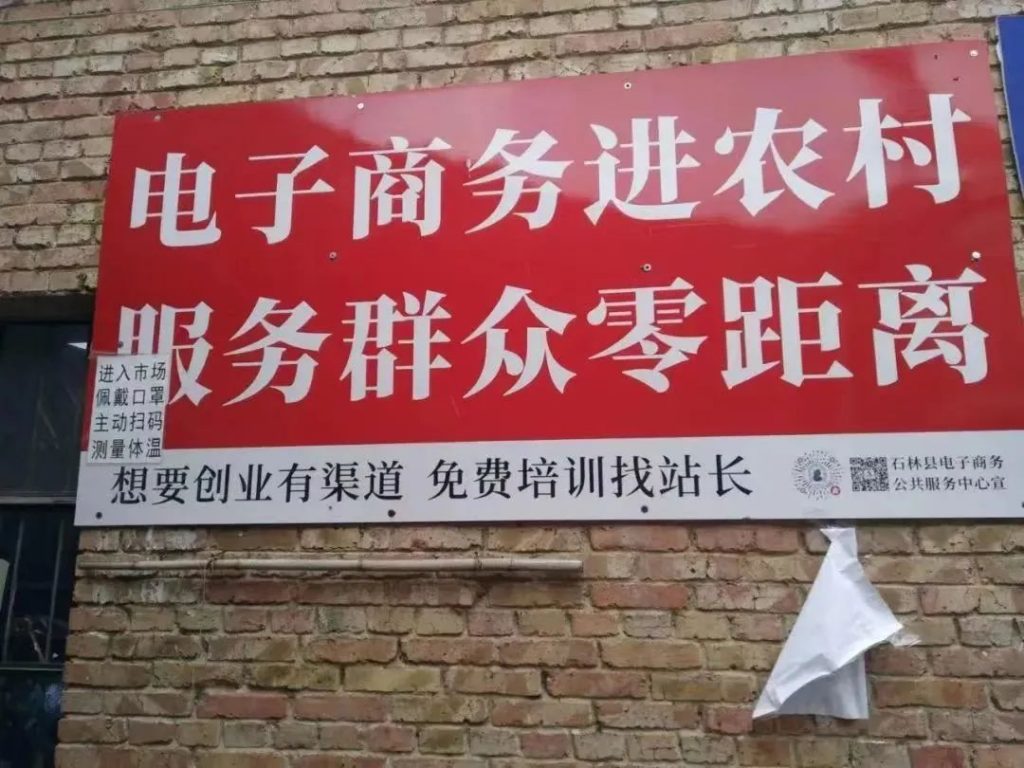
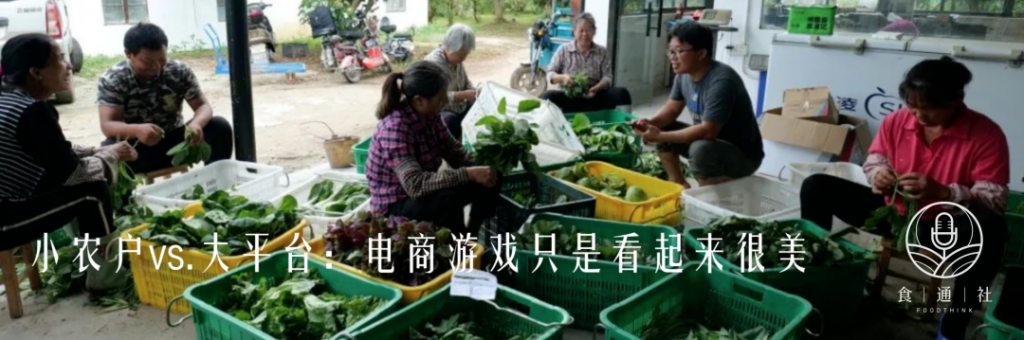
E-commerce, which appears to match smallholder farmers with consumers with pinpoint precision, can it actually resolve the market predicament facing farmers? According to research by Dr Feng Xiaojun at China Agricultural University, the technical and financial barriers to entry in agricultural e-commerce are rising steadily. Smallholders have virtually no room to bargain when facing these platforms, and remain subject to the logic of capital and traffic.
Smallholders who join the e-commerce game may see a lift in sales, but they are also kept running in circles by the harsh rules of platform customer service. The difficulties fruit farmers encounter in production and sales become all the more invisible in the eyes of consumers who care only about appearance and service.
Previous Articles ▼
Blockchain, hugely popular a few years ago, was once hailed as the next technological hotspot in agriculture. But faced with the obstacles to real-world application, compounded by the monopoly the technology reinforces, one is left to wonder whether agricultural blockchain is destined to be nothing more than empty talk.
Previous Articles ▼
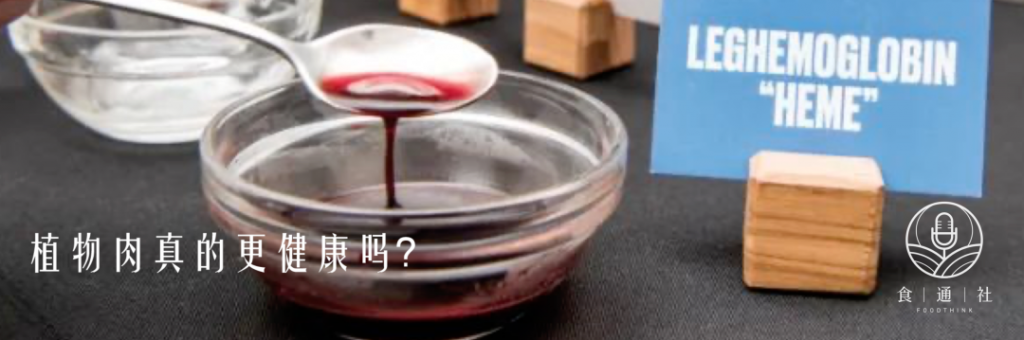
Coming back to food itself, plant-based meat “black tech” has been a new favourite in the investment world in recent years. This protein isolate, extracted from legumes and supplemented with a host of additives to mimic the taste and appearance of meat, is ultimately just another highly processed food. Compared with a genuinely plant-based diet, it is certainly not healthier, nor necessarily more environmentally friendly. Truly responsible consumption demands a deep understanding of food and agriculture — it cannot stop at the level of technological hype.
Previous Articles ▼
The ecological disaster built on a spectacle of dinosaurs in Jurassic World 3 is, in fact, something that has been playing out in reality again and again: the winning formula that has generated enormous profits for seed companies — herbicide paired with herbicide-tolerant GM soybean — has severely undermined biodiversity.
Previous Articles ▼

Rachel Carson’s Silent Spring reminds us that humanity’s attempt to eradicate pests once and for all with pesticides has instead resulted in technological backlash and the disruption of ecological balance.
Previous Articles ▼

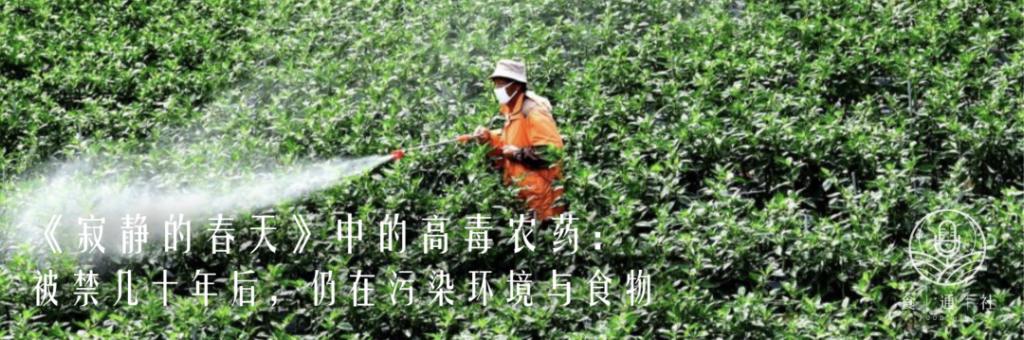
It is time to ask ourselves: will technology wrap humanity in a cocoon of its own making?
Climate Change
Foodthink 2022
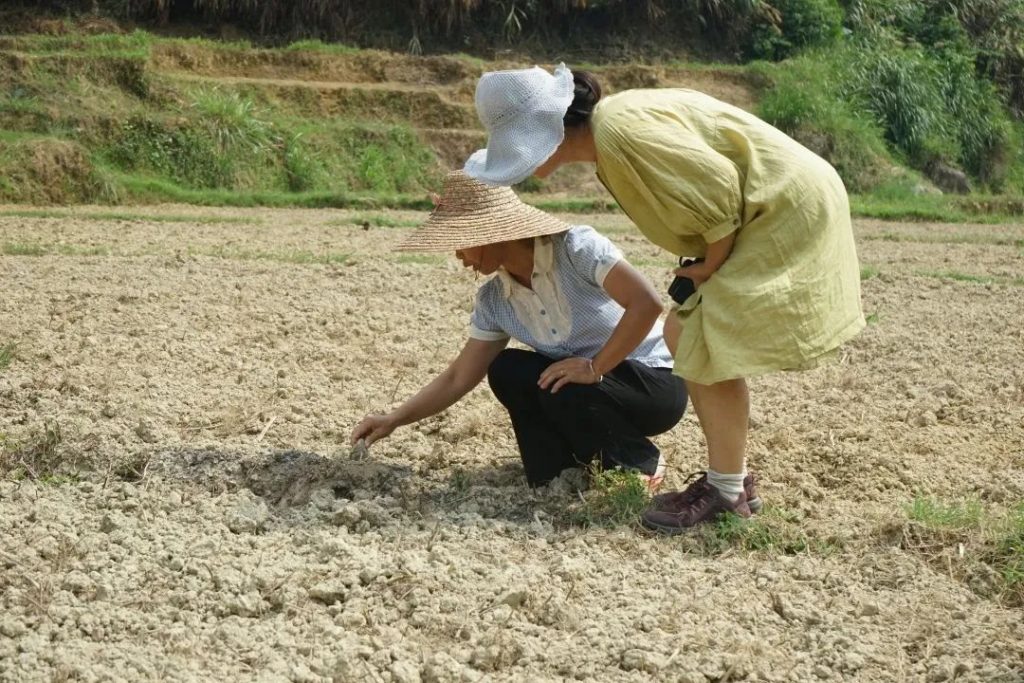
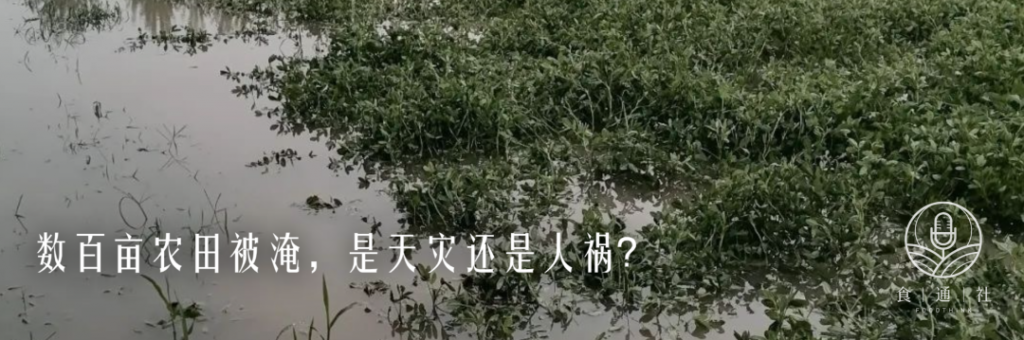
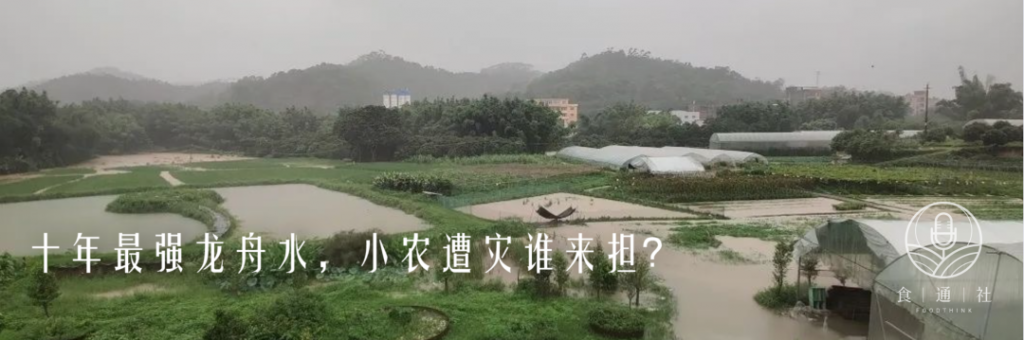
The second-strongest Dragon Boat Festival rains in the Pearl River basin since 1961, scorching heat gripping the country, “flood-season drought” in the Yangtze River basin, prolonged summer-autumn droughts in the south, cliff-like cold snaps… The barrage of extreme weather events in 2022 brought the climate disasters of global warming home to a wider audience.
Yet we have found that media coverage and public discussion around climate issues tend to focus on food security, while the perspectives and voices of ecological farmers are largely absent. How do ecological smallholders view climate change? What impact have the abnormal and extreme weather events it has brought had on them? How have they adapted? And what gaps and obstacles still lie ahead on the path to future adaptation?
To answer these questions and to showcase the wisdom, practices, and efforts of ecological farmers in responding to climate change — as well as the challenges they face — Foodthink and Friends of Nature’s Linglong Programme, both long engaged with ecological agriculture and climate issues, jointly launched the “Climate Change and Ecological Smallholders Survey” across the Beijing–Tianjin–Hebei region and South China in 2022.
Starting in May, programme officer Qihua and Linglong partner Qianyang began participatory fieldwork in the Beijing–Tianjin–Hebei region. In late July, Qihua and colleagues visited 12 ecological farms in South China amid rare, sweltering heat. Beyond their demanding survey schedule, they documented the stories of smallholders through torrential rain, extreme heat and drought, hailstorms, and heavy snowfall, and, once the fieldwork was wrapped up, pressed on while the experience was still fresh to share what they had seen and heard along the way.
Previous Articles ▼

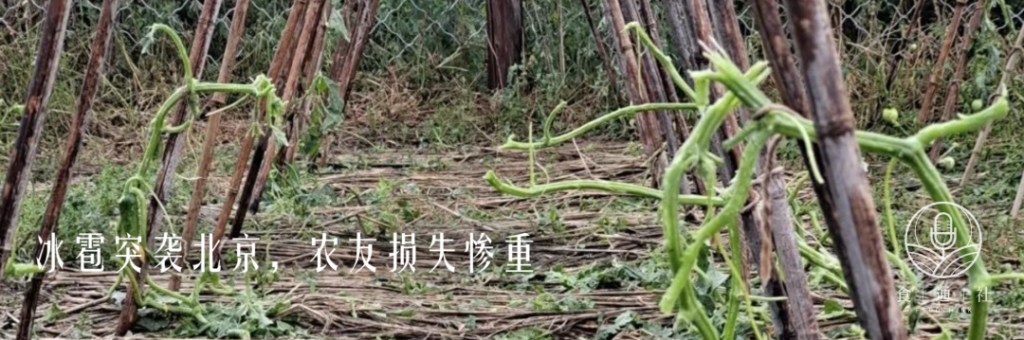
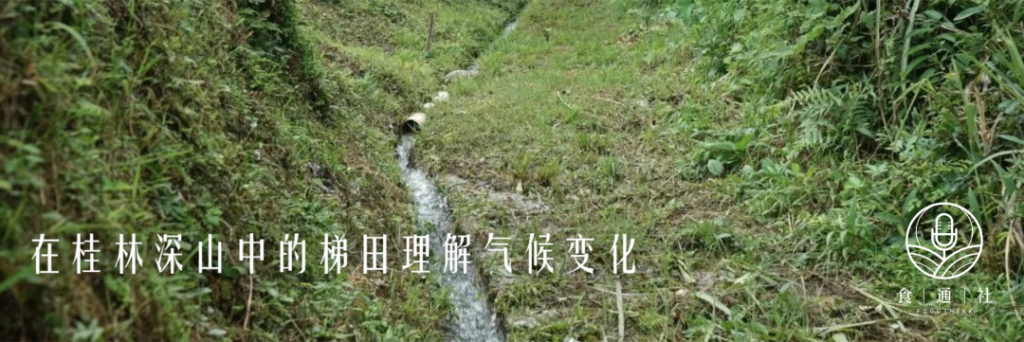
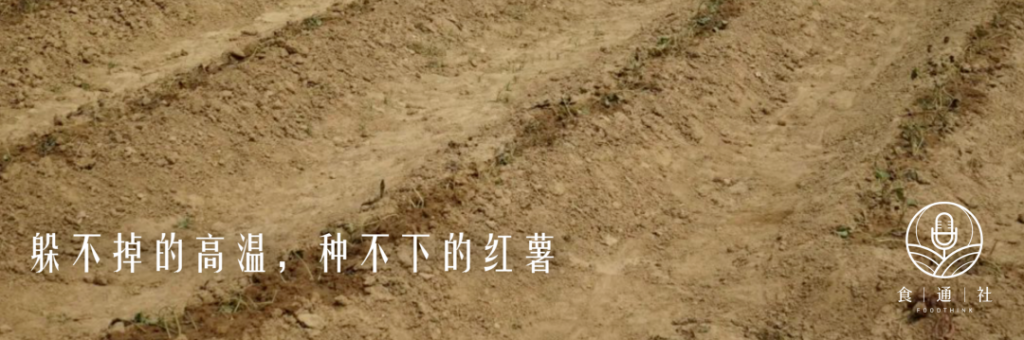
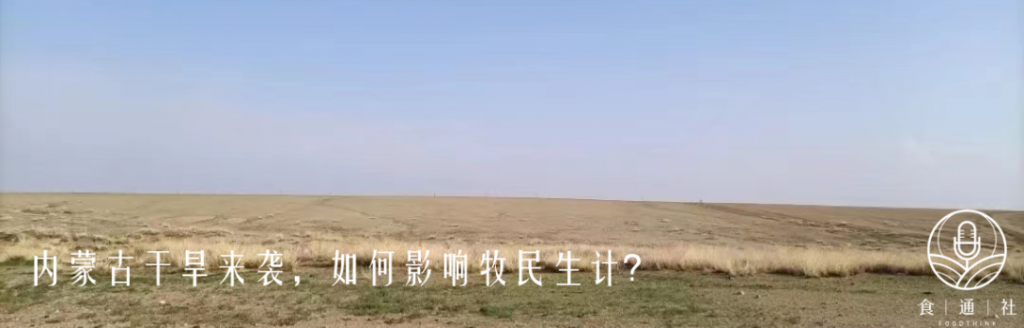
We would like to express our special thanks to Researcher Xu Yinlong at the Chinese Academy of Agricultural Sciences. Dr Xu not only offered invaluable advice for this survey but also gave talks for Foodthink’s readers at two sharing sessions, explaining respectively the impact of climate change on agriculture and how agriculture can adapt to climate change.
Beyond setting out hard scientific facts, Foodthink also wants the story of climate change and agriculture to reach a wider general readership. So the following August, Foodthink and Friends of Nature co-hosted a book club for The Earth Doesn’t Care: The Dining Table Ruined by Climate Change, connecting with ecological farmers on the front lines in China on topics such as water resources and pest and disease outbreaks in the context of climate change, and inviting them to share the climate crisis as they feel it.
The resilient ecological farming community has also been gradually working out practical wisdom for adapting to climate change amid the crisis: improving soil, crop rotation, upgrading farm infrastructure, switching crop varieties…
At the United Nations Climate Change Conference (COP27) and the United Nations Biodiversity Conference (COP15), Foodthink’s founding editor Tianle presented to a global audience the actions and experiences of China’s ecological smallholders in mitigating and adapting to climate change, as well as the challenges they face and the support they need. This “Climate Change and Ecological Smallholders” research report will also be officially released in the first half of this year — stay tuned!
Diversity
Foodthink 2022
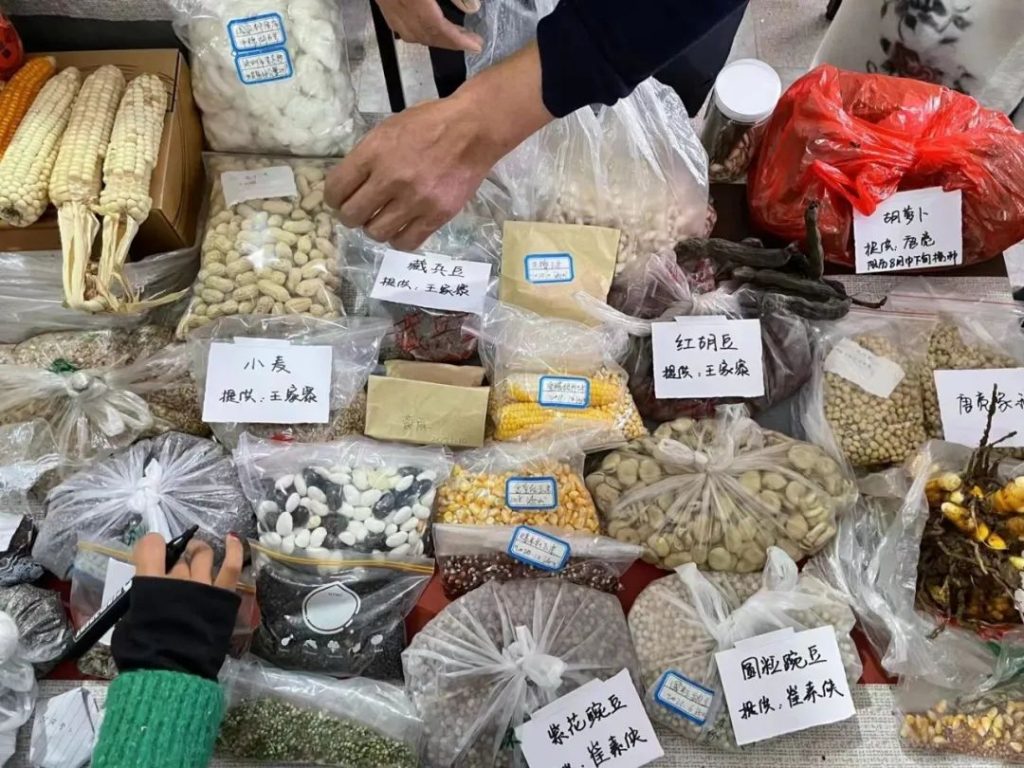
A healthy society should not have only one voice. A healthy agriculture, too, should have diverse crops, diverse forms, and diverse participants.
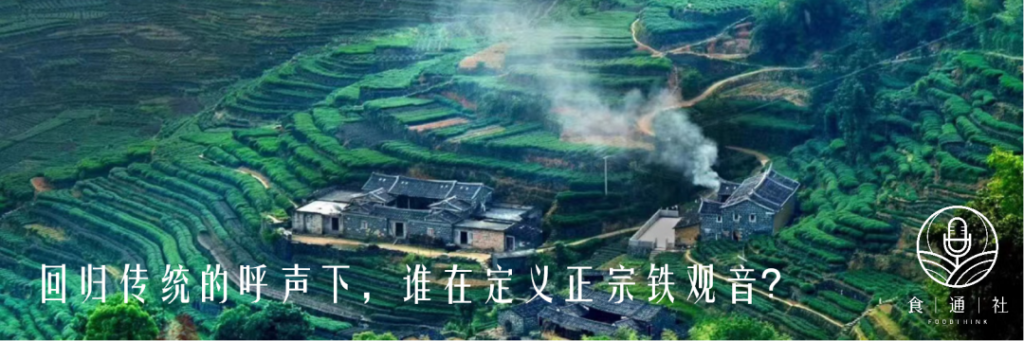
Throughout our research and farm visits, we found that diversified cropping is a key strategy for ecological farms adapting to climate change. It is not an isolated case: when the Tieguanyin market took a downturn, tea farmers in Anxi, Fujian also turned to diversified planting to spread their risk.
Previous Articles ▼
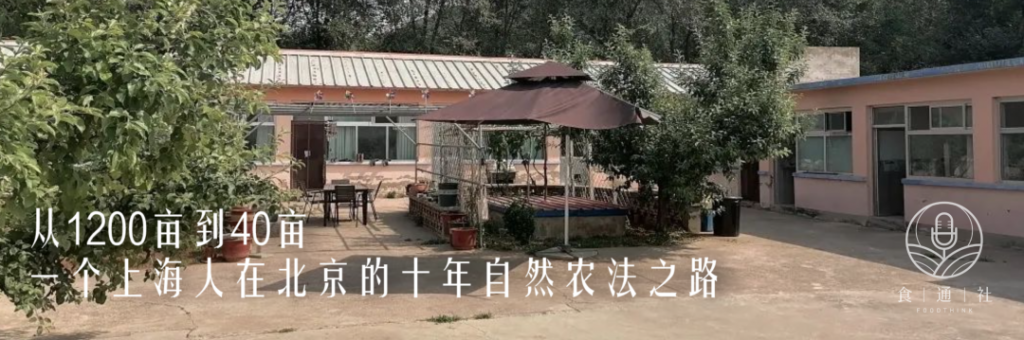
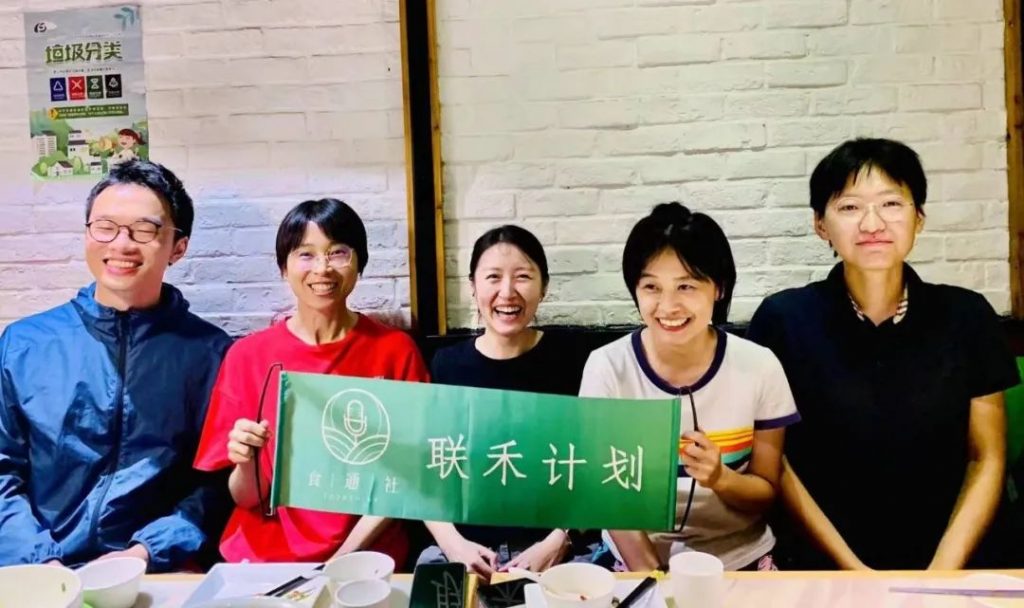
Protecting agricultural biodiversity at its root depends on the collection and use of old seeds. During Beijing Fengnianqing, Foodthink invited partners from the Farmer Seed Network and the third cohort of the Lianhe Programme to share, from the perspectives of farmers and food lovers respectively, the stories behind old-seed conservation. And if you are simply an ordinary urban consumer, you can still contribute to biodiversity conservation within your means.
A healthy farm should not grow only a single crop. Nor should a healthy market be reduced to one monopolistic business model. As the commercial landscape and consumption habits shift, and urban renewal accelerates, do wet markets still have a reason to exist? Foodthink contributors Pi Dan and Qi Ran, together with editor Wang Hao, sat down to talk about why we still need wet markets.
Previous Articles ▼
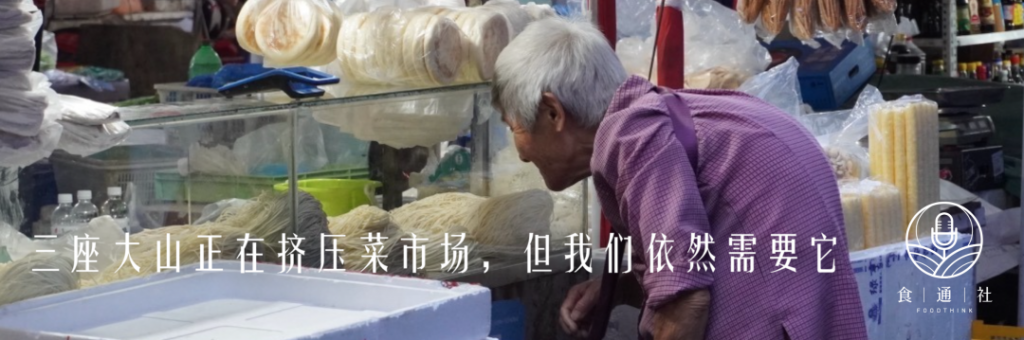
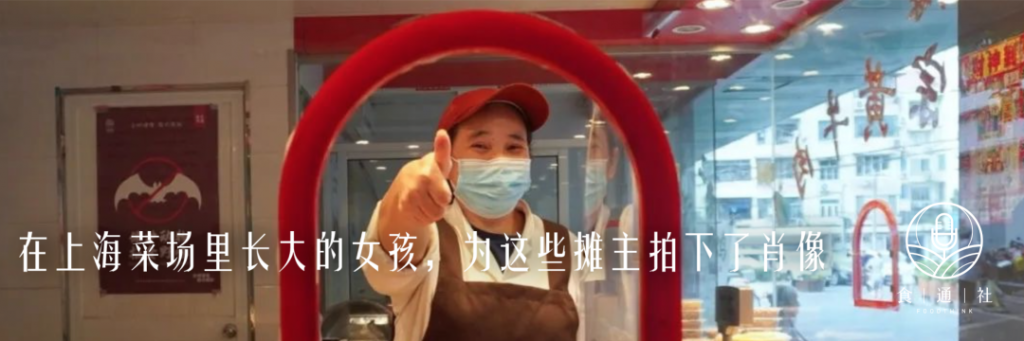
If wet markets are indeed on their way out, then make the most of it — go shopping, go documenting! Take Xiaoyan, a girl who grew up in a Shanghai wet market: in tribute to the demolished Aohua Market, she took portrait photographs of more than a dozen market stallholders as a lasting memento.
Previous Articles ▼
Diversity means no ranking of advanced versus backward, no dividing line between ethnic groups — it means equal respect for every culture and the ways of producing and living that go with it. In 2022, Foodthink’s gaze turned to China’s inland frontiers: exploring the Jiarong Tibetan settlement in Danba County, the “Land of a Thousand Watchtowers”; climbing the mountains with the beekeepers in Longnan mountain villages to gather honey; sharing meals and lodging with herding friends on the Ujimqin steppe; recording the table traditions of foraging abundant local ingredients in Lisu villages; and, with weaving and dyeing as warp and weft, tracing the changing lives of a Dong village in Guizhou.
Last year, we also began stepping beyond our familiar discourse to engage in more dialogue with the art world — from an online conversation that grew out of the “Boundless Sea” exhibition, to an online discussion co-curated with LEAP and inspired by wild greens, to the co-creation segment at Beijing Fengnianqing — “Art Activists in the Vegetable Garden”.
Interns
Foodthink 2022
Since its founding in August 2017, Foodthink has reported the stories of dozens of ecological farmers across the country. Their farms, having developed over many years, have accumulated valuable experience in farm management, production techniques, and sales and promotion.
Previous Articles ▼
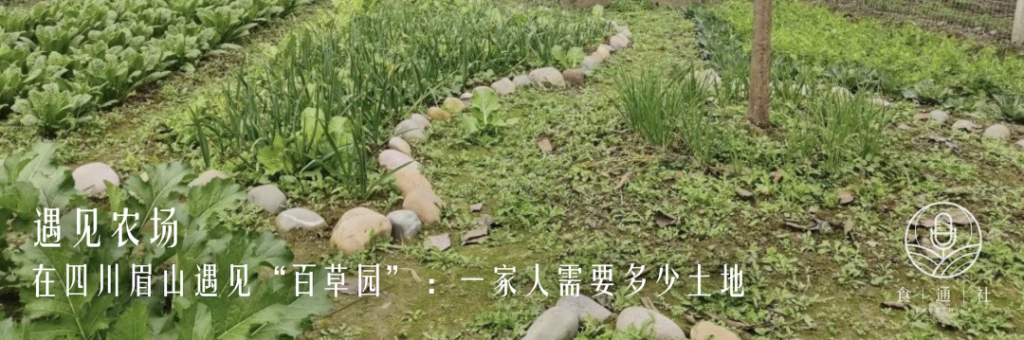
If we can distill this knowledge into a resource for young people considering a return to the countryside, it could lower their learning and trial-and-error costs; and the arrival of younger people would bring farms renewed vitality, injecting fresh blood into the sustainable food and agriculture sector.
And so, in early 2022, Foodthink launched the first cohort of the “Ecological Agriculture Internship Programme.” We screened and matched 18 young people with diverse backgrounds to 12 ecological farms across the country, and they all largely completed their internships, which ranged from three months to a year.
A number of interns chose to extend their placement once the official period ended — some stayed on as full-time farm employees, others went on to explore work in ecological agriculture — continuing to learn from the land and from farmers.
Previous Articles ▼
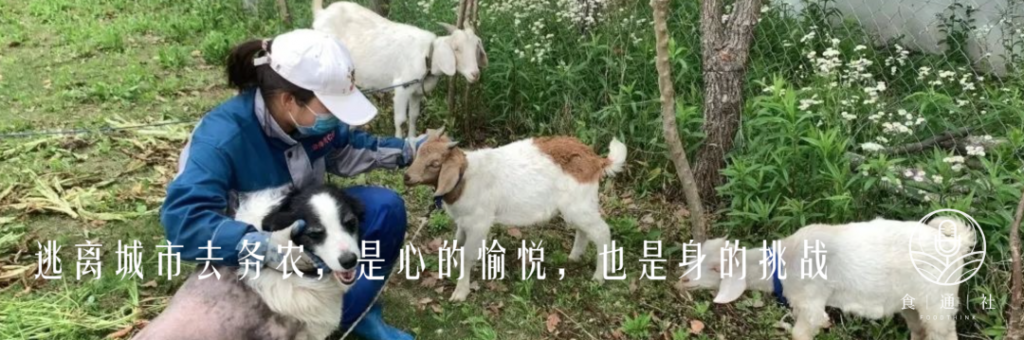
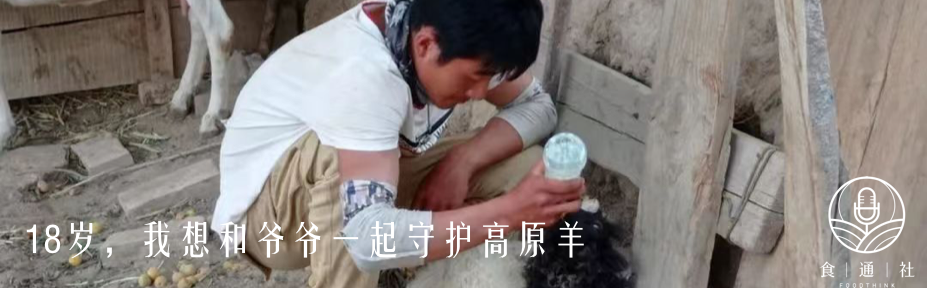
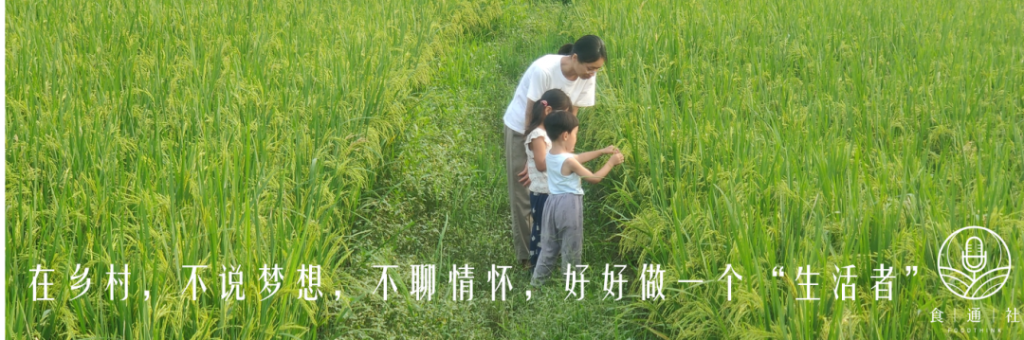
Those who did not remain at a farm took away new perspectives and renewed strength from the experience, and continue to bravely chart their own paths.
Previous Articles ▼
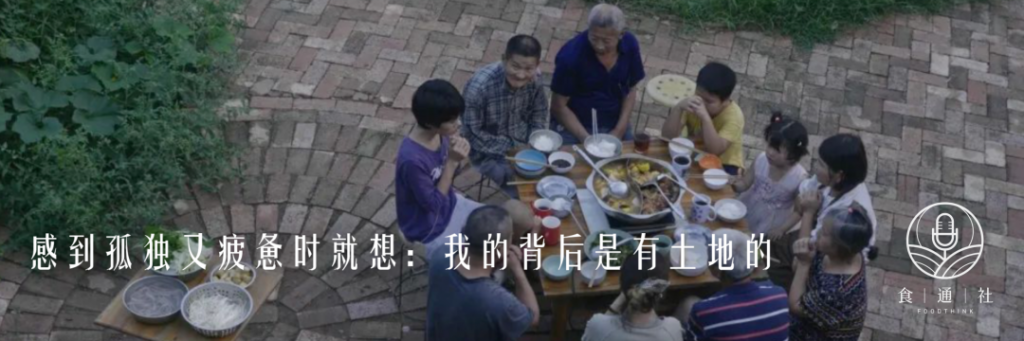
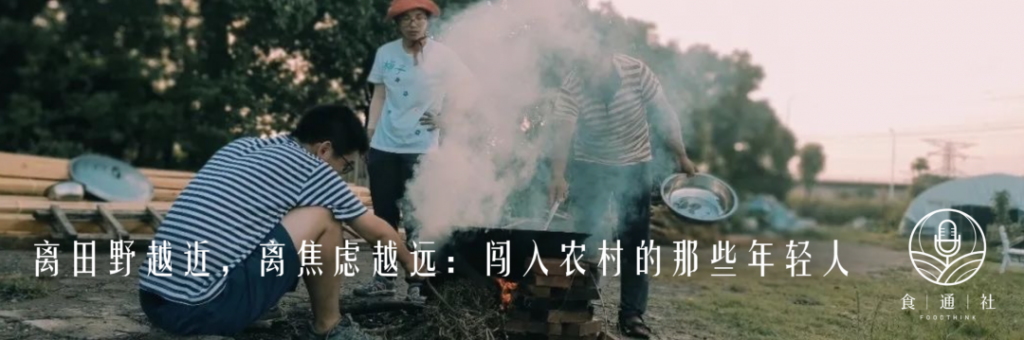
The farms that hosted the first cohort of interns gave the programme very high marks. Most of them went on to support Foodthink’s second cohort, hoping to welcome even more interns.
If you care about food, about the environmental, livelihood, and equity issues connected to agriculture, and are also thinking about the many possibilities life can offer, we welcome you to join Foodthink’s Second Cohort Ecological Farm Internship Programme, which is currently open for applications!
On 9 February, we will also be hosting a special sharing session, inviting first-cohort interns and their mentors to look back on their internship experiences. We will open a Tencent Meeting and livestream the session on Foodthink’s video channel. If you would like to learn more about the details of the internship programme, feel free to ask your questions online.
Food Talk
Foodthink 2022

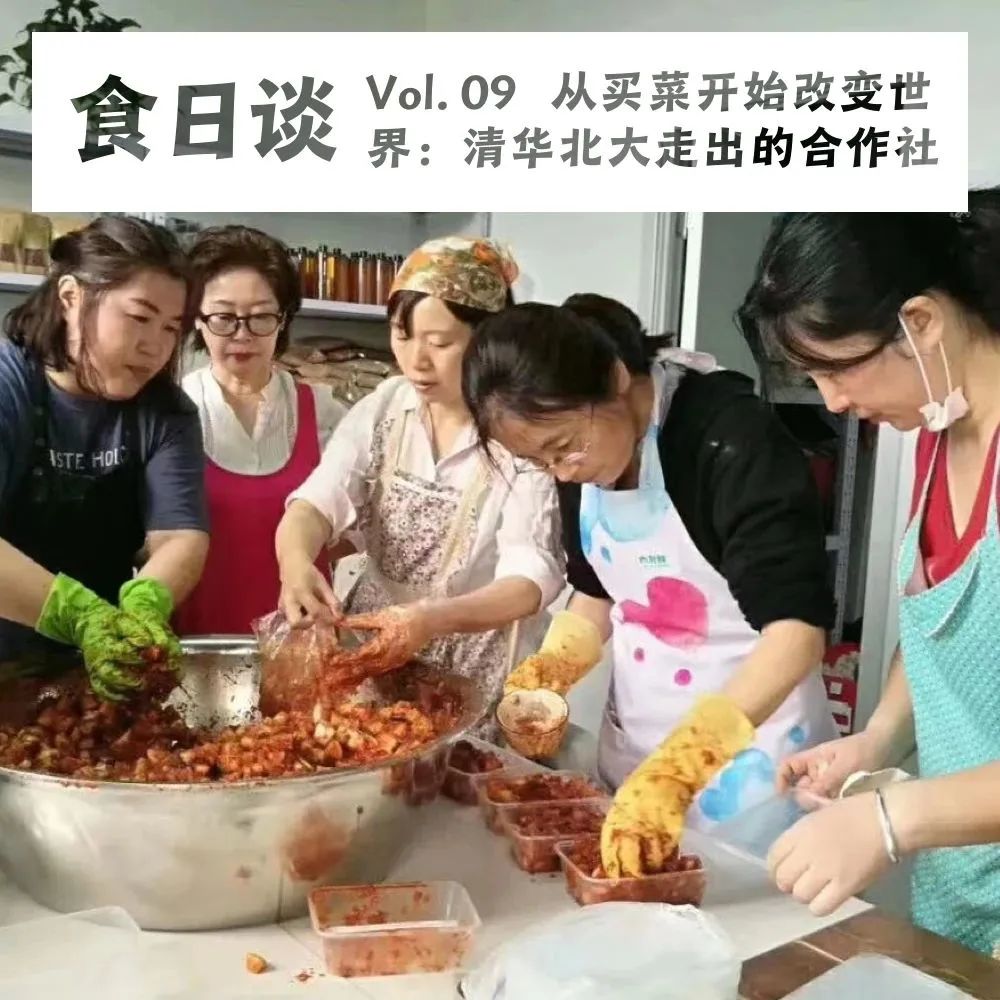
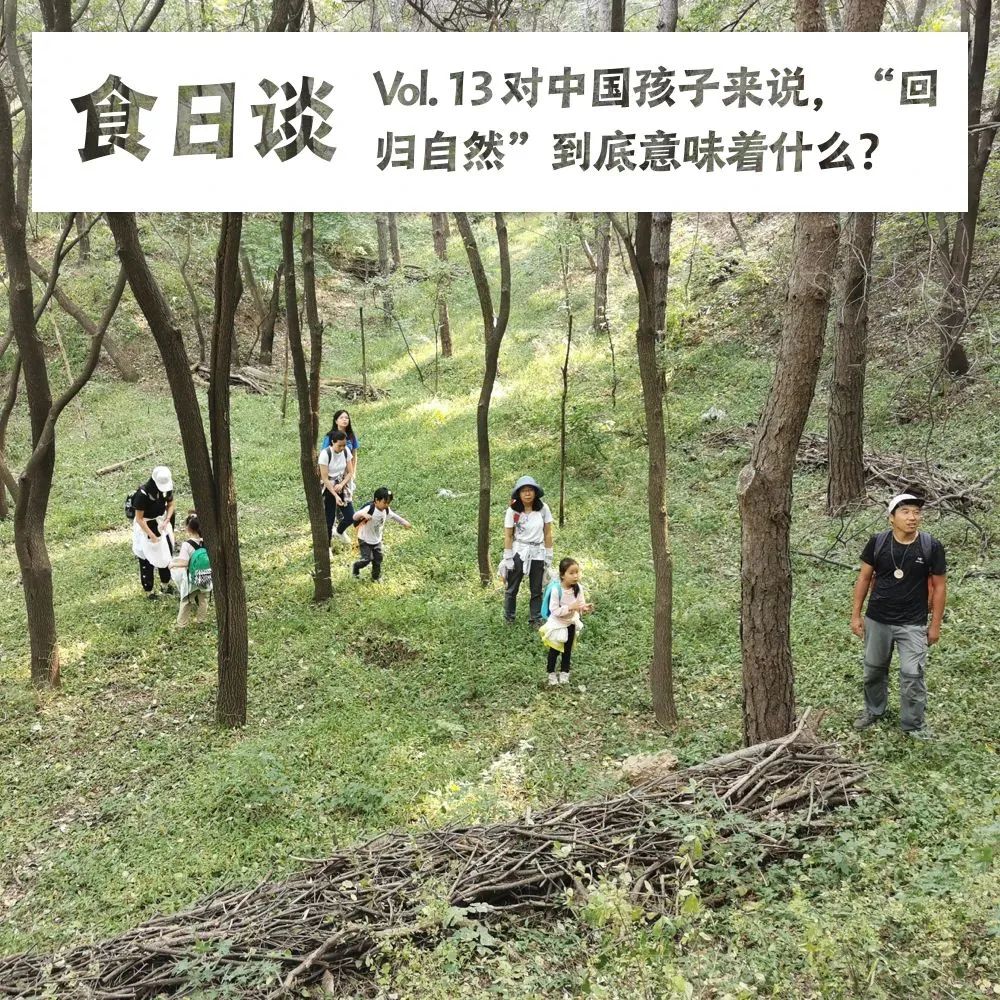
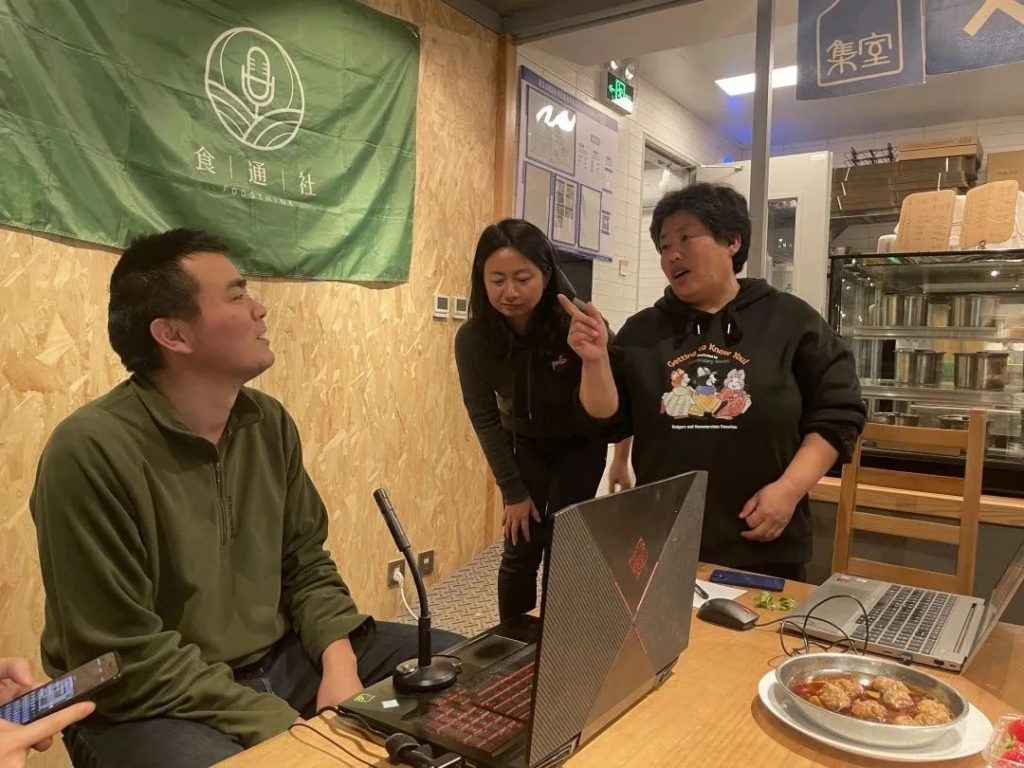
Foodthink’s logo is a microphone that has grown from the field. In 2022, we really did take our microphones on the road, travelling the length and breadth of the country to gather voices from the field. We launched “Food Talk” on various podcast platforms and released 13 episodes.
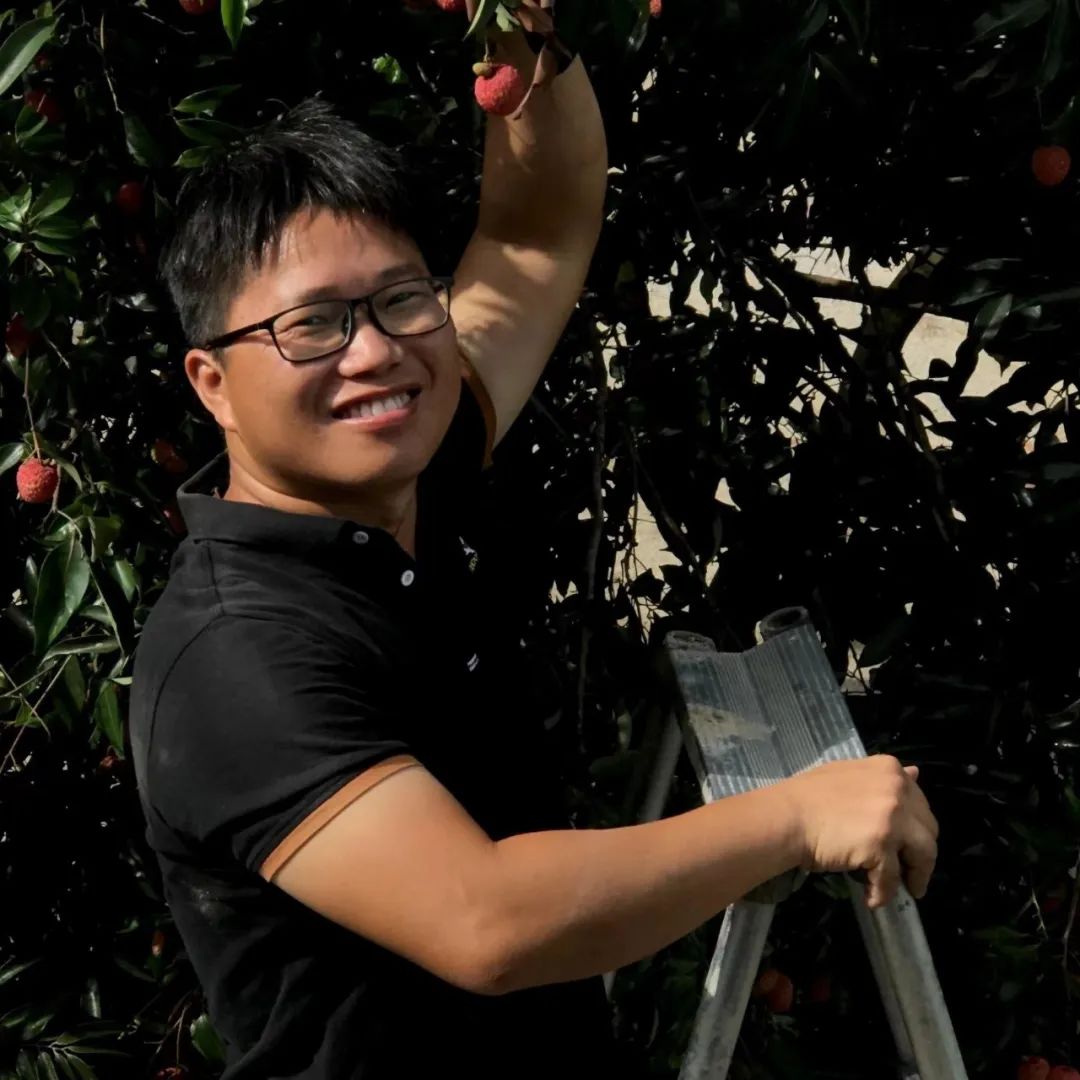
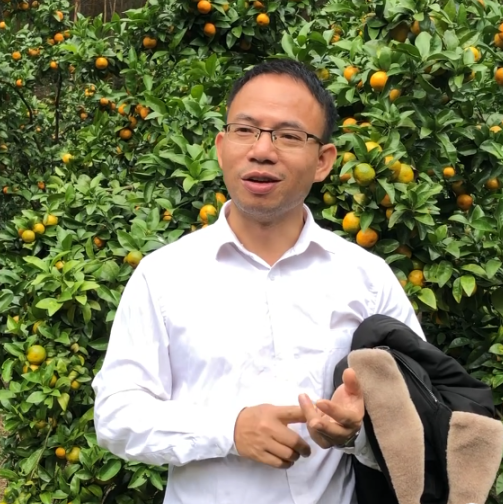
The field is the real land and frontline farming. During our research in South China, Guo Rui of Yinlin Ecological Farm shared his ten-year journey back to the countryside with the hosts. We also invited the “citrus greening expert” — Senior Agricultural Technician Luo Lishuang — to talk about the technical guidance he provides to smallholder farmers and his observations on ecological agriculture.
The field is the real countryside and the country dwellers who embrace its values. On “Food Talk,” you can hear why musician Banong returned to the countryside and chose a life of “farming with your head down, singing with your head up”; and hear why Jingwen and Zimin of Yinlin Farm, who arrived through different circumstances, stayed on to become new villagers.
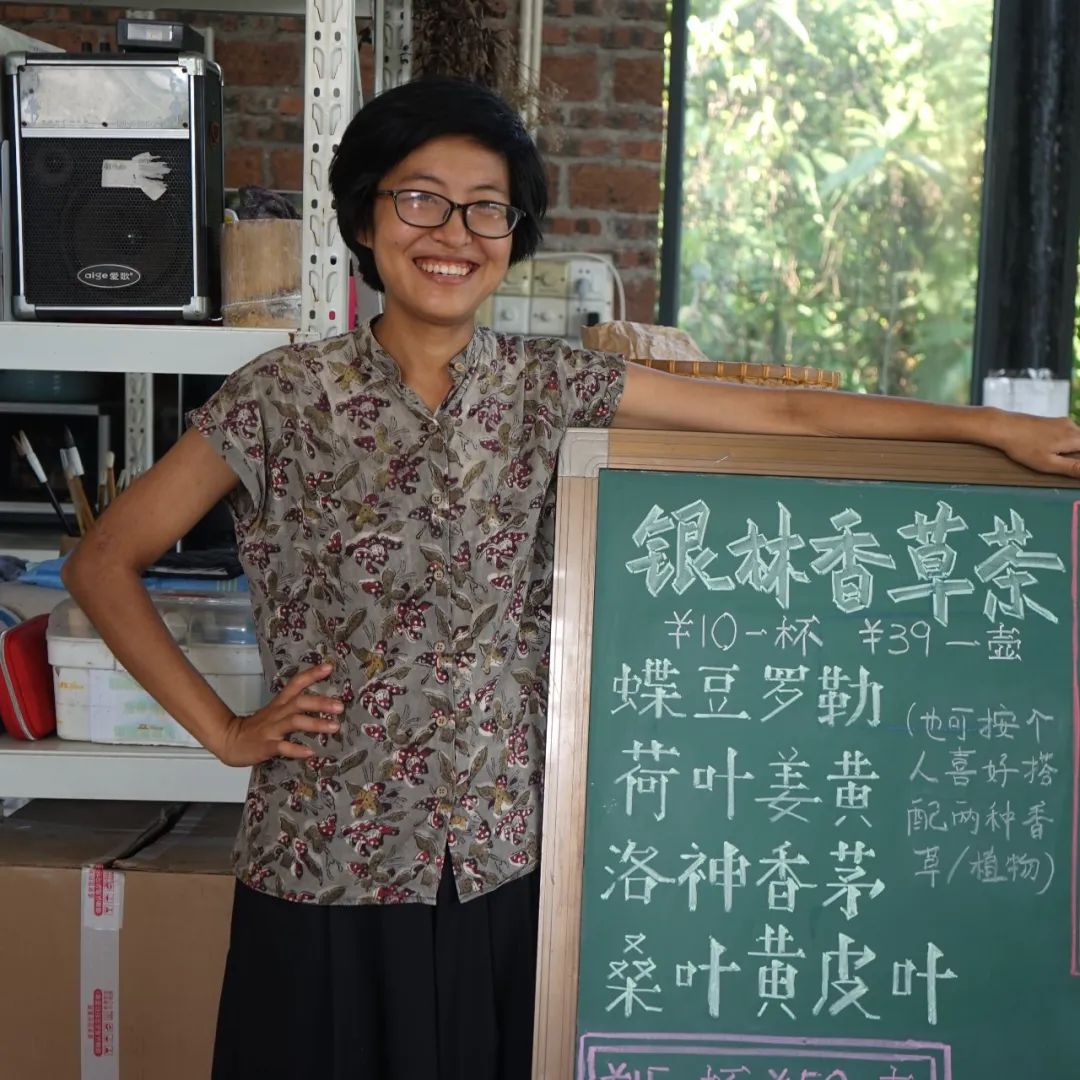
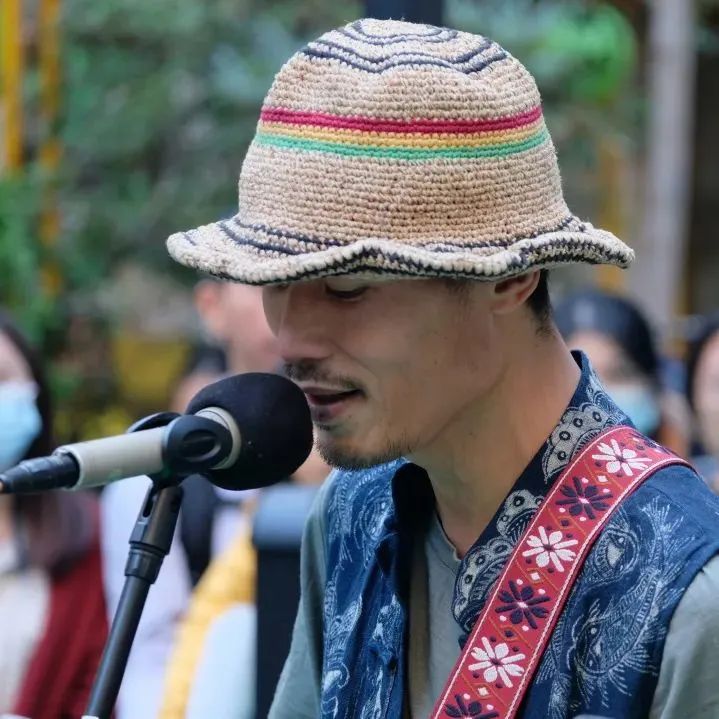
The field also connects researchers, activists, and ordinary people in the city who care about food and agriculture issues: anthropologist Teacher Pidan, who spends her days in the wet market; Teacher Fang Ping, who researches rural home vegetable gardens; Junjun, who mingles in Yunnan’s wild mushroom markets; Jin Hailan, who founded the Tsinghua–Peking Consumer Cooperative, “Kao Pu”; Liu Lan, head of the forest kindergarten at Gaia Nature School … and of course, ordinary people anxious about food and freedom during pandemic lockdowns.
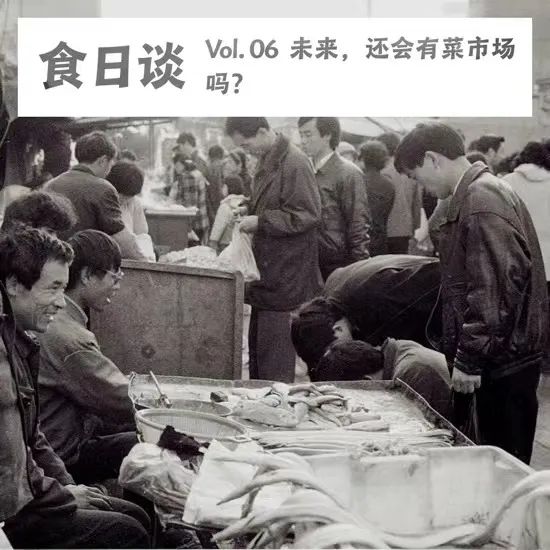
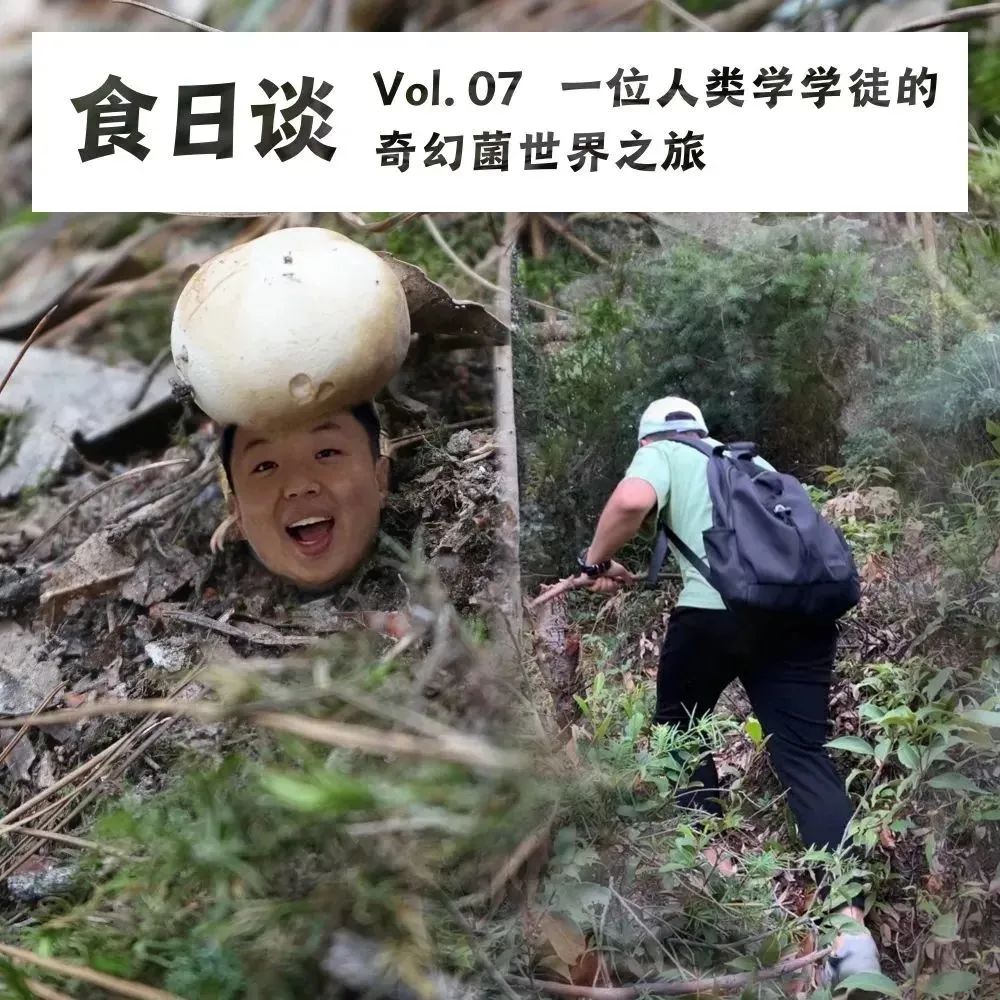
In 2023, the hosts of “Food Talk” will keep taking their microphones to every corner of the country, bringing you voices from the field and the land — starting from food, getting to know the world, and seeing one another.
We welcome you to interact with us on any podcast platform, or add Shitong Jun on WeChat (WeChat ID: foodthinkcn) to request a place in our WeChat listeners’ group. Tell us which food and agriculture topics interest you and which guests you would like to see — who knows, “Food Talk” might just make it happen!

Feng Nian Qing
Foodthink 2022
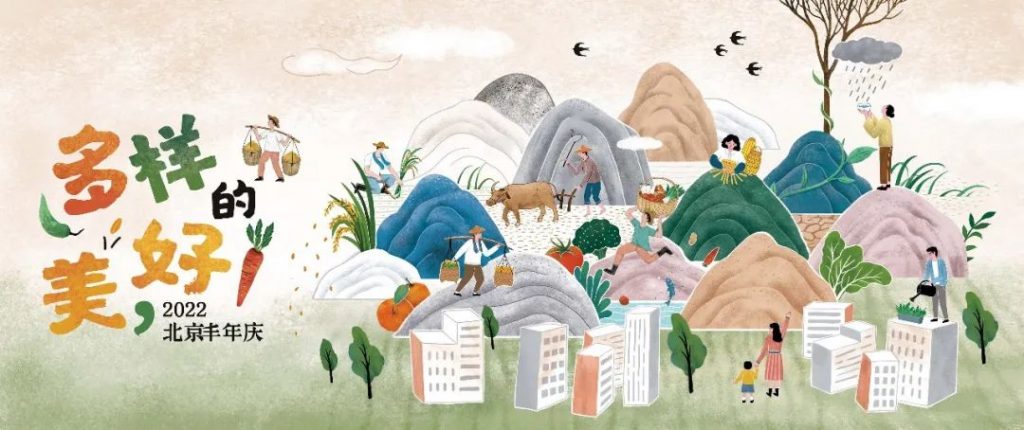
How can the countryside be seen by the city? Can food and agriculture become the bond through which humans and nature live in harmonious coexistence? Do I know where the food I eat every day comes from? What kind of life do I want? What can one person change?
To answer these questions, several organisations in Guangdong dedicated to urban-rural community development and sustainable living jointly launched Guangdong Fengnianqing in 2017, committed to placing smallholder farmers and citizens at the centre, caring for the environment, and fostering mutual support between city and countryside. Foodthink, an active participant in Guangdong Fengnianqing, also decided in 2022 to bring Feng Nian Qing to Beijing.
Having seen the example our partners in Guangdong set, we hoped that Beijing Fengnianqing could become a large-scale carnival centred on sustainable food, agriculture, and lifestyle issues, bringing together exhibitions, sharing sessions, film screenings, markets, and open mic events. But venue changes, shifting pandemic policy, the reality of lockdowns, and contracting COVID-19 quickly pulled us back to earth.
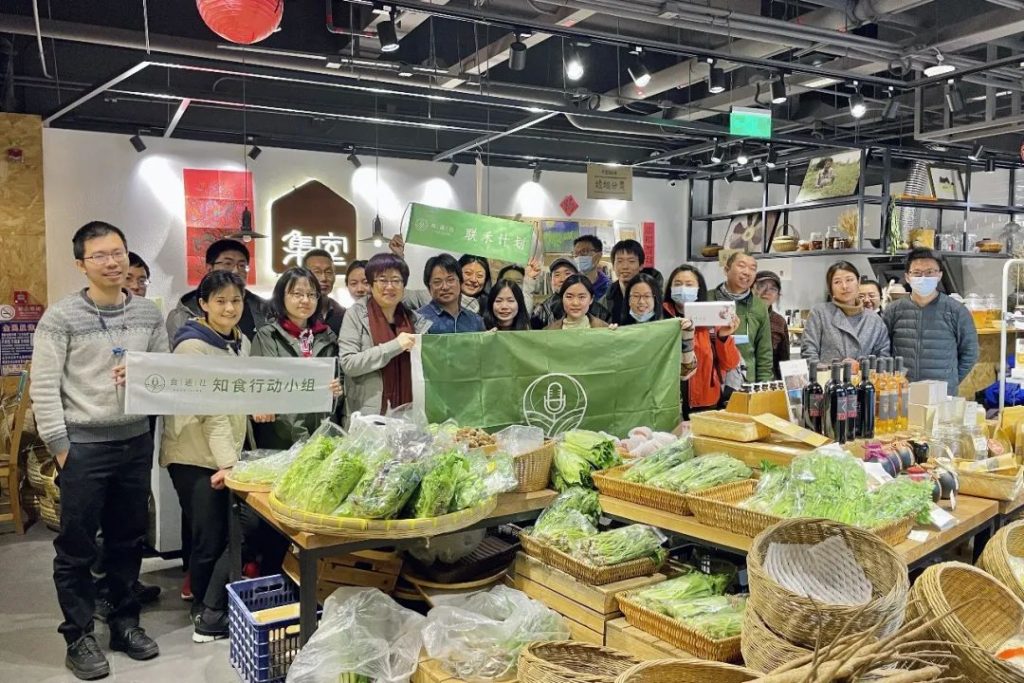
So Foodthink and our co-creation partners turned to online formats. Towards the end of 2022, around themes of diversity and sustainable living, we held one workshop, two book clubs, and seven sharing sessions. We also hosted a year-end market on 15 January, drawing a full stop on Fengnianqing’s in-person programme.
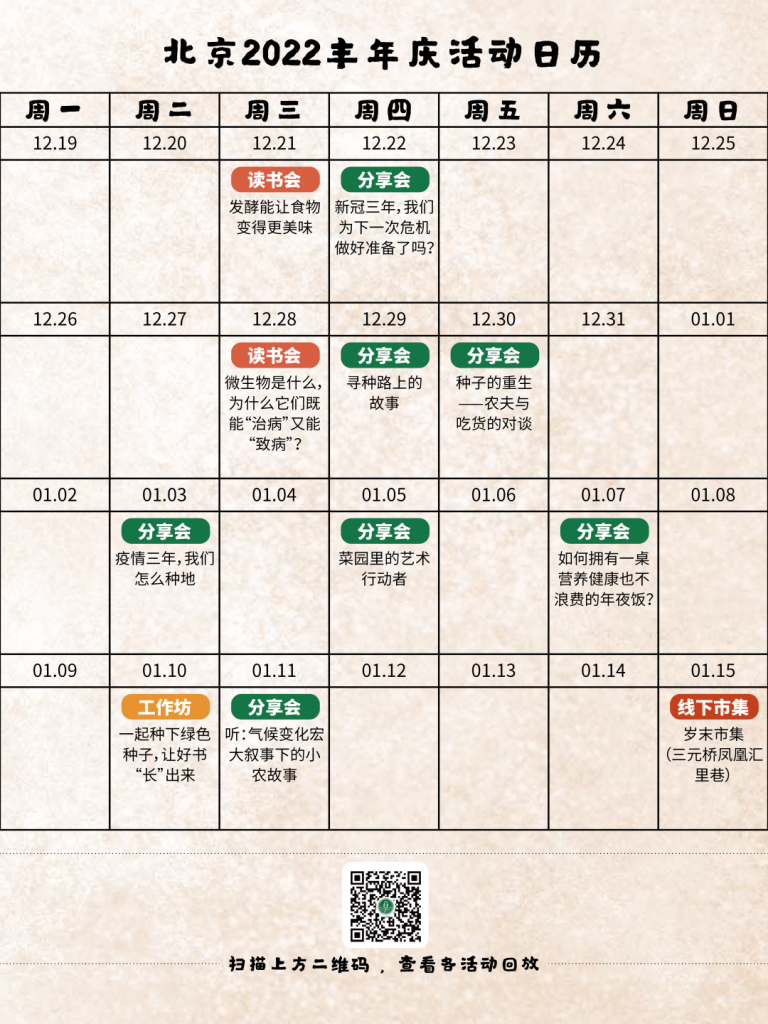
This was by no means a perfect first attempt, but Beijing Fengnianqing will be something we commit to over the long term. We would especially like to thank this year’s co-creation partners (in no particular order): Beijing Organic Farmers’ Market, Farmer Seed Network, Friends of Nature, Friends of Nature · Gaia Nature School, Wang Jue, Zheng Yuan, Beijing Hongyan Social Work Service Centre, and Toxin-Free Pioneer.
Gathering like fireflies, we need not wait for a torch. In 2023, we look forward to more organisations and individuals joining the Beijing Fengnianqing co-creation effort, working together to drive change!
Learning Together
Foodthink 2022
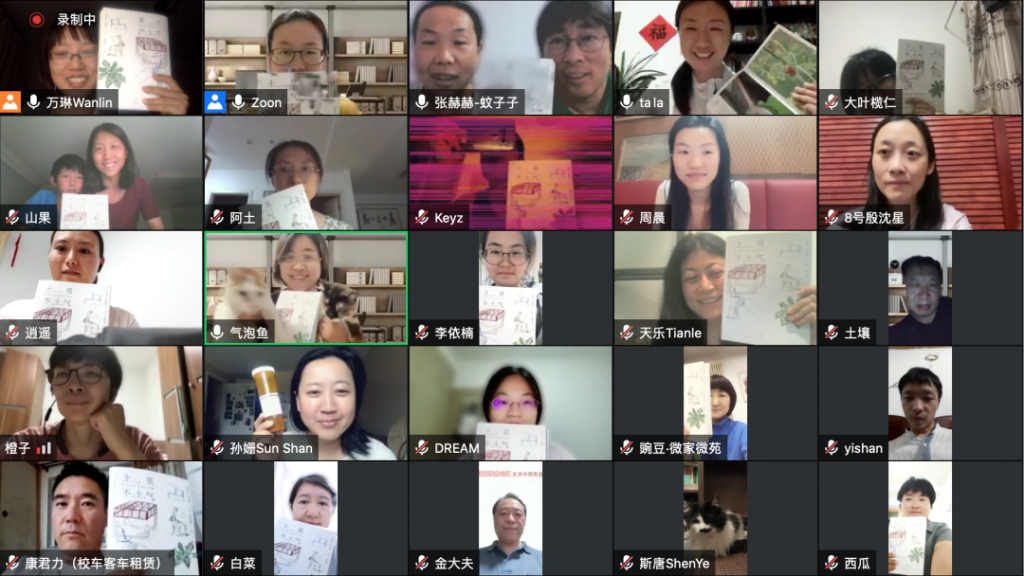
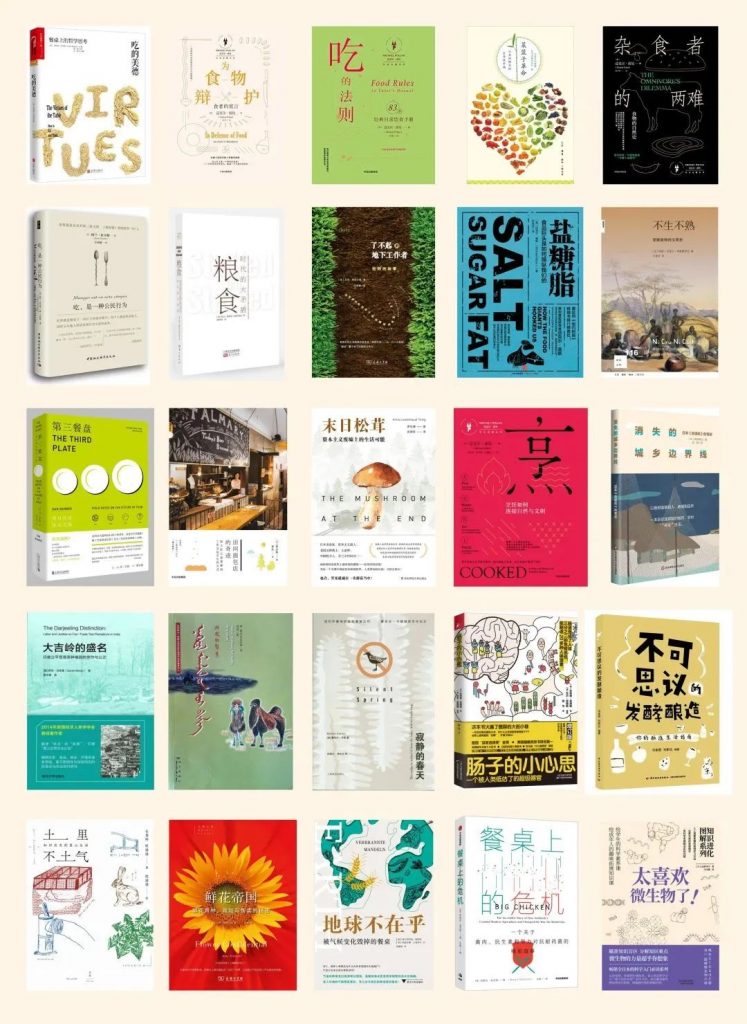
In 2022, Foodthink organised more than 40 online events, including sharing sessions and co-reading sessions in which we went through eight books together with our readers. The topics covered climate change and agriculture, an overview of regenerative agriculture and practical case studies, the environmental impact of pesticides and herbicides, industrialised animal farming and the antibiotic crisis, old seed collection and living conservation, “half-farming, half-X” country life, fermentation and brewing, dietary patterns and gut health, and food packaging and reducing plastic from takeout …
Our online community brings together participants from events past and present. Beyond lively discussions, we share food from all corners, encourage one another, and when we are fortunate enough to meet in person, we work the fields together, cook together, and swap seeds and books.
In 2022, for various reasons, opportunities to hold in-person events were truly limited. Most of Foodthink’s activities shifted online, and in addition to Tencent Meeting, we added WeChat Video Channel livestreams, making it easier for everyone to book a spot or simply click to watch.
All events were also recorded and uploaded to Foodthink’s Bilibili account and WeChat Video Channel. If you missed any, feel free to watch the recordings.


If you have attended any of our Learning Together events, please spare a moment to fill out the questionnaire below to help us improve the quality and experience of our events.

2023 may well be another year full of uncertainty. But we believe that even in the ruins, there is more room for dialogue and connection. In the new year, Foodthink hopes to EAT, THINK, ACT with all of you!
Editor: Zean