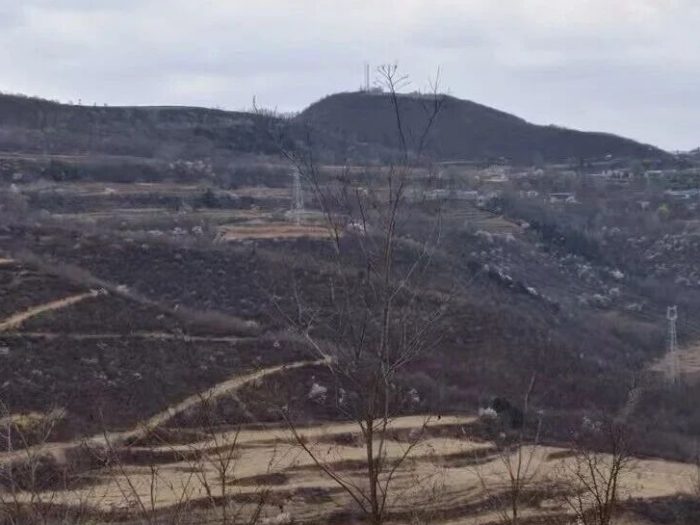
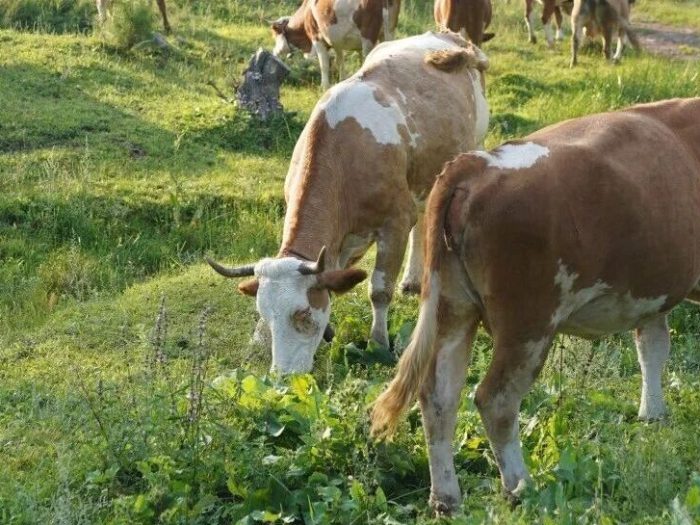
Deep in the Taihang Mountains, in Leyi Village, Heshun County, Shanxi, the “leopard-eating-cattle” conflict between North China leopards and cattle is not pronounced. During the recent cattle-price slump, local beef cattle farming has contracted markedly overall, leaving just three households and over 70 cattle, down from 200-plus.
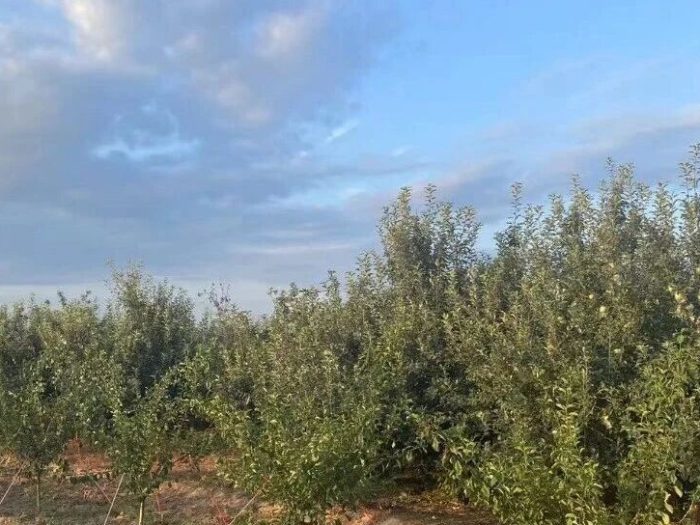
From apples and wheat to peaches and plums, a farmer nearing seventy in Liquan, Shaanxi, keeps switching crops between the wheat rows and the orchard, chasing prices and yields for a living, facing drought, labour costs and work problems after young people leave the village.
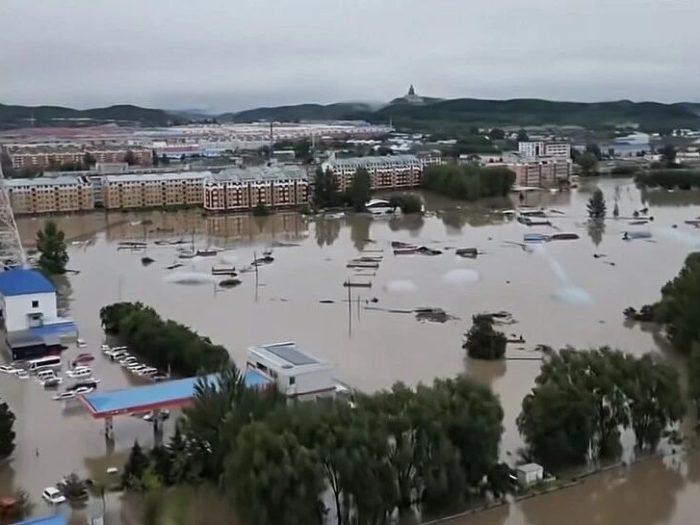
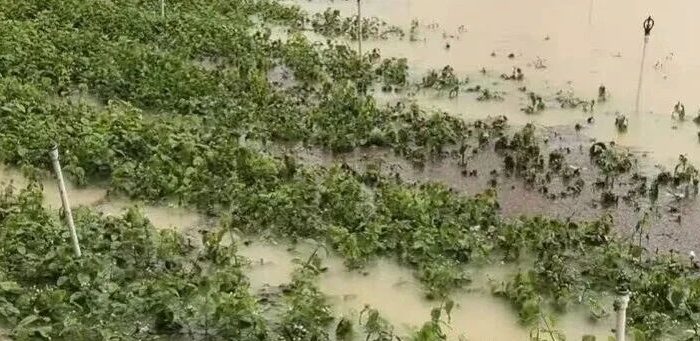
After wholesale markets, riverside villages, maize fields and ginseng fields were flooded, silt clearance and rebuilding continue; rain will persist across the northeast, and some places may suffer a second disaster.
Typhoon Maysak brought sustained heavy rain, and Liulan Reservoir in Hengzhou, Guangxi, breached, flooding jasmine fields, rice fields and fish ponds. Tens of thousands of residents were relocated, and agricultural insurance and flood resilience issues under extreme weather were highlighted.
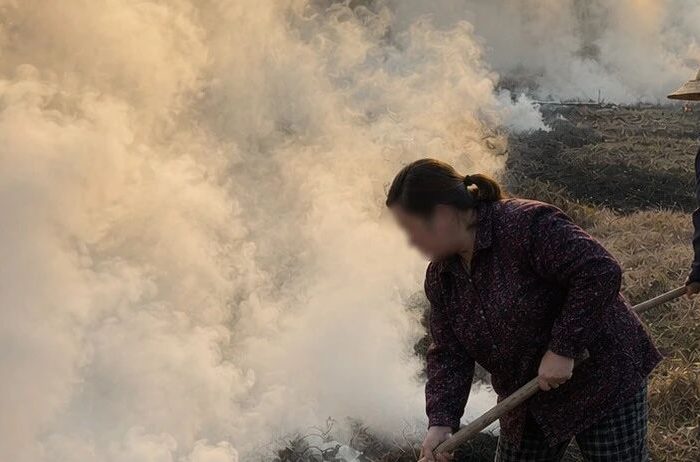
Sun Weimin, longtime village secretary of Village A in Hunan’s Dongting Lake area, has experienced the strictest straw-ban season of 2025: patrols and tower surveillance are constant, baled straw still cannot be sold, and people continue to set fires at night.
About 20 mu of land that Hongxia and her husband farmed for relatives in Tongchuan, Shaanxi, has been taken back. The more than 100 mu of sloping land they contracted, along with farm machinery worth over 100,000 yuan, now face renewed fragmentation and little chance of stopping the losses.
Over the past year, articles deleted from Foodthink have covered delivery riders, mouldy corn in North China, rural heating in Hebei and high-standard farmland. Reader comments have been quickly blocked, and the space for public discussion has narrowed.
Chen Jingjing, with 20 years of rural construction experience, worked in the fields for the first time in Qingshan Village, Hangzhou. By avoiding herbicides and relying on sun drying, he incurred extra labour costs and calculated that the cost of a catty of rice exceeded 30 yuan. The accounts uncover how land rent, grain subsidy and division of labour are changing ecological rice cultivation.
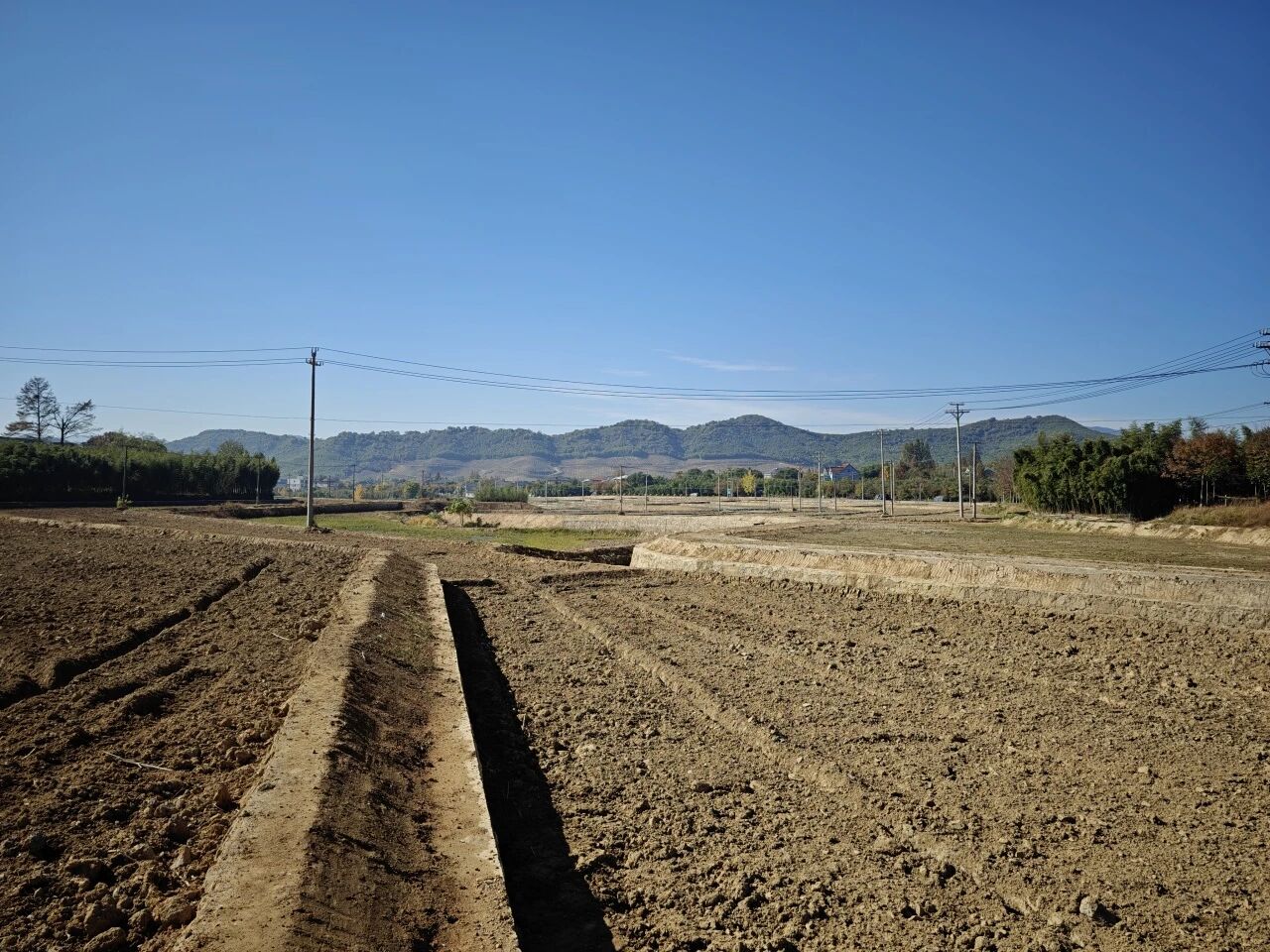
Farmers, construction contractors and researchers in villages in the southwest, northwest and central regions recount how some high-standard farmland has been abandoned because of water shortages, levelling and soil damage; they also discuss subsidies, acceptance inspection and squeezed profit margins, asking how food security can truly be safeguarded.
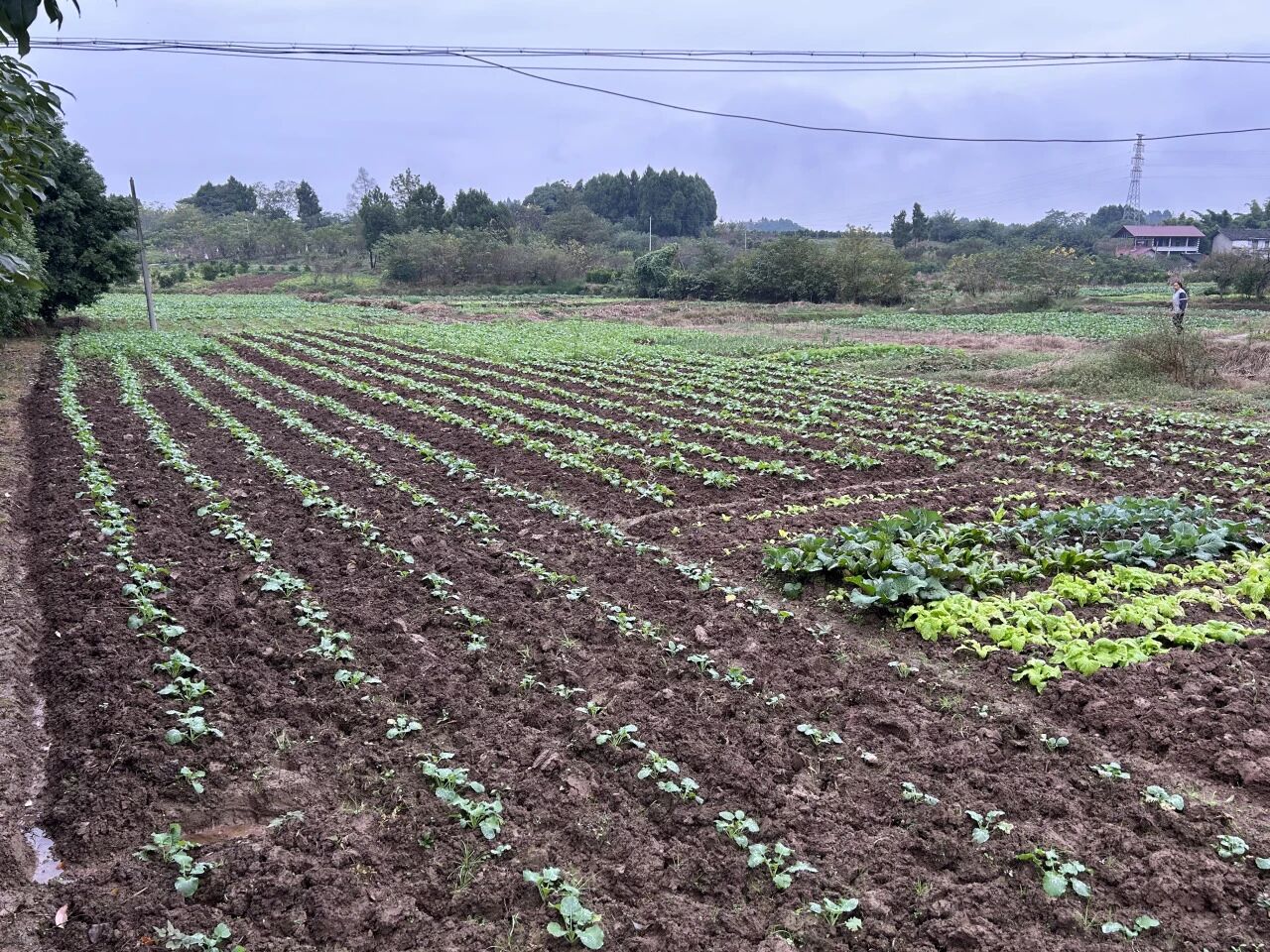
From unharvested rice fields in Meishan to villages around Chengdu where land preparation is being redone, the good topsoil is turned over and buried by excavators, some water conservancy facilities have failed, and some large fields under unified land transfer are left uncultivated after outside contractors leave. High-standard farmland has even become a reason for farmers to abandon cultivation.