
On 22 August, Zhong Shuru, Associate Professor at the Sun Yat-sen University School of Tourism, brings her new book “China’s Wet Markets” to Beijing. Join online or in person: a morning browse and chat at the Beijing Organic Farmers’ Market; an evening of wet market stories at Jiantou Bookshop (Guomao Branch).

A state-owned agricultural produce company in the Qingzhou Development Zone ran the Qingzhou Weidao mini programme for the district Agricultural Committee. Subsidies and inspections outweighed sales, and suppliers joined under administrative mobilisation. The project ultimately lost support; local sellers built business through WeChat groups.
After the US military’s airstrike on a primary school in Minab, Iran, and Trump’s announcement of a second round of strikes on Iran, US suburban cars, oil-based agriculture and throwaway consumption are weaving oil dependence and war risk into everyday life.
Metske, a Dutch farmer, has come from the squatting movement and a vegetarian restaurant to a 40-acre organic vegetable farm at Bore Place in Kent, and now sells lettuce and tomatoes at north London’s Growing Communities market, sustaining the business through personal networks and sales channels without applying for subsidies.
Handing out tomato pasta on the streets of Rome and campaigning for raw-milk cheese at the Bra Cheese Festival, he turned food into a political issue of land, ecology and producer pay, while also drawing elite criticism.
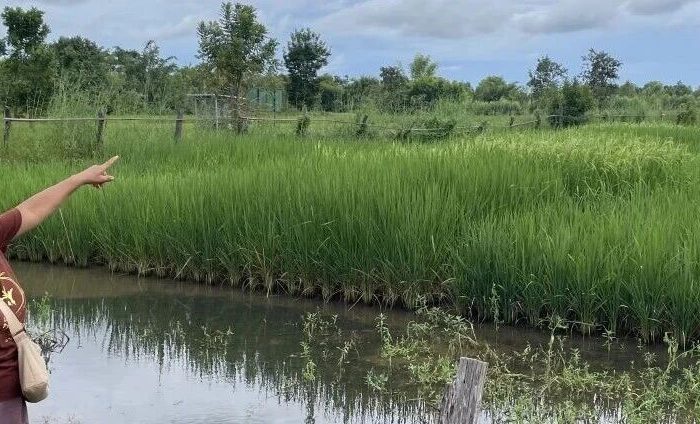
K Village in north-eastern Thailand does not chase export fragrant rice; instead, it conserves old rice landraces, practises low-input farming, and uses a credit union and direct online sales to keep earnings in the village.
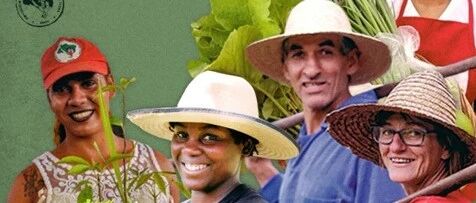
In Belo Horizonte, the Brazilian Landless Workers’ Movement has built a sales platform that centralises warehousing, order handling, certification and delivery, enabling dispersed smallholder produce to reach restaurants, shops and government food-procurement channels.
From gathering shellfish in mangroves to guiding tours in a national park, southern Thai fishers are turning resources in community conservation areas into a restaurant, a processing group and tourism income, so that protecting seagrass beds, fish havens and more can also support families.
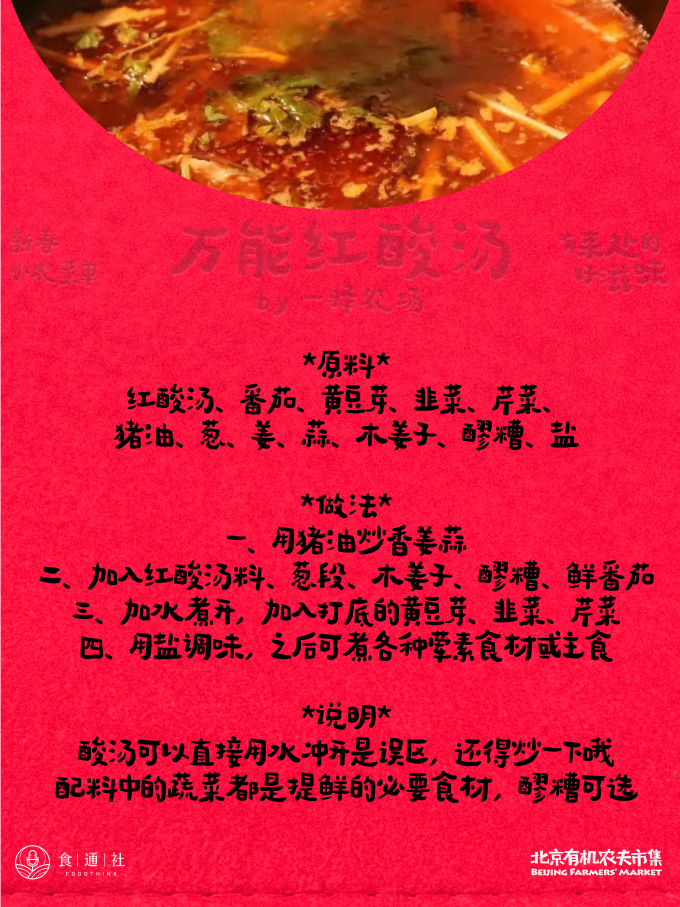
Yiyi Farm stir-fries ginger and garlic in lard until fragrant, then adds tomato, celery and other ingredients to simmer a versatile red sour soup. It can be used to cook fish, blanch beef, make noodles, stir-fry vegetables, or make a sour soup hotpot, refreshing the palate after Spring Festival’s hearty fish and meat.
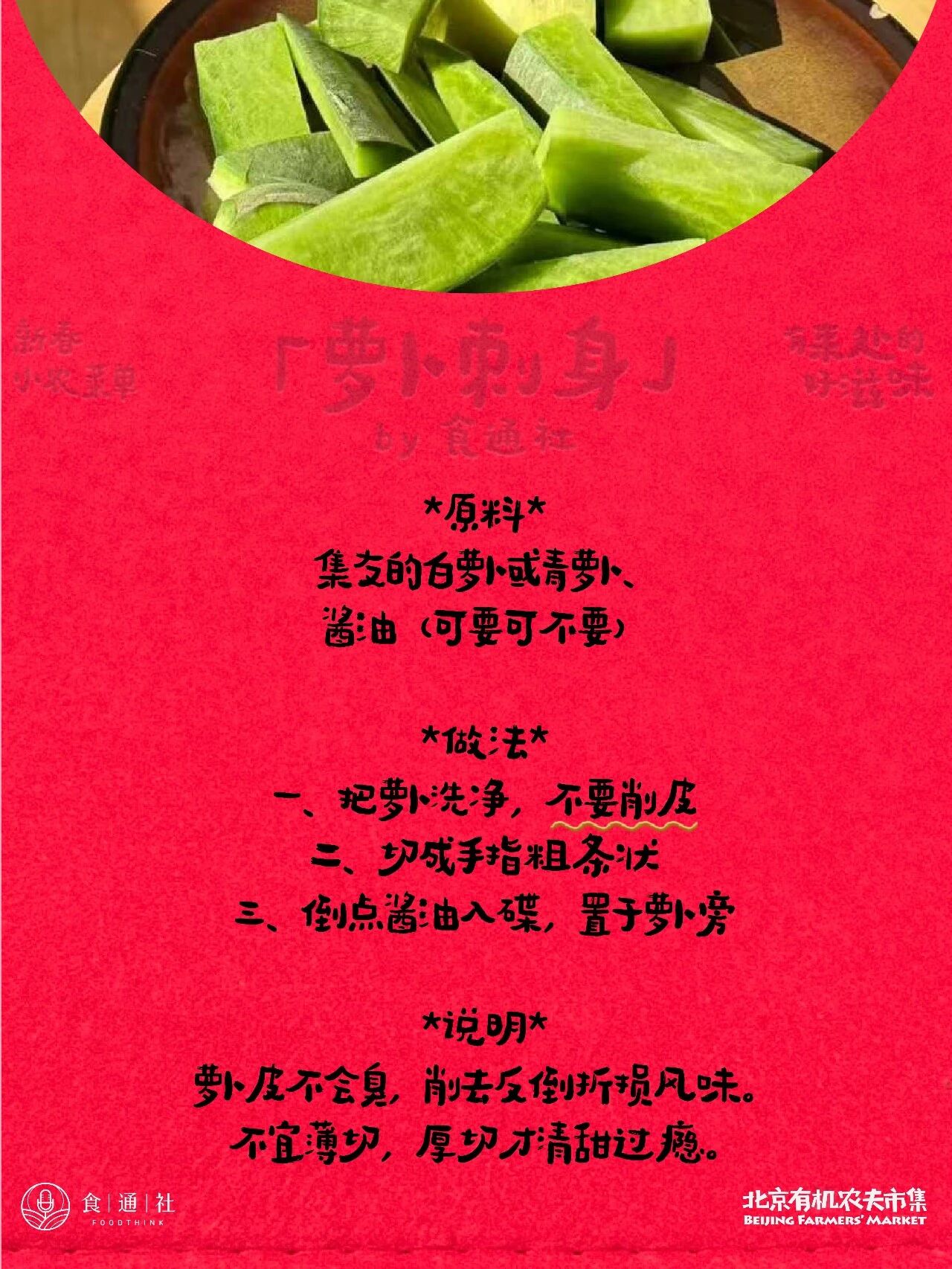
Farmers at the Beijing Organic Farmers’ Market serve home-grown white radish or green radish, washed and left unpeeled, cut into finger-thick strips, and dipped in a little soy sauce—refreshing, crisp and sweet.