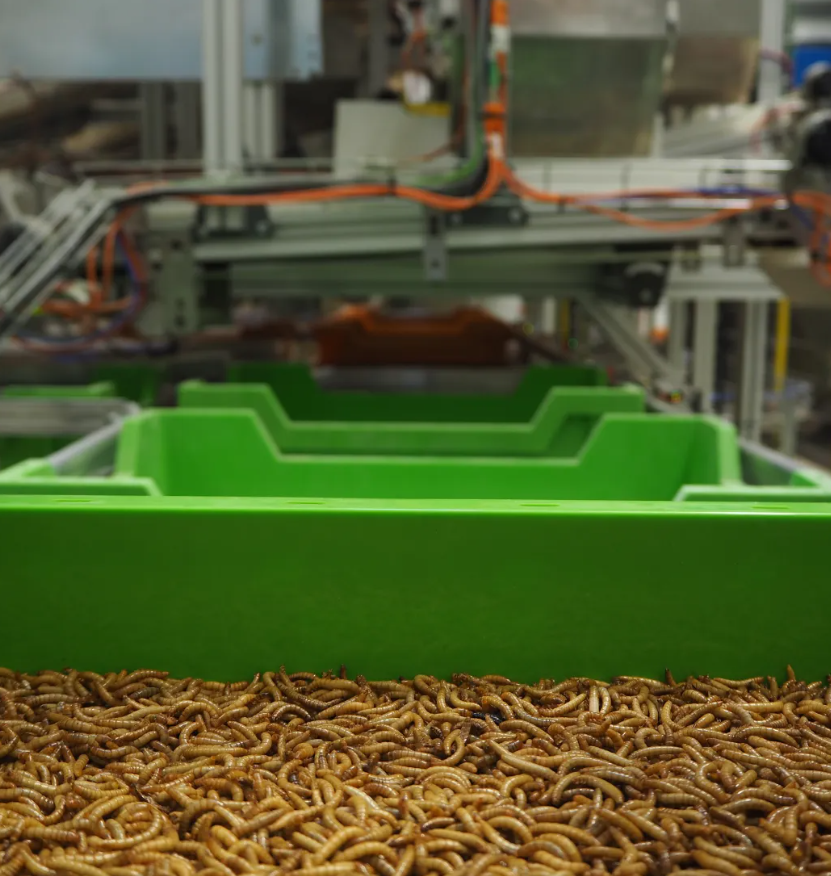
The insect protein race sparked by the UN Food and Agriculture Organization (FAO) report is really driven by soaring feed costs; French unicorn Ÿnsect has entered compulsory liquidation after becoming insolvent, while a UK Government-commissioned study shows that per-kilogram carbon emissions from insect meal far exceed soybean meal’s.
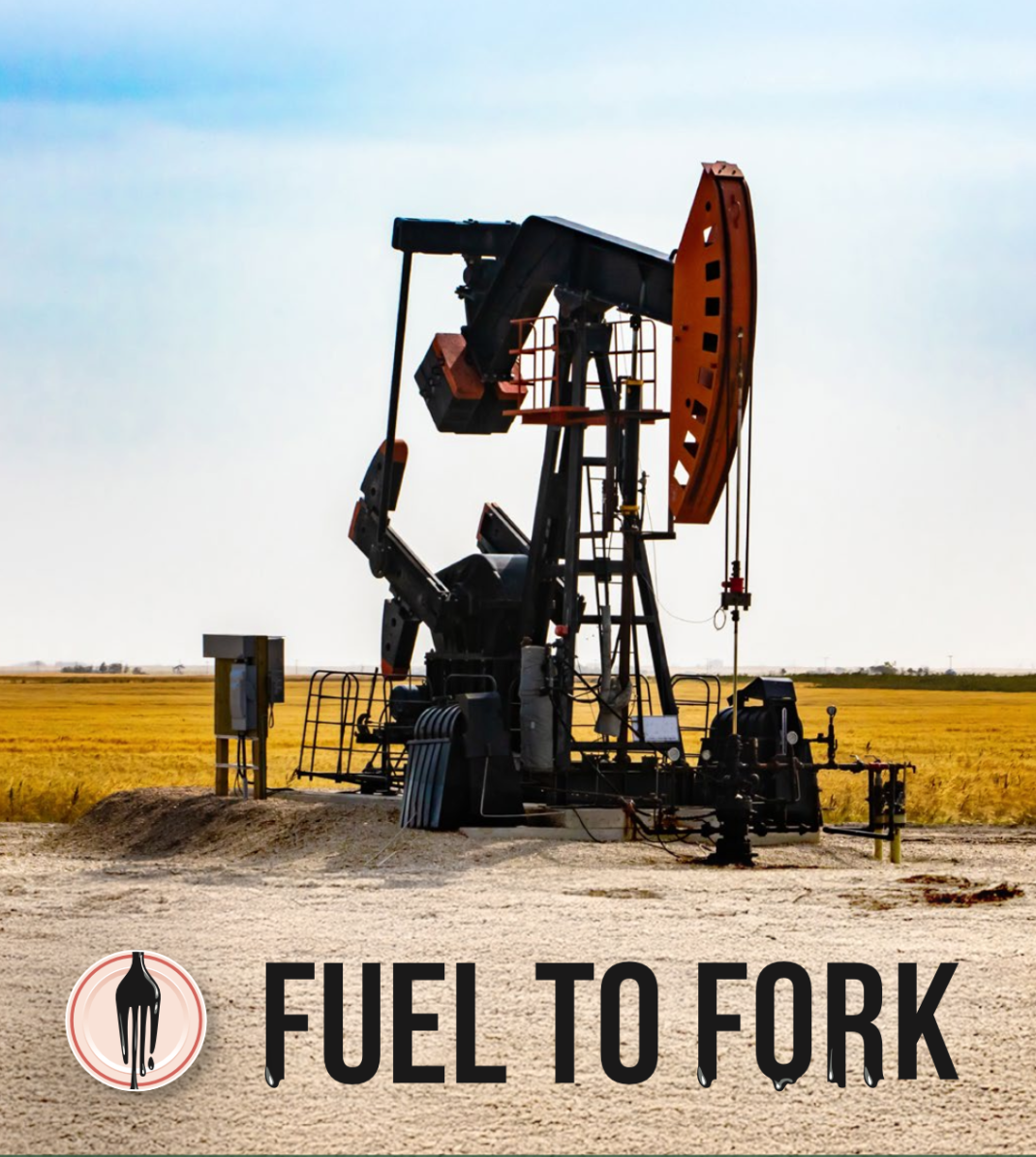
IPES-FOOD’s report Fuel to Fork dissects how the food system consumes at least 15% of the world’s fossil fuels—from nitrogen fertiliser in the fields and ultra-processed foods and plastic in factories, to supermarket refrigerated cabinets and household stoves—and offers eight decoupling recommendations.
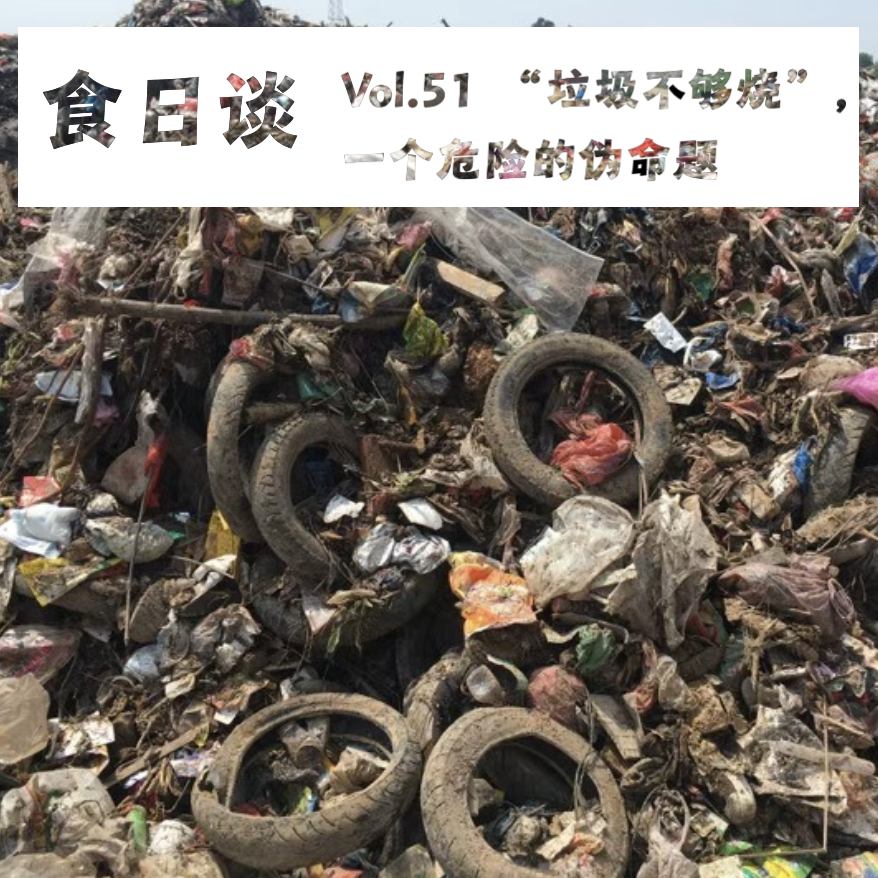
The “not enough waste to burn” video sparked debate, but China’s incinerators face overcapacity, not a waste shortage. Statutory dioxin monitoring occurs only annually, and food-contact plastic additive risks have long been underestimated. Zero-waste and waste-reduction practitioners urge cutting at source, not simply burning the problem away.
Mao Da and Sun Jinghua argue that incineration is the end of the processing chain, not a way out; overcapacity undermines the incentive for reduction and recycling, and the furnace has neither eliminated dioxins nor replaced sorting.
American writer Susan Freinkel traces in Plastic Wars plastic’s spread from a Second World War military material to 400 million tonnes of global annual consumption, arguing the problem lies not in the material but in how throwaway consumer culture shaped it into a dependency hard to shed.
I. The Plastic Crisis: Regularly Updated “Microplastics have entered the human brain, and the weight of these particles can even exceed that of a plastic spoon.” Several friends sent me this message a few days ago. Since I started working for an environmental organisation a few years ago, I’ve become…
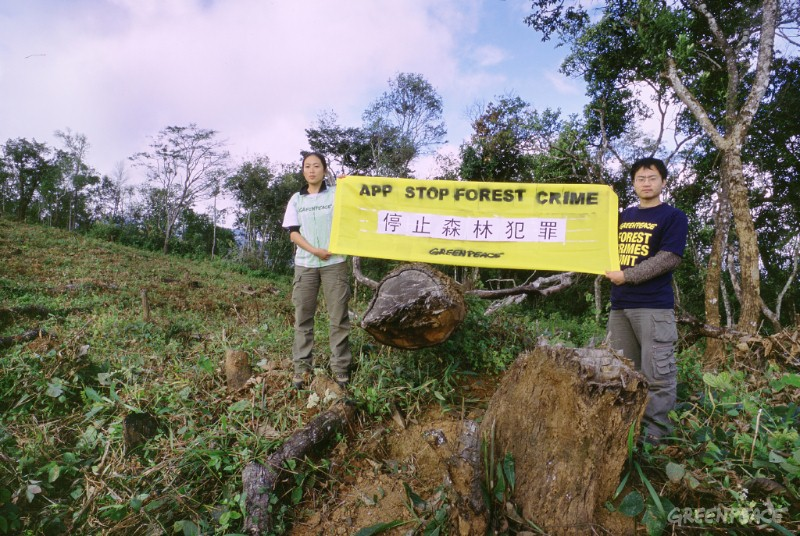
Meituan-funded environmental organisations once named and shamed food delivery plastic pollution, but their voices have grown quieter over the past two years. From the 2004 APP deforestation boycott by grassroots organisations to today’s waning civil-society oversight, the balance of power between public-interest organisations and polluting companies has shifted dramatically.
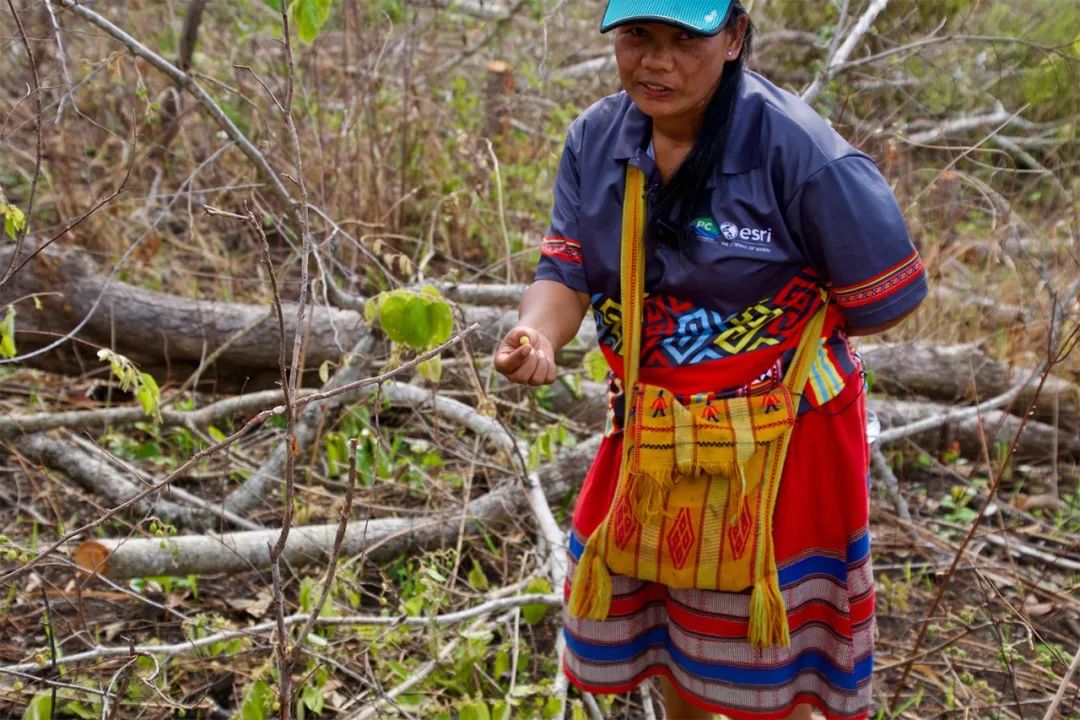
Starting with the 2,282-hectare community forest in Cambodia guarded by Bunong villager Long Heng, the report surveys global debates over REDD+, the voluntary carbon market and indigenous land rights, and asks whether emissions-reduction promises are credible.
Foodthink’s Perspective Some media outlets have dubbed 2024 the “inaugural year of GMO commercialisation” in China. In 2023, 37 varieties of genetically modified maize and 14 varieties of genetically modified soy passed variety certification, and 26 companies were granted permits for the production and operation of GM maize and soy…
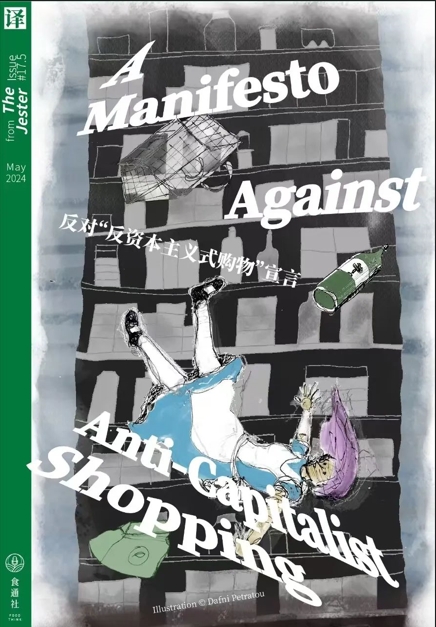
Fair Trade, organic certification, Deforestation-free – ethical labels encode anti-capitalist longing into product entries, reducing the “right” choice to an illusion that perpetuates the system. The way forward lies in questioning the production system, not filling a more ethical trolley.