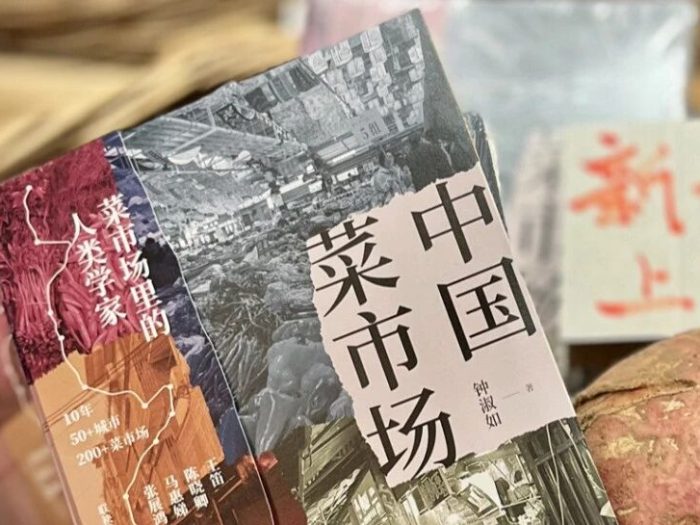
Anthropologist Zhong Shuru turns ten years of wet market research into “China’s Wet Markets”, trying to understand China’s sprawling food system through the market doorway. She has visited more than 200 wet markets in cities nationwide, recording how food flows and how the people in the markets live and change.
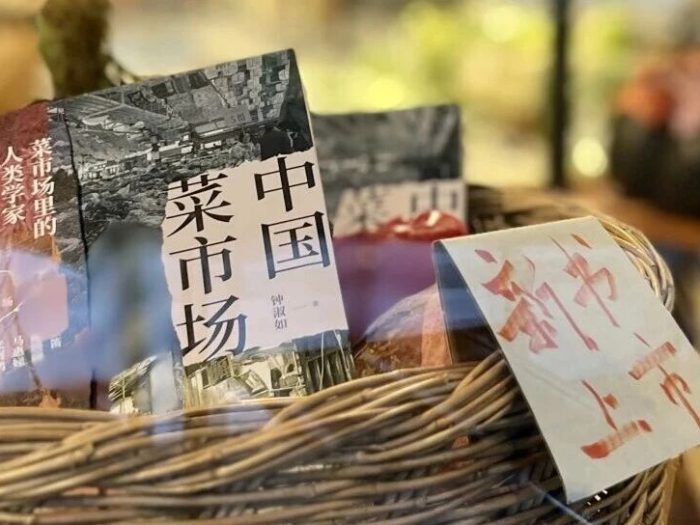
At Shahe Grand Market in Changping, watermelons at eight mao per catty and wenwan stalls whose items are hard to authenticate draw young people; anthropologist Shuru Zhong says it is also an entry point for observing society, understanding the city and practising life.
On 22 August, Zhong Shuru, Associate Professor at the Sun Yat-sen University School of Tourism, brings her new book “China’s Wet Markets” to Beijing. Join online or in person: a morning browse and chat at the Beijing Organic Farmers’ Market; an evening of wet market stories at Jiantou Bookshop (Guomao Branch).
After being diagnosed with autism at five, Shu’er has visited the wet market with her mother, gradually learning to push a little handcart, apologise and stay calm around dogs, while regularly buying pork belly, Chinese cabbage, zongzi and baba gan to maintain normal social functioning.
Anthropologist Shuru Zhong once sold Spanish mackerel in wellington boots at Hainan’s Yefeng Market. Later, she visited more than 50 cities and more than 200 wet markets across the country, writing stallholders’ livelihoods, trust and transactions into Chinese Wet Markets.
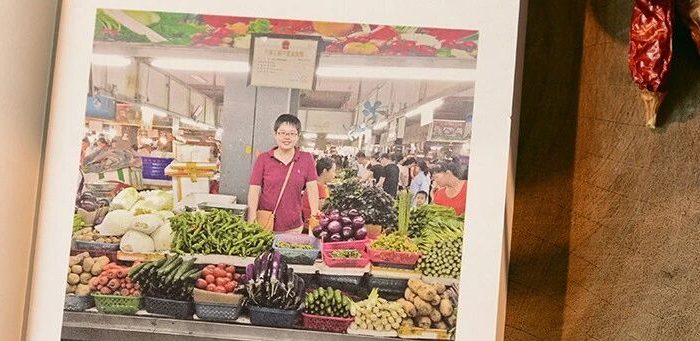
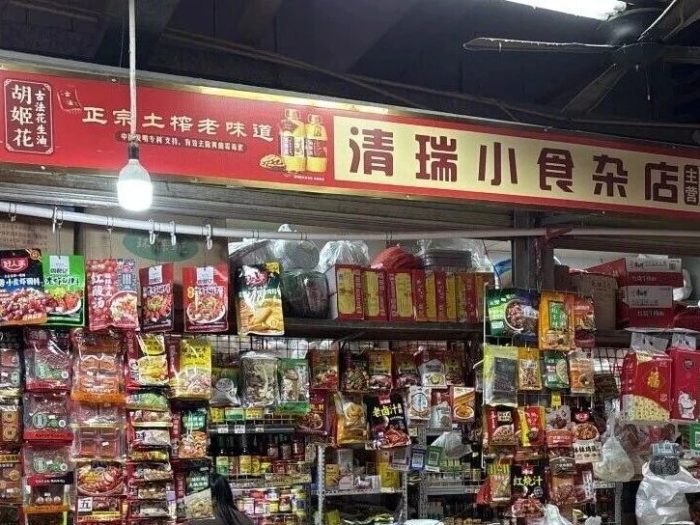
Xu Yunyan and Li Jian run a dried goods shop in Shuangjingtou wet market. Without opening an online store or running live streams, they rely on wholesale prices and regular customers’ word of mouth to support a family of four.
From ghost food delivery and farmer-support marketing to pickers running, changes in wet markets, and plastic waste, the issues concerning workers, merchants, farmers, and the environment that go beyond the convenience of platforms are often overlooked.
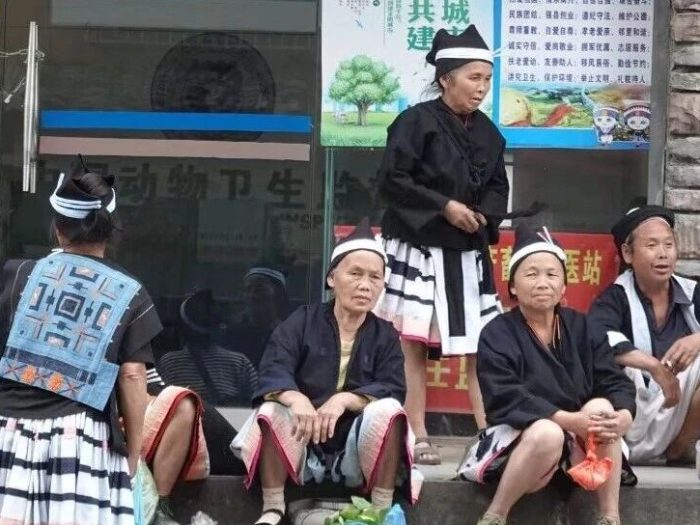
Meng Fang, a social work volunteer, takes friends to the market, buys hemp (hempseed), sour meat and home-brewed spirits, then visits the White Pants Yao Ecomuseum to see the golden silkworm, warping and cloth dyeing; traditional life carries on in these everyday moments.
In Yijing Market, Wuzhou, Guangxi, the grandmother opened the shop in 1995. The mother later took over, and the daughter helps during the Spring Festival. The mother opens the shop early each morning and returns home in the evening to do the portioning, knowing exactly what regular customers usually buy. The little shop is unlikely to be taken over by the daughter.
Young people from different cities share their eating experiences and reflections on takeaway, dianzi zhacai, plastic packaging, wet market, and fermentation and fermented foods.