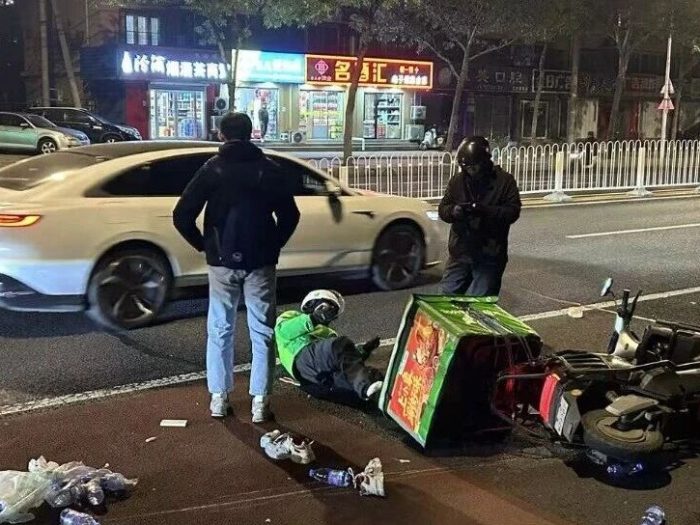

Professor Zhang Dandan at Peking University argues flexibility itself is a benefit, but food delivery riders face platform control, including peak-time online requirements and KPI appraisal, making gig work a platform employment model to cut labour costs and shift risk, not workers’ freely chosen work.
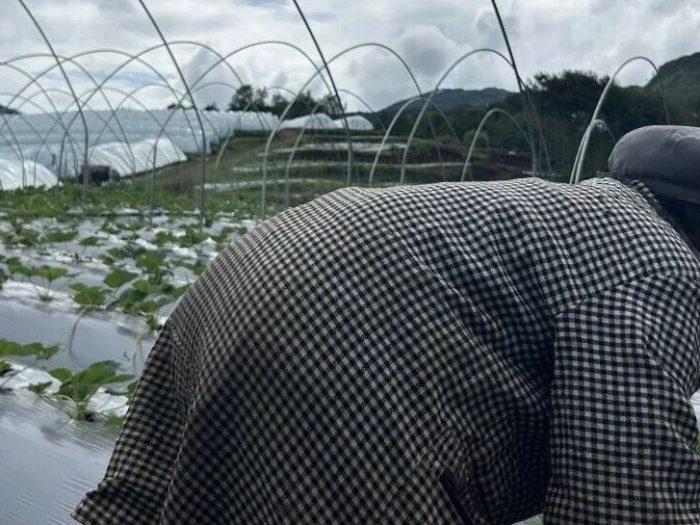
In Matu Town, Qiaojia County, Yunnan, left-behind mothers and middle-aged and older women bend over for ten hours a day in polytunnels, their muddy hands earning a 100-yuan daily wage. They treat this close-to-home work as a livelihood fallback, trying to win back some freedom.
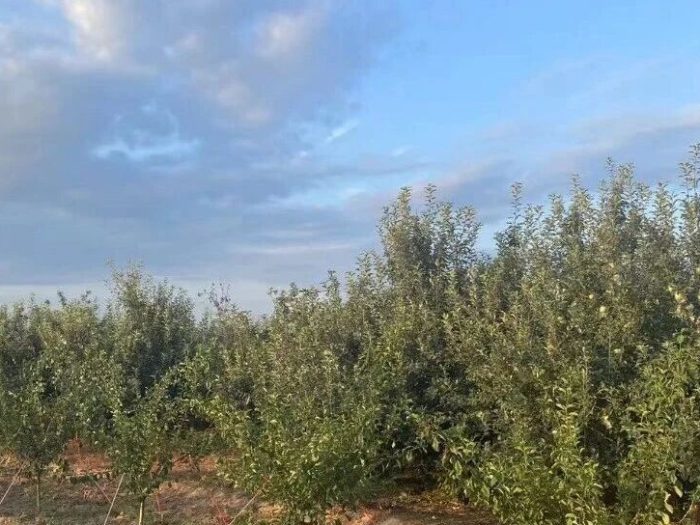
From apples and wheat to peaches and plums, a farmer nearing seventy in Liquan, Shaanxi, keeps switching crops between the wheat rows and the orchard, chasing prices and yields for a living, facing drought, labour costs and work problems after young people leave the village.
McDonald’s ties forecast turnover to labour hours for each time slot, letting a rostering specialist build rotas using system tags and shared store managers run several stores at once, while store staff still use experience to make up for gaps in serving and wastage.
Jiang Ke, who served as a duty manager at McDonald’s for seven months, has experienced the fryer beeps, vacuum-packed shredded lettuce and order screens in its open-plan back kitchen, and seen how waiting and complaints when customers collect their food feed into the store’s rating.
A former chef who flew from Chiang Mai to Shanghai experienced negative reviews, bill waivers and shopping for ingredients alone at several pop-up dinners. Dianping’s rating weighting left the flying chef mentally and physically exhausted during an experience of freedom.
In Beijing’s shared flats, employers’ homes and the weekend kitchen at the Beijing Hongyan Social Work Service Centre, female domestic workers Suying, Huirong and Qiuhua have their meal times squeezed by work and family; growing vegetables and eating together, they restate their hunger and needs.
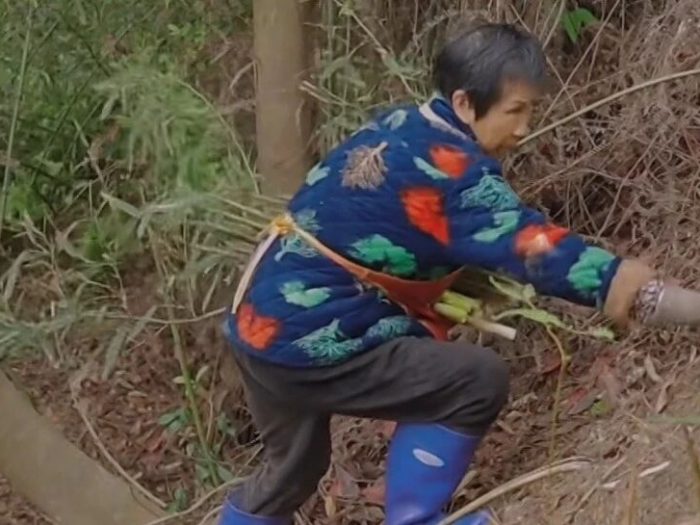
During the more than a month between Qingming and Grain Buds, in a mountain village in Hunan, Yang Xiuying and her fellow villager, Grandma Deng Lian, carry woven polypropylene sacks on their backs into bamboo groves, bring fresh bamboo shoots down the mountain, and then boil and sun-dry them into dried bamboo shoots; with village passenger services suspended and fewer companions making the climb, the elderly women still rely on this hard work for a meagre income and a measure of dignity.
From ghost food delivery and farmer-support marketing to pickers running, changes in wet markets, and plastic waste, the issues concerning workers, merchants, farmers, and the environment that go beyond the convenience of platforms are often overlooked.
The 30-minute delivery of fresh food e-commerce platforms such as Alibaba Hema, Meituan Xiaoxiang, JD 7Fresh and Pupu puts the pressure of 3-minute picking and customer complaint deductions on pickers and delivery riders; consumers also discuss off-peak ordering, buying fewer heavy items and shopping offline in the comments.