
Professor Zhang Dandan at Peking University argues flexibility itself is a benefit, but food delivery riders face platform control, including peak-time online requirements and KPI appraisal, making gig work a platform employment model to cut labour costs and shift risk, not workers’ freely chosen work.
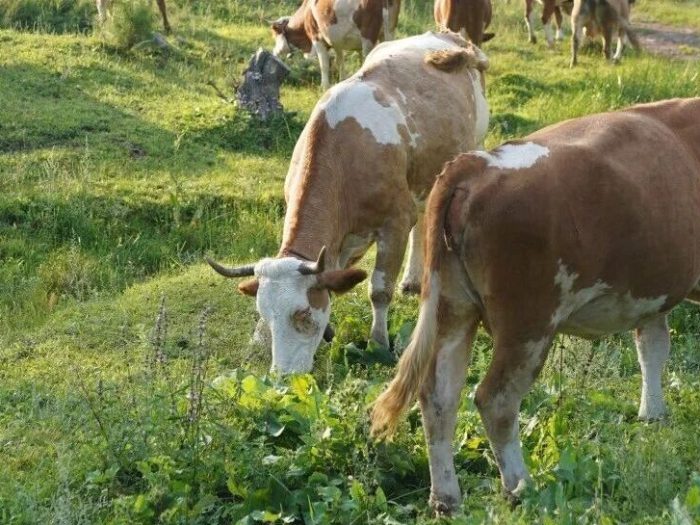
Deep in the Taihang Mountains, in Leyi Village, Heshun County, Shanxi, the “leopard-eating-cattle” conflict between North China leopards and cattle is not pronounced. During the recent cattle-price slump, local beef cattle farming has contracted markedly overall, leaving just three households and over 70 cattle, down from 200-plus.
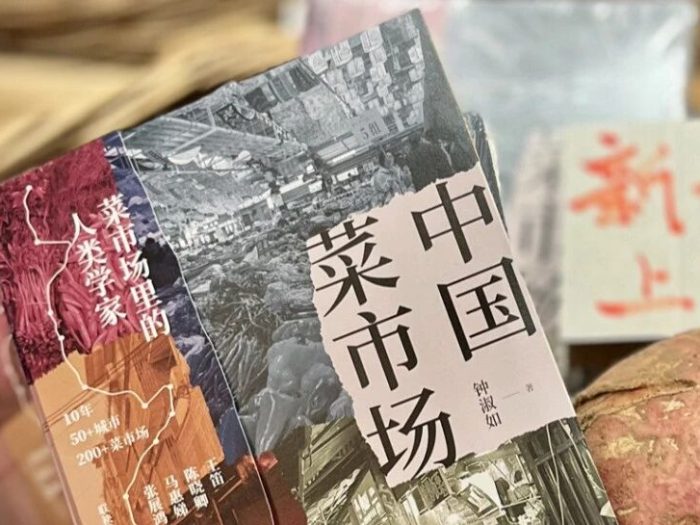
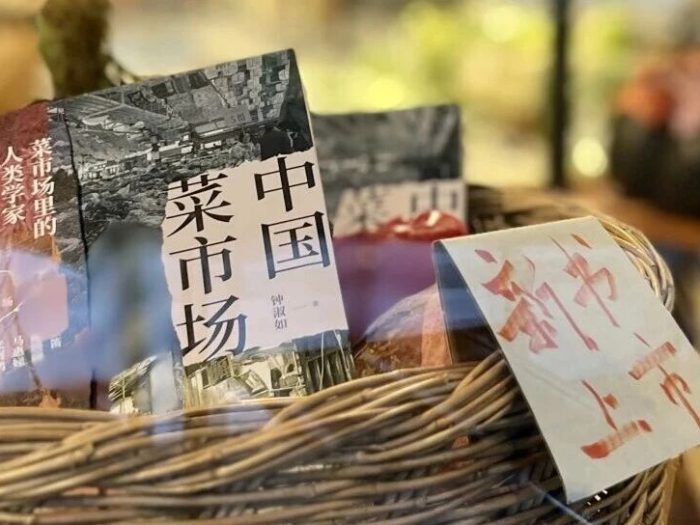
Anthropologist Zhong Shuru turns ten years of wet market research into “China’s Wet Markets”, trying to understand China’s sprawling food system through the market doorway. She has visited more than 200 wet markets in cities nationwide, recording how food flows and how the people in the markets live and change.
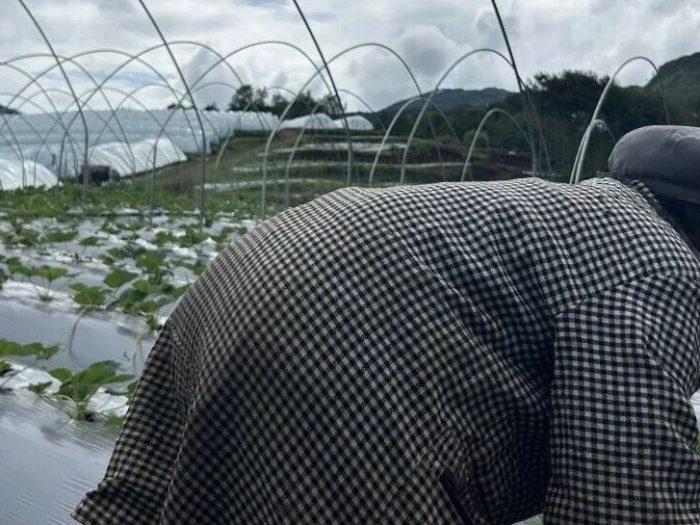
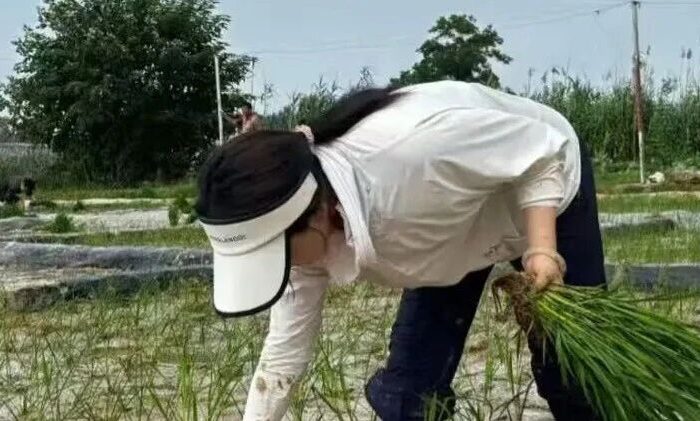
In Matu Town, Qiaojia County, Yunnan, left-behind mothers and middle-aged and older women bend over for ten hours a day in polytunnels, their muddy hands earning a 100-yuan daily wage. They treat this close-to-home work as a livelihood fallback, trying to win back some freedom.
In 1902, United States Department of Agriculture official Wiley had young people test poisons. Today, borax remains in meatballs, formaldehyde is still used on frozen seafood; multiple legal additives in ultra-processed food may add up. Choose whole foods, avoid the “crisp-and-gummy taste” to cut additives.
At Shahe Grand Market in Changping, watermelons at eight mao per catty and wenwan stalls whose items are hard to authenticate draw young people; anthropologist Shuru Zhong says it is also an entry point for observing society, understanding the city and practising life.
From Sichuan’s ba ba xi to Wenzhou’s chi bai jiu and Chaoshan’s nao re zhuo, seating order, red envelopes, toasts, one-upmanship, neighbourly help and pre-prepared food put young people’s sense of boundaries at grand banquets, and changes after village banquets enter cities, on the table.
On 22 August, Zhong Shuru, Associate Professor at the Sun Yat-sen University School of Tourism, brings her new book “China’s Wet Markets” to Beijing. Join online or in person: a morning browse and chat at the Beijing Organic Farmers’ Market; an evening of wet market stories at Jiantou Bookshop (Guomao Branch).
After being diagnosed with autism at five, Shu’er has visited the wet market with her mother, gradually learning to push a little handcart, apologise and stay calm around dogs, while regularly buying pork belly, Chinese cabbage, zongzi and baba gan to maintain normal social functioning.
Xiaoxiong, a master’s graduate in agronomy from Huazhong Agricultural University, uses short videos to document breaking up straw, taking samples and experiments in low-carbon agriculture. As she looks for work, she faces a difficult agronomy job market and the application anxieties of gaokao parents.