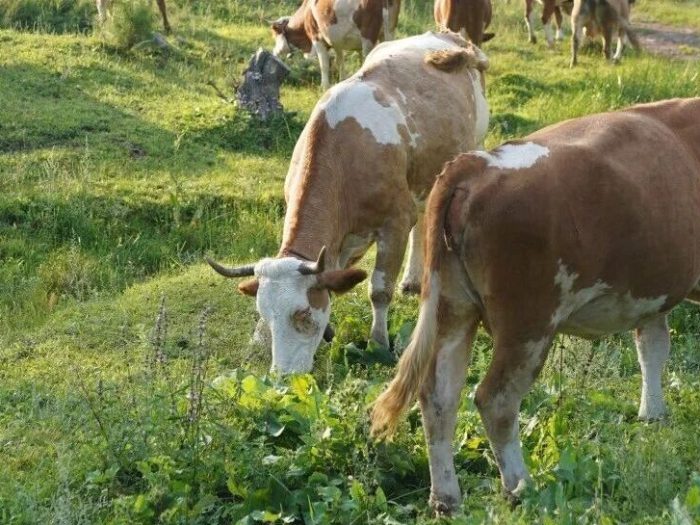
Deep in the Taihang Mountains, in Leyi Village, Heshun County, Shanxi, the “leopard-eating-cattle” conflict between North China leopards and cattle is not pronounced. During the recent cattle-price slump, local beef cattle farming has contracted markedly overall, leaving just three households and over 70 cattle, down from 200-plus.
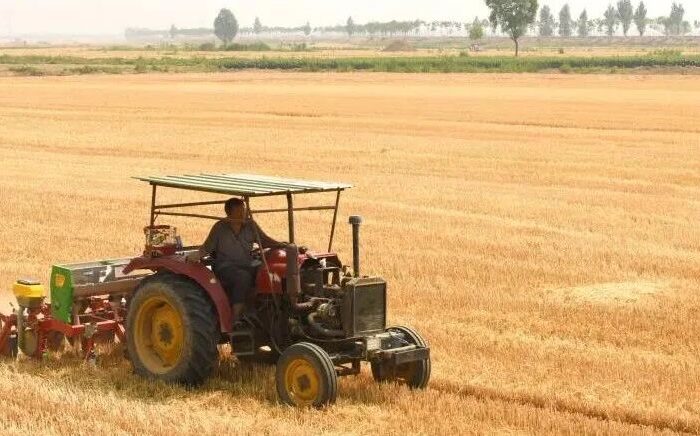
In southern Hebei’s wheat-maize rotation areas, farmers say straw incorporation makes seedling emergence harder and brings more pests and weeds. They say spraying and rotary tillage cost more, and even if they see yield losses as limited, they still want to burn the crop residue.
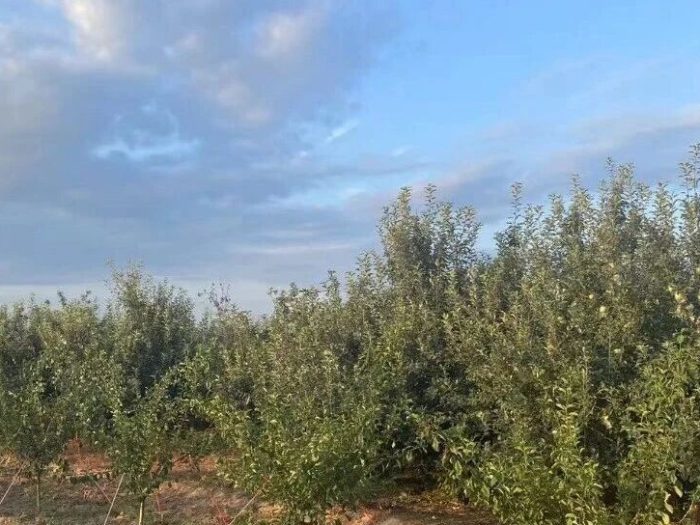
From apples and wheat to peaches and plums, a farmer nearing seventy in Liquan, Shaanxi, keeps switching crops between the wheat rows and the orchard, chasing prices and yields for a living, facing drought, labour costs and work problems after young people leave the village.
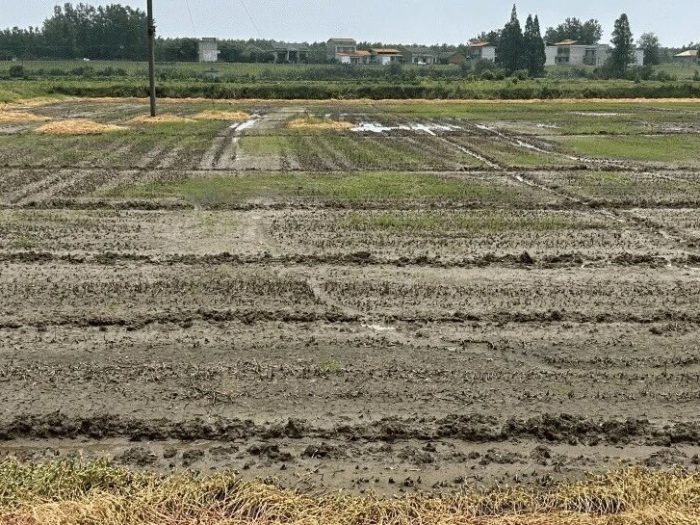
After the straw burning ban in Hunan’s Dongting Lake area, farmers pay extra for straw shredding, rotary tillage and pesticide spraying. They spend about 60 to 80 yuan more per season of rapeseed, and rice pests also raise the frequency of pesticide spraying.
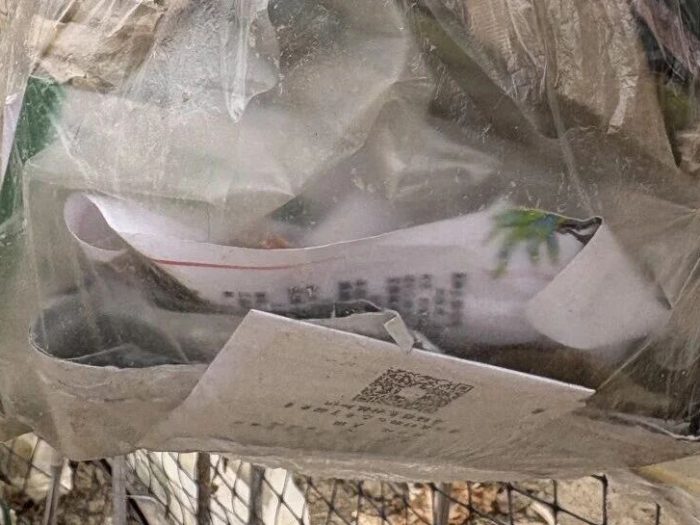
A city office worker rents a 20-square-metre vegetable plot on Beijing’s outskirts, hoping to relax by working. The more they clear, the more appears from the soil: plastic twine, mulch film, drink bottles and packaging fragments, raising problems of microplastics, sorting, recycling and consumption habits.
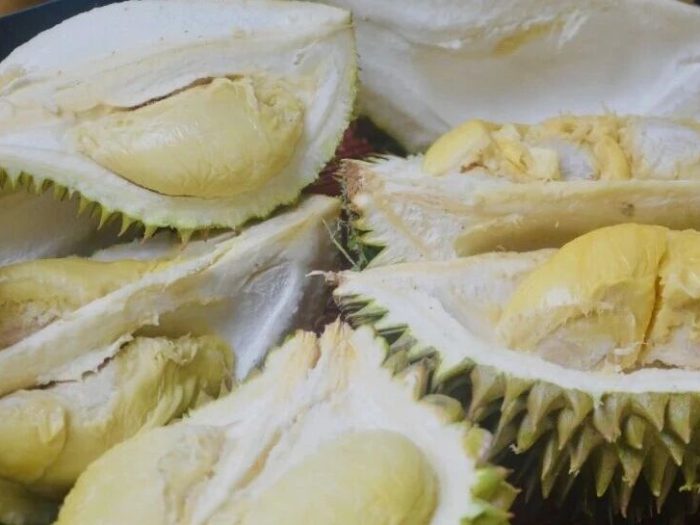
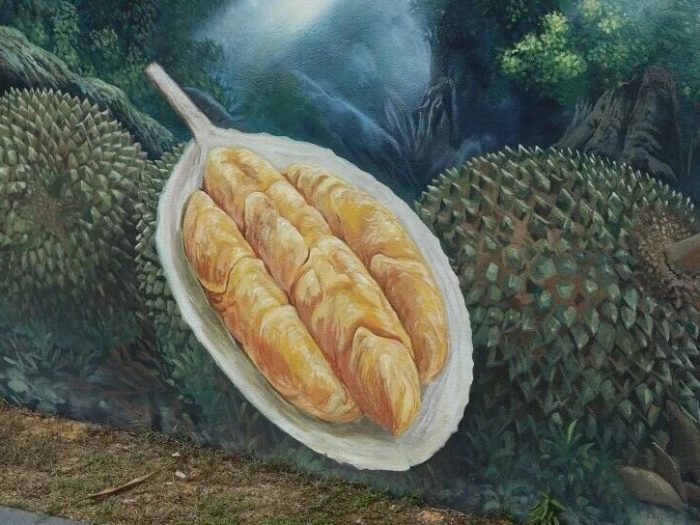
In Fulu Shanbei, Penang, durian tours take visitors in search of old-tree kampung flavours, while an exceptional harvest leaves orchard owners facing a price crash and the tree-ripened debate.
On the eve of fresh Musang King durians entering China, from orchards in Johor and Pahang to Muar’s wholesale point and LKE Group’s investment pitch meeting, Chinese demand is changing picking, exports, frozen processing and investment in durian trees.
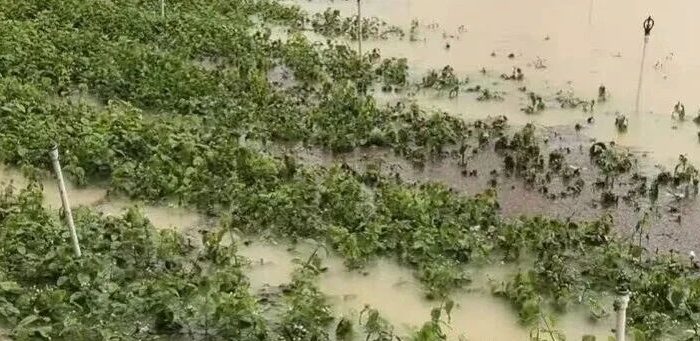
Typhoon Maysak brought sustained heavy rain, and Liulan Reservoir in Hengzhou, Guangxi, breached, flooding jasmine fields, rice fields and fish ponds. Tens of thousands of residents were relocated, and agricultural insurance and flood resilience issues under extreme weather were highlighted.
Over five years, Grandma Kouzi has turned barren land into a self-sufficient one-person farm, improved her health indicators, and filed a lawsuit against Baidu AI over its rumour-mongering.
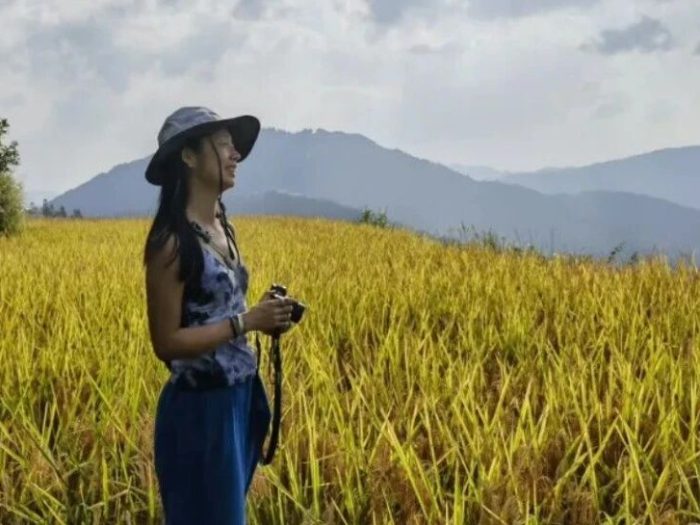
After living in the United States for eleven years, Chen Xi returned to Beijing and later put down roots in Yangdong Village, Liping County, in Guizhou’s Qiandongnan region. Over seven years, Chen Xi built a wooden house, planted old rice varieties, and established the first library for the village children.