
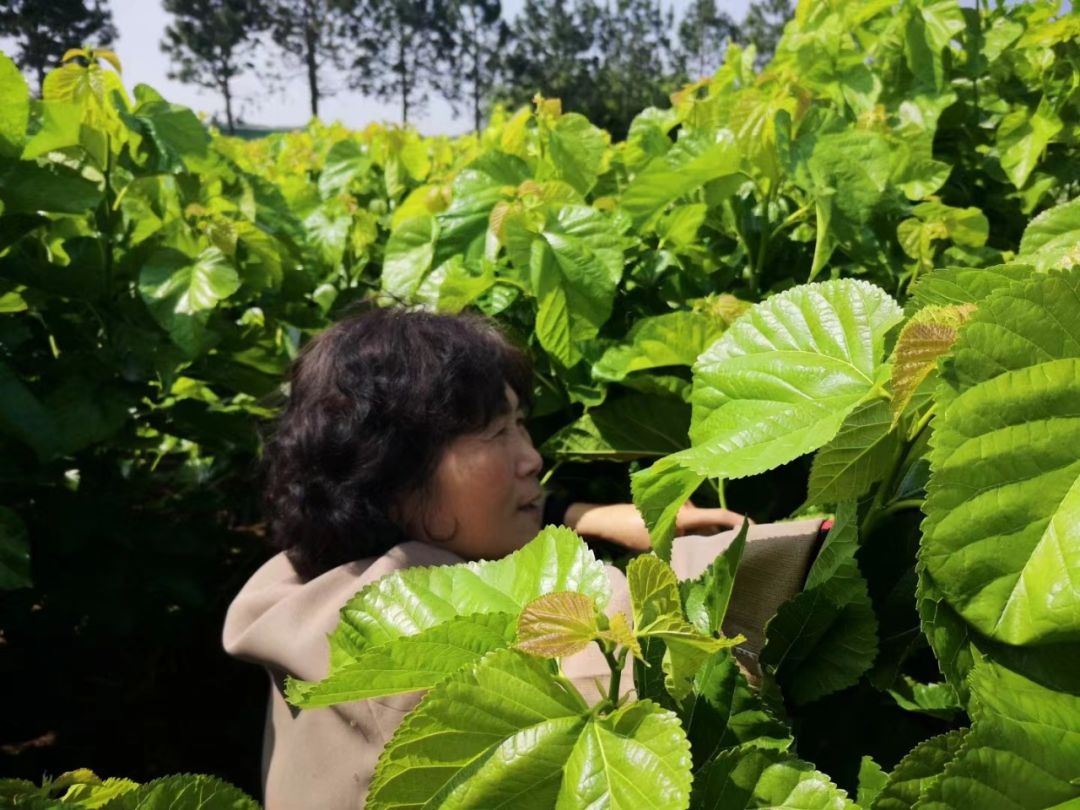
Yu Jiangang left advertising in Beijing to rear silkworms and make silk quilts in his Jiangnan village. Twelve years on, commercial agriculture and capital have pressed closer, and the question of whether a rural identity can survive outside the marketplace remains open.
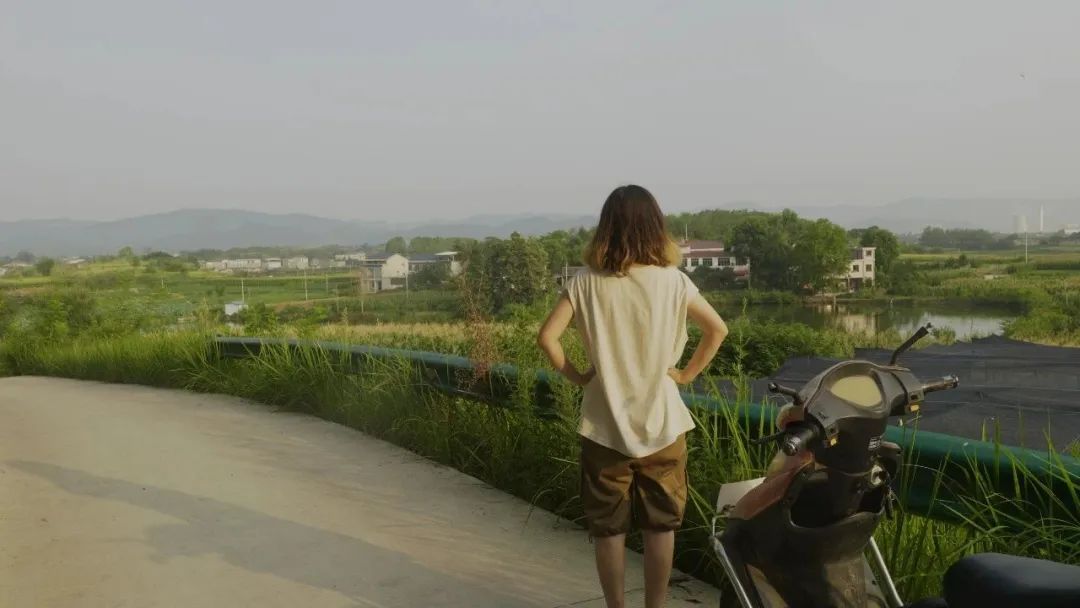
Chen Chong spent a month at the Tang family’s eleven-person farm in Jintang County near Chengdu, where a scattered household has spent a decade finding its way back together on the land.
Chengde tomatoes lost seventy to eighty per cent to powdery mildew, Shunyi watermelons split in the field under prolonged overcast and rain, and Guilin sweet potatoes lost all marketability to severe drought. After such losses, several ecological small-scale farmers are finding a way forward through diversified planting, wet-dry rotation, and soil improvement.
In the karst mountains of Nandan County, Guangxi, Li Youming left years of city work to cultivate heirloom rice without chemicals, building a family seed bank he hopes will carry his people’s tradition forward.
At a farmers’ market in a small American Midwest town, a pig and cattle farmer running eight hundred mu of land single-handedly still sells meat, fixes machines and climbs trees on a still-healing hip – because farm income cannot keep a family afloat.
In Beijing, Professor Steffanie Scott of the University of Waterloo and CSA farmer Theresa Schumilas introduced Canada’s organisational network, from national farming associations to community supported agriculture, and discussed its implications for smallholder and consumer alliances in China.
Tang Liang of Jintang County, Chengdu, returned home with 30,000 yuan in starting capital to farm for six years, tending 30 mu of ecologically farmed land with nine family members, earning roughly 2,000 yuan a month each and reuniting a family scattered for over a decade.
Fifty mu in Liqiao, Shunyi, Beijing, split into 30 plots and growing 20 to 30 vegetable varieties each season. Fallen leaf compost and lactic acid bacteria fermentation solution replace chemical inputs—four years of consistent quality, never a loss.


