
Twelve Years Home, the Land Has Spirits
Once pioneer species have taken root in an ecosystem, they gradually improve the system’s carrying capacity, and in turn an ever-growing number of other species begin to move in. The increase in species diversity within the system is also the process by which pioneer species themselves become marginalised.
— Pioneer species: an ecological concept
I. I.
Roughly ten years ago, one after the other, two waves of university-educated young people returned to their rural hometowns, becoming, in the public eye, the “contrarians”.
The first wave, carrying a critical spirit and a reflection on excessive urbanisation and the expansion of capital, returned to the countryside hoping to reorganise their lives — even their values. They saw agriculture as a way of life distinct from urban existence, emphasising its ecological character and the cultural character of rural life; towards the trend of wholesale commercialisation of agriculture and the countryside, they kept a wary distance; nor did they actively accommodate or echo government arrangements, but pursued independence; at times, even “uncompromising”.
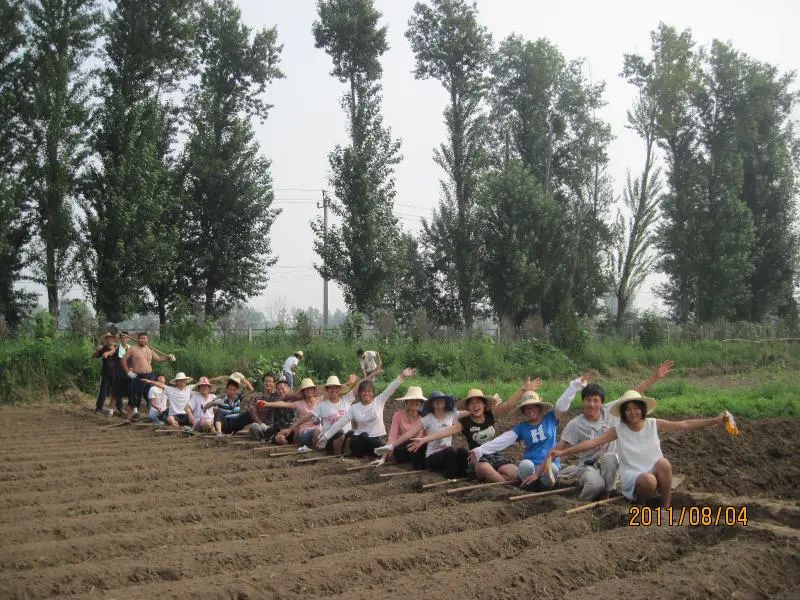
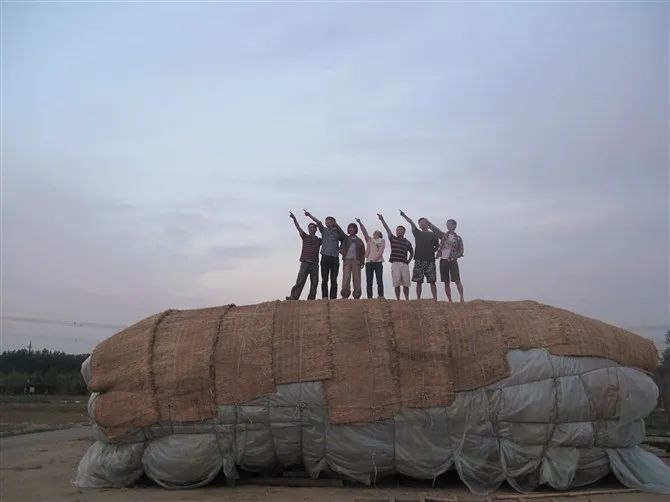
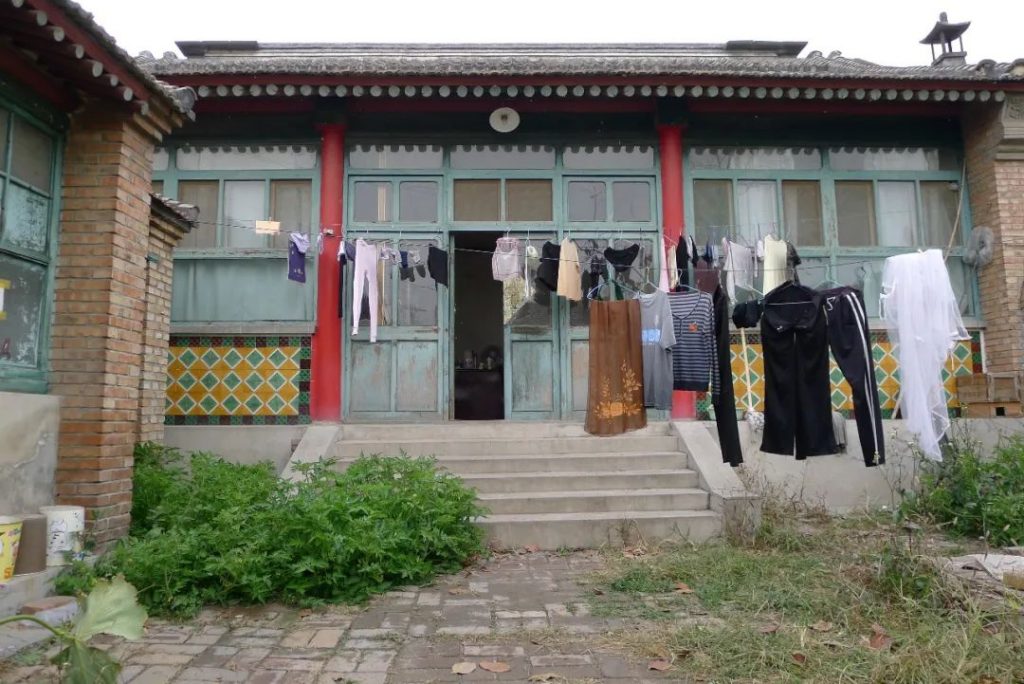
The later wave of young people, by contrast, focused on the commercialisation of agriculture, specialising in marketing and cultural-creative products. Ten years on, many had become local agricultural “product promoters”, highly favoured by e-commerce platforms and local governments.
Ten years on, most of the first wave of young people had been beaten to a pulp; some had vanished without a trace.
A writer who has long followed the topic of rural return asked me whether conditions had improved now. She felt that more and more young people were returning to their rural hometowns.
I was at a loss for how to respond. Thinking back on myself at twenty-five, returning to my rural hometown, I even felt a kind of dread in hindsight — as though I had been heading for “nowhere to be buried”.
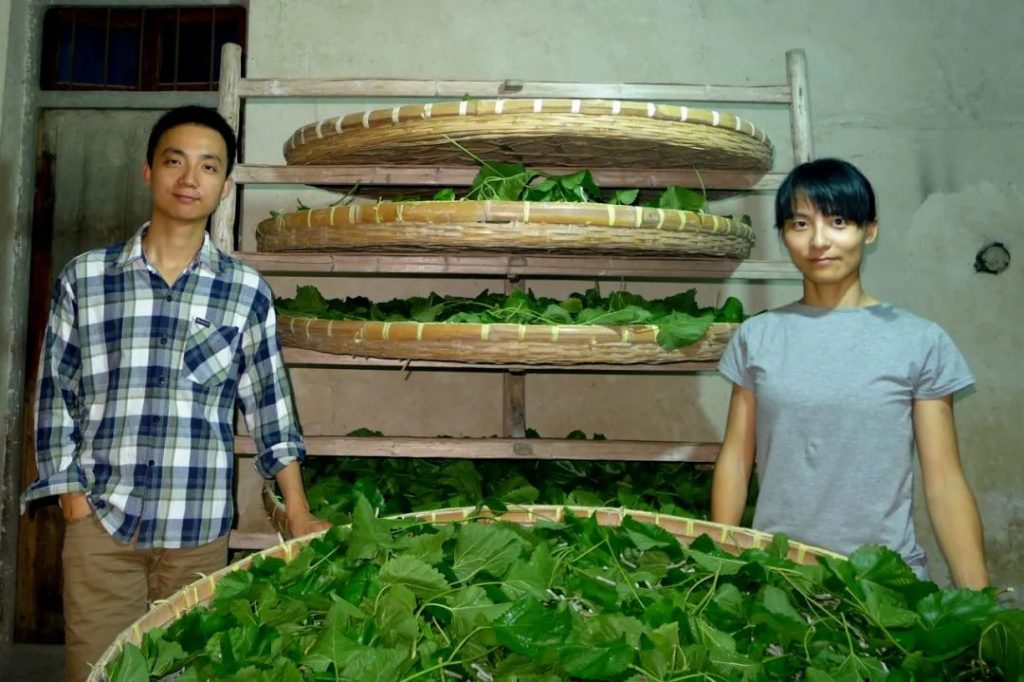
Of course, this is a “look back” from a decade on. Over those ten years, the two waves of young people had virtually no contact with each other. The first wave, working in collaboration with public-interest organisations and self-organised communities, kept exploring along the “edge” of society; the later wave strode confidently down the mainstream road of commercialisation. Even if their paths did cross in the physical sense, they probably couldn’t understand one another — and dismissed one another.
I “discovered” this in Hainan. Towards the end of 2019 (before the pandemic struck), the Wotu Sustainable Agriculture Development Centre organised a study tour. One of the stops was a pomelo farm whose owner was about our age but already commanded several thousand mu of land and was vigorously constructing hotel and cultural-tourism projects.
She also mentioned two other partners: one with several thousand mu of apples plus a hotel, and another with several thousand mu of maize plus a factory.
This was the first time I had experienced an “encounter” between the two waves of young people who had returned to their rural hometowns.
II.
There was certainly a shock. We began to worry that if we could not get our reflective views on rural life and agriculture out there and find broader support, then the “first kind of return” model we identified with would become unsustainable.
By then, everyone had already spent several years learning composting under Mr Ikeda Hideo at the Wotu Sustainable Agriculture Development Centre. Mr Ikeda was in his eighties. After retiring, he had come to China to promote ecological agriculture on a voluntary basis, and just before he was due to leave the country, he put forward the concept of the “tokunōka spirit”. In Japan, “tokunōka” is an honourific term for “agricultural practitioners who actively participate in and are passionate about research”.
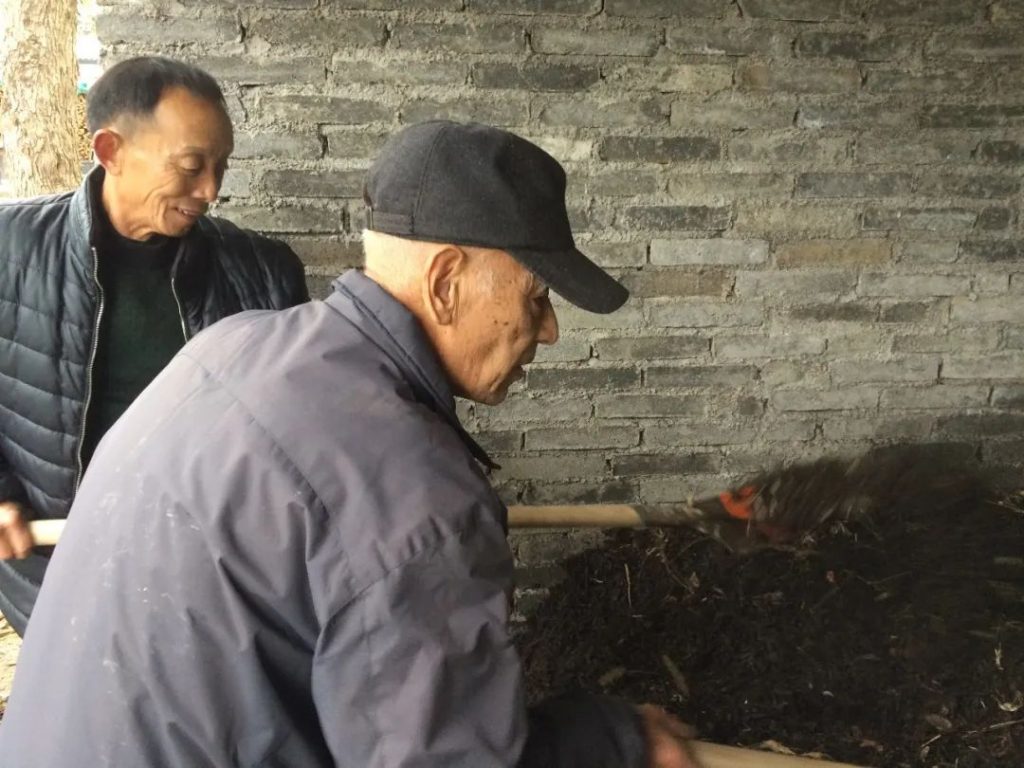
Everyone proposed establishing a shared brand centred on the “tokunōka spirit” — to come together, conduct joint surveys, run joint experiments, and face the outside world as one.
Breaking out — that was pretty much the exploration theme of 2020–2021. We surveyed mainstream agricultural wholesale markets at 4 a.m.; visited a colossal 2,000-mu orchard in Weihai; and called on an elderly strawberry farmer in Laiyang, Shandong, who sold his strawberries all the way to Tokyo, while also providing technical guidance on strawberry cultivation in Shaanxi and Gansu and selling agricultural supplies.
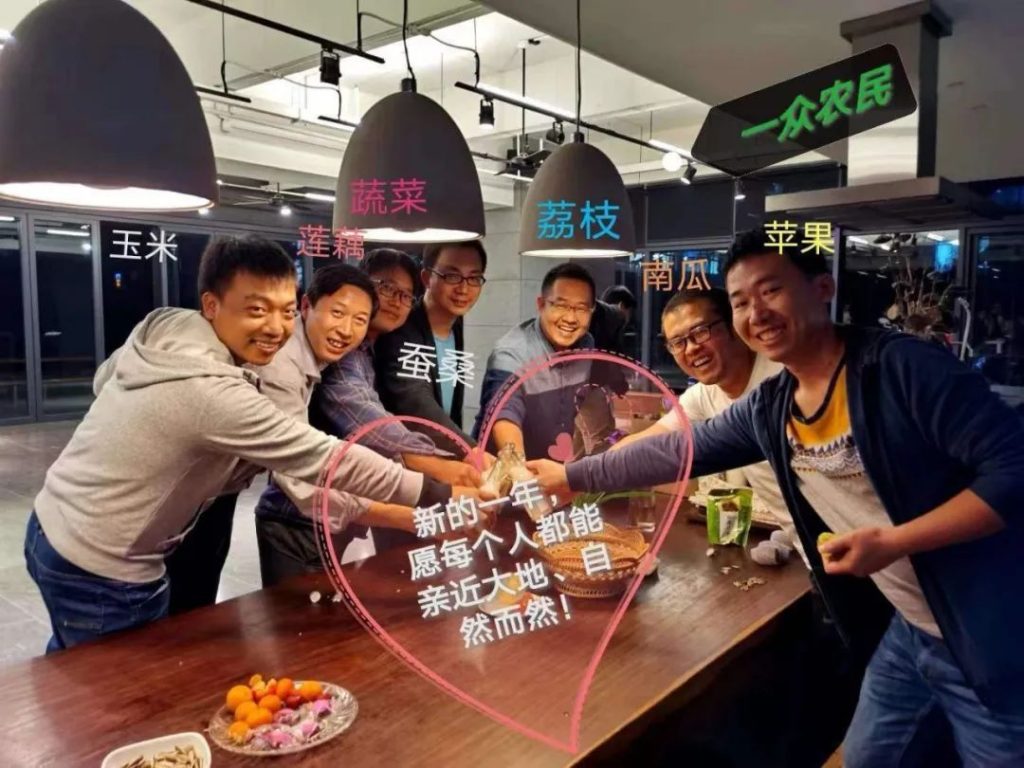
After making the circuit, the turmoil inside me still churned back and forth. Opening my notes from that time, they were full of just such bewilderment.
To accommodate mechanised, large-scale production, the apple trees here are not the kind we usually see. They have not formed a rounded crown; they are not three-dimensional. Instead, they are planted flat in tight row after row, with less than a metre between each plant, like cherry tomatoes and baby cucumbers. Water and fertiliser are delivered by drip irrigation; spraying and weeding are done mechanically. Beside them is a packing workshop. On a production line worth six million yuan, apples are automatically sorted by diameter into different categories of 70–95 centimetres.
Under this model, a small farmer is merely a screw in a vast system. Whether thinning fruit and pruning branches on the farm, or packing and wrapping in the workshop, it is all work as monotonous and soulless as a factory assembly line. The vision assumed by mega-farms is that machines will replace human labour. Just like fast-moving consumer goods, all the “soul” and creativity lies only in the packaging and the advertising. How to stand up to the future of artificial intelligence, to make farmers more creative and valuable, to make them irreplaceable — this is a question we must keep turning over.
5 March 2021, Weihai, Shandong
At a fruit tree pruning workshop organised by Li Jun, I also tried to talk a friend out of following the “first kind of return” model.
She was a fan of Anastasia, a “xiayou” — an “Anastasia friend”. Thirty-five, married with a child, she had resigned from a research institute and was planning to return to her rural hometown to work in agriculture. She asked Li Jun for wild apple seeds, because “wild apples don’t need pruning — they can just grow in their natural shape. Why does agriculture have to be so exhausting?”
“Wild apples aren’t tasty, are they?” I asked, wanting to remind her that apples without commercial appeal would probably be hard to sell.
“But they’re nutritious, aren’t they? Does tasting good necessarily mean it’s good?”
I didn’t press further. I held myself back from urging her, in the tone of someone who has been there, to “not be so naïve”.
I wrote in my notes again:
Cherish every person you meet who seems to burn with more passion than is wise. Do not bring up strategy, paths, reality, or experience. Embrace this courage — so rare in this world — that cuts into the ordinary self!
III.
Most of those who returned later chose the second road.
IV.
If returning home is simply a matter of bringing the city and its logic over with you, then why return at all?
In October, after the autumn silkworms had spun their cocoons, I went to Shanghai to exchange views on the topic of returning home with a group of young people working in “social innovation”. With doubts growing ever larger inside me, I was desperate to find answers.
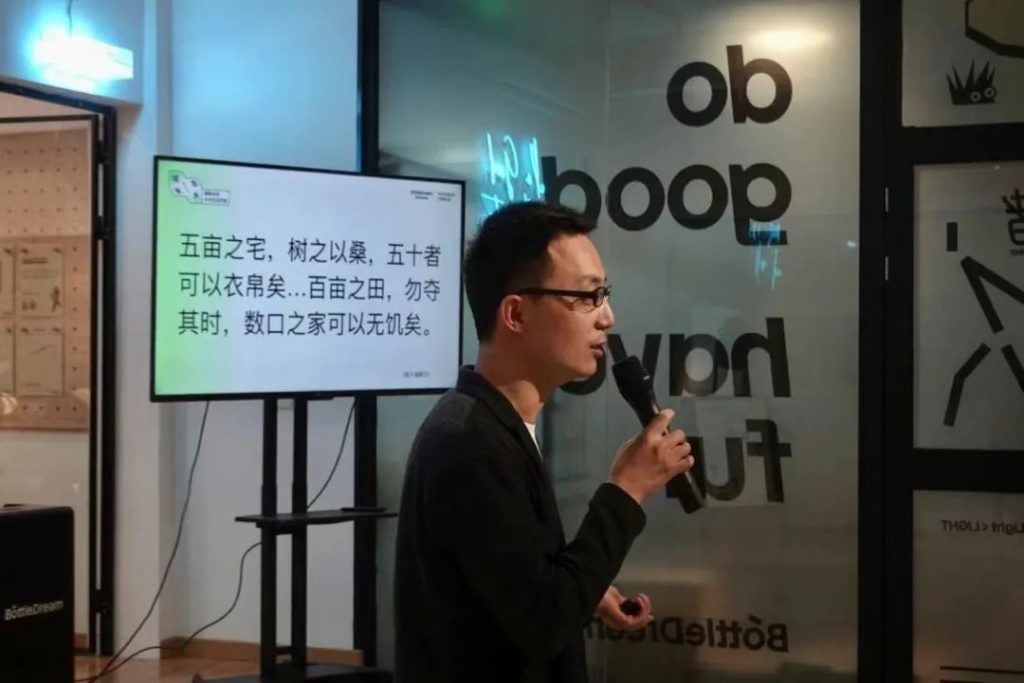
The organisers divided returnees into five types according to their “rural content rate”: urban ruralism, city and countryside as neighbours, digital nomad, rural migratory bird, and rooted in the countryside.
For instance, here is how the event organisers described the “urban ruralism” type — the one with the lowest “rural content rate”:
“Dàizi is a sustainable-living enthusiast active on Bilibili. She was not interested in agriculture or food issues before; now she believes that regenerative agriculture is a powerful response to the climate crisis, and that buying responsibly produced agricultural products can help our body, mind and spirit find peace and health. Dàizi currently lives in Shanghai and orders organic vegetables from a farm in Pudong. Besides eating in season and eating local, she also opts for a mystery-box subscription — “whatever the ground produces, that’s what we eat”.”
As for me, I fall into the last type — “rooted in the countryside” — the one with the highest “rural content rate”.
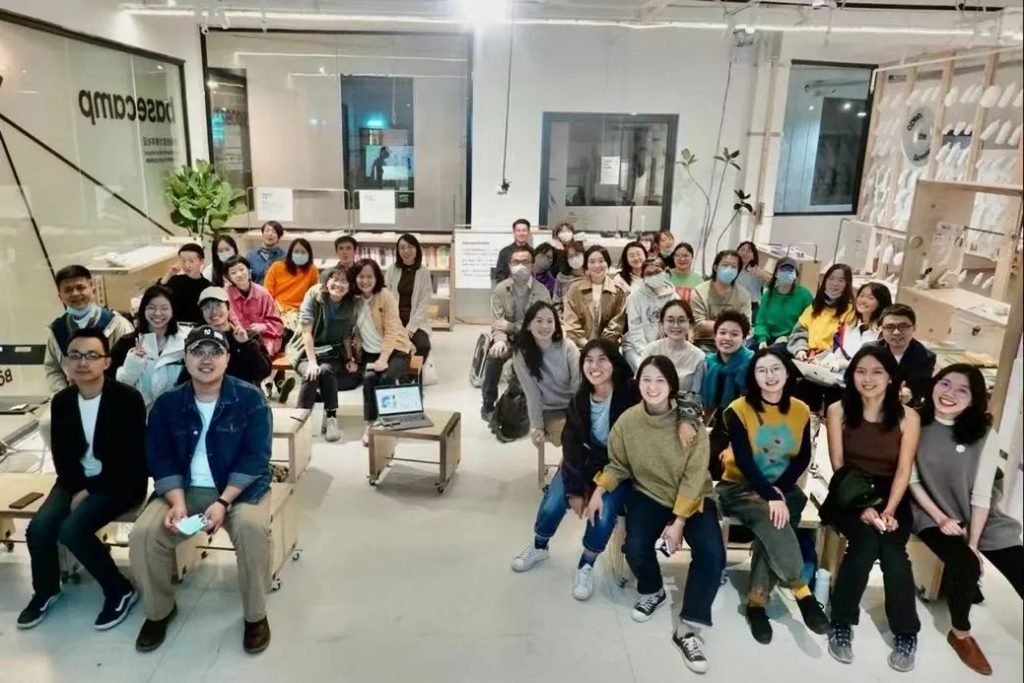
Attending events like this — I used to be mostly reluctant about it. I would be “wary”: how could city people, with little experience of rural life, possibly understand the countryside?
But, to my surprise, although among the five different types of rural dwellers I may well be the one with the highest “rural content rate”, I still found inspiration even from those with the lowest. I learned from Dàizi how to prepare ginkgo nuts, and when I got back to the village I picked up a bagful by the roadside and baked a whole tray in the oven.
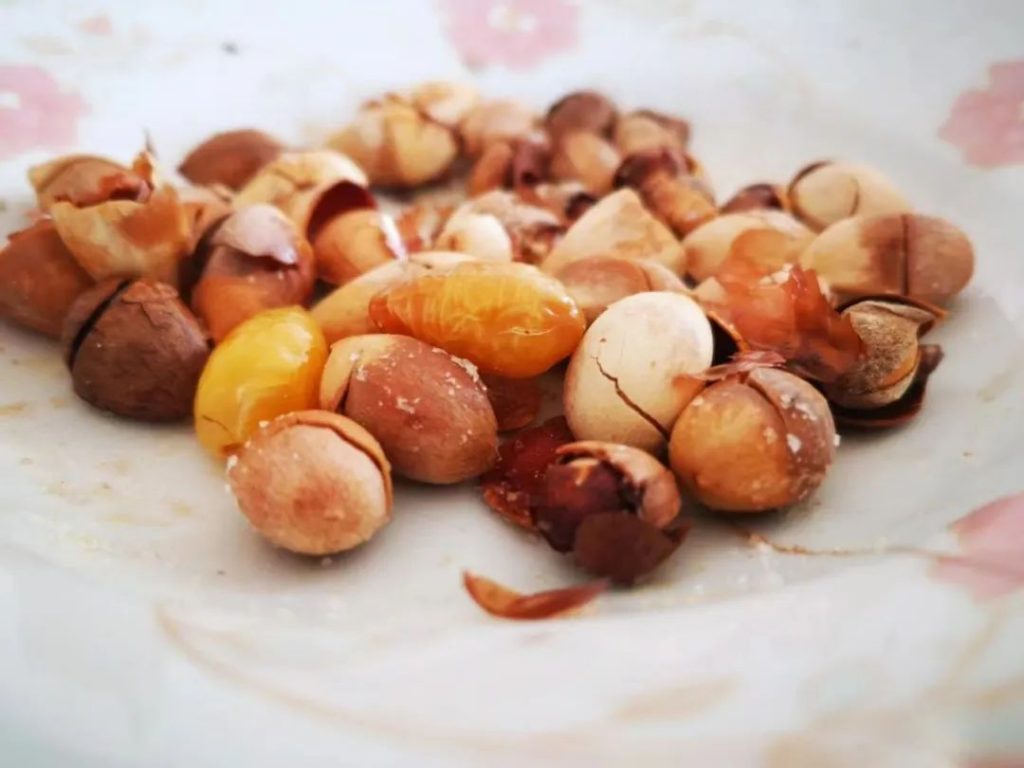
In the realm of returning home, no one is a born mentor or expert. Nor should the countryside belong to farmers alone.
Of course, through this exchange I did indeed come to see that rural issues — even though for years they have consistently been the theme of China’s Central Document No. 1 — still attract few followers in a metropolis like Shanghai. Many people are unaware of topics such as “moving farmers into flats”. More communication between city and countryside is necessary.
This kind of gain, too, is won only through a long entanglement — through ceaseless reflection, practice and exploration — and not from a simple “just have an open mind.” The precondition for openness still lies in embracing yourself, embracing the countryside as it is in itself.
22 October 2022, Shanghai
V. V.
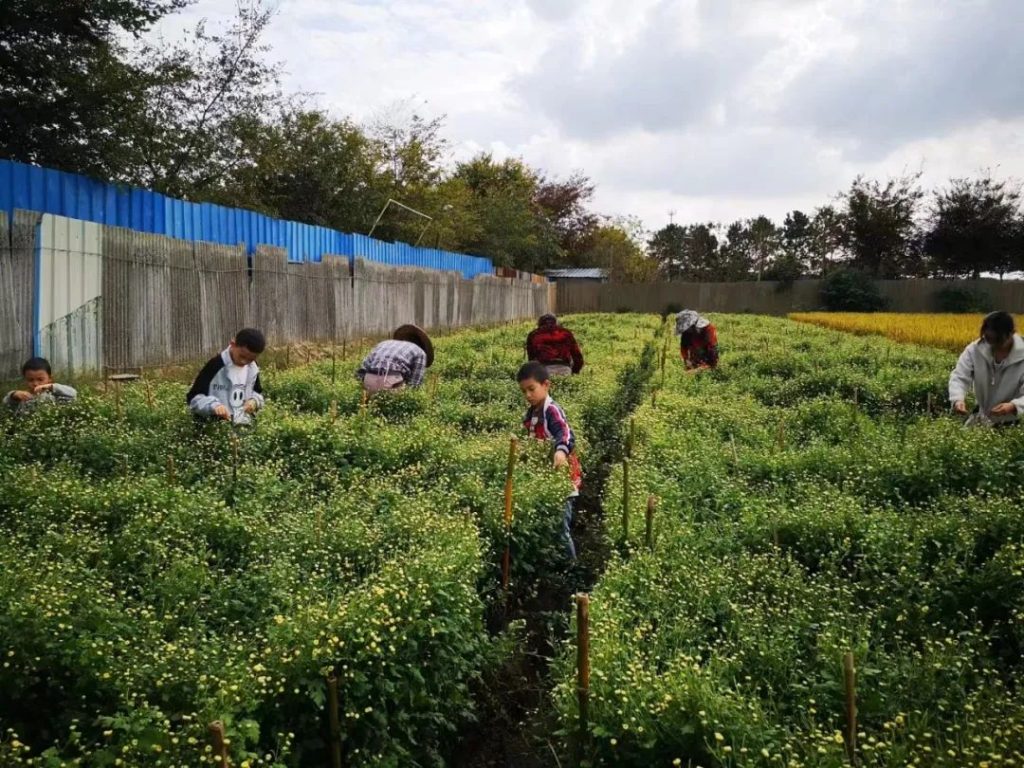
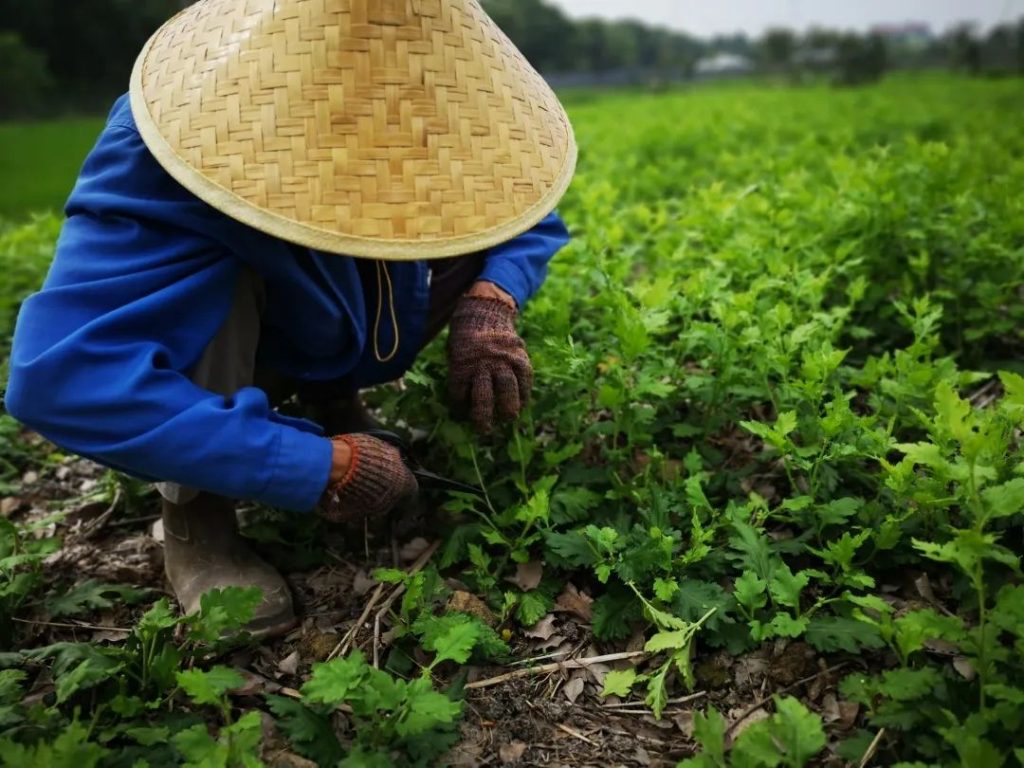
In November, I spent a solid half a month picking Hangzhou white chrysanthemums. You have to keep bending over, and in previous years I would have given up after just half a day. This year, though, I managed to hold out from morning till night.
I thought of how Father treated every single chrysanthemum sapling with such earnest, hands-on care — taking cuttings, fertilising, weeding, layering, pinching out the tips, staking. I could not let him down, and my mind settled.
Up at dawn to pick the chrysanthemums, the morning dew clings to my clothes.
Home at last as twilight lingers, still dreading tomorrow’s rain.
3 November 2022, Tongxiang, Zhejiang
A few friends from Qingpu, Shanghai, came to visit, and one of them also took me to a nearby rural project site where she had once worked. The village had been demolished in its entirety; at the gate stood a vast tourism reception centre converted from an old factory. I eyed it longingly and couldn’t help thinking: how wonderful it would be if we could make it our silkworm workshop! Inside there were also several newly built white Mediterranean-style holiday villas, complete with swimming pools. We missed the camping base because it was already dark.
My friend was very critical of her former company. She felt that these rural development projects, each easily costing hundreds of millions, had absolutely nothing to do with the village’s original culture — they were simply consumption destinations built to serve city dwellers. The villagers had all been moved out to a centralised resettlement estate.
A complex mix of feelings.
I had heard of this rural development company before; it was quite controversial. I didn’t much care for it either. I just didn’t expect a former employee to be the first to raise objections — venting away while picking chrysanthemums.
On the other hand, the project did objectively provide young people in the village with local work opportunities. Not many, but enough to keep those few young people from having to leave home and seek their fortune in the city.
Most local villagers had been eagerly looking forward to “being demolished.” Farming itself doesn’t earn much, and the younger generation had long since stopped. Rather than keeping a village shell that exists in name only, it might be better to tear through the last pane of window paper. Take the lump-sum compensation, build a new house in the estate. Sometimes you can even pick up odd jobs at the new “scenic village.”
My friend’s and my own dissatisfaction and worry — perhaps they are just “the opinions of a scholar.”
VI.
From Guangxi to Jiangxi
I always come across rice harvesters, bent low in the fields.
Province after province
The grasses and trees have turned yellow
Province after province
So this country was once willing to pave the ground with gold.
But someone is forever in the twilight
Like some bent black nails.
Who will appreciate this ancient magic
The rice harvester is turning a grain of gold into a grain of white rice.
Don’t be like me, racing along in a car
As if something urgent awaits
Three provinces in a single day
Occasionally I sense that the vast land is still dotted with a few rice harvesters.
Call him to stand up
Look at those faces holding the least gold
Look at what colour their sweat runs.
“The Rice Harvester in November” by Wang Xiaoni
Perhaps the old farmer is not as fragile as the scholar imagines — that the village is demolished and he simply never gets back up. The world affords them no room for fragility. If it truly is so, how many more times will this land be drowned in tears? He merely lifts his hoe, rises to his feet, and goes on, dimly. And yet — land, house, village — not a single thing is certain. How then can the farmer find a place for himself?
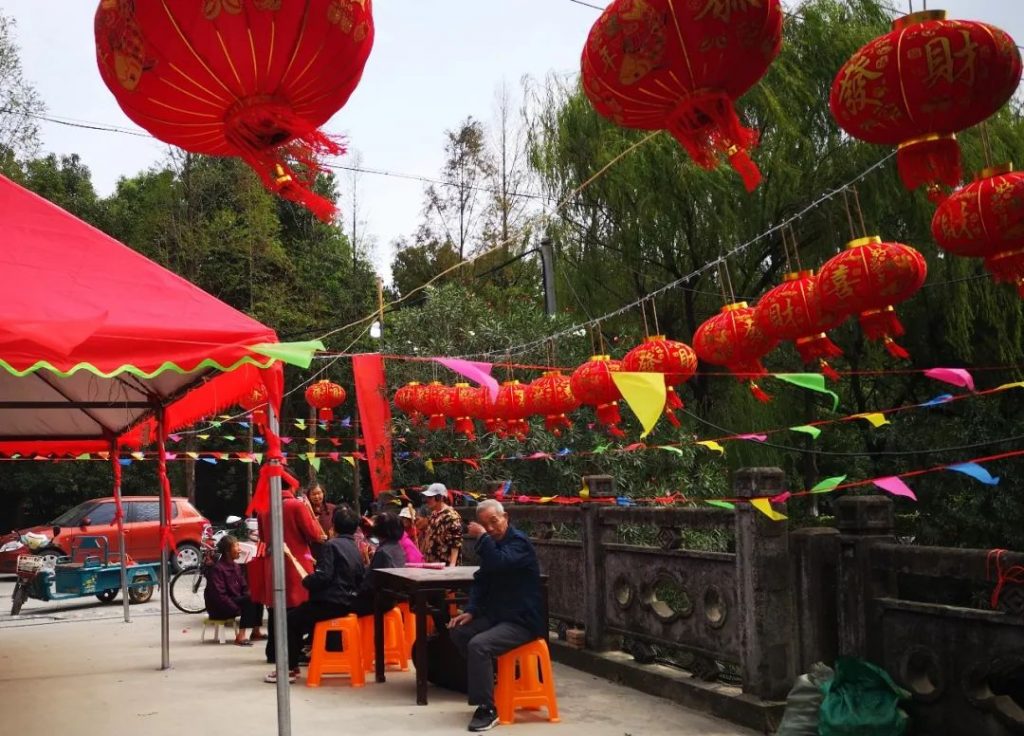
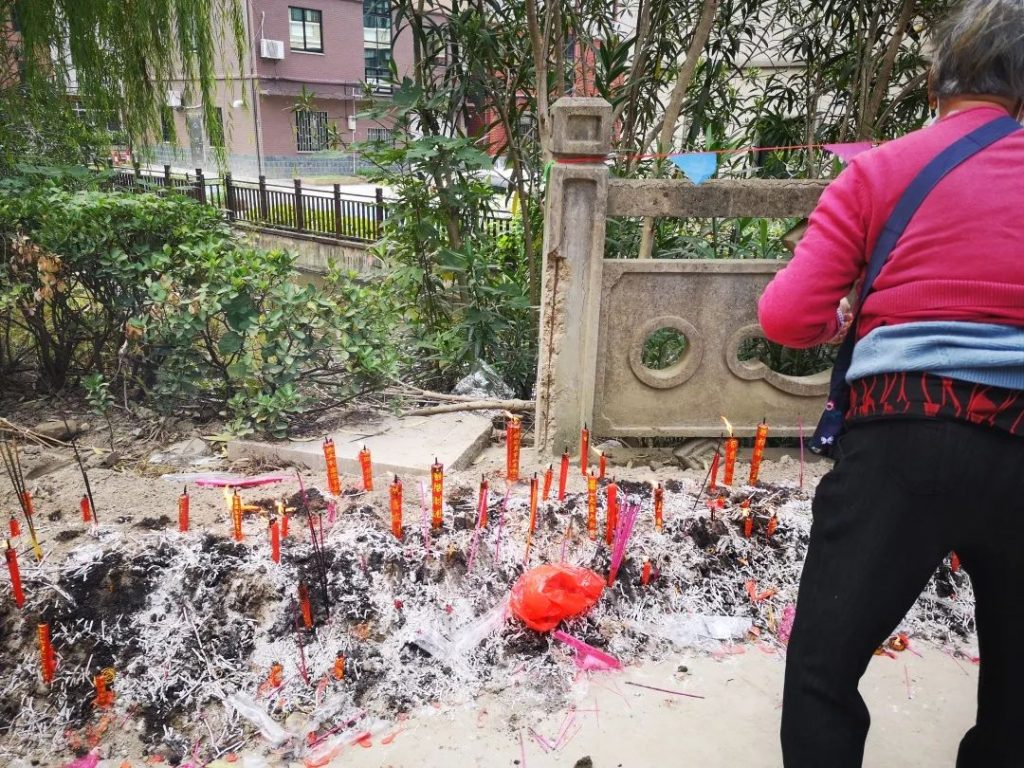
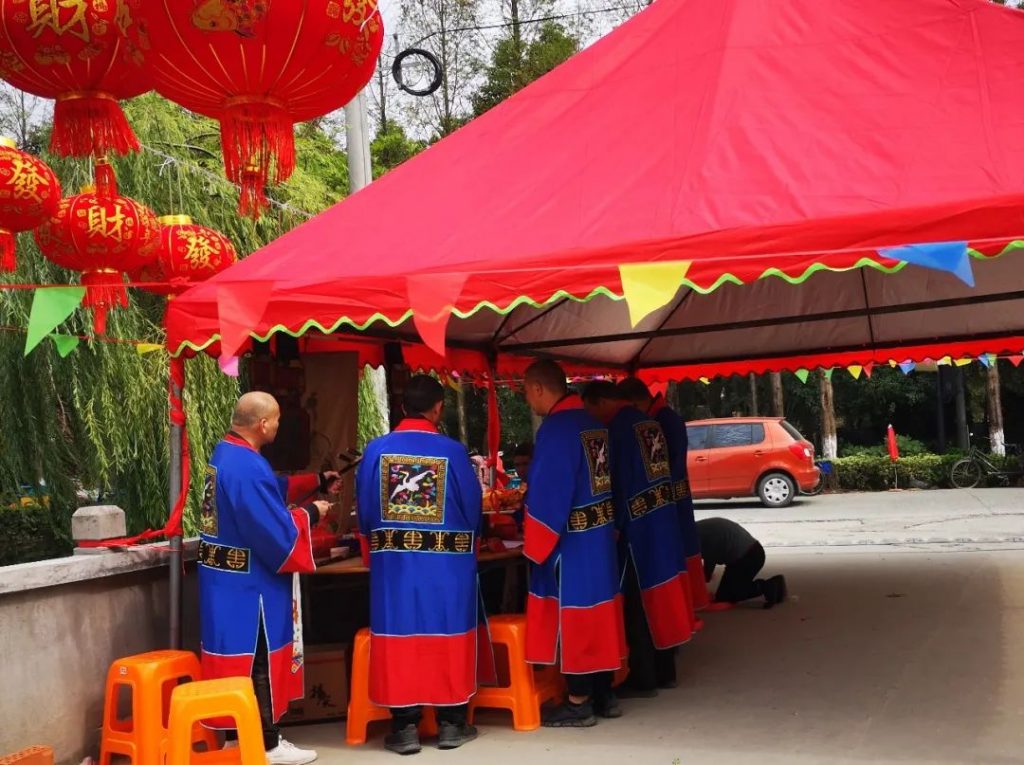
In 2022, an anthropological work titled Fake Illness was also published, in which the author describes the ancient beliefs and local knowledge of a village on the Hang-Jia-Hu Plain — strikingly similar to my own village, Zhenghebang.
“Every time I go home, I am troubled by yet another newly built factory, because as my hometown is surrounded and gradually encroached upon by these tall, grey buildings, the sense of estrangement it gives me only grows.” — Shen Yan, a fellow villager who left the village over a decade ago and is now pursuing postdoctoral research at a university.
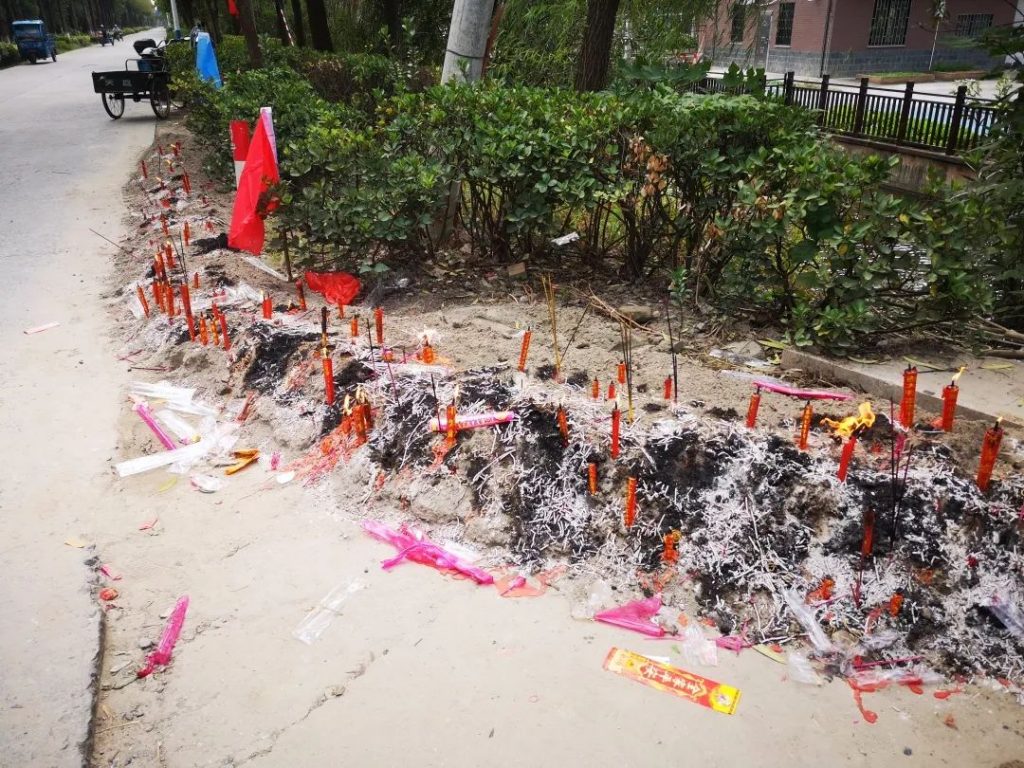
But what she found, through extensive observation and research, is that despite all the uncertainty, the villagers can still sustain a sense of inner steadiness through the practice of their local beliefs. It is simply that our generation has drifted further and further from the village’s “invisible world,” and no longer knows how to give it expression or to practise it.
“When did our lives come to be replaced entirely by a secular world, one that can be fully known? In fact, it has long been said that ‘the Chinese art of life is, too, the closest to drama.’”
“Fake Illness” by Shen Yan
VII.
In a sense, I am a “rural fundamentalist.” The countryside occupies the softest place deep within me — a pure land that cannot be marred by even a grain of sand.
Unlike most, my return is not a startup venture, not a panacea for food safety, not a pastoral retirement, and not a “hot spot” riding the rural revitalisation policy.
I see the countryside as my identity, a way of answering the question, “Who am I?”
So although Plum and Fish only began in 2013, the action started as early as 2011. What exactly to do — commercial or non-commercial, agricultural or craft-based — was never precisely calculated. What mattered was practising under the fundamental motivation of “treating the countryside as identity.”
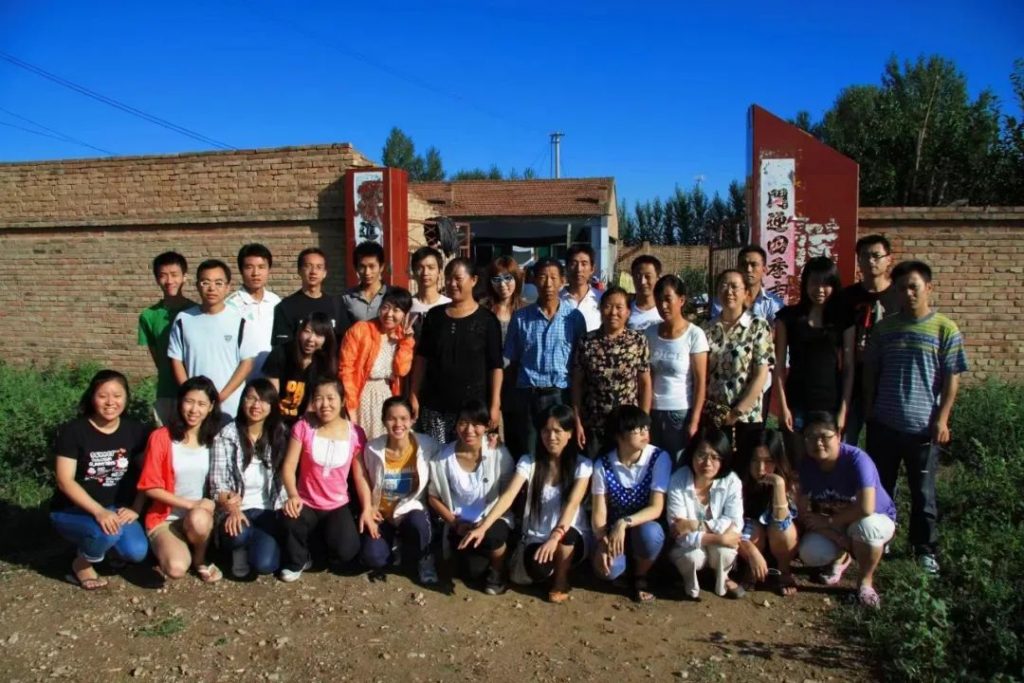
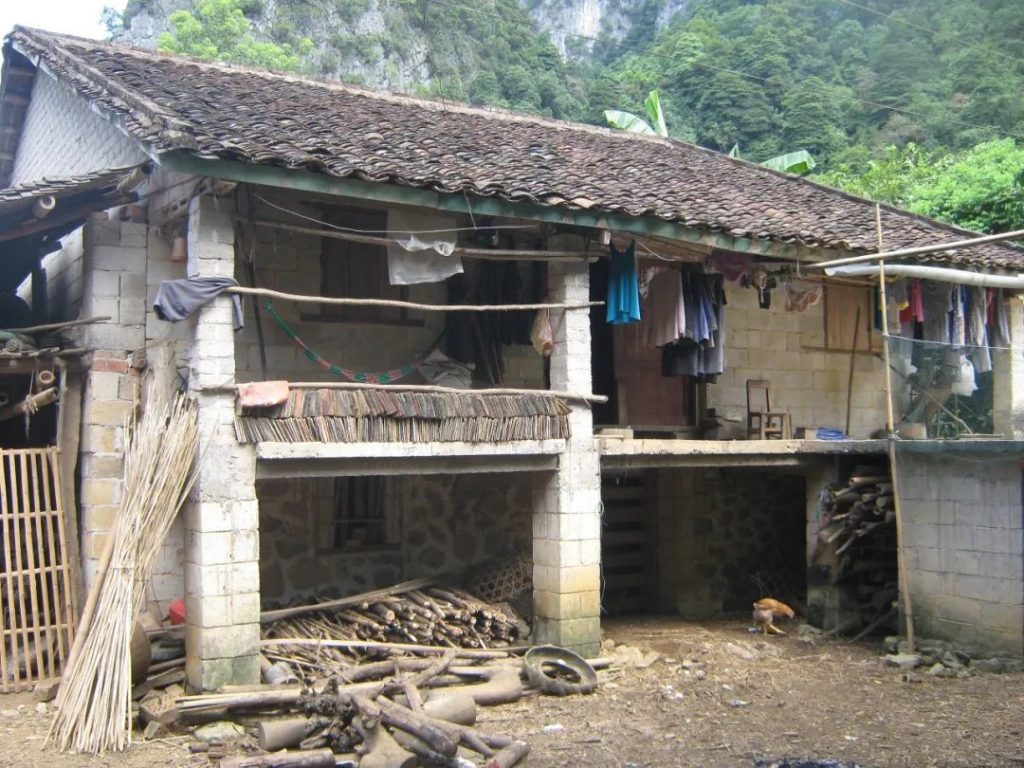
It began with academic research within the framework of Little Donkey Farm and Action Aid, carrying out rural fieldwork in the sociological sense; then a brief spell of farming at Old Shen’s Yufu Farm in Zhejiang; then, from 2012 to 2016, a half-farming, half-X life experiment lived between Shanghai and the countryside; and, continuing to this day and best known to most people, the craft of silk quilts and traditional farming and sericulture.
In short, I draw a hard line between the countryside and the world outside.
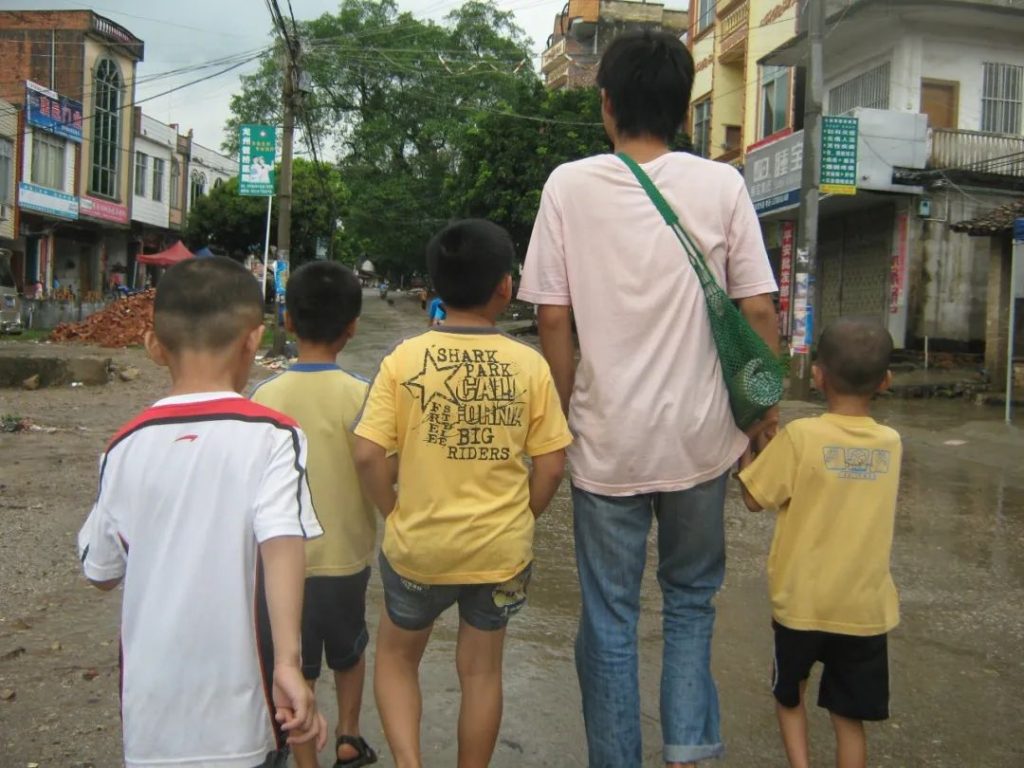
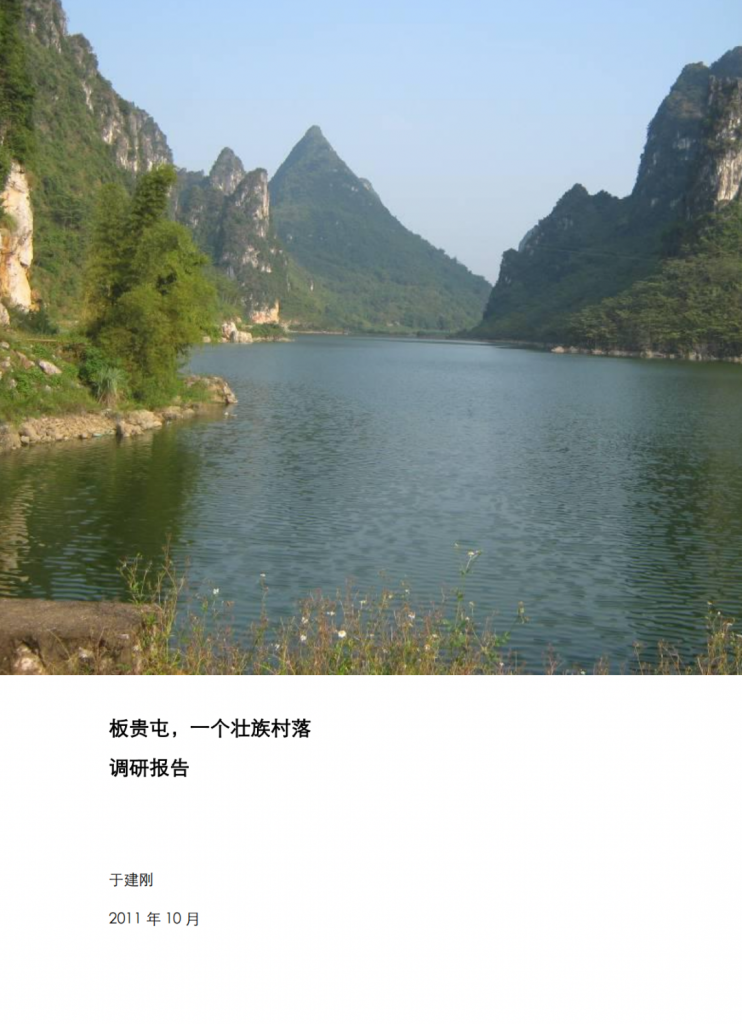
It was much like the very beginning — leaving the advertising industry and stepping into rural construction. The education I received on the rural construction team was to oppose consumerism and over-urbanization. It was hard to imagine how the advertising industry and rural construction could ever be brought together, for the two are different at their very roots. Let alone “integration” — on the rural construction team at the time, I would not say a word about it. Advertising, I felt, was a kind of original sin.
Later, in the half-farming, half-X life between city and countryside, brand consultancy met the same resistance. I was actually unwilling and could not even imagine doing brand consultancy for projects in the rural sector. It was hard for me to set aside my identity positioning around the countryside and be “objective,” “calm,” “professional” — even just to touch it.
Let commerce be commerce, and the countryside be the countryside. I don’t want to make the countryside anything less than pure.
VIII.
But the world is not up to me.
When I try to lock the countryside away, “strangers” keep breaking down the door.
I recently attended the fourteenth CSA Conference, held online. Because I had tested positive for COVID-19, I was unable to attend most of the sessions, but I still noticed more new faces — representatives from listed companies, foundations, and capital, among others.
In 2011, when we were still at Little Donkey Farm, we co-organised the third CSA Conference. I remember it was held at Renmin University, and the participants were mostly students, teachers, and non-profits. In 2013, after returning to the village, I was invited to attend the fifth conference, hosted by Tongji University. I also went to Chongming Island to see the farm buildings and greenhouses renovated under “Design Harvest” — deeply impressed, I thought that farming could still be this creative.
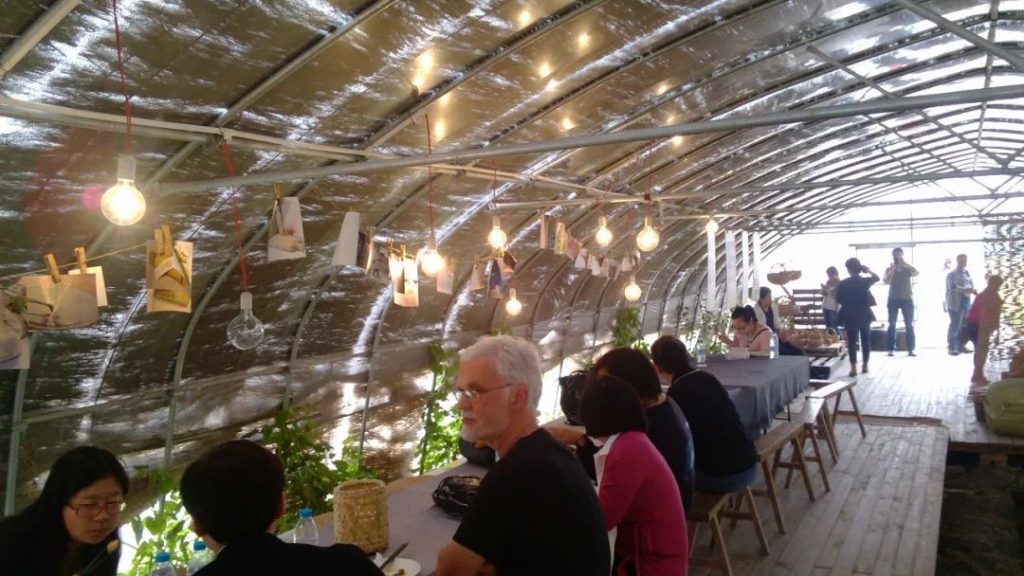
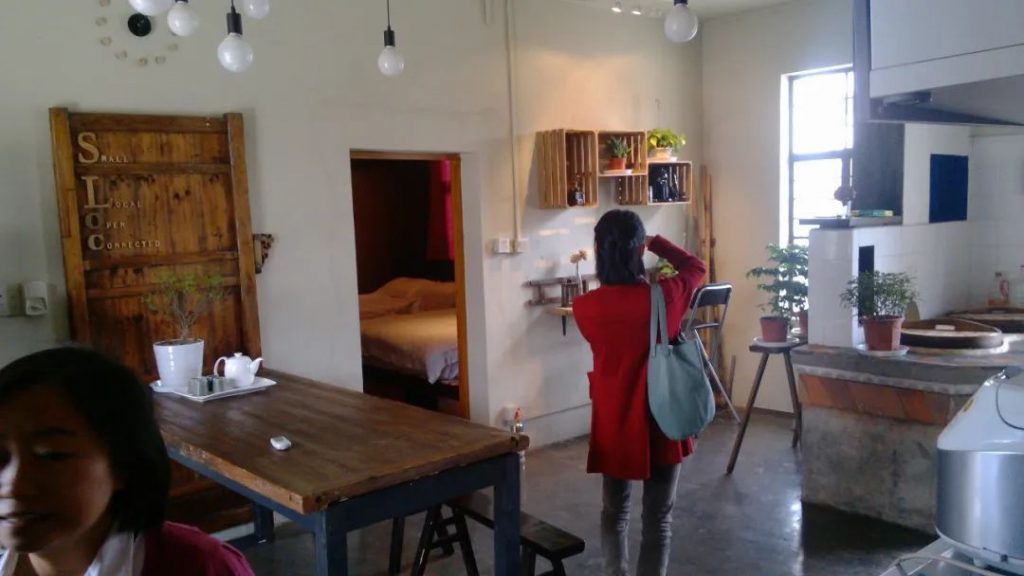
After that, I also attended CSA Conferences in Chengdu, Guangdong, and elsewhere. The overall impression is that the scale and influence have been steadily expanding, and the organisers and funders have shifted from non-profits and universities to local governments and enterprises. The forums keep growing larger, the crowds keep growing bigger, yet I feel increasingly alone and marginalised, and in-depth discussion is becoming harder and harder.
This year’s CSA Conference theme is “A New Era, New Farmers — Social Ecological Agriculture Empowering Chinese-Style Modernisation”.
One session was on biological pesticides. The companies spoke of their difficulties: the market is flooded with cheap, fake biological pesticides — bad money drives out good. It sounds like it is not easy either. But earlier, when we discussed ecological agriculture at the Wotu Sustainable Agriculture Centre, what we opposed was precisely this simple substitution thinking: swapping chemical fertilisers for organic ones, chemical pesticides for biological ones. That is still mechanical reductionism, not truly ecological thinking.
But the fact is that since social ecological agriculture has broken out of its niche, reductionism has gone mainstream. It seems as though only in this way will enterprises, capital, technology and all the other elements come in, and a viable business model emerge? I cannot help but wonder: were our earlier standards for ecological agriculture too nitpicky, to the point where nothing could move forward?
A capital investor participating in CSA wrote: “Investment is merely a tool — a means to reach a destination, not the destination itself. The value of a company’s existence is not solely about maximising profit within the bounds of the law (Author’s note: if any, we respect and understand this, but will not discuss it in this article). We believe that, just as humans earn wages through work in order to live better lives rather than being born as machines for labour, a company or investment firm earns returns in order to sustain its operations and to create value for society or nature through its business.”
Yueli said we should also invite these big enterprises and capital investors to our “Tuanli Jiegou” podcast for a chat. The two sides may not agree, but opening up dialogue is necessary.
IX.
Never did I imagine that “greed” would be our own: wanting to preserve the purity of the “first kind of return” while also trying to harness the power of commerce, to make that purity sustainable and able to break out of its niche.
X. X.
Once, at the village’s trending café, Sandy, a researcher who has returned to the countryside, said: “I think you are still different — you labour with your own hands, using the body as a method.”
Another friend, Cher, wrote in her interview brief for me: “Although many people today, under the crushing pressure of overburdened city life, go to live in the countryside, your experience is entirely different from the rural, petit-bourgeois Peach Blossom Spring stories I see on Bilibili. You have genuinely returned to farm — tending fields, rearing silkworms, becoming a farmer once more, relying on heaven’s bounty for a livelihood.”
In truth, neither Sandy nor Cher has much rural experience; they are quintessential urbanites. In this surging present, when returning to the countryside has become a “hot discipline,” I am delighted that they noticed what sets our return apart.
The most profound and the most simple are, at times, the very same thing.
Yueli of the Wotu Farming School moved from the countryside to the city in 2022. In Shenzhen, a city of soaring towers, she tends a rooftop farm. Every week, large numbers of urban residents climb up to the roof to hoe the soil, sow seeds, and harvest. In a sense, the city needs nourishment from nature all the more. Why is this not another kind of “returning home”?
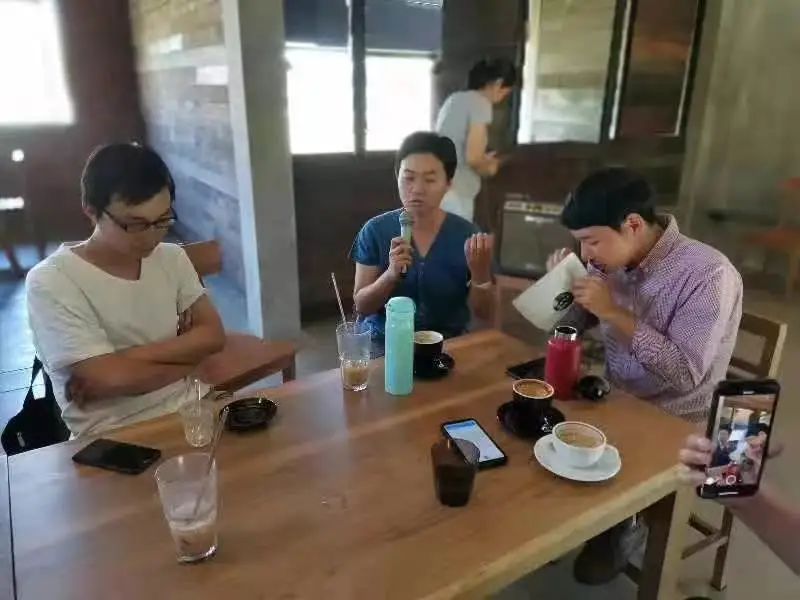
I recall a line Lee, a young Thai returnee who grows coffee beans, once told me: “In the end, all we yearn for is nothing more than going home.”
XI.
I attended a tea gathering on the future of the countryside, organised by the Futurists’ Club. A sentence suddenly came to me: “The future countryside needs to offer the world a logic of the countryside that is presently hidden in plain sight.”
What exactly is “the logic of the countryside”? And why is it “hidden in plain sight”?
From poverty alleviation to consumption, the common thread running through mainstream rural work is an economic perspective. And often, the city looks down. Its aim is to level the (economic) gap between city and countryside. That is, of course, equally vital — especially for rural areas in central and western China, where a returnee can go back to their own village, town, or county and hold a stable job, in any of the three sectors.
It is simply that, from our perspective of cultural identity, we see more possibilities beyond and after levelling.
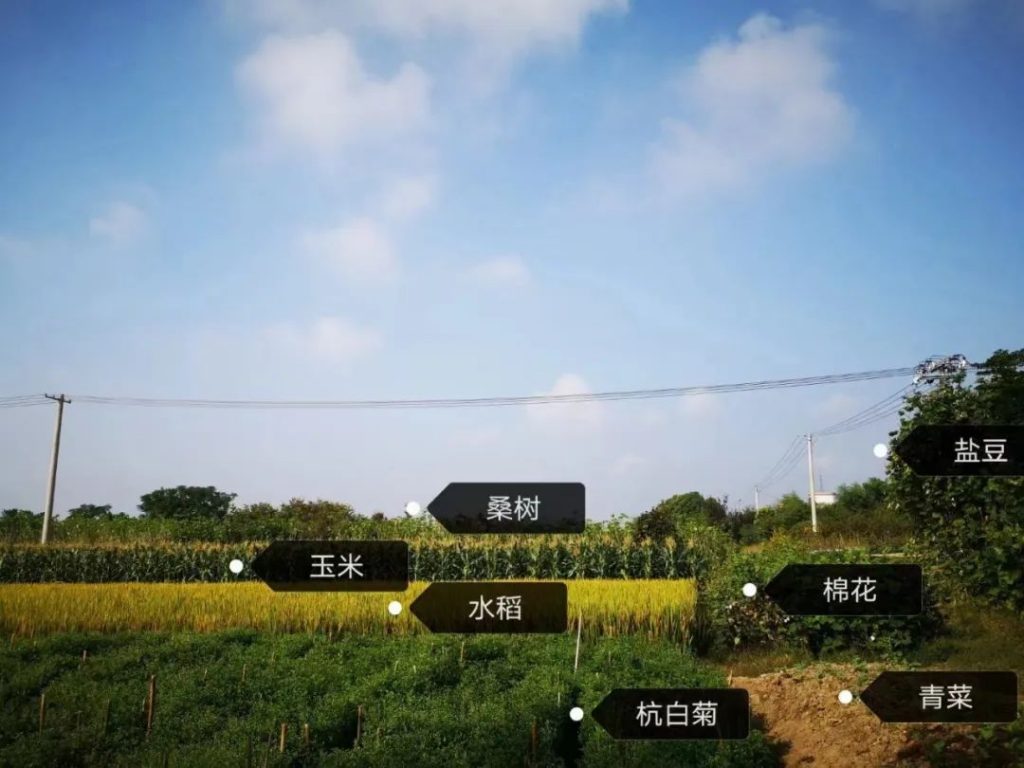
The logic of the countryside can be traditional small-scale farming’s effective response to environmental issues such as biodiversity, climate change, and regenerative agriculture; it can be the deep support that local knowledge systems provide for cultural confidence and ethnic identity; it can be the peace of mind that local beliefs bring to a society in transition.
In short, send culture into the city.
XII.
Twelve years back home, and still no answer. The confusion keeps coming, and so does the need to keep exploring.
This year’s greatest gain was a sudden realisation, during the spring silkworm season — rearing silkworms is the end in itself.
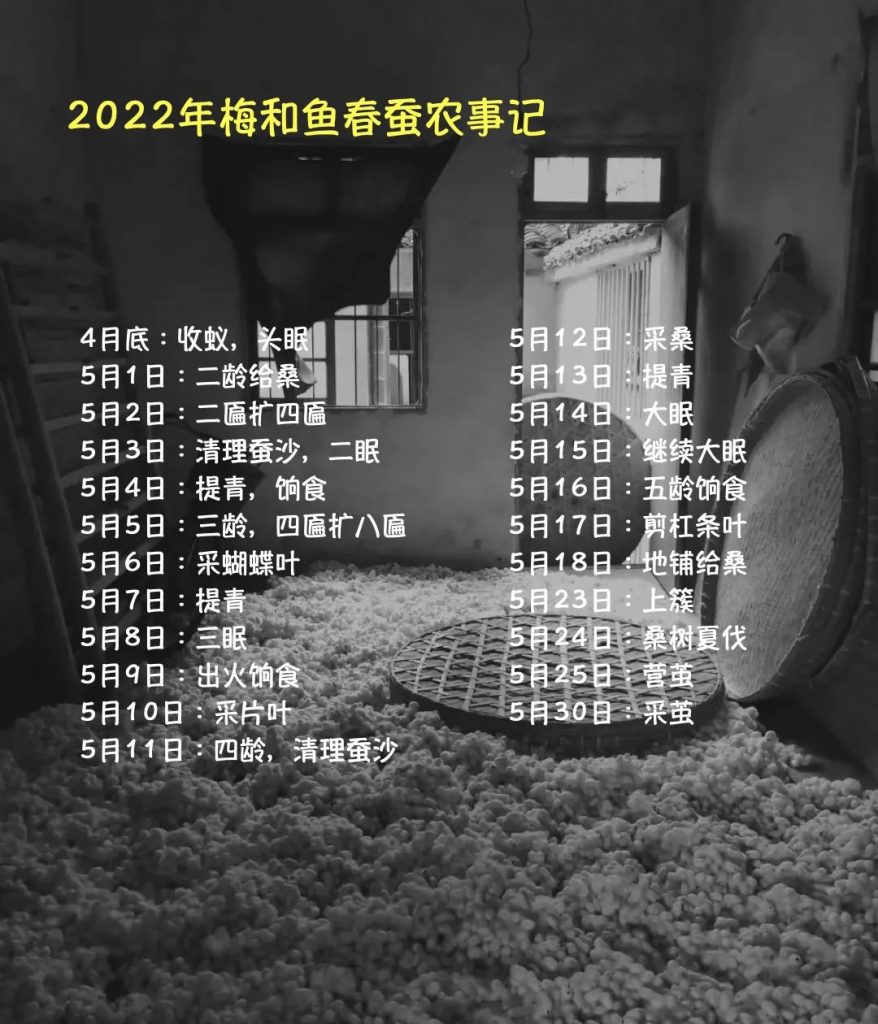
To labour truly upon the land, in the body, and through that to rebuild a sense of reality, of nature, of the world — this is a need, a faith, and a good fortune.
So, quite the opposite of a marginalised ending — if we liken the first wave of young returnees to pioneer species, then after we took root first in the ecosystem and improved its carrying capacity, we have at last begun a growth that is truly our own.
Foodthink Author: Yu Jiangang
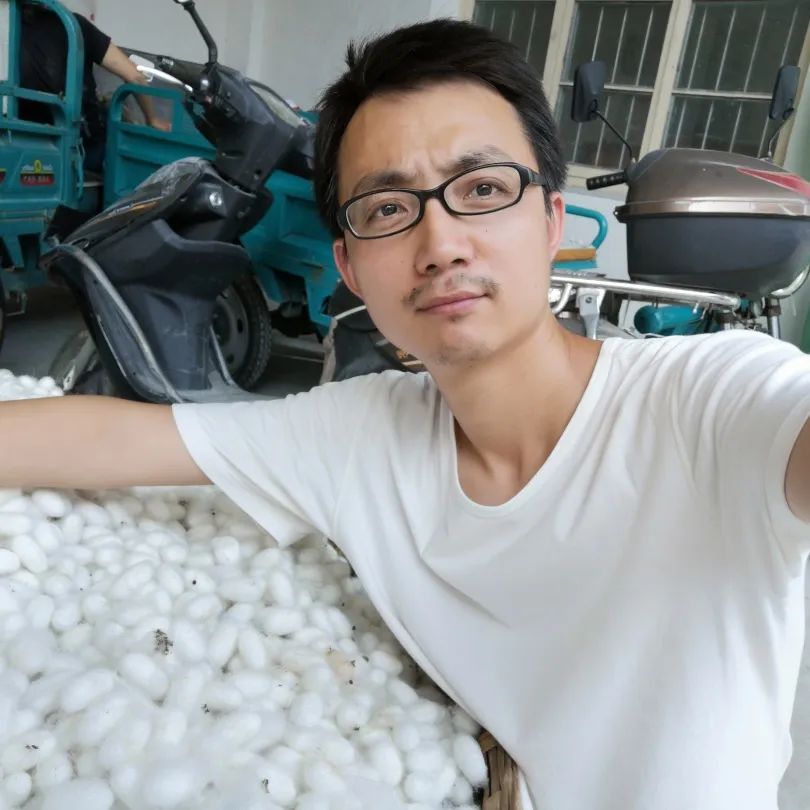
Born and raised in Zhenghebang, a silk village in the Jiangnan region, he graduated from university in 2008 and went on to work in brand consulting in Beijing. Driven by his concern for the “three rural” issues — agriculture, rural areas, and farmers — he resigned in 2011 to become an intern at the Little Donkey Farm; he then volunteered on rural development in Zhuang ethnic villages along the Guangxi–Vietnam border. After returning to his hometown, he and his wife, Mei Yuhui, established “Plum and Fish,” where they produce finely crafted silk quilts and pass on the craft, hoping to revitalize China’s intangible cultural heritage of farming and sericulture and create new traditions. WeChat public account: Plum and Fish
Unless otherwise noted, all images are provided by the author.
Editor: Tianle