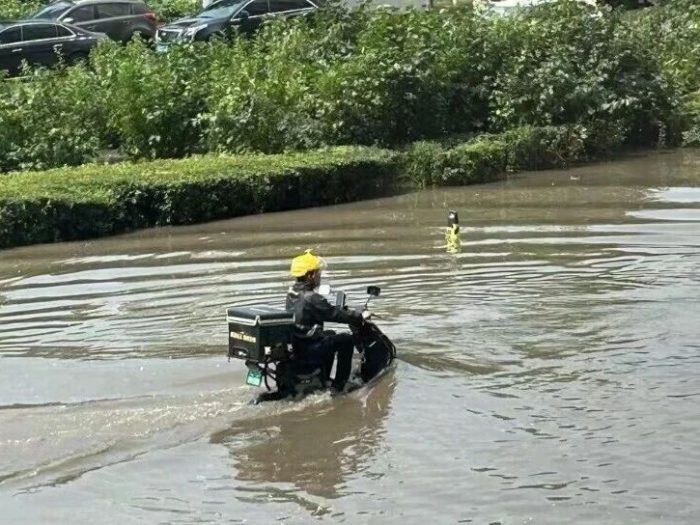
Peking University Professor Zhang Dandan says flexibility itself is a benefit, but food delivery riders face platform controls like peak-hour online mandates and KPI assessments. Gig work is more an employment model to cut costs and transfer risk than work freely chosen by workers.
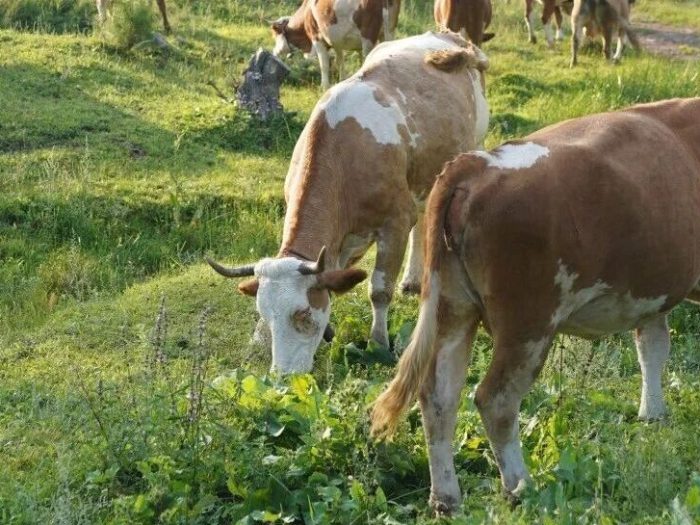
Deep in the Taihang Mountains, Leyi Village, Heshun County, Shanxi, the “leopard-eating-cattle” conflict is not pronounced. Local beef cattle farming has contracted sharply during the recent price trough — only three households still keep cattle, just over seventy head, down from a peak of over two hundred.
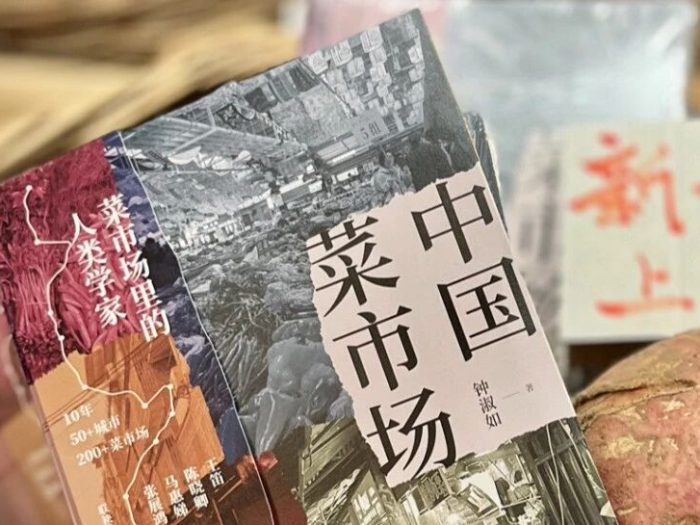
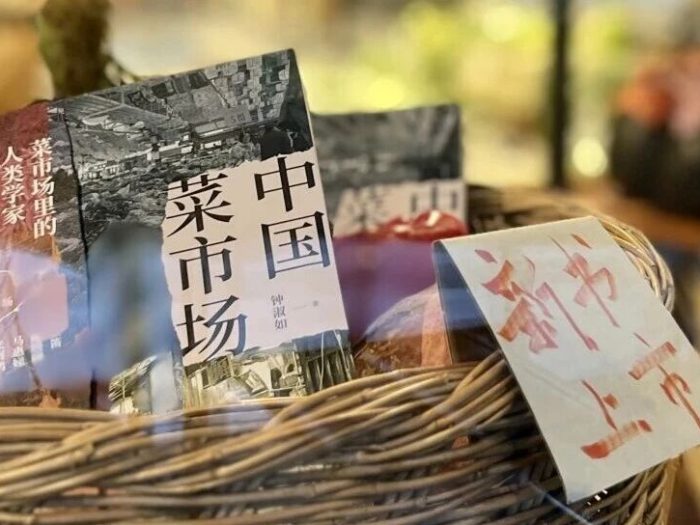
Anthropologist Zhong Shuru turned ten years of wet market research into China’s Wet Markets, attempting to understand China’s vast and intricate food system through the wet market’s gateway. She visited over 200 markets across the country, documenting how food moves and how people in them live and change.
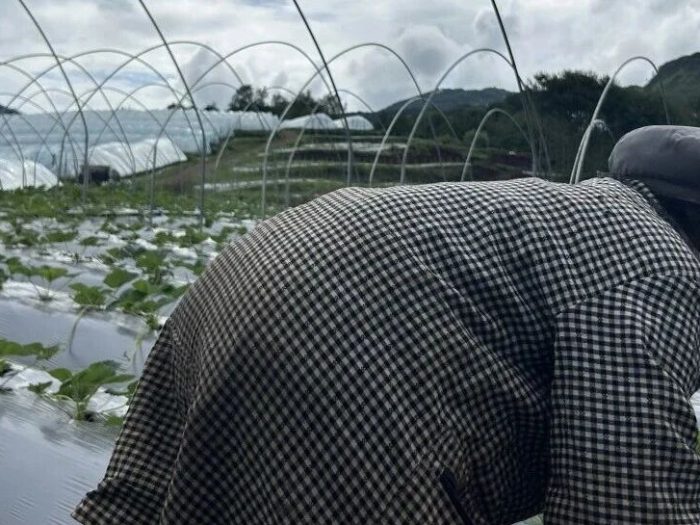
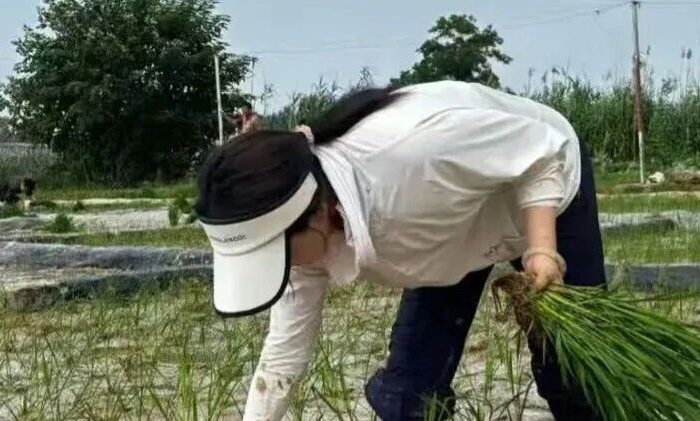
Lu Yinghong, a left-behind mother for seven years who studied early childhood education, bends in the polytunnels daily with women in their fifties and sixties uprooted by the peppercorn plunge. The farm offers income without travelling far — but the soil degrades in three to five years, the road ahead uncertain.
In 1902, American chemist Wiley had twelve volunteers risk their bodies to prove borax and formaldehyde dangerous. A century on, borax still appears in cold noodle strips and meatballs, and cumulative effects of approved additives remain inadequately assessed. The simplest defence: avoid crispy, jelly-like, heavily flavoured foods; buy whole.
Qilin melons at eight mao a jin, scholar’s curios from every dynasty (authenticity not guaranteed) — at Shahe Grand Fair in Changping, Zhong Shuru stumbles on a bustle where low prices and absurdity coexist, and shows young people how to turn wet-market thrills into know-how through fieldwork methods.
Reader stories gathered by Foodthink – from Shaanxi sāozǐ noodles to Chaoshan procession feasts, from neighbours pitching in to pre-made dishes on the table – serve up memories and questions from every corner of the country on this grand banquet table.
Associate Professor Zhong Shuru of Sun Yat-sen University brings her new book China’s Wet Markets to Beijing: Saturday morning browsing the organic farmers’ market, an evening conversation on the past, present, and future of wet markets.
Shu’er, diagnosed with autism at five, has spent ten years at the wet market with her mother—first carried to dodge stray dogs, then independently targeting a stall for pork belly. This noisy market is her daily classroom for maintaining social functioning and practising getting along with others.
Xiaoxiong, a master’s student at Huazhong Agricultural University researching low-carbon agriculture, shreds straw on rainy nights and records data in paddy fields as part of her daily routine. Now graduated, she faces the reality of finding work in agriculture.