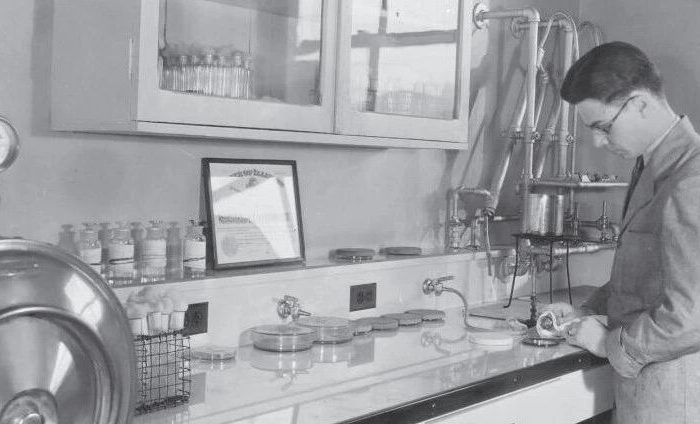
After the 1922 botulism poisoning of eight people at Loch Maree, the “germ theory” swept into kitchens via the public health movement. Domino Sugar, Heinz, Nabisco and others exploited the moment to amplify microbial fear, replacing pickles and bread made at home for generations with packaged food.

Over the past two years, Foodthink has received real stories from young people about eating: from being unable to break free of takeaway to community canteens, from “digital pickles” to hands-on fermentation — working people have pieced together their own solutions from the minutiae of daily life.
The old village in Heilongjiang holds only seven or eight households; my mother wept before the dish shelf and soured-cabbage crock in the collapsed-back-wall courtyard. Those left in Beijing try—with a crock, a bag of salt, a few cabbages—to re-stitch days bound to land and neighbours.
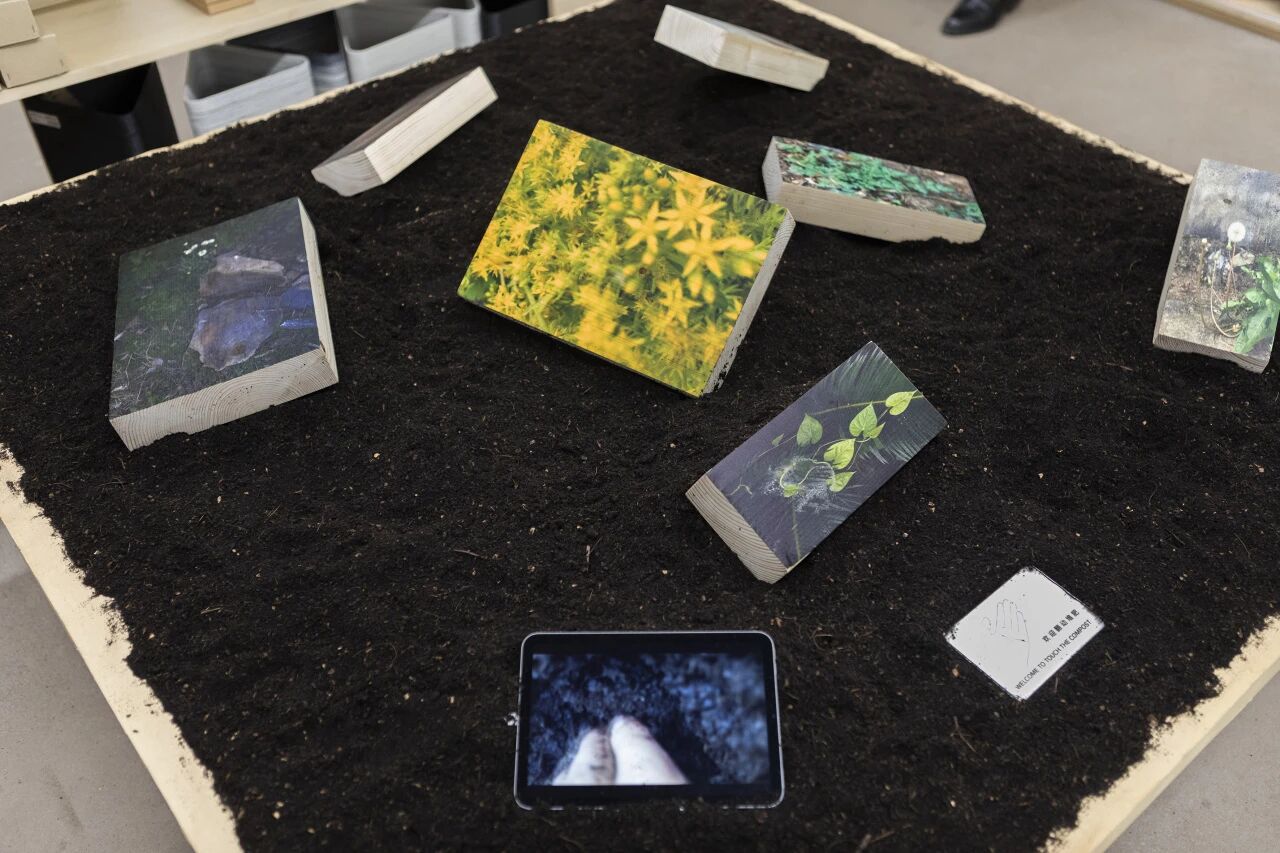
In a courtyard of barely five square metres in Hangzhou – snipping kitchen scraps, sprinkling microbial powder, turning the pile bare-handed – seven bins of compost were saved over ten months, slowly nurturing black organic matter from the reddish-brown clay.
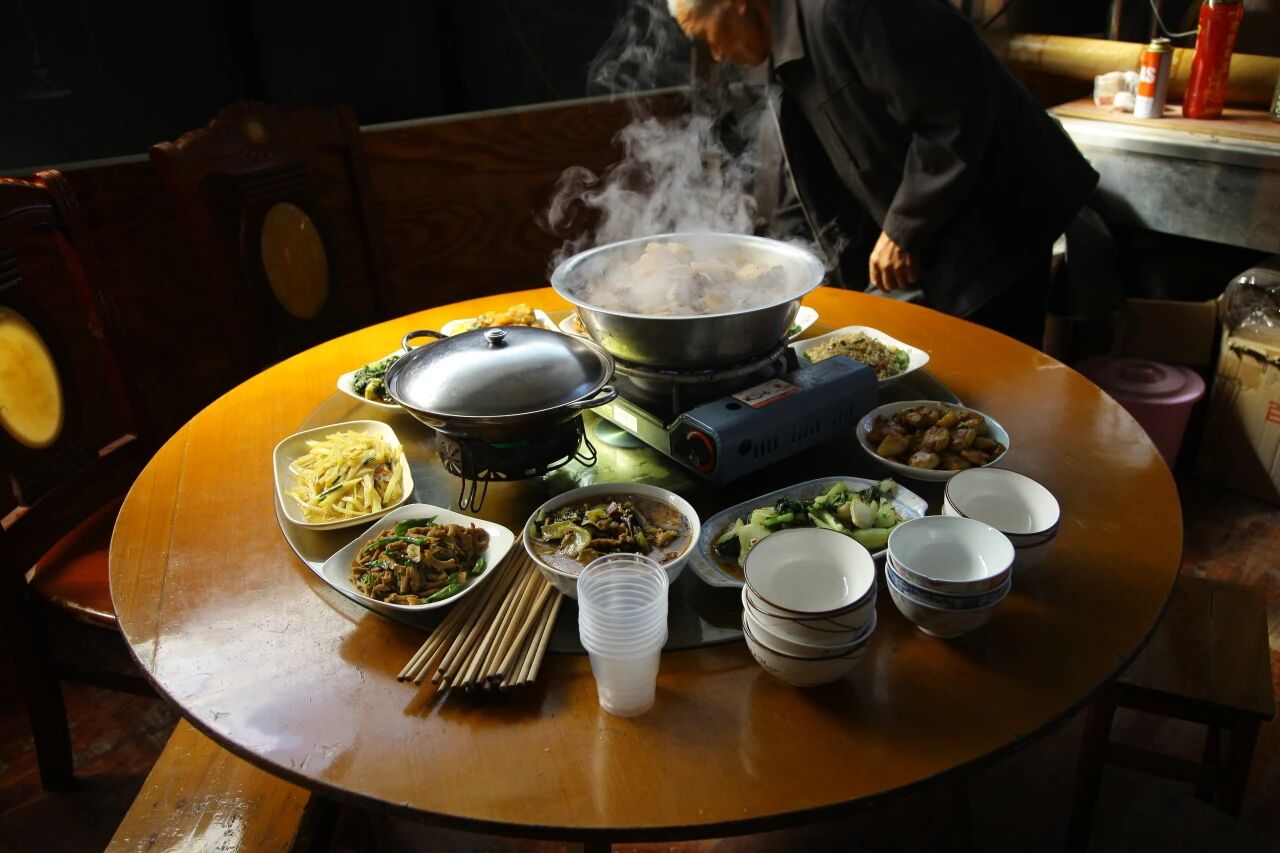
Once the Start of Winter passes, Songyang dries starch, hangs persimmons, sets up wine vats for New Year’s Eve: Sister Zhuhua has steamed cakes for nearly thirty years; Xu Yeyin tends a hundred jin of glutinous rice into red yeast rice wine; Songzhuang’s feast begins, as ever, before breakfast.
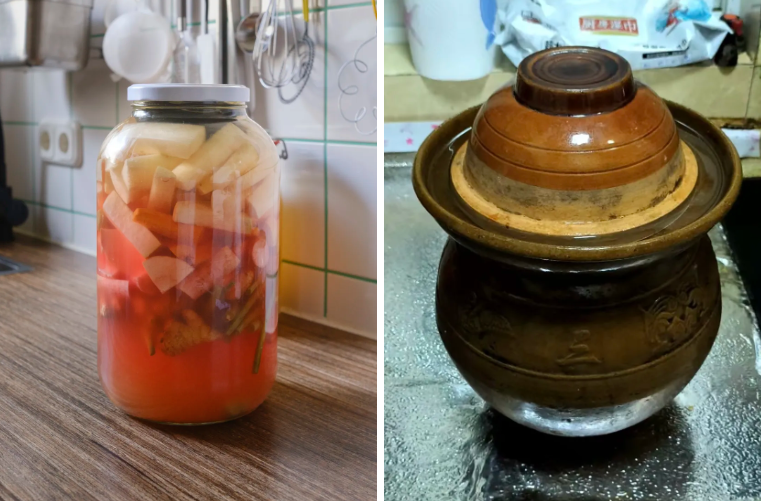
Designer Xu Xijing’s Berlin kitchen shelters a twenty-year-old brine from Changsha, a three-generation sourdough starter, and moulds and yeasts that turn with the seasons. The days and nights of tending microbes have anchored her to those seasons, and tethered her to people a thousand miles away.
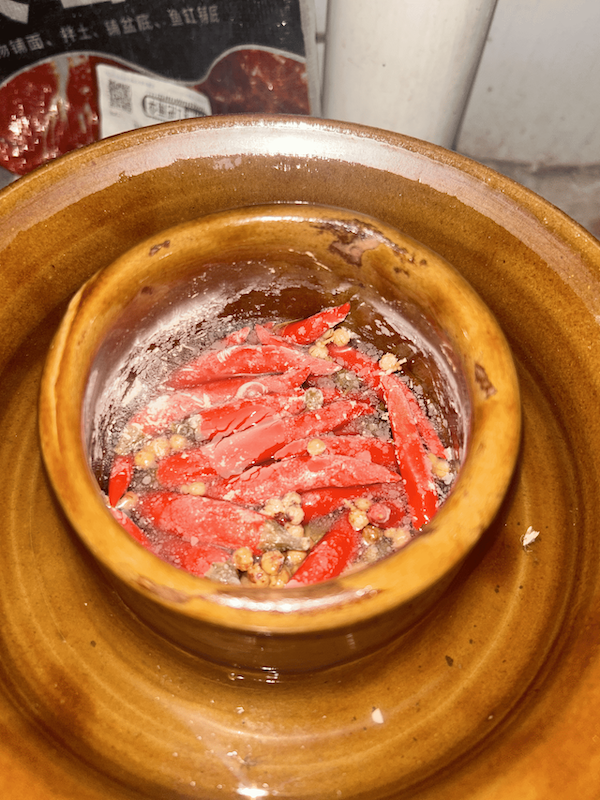
Nearly twenty readers share stories of success and failure from their pickle jars, starter cultures, and bran beds – from Guizhou’s White sour soup to Shanxi’s tousu, Kunming’s aubergine zhā to Hunan’s chopped chillies – local character and human warmth, pickled into flavour.
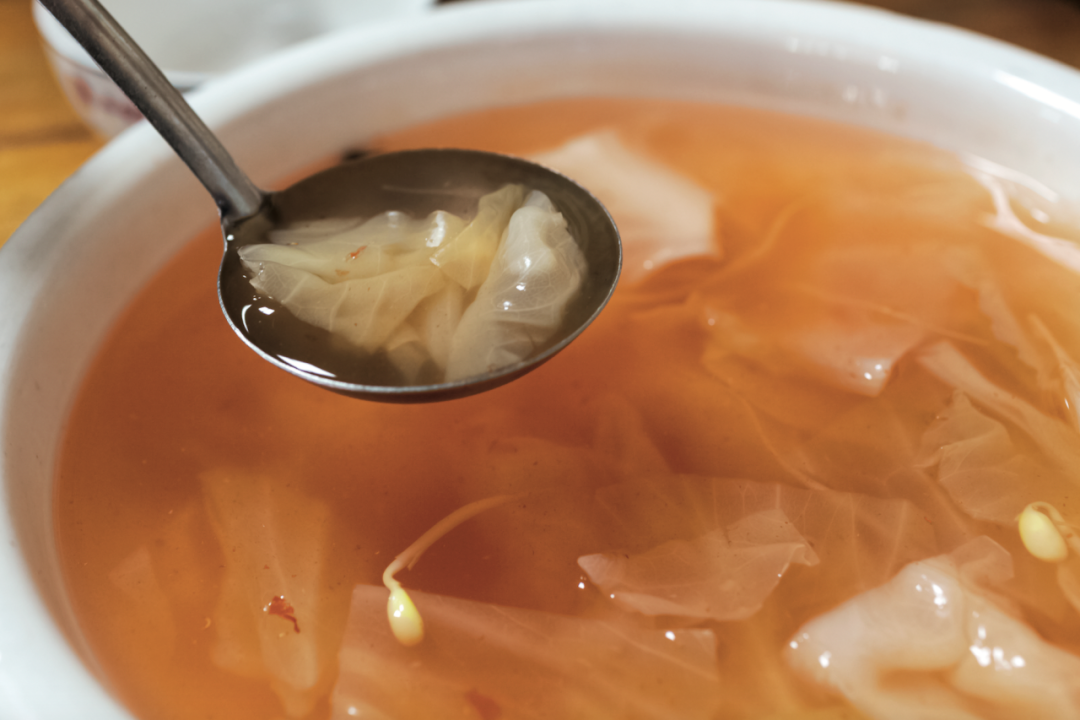
From the Miao ancestors’ long migration south and the mountains’ salt scarcity, the piece traces white sour soup’s rice-water fermentation, red sour soup’s evolution through tomatoes and chillies, and the place sour soup holds in marriages, ancestral rites and festivals.
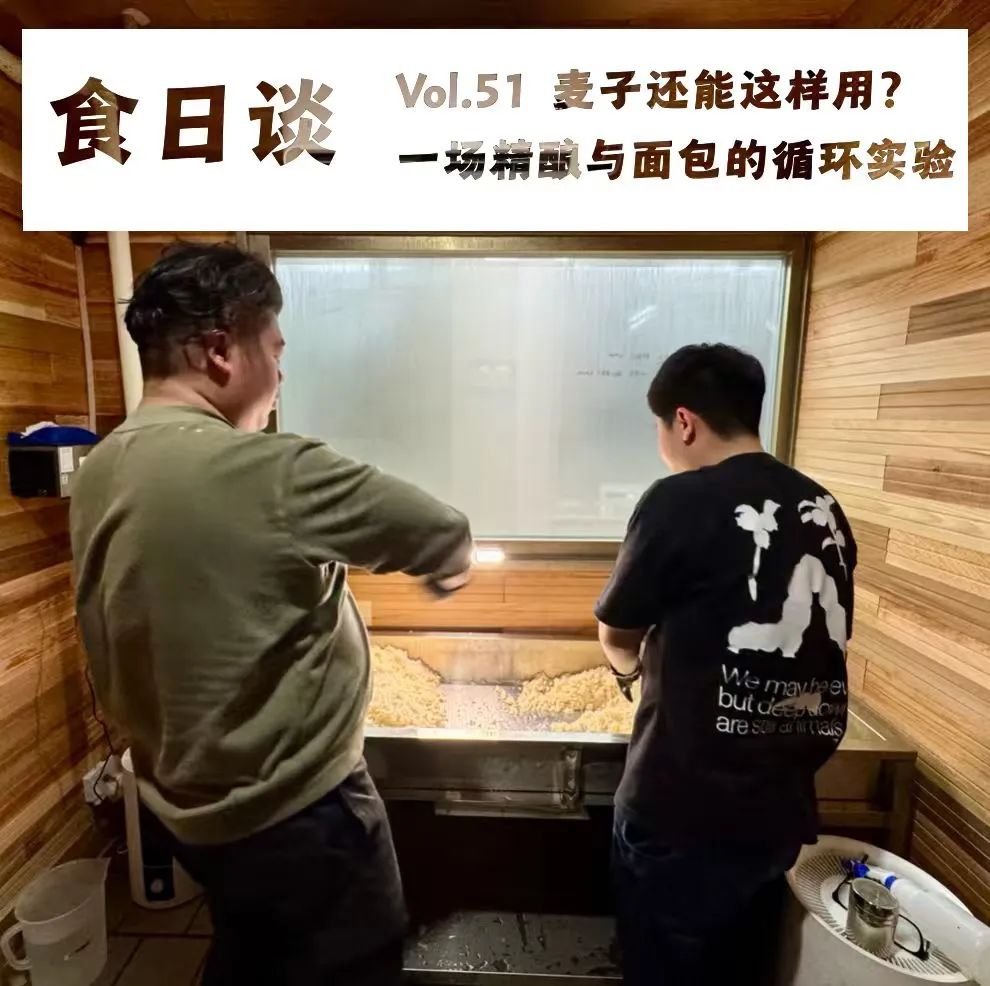
Zhang Kai, brewer at Fenye Brewing, and Xu Xin (Elephant), co-founder of Mars Elephant Lab, bridge brewing and baking with the same grain—from inoculating corn with sake koji to brewing an Earth Day beer from surplus bread at ten Beijing bakeries—and China’s import-reliant grain supply chain.
Starting an organic sourdough bakery was not a whim. In order to provide my family with quality carbs, I spent several years learning how to make sourdough using a natural wild yeast starter. Over those years, I often gave loaves to friends or brought them along to potluck dinners, where…