
Chronicles of the Microbe Cabinet: Fermenting in Berlin
I. Forming the Microbe Cabinet
Two years ago, when my partner and I decided to move in together, I finally got to arrange the flat the way I had always wanted, carving out dedicated space for fermenting food. At the same time, I had switched to freelancing, and with the nine-to-five gone, life suddenly surfaced again. Free time came rushing at me from every direction, so I plunged headfirst back into the world of microorganisms, nurturing my own fermented foods.
This time around, fermentation was driven purely by appetite and salivation—an act solely to satisfy hunger for flavour: a friend entrusted me with a starter, and I began baking bread; to beat the summer heat, water kefir moved back into my kitchen; and after a trip back home, I eagerly started making fermented pickles… And so, all manner of jars and crocks came drifting through my kitchen, some settling in for the long haul, others lingering just a season before hurrying off again.
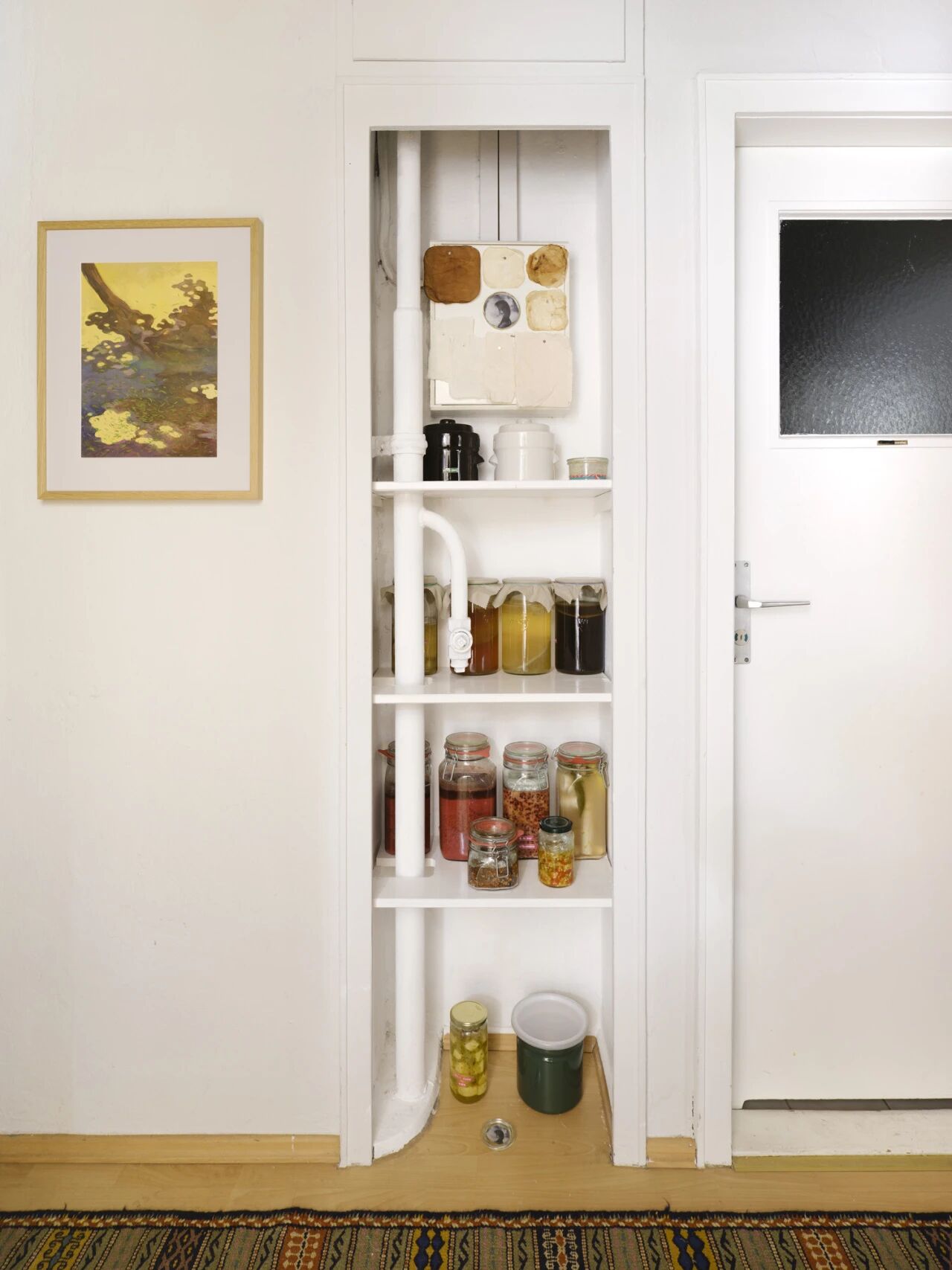
II. The Resident Members of the Microbe Cabinet
Once you become aware of the microorganisms at work—once you understand which microbial communities take the lead at each stage of different ferments, be they lactic acid bacteria, acetic acid bacteria, yeasts, or different species of mould—and treat them like pets, offering them the right space to live in, failure becomes very hard to come by.
Lactic Acid Bacteria
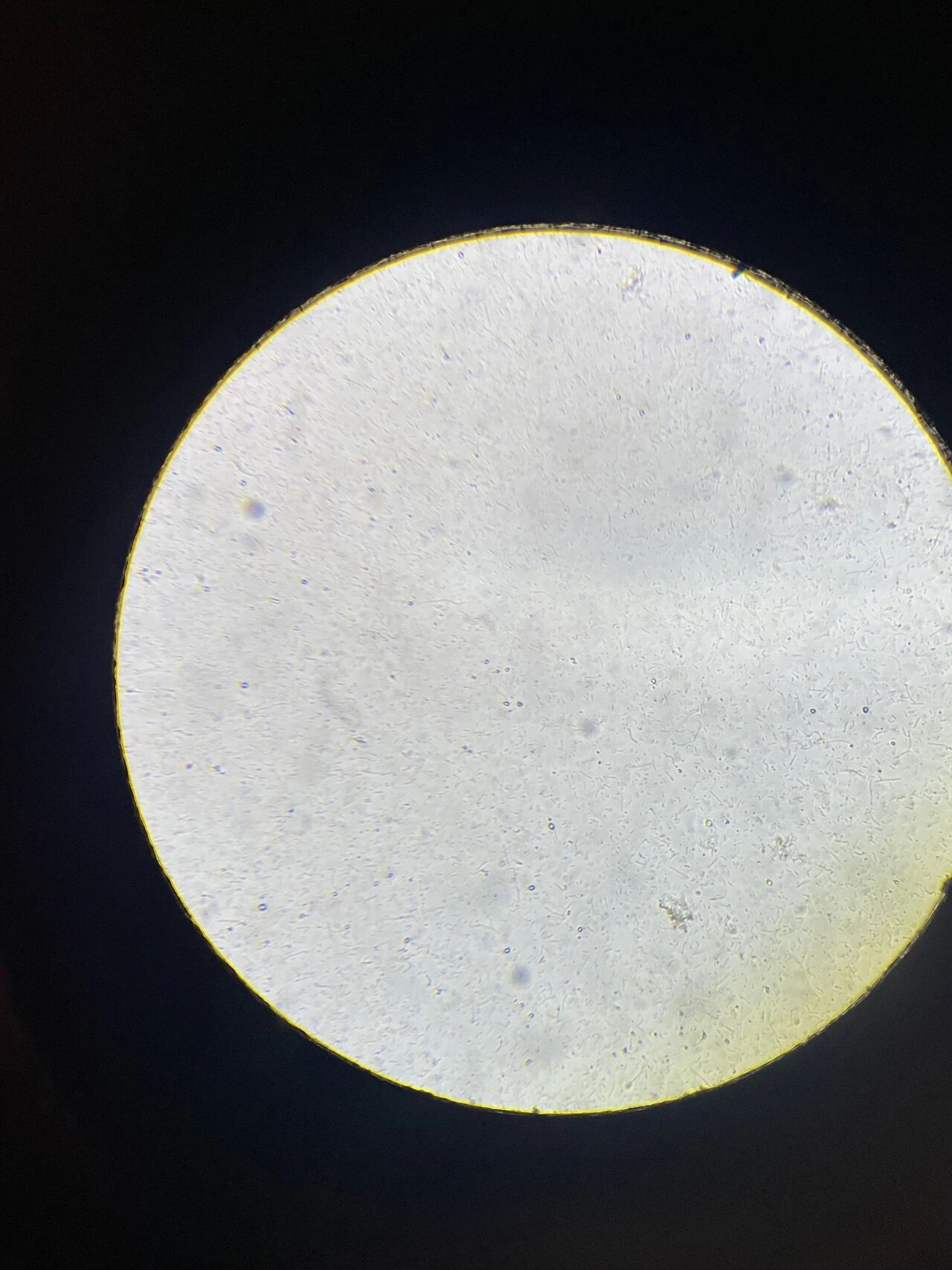
Pickle-making, vegetable salting, and yoghurt all rely on lactic acid fermentation: lactic acid bacteria convert the sugars in vegetables and the lactose in milk into lactic acid. The lactobacilli in pickles, however, do more than simple homofermentation—they can also carry out heterofermentation, producing a mix of by-products such as acetic acid, formic acid, ethanol, and carbon dioxide.
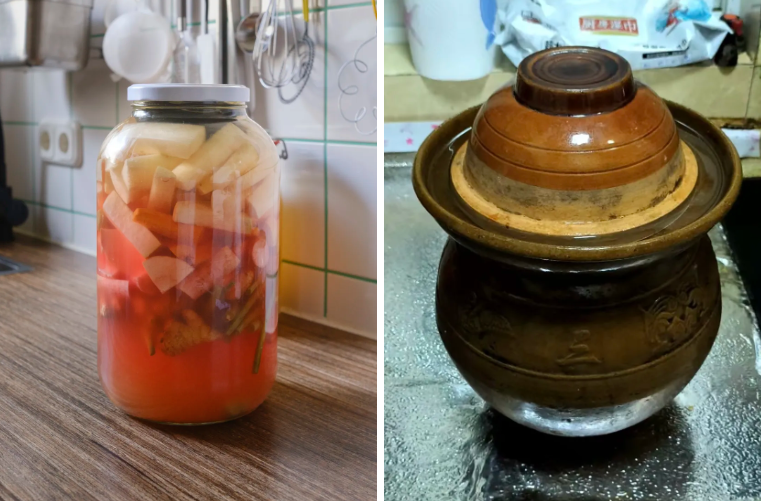
The lactic acid bacteria in pickles are anaerobic, salt-tolerant, and acid-tolerant. Sealed in a crock with air excluded and enough salt, they quickly overpower other stray microbes and become the dominant culture—the least demanding occupant of my fermentation cabinet.
The pickle crock is called suāntánzi—”sour jar”—back home.
This year, during a trip back, I received a bottle of mature brine from a friend of my āi jiě (a Hunanese term of endearment for an elderly woman, usually one’s grandmother or maternal grandmother)—brine she had tended for over twenty years. The moment I was back in Germany, I poured it into my pickle crock, grafting her twenty years onto mine. The lactobacilli that had spent their lives in Changsha feasting on garlic, Chinese shallots, yardlong beans, and white radish—back in Berlin, I coaxed them into an appetite for parsnips, fennel, kohlrabi, and cherry radishes. A crock that eats this diversely grows more fragrant with every feed, and easier and easier to manage.
That one scoop of brine has become the tether binding me to my grandmother across the distance. Every little check-in on health and weather inevitably turns into an update on the jar’s condition, as though I have been entrusted with a living thing, a bond, and a flavour.
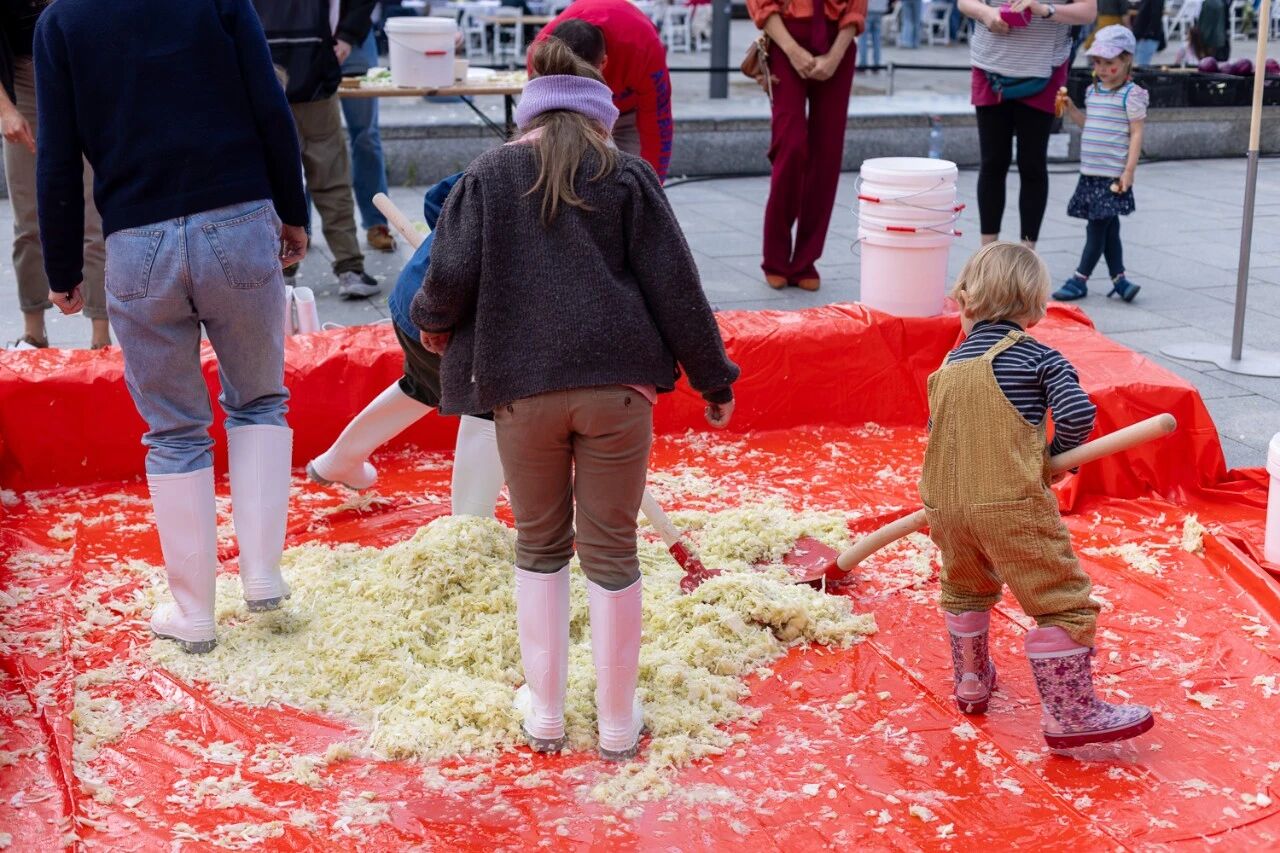
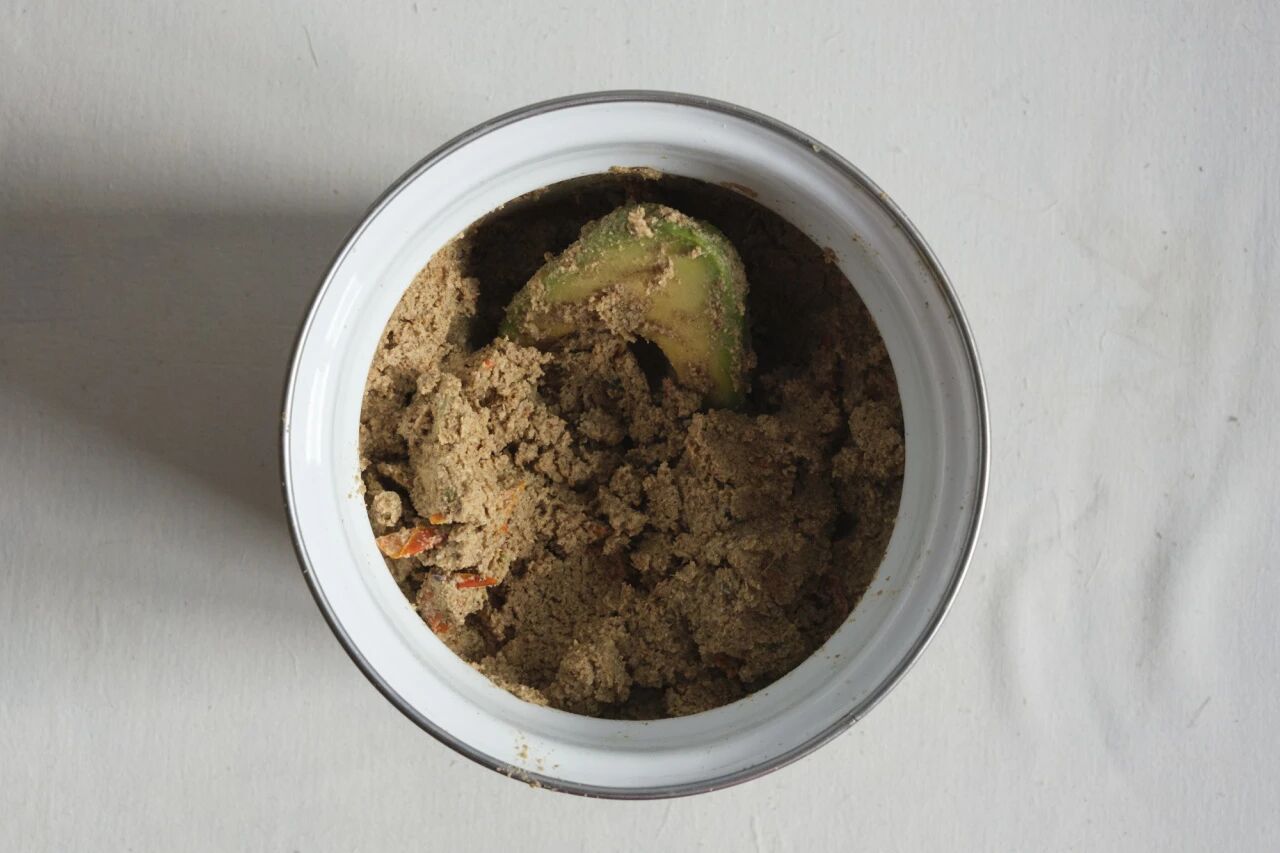
Yeast
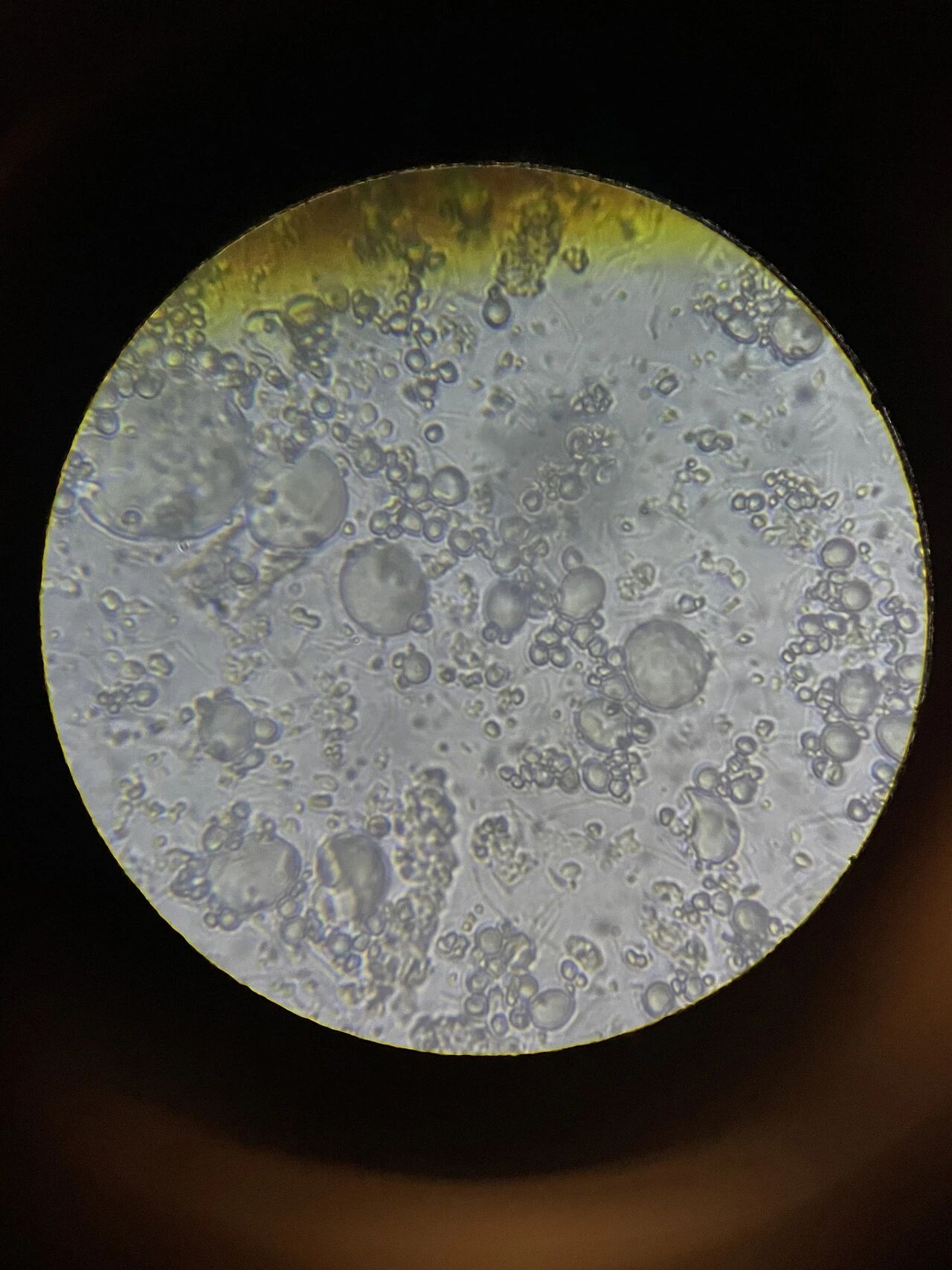
Yeast breaks down sugar into CO₂ and alcohol. It can be used to make wine, and in baking it aerates dough, giving it its rise and lightness.
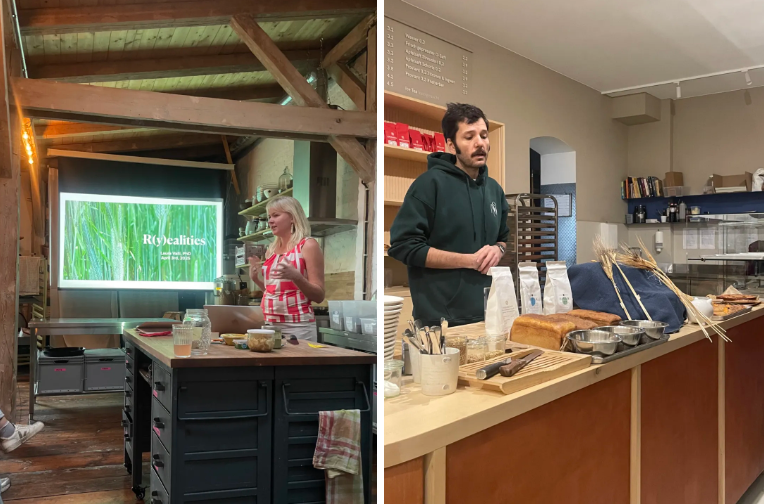
I cannot drink alcohol, and brewing has never much interested me. But over the past few years, tending to my sourdough starter and baking bread has become a daily companion.
The yeast for my bread came from a friend. An elder in his family opened an organic shop in the early 1990s, selling bread made with their own natural yeast. The sourdough starter for that bread had passed through several generations of his family over thirty-odd years, and two years ago it finally reached his hands when a relative visited.
While my friend began baking, he also distributed the starter among fellow bread bakers in Berlin. I was entrusted with 100 g of the sourdough culture, and I tend to it with the utmost care.
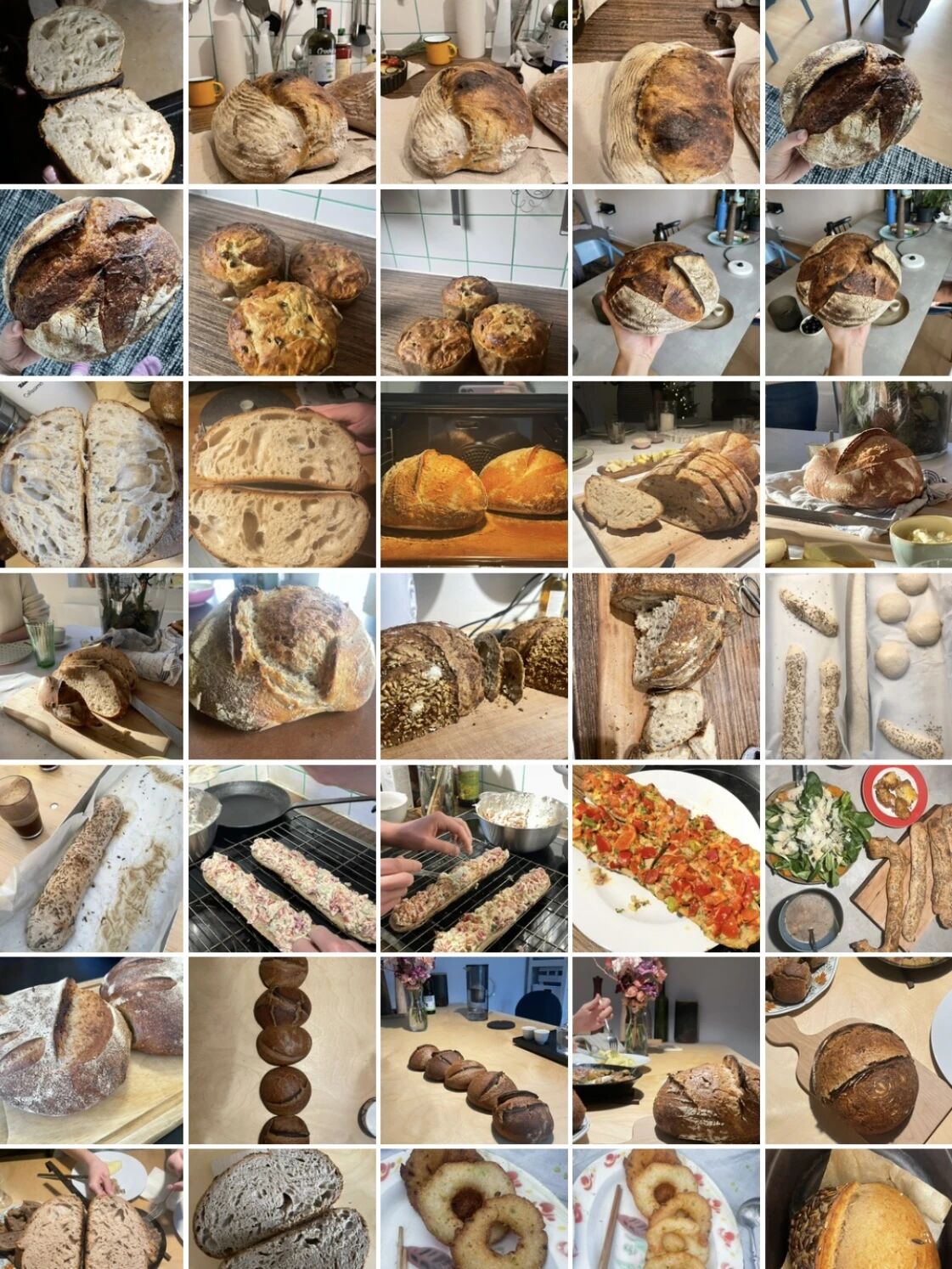
Over these two years, while baking, I have kept dividing and sharing the starter among friends, and of course they pass it on in turn. I have even met total strangers at other people’s homes who exclaim: “So you’re the original keeper of this yeast!”
It feels as though, without realising it, I have founded a sprawling organisation.
Acetic Acid Bacteria
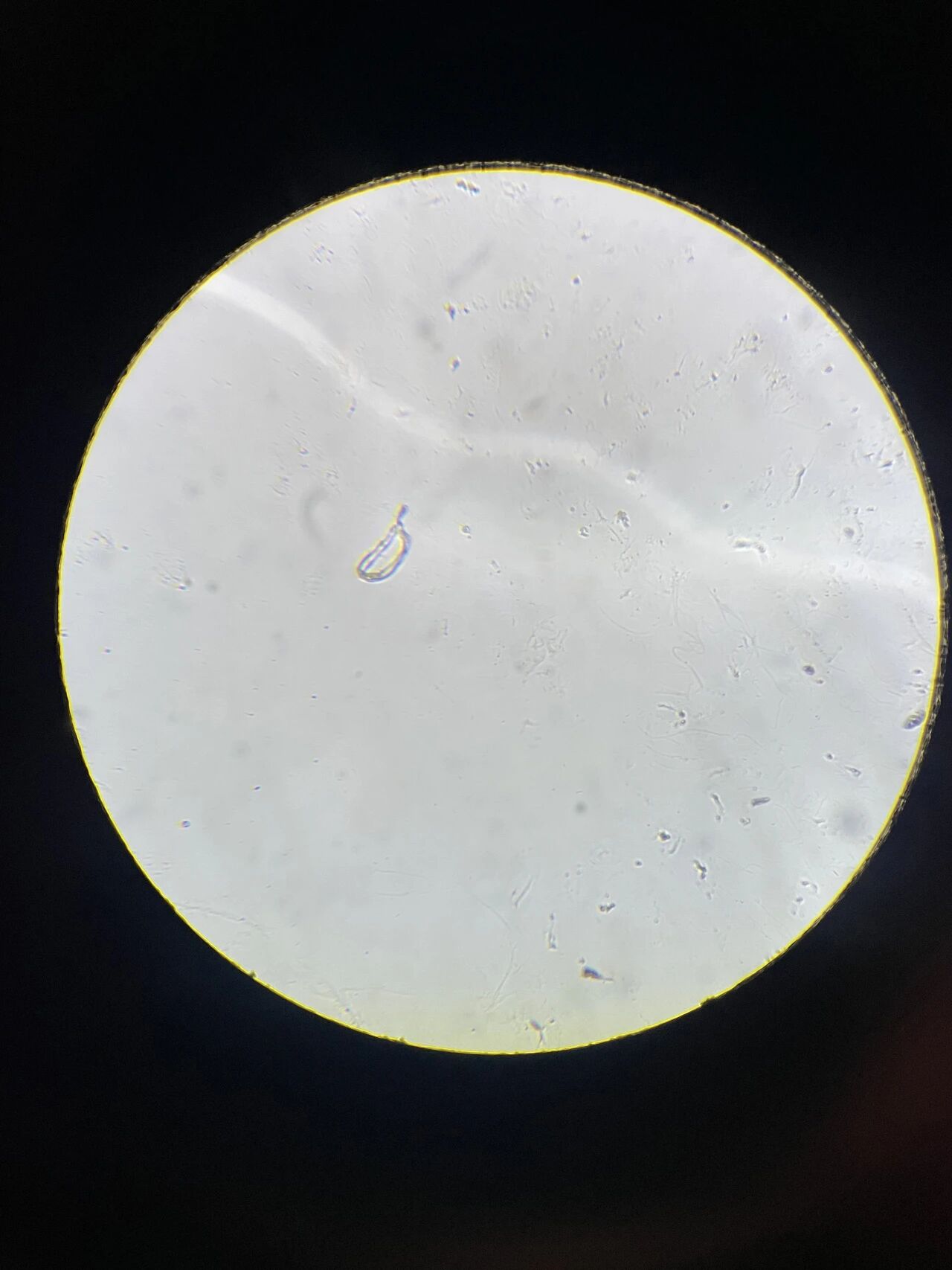
Acetic acid bacteria are aerobic bacteria that convert alcohol into acetic acid. So it is often said that wine and vinegar share the same origin—you must have wine before you can have vinegar.
Vinegar lays the foundation of all sour flavours, reflecting the growing regions and culinary preferences of every place. In China’s southern rice-growing regions, rice vinegar reigns supreme; in the north, grain vinegars made from sorghum or wheat bran take the lead. Here in Europe, fruit vinegars claim every inch of shelf space: wine vinegar brewed from wine, cider vinegar brewed from cider.
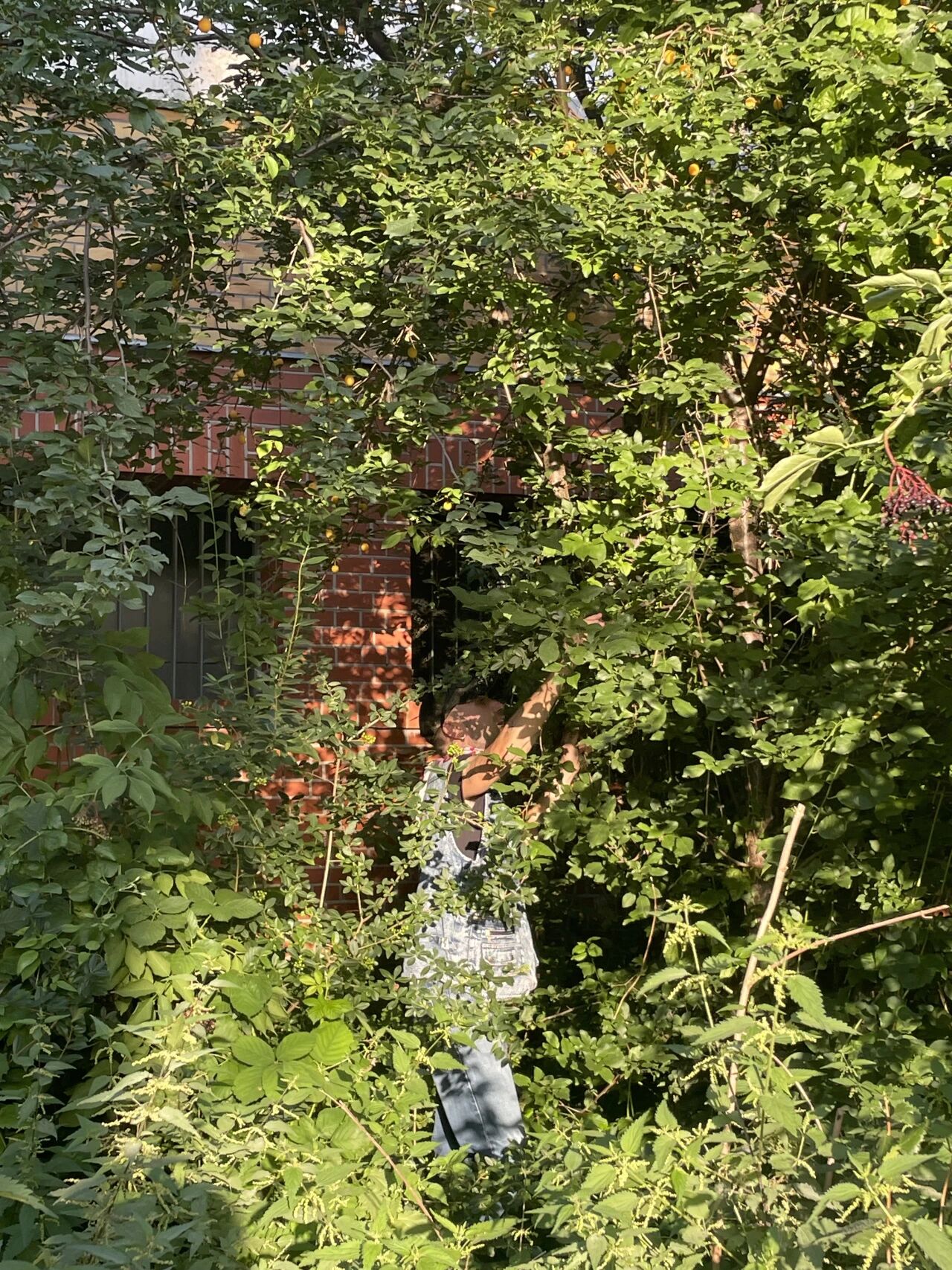
When I happen to spot seasonal fruit and vegetables on offer, lactic fermentation and vinegar-making are the first ways I think of for keeping those flavours alive long-term.
Moulds
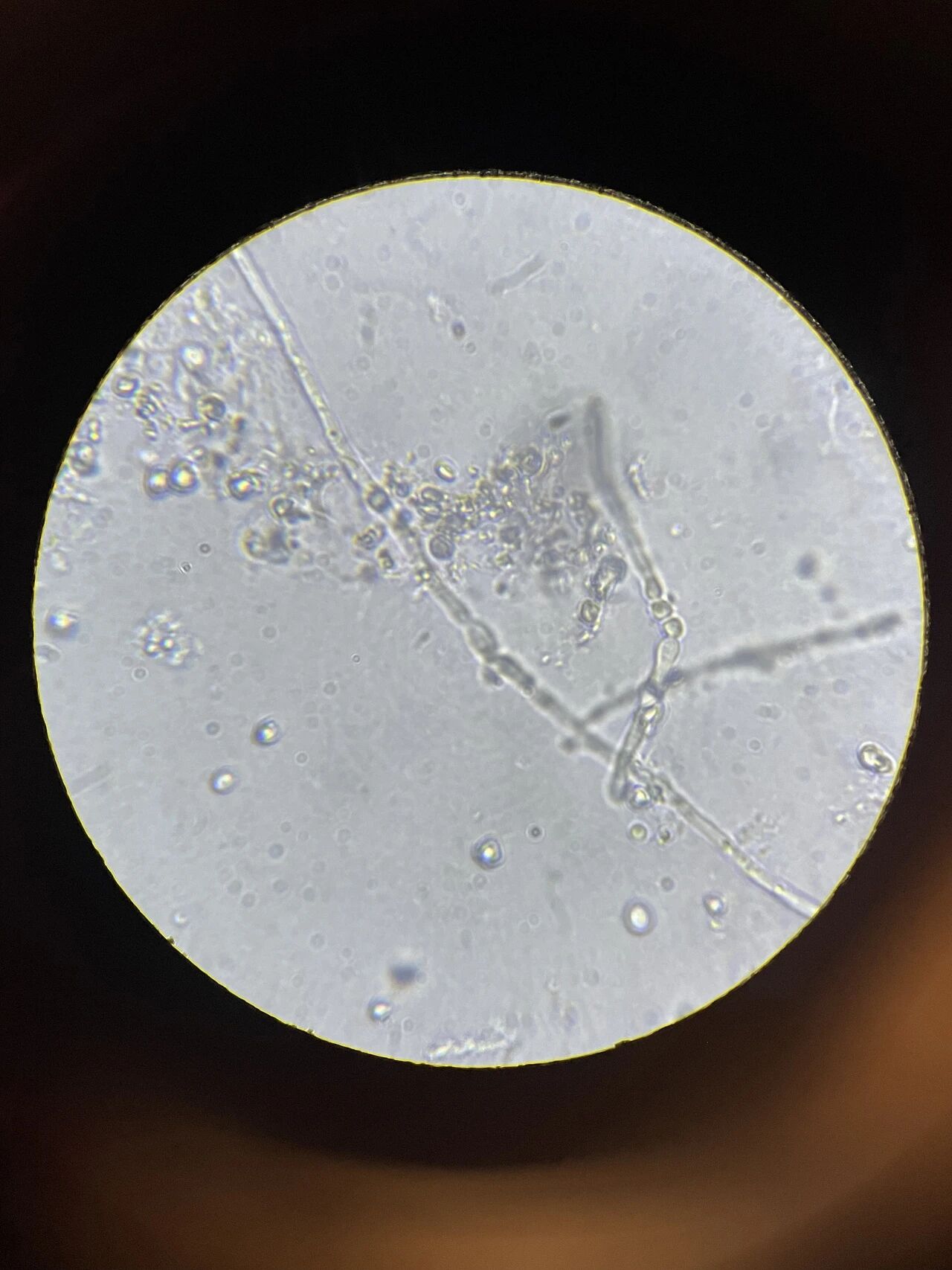
One distinctive feature of East Asian fermented foods is the use of various moulds to produce sauces and pastes.
Each mould carries its own common and commercial names, and shuttling between my mother tongue and foreign languages, I often find myself dazzled by them all. I have made a habit of compiling a classification table for myself, listing the Latin names of different strains to help me make sense of the various mould families and their respective strengths.
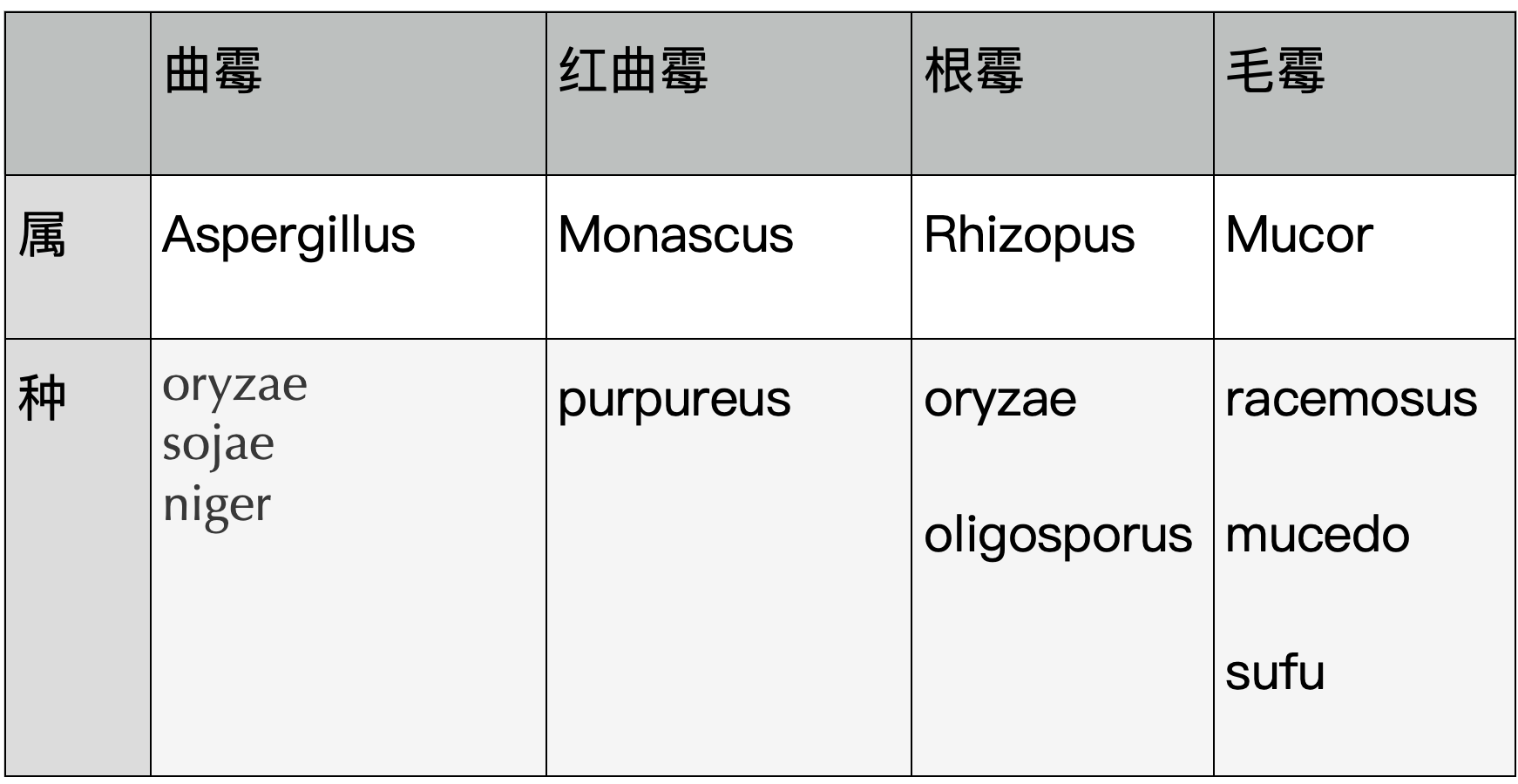
The root mould genus Rhizopus comprises various strains that serve as the primary moulds in tempeh production, among which Rhizopus oryzae is also used for brewing; the mould genus Mucor encompasses different species commonly used in making fermented tofu.
Aspergillus oryzae is commonly called the Japanese koji mould or the white koji mould, while Aspergillus sojae is the soy sauce koji mould, also known as the rice koji mould. What people call the black koji mould is Aspergillus niger, whereas the red koji mould belongs to a completely different genus—Monascus—and comprises different species within it.
When it comes to moulds, one cannot avoid mentioning qū. A qū is a starter culture: a grain base—rice, wheat, barley, peas, oats, and so forth—on which mould-dominated microorganisms (such as the Aspergillus, Rhizopus, and Mucor mentioned above) are inoculated or allowed to accumulate naturally, yielding a culture that can then be used to launch a new round of fermented food production, including alcoholic beverages, soy sauce, vinegar, and douchi (fermented black beans).
For instance, rice flour inoculated with Rhizopus and Saccharomyces cerevisiae becomes xiǎo qū (small starter), used to make rice wine and sweet fermented rice. Broad beans inoculated with the rice koji mould become fermented broad beans, the key ingredient in doubanjiang (broad bean chilli paste). Glutinous rice inoculated with Monascus and Aspergillus niger becomes Wūyī red yeast rice, used to brew red yeast rice wine and rose vinegar. And the celebrated Japanese rice koji (mǐ qū)—simply rice inoculated with white koji mould—has been developed by the Japanese and the contemporary food world into an inexhaustible range of uses: soy sauce, shio koji (salt koji), miso, and so much more.
In my home fermentation experiments, mould-based ferments are the only category for which I reach for a fermentation chamber and commercial cultures. Traditionally, people covered their grain bases with straw and leaves, allowing microorganisms from the air and soil to colonise them naturally. Yet this method of natural fermentation is intimately bound to the temperature and humidity of a particular place and season, making it very hard to replicate in urban life with a wholly different climate and microbial community. Using industrially purified single strains makes every step precisely quantifiable and does lower the learning curve for mould-based fermentation. Perhaps that is also why Japanese rice koji has taken the world by storm.
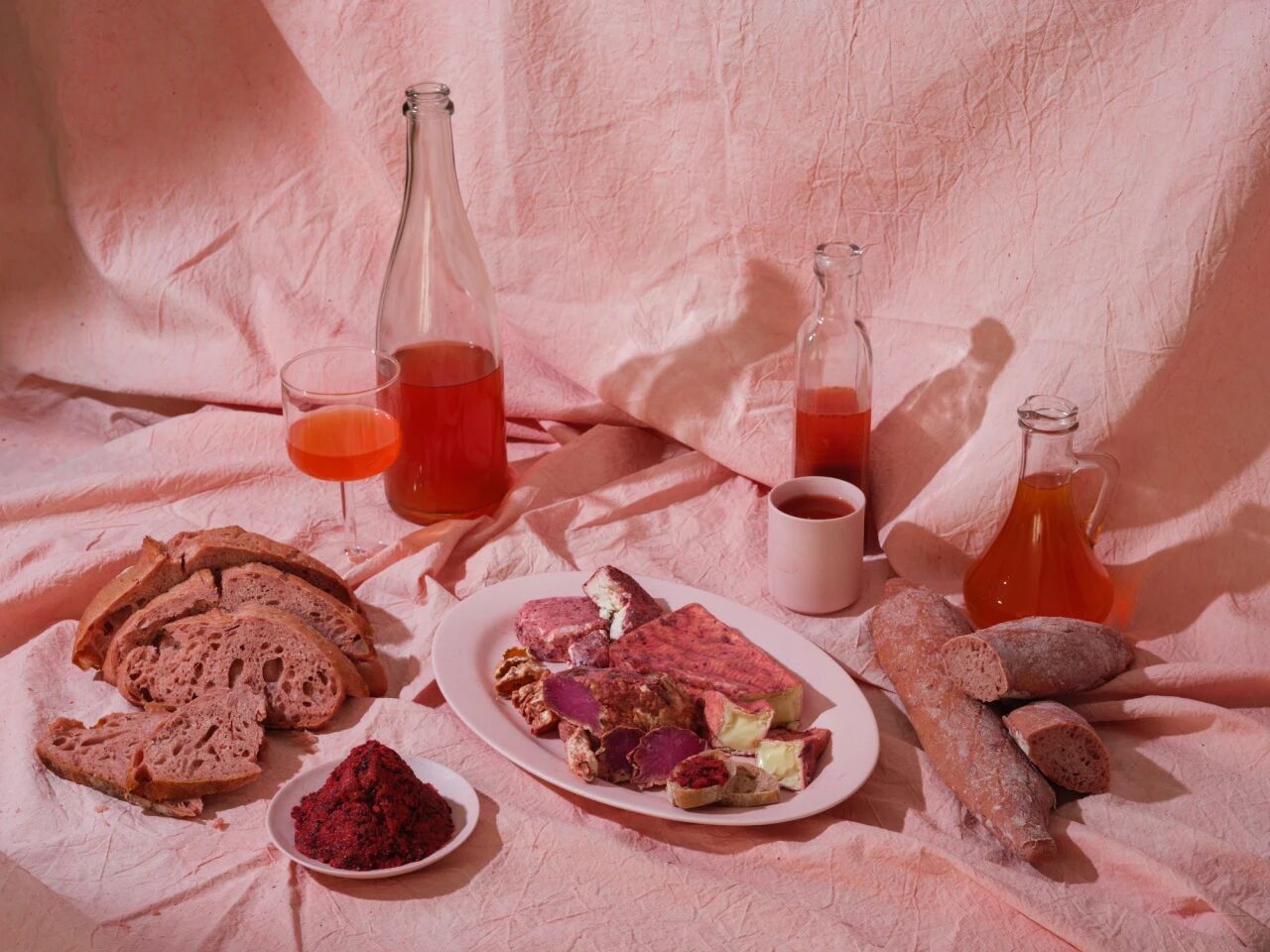
Multi-Microbial Consortium Fermentation
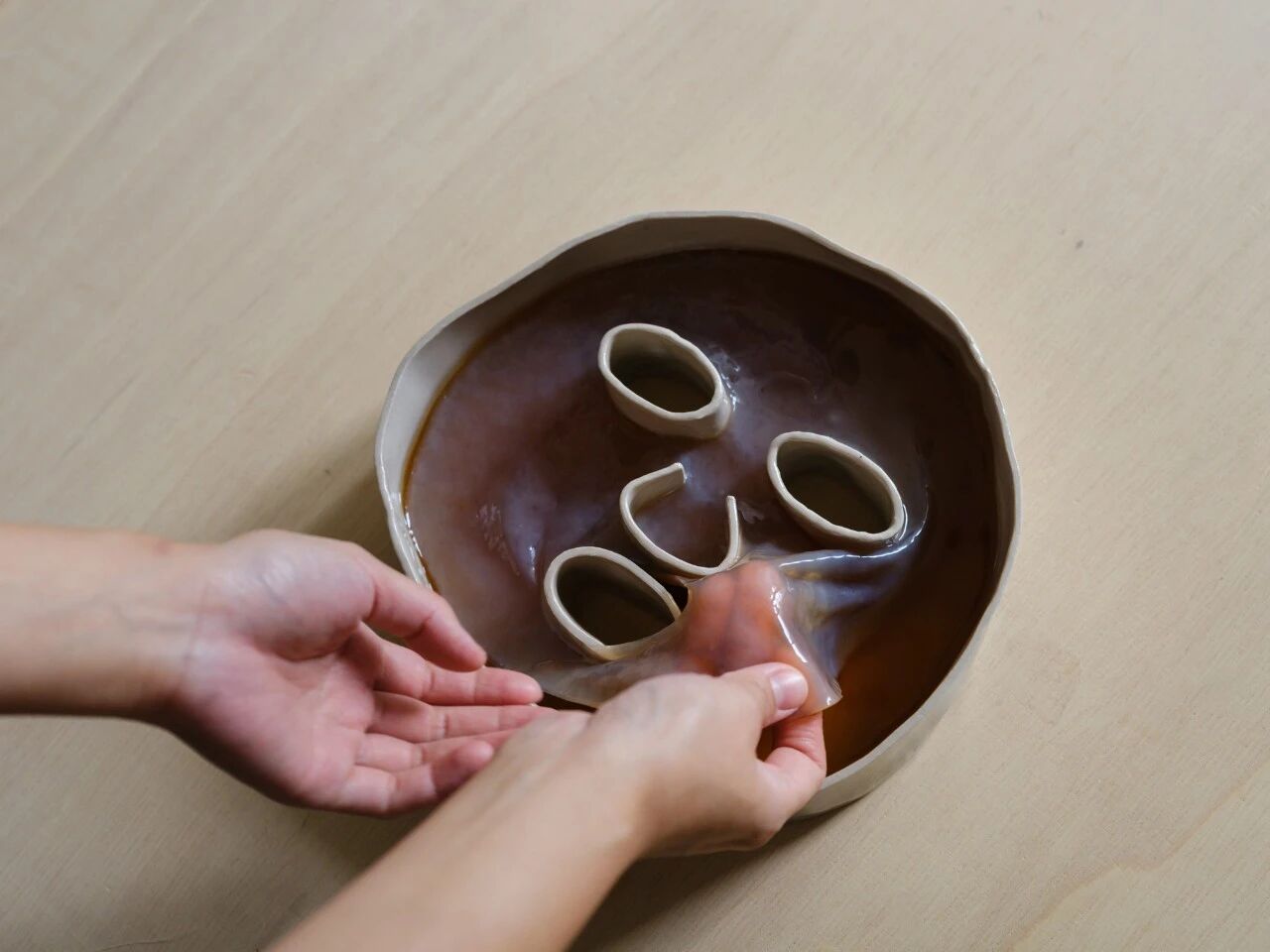
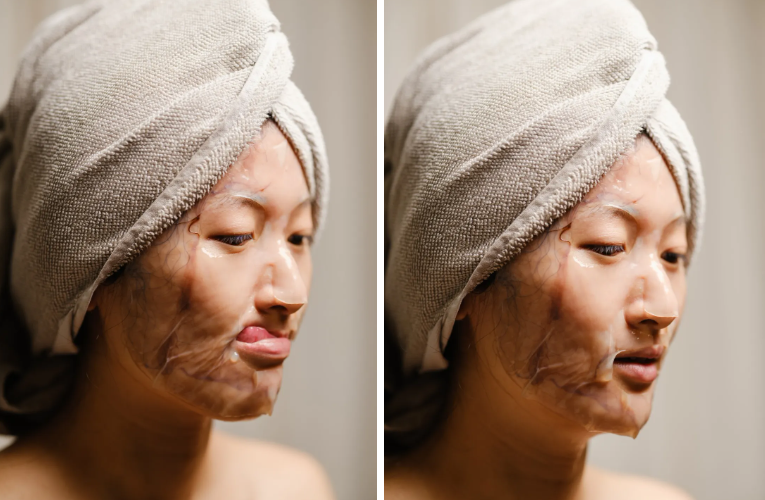
III. I Tend the Microbes, and They Tend Me
As both a follower and an observer of trends, I sometimes feel a pang of reflection. Under the influence of consumerist social media, when we first dive into a particular food, we seem so easily captivated by technique and equipment. Tea drinkers love collecting and displaying teaware; coffee enthusiasts design set after set of expensive, exquisite stainless-steel apparatus for themselves. As for fermentation, it comes down to chasing the open crumb structure in bread, the dense, fine bubbles in kombucha—after all, these are the most eye-catching elements in image-driven media.
And yet I quietly hope that the pursuit of flavour diversity might lead anyone with a tasting-oriented hobby towards an ever deeper understanding of varieties, genetics, terroir—questions that are bound up with agriculture and crops. If the fermentation trend does not stop at surface-level flavour aesthetics but gives city-dwellers a little more knowledge of the varieties and origins of their ingredients, that too would be a fine thing.
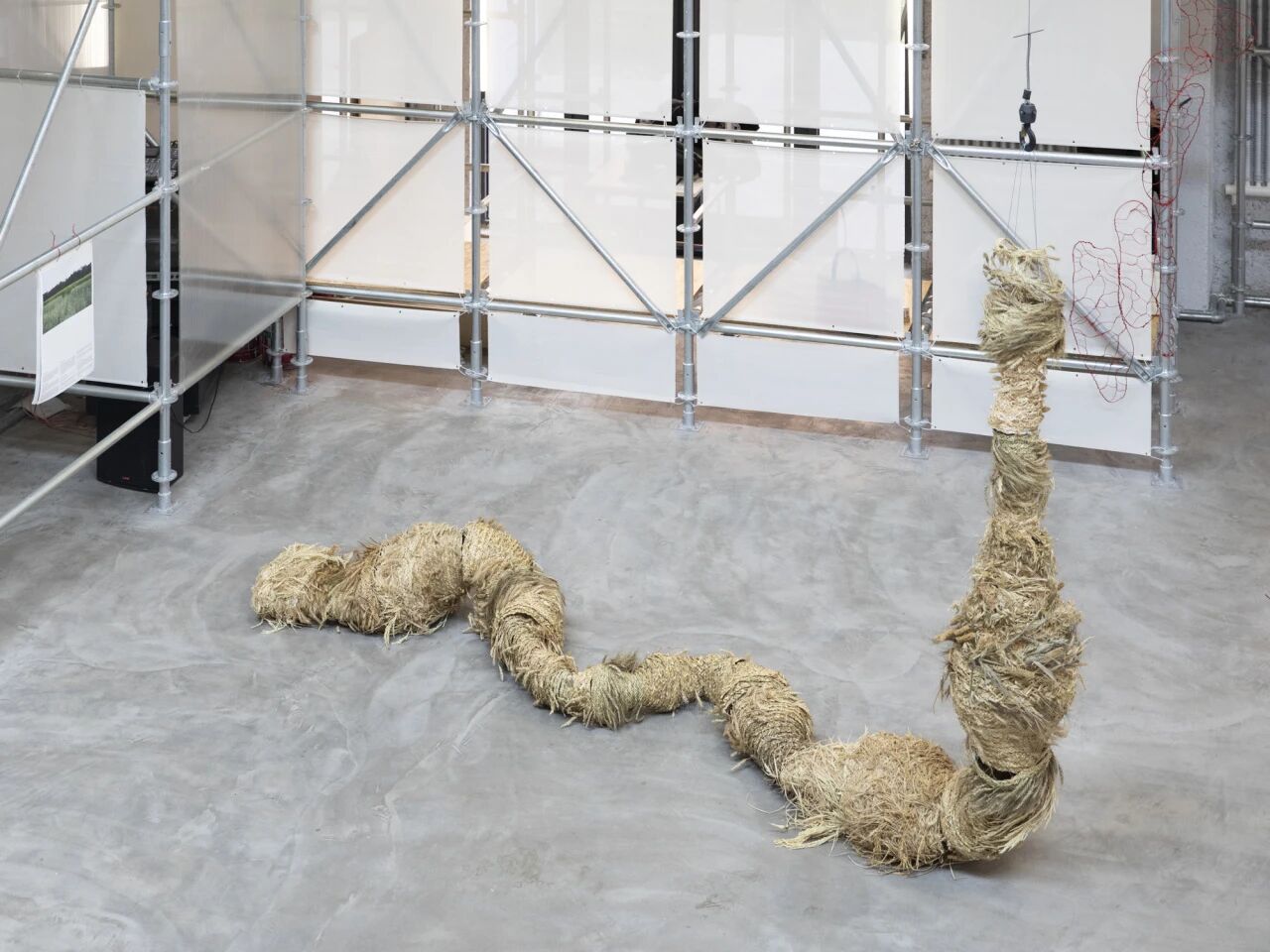
For me, the exploration of fermented foods has reawakened my awareness of the turning of the seasons and deepened my appreciation of the character of particular places.
Making fermented food has set anchors in the rhythm of my life: tending yeast and cultivating a bran bed by the day, renewing kombucha by the week, maturing vinegars, miso and other pastes by the month or even the year… Between these cycles I have found a pace that suits me, letting my microbes and my daily steps gradually fall into step with each other.
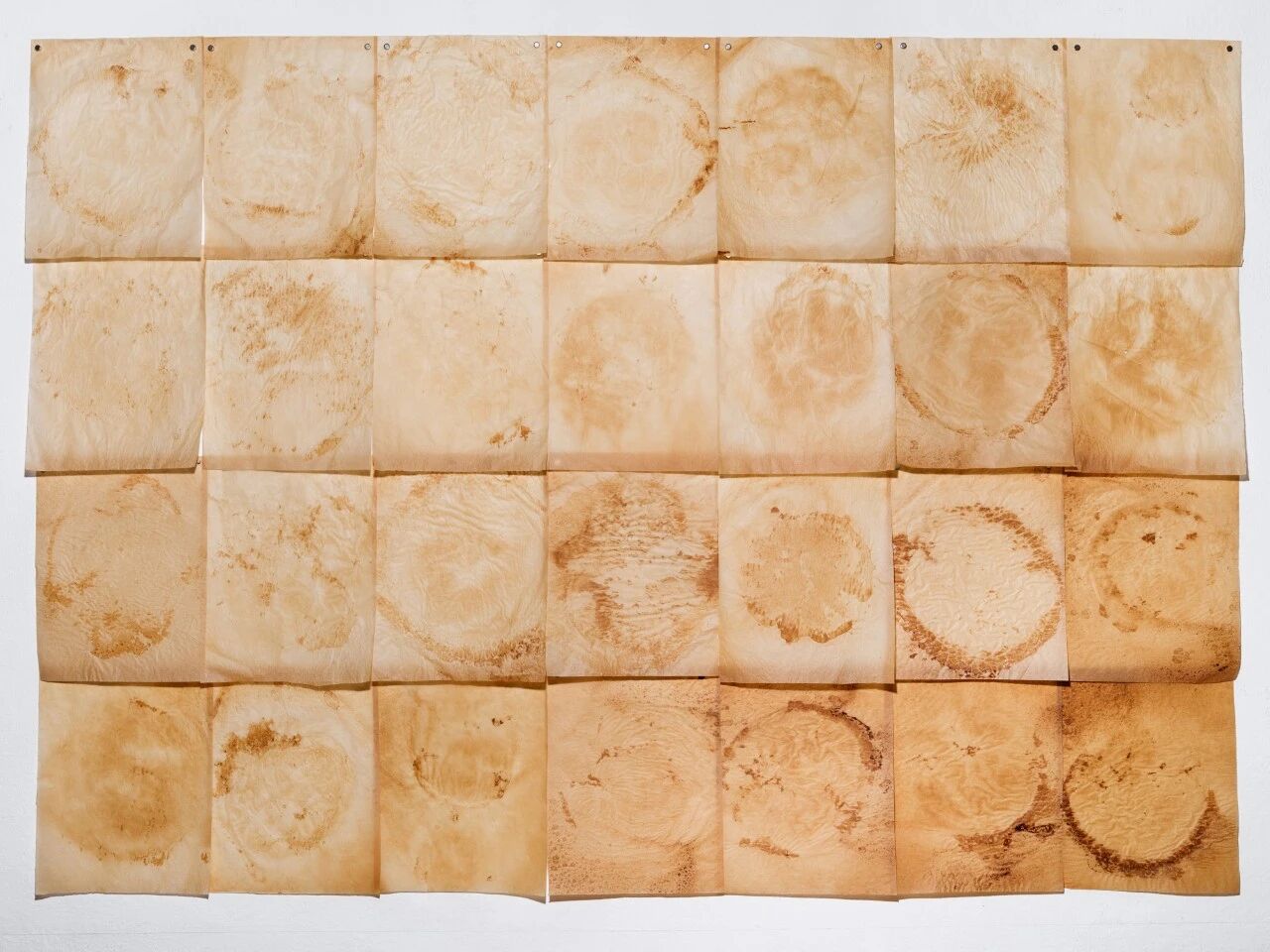
In selecting ingredients and providing microorganisms with the conditions they need to live, I have also gradually learned that fermentation must follow the seasons and adapt to local conditions: in winter, ferment tofu; in the first lunar month, brew wine; in the height of summer, make soy pastes and sun-dry white chillies; at the end of summer, pickle in a bran bed; and in spring and autumn, abundant fresh fruit and vegetables come to market, providing an unending source of inspiration and ingredients for lactic and acetic fermentation.
At the end of summer this year, I ran a two-city fermentation experiment with a friend in Hangzhou. She was feeding her sourdough in thirty-odd-degree heat, and the starter was sluggish and wilting, yet she turned out sweet fermented rice effortlessly. I was nurturing a qū at twenty-three degrees indoors, and the qū either went off or dried out until it cracked—meanwhile, the sourdough I had been tending rather carelessly was growing vigorously, giving me many a good loaf.
The seasonal nature of fermentation has reawakened my sensitivity to the changing of the seasons and the produce of each one, making me more attuned to shifts in temperature. At the same time, these comparative experiments with friends in different places have deepened my appreciation of the particular qualities of each region. And discovering how similar fermentation techniques develop along different paths and produce different aesthetics and flavours in different cultures is a pleasure all its own in cross-cultural fermentation practice.
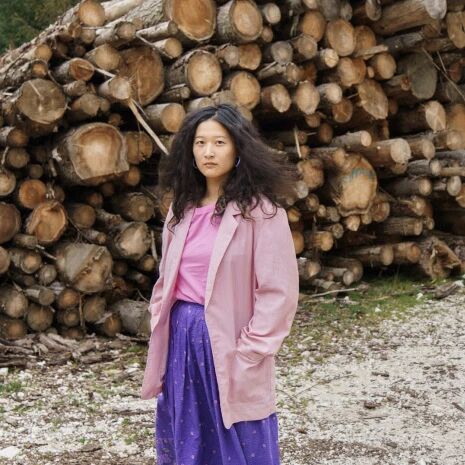
All images in this article are courtesy of the author.
Editor: Xiao Dan