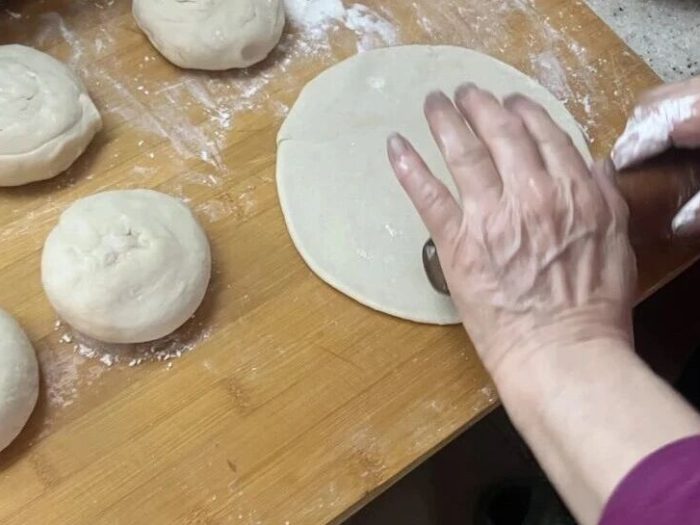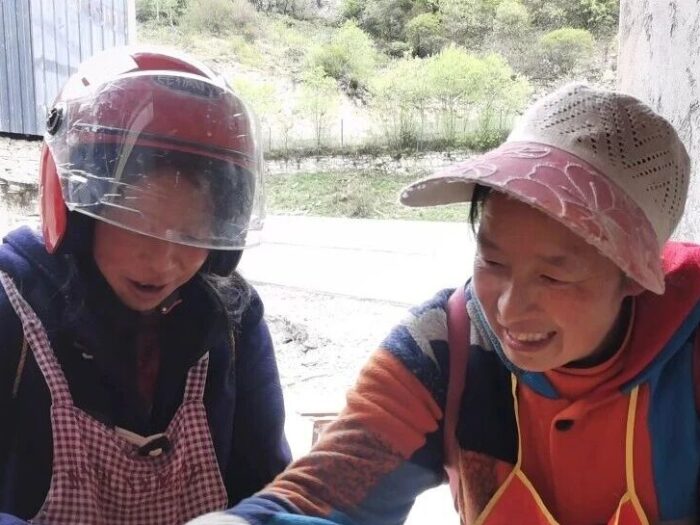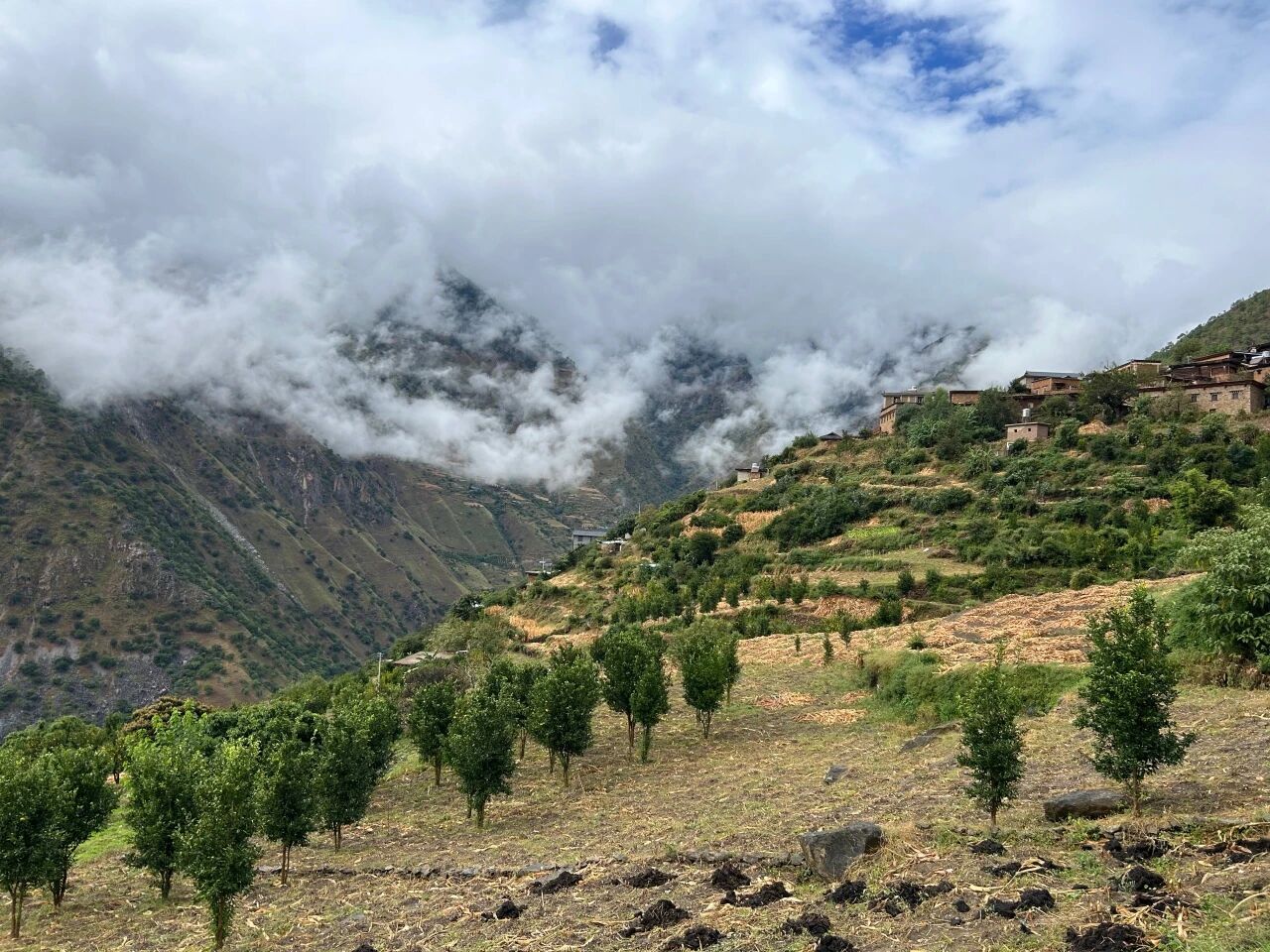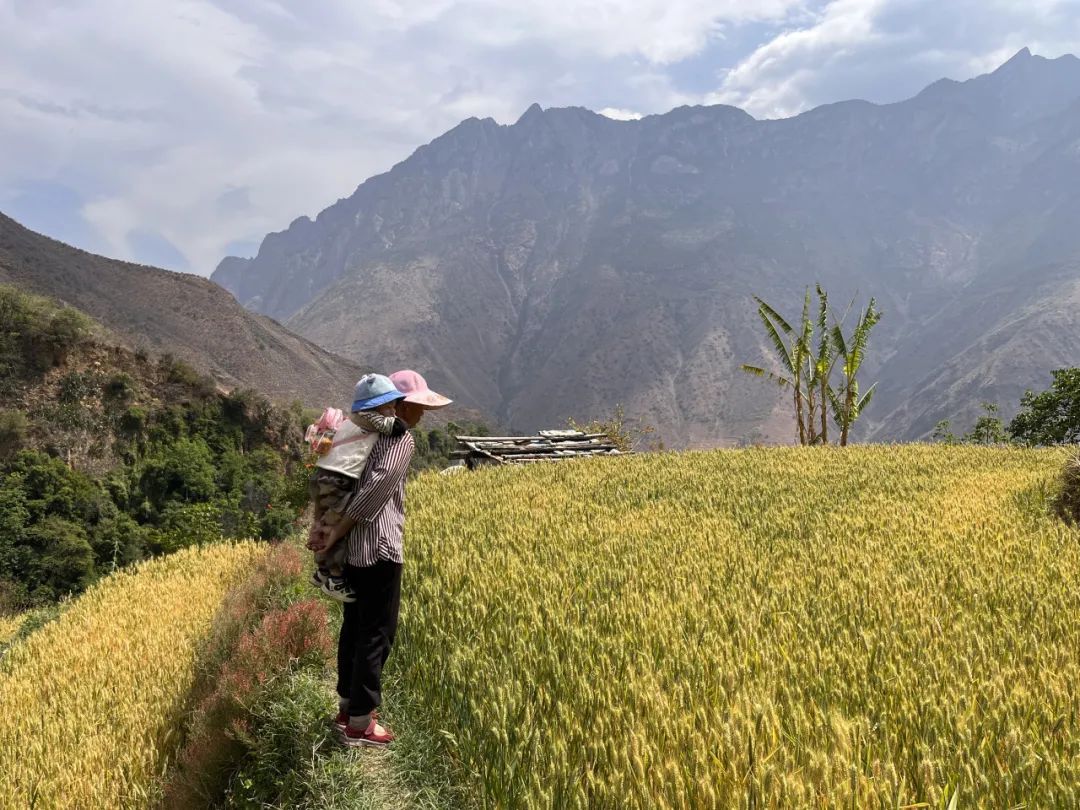
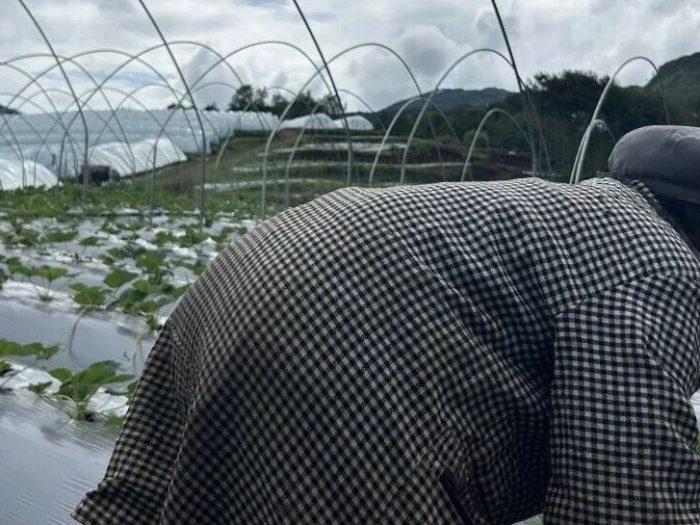
In Matu Town, Qiaojia County, Yunnan, left-behind mothers and middle-aged and older women bend over for ten hours a day in polytunnels, their muddy hands earning a 100-yuan daily wage. They treat this close-to-home work as a livelihood fallback, trying to win back some freedom.
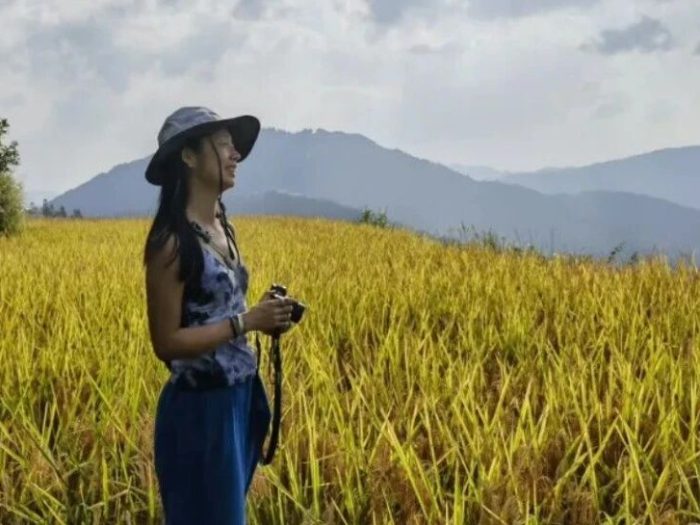
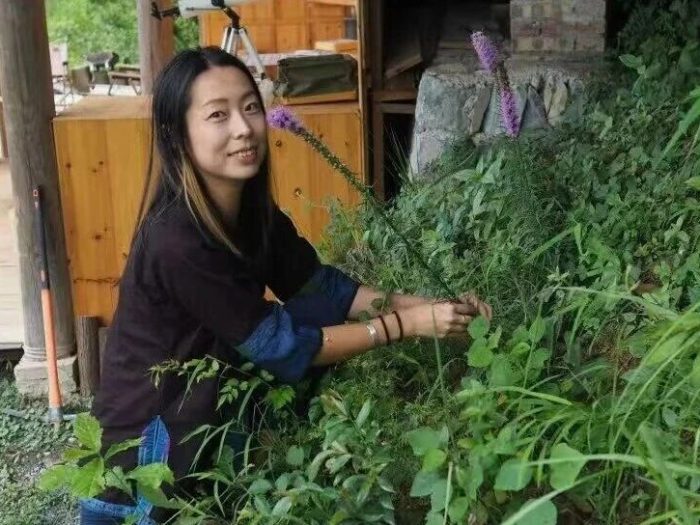
After living in the United States for eleven years, Chen Xi returned to Beijing and later put down roots in Yangdong Village, Liping County, in Guizhou’s Qiandongnan region. Over seven years, Chen Xi built a wooden house, planted old rice varieties, and established the first library for the village children.
In Beijing’s shared flats, employers’ homes and the weekend kitchen at the Beijing Hongyan Social Work Service Centre, female domestic workers Suying, Huirong and Qiuhua have their meal times squeezed by work and family; growing vegetables and eating together, they restate their hunger and needs.
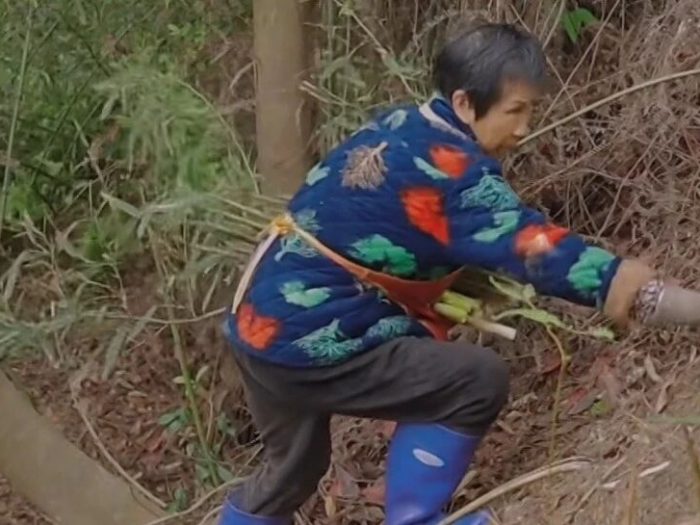
During the more than a month between Qingming and Grain Buds, in a mountain village in Hunan, Yang Xiuying and her fellow villager, Grandma Deng Lian, carry woven polypropylene sacks on their backs into bamboo groves, bring fresh bamboo shoots down the mountain, and then boil and sun-dry them into dried bamboo shoots; with village passenger services suspended and fewer companions making the climb, the elderly women still rely on this hard work for a meagre income and a measure of dignity.
Former consultant Chen Xi now organises clan members in Yangdong Village, Qiandongnan, to grow rice on terraced fields, preserving over 20 local varieties of rice and coarse grains, and has built a children’s library through charity sales of purple rice.
Inspired by solo fruit farmer Li Baolian in Lishan, Taiwan, sixty-something Grandma Kouzi runs a one-person farm in Evil Man Valley. By year five, she is self-sufficient except salt and has calculated building and self-sufficient living costs of 100,000-plus to 500,000 yuan under different conditions.
In Youmi Village, north-west Yunnan, left-behind women, including Yuting and Ga Tu, are trialling water-saving upland rice. The NGO Farmers’ Seed Network, through Jinghong-based restaurant owner Haimei, found an old Jino variety, Sickler Rice, from Xishuangbanna, leaving a spark for staple food and rice-growing culture.
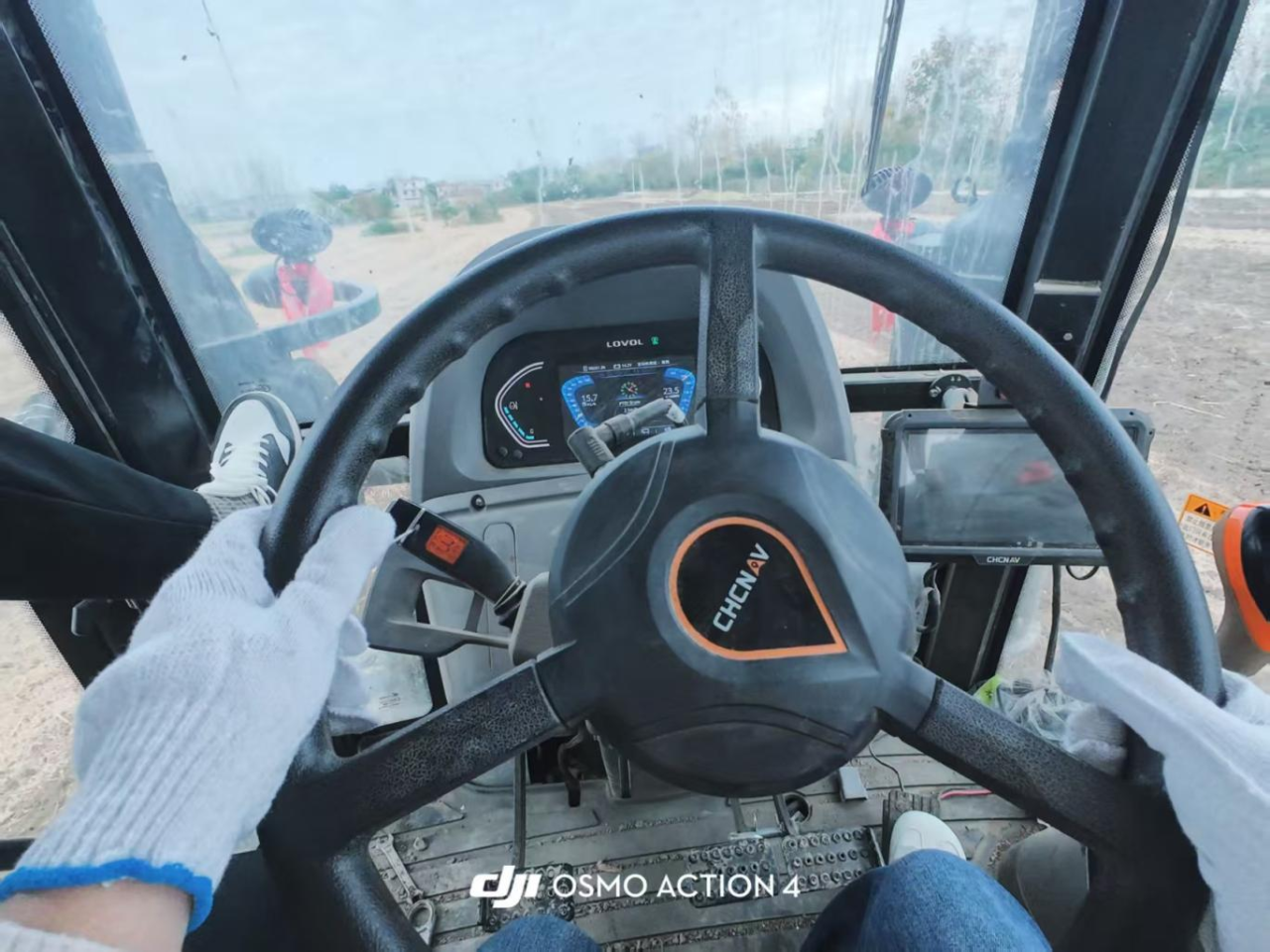
At the free agricultural machinery training in Fuyang, Anhui, Wu Ting, born in the 2000s, learned to drive tractors, combine harvesters and drones. She saw female trainees hesitate, assuming that only men can drive them, and older agricultural machinery operators’ urgency to update their skills.
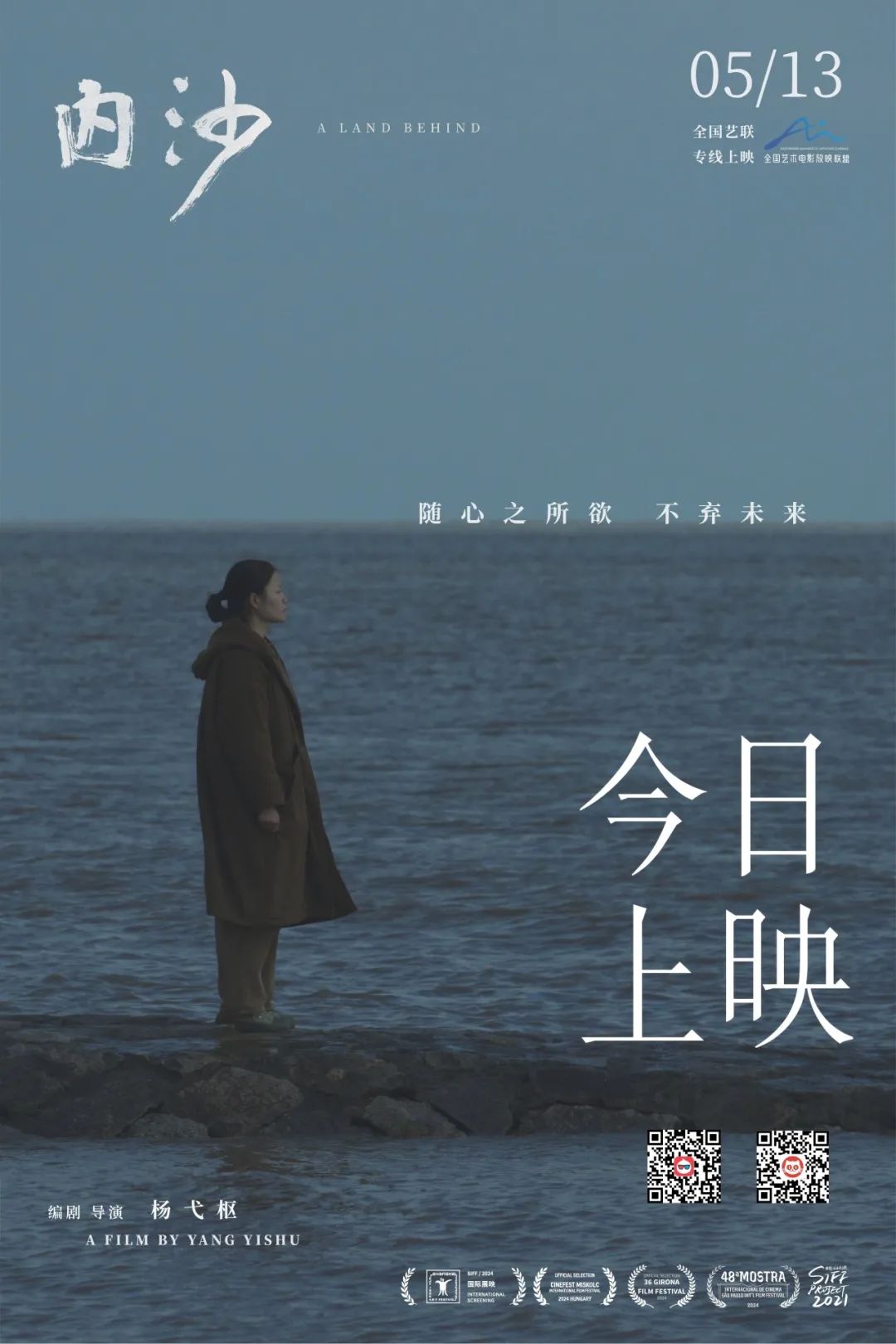
The film *Nei Sha* opens with an immediate explanation of its title. On the banks of a reed bed in winter, Teacher Tang, an organic farmer, explains to a visiting professor: this is the mouth of the Yangtze River, where shifting sands have deposited over time to gradually form islands.…
Editor’s Note I first met Jiang Ziqi at a book fair in Hangzhou in 2023, where she invited the Farmer Seed Network to give a talk on seed saving. At the time, I learned that she and some of her partners in Hangzhou cultivated their own small vegetable gardens and…