

Handing out tomato pasta on the streets of Rome and campaigning for raw-milk cheese at the Bra Cheese Festival, he turned food into a political issue of land, ecology and producer pay, while also drawing elite criticism.
Species protection, ecosystem change, and habitat loss.
Handing out tomato pasta on the streets of Rome and campaigning for raw-milk cheese at the Bra Cheese Festival, he turned food into a political issue of land, ecology and producer pay, while also drawing elite criticism.
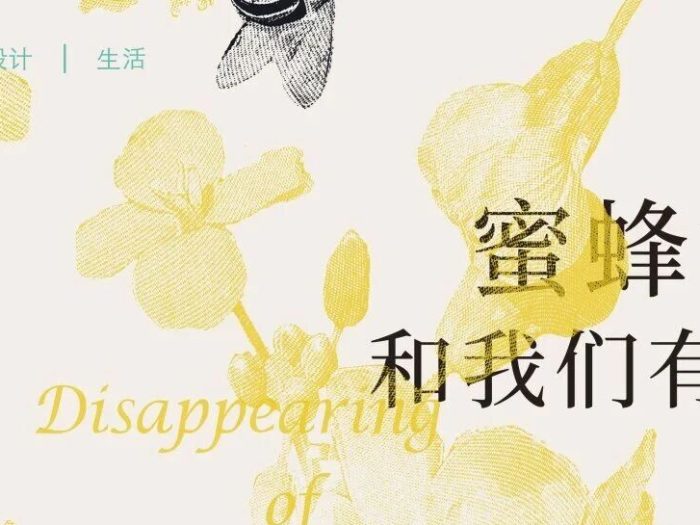
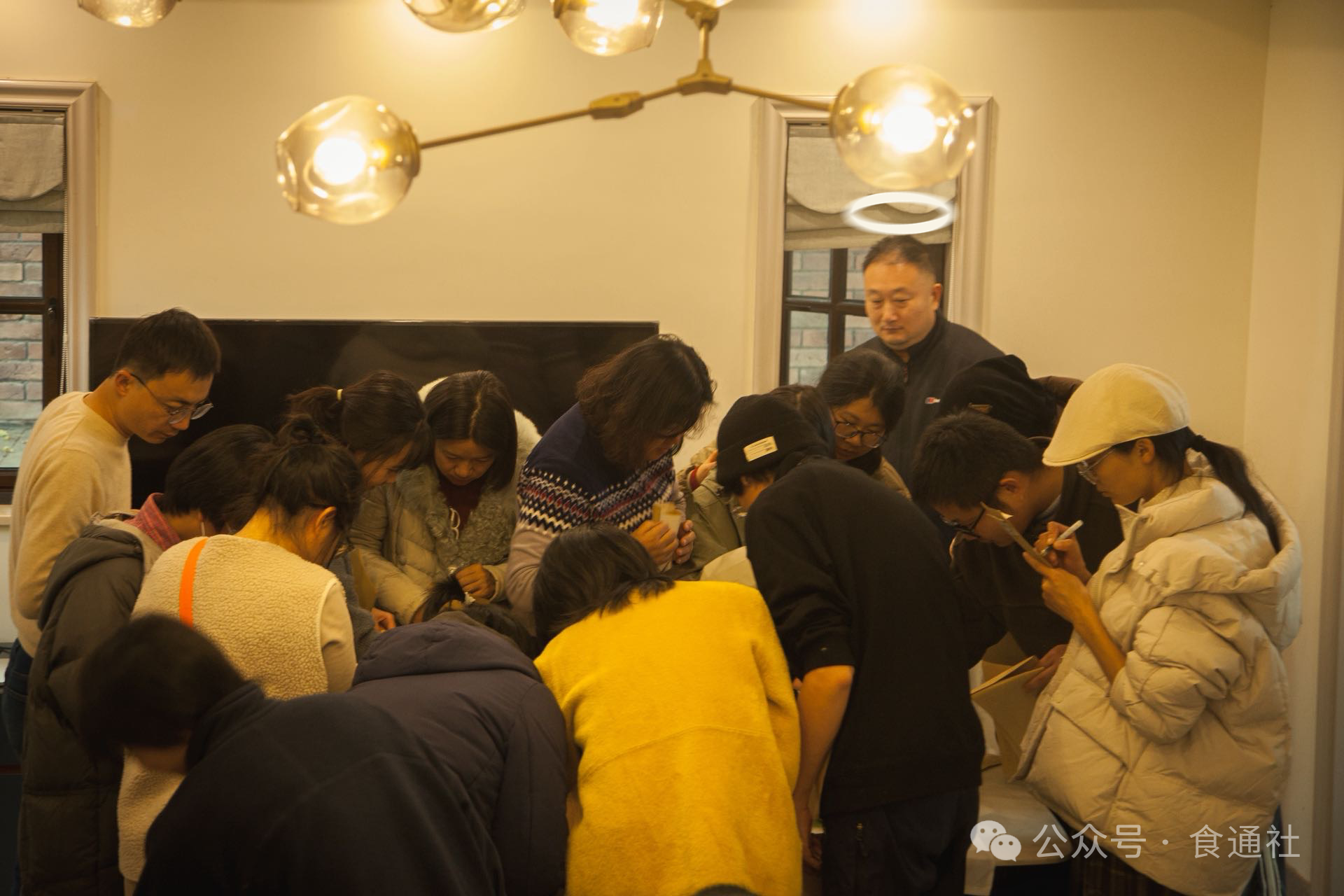
On the afternoon of 31 May, Foodthink invited Professor Lü Chensheng of Harvard University to the DT51 Bookstore in Beijing to discuss how neonicotinoid pesticides enter soil, fruit and vegetables, and the human body, and how seed companies influence agricultural policy, with in-person registration open and an online livestream available.
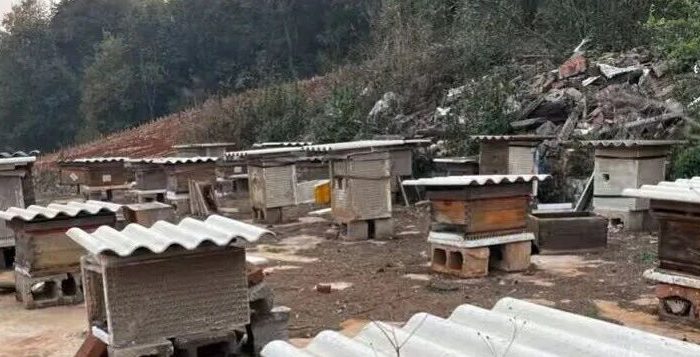
This year, during the oilseed rape flowering period, after drone spraying, nearly all honey bees died in many areas; beekeepers said they had not been notified. Without pollinating insects, average fruit crop yields in China would fall by 40%, while vegetable yields would fall by 30%.
Harvard University professor Chensheng Lu, beekeeper Kenneth Walhoer and insect toxicologist Richard Kalahan tracked empty beehives, finding that sustained ingestion of low doses of neonicotinoid insecticides damages honey bees’ mitochondria and that seed coating allows pesticides to enter the environment, ultimately triggering bee colony collapse.
After Guan Qi’s unexpected passing on a business trip in Qinghai, several friends and colleagues recall this core figure in the Farmers’ Seed Network. Their memories span traditional seed conservation, document sharing, craft beer and local specialities, and show why he is deeply missed.
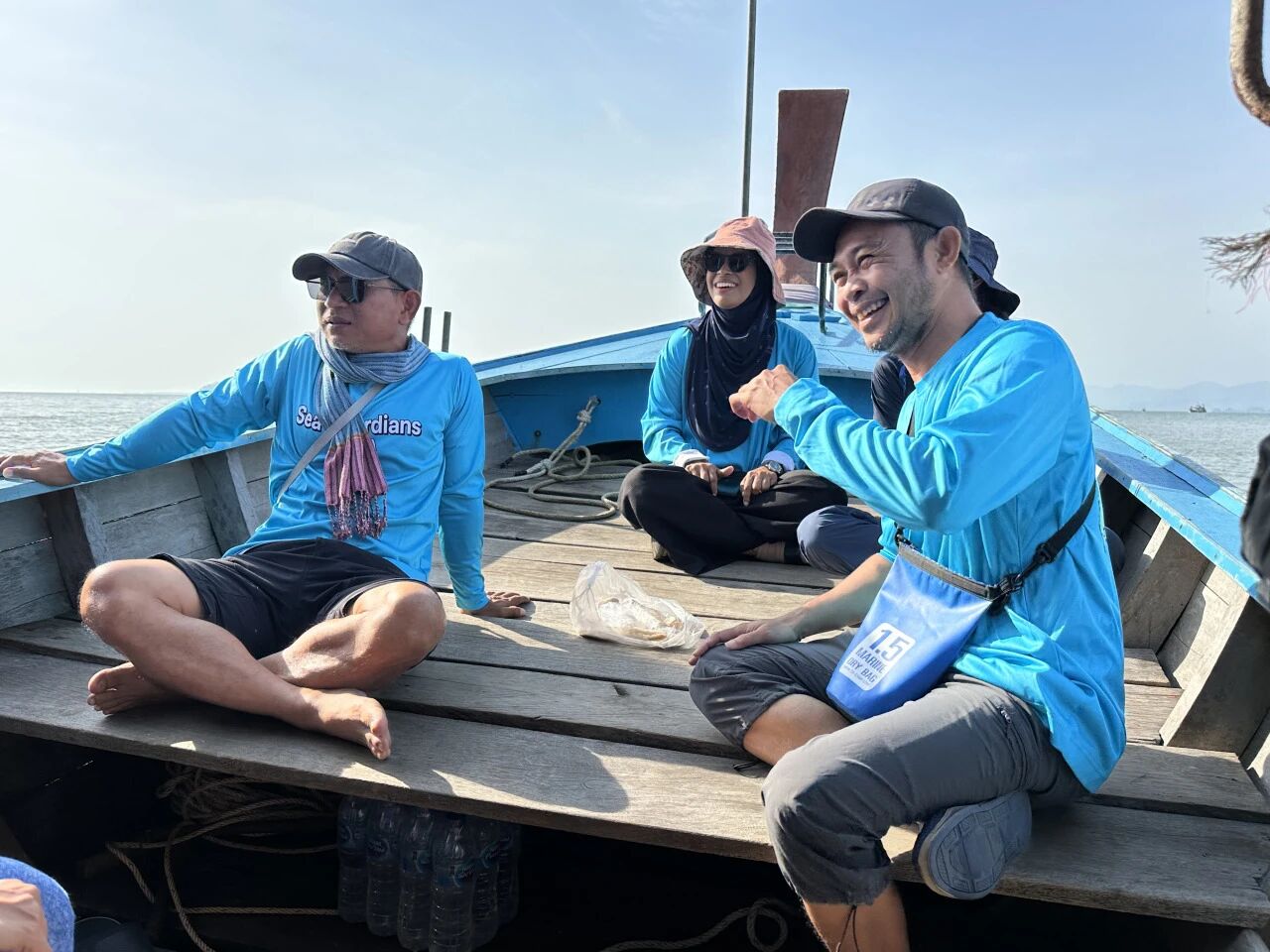
From gathering shellfish in mangroves to guiding tours in a national park, southern Thai fishers are turning resources in community conservation areas into a restaurant, a processing group and tourism income, so that protecting seagrass beds, fish havens and more can also support families.
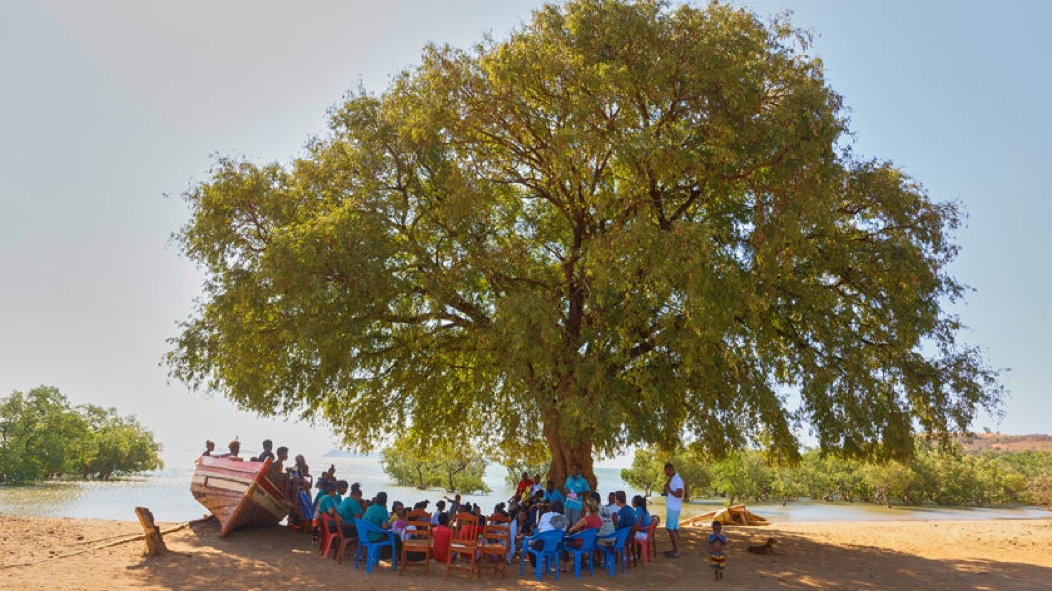
In fishing villages on Thailand’s Andaman Sea coast, fishers and environmental organisations such as the Save Andaman Network use community-managed conservation areas to protect mangroves, seagrass and blue swimming crabs, while resisting dredging works and carbon sink projects that erode resources and livelihoods.
From Trang Province to Satun Province, fishers’ associations and grassroots NGOs are working together to establish community conservation areas. They combine anti-trawling action, patrols and fisheries-legislation advocacy to balance conservation and livelihoods, and are now planning a response after the fine-mesh provision was approved.

Crop Migration, co-authored by four agricultural historians, including Francesca Bray, presents the migration of crops and the expansion of plantations, bringing into view the ecological costs of large-scale agriculture and the wisdom of care in China’s agricultural traditions.
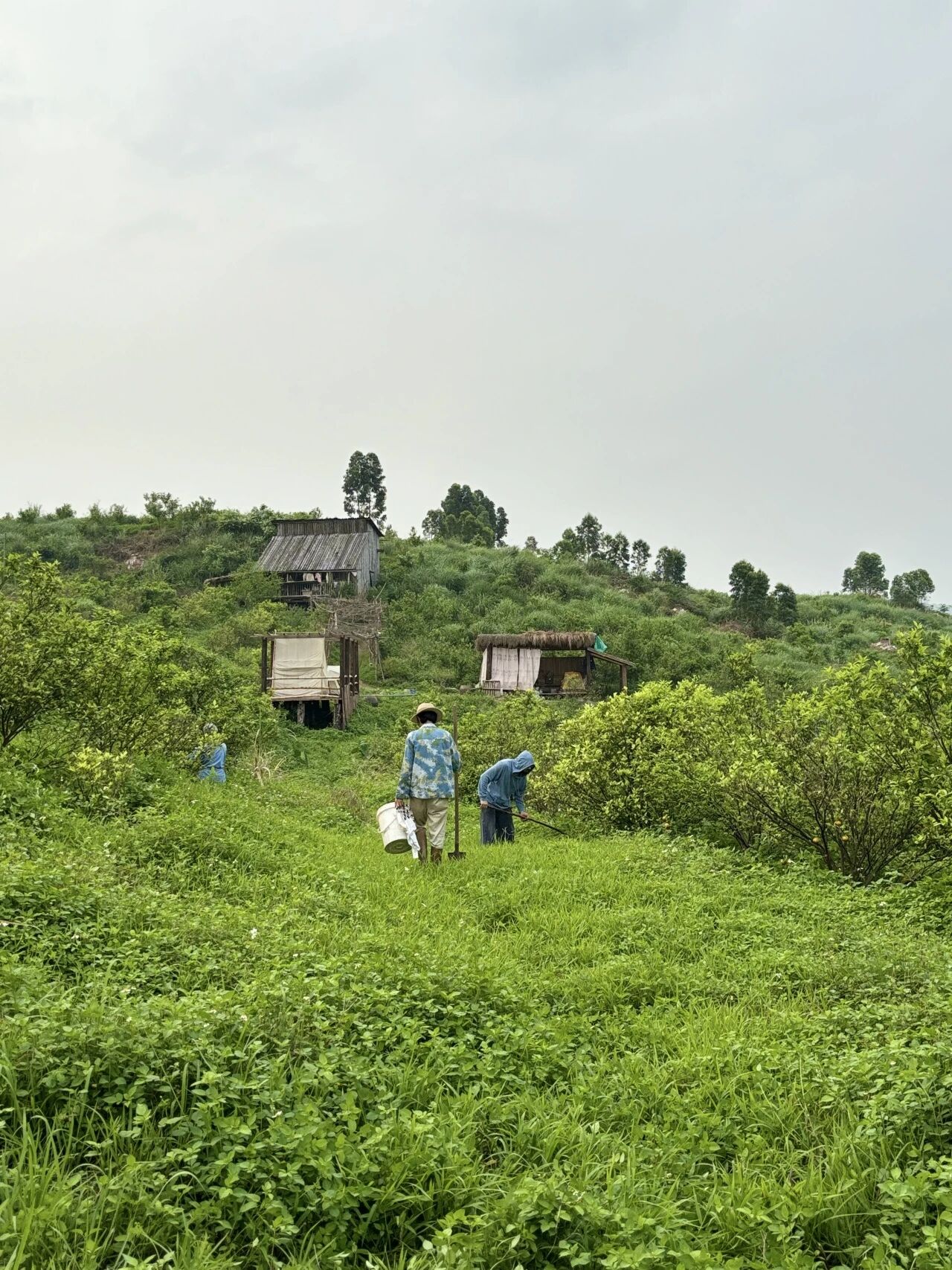
At more than ten ecological farms visited by Foodthink, weeds are not just cleared away. They are clues to the land’s condition, take part in ecological restoration, and distinguish one farm’s practice from another.