
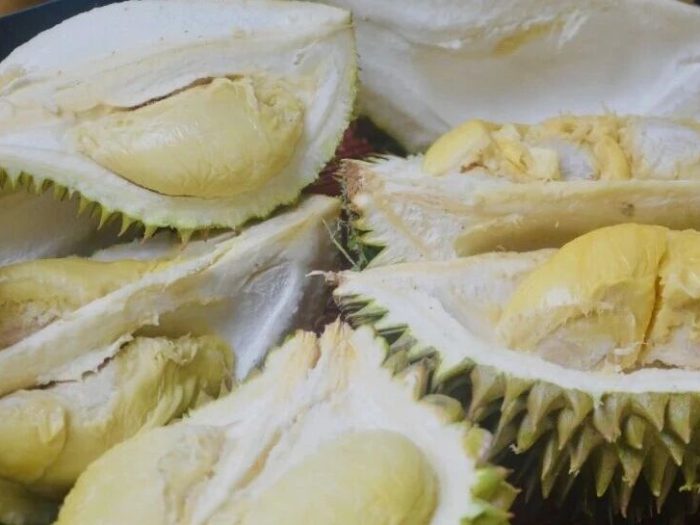
In Fulu Shanbei, Penang, durian tours take visitors in search of old-tree kampung flavours, while an exceptional harvest leaves orchard owners facing a price crash and the tree-ripened debate.
Cross-border food and grain trade, import/export policies, and global market impacts.
In Fulu Shanbei, Penang, durian tours take visitors in search of old-tree kampung flavours, while an exceptional harvest leaves orchard owners facing a price crash and the tree-ripened debate.
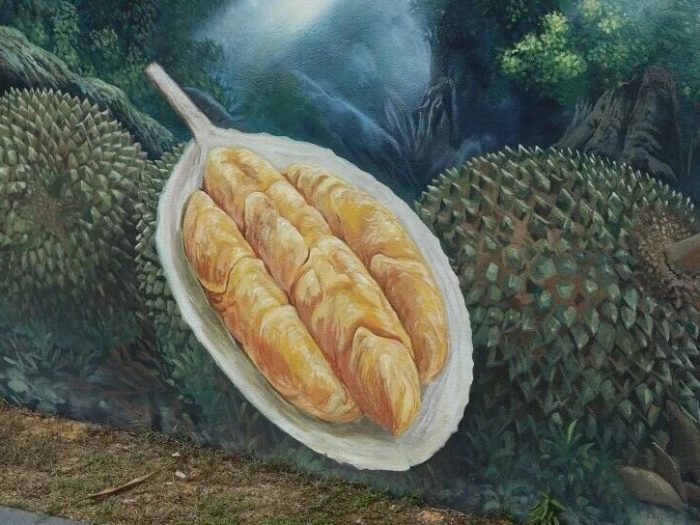
On the eve of fresh Musang King durians entering China, from orchards in Johor and Pahang to Muar’s wholesale point and LKE Group’s investment pitch meeting, Chinese demand is changing picking, exports, frozen processing and investment in durian trees.
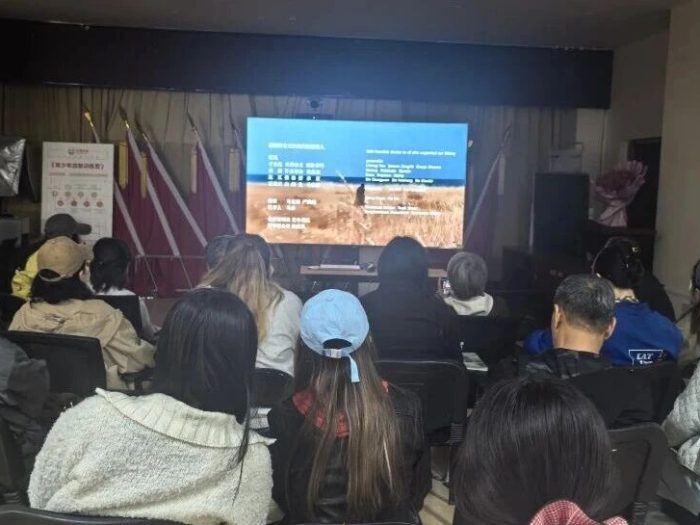
Following the Urumqi screening of the documentary “Whose Table, Whose Pasture”, Xinjiang universities, ecological organisations and animal husbandry experts discussed the impact of imported frozen meat on pastoralists’ livelihoods, grassland carrying capacity and food systems.
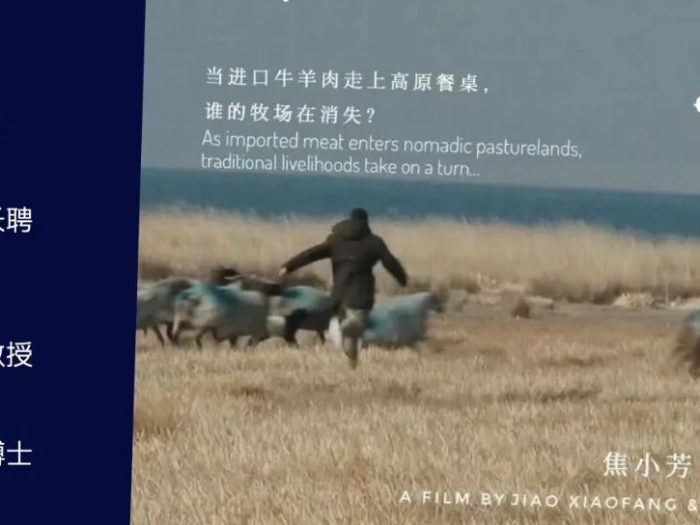
On 12 June, Foodthink will screen the award-winning documentary “Whose Table, Whose Pasture” at Zhejiang University and invite experts from Zhejiang University’s Department of Sociology to discuss the impact of imported beef and mutton on the livelihoods of pastoralists in Qinghai and on food systems. Scan the QR code to sign up for free.
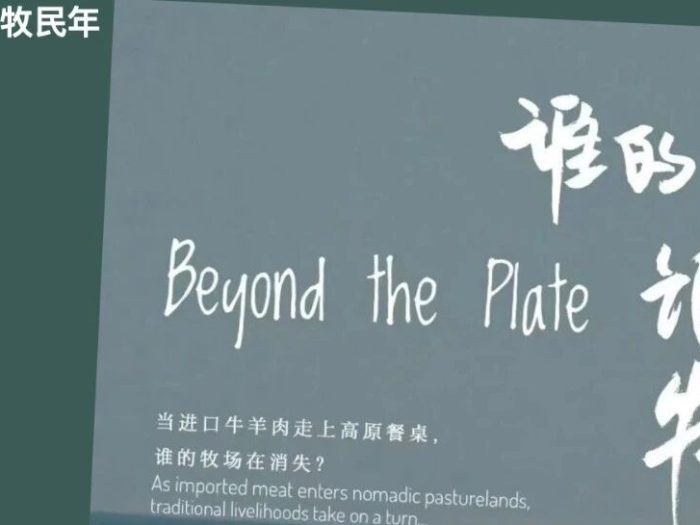
On 26 May 2026 at 19:00, Foodthink will screen “Whose Dining Table, Whose Rangeland” in Nanjing, a documentary tracing how imported frozen meat has driven down cattle and sheep purchase prices around Qinghai Lake and altered pastoralists’ livelihoods. Registration is free for Nanjing viewers.
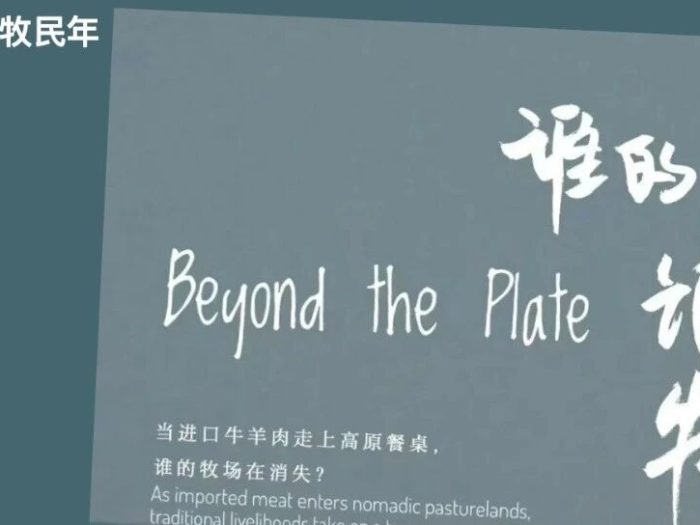
On 23 May at 16:00, Foodthink will screen the documentary “Whose Table, Whose Rangeland” at Yonghexiang Community, Tianshan District, Urumqi, with local organisations, institutions and guests in Xinjiang invited to share and discuss afterwards.
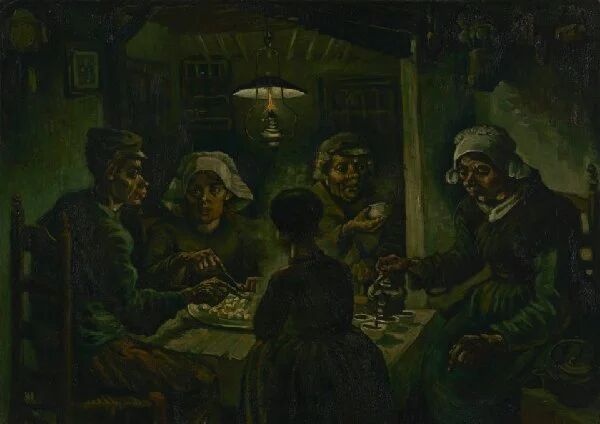
As the EU–Mercosur free trade agreement was about to be signed, EU farmers in Brussels hurled potatoes at the EU headquarters building, asking who should bear the costs of the grain-price shock and green transition; Chinese smallholder farmers also face a similar cost-sharing question.
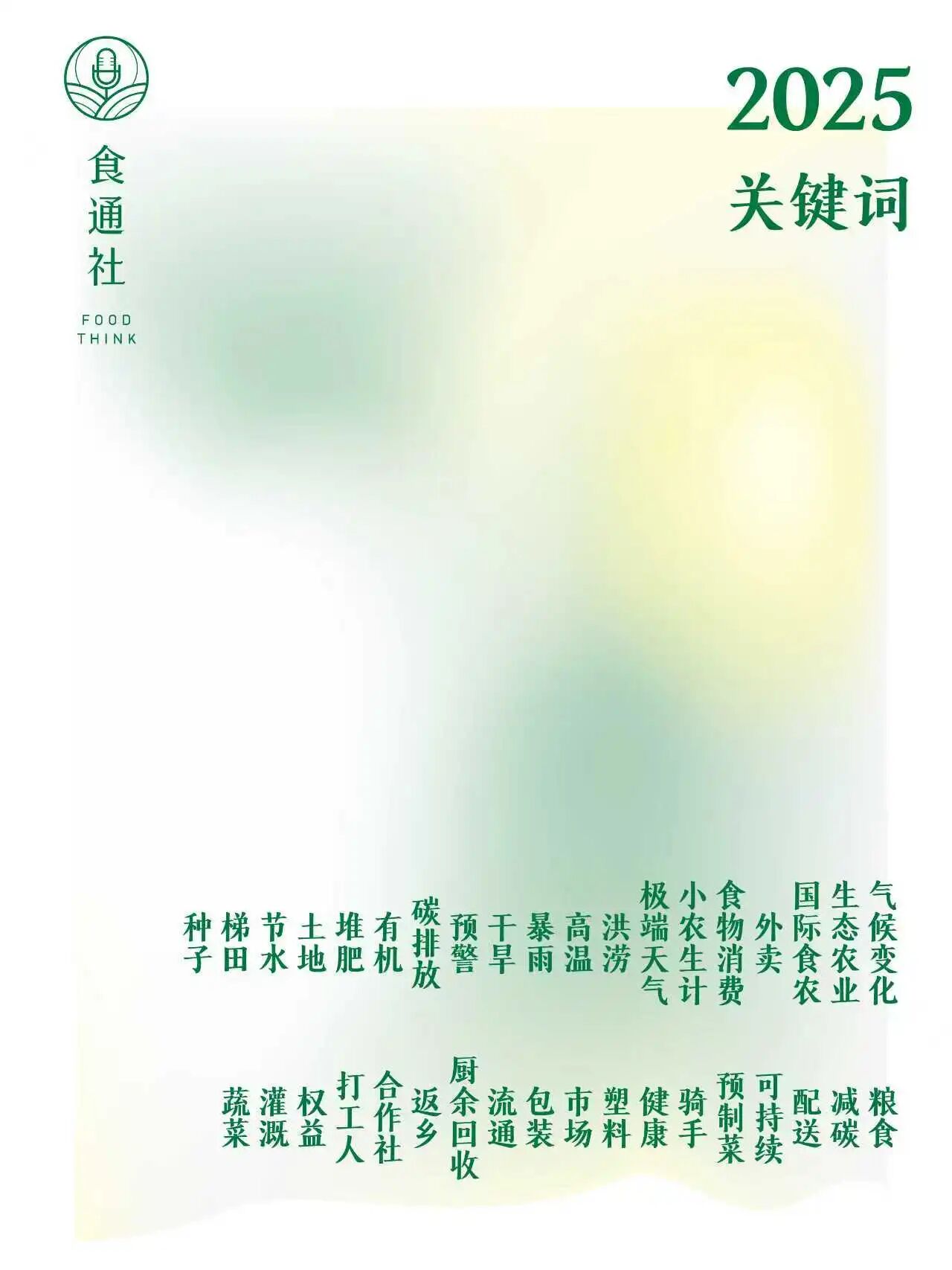
Food and farming media outlet Foodthink’s 2025 hot topics cover climate disasters, the food-delivery wars, imported meat, smallholders’ plight, returning home to farm, ecological agriculture and the pre-prepared food controversy.

Canned condensed milk and milk powder made perishable milk portable and shelf-stable; companies such as Borden and Nestlé sold them to colonies, mines and urban households, while ice cream and chocolate pushed demand even higher.
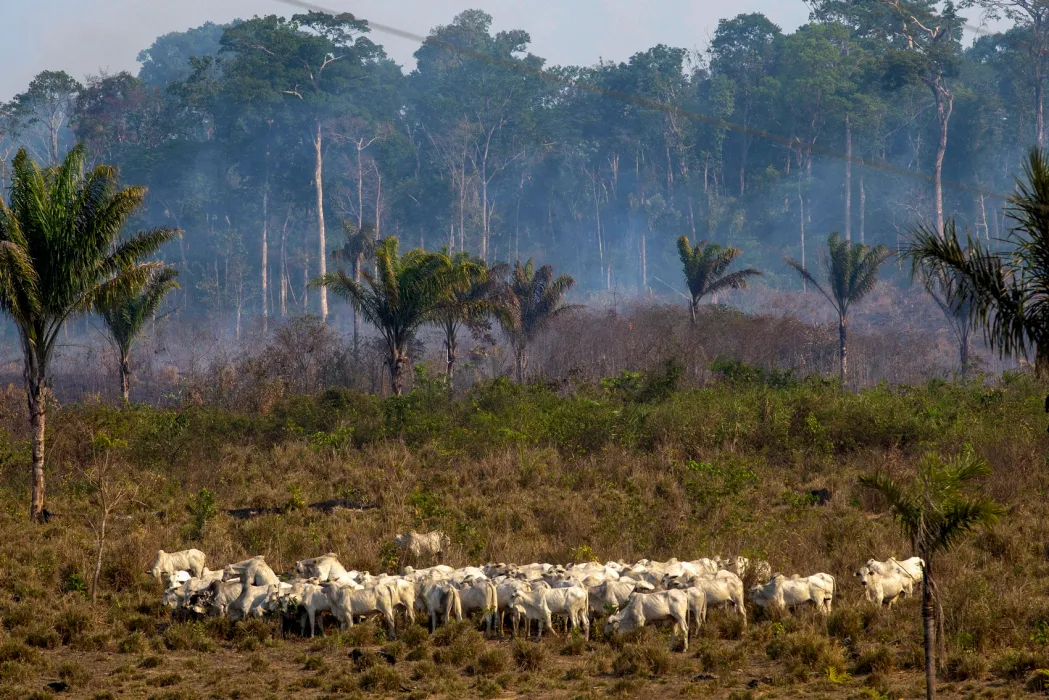
From the Qinghai-Tibet Plateau to the Amazon, imported Brazilian beef links herders’ livelihoods, price choices and rainforest deforestation. Chinese consumers argue over low prices and the environmental cost.