
The Potato Throwers
Foodthink Says
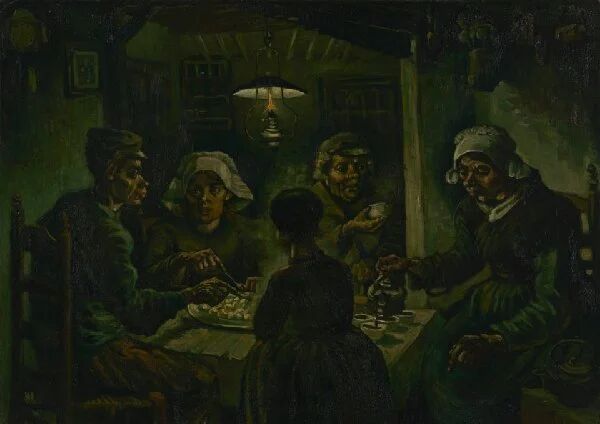
Last winter, at the Van Gogh Museum in Amsterdam, I saw Van Gogh’s celebrated painting The Potato Eaters (1885). In the dim, flickering light, a family is gathered around a table, eating dinner; on the table there is only a steaming plate of boiled potato chunks and a few cups of coffee.
The potato was once the emblematic food of European rural livelihoods and a symbol of the dignity of Europe’s lowest-working class. To this day, the potato remains one of the most important agricultural products in Europe. What Van Gogh sought to express through this painting was precisely this: “These people, eating potatoes by the light of an oil lamp, hoe the earth with the very same hands they plunge into the plate; and so it speaks of physical labour, of how they have honestly earned their food.”
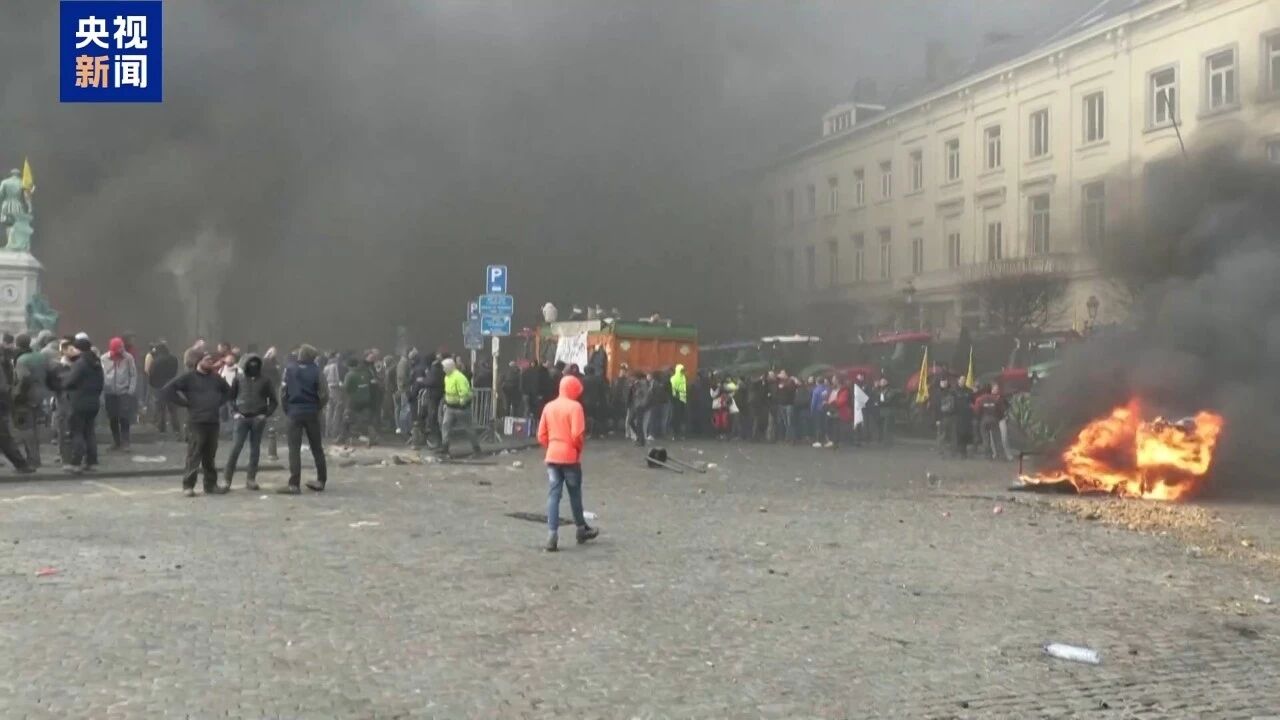
As I was leaving the museum, still savouring the painting, my phone suddenly lit up with a breaking-news alert: on the streets of Brussels, roughly 200 kilometres away, nearly ten thousand farmers from across the EU were staging a protest. And the “weapons” in their hands were potatoes grown in their own fields.
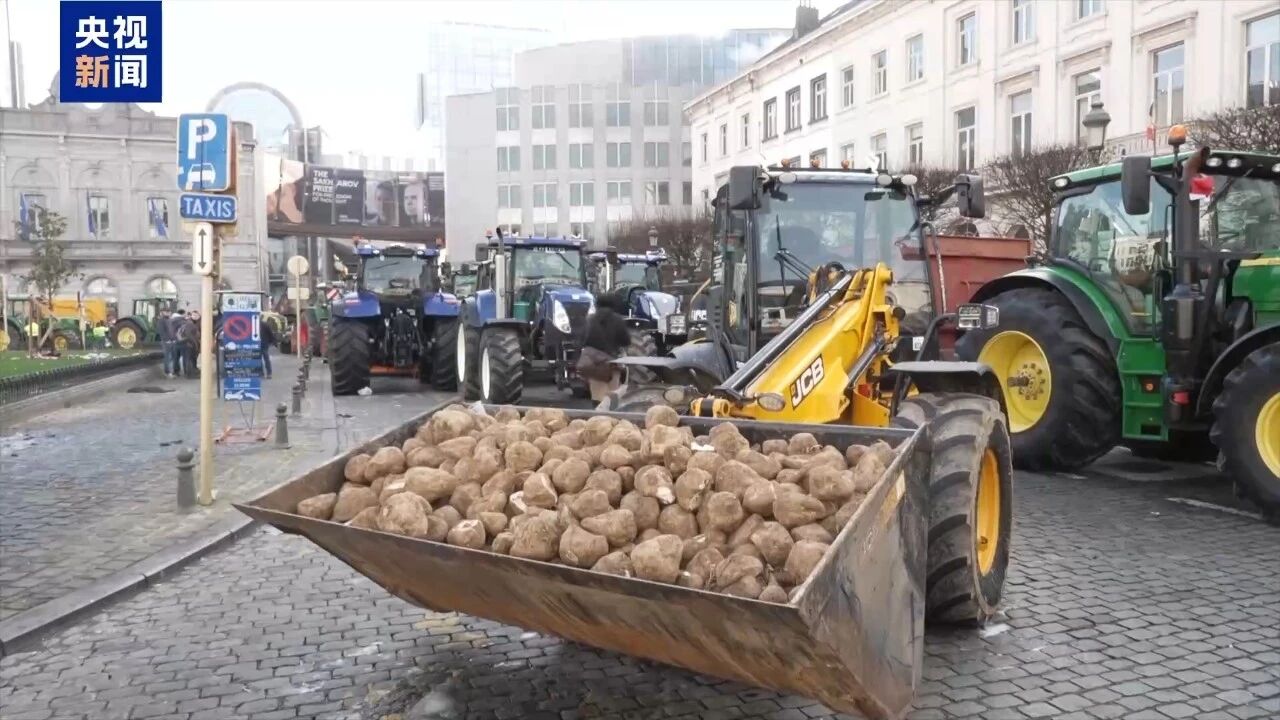
What unsettled EU farmers enough to take to the streets was the EU–Mercosur Trade Agreement, which was being discussed within EU headquarters at the time and was on the verge of being signed. Ever since negotiations on the agreement began in 1999, opposition and protests from EU farmers have shown no sign of abating.
Why have EU farmers opposed this agreement so fiercely and so persistently?
I. A Traumatic Memory of Grain Prices
This trauma began with the artillery fire over the Black Sea. After the Russia–Ukraine conflict erupted, Ukraine’s grain export routes via Black Sea shipping were disrupted, and shipments were redirected in concentrated volumes toward European inland countries. In response, the EU introduced “Autonomous Trade Measures” (ATMs) from June 2022, temporarily suspending import tariffs and quota restrictions on Ukrainian agricultural products. Although this measure was formally ended in June 2025, the earlier well-intentioned tariff removal had unintended consequences.
Because overland transport costs are higher, large volumes of Ukrainian grain, poultry and other agricultural products did not flow to more distant markets but instead sat in cheaper-to-reach Eastern European neighbours such as Poland and Hungary, where they were sold. The flood of low-priced agricultural products inevitably crushed local market prices in Eastern Europe, yet the EU failed to provide effective market protection or compensation.
During the recent farmer protests in Brussels, Polish demonstrators still cited in interviews: “Wheat prices in Poland have halved, falling from over 1,000 złoty a tonne to 600 złoty (note: approximately 1,300 yuan at the time), and it is not just wheat—poultry, honey and many other agricultural products are affected as well.”
This EU market-opening policy, triggered by the Russia–Ukraine conflict, dealt farmers not just an economic shock but a crisis of confidence. Beyond the volatility in market prices, what infuriated and disheartened farmers most was the slowness and ineffectiveness of the EU’s post-crisis rescue mechanisms.
Quite rightly, then, when the EU–Mercosur Trade Agreement emerged on the horizon, what EU farmers saw was not opportunity but the fear of history repeating itself—a foreseen “market invasion” on a larger scale, at lower cost and under looser rules, than the Ukrainian grain inflow.
II. A Double Standard on Environmental Protection
Negotiations began in 1999 and have spanned more than 25 years. In the early stages, the EU’s high environmental standards and Mercosur’s protection of its domestic industries created wide divergences between the two sides. Although negotiations made progress on several occasions, they remained deadlocked on “environmental protection” and “agriculture.”
In the past two years, the global geopolitical uncertainty brought by the United States has, paradoxically, accelerated the urgency of signing the agreement. Although multiple rounds of farmer protests had previously delayed the signing, this time resistance fell short. The agreement was formally signed on 17 January 2026 in Asunción, the capital of Paraguay, but it still requires approval by the European Parliament and deliberation by the parliaments of each Mercosur country before it can formally take effect.
For EU farmers, this is far more than an ordinary trade document. On the agricultural front, under the agreement the EU will open up 82% of tariff lines on all imported agricultural products in exchange for Mercosur applying tariff reductions on 91% of high-value-added EU products (such as cars and machinery). The core of this negotiation is the EU using agricultural market access as a bargaining chip to prise open room for growth in its dominant industrial sectors.
Once the agreement takes effect, the main arteries of the EU’s agricultural economy—grain, livestock farming, and so on—will be hit first, and European agriculture will suffer severe damage. This has been the primary trigger behind the multiple rounds of EU farmer protests in recent years.
Argentina, Brazil, Paraguay, and Uruguay are all major livestock-producing nations. What worries EU farmers most is beef from these core Mercosur member states. The agreement has even been vividly dubbed “Cars for Beef.”
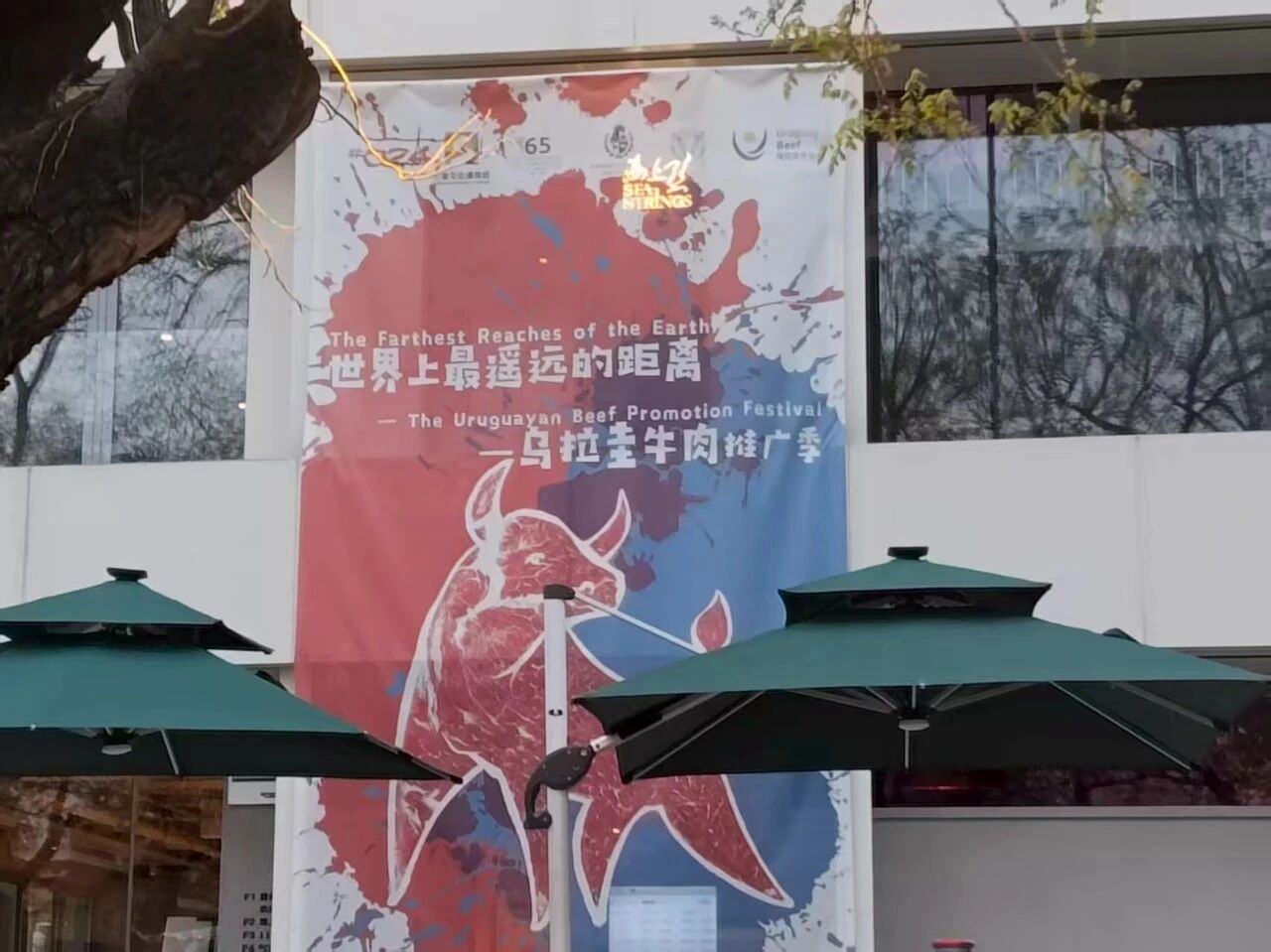
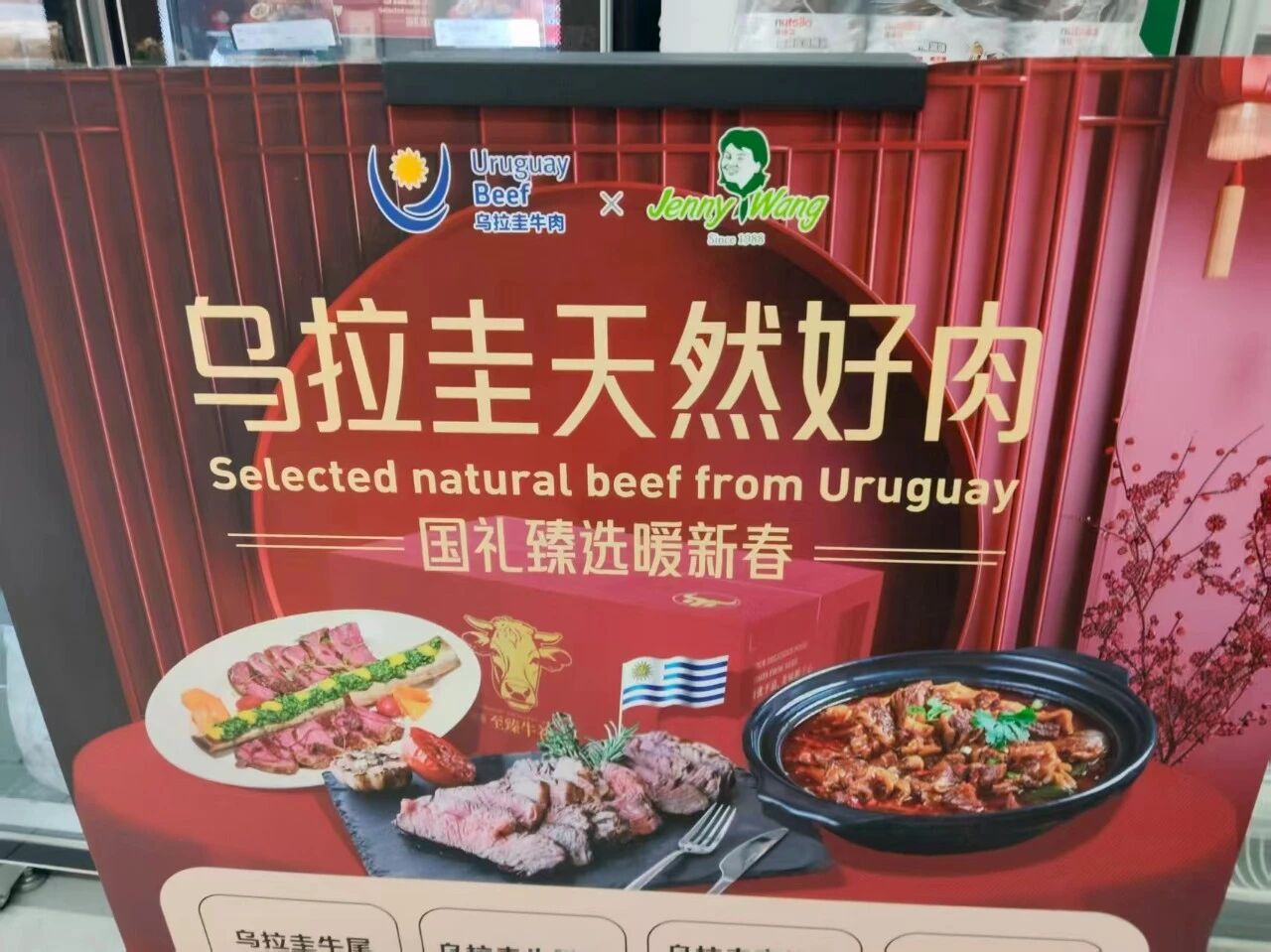
To quell the opposition of farmers in EU member states such as France and Poland, the EU insisted in the agreement that strict quota management be applied to the most sensitive agricultural products. For example, the annual beef quota is a mere 99,000 tonnes; within the quota, a preferential tariff rate of 7.5% applies, while above the quota, high tariffs remain in place. This volume is equivalent to roughly 1.5% of the EU’s own beef output and less than half of current import volumes from Mercosur. Similar quota restrictions apply to poultry, pork, and other products.
Yet this seemingly free and fair trade agreement, from the outset, stripped EU farmers of the ability to compete with Mercosur’s livestock sector, owing to the differences in production resources and standards between the two sides.
Behind Mercosur’s formidable livestock production capacity and export competitiveness lies an environmental and regulatory cost that is often overlooked.
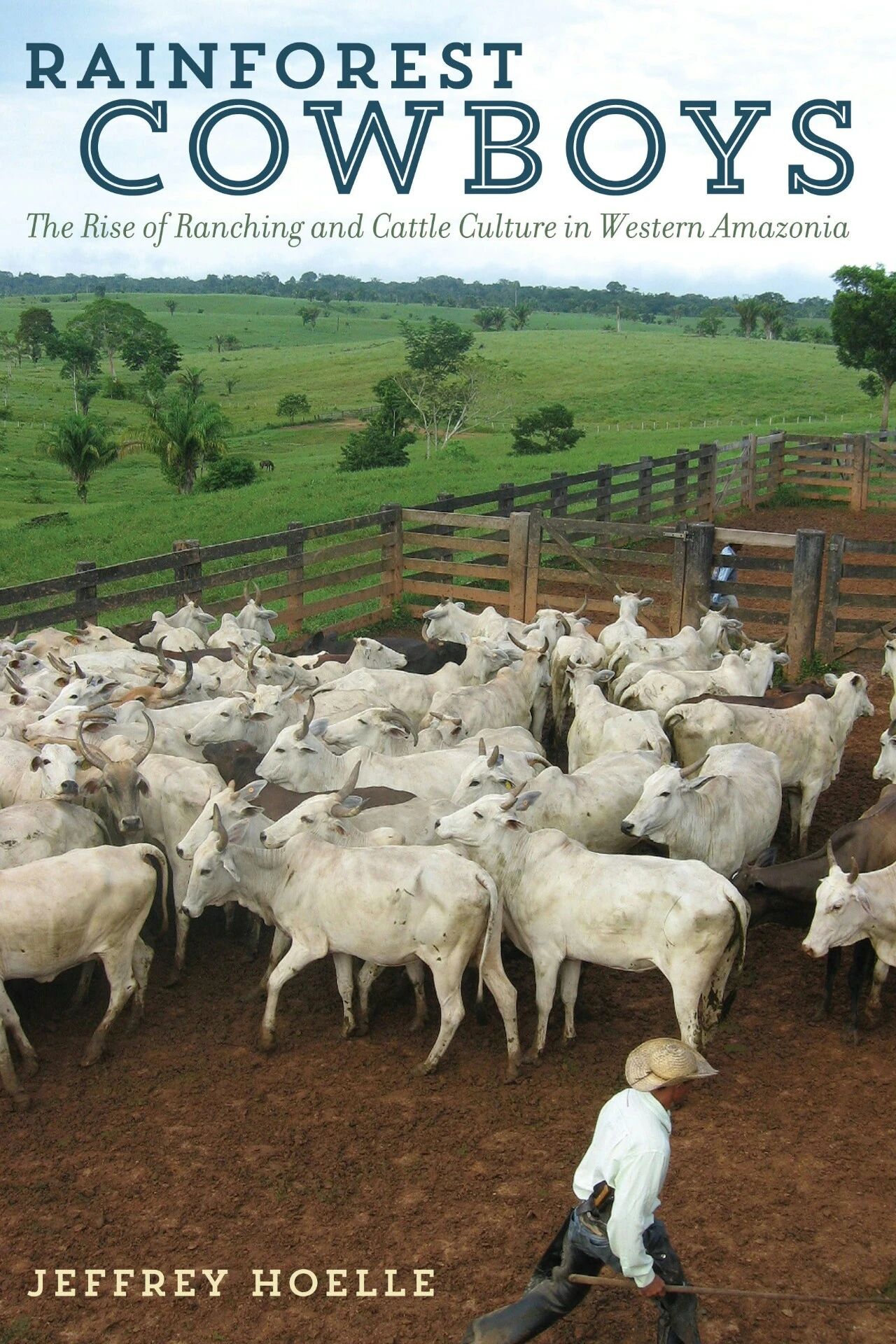
The price advantage of South American beef rests on the region’s vast ranchlands and enormous herd sizes, yet this natural endowment has been stretched to breaking point. In Brazil, roughly 70% of deforested Amazon land has been converted into cattle pasture. Beyond the expansion of grazing land, large-scale monoculture soybean cultivation for feed production is also eroding the biodiversity of the Cerrado savanna. Meanwhile, sustained deforestation and livestock activity generate enormous carbon emissions, further intensifying global climate change. In 2025, Brazil surpassed the United States for the first time to become the world’s largest beef producer.
III. The Noose of Green Agricultural Transformation
However, farmers will bear the high costs of this transition. They must invest in new equipment, switch to more expensive organic inputs, and leave portions of their land fallow in exchange for ecological payments.
Although the Common Agricultural Policy (CAP) channels subsidies back into the transition, practical problems such as ongoing disputes and long timeframes persist. The critical issue is that the subsidies the EU can provide are largely directed at sustaining support during the transition rather than upfront start-up investment. The World Business Council for Sustainable Development (WBCSD) estimates that initial investment runs to between €2,000 and €5,000 per hectare, with a payback period of up to nine years, and that even with subsidy support, farmers still face a funding gap. Moreover, on the goal of halving chemical pesticide use, research modelling has shown that transitioning grain and oilseed production to green agricultural methods carries a certain risk of reduced yields. Farmers are caught between environmental demands and the need to make a living.
More seriously, the distribution of subsidies itself is structurally skewed: data show that 80% of agricultural subsidies flow to 20% of farm operators. A subsidy policy tilted toward technologically advanced large enterprises makes it difficult for the small and medium-scale farmers who truly need help to benefit. And the market uncertainty brought by volatile energy prices and trade competition further undermines farmers’ confidence in pursuing the green agricultural transition, after all it is a long-term, high-risk investment.
IV. The Green Transition Cannot Be Shouldered by Farmers Alone
The core of EU farmers’ protests is not a rejection of agricultural transition but a demand to know who should bear the costs of that transition. When market liberalisation and high environmental standards advance simultaneously, costs tend to fall first on producers.
And this is not a dilemma unique to the EU. When “green agriculture” was first written into the Central Document No. 1 in 2016, the term “low-carbon agriculture” appeared for the first time in the 2026 Central Document No. 1. Chinese agriculture, too, has embarked on a path of transformation.
In February this year, a report titled “Green Agricultural Transformation in the Context of Chinese-Style Modernisation,” authored by experts and scholars from state institutions with the participation of multiple social organisations, observed that China has simultaneously pursued rapid agricultural modernisation and green agricultural transformation over a short period, producing a “parallel-track” effect in which traditional petroleum-based agriculture and green agriculture coexist, and a gap persists between the formulation and implementation of green agriculture policy. Among the different types of agricultural business entities, regions, and modes of operation, the pace and direction of the green transition vary considerably, displaying marked diversity. At the same time, tensions exist between standardised large-scale agriculture and diverse smallholder farming during the transition. China also faces challenges of a large population, rising consumption demands, and scarce per-capita resources.
When policy ideals reach the fields, can “green” truly become a choice that is affordable, comprehensible, trustworthy, and sustainable for farmers? Or will it again become a passively received task?
In actual production, green agricultural inputs are far more expensive than conventional products. Fully biodegradable mulch film, for example, often costs more than twice as much as ordinary mulch film, and the procurement and transport costs of organic fertiliser rise year on year. For smallholder farmers operating in fragmented holdings, this means a sharp increase in individual input costs.
Yet against the backdrop of low grain prices and limited arable land, farmers have long grown accustomed to a single-minded “high-input, high-output” model of yield growth. On one side there are fertilisers and pesticides, which deliver results almost overnight—visible within the same growing season; on the other, the green transition demands a long wait, with returns not visible for at least three to five years. Faced with the questions of food security and livelihood, farmers have virtually no room for hesitation.
At the same time, the green agricultural transition faces barriers in technology extension. How to break dependence on chemicals, how to improve yields and quality through soil management, and how to master complementary cultivation techniques all require systematic, experience-based guidance. Farmers’ own capacity to absorb new methods varies widely. In particular, the current backbone of grain farming—guided over the years by agricultural-input dealers and policy incentives to rely on chemical fertilisers and pesticides—has, in a sense, been “deskilled.” Rebuilding their ability to farm in an ecologically green way is a formidable challenge.
On the road to green agricultural transformation, Chinese farmers face not only challenges in frontline production but also “invisible” hidden costs. When straw burning was banned in a blanket “one-size-fits-all” manner, the environmental pressure appeared to ease, but the labour and machinery costs of straw management were shifted onto individual farmers, with no corresponding compensation mechanism in place. On this thorny issue of straw disposal, many localities have begun exploring different solutions, moving toward collaborative mechanisms guided by government and involving market participation.
Even so, a deeper problem persists: the green transition is far more than a question of technology and subsidies—it is a question of how returns are structured.
In the current agricultural product market system, a stable premium mechanism for green products has yet to fully take shape. The signal that consumers are willing to pay more for “green” is often diluted layer by layer through the distribution chain, making it difficult for the signal to reach producers precisely. Farmers bear the upfront investment and risk directly, yet they are not guaranteed stable market returns. As a result, green agriculture in practice remains in a situation where policy drive outweighs market drive.
Beyond this, the generational structure of producers is also shifting. New-type agricultural business entities, represented by the “new-type farmers,” are more aligned with the long-term value of ecological agriculture, more willing to embrace and proactively learn new technologies, and better positioned to access policy subsidy information. Yet they too face practical difficulties: high land transfer costs, limited access to financing, and unstable scale of operation. By contrast, older generations of farmers bring rich experience but tend toward prudence and caution.
Therefore, the key to the green agricultural transition may lie not in how advanced the ideology is, but in whether it is possible to build a “risk-sharing, benefit-sharing” mechanism with the participation of government, producers, enterprises, and consumers alike. If costs appear only at the production end while returns remain locked in the distribution chain or on the pages of policy documents, the transition will inevitably be accompanied by rupture.
The “potato shells” hurled down Brussels’s streets remind us that any structural transformation must answer the same question:
How exactly should the costs of idealism be equitably distributed within the system?
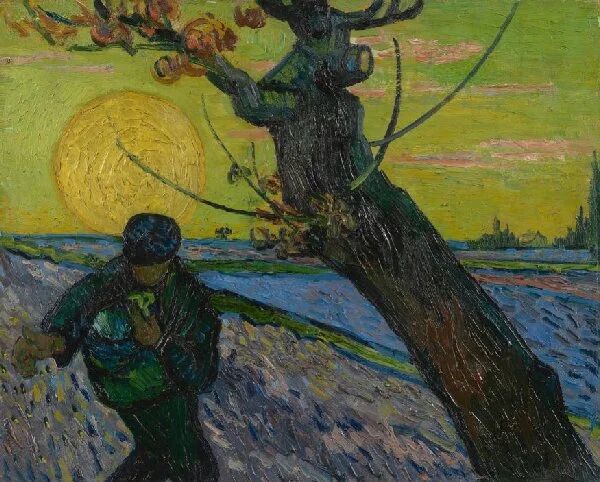
https://www.vangoghmuseum.nl/en/collection/s0005V1962
[2] CMG On the Ground: Over Ten Thousand Farmers from Across Europe Gather in Brussels for Protest
https://news.yunnan.cn/system/2025/12/19/033788429.shtml
[3] EU Potato Sector: Production and Trade in 2023
https://www.patafest.eu/news/eu-potato-sector-production-and-trade-2023
[4] Farmers Harvest 2,000 Tonnes of Potatoes but Toss 400 Tonnes? Germany Caught in a “Potato Surplus Crisis”—Experts Say It Is No Anomaly
[5] Mercosur and the EU Formally Sign Free Trade Agreement
https://www.news.cn/20260118/f31218c5b1c244fb84b7938ac343bc59/c.html
[6] After 25 Years of Negotiations, “Donroe Doctrine” Catalyst: EU and Mercosur to Sign Free Trade Agreement
https://www.thepaper.cn/newsDetail_forward_32399943
[7] Polish Farm Owner: EU Support for Ukraine Should Not Come at Poland’s Expense
http://news.cnhubei.com/content/2023-12/14/content_17104820.html
[8] EU Cancels Tariff-Exemption Policy on Ukrainian Agricultural Products
https://m.gmw.cn/2025-06/06/content_1304052885.htm
[9] Absolutely No Absorbing Ukrainian Grain! Black Sea Corridor Just Halted and Five Countries Including Poland Immediately Issue a “Self-Preservation Statement”
https://m.cls.cn/detail/1410106
[10] Brazil Surpasses the United States to Become the World’s Largest Beef Producer
https://swt.fujian.gov.cn/xxgk/jgzn/jgcs/mzdyzc/gbxx_553/202601/t20260119_7081982.htm
[11] Halting the expansion of pasture in the Brazilian Amazon
https://www.sciencedirect.com/science/article/pii/S2590332224005360#bib1
[12] Long-term relationships of beef and dairy cattle and greenhouse gas emissions: Application of co-integrated panel models for Latin America
https://agris.fao.org/search/en/records/6748c35c7625988a3720a48b
[13] What the European Green Deal means when exporting to the EU
[14] Italy Secures Protection for 58 Food Products in Mercosur Deal as Geneva Act Expands GI Safeguards
[15] The European Green Deal
https://commission.europa.eu/strategy-and-policy/priorities-2019-2024/european-green-deal_en
[16] Pesticide reduction targets – Progress
[17] Trends in the use and risk of chemical pesticides and in the use of more hazardous pesticides
[18] European Green Deal: Commission prepares new initiatives to boost the organic farming sector
[19] Closing the Gap: An analysis of the costs and incentives for regenerative agriculture in Europe
[20] The impact of the EU’s farm-to-fork strategy on member states’ economies: which countries will suffer the most?
https://link.springer.com/article/10.1186/s40100-025-00354-w
[21] Countries in Focus: EU | Reporter’s Observation: Agricultural Policy “Out of Touch,” and Europe’s Fear of a “Farm-Driven Rightward Turn”
https://www.news.cn/world/20240411/ee5f8c36b27f4a0b8a3427cf63941f84/c.html
[22] How Can Agricultural Development Shift Onto the “Green Track”?
https://caas.cn/xwzx/mtxw/0ad3c984ed494885994c7431969f437a.htm
[23] A Review of Four Years of the Central Document No. 1: How Have Ecological Requirements Changed?
https://sthjj.km.gov.cn/c/2023-02-21/4677027.shtml
[24] Closing the “Last Mile” in Extending Green Agricultural Technology
https://xczx.fjsen.com/2025-05/19/content_31906595.htm
[25] Growing Fruit: Why Are Fruit Farmers Reluctant to Use Organic Fertiliser?
[26] Why Are Organic Fertiliser and Biological Pesticides So Hard to Popularise? Understanding the Truth and Solutions Behind Green Agriculture’s “Acclaimed in Principle, But Few Takers” Dilemma
https://mp.weixin.qq.com/s/kKBxxQmmXCpPV6sHj-sA-w
[27] The Sower, Van Gogh Museum website
https://www.vangoghmuseum.nl/en/collection/s0029V1962

Editor: Xiaodan