
Saving Up Waste Like Savings – Meeting Microorganisms in the Compost
Last April, our studio in Hangzhou moved into the ground floor of an old residential block with some character, and we gained a small courtyard. In the courtyard, there is a strip of earth – the first row facing south, blessed with good sunlight. It is barely five square metres of ground, but we have finally touched the earth, and everything feels different.
When we first moved in, the leafy greens and radishes left by the previous tenant had all gone to flower, still quite lush across this small plot. To sow anew, I pulled up the old plants. Only once I turned the soil did I find that it was pure, reddish-brown clay with virtually no organic matter at all.
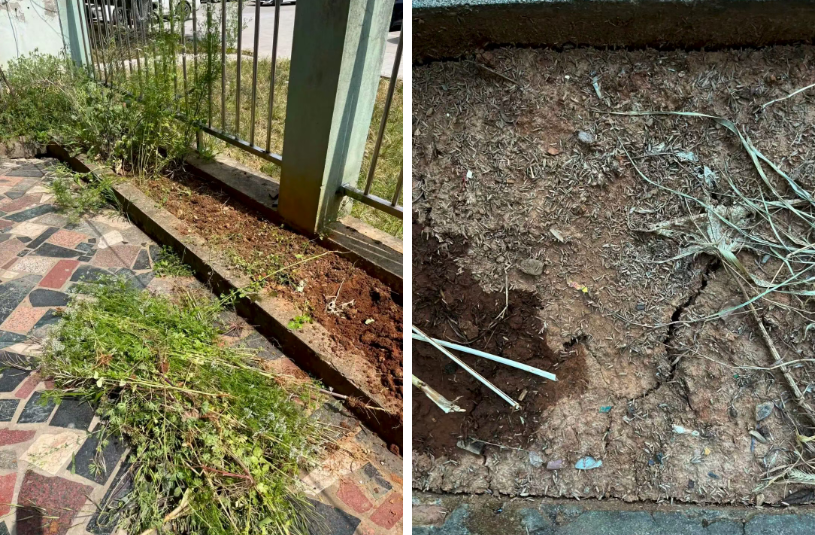
The most vital dark, black organic matter in the soil contains hundreds of millions of organic molecules, each with its own colour, absorbing and reflecting light in its own way. In a mixture of molecules of different colours, no light escapes reflection, which is why it ultimately appears black. This matter is not merely the material basis for life; when bound to inorganic particles in the soil, it forms a stable pore structure that stores moisture and oxygen underground. To improve the soil, one must begin by increasing its organic matter content.
With this small, barren plot of land in the courtyard, I had a compelling reason to start composting in earnest.
I. Starting Compost from Everyday Waste
In search of composting materials, I went asking for coffee grounds and piled them at home; with the non collective, I built a compost bin in the garden; once I even went out in the middle of the night to collect a large bag of fallen leaves that the street cleaners had swept up by the roadside, and filled the compost bin with them.
Over the past two years, while living briefly in other places, I also took part in composting at various communities. From traditional farmyard compost made from livestock manure in villages, to purpose-built tumbling compost bins on city balconies, to compost projects of varying scale and ingredients at eco-communities and farms – I have gained a fair amount of insight into the many ways composting can be done.
Now, I intend to begin from the everyday rhythms of my own home.
Since I began composting, every scrap of organic “waste” in the household has been gathered as carefully as one saves money. All kitchen scraps, leftover food, fruit someone gave us that started to rot before we finished it – in the past, facing such leftovers, I felt a pang of guilt and a sense of helplessness. Now I regard them as treasure, telling myself that in the end they will all become precious nourishment for the land.
At home I practise Bokashi composting: I pour in kitchen scraps each day and sprinkle EM microbial powder over them to cover. (Note: EM microorganisms are a live microbial inoculant, typically comprising Bacillus, photosynthetic bacteria, lactic acid bacteria, yeasts and actinomycetes, blended with rice bran, fish meal and other organic matter. It suppresses harmful microorganisms, especially pathogenic bacteria and putrefactive bacteria.)
My trusty composting assistant is a well-worn pair of large scissors; while chopping vegetables I cut the scraps finer as I go, then pour them into my Bokashi bucket each day. Used paper napkins are also collected separately in a dedicated bin. The result is that the flat is dotted with different temporary containers for “waste” – a box for coffee grounds, a cup for tea leaves, peanut shells first ground in the food processor. Coffee grounds with filter papers in them are set aside on their own and left to dry on the balcony; I do not put them in the Bokashi bucket because they take up too much space. This is admittedly rather fussy composting, but composting is like cooking in the kitchen: there is no right or wrong, and everyone’s technique is their own.
During the hottest stretch of summer, the fifteen-litre bucket at home filled up fast. The compost liquid needed draining diligently every day – eat one watermelon, and you can collect a litre or two of liquid. Whenever the Bokashi bucket is full, I head to a nearby café, collect two bags of coffee grounds, haul the parcels over to the studio’s small courtyard, and begin hot composting in an insulated box.
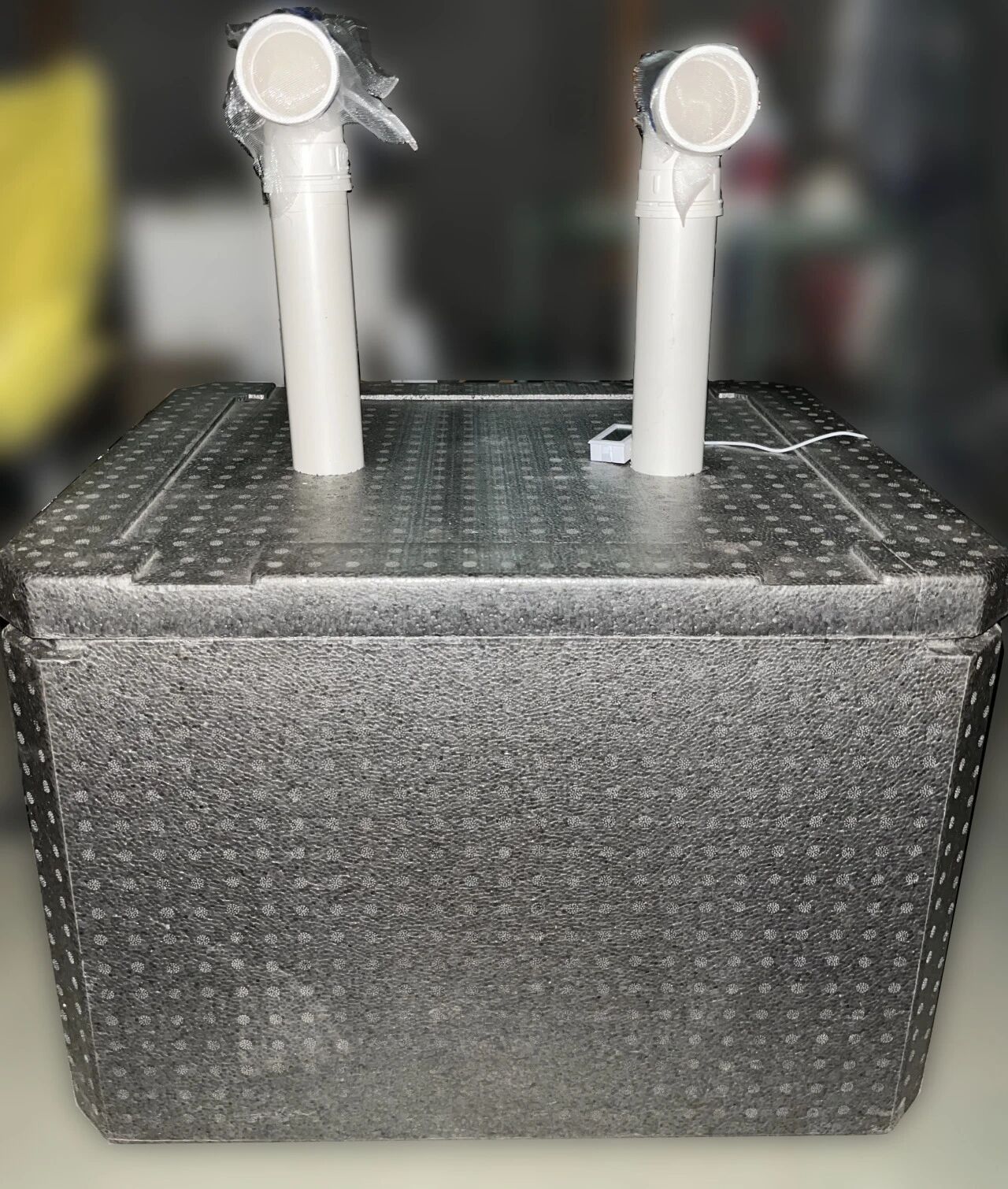
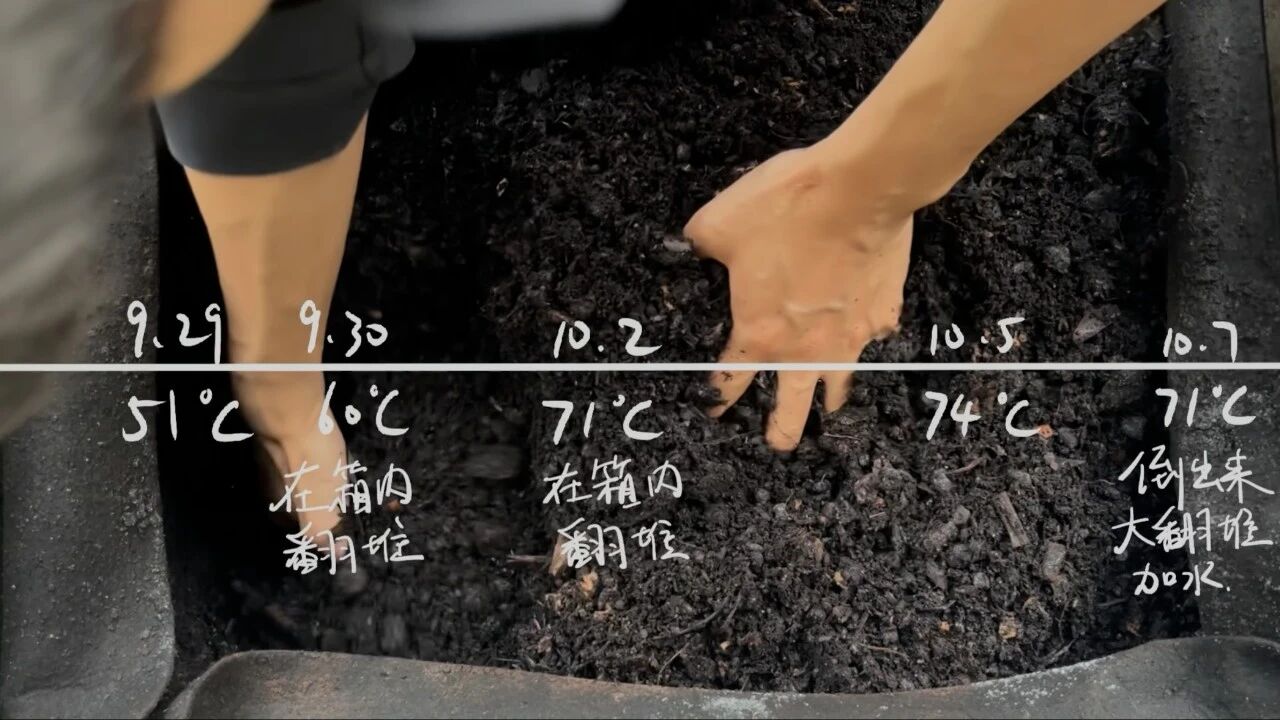
My hot-compost bin is a converted second-hand food-insulated box with a capacity of about sixty litres. Starting from the first batch on 10 May, seven batches have been completed over ten months. For every bin I have kept detailed records of temperature changes and pile-turning details. From the early days of struggling to get the temperature to rise properly, I have grown considerably more confident.
Hot composting revolves around the carbon-to-nitrogen ratio, but my recipe is usually just roughly a 1:1 blend of coffee grounds and the household Bokashi scraps, plus a bag of paper napkins – no bold additions like fish offal. Once moisture and oxygen are well managed, the carbon-to-nitrogen ratio becomes the least important factor of all.
More importantly, I have begun to understand composting from the microorganisms’ point of view, asking myself what they can easily digest and what conditions make their environment comfortable.
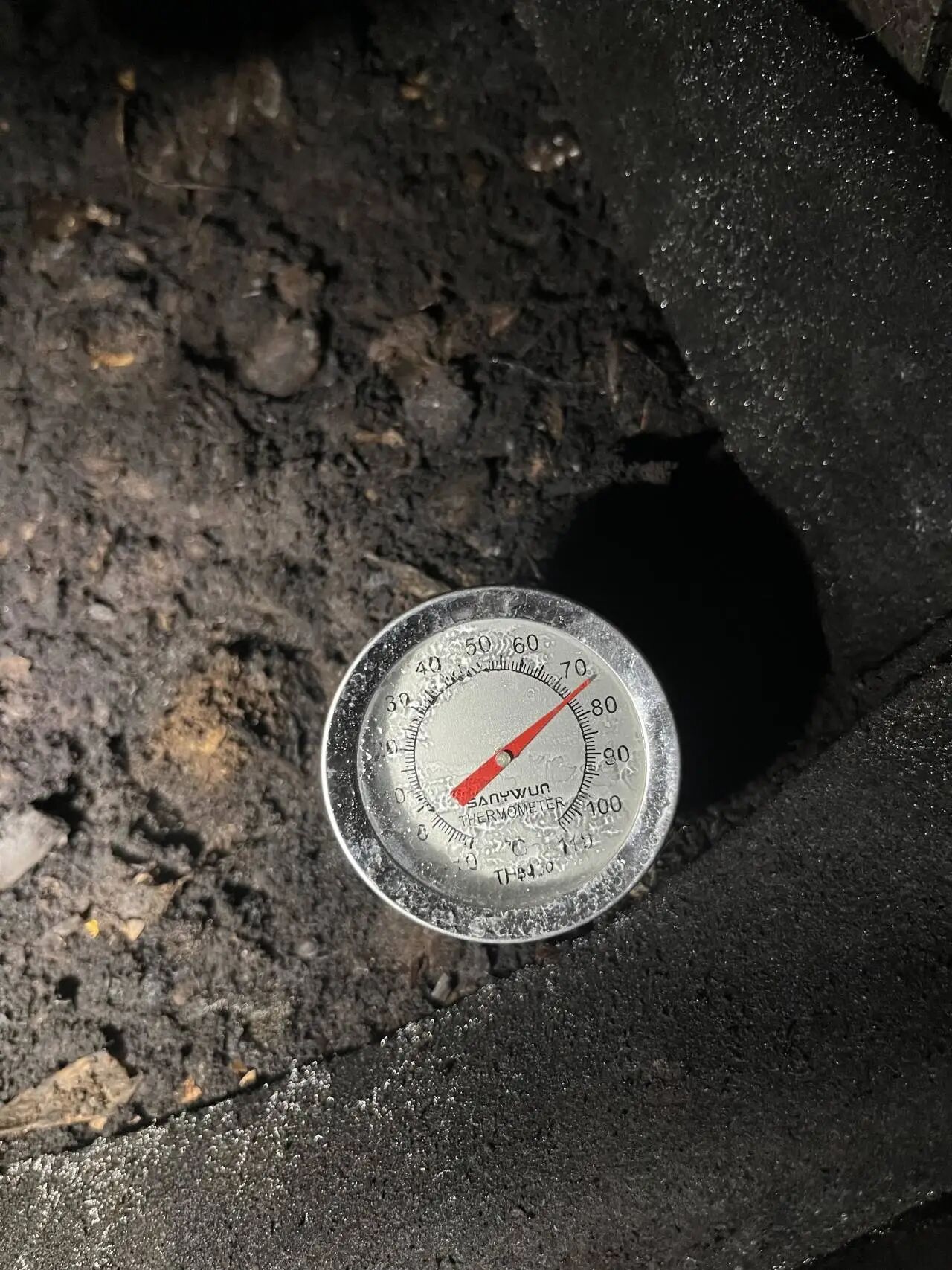
Within the hot compost, a great many different bacteria and fungi are hard at work. Some thrive at mesophilic temperatures (25–45 °C); others at thermophilic temperatures (45–70 °C). Among the mesophilic species, one sends out masses of soft, white, fuzzy hyphae, while the thermophilic actinomycetes are visible to the naked eye as tiny speckles of grey-white. Yet the vast majority of the microorganisms here are entirely invisible to us. They are fervently digesting the food residues our human bodies could not. Through digestion, we meet one another.
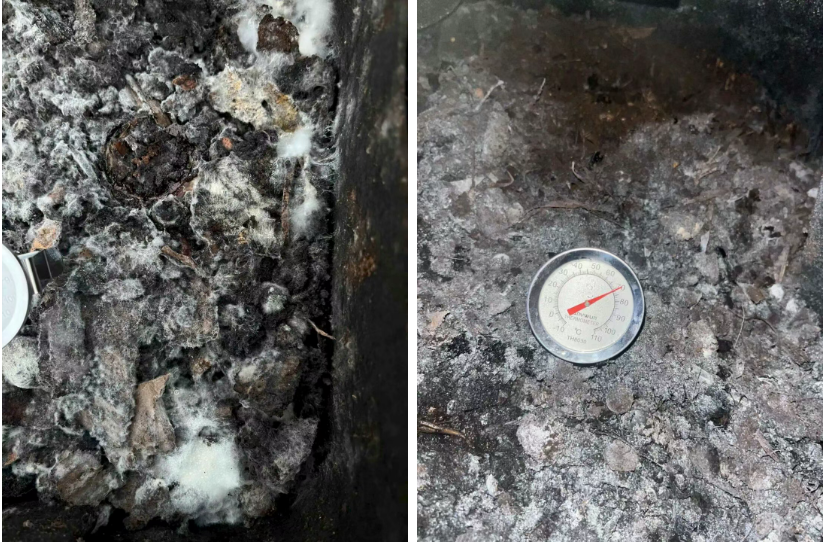
For the aerobic microorganisms in hot compost, the finer the food particles, the easier they are to digest. The right balance of moisture and oxygen is essential for them to live and multiply comfortably. If the moisture level is too high, the pile tips into anaerobic fermentation, and these aerobic microorganisms struggle to survive.
The most important role of compost for the soil is not only increasing its organic matter, but also returning the compost’s rich microbial community to the earth, fostering the symbiotic relationship between microorganisms and plants. Much as one cooks a meal, I create a living environment for the many microorganisms bustling through the compost, and in return they bring the land to life.
II. Tending the Land
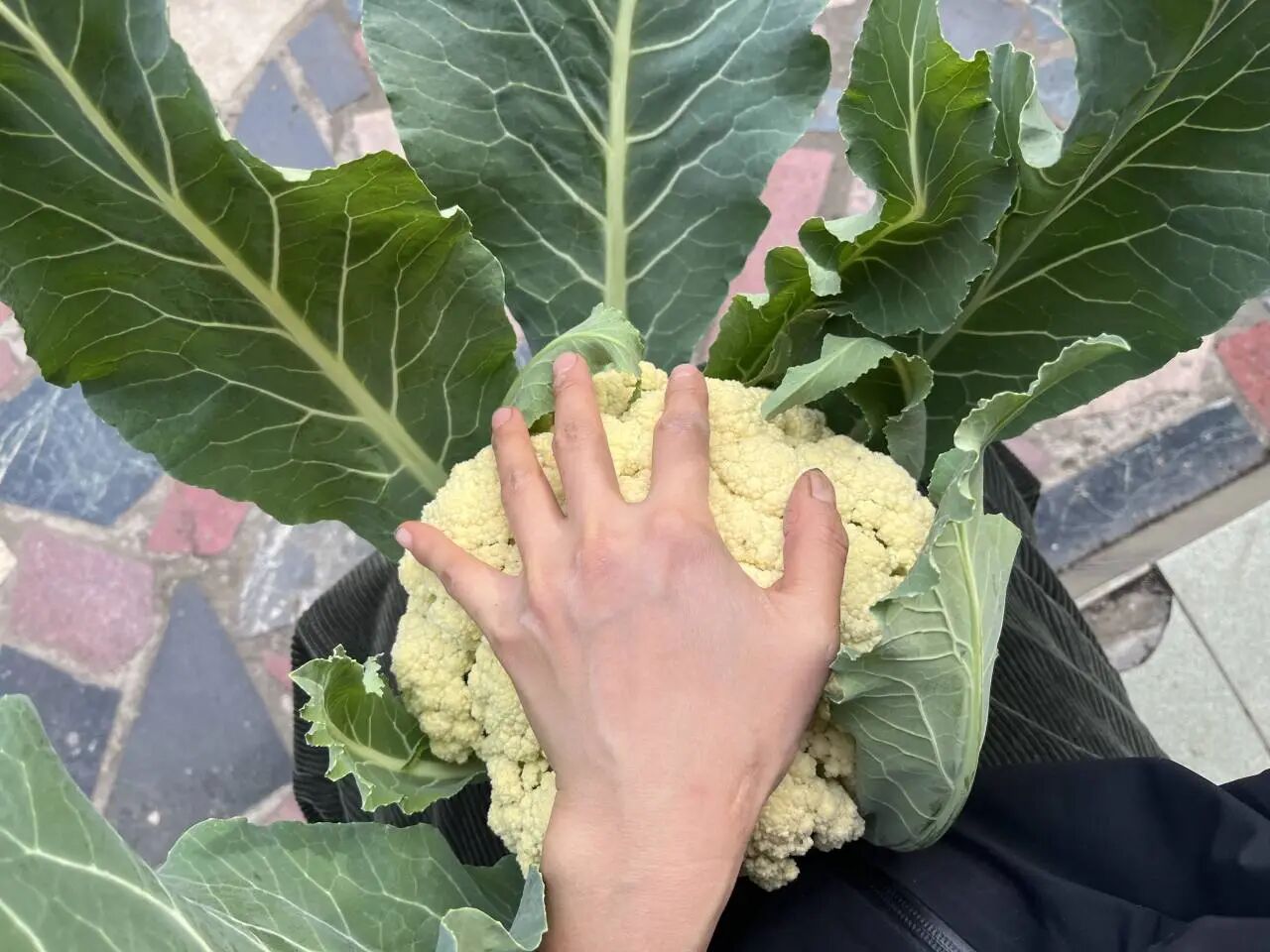
At the very least, the vegetables I have planted – nourished by this compost – are wonderfully robust. My primary aim for now is still to digest the organic surplus from my daily life back into the soil.
Had I not begun composting from my daily life, I would probably never have truly grasped that composting, much like tending a jar of pickled vegetables or maintaining a sourdough starter, calls for steadfast, day-after-day care. Separating paper napkins without a second thought, snipping kitchen scraps into smaller pieces as I cook – these small gestures with my hands have become as ordinary as any part of my routine at home. People see this and exclaim how much of a hassle it all is, but I find joy in it. These habits have also saved me a great deal of time spent hauling rubbish out; now the proper bin at home takes ages to fill.
It was also because I began growing vegetables a few years ago that I started reading the ethics of care and ecofeminism. Academic discourse uses theory to interpret the world; the body responds to life through concrete action. When Tronto and Fisher wrote about the ethics of care in 1990, they proposed that care is “a species activity that includes everything we do to maintain, perpetuate, and repair our ‘world’ so that we may live in it as well as possible. This world includes our bodies, ourselves, and our environment – all of which we try to weave into a complex, life-sustaining web.” In the act of caring, we invest emotion and forge bonds with those we tend. Yet care is often regarded as reproductive labour confined to the domestic sphere rather than productive work, and is therefore undervalued.
And yet tending the land is the most fundamental form of production. In Matters of Care, Bellacasa writes in the chapter on “The Time of Soil”: “Understanding the living things in soil through seeing and touching also shows how, in intimacy and care, we forge connections with soil’s dark, alien world.” Composting is no different – hands immersed in humus, reaching in to touch and turn – at once the digestion of surplus and the making of nourishment for the land.
Tending a hot-compost pile is not exactly easy. In the heat of summer, at temperatures of 40 °C, tipping out the sour-smelling Bokashi scraps and turning them by hand with coffee grounds – that is not something everyone would be willing to do.
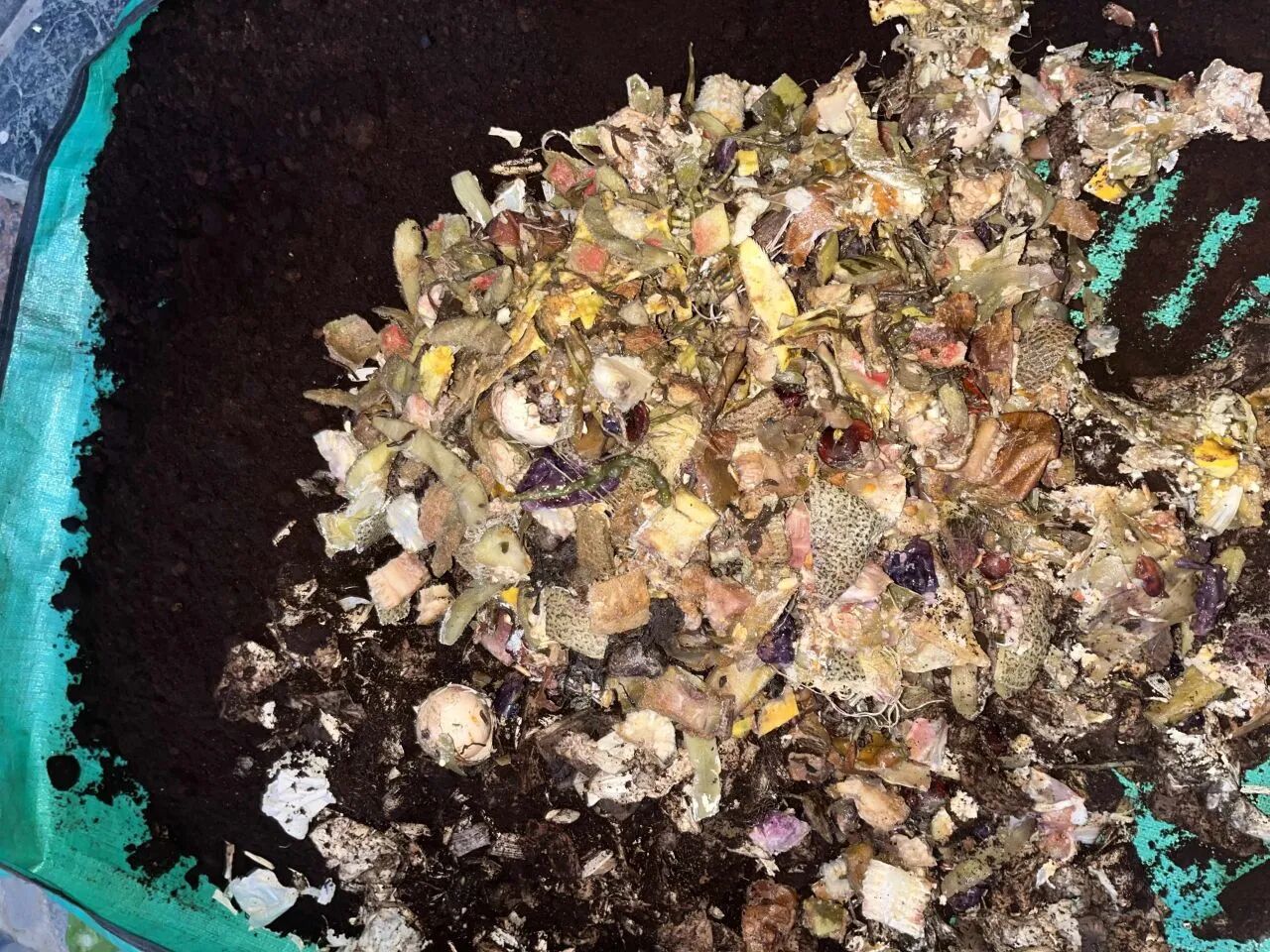
At first, I found it a little daunting to get started. But after long hours alongside the piles, I have grown accustomed to the smell of compost. I do not find the fermenting scent of Bokashi unpleasant. The aroma that emerges once the heat has passed and things have transformed is a complex, fertile freshness, carrying the solidity and warmth of earth beneath it.
Once the pile’s temperature has fallen somewhat, I go in with bare hands to turn it, pinching apart any lumps that have not yet broken down. By then, most of the kitchen scraps have already transformed; a few things like corn cobs and grapefruit rind still hold their shape, but they can be easily pinched open or torn apart by hand. Honestly, this step is not strictly necessary – I simply enjoy the feel of them under my fingers.
After turning the pile, the smell of compost lingers on my hands, dark organic matter lodges in the crevices beneath my fingernails, and traces of it cling to my clothes. Gradually, through this process, I have grown familiar with the habits of thermophilic microorganisms. There is no absolute formula – I can only observe the temperature and moisture often, turn the pile, and adjust. Perhaps because I turn it so frequently, working alongside the microorganisms within to generate heat, my hands have slowly learned to sense the conditions a hot pile requires. It is a very subtle form of perception, like acquiring mastery over a craft. In this intimate bond of care, the microorganisms in the compost are also changing and shaping my body.
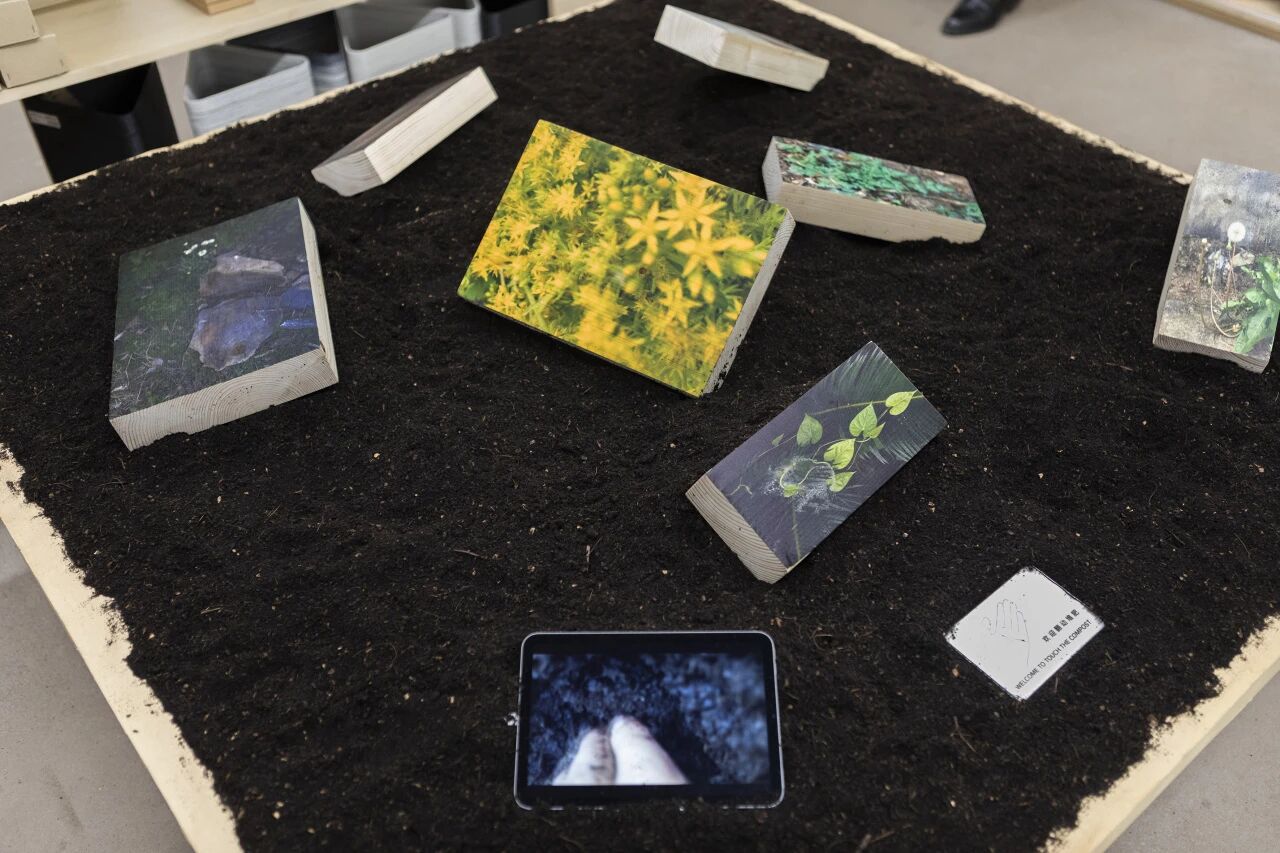
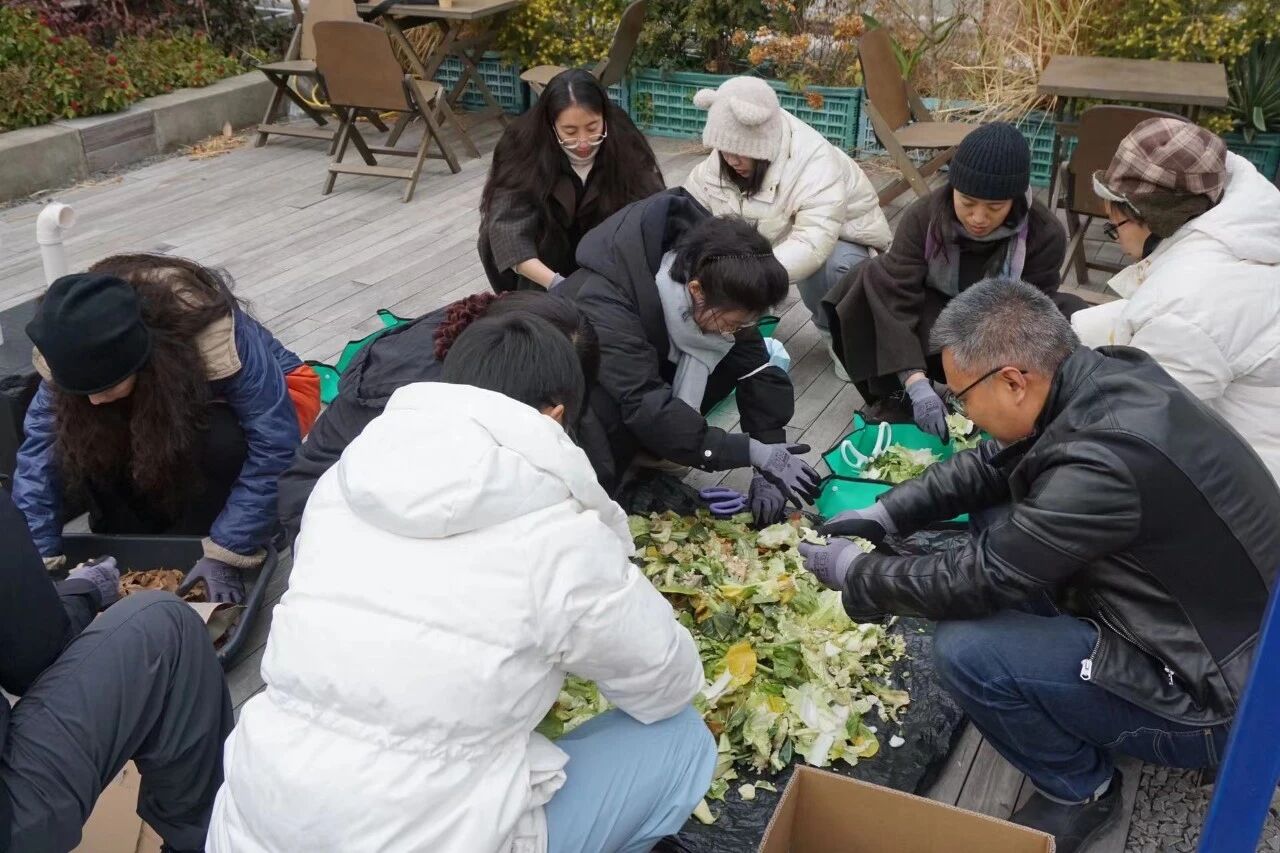
A while ago, I brought a box of compost to the non collective’s exhibition. The kitchen scraps gathered at home had already become loose, fragrant humus. We spread it out on the floor of the klee klee & friends store at Shangsheng Xinsuo in Shanghai, inviting visitors to turn it with their own hands, to feel through touch what has passed through the microorganisms’ digestion. During the exhibition we also held a composting workshop, guiding everyone through the making of a hot compost together.
III. The Bodily Connection from Eating to Growing
Another designer friend who lives nearby, Monkey, has also got herself a bucket. And so we began exchanging materials for compost. A while ago, I started a new batch, and she brought her home Bokashi bucket over. On her way out, I asked her to take a bag of fully decomposed compost back to feed her potted blueberries at home.
But this time, the separating layer inside Monkey’s bucket had gone wrong, and the liquid would not drain. The fermented result was a mess of sticky, foul-smelling solid–liquid mixture.
That is composting for you – if the compost liquid is not drawn off in time, it gives off a stench that would put many people off. Yet it can hardly be called a failure; in the end, these organic materials can still become nourishment for the soil. I mixed the mess she had brought in with coffee grounds, paper napkins and wood shavings, adjusted it to the right moisture level, and put it all into the compost bin. A few days later, the pile’s temperature climbed back to 65 °C, and the smell had transformed into the aroma of active digestion.
There is also a friend in Shanghai who has just moved into a new studio with a courtyard; I talked her into the rabbit hole of composting as well. Of the two rose bushes in her courtyard, the one regularly fed with Bokashi compost liquid is clearly growing and flowering more vigorously than the other.
Composting has opened up the bodily connection from eating to growing. It feels like a remarkably tangible bodily practice, even on such a tiny, limited patch of land in the city. The practice of composting has also made me reconsider where our food comes from, the soil beneath it, and the processes of its production. In the city, how can we eat better, and how can we grow better?
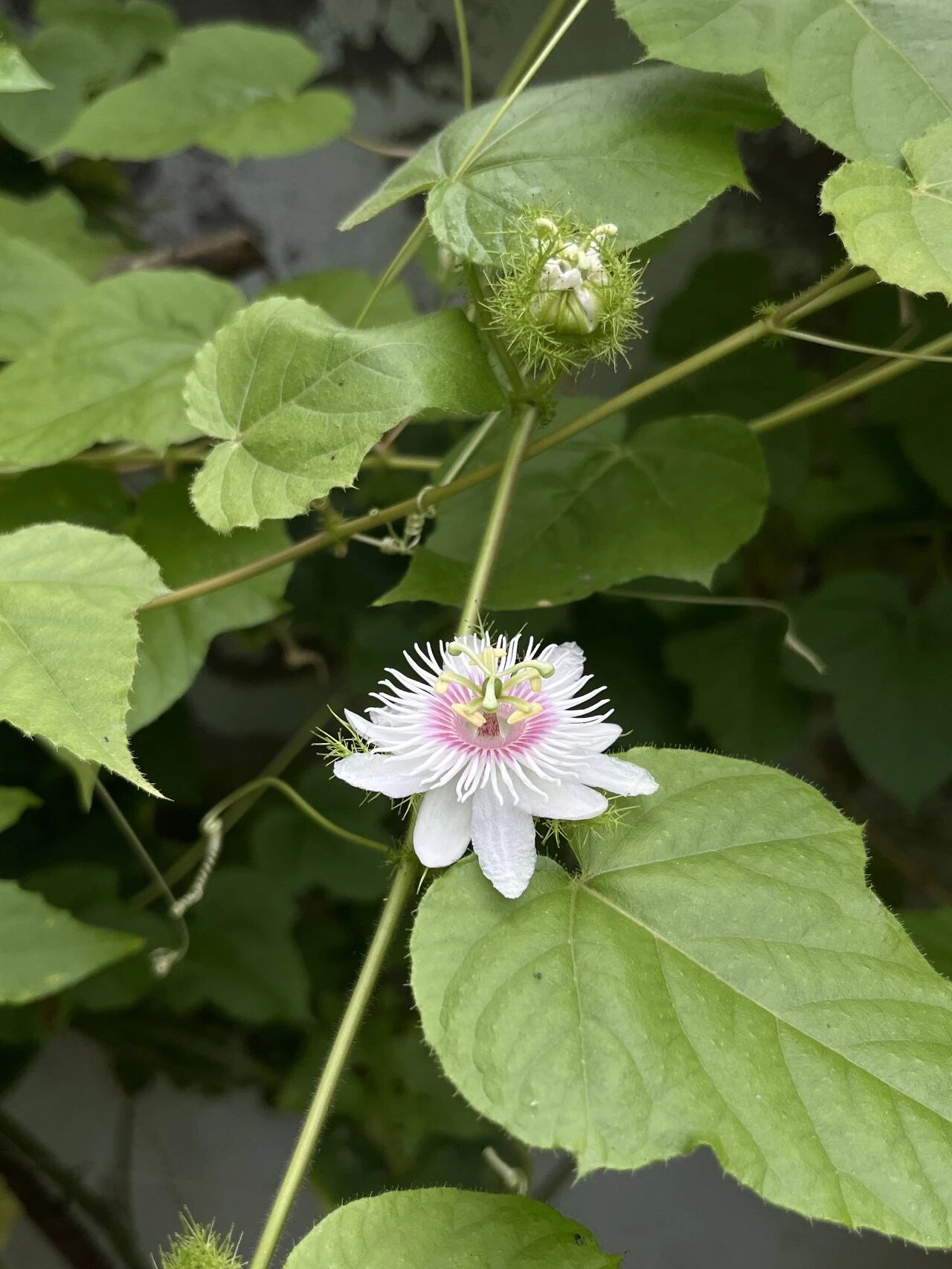
In the studio courtyard, the dark compost was mixed into the reddish-brown clay. Slowly, the soil began to loosen, its colour to change, and moisture to stop draining away so quickly. Last summer, luffa, okra, chillies and Passiflora foetida grew luxuriantly in the beds (the tomatoes did not survive Hangzhou’s extreme heat); in autumn, cauliflower and peas were sown.
I dilute the compost liquid drained from the Bokashi bucket and use it to water the plants; the finished hot-compost, once fully decomposed, is spread directly on the surface as a top-dressing. When I sowed peas in autumn, I found that wherever compost had been mixed in over the summer, the soil yielded to the lightest scratch of the hoe; where no compost had been spread, it was still as hard as a rammed-earth brick.
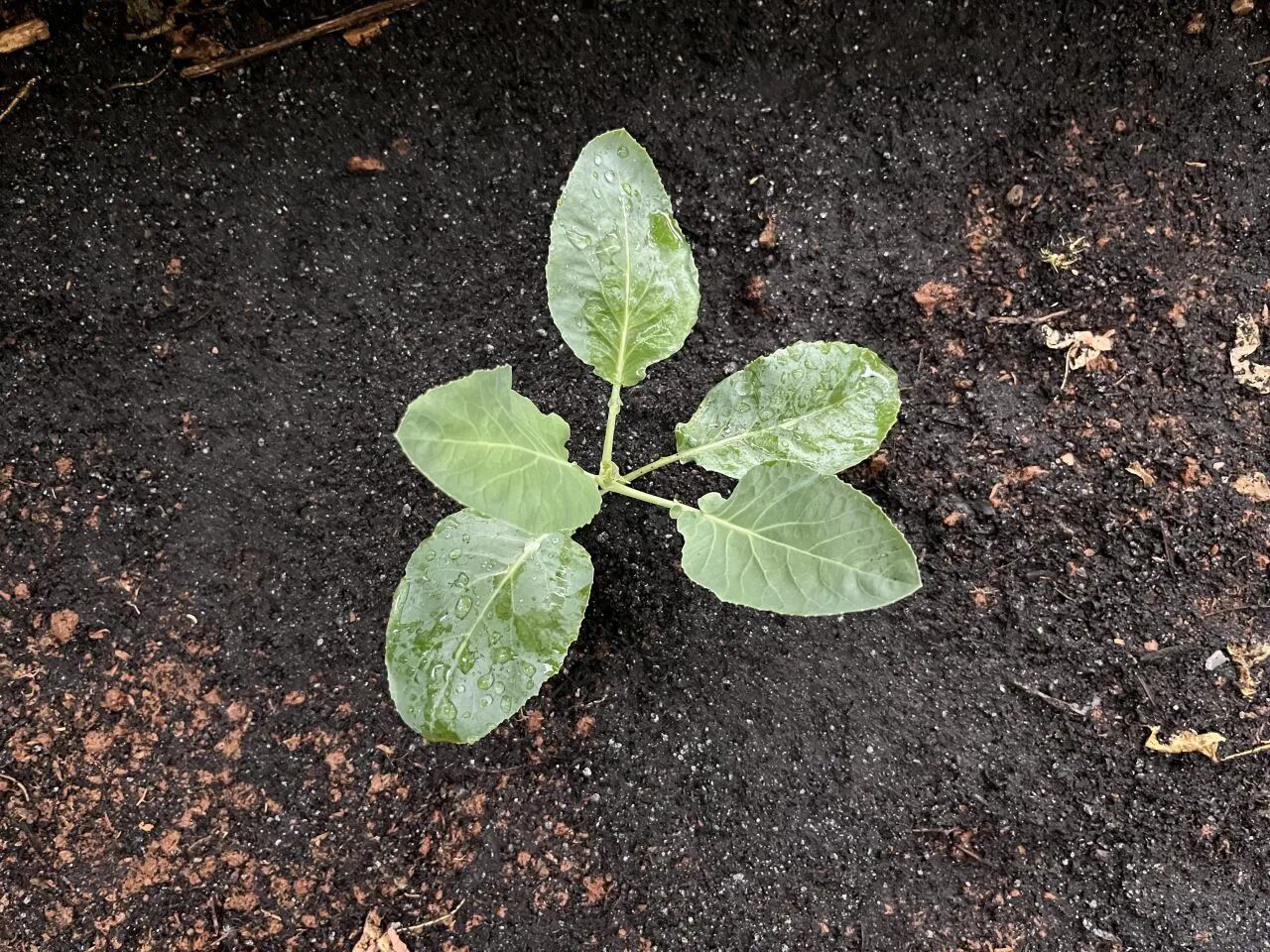
Usually, after about twenty days or so, once the temperature has come down completely, a batch of compost is ready to feed the plants in the ground. But this winter’s courtyard holds only a few cauliflower plants and some peas; there is no need for much fertiliser yet. So I sieved the mature compost and piled it in another insulated box to continue curing (kept at a certain level of moisture), saving it for this year’s spring sowing.
With the Start of Spring in February, I began germinating seeds for the spring sowing and, at the same time, used spare acrylic sheets from the studio to put up a small greenhouse on the sheltered, eave-side strip of the courtyard. In the greenhouse soil, I first laid a layer of last year’s dried luffa vines and leaves, then a thick layer of compost on top. This raised bed of nutrient-rich humus is my nursery for raising seedlings.
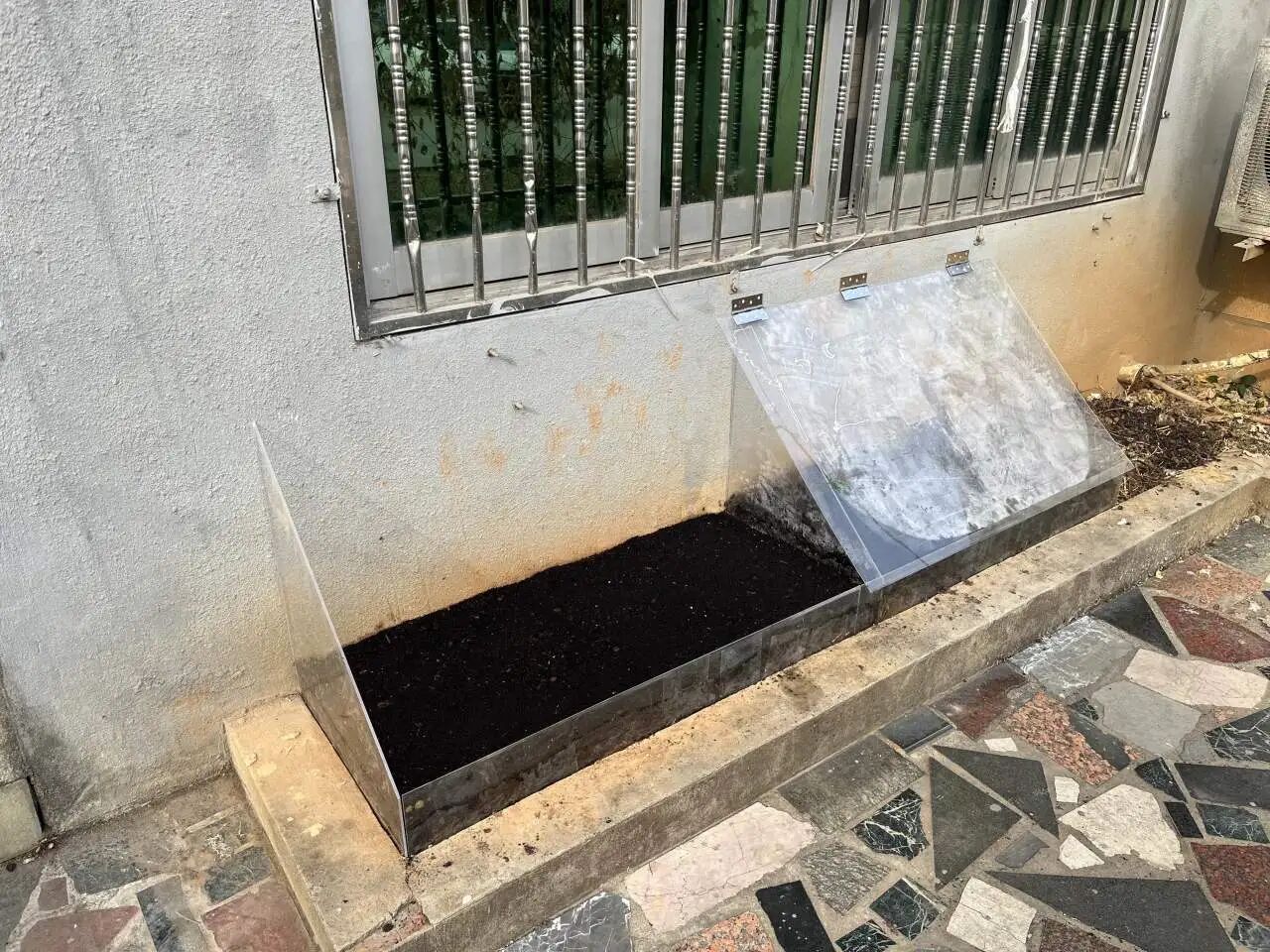
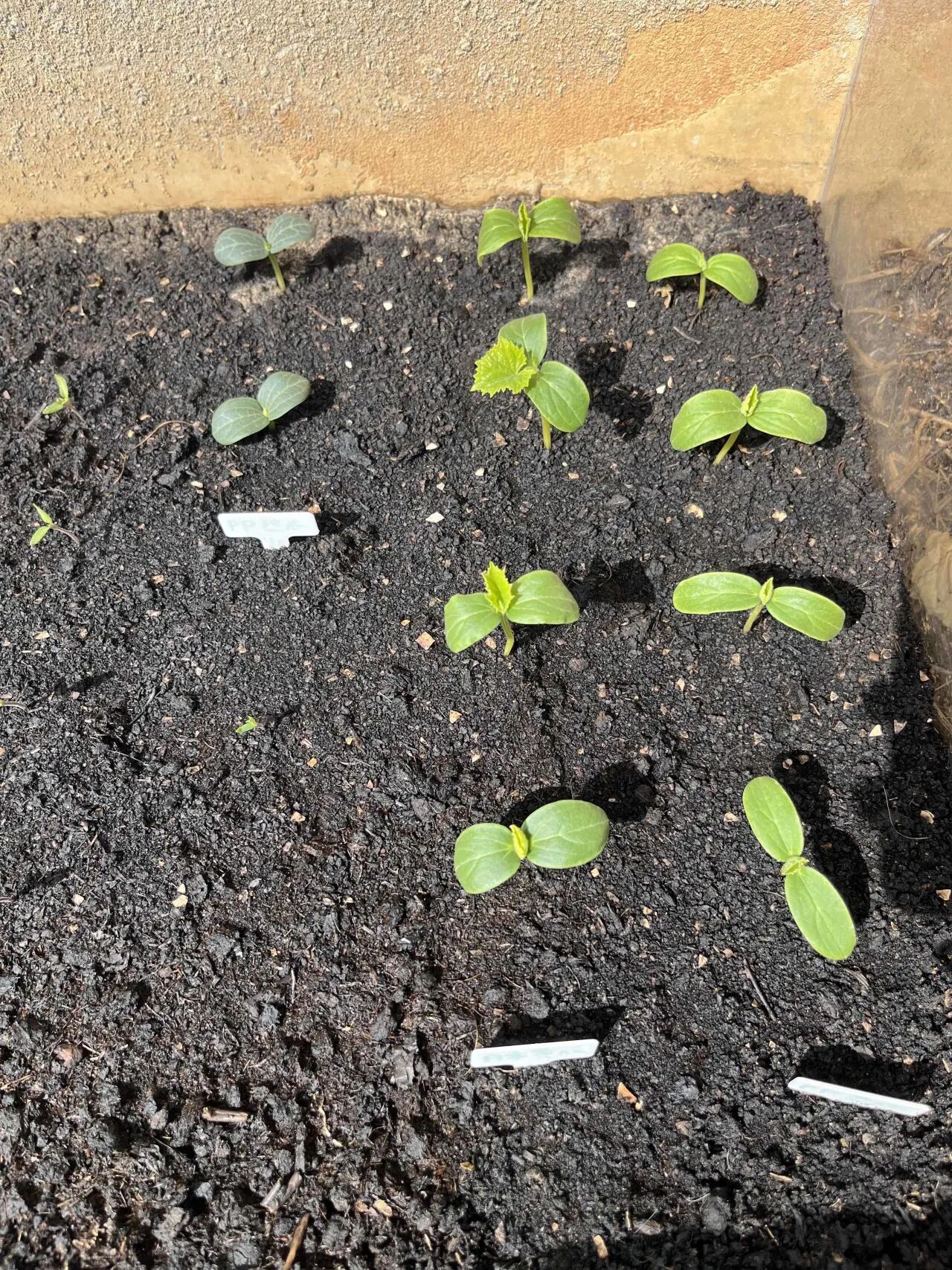
At this very moment, sitting atop a large box of sieved compost, I feel utterly abundant, my heart brimming with anticipation for spring.
[2] Tronto, Joan C. 1998. “An Ethic of Care.” Generations: Journal of the American Society on Aging, vol. 22, no. 3, pp. 15–20.
[3] Bellacasa, María Puig. 2017. Matters of Care: Speculative Ethics in More than Human Worlds. Minneapolis: University of Minnesota Press.
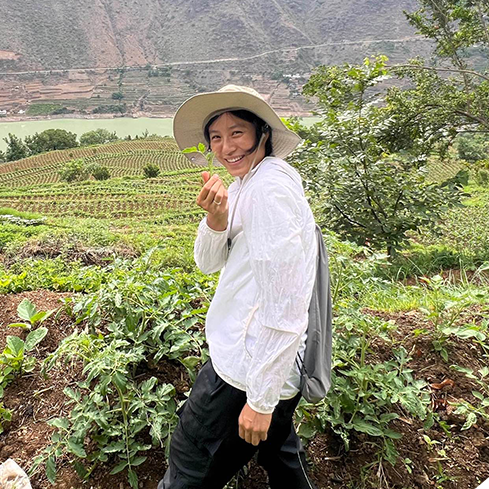
All images are provided by the author unless otherwise noted.
Editor: Xiaodan